
The Benefits of Different Journal Formats and Their Features

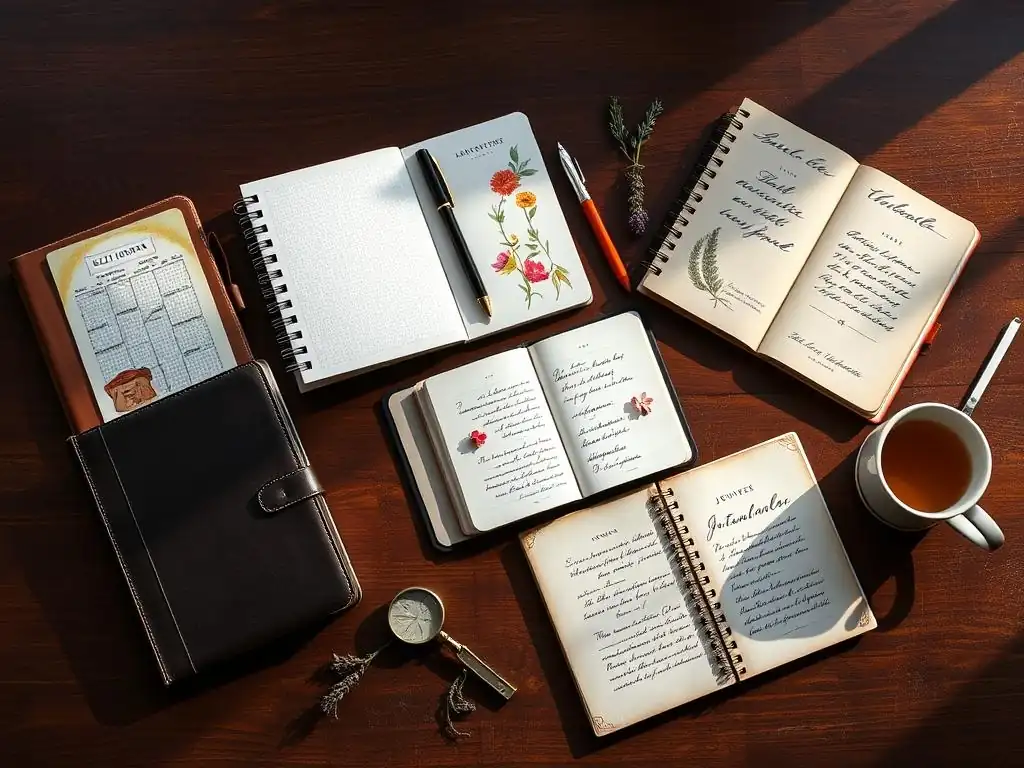
Welcome to Mind Care Guide, your sanctuary for nurturing inner peace and understanding your mental well-being. Ever wonder if the way you journal truly unlocks its full potential? Dive in to explore the surprising benefits of different journaling formats – you might just discover the perfect method to navigate your thoughts and emotions with greater clarity and ease. Let's embark on this journey of self-discovery together, one page at a time.
The Benefits of Different Journal Formats and Their Features for Mental Well-being
- Understanding Journaling Formats: A Mind Care Guide
- Exploring Different Journaling Styles: Which Format is Right for You?
- In-Depth Look at Specific Journaling Formats and Their Mental Health Advantages
- Choosing the Right Journaling Format for Your Needs: Key Considerations
- Maximizing the Benefits of Journaling: Tips and Techniques
-
Frequently Asked Questions
- What are some common journaling formats discussed in the article?
- How can gratitude journaling specifically benefit my mental health?
- What are the benefits of using journaling prompts if I'm unsure where to start?
- Is there a "best" journaling format for everyone, or is it a personal choice?
- How does consistent journaling contribute to long-term mental well-being?
- Final Reflection: Unlocking Your Inner Voice Through Journaling Formats
- Unlock Your Journaling Potential: Discover Your Perfect Format
Understanding Journaling Formats: A Mind Care Guide
Journaling is a powerful tool for mental well-being, offering a private space to process thoughts and emotions. However, the term "journaling" is broad, encompassing a variety of approaches and structures, each offering unique advantages. Understanding the benefits of different journaling formats is key to finding the practice that best supports your mental health journey. Whether you're seeking clarity, emotional release, or a path to mindfulness, exploring the diverse world of journaling can unlock significant therapeutic potential.
The core idea behind journaling, regardless of format, is to externalize internal experiences. This act of putting thoughts onto paper (or screen) can create distance from overwhelming emotions, making them easier to examine and understand. Different journaling formats simply provide different frameworks for this process, tailoring the experience to specific needs or preferences. The choice of format can significantly impact the consistency of the practice and the type of insights gained, making it crucial to explore what resonates most with you.
Exploring Different Journaling Styles: Which Format is Right for You?
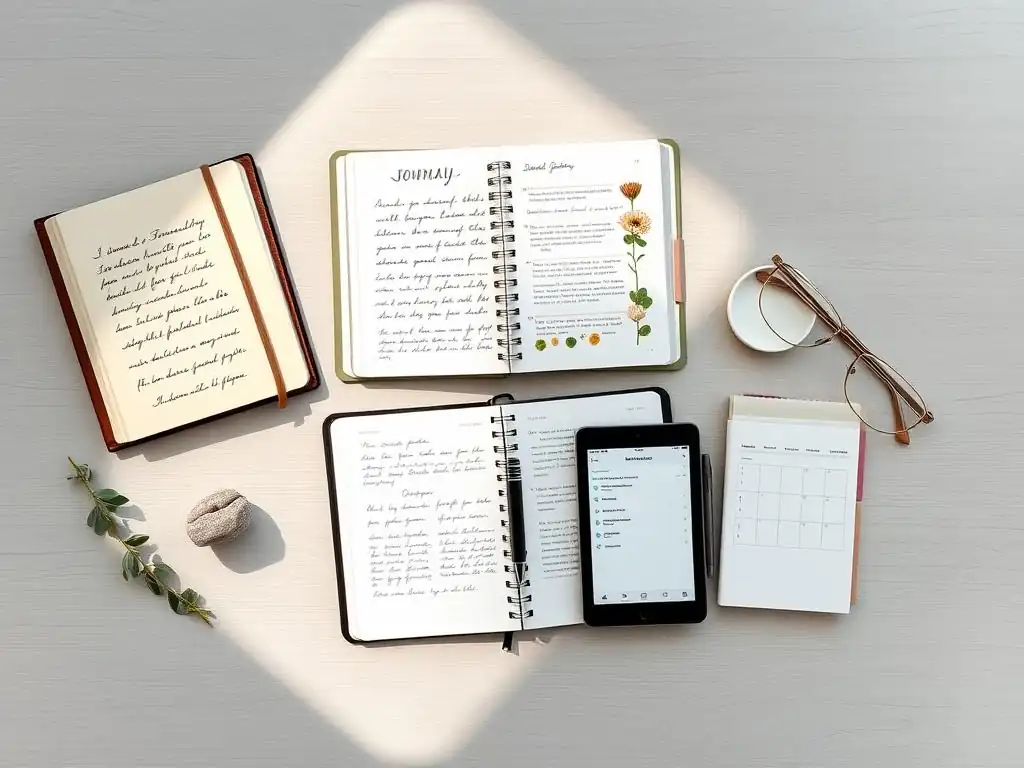
Choosing the right journaling style is a personal journey. It often depends on your personality, your goals for journaling, and the amount of structure you prefer. Some individuals thrive with clear guidelines, while others find freedom in a blank page. Exploring the various journaling formats benefits explained below can help you identify potential starting points that align with your needs and comfort level.
Experimenting is a vital part of finding your ideal journaling format. You might start with one style and find it doesn't quite fit, leading you to try another. There's no single "best" way to journal; the effectiveness comes from consistency and honesty within the chosen structure. Consider what you hope to achieve – reduced stress, increased self-awareness, better organization – as this will guide your exploration.
Structured Journaling for Clarity and Focus
Structured journaling involves using prompts, templates, or predefined sections to guide your writing. This format is particularly beneficial for individuals who feel overwhelmed by a blank page or who have specific goals, such as tracking habits, managing anxiety triggers, or reflecting on daily positives. The inherent structure provides a clear path, making it easier to start and maintain the practice consistently.
For instance, a structured anxiety journal might include sections for noting the date, time, specific triggers encountered, physical sensations, thoughts, and coping strategies used. By consistently filling out these sections, individuals can identify patterns in their anxiety, leading to greater understanding and control. Research has indicated that structured journaling, particularly when focused on specific issues, can lead to a measurable reduction in stress levels, sometimes reported as a decrease of 10-15% in perceived stress over several weeks of consistent practice in some studies. This format helps distill complex experiences into manageable data points for analysis.
Unstructured Journaling: Unleashing Your Inner Thoughts
Unstructured journaling, often called free writing or stream-of-consciousness journaling, involves writing whatever comes to mind without rules, prompts, or specific goals. This format is about pure expression, allowing thoughts and emotions to flow freely onto the page. It's an excellent method for processing difficult feelings, exploring complex ideas, or simply clearing your mind of mental clutter.
The primary benefit of unstructured journaling lies in its freedom. It provides a non-judgmental space to vent, explore raw emotions, and uncover hidden thoughts. Many find this format cathartic, reporting a significant sense of relief after unloading their mental burdens. While less focused than structured methods, this free-form exploration can lead to unexpected insights and breakthroughs, helping individuals connect with their deeper selves and understand underlying emotional states that structured formats might not reach as readily.
Bullet Journaling for Organization and Mindfulness
Bullet journaling, often referred to as "BuJo," is a highly flexible organizational system that can also be a powerful tool for mindfulness and mental well-being. It typically involves using bullet points, symbols, and short phrases to track tasks, events, and notes, but it also includes space for daily logging, monthly reflections, and creative expression through "collections." This format bridges the gap between a planner, a to-do list, and a personal journal.
The mental health benefits of bullet journaling stem from its ability to foster organization, reduce mental clutter, and encourage mindful reflection. The process of migrating tasks and reviewing progress can alleviate feelings of overwhelm. Furthermore, dedicated sections for gratitude logs, mood trackers, or daily reflections integrate mindfulness into the organizational structure. Users often report feeling more in control of their lives and experiencing a reduction in anxiety related to managing responsibilities, sometimes quantifying this as an improvement in feelings of self-efficacy by 20% or more after several months of consistent use.
In-Depth Look at Specific Journaling Formats and Their Mental Health Advantages
Beyond the broad categories of structured and unstructured, several specific journaling formats have gained popularity due to their targeted mental health benefits. These methods focus on particular aspects of well-being, offering tailored approaches to cultivate positive emotions, enhance self-awareness, and process experiences through different lenses. Understanding the unique journaling formats benefits explained here can help you pinpoint a practice that addresses your specific mental health needs.
Exploring these specialized formats allows for a deeper dive into particular areas of personal growth. While some individuals may choose to stick to one format, others find value in incorporating elements from several or even rotating between different styles depending on their current needs or moods. The key is to find a practice that feels sustainable and genuinely contributes to your well-being.
Gratitude Journaling: Cultivating Positivity and Reducing Stress
Gratitude journaling involves regularly writing down things you are thankful for. This simple practice shifts focus from what is lacking to what is abundant, fostering a more positive outlook. It can be structured as a daily list of 3-5 items or a more free-form reflection on positive experiences and people.
Studies have consistently shown that practicing gratitude can significantly impact mental health. For example, research published in the Journal of Personality and Social Psychology found that participants who wrote about gratitude once a week reported higher levels of positive emotions, optimism, and life satisfaction compared to control groups. Furthermore, they experienced fewer physical symptoms and were more likely to help others.
The act of actively seeking out things to be grateful for helps rewire the brain to notice the positive, acting as a buffer against stress and negative rumination. Many individuals report feeling a noticeable lift in mood within just a few weeks of starting a consistent gratitude journaling practice.
Mindfulness Journaling: Enhancing Self-Awareness and Reducing Anxiety
Mindfulness journaling focuses on observing your thoughts, feelings, and sensations in the present moment without judgment. It can involve describing sensory experiences, noting transient thoughts or emotions, or reflecting on mindful activities like meditation or a nature walk. The goal is to increase awareness of your internal landscape and external environment.
This format directly supports the principles of mindfulness, which have been shown to reduce symptoms of anxiety and depression. By regularly checking in with yourself and observing your present experience, you develop a greater capacity to tolerate uncomfortable feelings without getting swept away by them. Research indicates that mindfulness practices, including journaling, can lead to changes in brain regions associated with attention and emotional regulation. Individuals who engage in mindfulness journaling often report feeling calmer, more centered, and better equipped to handle stressful situations, sometimes noting a reduction in racing thoughts within days of consistent practice.
Art Journaling: Expressing Emotions Through Creativity
Art journaling combines visual art and written text to explore thoughts and feelings. It doesn't require artistic skill; the focus is on expression. This can involve drawing, painting, collage, mixed media, or any creative visual element alongside words, phrases, or narrative writing.
Art journaling provides an alternative avenue for emotional expression, particularly for those who find it difficult to articulate feelings solely through words. The creative process itself can be therapeutic, offering a tactile and visual way to process complex or overwhelming emotions. It allows for symbolic representation and non-linear exploration.
Participants in art therapy studies have reported significant reductions in stress and anxiety levels, with some finding it easier to access and process traumatic experiences or deep-seated emotions through visual means than through traditional talk therapy or writing alone. This format encourages playfulness and experimentation, making the process less intimidating and more engaging for some individuals.
Dream Journaling: Exploring Your Subconscious and Gaining Insights
Dream journaling involves recording your dreams immediately upon waking. The goal is to capture the details, emotions, and narratives of your dreams before they fade, providing a window into your subconscious mind. Entries might include the dream's setting, characters, events, and your feelings during and after the dream.
While not a direct therapeutic intervention like gratitude or mindfulness journaling, dream journaling can offer valuable insights into your underlying thoughts, fears, and desires. Recurring themes or symbols in dreams can sometimes highlight unresolved issues or offer perspectives on waking life challenges. For individuals interested in self-discovery or psychological exploration, analyzing dream patterns can be a fascinating process. Though not easily quantifiable with standard metrics, many long-term dream journalers report a deeper understanding of their internal world and feel more connected to their intuition over time.
Choosing the Right Journaling Format for Your Needs: Key Considerations

Selecting the optimal journaling format is a personal decision that should align with your goals, personality, and lifestyle. There isn't a one-size-fits-all answer when exploring the journaling formats benefits explained. Taking time to consider what you hope to gain from the practice and how you prefer to work can significantly improve your chances of finding a sustainable and beneficial approach.
Consider this process as an exploration rather than a permanent commitment. You might find that your needs change over time, leading you to adapt your journaling style or incorporate elements from multiple formats. Be patient and kind to yourself as you experiment; the most effective format is the one you feel motivated to return to regularly.
Assessing Your Goals
- What do you hope to achieve through journaling?
- Reduce stress and anxiety?
- Increase self-awareness?
- Process difficult emotions?
- Track habits or progress?
- Boost creativity?
- Cultivate positivity?
- Understanding your primary motivation will help you narrow down the options. For example, if stress reduction is key, structured or mindfulness formats might be ideal. If emotional processing is the goal, unstructured or art journaling could be more suitable. Clearly defining your objectives is the first step in leveraging the benefits of different journaling formats effectively.
Evaluating Your Personality
- Are you highly structured or more free-spirited?
- Do you prefer clear guidelines or complete freedom?
- Are you visually oriented or more comfortable with words?
- How much time can you realistically commit each day or week?
- Your inherent preferences play a significant role in how likely you are to stick with a particular format. Someone who loves organization might thrive with bullet journaling, while someone who feels constrained by rules might prefer free writing. Reflecting on your personality helps match the style of journaling to your natural inclinations.
Experimenting with Different Formats
- Don't feel pressured to commit to one format immediately.
- Try free writing for a week.
- Spend another week using daily gratitude prompts.
- Experiment with a simple mood tracker in a bullet journal style.
- Dedicate a few sessions to expressing feelings through drawing alongside text.
- The best way to discover which journaling formats benefits explained resonate most with you is through direct experience. Give each potential format a fair trial run before deciding. Keep a small notebook or digital file to track your experiences and feelings about each method you try.
Maximizing the Benefits of Journaling: Tips and Techniques
Once you've chosen a journaling format (or a combination), establishing a consistent practice is key to unlocking its full potential for mental well-being. Simply having a journal isn't enough; it's the regular engagement with the process that yields lasting benefits. Here are some tips to help you make journaling a valuable part of your daily or weekly routine and truly understand the benefits of different journaling formats through practice.
Maintaining consistency can sometimes be challenging amidst busy schedules or fluctuating motivation. However, even short, regular sessions can be incredibly impactful. Think of journaling not as another chore, but as a dedicated time for self-care and introspection.
Setting Realistic Goals
- Aim for consistency over quantity.
- Start with just 5-10 minutes a day if that feels manageable.
- Schedule journaling at a time that works for you (e.g., morning, evening).
- Don't expect perfection; some days will be easier than others.
- Setting achievable goals prevents burnout and makes the practice sustainable. It's better to journal for five minutes daily than to plan for an hour and never start. Be flexible and adjust your goals as needed.
Creating a Dedicated Journaling Space
- Find a quiet, comfortable place where you won't be interrupted.
- Have your journal and writing tools (pens, markers, etc.) readily available.
- Minimize distractions (put your phone on silent).
- Having a specific space associated with journaling helps create a ritual, making it easier to transition into a reflective mindset. This dedicated area becomes a sanctuary for self-expression and processing.
Utilizing Prompts and Questions
- If you struggle with what to write, use prompts.
- Examples: "What are you feeling right now? ", "What was the most challenging part of your day? ", "What is one small thing you can do for yourself today? ", "List three things that brought you joy."
- Many online resources and journaling books offer prompts tailored to specific themes like anxiety, gratitude, or self-discovery.
- Prompts can jumpstart your writing and guide your reflection, especially helpful on days when your mind feels blank. They can also help you explore specific areas of your life or mental state more deeply.
Reviewing Your Entries
- Periodically look back at what you've written.
- Notice patterns in your thoughts, feelings, or behaviors.
- Identify triggers or coping strategies that worked.
- Recognize progress you've made over time.
- Reflect on recurring themes in unstructured entries or dreams.
- Reviewing past entries provides valuable perspective and reinforces the benefits of different journaling formats. It allows you to see your growth, understand your reactions better, and learn from past experiences. This reflection phase transforms the act of writing into a powerful tool for self-understanding and personal development.
Frequently Asked Questions
What are some common journaling formats discussed in the article?
The article explores various formats, including free writing, gratitude journaling, and prompt-based journaling, offering a diverse range of approaches. These formats cater to different mental well-being goals.
How can gratitude journaling specifically benefit my mental health?
Gratitude journaling encourages focusing on the positive aspects of life, leading to increased feelings of happiness and reduced stress levels. It can improve your overall mental well-being.
What are the benefits of using journaling prompts if I'm unsure where to start?
Journaling prompts provide structure and guidance, helping overcome writer's block and facilitating deeper self-reflection. This structured approach can unlock valuable insights.
Is there a "best" journaling format for everyone, or is it a personal choice?
The article emphasizes that the "best" format is highly personal. Experimenting with different formats is encouraged to discover what resonates best with your individual needs and preferences.
How does consistent journaling contribute to long-term mental well-being?
Regular journaling fosters self-awareness, provides an outlet for emotional processing, and can help track progress in managing mental health challenges, ultimately leading to sustained well-being.
Final Reflection: Unlocking Your Inner Voice Through Journaling Formats
The diverse world of journaling formats offers a powerful tool for self-discovery and personal growth, a tool whose relevance in today's fast-paced, digitally-driven world is more critical than ever. Understanding the nuances of each format—from the structured prompts of bullet journaling to the free-flowing expression of stream-of-consciousness writing—allows us to tailor our journaling practice to our individual needs and goals, ultimately fostering a deeper connection with ourselves.
The impact of journaling, regardless of format, extends far beyond the pages themselves. It shapes our self-awareness, influencing how we process emotions, navigate challenges, and cultivate a more mindful approach to life. We write to taste life twice, in the moment and in retrospect.
This quote perfectly encapsulates the enduring power of journaling to not only record experiences but to also re-examine them, gleaning valuable insights and fostering personal transformation. The choice of format, therefore, becomes a crucial element in maximizing this transformative potential.
Now, consider your own journaling journey. What format resonates most with you? What aspects of your life could benefit from the structured approach of a specific format, or the liberating freedom of another? I encourage you to experiment, to explore the different formats discussed, and to discover the one—or the combination—that unlocks your unique voice and empowers you to harness the incredible benefits of journaling. Embrace the process, embrace the self-discovery, and watch as your understanding of yourself deepens with each entry.
Unlock Your Journaling Potential: Discover Your Perfect Format
Thanks for taking the time to explore the world of journaling with us! We hope you've gained valuable insights into finding the perfect format to match your unique needs and goals. Ready to put this knowledge into practice?
- Find your ideal journal today: Consider the features we discussed – do you need a bullet journal's flexibility, a gratitude journal's focus, or a travel journal's portability? Browse different options and choose the one that resonates most.
- Share your journaling journey: Tell us about the type of journal you've chosen (or intend to choose)! Share your thoughts and experiences in the comments below. Let's build a supportive community of journal enthusiasts.
- Challenge yourself with a weekly journaling theme: Try a new approach by focusing on a specific theme each week – such as mindfulness, self-compassion, or creativity – to see how it enhances your journaling experience.
What specific journaling style are you most excited to try, and why?