
The Art of Spiritual SelfCare: Practices for Finding Daily Meaning

Welcome to Mind Care Guide.
Feeling overwhelmed? Lost in the daily grind? You're not alone. Discover how spiritual selfcare practices reduce stress and bring a sense of peace and purpose back into your life. Explore our guide to uncover simple, yet profound, techniques that can transform your well-being, starting today. Are you ready to reconnect with yourself and find daily meaning?
The Art of Spiritual Self-Care: Practices for Finding Daily Meaning
- Understanding Spiritual Self-Care and Its Importance for Mental Well-being
-
Practical Spiritual Self-Care Practices to Reduce Stress
- Mindfulness and Meditation: Cultivating Inner Peace
- Connecting with Nature: Finding Solace in the Outdoors
- Creative Expression: Unleashing Your Inner Spirit
- Acts of Service and Kindness: Extending Compassion to Others
- Gratitude Practices: Appreciating the Present Moment
- Rituals and Routines: Creating Sacred Space in Your Day
- Integrating Spiritual Self-Care Into Your Daily Routine
- The Benefits of Consistent Spiritual Self-Care Practices
- Spiritual Self-Care and Mental Health: A Holistic Approach
- Conclusion: Embracing Spiritual Self-Care for a More Meaningful Life
-
Frequently Asked Questions
- How can spiritual self-care practices help reduce stress?
- What are some simple spiritual self-care practices I can incorporate into my daily routine?
- Is spiritual self-care the same as religious practice?
- How does spiritual self-care differ from other forms of self-care, like physical or emotional self-care?
- How do I know if my spiritual self-care practices are effectively reducing stress?
- Final Reflection: Cultivating Inner Peace in a Chaotic World
- Unveil Your Inner Peace: Start Your Spiritual Self-Care Journey Today
Understanding Spiritual Self-Care and Its Importance for Mental Well-being
Defining Spiritual Self-Care: More Than Just Religion
Spiritual self-care is a deeply personal journey focused on nurturing your inner self, connecting with something larger than yourself, and finding meaning and purpose in life. While it can certainly include religious practices for many, it is not confined to any single faith or belief system. It encompasses any activity that nourishes your spirit and helps you feel more aligned, centered, and at peace. This could involve spending time in nature, practicing mindfulness, engaging in creative expression, or connecting with your core values.
At its heart, spiritual self-care is about consciously dedicating time and energy to exploring your beliefs, values, and sense of connection to the world or universe. It's about cultivating a sense of awe, wonder, and gratitude. Unlike physical self-care which focuses on the body, or mental self-care which targets cognitive function, spiritual self-care tends to the intangible aspects of our being, fostering inner strength and resilience. It's recognizing that well-being is holistic and includes nurturing this vital dimension of life.
The Connection Between Spiritual Self-Care and Reduced Stress
There is a well-documented link between engaging in spiritual self-care practices and experiencing a reduction in stress levels. When individuals connect with their spiritual side, whether through meditation, prayer, or reflective practices, they often activate the parasympathetic nervous system, which helps to calm the body's stress response. This physiological effect contributes directly to feelings of relaxation and decreased anxiety. Furthermore, a strong sense of meaning and purpose, often cultivated through spiritual exploration, provides a buffer against daily stressors, helping individuals frame challenges within a broader perspective.
Research consistently indicates that people who incorporate spiritual self-care practices into their lives report lower levels of perceived stress and improved emotional regulation. For example, studies on mindfulness meditation, a common spiritual practice, have shown significant reductions in cortisol (the stress hormone) and decreased activity in the amygdala, the brain region associated with fear and stress responses. These spiritual selfcare practices reduce stress not just psychologically, but through measurable physiological changes, making them a powerful tool for mental well-being.
Why Spiritual Practices are Essential for Overall Well-being
Integrating spiritual practices into one's routine is crucial for fostering comprehensive well-being because it addresses fundamental human needs for connection, meaning, and transcendence. Beyond simply managing stress, spiritual engagement helps individuals develop a stronger sense of self-awareness, understand their place in the world, and cultivate virtues like patience, compassion, and forgiveness. These internal shifts contribute to greater emotional stability and healthier relationships.
Moreover, spiritual practices often provide a framework for navigating life's inevitable difficulties and uncertainties. By fostering hope and resilience, they equip individuals with coping mechanisms to face adversity with greater equanimity. A sense of connection to a higher power, nature, or a universal consciousness can alleviate feelings of isolation and provide comfort during challenging times. This holistic approach ensures that well-being isn't just about the absence of illness, but the presence of vitality, purpose, and inner peace, demonstrating why spiritual selfcare practices reduce stress and enhance life quality.
Practical Spiritual Self-Care Practices to Reduce Stress
Mindfulness and Meditation: Cultivating Inner Peace
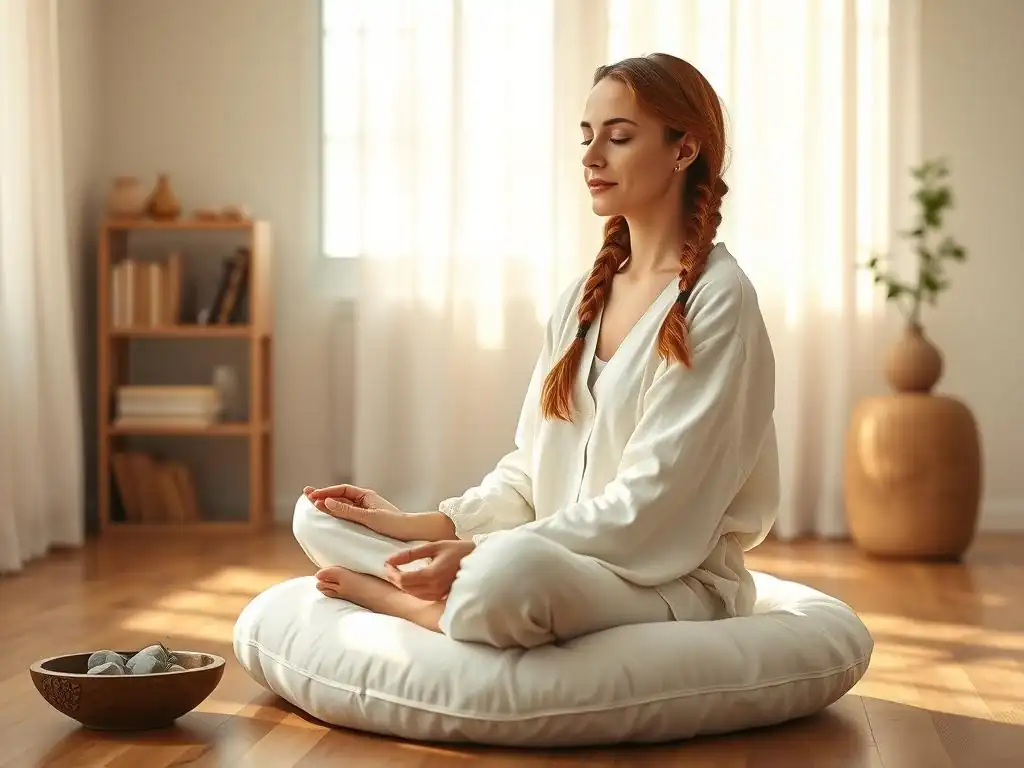
Mindfulness and meditation are cornerstones of spiritual self-care for many, offering direct pathways to calm the mind and connect with the present moment. Mindfulness involves paying deliberate attention to your thoughts, feelings, bodily sensations, and surrounding environment without judgment. Meditation is the formal practice of training the mind, often focusing on breath, a mantra, or bodily sensations, to achieve a state of relaxed awareness. Both practices enhance self-awareness and emotional regulation, which are vital for managing stress effectively.
Consistent practice of mindfulness and meditation has been shown to alter brain structure and function in ways that promote calm and reduce reactivity to stress. For instance, MRI studies have indicated that long-term meditators often have increased gray matter density in areas associated with self-awareness, compassion, and introspection. Even short, daily sessions—just 5-10 minutes—can significantly impact your ability to stay centered amidst chaos, proving that these spiritual selfcare practices reduce stress and build resilience over time.
Guided Meditation Techniques for Beginners
For those new to meditation, guided techniques offer a simple and accessible starting point. A guided meditation involves listening to an instructor's voice, which provides cues for focusing attention, relaxing the body, and navigating thoughts. These can be found on numerous apps, websites, and audio recordings. A typical session might guide you through a body scan, where you bring awareness to different parts of your body, or a loving-kindness meditation, where you cultivate feelings of warmth and compassion towards yourself and others.
Starting with short, guided sessions of 5-10 minutes can help build consistency without feeling overwhelming.
- Find a quiet, comfortable place.
- Sit or lie down in a relaxed posture.
- Close your eyes gently or soften your gaze.
- Follow the instructions of the guide, focusing on your breath or the suggested object of attention.
- When your mind wanders (which it will! ), gently bring your attention back without judgment. This is part of the practice.
Incorporating Mindfulness into Daily Activities
Mindfulness doesn't have to be confined to a formal meditation session; it can be woven into the fabric of your daily life. Simple acts like mindfully brushing your teeth, washing the dishes, or walking can become opportunities to practice present moment awareness. The key is to fully engage your senses in the activity, noticing the sights, sounds, smells, tastes, and textures without distraction.
Consider trying these simple mindful practices:
- Mindful Eating: Pay attention to the colors, smells, and textures of your food. Chew slowly and savor each bite. Notice how your body feels as you eat.
- Mindful Walking: Feel your feet connecting with the ground. Notice the rhythm of your breath and the movement of your body. Observe your surroundings without getting lost in thought.
- Mindful Listening: When in conversation, focus fully on the other person's words and tone without formulating your response.
These small, consistent efforts help build your capacity for presence, making it easier to manage stressful moments when they arise, as these spiritual selfcare practices reduce stress by anchoring you in the here and now.
Connecting with Nature: Finding Solace in the Outdoors
Spending time in nature is a powerful spiritual practice that offers profound benefits for mental well-being. The natural world provides a sense of perspective, beauty, and tranquility that can soothe the nervous system and reduce feelings of overwhelm. Stepping outside, away from the demands of technology and urban environments, allows for a reconnection with the elemental rhythms of life and a reminder of our place within a larger ecosystem.
Exposure to nature has been shown to lower blood pressure, reduce heart rate, and decrease the production of stress hormones. Simply being in a green space can shift brain activity, promoting a more relaxed and contemplative state. This connection to the earth and its cycles can foster feelings of grounding and stability, which are essential for navigating life's challenges. Engaging with nature as a spiritual practice acknowledges its capacity to heal and inspire, demonstrating how these spiritual selfcare practices reduce stress and enhance vitality.
Nature Walks and Forest Bathing (Shinrin-Yoku)
Taking walks in nature, whether through a park, forest, or along a beach, is a simple yet effective spiritual practice. The rhythmic movement of walking combined with the sensory input from the natural environment creates a meditative experience. Pay attention to the sounds of birds or rustling leaves, the smell of damp earth or pine needles, the feel of the breeze on your skin, and the sights of light filtering through trees.
Forest bathing, or Shinrin-Yoku, is a Japanese practice that goes beyond a simple walk. It involves immersing yourself deeply in the forest atmosphere, using all your senses to connect with the woods. It's not about hiking or exercising, but about being present and absorbing the forest's therapeutic qualities. Studies on Shinrin-Yoku have shown significant reductions in stress, anxiety, and depression, along with improvements in immune function. Spending just 20-30 minutes mindfully in nature can have a noticeable impact on your stress levels.
Gardening as a Spiritual Practice
Gardening offers a unique blend of physical activity, connection with living things, and the satisfaction of nurturing growth. The act of working with soil, planting seeds, tending to plants, and harvesting food or flowers can be deeply grounding and meditative. It connects you directly to the cycles of life, death, and renewal, offering lessons in patience, acceptance, and the beauty of impermanence.
The physical act of gardening releases endorphins, which are natural mood boosters. The focus required for tasks like weeding or planting can quiet a racing mind, acting as a form of active meditation. Furthermore, the sense of accomplishment derived from nurturing something to life provides a powerful boost to self-esteem and well-being. Engaging in gardening as a spiritual practice helps to anchor you in the present moment and fosters a profound connection to the earth, illustrating another way spiritual selfcare practices reduce stress.
Creative Expression: Unleashing Your Inner Spirit
Creative expression serves as a powerful spiritual outlet, allowing you to tap into your intuition, process emotions, and connect with a deeper part of yourself. Engaging in creative activities like writing, painting, drawing, music, dance, or crafting provides a non-verbal language for expressing thoughts and feelings that may be difficult to articulate otherwise. This process can be cathartic and help release pent-up stress and tension.
When you are fully immersed in a creative flow state, you often lose track of time and silence the inner critic, experiencing a sense of freedom and presence. This state mirrors aspects of meditative practice and can be incredibly restorative. Creative expression is not about producing a masterpiece, but about the act of creation itself – the process of bringing something new into being from your inner world. This act of externalizing internal landscapes through creative spiritual selfcare practices reduce stress by providing an avenue for emotional release and self-discovery.
Journaling for Self-Reflection and Discovery
Journaling is a versatile and accessible form of spiritual self-care that encourages introspection and clarity. Putting your thoughts and feelings onto paper can help you process experiences, identify patterns, and gain perspective on challenging situations. It provides a private space to explore your beliefs, values, and aspirations without fear of judgment. Regular journaling can illuminate your inner landscape and help you understand your emotional responses, including triggers for stress.
Consider different journaling approaches:
- Free writing: Write whatever comes to mind for a set amount of time (e.g., 10 minutes) without censoring yourself.
- Prompt-based journaling: Use questions or prompts to guide your reflection (e.g., "What brought me joy today? ", "What am I grateful for? ", "What is one belief that is holding me back? ").
- Gratitude journaling: Focus specifically on listing things you are grateful for (see section below).
- Shadow work journaling: Explore challenging emotions or aspects of yourself you tend to avoid.
The simple act of transferring thoughts from your mind to paper can create distance and allow you to view them more objectively, reducing their power to cause stress.
Art Therapy and Creative Outlets
Engaging in visual arts, music, dance, or other creative hobbies can be deeply therapeutic and spiritually enriching. You don't need to be a skilled artist; the focus is on the process, not the product. Activities like spontaneous drawing, painting with watercolors, sculpting with clay, or simply doodling can help access emotions and insights that are buried beneath the surface.
- Try intuitive painting: Choose colors and make marks based on how you feel, without planning or trying to create something specific.
- Listen to or play music that resonates with you: Music can evoke powerful emotions and connect you to your spiritual side.
- Dance freely: Allow your body to move in ways that feel natural and expressive, releasing physical and emotional tension.
These forms of creative expression offer a non-linear way of processing experiences and connecting with your inner world. By providing an outlet for emotions and fostering a sense of flow, these spiritual selfcare practices reduce stress and enhance emotional well-being.
Acts of Service and Kindness: Extending Compassion to Others

Extending compassion and kindness to others is a powerful spiritual practice that shifts focus outward and fosters a sense of connection and purpose. Engaging in acts of service, whether formal volunteering or simple random acts of kindness, can significantly reduce stress and improve mood. Helping others activates the brain's reward centers and releases feel-good chemicals like oxytocin, often referred to as the "bonding hormone." This creates a positive feedback loop where helping others also benefits the helper.
Focusing on the needs of others can provide perspective on your own challenges and alleviate feelings of isolation. It cultivates empathy, strengthens social bonds, and contributes to a sense of community, all of which are protective factors against stress and anxiety. These spiritual selfcare practices reduce stress by fostering connection, meaning, and altruism.
Volunteering and Helping Those in Need
Volunteering your time and skills to support a cause you care about is a structured way to practice service. This could involve working at a food bank, visiting elderly residents, helping at an animal shelter, or participating in environmental clean-ups. The specific activity is less important than the intention behind it – giving your time and energy without expectation of personal gain.
Volunteering provides a sense of structure and purpose, which can be particularly helpful during stressful periods. It also exposes you to new perspectives and challenges, fostering personal growth and resilience. Many studies have shown that regular volunteering is associated with lower rates of depression and anxiety, improved physical health, and increased life satisfaction. For example, one study found that individuals who volunteered regularly reported significantly lower stress levels than non-volunteers.
Practicing Random Acts of Kindness
Incorporating small, spontaneous acts of kindness into your daily life can also have a profound spiritual impact. These don't need to be grand gestures; simple acts like holding the door for someone, paying for the coffee of the person behind you, leaving a positive note for a colleague, or simply offering a genuine smile can brighten someone's day and uplift your own spirit.
The cumulative effect of practicing random acts of kindness is a shift in your perspective towards the positive and a greater awareness of opportunities to connect with others. This practice fosters a sense of interconnectedness and reminds you of the inherent goodness in both yourself and others. By focusing on spreading positivity, these spiritual selfcare practices reduce stress by shifting your attention away from internal worries and towards outward generosity.
Gratitude Practices: Appreciating the Present Moment
Cultivating gratitude is a fundamental spiritual practice that involves consciously acknowledging and appreciating the good things in your life, no matter how small. This practice shifts your focus from what is lacking to what is abundant, fostering a more positive outlook and increasing feelings of contentment. It helps you recognize the blessings and opportunities present in your life, even amidst challenges.
Regularly practicing gratitude has been linked to numerous benefits, including reduced stress, improved mood, increased resilience, and stronger relationships. By training your mind to notice the positive, you build a mental buffer against negative thoughts and worries. This mindful appreciation of the present moment is a powerful way in which spiritual selfcare practices reduce stress and enhance overall well-being.
Keeping a Gratitude Journal
A gratitude journal is a simple yet powerful tool for cultivating appreciation. Dedicate a few minutes each day, perhaps in the morning or evening, to write down things you are grateful for. These can range from significant life events to simple pleasures like a warm cup of tea, a beautiful sunset, or a kind word from a friend.
- Aim for consistency: Try to write in your journal daily or several times a week.
- Be specific: Instead of writing "My family," write "Grateful for my sister calling me today just to chat."
- Include small things: Don't overlook the simple joys; they add up.
- Reflect on why you're grateful: Adding a sentence about why you appreciate something deepens the practice.
Reviewing past entries can be particularly helpful during difficult times, reminding you of the good that exists in your life.
Expressing Gratitude to Others
While internal gratitude is important, expressing it outwards can be even more impactful, both for the recipient and for you. Take the time to thank people who have helped you, supported you, or simply made you smile. This can be done verbally, through a handwritten note, or via email or text.
Expressing gratitude strengthens your connections with others and fosters a positive social environment, which is a key component of spiritual and mental well-being. It reinforces the positive actions of others and encourages a cycle of kindness. Making a conscious effort to thank someone each day is a simple yet profound practice that reinforces the idea that spiritual selfcare practices reduce stress by fostering connection and appreciation.
Rituals and Routines: Creating Sacred Space in Your Day
Establishing rituals and routines can transform mundane daily activities into sacred moments, anchoring you in the present and providing a sense of structure and predictability. Rituals differ from routine in that they are imbued with intention and meaning, elevating them beyond mere habit. They create dedicated space for reflection, connection, or peace within the busyness of life.
Creating sacred space through rituals helps to delineate personal time for spiritual nourishment. This can be particularly helpful in reducing the feeling of being constantly overwhelmed or reactive. By consciously choosing to engage in meaningful routines, you reclaim a sense of control and create pockets of calm throughout your day. These intentional spiritual selfcare practices reduce stress by providing structure and moments of peaceful reflection.
Morning Rituals for a Positive Start
Beginning your day with a conscious, calming ritual can set a positive tone for the hours ahead. Instead of immediately checking emails or social media, dedicate the first 10-30 minutes to activities that nourish your spirit.
Examples of morning rituals:
- Quiet reflection or meditation
- Reading inspirational texts or poetry
- Gentle stretching or yoga
- Mindful enjoyment of a cup of tea or coffee
- Setting an intention for the day
These practices help you start the day centered and grounded, rather than immediately diving into external demands.
Evening Rituals for Peaceful Rest
Creating an evening ritual signals to your mind and body that it's time to wind down and prepare for rest. This helps to release the stresses of the day and promotes more restful sleep, which is crucial for overall well-being. Avoid screens and stimulating activities in the hour before bed.
Examples of evening rituals:
- Reading a physical book
- Taking a warm bath
- Listening to calming music
- Gentle journaling (perhaps focusing on gratitude)
- Mindful breathing exercises
These rituals create a transition from the active part of your day to rest, helping to calm the nervous system and reduce the mental clutter that can interfere with sleep. Consistent evening spiritual selfcare practices reduce stress accumulation and promote restorative rest.
Integrating Spiritual Self-Care Into Your Daily Routine
Integrating spiritual self-care isn't about adding more tasks to an already full schedule, but about weaving mindful, intentional practices into your existing life. It requires conscious effort and a willingness to prioritize your inner well-being. The key is to find practices that resonate with you personally and make them non-negotiable parts of your day or week.
Identifying Your Spiritual Needs and Values
The first step in creating a personalized spiritual self-care plan is to understand what nourishes your spirit. This is a deeply personal exploration. What activities make you feel connected, peaceful, or inspired? What values are most important to you (e.g., compassion, creativity, truth, justice)? Reflect on past experiences where you felt a sense of awe, transcendence, or deep connection.
Consider journaling prompts like:
- What activities make me feel most alive and connected?
- What are my core values?
- What does "spirituality" mean to me, outside of any dogma?
- When do I feel most peaceful or centered?
- What thoughts or activities drain my spiritual energy?
Understanding your unique needs will guide you in choosing practices that are genuinely restorative and meaningful.
Setting Intentions for Spiritual Growth
Once you have identified your needs and values, set clear intentions for your spiritual self-care practice. An intention is a guiding principle or goal that gives direction to your efforts. It's not about achieving perfection, but about consciously orienting yourself towards growth and well-being.
Examples of intentions:
- "My intention is to cultivate more presence and peace throughout my day."
- "My intention is to connect with nature at least once a week."
- "My intention is to approach myself and others with greater compassion."
Write down your intentions and revisit them regularly. This helps keep your spiritual self-care practices focused and reinforces their importance in reducing stress and enhancing meaning.
Creating a Personalized Spiritual Self-Care Plan
Based on your identified needs, values, and intentions, create a simple, actionable plan. Start small and build gradually. Don't try to do everything at once. Choose 1-3 practices that feel accessible and appealing.
Use a task list format to outline your plan:
- [ ] Daily: 5 minutes of mindful breathing in the morning.
- [ ] Daily: Write 3 things in a gratitude journal before bed.
- [ ] Weekly: Take a 30-minute walk in a local park.
- [ ] Weekly: Dedicate 1 hour to a creative hobby (e.g., painting, playing music).
- [ ] Monthly: Volunteer for 2 hours at a local shelter.
Schedule these practices into your calendar as you would any other important appointment. Be flexible and willing to adjust your plan as needed. Remember, the goal is consistency, not perfection.
Overcoming Obstacles to Spiritual Self-Care
Life is busy, and finding time for spiritual self-care can be challenging. Common obstacles include lack of time, feeling too stressed or tired to engage, self-doubt, or resistance from others. It's important to anticipate these challenges and develop strategies to overcome them.
- Lack of time: Start with micro-practices (1-5 minutes). Integrate practices into existing routines (e.g., mindful eating during lunch).
- Feeling too stressed/tired: Choose practices that are restorative and gentle. Sometimes, especially when stressed, is when spiritual self-care is most needed. A 5-minute meditation might feel impossible, but a 5-minute walk outside might be achievable.
- Self-doubt: Remember that spiritual self-care is a practice, not a performance. There's no right or wrong way to do it. Be kind to yourself.
- Resistance: Communicate your needs to loved ones if necessary, explaining that these practices help you be a better, less stressed version of yourself.
Persistence and self-compassion are key. Every small step towards nurturing your spirit is valuable.
The Benefits of Consistent Spiritual Self-Care Practices
Engaging in spiritual self-care on a regular basis yields profound and lasting benefits for both mental and emotional health. These benefits extend beyond temporary stress relief, contributing to a more stable, resilient, and meaningful life. Consistency is key; like building any muscle, strengthening your spiritual core requires regular exercise.
Reduced Anxiety and Improved Mood
One of the most immediate and widely reported benefits of consistent spiritual self-care is a significant reduction in anxiety and an improvement in overall mood. Practices like meditation, prayer, and connecting with nature activate the parts of the brain associated with calm and contentment. By providing tools to manage intrusive thoughts and emotional reactivity, these practices help regulate the nervous system.
Studies have shown that individuals who regularly engage in spiritual or religious practices often exhibit lower rates of anxiety disorders and depression. The sense of hope, purpose, and connection cultivated through spiritual selfcare practices reduce stress by building an internal reservoir of peace and resilience that acts as a buffer against life's inevitable challenges. For example, a meta-analysis of studies on mindfulness meditation found it effective in reducing symptoms of anxiety and depression across diverse populations.
Enhanced Self-Awareness and Understanding
Spiritual self-care encourages introspection and reflection, leading to a deeper understanding of yourself – your thoughts, emotions, patterns, and motivations. Practices like journaling, meditation, and quiet contemplation provide space to observe your inner landscape without judgment. This increased self-awareness is foundational for personal growth and emotional intelligence.
Understanding yourself better helps you identify your needs, boundaries, and triggers, including those related to stress. It allows you to respond to challenges more consciously rather than reacting impulsively. This enhanced self-awareness fosters a stronger sense of identity and authenticity, contributing to greater confidence and inner stability. By illuminating your inner world, these spiritual selfcare practices reduce stress by helping you navigate your internal landscape with greater clarity and wisdom.
Increased Resilience and Coping Skills
Spiritual practices often help individuals develop a stronger sense of resilience – the ability to bounce back from adversity. By fostering hope, meaning, and a connection to something larger than oneself, they provide a framework for understanding and navigating suffering. Practices like acceptance (often cultivated in mindfulness) and finding meaning in challenges are powerful coping skills.
Connecting with your core values and beliefs through spiritual self-care can provide an inner compass during difficult times, guiding your decisions and actions. A sense of purpose can motivate you to persevere through hardship. Furthermore, many spiritual traditions offer practices for cultivating patience, forgiveness, and acceptance, which are essential for navigating life's inevitable setbacks. These spiritual selfcare practices reduce stress by equipping you with robust inner resources and effective coping strategies.
A Deeper Sense of Purpose and Meaning in Life
Perhaps the most profound benefit of consistent spiritual self-care is the cultivation of a deeper sense of purpose and meaning in life. This sense comes from connecting with your values, understanding your place in the world, and engaging in activities that align with your deepest beliefs. It moves beyond simply existing to truly living a life that feels significant and fulfilling.
A strong sense of purpose provides motivation, direction, and a framework for making choices. It helps you prioritize what truly matters and navigate distractions and external pressures. When you feel connected to something meaningful, daily stressors often feel less overwhelming because they are viewed within a larger context. This profound benefit underscores how spiritual selfcare practices reduce stress by imbuing life with significance and direction.
Spiritual Self-Care and Mental Health: A Holistic Approach
Recognizing the interconnectedness of mind, body, and spirit is crucial for a holistic approach to mental well-being. Spiritual self-care is not a replacement for professional mental health treatment when needed, but rather a complementary practice that supports overall healing and resilience. Integrating spiritual practices with traditional therapeutic approaches can offer a more comprehensive path to recovery and well-being.
Seeking Professional Guidance When Needed
While spiritual self-care practices are incredibly beneficial, it is vital to recognize when professional help is necessary. If you are experiencing significant symptoms of anxiety, depression, trauma, or other mental health conditions, seeking support from a licensed therapist, counselor, or psychiatrist is a sign of strength, not weakness. Mental health professionals can provide evidence-based treatments, diagnosis, and support tailored to your specific needs.
Spiritual self-care can be a valuable tool within a therapeutic framework, complementing the work done in sessions. A therapist can help you explore how your spiritual beliefs and practices can support your mental health journey. Never hesitate to reach out for professional help if you are struggling; it is a crucial part of comprehensive self-care.
Combining Spiritual Practices with Traditional Therapies
Many individuals find that combining spiritual practices with traditional therapies like Cognitive Behavioral Therapy (CBT), Dialectical Behavior Therapy (DBT), or trauma-informed therapy enhances their healing process. For example, mindfulness skills taught in therapy can be deepened through meditation practices. Exploring personal values in therapy can be supported by spiritual reflection.
A therapist might help you process trauma, while a spiritual practice like journaling or connecting with nature helps you find solace and strength. Combining these approaches addresses both the psychological and spiritual dimensions of well-being, leading to more integrated and sustainable healing. This integrated approach acknowledges that spiritual selfcare practices reduce stress and contribute positively to therapeutic outcomes.
The Role of Community and Support in Spiritual Well-being
Connection with others is a fundamental human need and a vital component of both mental and spiritual well-being. Sharing your spiritual journey with others, whether through religious congregations, spiritual groups, support networks, or simply close friends and family, can provide invaluable support, understanding, and a sense of belonging.
Community offers a space to share experiences, receive encouragement, and feel less alone in your struggles. Engaging in communal practices, whether group meditation, shared rituals, or acts of collective service, strengthens social bonds and reinforces a sense of shared purpose. This connection is a powerful antidote to isolation and a significant factor in managing stress. Lean on your community; it is a source of strength and reinforces how spiritual selfcare practices reduce stress by fostering belonging and mutual support.
Conclusion: Embracing Spiritual Self-Care for a More Meaningful Life
Embracing spiritual self-care is an active choice to nourish your inner world, connect with something meaningful, and find peace amidst the complexities of modern life. It is a diverse and personal journey, encompassing practices from mindfulness and nature connection to creative expression and acts of kindness. By intentionally incorporating these practices into your daily routine, you not only build resilience against stress but also cultivate a deeper sense of purpose, meaning, and joy.
Remember that spiritual self-care is not another item on your to-do list to feel guilty about, but a pathway to greater well-being and authenticity. Start small, be consistent, and be compassionate with yourself. As you nurture your spirit, you will find that these spiritual selfcare practices reduce stress, enhance your understanding of yourself, and contribute to a richer, more fulfilling life. Make the commitment to prioritize your spiritual well-being, and discover the transformative power it holds for your mental health journey.
Frequently Asked Questions
How can spiritual self-care practices help reduce stress?
Spiritual self-care helps reduce stress by connecting you to something larger than yourself, providing a sense of purpose and meaning, and fostering inner peace. This can lead to a more balanced and resilient approach to life's challenges.
What are some simple spiritual self-care practices I can incorporate into my daily routine?
Easy practices include mindfulness meditation, spending time in nature (nature is a great healer), journaling about your values, and engaging in acts of kindness. These activities nurture your inner self.
Is spiritual self-care the same as religious practice?
No, spiritual self-care is broader than religious practice. It focuses on your personal connection to meaning and purpose, which may or may not involve organized religion. It's about finding what nourishes your soul.
How does spiritual self-care differ from other forms of self-care, like physical or emotional self-care?
While physical and emotional self-care focus on the body and feelings, spiritual self-care addresses your inner spirit and sense of purpose. It complements the other forms of self-care for holistic well-being.
How do I know if my spiritual self-care practices are effectively reducing stress?
You'll likely experience increased feelings of peace, contentment, and resilience. You may also find yourself better able to cope with difficult situations and maintain a positive outlook on life.
Final Reflection: Cultivating Inner Peace in a Chaotic World
The pursuit of spiritual self-care is not a luxury; it's a necessity in today's fast-paced, demanding world. Ignoring our inner needs leads to burnout, anxiety, and a diminished sense of purpose. The practices explored in this article—from mindful meditation to connecting with nature—offer tangible pathways to reduce stress and cultivate a deeper sense of well-being, proving that spiritual self-care is a powerful antidote to the pressures of modern life.
The impact of prioritizing spiritual well-being extends far beyond individual stress reduction; it ripples outwards, influencing our relationships, our work, and even our communities. By fostering inner peace, we become more compassionate, resilient, and capable of contributing positively to the world around us. As the Dalai Lama wisely said, The purpose of our lives is to be happy.
Spiritual self-care provides the tools and practices to actively pursue that happiness, not as a fleeting emotion, but as a sustainable state of being.
Now, consider your own life. What small, consistent practice could you incorporate into your daily routine to nurture your spiritual well-being? Perhaps it's five minutes of quiet reflection each morning, a walk in nature during your lunch break, or engaging in a creative hobby that brings you joy. Start small, be consistent, and witness the transformative power of prioritizing your inner peace. The journey towards a more meaningful and less stressful life begins with a single, conscious step.
Unveil Your Inner Peace: Start Your Spiritual Self-Care Journey Today
Thanks for taking the time to explore the path to spiritual self-care with us! We hope you found valuable insights to enrich your daily life. Now it's time to put those insights into action. Here's how:
- Prioritize one self-care practice: Choose just one of the practices discussed (meditation, journaling, nature walks, etc.) and commit to it for a week. Even 5 minutes a day can make a difference!
- Share your experience: Tell a friend or family member about a practice that resonated with you. Sharing your journey can deepen your connection to it.
- Discover your unique rhythm: Experiment with different practices and find what truly nourishes your soul. What unexpected self-care ritual will you try this week?
What small step will you take today to cultivate more inner peace?