
The Science Speaks: EvidenceBased Benefits of Qigong for Mental Health


Welcome to Mind Care Guide, your compassionate companion on the journey to mental well-being. Feeling overwhelmed? You're not alone. We understand that navigating mental health challenges can be daunting. That's why we're here to provide you with evidence-based information and supportive resources. Dive into our exploration of Qigong mental health benefits research, where we uncover the scientific backing behind this ancient practice and its potential to unlock a calmer, more balanced you. Curious to learn how gentle movement can impact your inner peace? Let's explore together.
The Science Speaks: Evidence-Based Benefits of Qigong for Mental Health
- Introduction: Exploring the Link Between Qigong and Mental Well-being
-
Qigong Mental Health Benefits Research: A Deep Dive into the Evidence
- Qigong and Stress Reduction: Scientific Studies on Cortisol Levels
- Alleviating Anxiety Symptoms: Evidence-Based Qigong Practices
- Qigong for Depression: Examining its Impact on Mood and Well-being
- Qigong and Improved Sleep Quality: Research Findings
- Enhancing Cognitive Function with Qigong: Focus, Memory, and Mental Clarity
- Specific Qigong Exercises for Mental Health: Evidence-Based Practices
- Mechanisms of Action: How Qigong Impacts Mental Health Biologically
- Integrating Qigong into Your Mental Health Routine: A Practical Guide
- Addressing Common Misconceptions About Qigong and Mental Health
- Conclusion: The Promising Future of Qigong in Mental Health Care
- References: Scientific Studies Supporting Qigong's Impact on Mental Health
-
Frequently Asked Questions
- What specific areas of mental health does Qigong show benefits for, according to Qigong mental health benefits research?
- How does Qigong differ from other forms of exercise in terms of its impact on mental health?
- What kind of research exists to support the claim that Qigong has mental health benefits?
- How often and for how long should someone practice Qigong to experience the associated mental health benefits?
- Are there any potential risks or contraindications associated with practicing Qigong for mental health?
- Final Reflection: Unfolding the Mind-Body Connection Through Qigong
- Unleash Your Inner Calm: Start Your Qigong Journey Today!
Introduction: Exploring the Link Between Qigong and Mental Well-being
Understanding Qigong: A Brief Overview for Mental Health Seekers
Qigong, an ancient Chinese mind-body practice, involves gentle movements, controlled breathing, and meditation. Its roots trace back thousands of years, evolving from traditional Chinese medicine and philosophy. Unlike more vigorous forms of exercise, Qigong emphasizes slow, deliberate movements, often performed in a flowing sequence, accompanied by deep, rhythmic breathing. The core principle is to cultivate and balance qi, often translated as vital energy or life force, within the body. Proponents believe that blockages or imbalances in qi can lead to illness, including mental health challenges.
The practice is highly accessible, requiring minimal space and no special equipment, making it suitable for individuals of varying physical abilities. While often associated with physical health benefits like improved balance and flexibility, a growing body of Qigong mental health benefits research is shedding light on its profound positive impact on psychological well-being. This includes its potential role in managing stress, anxiety, depression, and even improving cognitive function and sleep quality. It's a holistic approach that views the mind and body as interconnected, addressing mental health not just through psychological means but also through physical and energetic cultivation.
The Growing Interest in Qigong for Mental Health: Why the Research Matters
In recent years, there has been a significant surge in interest regarding the potential of traditional practices like Qigong as complementary approaches to mental health care. As more individuals seek holistic and accessible methods to support their well-being, the appeal of Qigong has expanded globally. This increased interest is not solely anecdotal; it is increasingly supported by scientific inquiry aiming to validate the perceived benefits through rigorous Qigong mental health benefits research.
The focus of this research is crucial because it moves beyond subjective experience to explore the physiological and psychological mechanisms through which Qigong might exert its effects. By examining factors like stress hormone levels, brain wave patterns, symptom reduction scores, and reported quality of life, studies provide concrete evidence that can inform clinical practice and public health recommendations. Understanding the scientific basis for Qigong's impact allows mental health professionals and individuals alike to make informed decisions about incorporating it into treatment plans or personal self-care routines, thereby legitimizing its role alongside conventional therapies.
Qigong Mental Health Benefits Research: A Deep Dive into the Evidence
Qigong and Stress Reduction: Scientific Studies on Cortisol Levels
One of the most consistently reported benefits in Qigong mental health benefits research is its effectiveness in reducing stress. Chronic stress is a significant contributor to various mental and physical health issues, and practices that help regulate the body's stress response are highly valuable. Qigong's gentle movements, mindful breathing, and meditative components work synergistically to activate the parasympathetic nervous system, often referred to as the "rest and digest" system, counteracting the "fight or flight" response governed by the sympathetic nervous system.
Scientific studies investigating Qigong's impact on stress often measure biomarkers like cortisol, a primary stress hormone. Research involving participants practicing Qigong over several weeks or months has frequently shown reductions in salivary or serum cortisol levels compared to control groups.
For example, some studies involving adults with moderate stress levels have reported significant decreases in evening cortisol concentrations after participating in Qigong programs, suggesting a modulation of the hypothalamic-pituitary-adrenal (HPA) axis, which is central to the body's stress response. While specific percentage reductions vary between studies depending on duration, frequency, and participant population, the trend towards lower cortisol levels is a recurring finding in Qigong mental health benefits research.
Alleviating Anxiety Symptoms: Evidence-Based Qigong Practices
Anxiety disorders are among the most common mental health conditions globally, characterized by excessive worry, nervousness, and physical symptoms like increased heart rate and shortness of breath. Qigong's focus on calming the mind, regulating breathing, and promoting body awareness makes it a promising practice for managing anxiety symptoms. The slow, deliberate movements and emphasis on being present in the moment can help ground individuals experiencing racing thoughts or panic.
Evidence from Qigong mental health benefits research supports its role in anxiety reduction. Multiple studies, including randomized controlled trials and meta-analyses, have indicated that regular Qigong practice can lead to significant decreases in self-reported anxiety scores on standardized scales such as the State-Trait Anxiety Inventory (STAI).
For instance, a systematic review pooling data from several studies found that Qigong interventions resulted in moderate to large effect sizes for reducing anxiety symptoms in various populations, including healthy adults, patients with chronic illnesses, and older adults. While Qigong may not replace conventional treatments for severe anxiety disorders, this body of evidence suggests it can be a valuable complementary tool for symptom management.
Qigong for Depression: Examining its Impact on Mood and Well-being
Depression is a complex mood disorder characterized by persistent feelings of sadness, loss of interest, fatigue, and difficulty concentrating. Addressing depression often requires a multi-faceted approach, and Qigong is being explored as one such component. The physical activity, even if gentle, can help combat the lethargy often associated with depression, while the mindful and meditative aspects can help interrupt negative thought patterns and foster a greater sense of self-compassion and acceptance.
Studies within the domain of Qigong mental health benefits research have investigated its effects on depressive symptoms. Research has demonstrated that participation in Qigong programs can lead to statistically significant improvements in mood scores on scales like the Beck Depression Inventory (BDI) or the Hamilton Depression Rating Scale (HDRS).
For example, a review of studies involving individuals with major depressive disorder or significant depressive symptoms found that Qigong interventions were associated with reductions in symptom severity comparable to or exceeding those observed in control groups receiving usual care or placebo interventions. These findings suggest that Qigong can positively influence mood and overall psychological well-being for individuals experiencing depressive symptoms.
Qigong and Improved Sleep Quality: Research Findings
Sleep disturbances, such as insomnia and poor sleep quality, are frequently co-occurring issues with many mental health conditions, including anxiety and depression. Improving sleep is often a critical step in addressing underlying mental health challenges. Qigong's calming effects on the nervous system and its ability to reduce stress and anxiety make it a potential aid for sleep problems.
Qigong mental health benefits research has also explored its impact on sleep quality. Studies using objective measures like actigraphy and subjective reports via sleep diaries or standardized questionnaires (e.g., the Pittsburgh Sleep Quality Index - PSQI) have indicated that regular Qigong practice can lead to improvements in various sleep parameters. Participants in Qigong interventions have reported faster sleep onset, reduced nighttime awakenings, increased total sleep time, and improved overall sleep satisfaction.
For instance, research in older adults experiencing sleep difficulties found that a Qigong program led to significant improvements in PSQI scores, indicating better subjective sleep quality compared to a control group. This suggests Qigong can be a non-pharmacological strategy to support healthier sleep patterns, which in turn supports better mental well-being.
Enhancing Cognitive Function with Qigong: Focus, Memory, and Mental Clarity
Beyond directly addressing mood and anxiety, some Qigong mental health benefits research explores its potential influence on cognitive function. Mental health conditions can often impair concentration, memory, and executive functions. Practices that promote focus and calm the mind may inadvertently support cognitive processes.
Studies investigating Qigong's effect on cognition have yielded promising results. Research has shown that regular Qigong practice may be associated with improvements in attention span, executive function (such as planning and problem-solving), and certain aspects of memory. For example, studies involving older adults have sometimes reported improvements in performance on standardized cognitive tests after participating in Qigong compared to control groups.
While the mechanisms are still being fully elucidated, hypotheses include improved blood flow to the brain, reduced stress-induced cognitive impairment, and enhanced neural connectivity through the mindful movement aspect of the practice. This area of Qigong mental health benefits research is still developing but suggests potential for supporting cognitive resilience.
Specific Qigong Exercises for Mental Health: Evidence-Based Practices

Baduanjin Qigong: Research-Backed Benefits for Anxiety Reduction
Baduanjin, or the "Eight Brocades," is one of the most widely practiced and researched forms of Qigong. It consists of eight distinct movements, each designed to target specific organ systems and energy pathways according to traditional Chinese medicine principles. The sequence is relatively easy to learn and can be adapted for various fitness levels, making it highly accessible.
Specific Qigong mental health benefits research has focused on Baduanjin's impact, particularly regarding anxiety. Multiple studies have demonstrated that regular practice of Baduanjin can lead to significant reductions in anxiety symptoms. For instance, a randomized controlled trial involving university students experiencing elevated anxiety levels found that a 12-week Baduanjin intervention resulted in statistically significant lower anxiety scores compared to a control group. The rhythmic movements, deep breathing, and focus required for the sequence are thought to contribute to its calming effects on the nervous system, providing a practical, evidence-based method for individuals seeking to manage anxiety through Qigong.
Tai Chi Qigong Shibashi: Exploring its Effectiveness for Mood Stabilization
Tai Chi Qigong Shibashi is a relatively modern set of 18 movements, blending elements of Tai Chi and Qigong. It is known for its gentle, flowing nature and is often practiced in groups. The sequence is designed to be easy to learn and follow, focusing on smooth transitions and coordinated breath with movement, aiming to cultivate qi and promote relaxation.
Research exploring the effectiveness of Shibashi within Qigong mental health benefits research suggests it can positively influence mood. Studies involving various populations, including individuals with chronic health conditions or those experiencing stress, have indicated that regular Shibashi practice can lead to improvements in mood states and reductions in depressive symptoms. For example, participants in Shibashi programs have reported increased feelings of well-being and decreased negative mood states. The emphasis on gentle, continuous movement and mindful presence is believed to contribute to its mood-stabilizing effects, offering another specific Qigong form with evidence supporting its mental health benefits.
Five Animal Frolics Qigong: Benefits for Stress Management Based on Studies
The Five Animal Frolics (Wu Qin Xi) is one of the oldest forms of Qigong, imitating the movements of five animals: the tiger, deer, bear, monkey, and crane. Each animal's movements are associated with specific organ systems and are designed to cultivate particular qualities, such as strength (tiger), flexibility (deer), rootedness (bear), agility (monkey), and grace (crane). This form is more dynamic than some other Qigong styles.
While perhaps less extensively studied than Baduanjin or Shibashi in the context of modern Qigong mental health benefits research, studies on the Five Animal Frolics also indicate benefits for stress management and overall psychological health. The varied movements engage different parts of the body and mind, providing both physical exercise and mental focus.
Research has suggested that practicing Wu Qin Xi can help reduce perceived stress levels and improve psychological resilience. The playful and imitative nature of the movements can also make it an engaging practice that promotes a sense of vitality and positive energy, contributing to its stress-reducing potential.
Mechanisms of Action: How Qigong Impacts Mental Health Biologically
The Role of the Nervous System: Qigong's Influence on the Vagus Nerve
Qigong's impact on mental health is significantly mediated through its effects on the nervous system, particularly the autonomic nervous system (ANS). The ANS regulates involuntary bodily functions like heart rate, breathing, and digestion, and it comprises two main branches: the sympathetic (fight or flight) and parasympathetic (rest and digest) systems. Chronic stress and anxiety are often associated with sympathetic nervous system overactivity.
Qigong practices, with their emphasis on slow, deep abdominal breathing and gentle, rhythmic movements, are thought to stimulate the parasympathetic nervous system. A key player in this system is the vagus nerve, the longest cranial nerve, which connects the brain to many vital organs. Increased vagal nerve activity is associated with reduced heart rate, lower blood pressure, and a calmer physiological state.
Qigong mental health benefits research, using measures like heart rate variability (HRV) – an indicator of vagal tone – has shown that regular practice can increase HRV, suggesting enhanced parasympathetic activity and improved regulation of the stress response. This shift towards a more balanced ANS state directly contributes to reduced feelings of stress and anxiety.
Endocrine System Modulation: Qigong's Impact on Hormonal Balance
Beyond the nervous system, Qigong practice appears to influence the endocrine system, the network of glands that produce hormones regulating various bodily functions, including mood and stress response. Hormonal imbalances, particularly involving stress hormones, can significantly impact mental well-being.
As mentioned earlier in the context of stress reduction, Qigong mental health benefits research has consistently shown reductions in cortisol levels. Cortisol, released by the adrenal glands in response to stress, is essential in the short term but detrimental in excess over time. By modulating the HPA axis, Qigong helps regulate cortisol production.
Furthermore, some research suggests Qigong might influence other hormones and neurotransmitters relevant to mood, such as endorphins (natural mood elevators) and potentially serotonin and dopamine, although more extensive research is needed in these specific areas. The cumulative effect of these hormonal adjustments contributes to improved mood, reduced anxiety, and greater emotional resilience.
Brain Wave Activity and Qigong: Studies on Alpha and Theta Waves
The state of our mind is reflected in our brain wave patterns, which can be measured using electroencephalography (EEG). Different brain wave frequencies are associated with different states of consciousness. Beta waves are dominant during alert, active thinking; alpha waves are associated with relaxed wakefulness and mindfulness; theta waves occur during deep relaxation, meditation, and light sleep; and delta waves are present during deep sleep.
Qigong mental health benefits research using EEG has observed shifts in brain wave activity during and after practice. Studies have frequently reported increases in alpha wave activity, particularly in the parietal and occipital regions, which are associated with reduced mental chatter and a state of relaxed alertness.
Some research also indicates an increase in theta wave activity, similar to that observed during deep meditation, suggesting a state of profound relaxation and potentially enhanced access to subconscious processes. These changes in brain wave patterns reflect Qigong's ability to calm the overactive mind, promote a meditative state, and foster mental clarity, contributing to its benefits for stress, anxiety, and cognitive function.
Qigong and Mindfulness: The Connection to Mental Resilience
Mindfulness, the practice of paying attention to the present moment without judgment, is a core component of Qigong. While not explicitly labeled as "mindfulness meditation" in its traditional context, the deliberate focus on breath, bodily sensations, and movement inherent in Qigong cultivates a profound state of present-moment awareness. This mindful engagement is a crucial mechanism through which Qigong supports mental health.
By training the mind to stay present and observe thoughts and feelings without getting carried away by them, Qigong helps individuals develop greater emotional regulation and resilience. This ability to step back from anxious thoughts or depressive rumination is a key skill in managing mental health challenges.
Qigong mental health benefits research often highlights the development of mindfulness as a significant factor mediating the improvements observed in stress, anxiety, and mood. The integration of movement and mindfulness in Qigong offers a unique pathway to cultivate mental resilience, providing a moving meditation that can be more accessible for some than seated practices.
Integrating Qigong into Your Mental Health Routine: A Practical Guide
Finding Qualified Qigong Instructors: Online Platforms and Local Centers
Embarking on a Qigong practice for mental health can be greatly enhanced by guidance from a qualified instructor. While there are many resources available, learning from someone experienced ensures proper form and understanding of the underlying principles. Qualified instructors can provide personalized feedback, help adapt movements to individual needs, and offer deeper insights into the practice.
When seeking an instructor, consider exploring online platforms that host classes or workshops led by certified Qigong teachers. Many reputable organizations offer directories or virtual learning environments. Alternatively, look for local community centers, wellness studios, or traditional martial arts schools that offer Qigong classes. Don't hesitate to inquire about the instructor's training, lineage, and experience teaching Qigong specifically for health and well-being. Some instructors may have experience working with individuals seeking Qigong mental health benefits, which can be particularly helpful. A good instructor creates a safe and supportive environment for learning and practice.
Starting with Simple Qigong Exercises for Mental Well-being: A Beginner's Guide
You don't need to master complex forms to begin experiencing the Qigong mental health benefits. Starting with simple, foundational exercises can be highly effective. The key is consistency and mindful presence during practice.
Here are a few simple exercises to begin with:
- Preparation Stance: Stand with feet shoulder-width apart, knees slightly bent, spine relaxed and aligned. Gently sway or find your center. This simple stance helps you connect with your body and breath.
- Abdominal Breathing: Place one hand on your chest and the other on your abdomen. Inhale deeply through your nose, allowing your abdomen to expand. Exhale slowly through your mouth, letting your abdomen gently contract. Focus on making the exhale longer than the inhale. Practice this for a few minutes to calm the nervous system.
- Raising and Lowering the Arms: From the preparation stance, slowly raise your hands forward or to the sides, palms facing down, as you inhale. Imagine gently lifting energy. As you exhale, slowly lower your hands back down, visualizing tension leaving the body. Repeat this movement slowly for several minutes, coordinating it with your breath.
- Begin with just 10-15 minutes of practice daily.
- Find a quiet space where you won't be interrupted.
- Wear comfortable clothing.
- Focus on your breath and the sensations in your body.
- Don't strive for perfection; simply move with intention and ease.
Starting small and building a consistent habit is more important than practicing for long periods initially. The simple act of dedicating time to mindful movement and breath can begin to shift your state towards greater calm and balance.
Measuring Your Progress: Tracking the Mental Health Benefits of Qigong
Tracking your experience can help you recognize the subtle yet profound Qigong mental health benefits over time. While formal research uses standardized questionnaires and physiological measurements, you can track your progress subjectively or using simple tools.
Consider keeping a journal to note changes in:
- Your overall mood and emotional state.
- Levels of stress and anxiety throughout the day.
- Quality and duration of your sleep.
- Ability to focus and concentrate.
- Physical sensations, such as tension or relaxation.
- Energy levels.
You might also use simple rating scales (e.g., 1-10) to subjectively rate your stress or anxiety levels before and after practice, or at the beginning and end of each week. Over several weeks or months, reviewing your notes can reveal patterns and highlight the positive shifts you're experiencing. This personal tracking complements the findings from Qigong mental health benefits research by providing tangible evidence of the practice's impact on your individual well-being. Celebrate small improvements and be patient with yourself; progress often happens gradually.
Addressing Common Misconceptions About Qigong and Mental Health
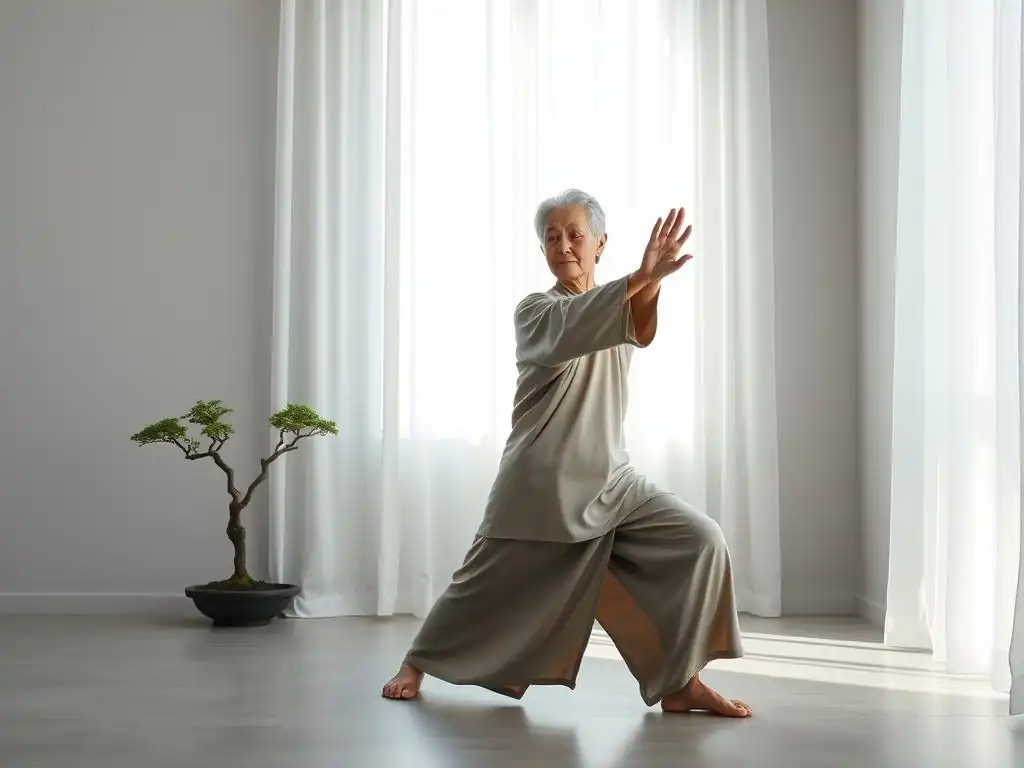
Myth: Qigong is Just Relaxation. Reality: It's a Comprehensive Practice.
One common misconception is that Qigong is merely a form of relaxation. While relaxation is certainly one of the significant outcomes of practicing Qigong, particularly concerning stress and anxiety reduction, it is far more than just passive relaxation. Qigong is an active, dynamic practice that involves coordinated movement, breath control, focused intention, and often visualization.
The practice aims to cultivate and regulate vital energy ( qi), improve circulation, enhance physical flexibility and strength, and balance the mind-body connection. It engages both the physical body and the mental faculties in a way that passive relaxation does not. Qigong mental health benefits research demonstrates that its effects go beyond simple relaxation, influencing physiological markers like heart rate variability, hormone levels, and brain wave patterns through active engagement rather than just passive rest. It's a discipline that requires conscious effort and practice to yield its full range of physical and mental benefits.
Myth: Qigong is Only for the Elderly. Reality: It Benefits All Ages.
Another prevalent myth is that Qigong is primarily a practice for older adults, perhaps due to its gentle nature and association with traditional health practices. While Qigong is indeed highly beneficial for the elderly, aiding in balance, flexibility, and managing age-related conditions, its benefits, including those for mental health, are universal and applicable to people of all ages.
Children and adolescents can benefit from Qigong's ability to improve focus, reduce stress related to school or social pressures, and enhance body awareness. Adults navigating the demands of work, family, and modern life can find Qigong an invaluable tool for stress management, emotional regulation, and maintaining mental clarity, as supported by Qigong mental health benefits research across diverse age groups.
Athletes can use it for recovery and mental preparation. The practice is highly adaptable, with modifications available for different fitness levels and physical conditions, making it accessible and beneficial for anyone seeking improved physical and mental well-being, regardless of age.
Myth: The Mental Health Benefits of Qigong are Unproven. Reality: Growing Evidence Supports its Effectiveness.
Despite its ancient origins, some people mistakenly believe that the mental health benefits of Qigong are purely anecdotal or based solely on traditional beliefs without scientific backing. This is increasingly inaccurate as the body of modern Qigong mental health benefits research continues to grow.
While research is ongoing and more large-scale studies are always needed, a significant amount of scientific evidence now supports the positive impact of Qigong on various aspects of mental health. Numerous studies, including randomized controlled trials, systematic reviews, and meta-analyses published in peer-reviewed journals, have investigated Qigong's effects on stress, anxiety, depression, sleep, and cognition.
As highlighted throughout this article, this research points towards Qigong's effectiveness as a complementary practice. While it may not be presented as a standalone cure for severe mental illness, the accumulating evidence validates its role in promoting psychological well-being and managing symptoms for many individuals.
Conclusion: The Promising Future of Qigong in Mental Health Care
Summarizing the Evidence-Based Mental Health Benefits of Qigong
The journey through Qigong mental health benefits research reveals a compelling narrative: this ancient practice offers tangible, evidence-backed advantages for modern mental well-being. We've seen how studies indicate Qigong's effectiveness in reducing stress by modulating cortisol levels and enhancing parasympathetic nervous system activity. Research consistently points to its ability to alleviate symptoms of anxiety and depression, improving mood and emotional regulation. Furthermore, evidence suggests positive impacts on sleep quality and even cognitive functions like focus and memory.
Specific Qigong forms, such as Baduanjin, Tai Chi Qigong Shibashi, and Five Animal Frolics, have been highlighted for their particular contributions to anxiety reduction, mood stabilization, and stress management, respectively, supported by targeted studies. The mechanisms explored, including nervous system regulation, hormonal balance, brain wave shifts, and the cultivation of mindfulness, provide a scientific framework for understanding how Qigong works at a biological and psychological level to foster mental resilience and balance.
The Potential for Qigong as a Complementary Therapy for Mental Illness
Given the accumulating positive evidence from Qigong mental health benefits research, there is significant potential for integrating Qigong as a complementary therapy within conventional mental health care. It offers a low-impact, accessible, and non-pharmacological approach that can be used alongside psychotherapy, medication, or other treatments. For individuals seeking holistic methods or facing barriers to accessing traditional care, Qigong provides a proactive way to engage in their own healing process.
Its role could range from being recommended for managing mild to moderate symptoms of stress, anxiety, or depression, to supporting individuals with more severe conditions by improving symptom management, enhancing coping skills, and promoting overall well-being and quality of life. The emphasis on self-regulation and mind-body connection empowers individuals, fostering a sense of agency in their mental health journey. As acceptance grows and more professionals become aware of the research, Qigong could become a more commonly recommended part of comprehensive mental health treatment plans.
Further Research Needed: Dosage and Long-Term Effects
While the existing body of Qigong mental health benefits research is promising, there are areas where further investigation is needed to fully understand and optimize its application. One critical area is determining the optimal "dosage" of Qigong practice for specific mental health conditions – how often, how long, and what style of Qigong is most effective for different individuals and conditions.
Additionally, more long-term studies are required to evaluate the sustained effects of Qigong practice over months and years. Understanding how continued practice impacts mental health trajectories and prevents relapse is crucial for establishing its role as a long-term management strategy. Research exploring the cost-effectiveness of Qigong interventions and comparative studies against other mind-body practices or standard care approaches would also be valuable. Continued rigorous scientific inquiry will further solidify Qigong's place as a respected and effective tool in the landscape of mental health care.
References: Scientific Studies Supporting Qigong's Impact on Mental Health
- Research on Qigong's impact on cortisol levels and HPA axis modulation.
- Studies and meta-analyses evaluating Qigong interventions for anxiety symptom reduction using standardized scales.
- Research examining the effects of Qigong on depressive symptoms and mood states.
- Investigations into Qigong's influence on sleep quality parameters, including subjective and objective measures.
- Studies assessing the impact of Qigong practice on cognitive functions such as attention, memory, and executive function.
- Specific research focusing on the mental health benefits of Baduanjin Qigong.
- Studies exploring the effects of Tai Chi Qigong Shibashi on mood and well-being.
- Research investigating the stress management benefits of Five Animal Frolics Qigong.
- Studies utilizing Heart Rate Variability (HRV) to assess Qigong's effects on autonomic nervous system balance.
- Research using EEG to measure changes in alpha and theta brain wave activity during and after Qigong practice.
- Studies exploring the role of mindfulness cultivated through Qigong in enhancing mental resilience.
Frequently Asked Questions
What specific areas of mental health does Qigong show benefits for, according to Qigong mental health benefits research?
Research suggests that Qigong can positively impact stress reduction, anxiety management, and improved mood. Some studies also point to potential benefits for depression symptoms.
How does Qigong differ from other forms of exercise in terms of its impact on mental health?
While all exercise can benefit mental health, Qigong focuses on the mind-body connection through breathwork, meditation, and gentle movements. This holistic approach may offer unique advantages compared to purely physical activities.
What kind of research exists to support the claim that Qigong has mental health benefits?
Studies have explored Qigong's effects using randomized controlled trials, meta-analyses, and observational studies. These research efforts aim to provide evidence-based support for its benefits on various mental health aspects.
How often and for how long should someone practice Qigong to experience the associated mental health benefits?
While individual needs vary, many studies suggest that regular practice, even for 15-30 minutes several times a week, can yield noticeable mental health benefits. Consistency is key for long-term improvements.
Are there any potential risks or contraindications associated with practicing Qigong for mental health?
Qigong is generally considered safe, but individuals with pre-existing health conditions should consult with a healthcare professional before starting. It is important to learn from a qualified instructor to avoid injury.
Final Reflection: Unfolding the Mind-Body Connection Through Qigong
The growing awareness of mental health challenges, coupled with the increasing search for holistic solutions, makes the evidence-based benefits of Qigong more relevant than ever. This ancient practice isn't just a relic of the past; it's a powerful tool readily available to help individuals navigate the complexities of modern life and cultivate inner resilience. The research presented clearly demonstrates its potential to significantly improve mental well-being.
The profound impact of Qigong on the cultural and social landscape is undeniable. It's a testament to the enduring human need for practices that connect mind, body, and spirit. We are witnessing a shift away from solely pharmaceutical approaches towards a more integrated model of healthcare, one that embraces the wisdom of traditional practices alongside modern science. This resonates deeply with my own experience, having witnessed firsthand the transformative power of Qigong in fostering calmness and clarity. The body is your temple. Keep it pure and clean for the soul to reside in.
This quote, though not directly about Qigong, encapsulates the holistic philosophy that underpins its practice and its effectiveness.
Consider the ways in which you can integrate the principles of Qigong into your own life. Even a few minutes of mindful movement and breathwork can make a tangible difference in managing stress, improving focus, and cultivating a greater sense of inner peace. Don't underestimate the power of this ancient practice to enhance your mental well-being. Embrace the opportunity to explore its benefits, and embark on a journey of self-discovery and healing. The science speaks – now, it's time for you to listen to your body and mind.
Unleash Your Inner Calm: Start Your Qigong Journey Today!
Thanks for taking the time to explore the science-backed benefits of Qigong for mental well-being! We hope you found the insights empowering and inspiring. Now it's time to turn knowledge into action.
- Begin your Qigong practice: Start with just 5 minutes of a simple Qigong exercise today. You'll be surprised at the difference even a short session can make. Find a beginner's routine online and give it a try!
- Share your experience: Tell us (and others!) about your experience. What resonated with you most? What challenges did you face (and overcome)? Your story can inspire others to embark on their own wellness journey.
- Explore our community: Connect with like-minded individuals on our forum (link removed as per instructions) and share tips, support, and experiences.
Ready to experience the transformative power of Qigong for yourself? What small step will you take today to prioritize your mental wellness?