
Mastering Medical Appointments: Resources for Caregiver Healthcare Coordination


Welcome to Mind Care Guide, where we understand the challenges of navigating the complexities of mental well-being.
Feeling overwhelmed by the sheer volume of information needed to properly care for a loved one's health? You're not alone. This guide offers a lifeline, particularly for caregiver healthcare coordination resources. Discover how to effectively manage medical appointments and access the support you deserve. Let's explore practical strategies together to empower you on this journey.
Mastering Medical Appointments: Resources for Caregiver Healthcare Coordination
- Introduction to Caregiver Healthcare Coordination
- Preparing for Medical Appointments: A Caregiver's Checklist
- During the Appointment: Effective Communication Strategies for Caregivers
- Post-Appointment Actions: Ensuring Continuity of Care
- Navigating the Healthcare System: Resources for Caregivers
- Legal and Ethical Considerations in Caregiver Healthcare Coordination
- Caregiver Self-Care: Prioritizing Your Own Well-being
- Advanced Care Planning: Ensuring Future Healthcare Needs are Met
- Conclusion: Empowering Caregivers Through Effective Healthcare Coordination
-
Frequently Asked Questions
- What are some key challenges caregivers face when coordinating healthcare appointments?
- Where can caregivers find resources to help them organize medical information?
- How can caregivers improve communication with healthcare providers during appointments?
- What types of caregiver healthcare coordination resources does Mind Care Guide offer?
- How can caregivers learn more about managing their own well-being while coordinating healthcare for others?
- Final Reflection: Navigating the Healthcare Maze Together
- Take Charge of Your Healthcare Coordination Today!
Introduction to Caregiver Healthcare Coordination
The Vital Role of Caregivers in Healthcare Management
Caregivers play an indispensable role in the healthcare journey of their loved ones. They are often the primary point of contact with medical professionals, managing appointments, medications, and treatment plans. This intricate involvement goes far beyond simply providing physical assistance; it encompasses a significant amount of administrative and logistical work, requiring constant communication and organization.
For instance, a caregiver might spend an average of 24 hours per week on caregiving tasks, a substantial portion of which can be dedicated to navigating the healthcare system, especially for individuals with chronic conditions or complex medical needs. Effective caregiver healthcare coordination is crucial for ensuring the patient receives timely and appropriate care.
This vital role ensures continuity of care, prevents medical errors, and helps manage chronic conditions effectively. Caregivers act as advocates, translators of medical jargon, and record-keepers, bridging the gap between the patient and the often-complex healthcare landscape. Their dedication directly impacts patient outcomes, potentially leading to fewer hospitalizations and improved quality of life. Recognizing and supporting this role with robust caregiver healthcare coordination resources is essential for both the caregiver's well-being and the patient's health.
Understanding the Challenges of Coordinating Medical Care
Coordinating medical care presents a unique set of challenges for caregivers. These can range from scheduling conflicts across multiple specialists to managing voluminous medical records and understanding complex insurance policies. Communication breakdowns between different healthcare providers are common, leading to fragmented care and potential risks. For example, a caregiver might juggle appointments with a cardiologist, a neurologist, and a physical therapist, each requiring separate communication and documentation, increasing the likelihood of information being missed or misinterpreted.
Furthermore, caregivers often face the emotional and physical toll of their responsibilities, which can impact their ability to effectively manage healthcare tasks. They may struggle with fatigue, stress, and lack of personal time, making the already daunting task of healthcare coordination even more difficult. Navigating the system requires significant time, energy, and persistence, often without adequate training or support. Access to effective caregiver healthcare coordination resources becomes critical in mitigating these challenges and empowering caregivers to manage their responsibilities more efficiently.
Why Caregiver Healthcare Coordination Resources are Essential
The availability of comprehensive caregiver healthcare coordination resources is not a luxury, but a necessity. These resources provide caregivers with the tools, information, and support needed to navigate the complexities of the healthcare system effectively. They can include guides on managing medical information, tools for appointment tracking, support networks for sharing experiences, and information on legal and financial aspects of caregiving. Without these resources, caregivers are often left to figure things out on their own, leading to increased stress, potential errors in care, and burnout.
Investing in and promoting access to caregiver healthcare coordination resources benefits not only the caregiver and patient but also the broader healthcare system by improving efficiency and reducing preventable issues. Studies and anecdotal evidence consistently show that supported caregivers are better equipped to manage patient care, leading to improved adherence to treatment plans and better health outcomes. These resources empower caregivers, transforming them from overwhelmed individuals into confident and capable partners in their loved one's healthcare journey.
Preparing for Medical Appointments: A Caregiver's Checklist
Gathering Essential Medical Information
Before any medical appointment, gathering comprehensive medical information is a critical first step in effective caregiver healthcare coordination. This includes a detailed list of all current medications (prescription, over-the-counter, vitamins, and supplements), including dosages and frequency. It also involves compiling information about past medical history, including surgeries, significant illnesses, allergies (medications, food, environmental), and immunizations. Having this information readily available saves time during the appointment and ensures the doctor has a complete picture of the patient's health.
Additionally, it's important to collect recent test results, imaging reports, and summaries from previous appointments or hospitalizations, especially if seeing a new specialist or if there have been changes in the patient's condition. Knowing the contact information for all other healthcare providers involved in the patient's care is also vital for facilitating communication between different members of the healthcare team. Organizing this data in a structured manner, perhaps in a dedicated binder or digital file, is a key component of effective caregiver healthcare coordination resources.
Creating a Medical History Summary for Efficient Communication
A concise medical history summary is an invaluable tool for caregivers, enabling efficient communication with healthcare providers. This summary should distill the essential information gathered into a one or two-page document that highlights key aspects of the patient's health. It should include demographics, primary diagnoses, current medications list, known allergies, recent health changes or concerns, and a list of the patient's current doctors. Presenting this summary at the beginning of an appointment allows the healthcare provider to quickly grasp the patient's situation.
This summary acts as a quick reference, especially in urgent situations or when encountering new medical staff. It reduces the need for repetitive information gathering during appointments and minimizes the risk of overlooking crucial details. Developing and maintaining such a summary is a prime example of leveraging practical caregiver healthcare coordination resources to streamline the care process and ensure accurate information exchange.
Scheduling Appointments: Tips for Optimal Timing and Location
Strategic scheduling of medical appointments is vital for minimizing stress and maximizing the effectiveness of caregiver healthcare coordination. Consider the patient's energy levels and preferences when choosing appointment times; morning appointments might be better for some, while afternoons suit others. If multiple appointments are needed, try to cluster them geographically or on the same day if feasible for the patient, reducing travel time and fatigue. However, be mindful not to overschedule, which can be exhausting for both the patient and the caregiver.
When booking, confirm the location, parking availability, and any required pre-appointment instructions (like fasting). Always factor in travel time, potential delays, and time needed for check-in. If the patient has mobility issues, confirm accessibility. Utilizing online portals or dedicated scheduling services offered by healthcare providers can sometimes simplify this process and are valuable components of modern caregiver healthcare coordination resources.
Preparing Questions and Concerns to Discuss with the Healthcare Team
Going into an appointment prepared with a list of questions and concerns is fundamental to effective caregiver healthcare coordination. Before the visit, take time to observe the patient for any new symptoms, changes in behavior, or difficulties with daily activities. Note down these observations, along with any questions the patient or other family members have. Prioritize the most important questions to ensure they are addressed within the appointment timeframe.
This list might include questions about medication effectiveness or side effects, clarification on diagnosis, understanding test results, discussing treatment options, or inquiring about prognosis. Bringing this written list helps ensure that all important topics are covered and that the caregiver leaves the appointment with the necessary information. This proactive approach is a cornerstone of successful caregiver healthcare coordination, ensuring productive and informative discussions with the medical team.
During the Appointment: Effective Communication Strategies for Caregivers
Communicating Effectively with Doctors and Medical Staff
Effective communication during the appointment is paramount for successful caregiver healthcare coordination. Be clear, concise, and direct when describing symptoms, changes in the patient's condition, or your concerns. Start by presenting the prepared medical history summary and list of questions. Listen attentively when the doctor or medical staff are speaking, and avoid interrupting unless necessary for clarification. Remember that medical professionals appreciate caregivers who can provide accurate observations and relevant information.
It's also important to communicate the patient's preferences and values, especially regarding treatment decisions. Act as the patient's voice if they are unable to speak for themselves. If you don't understand something, don't hesitate to ask for clarification. Medical jargon can be confusing, and it's crucial to ensure you fully comprehend the information being shared. Building a respectful and collaborative relationship with the healthcare team is a key aspect of effective caregiver healthcare coordination.
Active Listening and Note-Taking During Medical Consultations
Active listening and diligent note-taking are essential skills for caregivers during medical consultations. Active listening involves paying full attention to what is being said, observing non-verbal cues, and providing feedback to show understanding, such as nodding or summarizing key points. This helps ensure that you absorb the information accurately and don't miss critical details about diagnosis, treatment, or follow-up care.
Taking notes during the appointment provides a tangible record of the discussion. Jot down key points like diagnosis updates, recommended treatments, medication changes, dosages, side effects to watch for, upcoming tests, and the date for the next appointment. This record serves as a crucial reference later and helps prevent forgetting important instructions. Using a dedicated notebook or a note-taking app specifically for medical appointments is a simple yet powerful caregiver healthcare coordination resource.
Asking Clarifying Questions to Ensure Understanding
It is perfectly acceptable, and highly recommended, for caregivers to ask clarifying questions during a medical appointment. Healthcare providers use complex terminology, and it's vital to ensure you understand the information fully. If a term is unfamiliar, ask for it to be explained in simpler language. If instructions for medication or treatment are unclear, ask for them to be repeated or written down.
Specific questions might include: "Could you explain what this diagnosis means in practical terms? ", "What are the potential side effects of this medication and what should I do if they occur? ", or "What is the expected timeline for recovery or improvement?". Don't leave the appointment with lingering doubts. Ensuring complete understanding is critical for implementing treatment plans correctly and is a core function of effective caregiver healthcare coordination.
Advocating for the Patient's Needs and Preferences
Advocating for the patient's needs and preferences is a primary responsibility of a caregiver during medical appointments. This involves ensuring that the healthcare team understands the patient's goals of care, values, and wishes, especially if the patient has difficulty communicating them. Speak up if you feel the patient's concerns are not being adequately addressed or if a proposed treatment plan conflicts with their known preferences or quality of life goals.
For example, if a patient values independence highly, you might discuss how a treatment might impact their mobility or ability to perform daily tasks. If they have expressed wishes regarding aggressive treatment versus comfort care, communicate this clearly. Being a strong advocate ensures that the patient's voice is heard and that care decisions align with their best interests and values. This advocacy is a cornerstone of ethical and empathetic caregiver healthcare coordination.
Post-Appointment Actions: Ensuring Continuity of Care
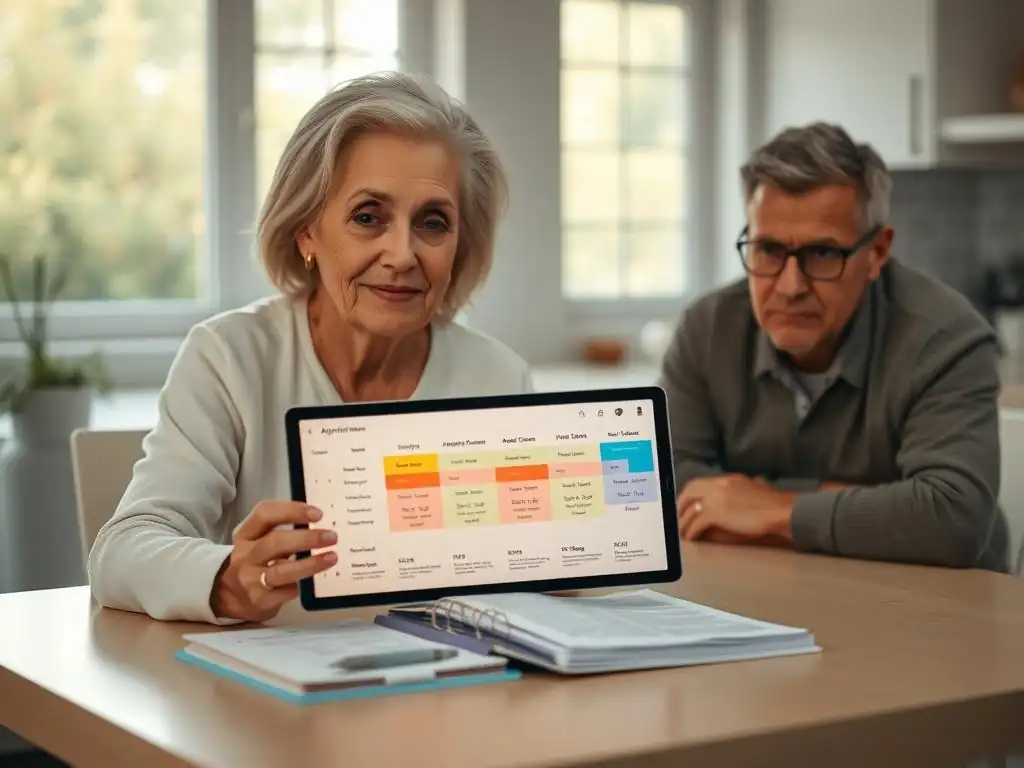
Reviewing and Understanding Treatment Plans and Instructions
After the appointment, taking time to review and fully understand the treatment plan and instructions is a crucial step in effective caregiver healthcare coordination. Go over any written materials provided by the healthcare team, such as summaries, prescriptions, or educational handouts. Compare them with your notes from the appointment to ensure consistency and clarity. If anything is confusing or seems contradictory, contact the doctor's office for clarification as soon as possible.
Discuss the treatment plan with the patient, if appropriate, to ensure they understand what is expected. This review process helps solidify the information and identify any potential barriers to adherence. Understanding the 'why' behind instructions, such as the importance of taking a medication at a specific time or completing a full course of antibiotics, improves compliance. This diligent review is a key element in leveraging caregiver healthcare coordination resources effectively for ongoing care.
Managing Medications: Organization and Adherence
Managing multiple medications is a common and often challenging task in caregiver healthcare coordination. It requires meticulous organization to ensure the correct dosage of the right medication is given at the correct time. Create a system for tracking medications, whether it's a pill organizer, a medication chart, or a dedicated app. Note down when each medication was administered.
Be vigilant about potential drug interactions and side effects. If you notice any unusual symptoms after starting a new medication, contact the healthcare provider immediately. Keep track of prescription refill dates to avoid running out. Utilizing resources like medication calendars, pill boxes, or digital reminders can significantly improve medication adherence and safety, demonstrating the practical application of caregiver healthcare coordination resources.
Scheduling Follow-Up Appointments and Tests
Scheduling necessary follow-up appointments and tests is a vital part of ensuring continuity of care in caregiver healthcare coordination. Before leaving the clinic or shortly after the appointment, confirm when and how follow-up is needed. This might involve booking another appointment with the same provider, scheduling tests like blood work or imaging, or making appointments with other specialists.
Keep a running list or calendar specifically for medical appointments and tests. This helps prevent missed appointments, which can disrupt care plans and potentially lead to health complications. Confirming appointment details, including location and any preparation needed (like fasting), is essential. Proactive scheduling is a simple yet effective strategy within the realm of caregiver healthcare coordination resources to keep care on track.
Documenting Medical Information for Future Reference
Maintaining a comprehensive and organized record of all medical information is perhaps one of the most critical aspects of long-term caregiver healthcare coordination. This includes summaries of all appointments, test results, hospital discharge papers, medication lists, and communication logs with healthcare providers. This documentation serves as a single source of truth for the patient's health history.
Organizing this information, whether in a physical binder with dividers or a secure digital system, makes it easily accessible when needed for future appointments, emergencies, or discussions with new providers. A well-maintained medical record reduces the need to recall complex details from memory and ensures that healthcare providers have access to a complete history, leading to better-informed decisions. Effective documentation is a fundamental component of reliable caregiver healthcare coordination resources.
Understanding Health Insurance and Billing Processes
Navigating health insurance and billing processes is often one of the most daunting aspects of caregiver healthcare coordination. Understanding the details of the patient's insurance plan, including deductibles, copays, coinsurance, and covered services, is essential to manage costs and avoid unexpected bills. Keep copies of the insurance card and understand the process for obtaining pre-authorizations for tests or procedures if required.
If a bill seems incorrect, don't hesitate to contact the provider's billing department or the insurance company to ask for clarification. Many insurance companies offer resources like online portals or customer service lines to help members understand their benefits and claims. Patient advocates within hospitals or clinics can also offer assistance. Accessing resources that explain insurance jargon and billing procedures is a key piece of effective caregiver healthcare coordination resources.
Finding Specialist Referrals and Second Opinions
Identifying and obtaining referrals to specialists or seeking second opinions are often necessary steps in complex caregiver healthcare coordination. Your primary care physician is usually the gateway to specialist referrals, but it's helpful to research specialists within your network and relevant to the patient's condition. Consider factors like experience, location, and patient reviews.
If you are uncertain about a diagnosis or treatment plan, seeking a second opinion from another qualified specialist is a reasonable and often recommended course of action. Your insurance plan will have specific procedures for referrals and second opinions. Utilizing online directories of healthcare providers, insurance company websites, or patient advocacy groups can be helpful caregiver healthcare coordination resources when navigating this process.
Accessing Home Healthcare Services and Support
For patients who require ongoing care or assistance at home, accessing home healthcare services and support is a crucial element of caregiver healthcare coordination. These services can range from skilled nursing care and physical therapy to personal care assistance and respite care. Understanding the types of services available and how they are covered by insurance or other programs (like Medicare or Medicaid) is important.
Resources like local Area Agencies on Aging, state health departments, or non-profit organizations focused on specific conditions can provide information and referrals for home healthcare providers. Discussing the need for these services with the patient's doctor is a necessary first step. Identifying and coordinating these services is a significant part of providing comprehensive care and requires leveraging appropriate caregiver healthcare coordination resources.
Utilizing Technology for Healthcare Coordination
Technology offers a growing array of tools that can significantly enhance caregiver healthcare coordination. Electronic health portals allow access to patient medical records, test results, appointment schedules, and secure messaging with healthcare providers. Mobile apps are available for medication reminders, symptom tracking, and organizing medical information. Telehealth appointments have become increasingly common, reducing the need for travel for routine consultations.
Other technological resources include online support groups, educational websites from reputable health organizations, and digital calendars or task management tools. While technology can be incredibly helpful, it's important to ensure the security and privacy of patient information when using digital tools. Exploring and adopting relevant technological caregiver healthcare coordination resources can streamline tasks and improve communication.
Legal and Ethical Considerations in Caregiver Healthcare Coordination
Understanding HIPAA and Patient Privacy Rights
Understanding the Health Insurance Portability and Accountability Act (HIPAA) is fundamental for caregivers involved in healthcare coordination. HIPAA is a U.S. law that protects the privacy and security of individuals' health information. It dictates who can access a patient's medical records and under what circumstances. As a caregiver, you generally need the patient's explicit consent (often in writing) to access their protected health information (PHI) and discuss their care with providers.
While HIPAA is designed to protect patient privacy, it can sometimes create barriers for caregivers trying to access necessary information if proper authorizations are not in place. Healthcare providers can share information relevant to the patient's care with family members involved in that care, unless the patient objects. However, having legal documentation like a healthcare power of attorney simplifies this process significantly. Being aware of HIPAA regulations is a key part of navigating the legal landscape of caregiver healthcare coordination.
Power of Attorney and Healthcare Proxy: Essential Legal Documents
Power of Attorney (POA) and Healthcare Proxy (or Medical Power of Attorney) are essential legal documents that significantly empower caregivers in healthcare coordination, particularly when the patient is unable to make their own decisions. A Healthcare Proxy designates a person (the proxy) to make healthcare decisions on behalf of the patient if they become incapacitated. A Durable Power of Attorney can grant authority over financial matters, which may include managing funds for medical expenses.
These documents should be prepared while the patient has the capacity to understand and sign them. They provide clear legal authority to the caregiver (acting as the proxy or agent) to access medical information, discuss treatment options, and make decisions according to the patient's wishes or best interests. Having these documents in place is a critical component of proactive planning and a vital caregiver healthcare coordination resource.
Making Informed Decisions About End-of-Life Care
Making informed decisions about end-of-life care is one of the most challenging aspects of caregiver healthcare coordination. This process ideally begins with open conversations with the patient about their values, beliefs, and preferences regarding medical interventions towards the end of life. Understanding terms like palliative care, hospice care, and resuscitation preferences (DNR - Do Not Resuscitate) is crucial.
These decisions should be guided by the patient's previously expressed wishes, if known, and discussions with the healthcare team about prognosis and treatment options. Legal documents like Advance Directives or Living Wills formalize these preferences. Navigating these sensitive discussions and decisions requires emotional strength and access to resources that provide guidance on end-of-life planning, which are important, albeit difficult, caregiver healthcare coordination resources.
Ethical Dilemmas in Caregiving: Resources for Guidance
Caregiving can sometimes involve navigating complex ethical dilemmas. These might arise when balancing patient autonomy with safety concerns, deciding on the level of medical intervention, managing family conflicts regarding care, or dealing with truth-telling about a prognosis. For example, a caregiver might face an ethical challenge deciding whether to respect a patient's wish to refuse a necessary treatment if it seems detrimental to their health.
There are resources available to help caregivers navigate these difficult situations. Healthcare ethics committees in hospitals can provide consultation. Support groups offer a space to discuss challenges with others who understand. Bioethics websites and books can provide frameworks for ethical decision-making. Recognizing that ethical dilemmas are part of caregiving and knowing where to turn for guidance is an important part of comprehensive caregiver healthcare coordination resources.
Caregiver Self-Care: Prioritizing Your Own Well-being

Recognizing the Signs of Caregiver Burnout
Caregiver burnout is a state of physical, emotional, and mental exhaustion that can occur when caregivers don't get the help they need or try to do more than they are able. Recognizing the signs early is critical for maintaining the caregiver's capacity for effective healthcare coordination and overall well-being. Symptoms can include withdrawal from friends and family, loss of interest in activities previously enjoyed, changes in appetite or weight, difficulty sleeping, feelings of hopelessness, irritability, and increased susceptibility to illness.
Ignoring these signs can lead to decreased ability to provide care, resentment, and even health problems for the caregiver. For example, a caregiver experiencing burnout might become forgetful about medication schedules or miss appointments, directly impacting the quality of care provided. Awareness and proactive steps are needed to combat burnout, making self-care resources an integral part of caregiver healthcare coordination resources.
Implementing Strategies for Stress Management and Self-Care
Implementing effective stress management and self-care strategies is not selfish; it is essential for sustainable caregiver healthcare coordination. Simple strategies can include setting aside small amounts of time each day for relaxation or a hobby, practicing mindfulness or meditation, engaging in regular physical activity (even short walks), and ensuring adequate sleep and nutrition.
It's also important to set realistic expectations for yourself and the patient's care. Learn to say no to requests that will overwhelm you and delegate tasks when possible. Prioritizing your own health appointments and preventive care is just as important as managing the patient's. Actively incorporating self-care into your routine is a vital strategy supported by available caregiver healthcare coordination resources focused on well-being.
Seeking Support from Caregiver Support Groups and Counseling Services
Connecting with others who understand the challenges of caregiving can provide invaluable emotional support and practical advice. Caregiver support groups, whether in-person or online, offer a safe space to share experiences, challenges, and coping strategies. Hearing from others navigating similar situations can reduce feelings of isolation and provide new perspectives.
Professional counseling services can also be beneficial for processing the emotional toll of caregiving, managing stress, and developing coping mechanisms. Therapists can provide strategies for managing difficult behaviors, navigating family dynamics, and addressing feelings of grief or loss. Accessing these support systems is a crucial component of comprehensive caregiver healthcare coordination resources aimed at preventing burnout and promoting resilience.
Respite Care Options: Taking a Break to Recharge
Respite care provides temporary relief for primary caregivers, allowing them to take a break, attend to their own needs, or simply rest and recharge. This can involve in-home care services, adult day centers, or short-term stays in assisted living facilities or nursing homes. Utilizing respite care is a proactive measure to prevent burnout and maintain the caregiver's capacity to provide care over the long term.
Even a few hours of respite can make a significant difference in reducing stress and improving the caregiver's outlook. Planning for respite care in advance can make it easier to implement when needed. Information about respite care options, eligibility, and funding sources is available through various caregiver healthcare coordination resources provided by local or national aging and disability organizations.
Advanced Care Planning: Ensuring Future Healthcare Needs are Met
Discussing Goals of Care and Preferences with the Patient
Advanced care planning is a process of discussing and documenting an individual's wishes regarding medical treatment in the event they are unable to make their own decisions. For caregivers, initiating conversations about goals of care and preferences with the patient is a sensitive but essential step in long-term caregiver healthcare coordination. These discussions should focus on the patient's values, what quality of life means to them, and what medical interventions they would or would not want under specific circumstances.
These conversations are best held when the patient is healthy and able to think clearly. They may need to occur gradually over time. Understanding the patient's wishes regarding resuscitation, mechanical ventilation, feeding tubes, and pain management is crucial. Documenting these discussions is vital, ensuring that the caregiver is prepared to advocate for the patient's preferences should the need arise. Resources are available to guide these conversations, forming part of comprehensive caregiver healthcare coordination resources.
Creating an Advance Directive or Living Will
Formalizing the patient's wishes through legal documents like an Advance Directive or Living Will is a critical outcome of advanced care planning in caregiver healthcare coordination. An Advance Directive is a broad term that can include a Living Will and a Healthcare Power of Attorney. A Living Will specifically outlines the types of medical treatments a person does or does not want if they are terminally ill or permanently unconscious.
These documents provide clear instructions to healthcare providers and legally empower the designated healthcare proxy (often the caregiver) to make decisions in line with the patient's documented wishes. Having these documents prepared, signed, witnessed, and easily accessible is paramount. Legal aid societies, healthcare providers, and organizations specializing in end-of-life care offer resources and forms for creating these important legal instruments, serving as vital caregiver healthcare coordination resources.
Communicating Advance Care Plans with Family and Healthcare Providers
Once an Advance Directive or Living Will is created, it is essential to communicate the plan to all relevant parties. This includes sharing copies with the designated healthcare proxy, other close family members, and all healthcare providers involved in the patient's care, including their primary physician and any specialists. Ensure copies are placed in the patient's medical chart.
Open communication with family members about the patient's wishes, even those not designated as the proxy, can prevent misunderstandings and conflicts later on. Healthcare providers need access to these documents to respect the patient's autonomy and follow their wishes if they become unable to communicate. Ensuring everyone is informed is a critical step in implementing the advanced care plan and a vital part of proactive caregiver healthcare coordination.
Resources for End-of-Life Care Planning
Numerous resources are available to assist caregivers and patients with end-of-life care planning. These include non-profit organizations dedicated to promoting advanced care planning, such as The Conversation Project, which offers guides and tools for initiating discussions. Healthcare systems often have palliative care teams or social workers who can provide support and information.
Legal resources, like state bar associations or elder law attorneys, can provide assistance with drafting legal documents. Hospice providers are also invaluable resources for understanding comfort care options and navigating the end-of-life journey. Accessing these specialized caregiver healthcare coordination resources ensures that this complex and sensitive process is handled with dignity and according to the patient's wishes.
Conclusion: Empowering Caregivers Through Effective Healthcare Coordination
Recap of Key Strategies for Successful Healthcare Management
Mastering medical appointments and the broader scope of caregiver healthcare coordination is a complex but achievable goal with the right strategies and resources. Key approaches include meticulous preparation before appointments, utilizing effective communication techniques during consultations, and diligent follow-up actions to ensure continuity of care. Gathering and organizing medical information, preparing questions, actively listening, and documenting everything are foundational elements.
Furthermore, navigating the healthcare system involves understanding insurance, seeking appropriate referrals, accessing home care when needed, and leveraging technology. Addressing legal and ethical considerations, such as understanding patient rights and establishing legal authority through documents like a Healthcare Proxy, is also crucial. These strategies, when consistently applied, significantly enhance a caregiver's ability to manage their loved one's health needs effectively.
The Importance of Proactive Planning and Communication
The underlying theme for successful caregiver healthcare coordination is proactive planning and open communication. Anticipating future needs, preparing for appointments in advance, establishing legal documents early, and openly discussing wishes and concerns with the patient, family, and healthcare team are vital. A proactive approach reduces stress, prevents crises, and ensures that care aligns with the patient's values.
Communication is the bridge connecting all aspects of care. Clear, accurate, and consistent communication with healthcare providers ensures everyone is on the same page. Open and honest communication with the patient fosters trust and ensures their voice is heard. Embracing proactive planning and robust communication is essential for effective and empathetic caregiver healthcare coordination.
Where to Find Additional Support and Resources for Caregivers
Caregivers do not have to navigate the complexities of healthcare coordination alone. A wealth of support and caregiver healthcare coordination resources are available from various sources. These include non-profit organizations focused on specific diseases or conditions (e.g., Alzheimer's Association, American Cancer Society), government agencies (e.g., Administration for Community Living, Veterans Affairs), and local community organizations (e.g., Area Agencies on Aging, senior centers).
Online platforms offer virtual support groups, educational webinars, and digital tools. Healthcare providers, including doctors, nurses, and social workers, can also point you towards relevant resources within their system or community. Seeking out and utilizing these available caregiver healthcare coordination resources is a sign of strength, empowering caregivers to provide the best possible care while also protecting their own well-being.
Frequently Asked Questions
What are some key challenges caregivers face when coordinating healthcare appointments?
Caregivers often struggle with managing complex medical information, scheduling conflicts, and navigating the healthcare system effectively. This can lead to increased stress and potential burnout.
Where can caregivers find resources to help them organize medical information?
Mind Care Guide offers various resources, including printable trackers, digital templates, and tips for creating a centralized medical record. These tools assist in maintaining accurate and accessible information.
How can caregivers improve communication with healthcare providers during appointments?
Preparation is key. Utilize resources to create a list of questions, bring all relevant medical documents, and actively participate in the discussion. Clear communication ensures better patient outcomes.
What types of caregiver healthcare coordination resources does Mind Care Guide offer?
We provide a comprehensive range of resources, including articles on effective communication, tools for organizing medications, and information on accessing support groups. Our goal is to empower caregivers.
How can caregivers learn more about managing their own well-being while coordinating healthcare for others?
Mind Care Guide emphasizes self-care strategies for caregivers, offering resources on stress management techniques, finding respite care, and connecting with support networks. Prioritizing your own health is crucial.
The challenges faced by caregivers in coordinating healthcare for their loved ones are immense, and the current healthcare system often fails to adequately support them. This lack of streamlined support creates unnecessary stress, delays crucial treatments, and ultimately impacts the well-being of both the caregiver and the care recipient. The weight of this responsibility should not be underestimated.
The journey of caregiver healthcare coordination is a deeply personal one, filled with both triumphs and tribulations. It's a constant balancing act between managing appointments, medications, and the emotional toll of caring for someone else. This experience profoundly shapes the caregiver's life, demanding resilience, adaptability, and an unwavering commitment to their loved one. As one caregiver eloquently stated, Caregiving is a labor of love, but it's also a marathon, not a sprint. Finding the right resources can make all the difference in the world.
This quote underscores the importance of accessible and comprehensive resources designed to ease the burden on caregivers.
You, the caregiver, are the heart of this equation. Take a moment to reflect on your own journey. What resources have proven invaluable to you? What gaps have you identified in the system? Now, armed with the knowledge and resources outlined in this article, I urge you to proactively seek out the support you deserve. Don't hesitate to reach out to organizations, utilize online tools, and advocate for changes that will improve the healthcare experience for yourself and others navigating this challenging path. Your well-being is paramount, and your dedication deserves recognition and support.
Take Charge of Your Healthcare Coordination Today!
Thanks for taking the time to learn more about effective healthcare coordination for caregivers! We hope you found valuable insights and strategies to streamline your approach. Now, let's put that knowledge into action.
- Prioritize your most pressing healthcare task: Identify one crucial appointment or to-do item related to your caregiving responsibilities and schedule it immediately. Don't let it fall through the cracks!
- Share this knowledge: Forward this article to another caregiver you know – you could make a real difference in their day.
- Explore additional resources: Search "Mind Care Guide" online for further articles and support to help you master all aspects of caregiver healthcare coordination.
What's the one small step you can take right now to improve your healthcare coordination process? Let's discuss in the comments below!