
Hobbies and Interests: Reigniting Passion While Living with Persistent Depressive Disorder

Welcome to Mind Care Guide, a space dedicated to nurturing your mental well-being.
Feeling lost in the shadows of depression? You're not alone. We understand the weight of persistent depressive disorder and its impact on your passions. But what if there was a way to reignite the spark within? Explore our latest article to discover how hobbies reduce depression symptoms, offering a path toward rediscovering joy and meaning in your life. Let's embark on this journey to a brighter tomorrow, together.
Hobbies and Interests: Reigniting Passion While Living with Persistent Depressive Disorder
- Understanding Persistent Depressive Disorder (PDD) and Its Impact
- The Therapeutic Power of Hobbies: How Hobbies Reduce Depression Symptoms
- Finding the Right Hobby: Exploring Interests for Depression Relief
- Practical Hobbies for Managing Dysthymia Symptoms
- Overcoming Challenges: Maintaining Hobbies with Persistent Depression
- Creating a Hobby Plan: Integrating Activities into Your Daily Life
- The Importance of Professional Support in Managing PDD
- Personal Journeys: Finding Solace and Strength Through Hobbies
- Maintaining Momentum: Long-Term Strategies for Sustaining Hobbies
-
Frequently Asked Questions
- How can hobbies specifically help someone experiencing persistent depressive disorder?
- What types of hobbies are most effective at reducing depression symptoms?
- How much time should someone dedicate to their hobbies to see a noticeable improvement in their mental health?
- What if someone feels unmotivated or unable to start a new hobby due to their depression?
- Where can someone find inspiration for new hobbies to try?
- Final Reflection: Rediscovering Joy in the Face of Depression
- Ignite Your Spark: Rediscover Joy Through Meaningful Hobbies
Understanding Persistent Depressive Disorder (PDD) and Its Impact
Defining Persistent Depressive Disorder (Dysthymia)
Persistent Depressive Disorder, often referred to as dysthymia, is a chronic form of depression characterized by a low, dark, or sad mood that lasts for at least two years. Unlike major depression, which often involves severe episodes, PDD typically presents as a milder but more enduring low mood, accompanied by at least two other symptoms of depression.
These symptoms can include changes in appetite or sleep, low energy, poor self-esteem, difficulty concentrating, and feelings of hopelessness. While the symptoms may be less intense than major depression, their persistence over such a long period can significantly impair a person's functioning and quality of life.
This chronic condition affects a substantial number of people globally. While exact prevalence rates vary by region and study, it's estimated that around 1.5% to 3% of the adult population may experience PDD at some point in their lives.
The long duration makes it challenging to manage, often leading individuals to feel as though this low mood is simply a part of their personality rather than a treatable condition. The insidious nature of dysthymia means that many individuals may not even recognize they have a disorder, attributing their persistent low energy and lack of interest to personal failings or external circumstances.
The Emotional and Psychological Toll of Long-Term Depression
Living with persistent depressive disorder exacts a heavy emotional and psychological toll. The constant low mood drains energy, making even simple daily tasks feel overwhelming. This can lead to a significant reduction in activity levels, social withdrawal, and a loss of interest in previously enjoyed activities – a symptom known as anhedonia.
Over time, this can erode self-esteem and foster feelings of inadequacy and hopelessness, creating a vicious cycle where low mood leads to inactivity, which further deepens the low mood. The chronic nature of PDD can also make it difficult to maintain relationships, excel at work or school, and engage meaningfully with life.
The psychological burden extends beyond just feeling sad. Individuals with PDD often experience chronic fatigue, difficulty making decisions, poor concentration, and a pervasive sense of dissatisfaction. This persistent internal state can lead to increased anxiety, irritability, and even physical symptoms like headaches or digestive issues. The long-term impact means that individuals may spend years feeling "grey" or "flat," missing out on opportunities for joy, growth, and connection, and struggling to envision a brighter future.
Why Hobbies Can Be a Powerful Tool in Managing PDD
Given the core symptoms of PDD – low mood, low energy, and loss of interest – engaging in hobbies offers a direct countermeasure. Hobbies provide structured activities that can reintroduce elements of pleasure, accomplishment, and engagement into a life often dominated by feelings of apathy and fatigue. They offer a purpose outside of daily obligations, providing a sense of identity and competence that can be severely diminished by chronic depression. Whether it's creating something, learning a new skill, or simply enjoying a leisure activity, hobbies offer a break from the internal struggle and a pathway towards positive experiences.
Furthermore, hobbies can act as a form of behavioral activation, encouraging individuals to engage with the world and break the cycle of withdrawal that often accompanies PDD. Even small steps towards engaging in a hobby can build momentum and gradually increase energy levels and motivation. The sense of achievement derived from completing a small project or making progress in a skill can provide valuable boosts to self-esteem, which is often low in persistent depression. This is why exploring how hobbies reduce depression symptoms is a crucial aspect of long-term management.
The Therapeutic Power of Hobbies: How Hobbies Reduce Depression Symptoms
Hobbies as a Form of Behavioral Activation for Dysthymia
Behavioral activation is a therapeutic approach that focuses on increasing engagement in activities that are likely to bring positive reinforcement and counteract the withdrawal and inactivity associated with depression. For individuals with dysthymia, the pervasive low energy and lack of motivation make it difficult to initiate and maintain activities. Hobbies provide a structured framework for this activation. By scheduling and committing to even short periods of engaging in a hobby, individuals can begin to break the cycle of inertia. For instance, starting with just 15 minutes of gardening or playing a musical instrument can be a manageable first step.
The principle is that action precedes motivation, not the other way around. While the initial impulse might be to stay withdrawn due to low mood and fatigue, engaging in an activity, even without feeling like it, can gradually shift internal states.
Successfully completing a small task within a hobby, such as finishing a chapter of a book for a book club or completing one row of knitting, provides a sense of accomplishment and can lead to small, positive emotional shifts. This process of engaging in valued activities, like hobbies, helps to increase exposure to positive experiences and reduce the time spent ruminating or engaging in passive behaviors that perpetuate the low mood associated with PDD.
The Neurochemical Benefits: Hobbies and Mood Improvement
Engaging in enjoyable activities, including hobbies, can have tangible effects on brain chemistry. Activities that provide pleasure, a sense of accomplishment, or physical exertion can stimulate the release of neurotransmitters known to influence mood, such as dopamine, serotonin, and endorphins.
For example, physical hobbies like walking, cycling, or dancing are well-documented to increase endorphin levels, which have natural mood-boosting and pain-relieving effects, often described as a "runner's high," though similar effects can be achieved through moderate activity. Studies have shown that regular exercise, a form of physical hobby, can be as effective as some antidepressants for mild to moderate depression.
Even non-physical hobbies can have neurochemical benefits. Creative activities like painting, playing music, or writing can engage different parts of the brain and provide a sense of flow, a state of complete absorption in an activity. This state can reduce stress hormones like cortisol and promote a sense of well-being.
Learning-based hobbies, such as studying a new language or tackling complex puzzles, can stimulate neural pathways and enhance cognitive function, which is often impaired by chronic depression. The simple act of anticipating and engaging in a planned enjoyable activity can also positively impact dopamine pathways associated with reward and motivation, helping to counteract the anhedonia of PDD.
Combating Isolation and Loneliness Through Engaging Activities
Persistent depressive disorder often leads to social withdrawal, exacerbating feelings of isolation and loneliness. Hobbies can serve as a bridge back to social connection. Many hobbies are inherently social, such as joining a choir, a sports league, a crafting circle, or a volunteer group. These activities provide opportunities to interact with others who share similar interests, fostering a sense of belonging and community. Even solitary hobbies can lead to social connection through online communities, forums, or local clubs where enthusiasts gather to share tips, projects, or experiences.
Participating in group hobbies provides structured social interaction without the pressure of one-on-one socializing, which can feel overwhelming for someone with PDD. Sharing a common interest makes conversations easier and provides a shared purpose. For example, attending a weekly photography club meeting provides a predictable social outlet centered around a shared passion. This consistent positive social engagement helps to counteract the isolation that often accompanies long-term depression, reminding individuals that they are not alone and providing a support network outside of family or professional care. This social aspect is a significant way hobbies reduce depression symptoms.
Finding the Right Hobby: Exploring Interests for Depression Relief
Identifying Latent Passions and Forgotten Interests
One of the challenges of PDD is that the pervasive low mood and lack of energy can make it difficult to even remember what used to bring joy, let alone discover new interests. A helpful starting point is to look back at childhood or earlier adulthood. What activities did you enjoy before the depression became so persistent?
Were you interested in drawing, playing a sport, reading certain types of books, or building things? These forgotten interests can be valuable clues to potential hobbies. Even if the idea of doing them now feels daunting, acknowledging past passions is a first step.
Another approach is to pay attention to moments, no matter how brief, when something captures your attention or sparks a flicker of curiosity. Did you see someone knitting and feel a slight pull? Did you hear a piece of music that moved you? Did you walk past a community garden and feel a moment of peace? These small signals can point towards potential areas of interest. It's also helpful to think about what you value – is it creativity, nature, learning, helping others, physical movement? Aligning potential hobbies with personal values can provide a stronger internal motivation to engage.
Overcoming Apathy: Strategies for Discovering New Hobbies
Apathy is a hallmark symptom of PDD, making the idea of starting something new feel impossible. Overcoming this requires a gentle, low-pressure approach. Instead of committing to a hobby, start with exploration. This could mean spending 10 minutes watching a video tutorial on a craft, browsing books about a potential interest at the library, or taking a very short walk in a park you might want to garden in. The goal is exposure, not mastery. Think of it as gathering information rather than making a commitment.
Another strategy is to use the "five-minute rule." If you're considering trying a hobby, commit to doing it for just five minutes. If after five minutes you genuinely feel worse or have no desire to continue, you can stop. Often, however, the hardest part is starting, and after five minutes, the activity might become slightly easier or even mildly engaging.
This technique lowers the barrier to entry significantly. Additionally, consider trying a "sampler" approach – attend a single introductory class for something like pottery or yoga, or borrow materials from a friend to try something out without significant investment. The aim is to find something that resonates, even slightly, to show how engaging in activities, even small ones, can help hobbies reduce depression symptoms.
Tailoring Hobbies to Your Current Energy Levels and Capabilities
Living with PDD means energy levels can fluctuate dramatically, and physical or cognitive capabilities might be impacted. It's crucial to choose hobbies that can be adapted to how you are feeling on any given day. On days with very low energy, passive or low-exertion hobbies might be best, such as listening to podcasts, reading a light book, gentle stretching, or watching nature documentaries. These still offer engagement without demanding significant physical or mental effort.
On days with slightly more energy, you might engage in hobbies requiring moderate effort, like a short walk, some light gardening, working on a simple craft project, or practicing a musical instrument for a short period. It's important to have a range of options available and to be flexible with yourself. Don't choose a hobby that requires intense physical exertion or complex problem-solving if those areas are particularly challenging due to your symptoms.
The goal is to find activities that are accessible and enjoyable for you, as you are, not to add another source of pressure or failure. Having a variety of hobbies at different energy levels ensures you have options regardless of how PDD is affecting you on a particular day, making it easier for hobbies to reduce depression symptoms consistently.
Practical Hobbies for Managing Dysthymia Symptoms

Creative Outlets: Art, Music, and Writing for Emotional Expression
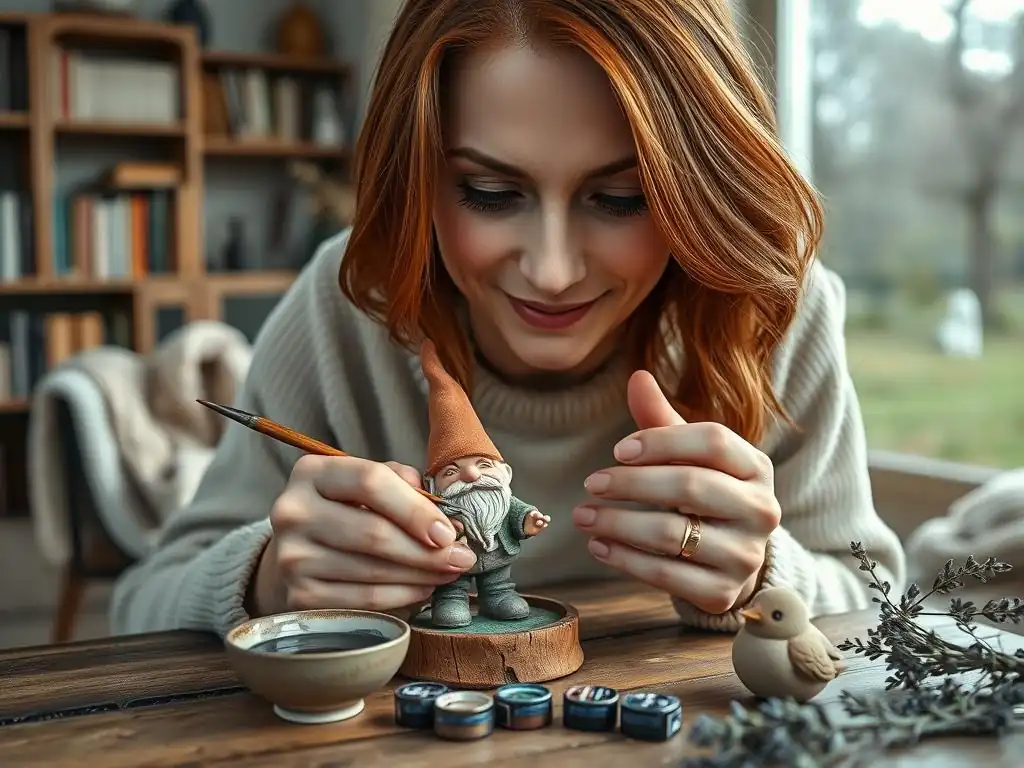
Creative hobbies offer powerful avenues for emotional expression and can provide a sense of flow and accomplishment. Engaging in art, such as drawing, painting, sculpting, or collage, allows individuals to translate internal feelings into external forms, which can be therapeutic even without conscious analysis. You don't need to be an expert; the process itself is beneficial. Using colors, textures, and shapes can be a non-verbal way to explore emotions that are difficult to articulate.
Music provides another potent creative outlet. This could involve playing an instrument, singing, composing, or even just actively listening to music. Learning an instrument, even simple chords on a guitar or piano, offers a structured activity with clear progression, providing a sense of achievement. Singing, whether alone or in a group like a choir, can be uplifting and physically engaging.
Writing, through journaling, poetry, short stories, or even song lyrics, allows for the processing of thoughts and feelings, helping to externalize the internal monologue often amplified by depression. Regularly engaging in these creative hobbies can significantly help hobbies reduce depression symptoms by providing constructive ways to process emotions and achieve small wins. A study published in the American Journal of Public Health in 2010, for instance, noted that participation in arts activities was associated with a significant reduction in depression symptoms among older adults.
Physical Activities: Exercise and Movement to Boost Mood
Physical activity is one of the most evidence-based strategies for managing depression symptoms, and framing it as a hobby can make it more appealing and sustainable. Activities like walking, running, swimming, cycling, yoga, dancing, or even gardening offer numerous benefits. Physically moving the body helps release endorphins, which have mood-lifting effects. Regular physical activity also improves sleep patterns, increases energy levels, and reduces stress – all symptoms often problematic in PDD.
Starting small is key. Instead of aiming for a marathon, begin with a 10-15 minute walk around the block. If gardening appeals, start with tending to a single potted plant. Yoga or gentle stretching can be done at home with minimal equipment.
The focus should be on finding movement that feels enjoyable or at least tolerable, rather than feeling like a chore. Participating in a group fitness class or joining a walking club can add a social element, further enhancing the benefits. Consistent physical hobbies reduce depression symptoms by improving physical health, boosting energy, and positively impacting brain chemistry. Research consistently supports the link; a meta-analysis published in JAMA Psychiatry in 2016 found that even low doses of physical activity were associated with significantly lower odds of depression.
Cognitive Pursuits: Learning and Mental Stimulation for Cognitive Function
Persistent depression can impair cognitive functions such as concentration, memory, and decision-making. Engaging in hobbies that challenge the mind can help sharpen these abilities. Learning a new language, studying history, taking an online course on a topic of interest, doing puzzles (crosswords, Sudoku, jigsaw puzzles), or playing strategy games can provide valuable mental stimulation. These activities require focus and problem-solving, helping to improve cognitive flexibility and attention span.
The process of learning and mastering a new skill, regardless of the complexity, provides a sense of accomplishment and competence that can counteract feelings of inadequacy often present in PDD. For example, successfully completing a challenging puzzle or understanding a new concept in a foreign language lesson offers tangible proof of capability. These cognitive hobbies reduce depression symptoms by distracting from negative thought loops, improving mental clarity, and providing a sense of purpose and growth. Participating in a book club, as mentioned earlier, combines cognitive stimulation with social interaction.
As previously noted, social withdrawal is common in PDD, making hobbies that involve interaction particularly beneficial. Joining a book club, a volunteer group, a community choir, a hiking club, a crafting circle, or taking a class (cooking, pottery, dance) provides opportunities for regular, low-pressure social contact centered around a shared activity. This reduces feelings of isolation and builds a support network outside of family or close friends.
Shared interests make initiating conversations easier and provide a natural topic of discussion, reducing social anxiety. Being part of a group also provides a sense of belonging and accountability – knowing others are expecting you can be a motivating factor on days when symptoms are severe. The positive interactions experienced in these groups can counteract the negative self-perceptions often associated with depression. Engaging in social hobbies is a powerful way hobbies reduce depression symptoms by directly addressing isolation and fostering a sense of community and belonging.
Overcoming Challenges: Maintaining Hobbies with Persistent Depression
Managing Fatigue and Lack of Motivation
Fatigue and lack of motivation are core symptoms of PDD and significant barriers to starting and maintaining hobbies. To manage this, it's crucial to lower expectations and break activities down into very small, manageable steps. Instead of planning to paint for an hour, commit to just mixing the paints. Instead of aiming for a 30-minute walk, decide to walk to the end of the street and back. Focus on starting the activity for a short, defined period (e.g., 10-15 minutes), rather than completing a large task.
Allow for flexibility. If you planned to work on a hobby but feel overwhelmed by fatigue, it's okay to postpone or do an even smaller version. The goal is consistency over intensity. Celebrate the small victories – showing up, doing five minutes, preparing materials.
These small steps build momentum and self-efficacy over time. It can also help to pair the hobby with something slightly more appealing, like listening to a favorite podcast while doing a low-energy craft or meeting a friend specifically for a walking hobby. Recognizing that some days will be harder than others and practicing self-compassion is vital; the aim is progress, not perfection.
Dealing with Negative Self-Talk and Perfectionism
Persistent depression often comes with a harsh inner critic, leading to negative self-talk and perfectionistic tendencies that can sabotage hobby enjoyment. Thoughts like "I'm not good at this," "It's a waste of time," or "It has to be perfect" can make engaging in hobbies feel like another source of failure. Combatting this requires conscious effort to challenge these thoughts. When the inner critic speaks up, try to reframe the thought. Instead of "I'm not good at this drawing," think "I am learning how to draw, and every attempt is practice."
Focus on the process and the enjoyment, not the outcome. Remind yourself that the purpose of the hobby is well-being and engagement, not producing a masterpiece or being the best. If perfectionism is a barrier, try setting a timer and stopping when it goes off, regardless of whether you feel "finished." Experiment with low-stakes versions of your hobby – use inexpensive materials, doodle in a cheap notebook, or play music just for yourself without recording. Learning to quiet the inner critic allows you to engage more freely and receive the full benefits of how hobbies reduce depression symptoms.
Setting Realistic Goals and Celebrating Small Achievements
Setting overly ambitious goals for a hobby while living with PDD can quickly lead to discouragement and reinforce feelings of inadequacy. Instead of aiming to write a novel in a month or run a marathon next week, set small, achievable goals. For example, a realistic goal for a writing hobby might be to write one paragraph each day, or simply to freewrite for 10 minutes. For a physical hobby, it might be to walk for 15 minutes three times a week.
Celebrate these small achievements genuinely. Finishing that paragraph, completing that walk, or successfully learning one chord on the guitar are significant victories when battling the inertia of depression. Acknowledge your effort and progress, no matter how minor it seems. Keeping a simple log or journal of your hobby activities and how you felt afterwards can help visualize progress and reinforce the positive impact. Recognizing and celebrating these small wins builds self-efficacy and motivation, making it easier to continue engaging in activities that help hobbies reduce depression symptoms over the long term.
Creating a Hobby Plan: Integrating Activities into Your Daily Life
Scheduling Dedicated Time for Hobbies
For hobbies to be effective in managing PDD, they need to be integrated into your routine rather than being something you only do if you feel like it (which may be rarely). Treat your hobby like any other important appointment – schedule dedicated time for it in your calendar or planner. This could be a specific block of time each day or a few times a week. The act of scheduling creates a commitment and reduces the likelihood of the activity being pushed aside by other demands or by the inertia of depression.
Be specific about the time and duration, even if it's just 15-20 minutes. For example, "Walk for 20 minutes at 7:00 AM on Monday, Wednesday, Friday" or "Work on knitting project from 3:00 PM to 3:30 PM on Tuesdays and Thursdays." Having it written down makes it feel more concrete and increases the chances you'll follow through. It's often helpful to schedule hobbies during times of the day when you typically have slightly more energy, if possible, or when you have the fewest potential interruptions.
Building a Supportive Environment
Creating an environment that supports your hobby can significantly reduce barriers to participation. This might involve setting up a dedicated space for your activity, even if it's just a corner of a room. Having materials readily accessible means you don't have to expend energy searching for them when motivation is low. For a reading hobby, this might mean having your book easily accessible by your favorite chair. For a painting hobby, it could mean having your easel and paints set up.
Inform supportive friends or family about your hobby plan. Sharing your intentions can provide accountability and encouragement. They might offer to join you in a related activity or simply check in on your progress. Clearing clutter related to the hobby can also help; a messy space can feel overwhelming and deter engagement. Making the hobby space inviting and having everything you need within reach makes it easier to start the activity when the scheduled time arrives, reinforcing how consistent hobbies reduce depression symptoms.
Tracking Progress and Adapting Your Plan as Needed
Keeping track of your hobby engagement can be a powerful motivator and provide valuable insights. A simple journal or app can be used to log when you engaged in your hobby, for how long, and perhaps how you felt before and after. This helps you see your progress over time, even on days when you feel like you're not doing enough. Seeing a record of consistent effort can be very encouraging, especially when depression makes it hard to recognize achievements.
It's also essential to be flexible and willing to adapt your hobby plan. Your energy levels and interests might change over time. If a particular hobby starts to feel like a chore or consistently drains your energy without providing any positive return, it might be time to modify it or try something different.
Regularly review your hobby choices and schedule – perhaps monthly – to ensure they are still serving their purpose in helping hobbies reduce depression symptoms and contribute positively to your well-being. This isn't about failure; it's about making adjustments to best support your needs while living with PDD.
The Importance of Professional Support in Managing PDD
Combining Hobbies with Therapy and Medication
While engaging in hobbies can be a powerful tool for managing the symptoms of Persistent Depressive Disorder, it is crucial to understand that hobbies are a complementary strategy, not a replacement for professional medical and therapeutic care. PDD is a clinical condition that often requires treatment from mental health professionals. Hobbies can significantly enhance the effectiveness of treatments like psychotherapy (such as Cognitive Behavioral Therapy or Behavioral Activation) and medication, but they typically cannot resolve the underlying biological and psychological factors contributing to the disorder on their own.
Integrating hobbies into a comprehensive treatment plan means discussing them with your therapist or doctor. A therapist can help you identify barriers to engaging in hobbies (like negative thought patterns or apathy) and develop strategies to overcome them using therapeutic techniques.
A doctor can ensure that any underlying physical issues contributing to fatigue are addressed and manage medication if necessary, which can sometimes provide the baseline energy needed to even consider engaging in hobbies. Combining these approaches leverages the benefits of clinical treatment with the personal empowerment gained through enjoyable activities, making the overall effort to improve well-being more robust.
Recognizing When to Seek Professional Help
It is vital for individuals with PDD to recognize the signs that indicate a need for professional intervention or an adjustment to their current treatment plan. While hobbies can help hobbies reduce depression symptoms, they may not be sufficient during periods of increased symptom severity. If your low mood deepens, you experience thoughts of self-harm, your ability to function significantly declines (e.g., difficulty with basic self-care, work, or relationships), or you feel overwhelmed by hopelessness, it is a clear signal to seek professional help immediately.
Even if symptoms haven't reached a crisis point, persistent struggles with daily life, inability to find any pleasure in activities (including hobbies), or a worsening of physical symptoms associated with depression warrant contacting a mental health professional. Don't wait until things become unbearable. Proactive communication with your doctor or therapist about changes in your symptoms or difficulties in managing your PDD is a sign of strength and an essential part of long-term management.
Resources for Finding Mental Health Professionals
Finding the right mental health professional is a critical step in managing PDD. There are several avenues to explore. Your primary care physician can often provide referrals to therapists, psychiatrists, or local mental health services. Insurance companies typically have directories of in-network providers. Online databases from mental health organizations, such as the National Alliance on Mental Illness (NAMI) or the Depression and Bipolar Support Alliance (DBSA), can also help locate professionals and support groups in your area.
University psychology departments or teaching hospitals often have clinics that offer services at reduced rates. Community mental health centers are another valuable resource, particularly for low-cost or sliding-scale options. When seeking a therapist, consider their approach (e.g., CBT, behavioral activation), their experience with chronic depression, and whether you feel comfortable talking to them. Finding the right support system, which includes professional help alongside personal strategies like engaging in hobbies, is fundamental to navigating the challenges of PDD and improving overall well-being.
Personal Journeys: Finding Solace and Strength Through Hobbies
Rediscovering Joy Through Watercolor Painting
Sarah, who had lived with persistent depressive disorder for over a decade, felt like the world had lost its color. She struggled with anhedonia, finding little pleasure in activities she once enjoyed. Encouraged by her therapist to try behavioral activation, she remembered she used to enjoy drawing as a child. She started with a simple set of watercolors and a small pad of paper, committing to just 15 minutes each weekend. Initially, it felt like a chore, and her inner critic was loud. "This is terrible," it would say. "You're wasting your time."
However, she focused on the process – the way the water blended with the pigment, the slow appearance of shapes on the paper. Over several weeks, those 15 minutes became something she looked forward to. She wasn't trying to create masterpieces, just exploring color and form. She found that focusing on the painting quieted her ruminating thoughts.
She started noticing colors more vividly in her everyday life. Sharing a photo of a simple floral study with an online watercolor group led to positive feedback and a sense of connection. This gentle reintroduction to creativity showed her how even small, consistent engagement in a hobby could gradually help hobbies reduce depression symptoms and bring back flickers of joy.
Finding Community and Purpose in a Local Book Club
Mark had withdrawn significantly from social life due to his dysthymia, feeling he had nothing interesting to say and lacked the energy for interactions. His therapist suggested finding a low-pressure social hobby. Mark had always enjoyed reading but had stopped as his concentration worsened. He found a local book club that met once a month at a coffee shop. The idea of discussing a book felt less intimidating than general socializing.
Attending the first meeting was difficult, but the shared focus on the book provided an easy topic of conversation. He found that preparing for the meeting (reading the book, jotting down thoughts) gave him a small, manageable goal each month. The discussions stimulated his mind and hearing others' perspectives broadened his own.
The consistent, positive interaction with the same group of people over time built a sense of familiarity and belonging. He started looking forward to the meetings and even initiated brief conversations outside the book topic. The book club didn't cure his PDD, but it provided a vital lifeline of connection and intellectual engagement, demonstrating how social hobbies reduce depression symptoms by combating isolation and fostering community.
Maintaining Momentum: Long-Term Strategies for Sustaining Hobbies
Regularly Evaluating and Adjusting Your Hobby Choices
Living with PDD is a dynamic process, and your needs and energy levels can change over time. What worked as a hobby six months ago might not be as effective or appealing now. It's important to regularly evaluate whether your current hobbies are still serving their purpose in helping you manage symptoms and contribute to your well-being. Ask yourself: Am I still finding some level of enjoyment or satisfaction from this activity? Is it manageable with my current energy levels? Is it providing the benefits I hoped for (e.g., stress relief, social connection, sense of accomplishment)?
Based on this evaluation, be willing to adjust your hobby choices. You might need to scale back on a demanding hobby during a difficult period, adapt it to be less strenuous, or even set it aside temporarily or permanently to explore something new. This flexibility prevents hobbies from becoming another source of pressure or failure. Think of your hobby engagement as a living plan that can be tweaked and updated as needed to best support your journey with persistent depression. This ongoing assessment ensures that your efforts in using hobbies reduce depression symptoms remain effective and sustainable.
Embracing Flexibility and Experimentation
Rigidity can be counterproductive when managing a chronic condition like PDD. Embrace flexibility in how and when you engage in your hobbies. If you miss a scheduled hobby session, don't view it as a failure; simply aim to pick it up again when you can. If a particular aspect of a hobby is causing frustration, try a different approach or focus on another part of the activity. For example, if painting detailed subjects feels overwhelming, switch to abstract painting or simply practice color mixing.
Experimentation is also key to long-term engagement. Don't feel limited to just one or two hobbies. Trying new activities can provide fresh stimulation and reveal unexpected passions. Perhaps you've been focusing on creative hobbies, but trying a physical hobby like hiking might offer different benefits. Or maybe you've been doing solitary activities, and joining a group related to your interest could add a valuable social dimension. Being open to trying new things keeps your hobby life interesting and ensures you have a range of options to turn to, reinforcing the ways hobbies reduce depression symptoms through variety and adaptability.
Remembering the "Why": Reinforcing the Benefits of Hobbies for Mental Well-being
On days when motivation is particularly low and the symptoms of PDD feel overwhelming, it can be hard to remember why you started engaging in hobbies in the first place. Regularly reminding yourself of the benefits can provide the necessary push to engage. Reflect on how your hobbies have helped you – perhaps they provided a brief escape from negative thoughts, offered a small sense of accomplishment, connected you with others, or simply provided a few moments of peace.
Keep a list, mental or written, of the positive impacts your hobbies have had. This serves as a powerful reminder of their value in your life. Connect your hobby engagement to your larger goals for managing PDD and improving your well-being. Frame it not just as a leisure activity, but as an essential part of your self-care and recovery strategy. Reinforcing this understanding helps maintain momentum and reminds you that consistent engagement in activities like hobbies reduce depression symptoms and contribute significantly to living a more fulfilling life despite the challenges of persistent depression.
Frequently Asked Questions
How can hobbies specifically help someone experiencing persistent depressive disorder?
Hobbies can provide a sense of accomplishment and purpose, which can directly combat the feelings of worthlessness often associated with depression. They also offer a healthy distraction from negative thoughts.
What types of hobbies are most effective at reducing depression symptoms?
There isn't a one-size-fits-all answer, but hobbies that involve social interaction and physical activity are often particularly beneficial. The best hobby is one the individual genuinely enjoys!
How much time should someone dedicate to their hobbies to see a noticeable improvement in their mental health?
Even dedicating small amounts of time regularly to a hobby can make a difference. Aim for at least 15-30 minutes a few times a week and adjust based on individual needs and energy levels.
What if someone feels unmotivated or unable to start a new hobby due to their depression?
Start small and be patient with yourself. Choose a hobby that requires minimal effort initially, and don't be afraid to seek support from friends, family, or a therapist.
Where can someone find inspiration for new hobbies to try?
Explore local community centers, online forums, and libraries for ideas. Consider activities you enjoyed in the past or have always been curious about. Remember, the goal is to find something enjoyable and engaging.
Final Reflection: Rediscovering Joy in the Face of Depression
The pursuit of hobbies isn't merely a distraction from persistent depressive disorder (PDD); it's a vital tool for reclaiming agency and fostering resilience. Ignoring the powerful impact of engaging activities on mental well-being is a disservice to those struggling with PDD, and understanding this connection is crucial for navigating the complexities of the illness. The simple act of choosing to engage in something enjoyable can be a revolutionary step towards healing.
The journey of exploring hobbies while living with PDD is a deeply personal one, marked by both setbacks and breakthroughs. It's a testament to the human spirit's capacity for adaptation and growth, even in the face of significant adversity. The consistent effort required to maintain engagement, even on days when motivation feels nonexistent, underscores the importance of self-compassion and celebrating small victories. The cure for boredom is curiosity. There is no cure for curiosity.
– Dorothy Parker. This quote perfectly encapsulates the spirit of actively seeking out and nurturing hobbies as a means of combating the stagnation that often accompanies depression.
You, the reader, are now equipped with a deeper understanding of the profound connection between hobbies and mental well-being. Consider what sparks joy within you, what ignites a sense of accomplishment, however small. Don't let the weight of PDD extinguish your inner flame. Embrace the power of hobbies – not as a cure-all, but as a vital component of your self-care strategy, a pathway to rediscovering your passions, and a testament to your strength and resilience.
Begin today. Start small. And watch as the simple act of engaging in something you love begins to transform your experience of living with PDD.
Ignite Your Spark: Rediscover Joy Through Meaningful Hobbies
Thanks for taking the time to explore the connection between hobbies and managing persistent depressive disorder. We hope this article provided valuable insights and practical strategies for reigniting your passions. Now it's time to put that knowledge into action!
- Prioritize one hobby this week: Even dedicating just 15 minutes a day to something you enjoy can make a difference. Start small, and focus on the feeling of accomplishment, not perfection.
- Share your chosen hobby in the comments below! Let's create a supportive community where we can inspire and encourage each other. What sparks joy for you?
- Explore a new creative outlet: Try something completely different to expand your horizons and discover hidden talents. Think pottery, creative writing, or even learning a new language.
What small step will you take today to nurture your passions and boost your well-being?