
Stress Management for Students: Staying Calm Under Pressure

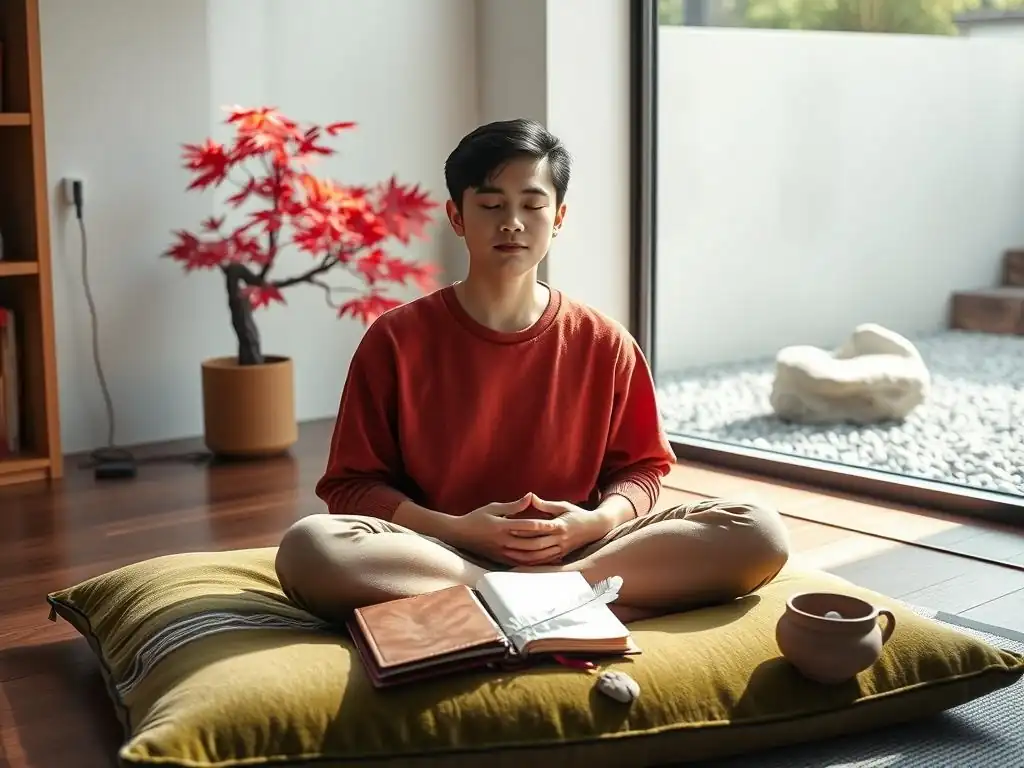
Welcome to Mind Care Guide, a space dedicated to nurturing your mental well-being.
Feeling overwhelmed by the pressures of student life? You're not alone. Discover the power of effective stress management techniques designed specifically to help you navigate academic challenges, maintain a healthy balance, and thrive. Curious about simple yet powerful strategies to reclaim your calm? Let's explore how to conquer stress and unlock your full potential.
Academic Success and Well-being: Managing Stress in College
- Understanding Stress and Its Impact on College Students
- Effective Stress Management Techniques for College Students
- Healthy Lifestyle Choices for Managing Stress in College
- Building a Support System in College
- Advanced Stress Management Strategies for College Students
- Maintaining Long-Term Well-being in College
-
Frequently Asked Questions
- What are some quick and easy student stress management techniques I can use right now?
- How can poor time management contribute to student stress, and how can I improve it?
- What role does physical activity play in managing stress for students?
- Where can I find additional resources for student stress management, beyond what's covered in this guide?
- How important is social support in managing student stress, and how can I build a stronger support network?
- Final Reflection: Finding Your Calm Amidst the Storm
- Unlock Your Calm: Practical Steps to Manage Student Stress
Understanding Stress and Its Impact on College Students
Common Sources of Stress for College Students
College life introduces a unique set of challenges that often serve as significant sources of stress for students. Academic demands are frequently cited as a primary stressor, encompassing rigorous coursework, tight deadlines, challenging exams, and the constant pressure to maintain good grades or achieve a specific GPA.
The transition to a more independent learning environment requires adapting to higher expectations and managing a heavier workload than often experienced in high school, which can feel overwhelming for many. Financial pressures are another substantial contributor, including tuition costs, living expenses, managing student loans, and often balancing part-time work with studies, leading to anxieties about current finances and future debt.
Beyond academics and finances, social adjustments and the transition to living away from home also significantly impact student stress levels. Navigating new social dynamics, building friendships, dealing with roommates, and potentially feeling homesick or isolated can be emotionally taxing. For many, college is the first time they are fully responsible for their daily lives, including cooking, cleaning, managing appointments, and making independent decisions, adding a layer of responsibility that can feel stressful alongside their studies. Studies consistently show that a high percentage of students report feeling overwhelmed by the demands of college life, highlighting the pervasiveness of these stressors.
The Impact of Unmanaged Stress on Academic Performance and Mental Health
When stress is left unmanaged, its effects can ripple negatively through a student's academic life and overall well-being. Chronic stress can impair cognitive functions essential for academic success, such as concentration, memory retention, and problem-solving abilities. Students under prolonged stress may find it harder to focus during lectures, recall information for exams, or complete assignments effectively, potentially leading to lower grades, missed deadlines, and even academic probation in severe cases.
This decline in performance can create a vicious cycle, where poor grades exacerbate stress, making it even harder to cope. Unmanaged stress can also manifest as procrastination or avoidance behaviors, further hindering academic progress.
Furthermore, the impact on mental health is profound and often more concerning. Persistent stress increases the risk of developing or exacerbating mental health conditions such as anxiety disorders and depression. Students might experience heightened irritability, feelings of hopelessness, or a loss of interest in activities they once enjoyed.
Physical symptoms like fatigue, headaches, digestive issues, and weakened immune systems are also common, further disrupting their ability to study and participate in college life. Recognizing these effects underscores why finding helpful stress management techniques for students is not just beneficial for grades, but critical for overall health and a positive college experience.
Recognizing the Signs of Stress in College
Identifying the signs of stress early is a crucial step in effective student stress management techniques. These signs can manifest differently in individuals but often fall into physical, emotional, cognitive, and behavioral categories. Physically, a student experiencing stress might notice frequent headaches, muscle tension, fatigue that isn't relieved by sleep, changes in appetite (either eating much more or much less), or a weakened immune system leading to more frequent colds or illnesses. Difficulty sleeping, whether trouble falling asleep or staying asleep, is also a very common indicator.
Emotionally, signs can include increased irritability, feeling overwhelmed or helpless, experiencing mood swings, or feeling anxious or worried more often than usual. Some students might withdraw from social activities they previously enjoyed or feel a sense of detachment. Cogn Cognitively, stress can impair focus, lead to forgetfulness, difficulty making decisions, and constant worrying or racing thoughts.
Behaviorally, this might show up as procrastination, neglecting responsibilities, increased use of substances (like caffeine, alcohol, or drugs), changes in study habits, or becoming withdrawn. Being aware of these potential indicators in oneself or peers is vital for seeking or offering help promptly, making the application of helpful stress management techniques for students possible before stress becomes debilitating.
Effective Stress Management Techniques for College Students
Time Management Strategies for Academic Success
Effective time management is one of the most fundamental and helpful stress management techniques for students facing academic pressure. It's not just about fitting everything in, but about creating structure and control over one's schedule, which significantly reduces feelings of being overwhelmed. By allocating specific times for studying, assignments, and other commitments, students can minimize last-minute rushes and the anxiety that accompanies them. Implementing practical strategies like using planners, setting reminders, and being realistic about how long tasks actually take are key components of successful time management in the college environment.
Poor time management often leads to procrastination and cramming, which are major sources of student stress. Learning to manage time effectively empowers students to stay on top of their coursework, allowing for more balanced days that include necessary breaks, social activities, and rest. This proactive approach to scheduling not only improves academic performance by ensuring adequate preparation time but also frees up mental space, reducing the cognitive load associated with worrying about unfinished tasks. Mastering these strategies is a powerful way students can gain control over their busy lives and significantly lower their stress levels.
Prioritizing Tasks and Creating a Study Schedule
Prioritizing tasks is essential because not all assignments or responsibilities carry the same weight or urgency. Students can use methods like the Eisenhower Matrix (urgent/important, important/not urgent, urgent/not important, not urgent/not important) or simply list tasks and rank them by deadline and significance. Identifying high-priority items ensures that the most critical work gets done first, preventing crucial deadlines from being missed. This process helps clarify the workload and makes it feel more manageable by breaking it down into actionable steps rather than a daunting list of everything that needs to be done eventually.
Once tasks are prioritized, creating a study schedule provides a framework for getting everything accomplished. A schedule should allocate specific blocks of time for studying different subjects, working on assignments, and attending classes. It's beneficial to be realistic about how long studying is effective; for example, scheduling 50-minute study blocks followed by 10-minute breaks, a technique known as the Pomodoro Technique, can improve focus and prevent burnout. Integrating leisure activities, exercise, and social time into the schedule is equally important to maintain balance and prevent the schedule itself from becoming a source of stress.
Breaking Down Assignments and Setting Realistic Goals
Large assignments, such as research papers or major projects, can appear overwhelming and contribute significantly to student stress. A highly effective strategy is to break these large tasks down into smaller, more manageable steps. For example, a research paper can be broken into steps like choosing a topic, conducting preliminary research, creating an outline, writing a first draft for a section, revising, and proofreading. Completing each smaller step provides a sense of accomplishment and makes the overall task feel less daunting, reducing the likelihood of procrastination.
Setting realistic goals is intertwined with breaking down assignments. Goals should be specific, measurable, achievable, relevant, and time-bound (SMART). Instead of a vague goal like "study for the exam," a realistic goal might be "review chapters 1-3 of the textbook on Tuesday evening for 1.5 hours." Setting goals that are too ambitious can lead to frustration and feelings of failure, increasing stress. Conversely, setting achievable goals builds confidence and motivation as each small success is reached, reinforcing positive study habits and reducing stress.
Utilizing Calendars and Time Management Apps
Modern tools like digital calendars and time management apps are incredibly helpful stress management techniques for students navigating complex schedules. Digital calendars (like Google Calendar, Outlook Calendar) allow students to input classes, appointments, deadlines, and scheduled study blocks, often with reminder notifications. This centralizes all commitments and provides a clear visual overview of the week or month, making it easier to spot potential conflicts or periods of high workload. Sharing calendars with study groups or friends can also help coordinate collaborative work or social plans.
Time management apps offer more specialized features. Apps like Todoist or Trello can help students create detailed to-do lists, break down projects into subtasks, set deadlines, and track progress. Some apps, like Forest or Freedom, help students stay focused by blocking distracting websites or apps for set periods, which is particularly useful during dedicated study time. Experimenting with different tools to find what works best for individual preferences can significantly enhance a student's ability to manage their time effectively and reduce academic stress.
Relaxation Techniques for College Students
Incorporating relaxation techniques into a daily or weekly routine provides students with practical tools to actively reduce physical and mental tension caused by stress. These techniques are among the most accessible and helpful stress management techniques for students because they can often be practiced anywhere, anytime, requiring little to no equipment. Learning to consciously relax the body and calm the mind helps counteract the physiological stress response, lowering heart rate, blood pressure, and stress hormones like cortisol. Regular practice enhances the ability to cope with stressors as they arise.
Beyond immediate stress relief, consistent use of relaxation techniques can improve sleep quality, boost mood, and enhance concentration – all factors that positively influence academic performance and overall well-being. Whether it's taking a few minutes for deep breathing before an exam or dedicating time each week to guided meditation, these practices build resilience. They teach students to become more aware of their body's signals and mental state, enabling them to recognize rising stress levels and intervene early.
Deep Breathing Exercises for Quick Stress Relief
Deep breathing is one of the simplest yet most powerful relaxation techniques for college students needing quick stress relief. When stressed, breathing often becomes shallow and rapid, which can exacerbate feelings of anxiety. Consciously slowing down and deepening the breath signals to the nervous system that it's safe to relax. A basic technique is diaphragmatic breathing: sit or lie comfortably, place one hand on your chest and the other on your belly. Inhale slowly through your nose, feeling your belly expand while your chest remains relatively still. Exhale slowly through your mouth, letting your belly fall.
Practicing deep breathing for just a few minutes can significantly reduce immediate stress symptoms. For example, before an exam or presentation, taking 5-10 slow, deep breaths can calm nerves, clear the mind, and improve focus. Regular practice, even for a few minutes each day, can lower baseline stress levels over time. This technique requires no special environment or equipment, making it an ideal, readily available tool among helpful stress management techniques for students.
Progressive Muscle Relaxation
Progressive Muscle Relaxation (PMR) is a technique that involves tensing and then relaxing different muscle groups in the body. The process typically starts with one end of the body, such as the feet, and moves systematically upwards to the head. For each muscle group, you tense the muscles firmly but without strain for about 5-10 seconds, then release the tension completely, noticing the feeling of relaxation in that area for about 20-30 seconds before moving to the next group. This systematic process helps students become more aware of physical tension caused by stress and how to release it.
Regular practice of PMR can reduce overall muscle tension, which is often a physical symptom of chronic stress, potentially alleviating headaches, back pain, and fatigue. It also provides a mental break, shifting focus from worries to bodily sensations. Practicing PMR before bed can be particularly helpful for students who experience stress-related insomnia, promoting physical relaxation that facilitates sleep. PMR is a tangible way to combat the physical manifestations of stress, making it a concrete and helpful stress management technique for students.
Guided Meditation and Mindfulness Apps
Guided meditation and mindfulness apps offer accessible ways for college students to engage in relaxation and presence practices. Apps like Calm, Headspace, or Insight Timer provide a wide variety of guided meditations ranging from a few minutes to longer sessions, focusing on themes like stress reduction, sleep, or focus. These guided sessions make meditation approachable, especially for beginners, by providing instructions and a structure to follow. Many apps also offer calming music, nature sounds, and breathing exercises.
Using these apps allows students to easily incorporate short periods of mindfulness or meditation into their busy schedules, whether between classes, during a study break, or before sleep. Even practicing for 5-10 minutes daily can help cultivate a sense of calm, improve emotional regulation, and increase self-awareness regarding stress triggers. The availability of these resources makes exploring mindfulness and meditation as helpful stress management techniques for students more convenient than ever.
Mindfulness Practices for College Life
Mindfulness is about paying attention to the present moment without judgment. For college students, integrating mindfulness into daily life can significantly reduce stress by helping them stay grounded and less caught up in worries about the past or future (like upcoming deadlines or past grades). It's a skill that can be cultivated through various practices and applied directly to the unique challenges of college life. Regular mindfulness helps students develop greater self-awareness, allowing them to recognize stress signs earlier and respond more effectively rather than react impulsively.
Practicing mindfulness helps students approach challenges with a clearer perspective. It can improve focus during study sessions by training the mind to return to the task at hand when it wanders. It also fosters greater appreciation for positive experiences, helping balance the focus on academic pressures. Incorporating mindfulness doesn't necessarily require long meditation sessions; it can be woven into everyday activities, making it one of the most adaptable and helpful stress management techniques for students.
Mindful Breathing During Study Sessions and Exams
Mindful breathing is a simple yet powerful way to bring mindfulness into academic activities. During study sessions, taking a minute or two every hour to simply notice your breath can help reset your focus and reduce mental fatigue. Pay attention to the sensation of air entering and leaving your nostrils or the rise and fall of your abdomen. When your mind wanders to distractions or worries, gently acknowledge the thought and guide your attention back to your breath without judgment.
This practice is particularly effective during high-stress situations like exams. Before starting an exam, taking a few mindful breaths can calm anxiety, clear your head, and help you access information more effectively. If you feel overwhelmed during the exam, pausing for a few mindful breaths can help you regain composure and refocus. This immediate, on-the-spot application makes mindful breathing a readily available and helpful stress management technique for students facing academic pressure.
Mindful Walking and Body Scan Exercises
Mindful walking involves paying attention to the physical sensations of walking. Instead of rushing from one place to another, take a few minutes to notice the feeling of your feet hitting the ground, the movement of your legs, the swing of your arms, and the rhythm of your breath. Engage your senses: notice the sights, sounds, and smells around you. This practice can turn a simple walk across campus into a stress-reducing exercise, grounding you in the present moment away from academic worries.
Body scan meditation is another practice where you systematically bring your attention to different parts of your body, noticing any sensations (tension, tingling, warmth) without trying to change them. This exercise increases body awareness, helping students recognize where they hold stress physically. Practicing a body scan for 10-20 minutes can promote deep relaxation and release built-up tension. Both mindful walking and body scans are effective ways to connect with the physical self and reduce stress.
Cultivating Presence in Daily Activities
Mindfulness isn't confined to formal meditation; it can be cultivated in almost any daily activity. For college students, this might mean mindfully eating a meal, paying attention to the tastes, textures, and smells of the food rather than scrolling through a phone. It could involve mindfully showering, noticing the feeling of the water and the scent of the soap. Even mundane tasks like washing dishes or walking to class can become opportunities to practice presence.
The key is to intentionally bring your full attention to the activity you are doing, observing thoughts and feelings without getting carried away by them. Cultivating presence helps students appreciate the small moments in their day, preventing the feeling that life is just a blur of studying and stress. By integrating mindfulness into everyday routines, students build a continuous practice that enhances their ability to manage stress and appreciate their college experience more fully. These small shifts in awareness are powerful and helpful stress management techniques for students seeking balance.
Healthy Lifestyle Choices for Managing Stress in College

Maintaining a healthy lifestyle is a cornerstone of effective student stress management techniques. While academic demands are significant, neglecting basic physical needs like nutrition, exercise, and sleep makes students more vulnerable to the negative impacts of stress. Prioritizing these aspects of well-being provides a strong foundation, enhancing both physical and mental resilience. A balanced lifestyle helps regulate mood, improve energy levels, and strengthen the body's ability to cope with stressors, making academic challenges feel less overwhelming.
Making conscious choices about what you eat, how active you are, and how much you sleep directly impacts your stress levels and overall health. These lifestyle factors are interconnected; for example, poor sleep can affect food choices and energy levels for exercise. By focusing on these fundamental areas, college students can build sustainable habits that support their mental health not just during their studies, but throughout life. Incorporating these healthy choices is a practical application of helpful stress management techniques for students.
Nutrition for Optimal Mental Well-being
The food a college student eats directly impacts their mood, energy levels, and cognitive function, all of which play a role in managing stress. While convenient, processed foods, high sugar snacks, and excessive caffeine can lead to energy crashes, irritability, and exacerbated anxiety. A diet rich in whole foods, lean proteins, healthy fats, and complex carbohydrates provides the brain and body with the stable energy and nutrients needed to function optimally and better handle stress. Staying hydrated by drinking plenty of water throughout the day is also crucial, as dehydration can contribute to fatigue and difficulty concentrating.
Planning meals, even simple ones, can help students avoid relying on less healthy options when stressed or short on time. Stocking up on easy-to-eat fruits, vegetables, nuts, and yogurt provides quick, nutritious snacks. Reducing alcohol and caffeine intake, especially when feeling stressed or anxious, can also help stabilize mood and improve sleep quality. Making mindful food choices is a tangible way students can support their mental resilience.
Foods to Support Cognitive Function and Reduce Anxiety
Certain foods are particularly beneficial for supporting brain health and reducing anxiety, making them excellent components of a student's diet for stress management. Omega-3 fatty acids, found in fatty fish like salmon, walnuts, and flaxseeds, are known to support cognitive function and may help reduce symptoms of depression and anxiety. Complex carbohydrates, such as those in whole grains, oats, and legumes, provide a steady release of glucose, fueling the brain and helping to regulate mood by increasing serotonin levels.
Leafy greens (spinach, kale), berries, and other fruits and vegetables are packed with antioxidants and vitamins that protect brain cells and reduce inflammation, which has been linked to stress and mood disorders. Foods rich in magnesium, like dark chocolate (in moderation), nuts, seeds, and leafy greens, can also help regulate the stress hormone cortisol. Incorporating these nutrient-dense foods into regular meals and snacks is a practical way students can use nutrition as a helpful stress management technique.
The Benefits of Exercise for Stress Reduction
Regular physical activity is one of the most powerful and widely recommended student stress management techniques. Exercise acts as a natural stress reliever by reducing the levels of stress hormones like cortisol and adrenaline. Simultaneously, it stimulates the production of endorphins, chemicals in the brain that act as natural mood elevators and pain relievers, often leading to a feeling of euphoria or the "runner's high." Engaging in physical activity provides a healthy outlet for pent-up energy and frustration, helping students clear their minds and gain perspective on their stressors.
Beyond the immediate chemical benefits, exercise improves sleep quality, boosts self-esteem, and provides a distraction from worries. Finding an activity that is enjoyable makes it easier to stick with consistently, whether it's hitting the gym, going for a run, dancing, or joining a sports team. Aiming for at least 30 minutes of moderate-intensity exercise most days of the week can have a significant positive impact on a student's ability to manage stress and maintain overall well-being.
Simple Exercise Routines for College Students
College students can incorporate simple exercise routines into their busy schedules without needing extensive equipment or time. Walking or biking to class instead of taking a bus or driving is an easy way to add physical activity. Utilizing campus recreation facilities, which are often free or low-cost for students, provides access to gyms, pools, and fitness classes. Many universities also offer intramural sports leagues, which combine exercise with social interaction.
Short bursts of activity can also be effective. A 15-minute brisk walk during a study break, a quick workout in the dorm room using bodyweight exercises, or a short yoga session can help break up sedentary periods and reduce tension. Finding a workout buddy can also provide motivation and make exercise more enjoyable. The key is consistency, even if it's just for short periods; regular movement is a vital and helpful stress management technique for students.
Prioritizing Sleep for Academic Performance and Mental Health
Adequate, quality sleep is absolutely essential for managing stress, yet it's often the first thing college students sacrifice when faced with academic pressure. Chronic sleep deprivation significantly impairs cognitive functions, including concentration, memory, problem-solving, and decision-making – skills critical for academic success. Lack of sleep also dysregulates mood, increases irritability, and heightens vulnerability to stress and anxiety. Aiming for 7-9 hours of quality sleep per night is not a luxury, but a necessity for both academic performance and mental well-being.
Prioritizing sleep means recognizing its importance and making it a non-negotiable part of the schedule, just like classes or study sessions. Students who get enough sleep are better equipped to handle academic challenges, regulate their emotions, and maintain resilience in the face of stress. Making conscious efforts to improve sleep habits is one of the most fundamental and helpful stress management techniques for students seeking to thrive in college.
Creating a Consistent Sleep Schedule
Establishing a consistent sleep schedule is one of the most effective ways to improve sleep quality. This involves going to bed and waking up at roughly the same time every day, even on weekends. While tempting to sleep in on days without early classes, significant variations in the sleep schedule (like sleeping in for several extra hours on Saturday) can disrupt the body's natural sleep-wake cycle (circadian rhythm), making it harder to fall asleep and wake up during the week.
Consistency helps regulate your body's internal clock, making it easier to fall asleep quickly and wake up feeling refreshed. While occasional deviations are inevitable, aiming for regularity trains your body to expect sleep at a certain time, improving both the quantity and quality of your rest. This simple habit is a powerful tool for reducing stress and improving overall functioning.
Optimizing Your Sleep Environment for Rest
Your sleep environment plays a significant role in your ability to fall asleep and stay asleep. Creating a bedroom that is conducive to rest involves minimizing disruptions. The room should be dark, quiet, and cool. Using blackout curtains can block out light, especially important in dorm rooms or shared housing. Earplugs or a white noise machine can help block out noise from roommates, neighbors, or campus activity. The ideal room temperature for sleep is generally considered to be between 60-67°F (15-19°C).
Ensure your mattress and pillows are comfortable and supportive. Avoid using electronic devices like phones, laptops, or tablets in bed or right before sleep, as the blue light they emit can interfere with melatonin production, the hormone that regulates sleep. Making your bedroom a sanctuary primarily for sleep and relaxation helps train your brain to associate the space with rest, making it easier to unwind and fall asleep, thereby supporting stress management.
Building a Support System in College
Navigating college life and managing stress is significantly easier when students feel connected and supported. Building a robust support system is a vital, yet often overlooked, aspect of helpful stress management techniques for students. This network can include friends, family, mentors, professors, academic advisors, and mental health professionals. Knowing that you have people to talk to, lean on, or simply spend time with provides emotional resilience and practical assistance when needed.
Isolation can exacerbate feelings of stress and overwhelm. Actively seeking out connections and nurturing relationships helps combat loneliness and provides different perspectives on challenges. A strong support system offers emotional validation, practical advice, and a sense of belonging, all of which contribute positively to a student's ability to cope with the pressures of college life.
Humans are inherently social beings, and social connection is a fundamental need that significantly impacts mental well-being. For college students, forming friendships and finding a community provides a sense of belonging and shared experience. Sharing concerns with friends who understand the unique pressures of college can normalize feelings of stress and reduce feelings of isolation. Social activities offer a crucial break from academic demands and provide opportunities for relaxation and enjoyment.
Engaging in social connection doesn't just mean having fun; supportive relationships provide a buffer against stress. Friends can offer emotional support, practical help (like studying together), and encouragement during difficult times. Participating in clubs, organizations, or group activities on campus is an excellent way to meet like-minded individuals and build this essential support network, contributing significantly to a student's overall mental health and ability to manage stress.
Communicating with Professors and Academic Advisors
Professors and academic advisors are valuable resources within the college environment and communicating with them is a helpful stress management technique for students, particularly regarding academic stress. They are often understanding of the challenges students face and can offer guidance, extensions (in some cases), or point students towards available resources. If a student is struggling with coursework due to stress or other factors, reaching out to a professor during office hours or via email can open lines of communication and lead to finding solutions before academic issues escalate.
Academic advisors can provide guidance on course selection, degree requirements, and academic planning, helping to reduce stress related to navigating the complexities of college bureaucracy and future planning. They can also offer advice on managing workload and connect students with tutoring services or other academic support. Building a relationship with faculty and advisors can provide a sense of being supported within the academic system.
Utilizing University Counseling Services and Mental Health Resources
Most universities offer counseling services and mental health resources specifically tailored to students, and utilizing these is a critical component of comprehensive student stress management techniques. These services typically include individual counseling, group therapy, workshops on stress management, anxiety, and depression, and sometimes psychiatric services. Counseling provides a confidential space for students to talk about their stress, learn coping strategies, and address underlying mental health concerns with trained professionals.
Waiting lists for university counseling services can sometimes be long, so it's advisable to reach out early if you anticipate needing support or are starting to feel overwhelmed. Many universities also have crisis hotlines or on-call counselors available for immediate support. Being aware of and willing to access these professional resources is a sign of strength and a highly effective way for students to manage significant stress or mental health challenges during their college years.
Advanced Stress Management Strategies for College Students
Beyond foundational techniques like time management, relaxation, and healthy lifestyle choices, some more advanced strategies can be particularly helpful stress management techniques for students dealing with persistent or complex stress. These often involve techniques derived from therapeutic approaches that help students change their relationship with stressful thoughts and feelings or take action aligned with their values despite stress. While some of these techniques can be explored through self-help resources, they are often most effectively learned and applied with the guidance of a therapist or counselor.
These advanced strategies delve deeper into the psychological aspects of stress, helping students understand their thought patterns and behaviors. They provide frameworks for challenging negative self-talk, developing greater psychological flexibility, and making choices that contribute to long-term well-being rather than just short-term relief. Incorporating these methods can provide students with powerful tools for building resilience and navigating the emotional landscape of college life.
Cognitive Restructuring for Challenging Negative Thoughts
Cognitive restructuring is a core technique in Cognitive Behavioral Therapy (CBT) and is a highly effective stress management technique for students whose stress is fueled by negative or irrational thinking patterns. Stressful situations are often interpreted through our thoughts, and if those thoughts are overly negative or distorted (e.g., "I have to get an A on this exam or I'm a failure," "Everyone else has it together except me"), they can significantly amplify the feeling of stress and anxiety. Cognitive restructuring teaches students to identify these unhelpful thought patterns and challenge their validity.
The process involves becoming aware of automatic negative thoughts that arise in response to stressors. Once identified, the student learns to evaluate these thoughts critically: Is this thought based on facts or feelings? What evidence supports this thought? What evidence contradicts it? Are there alternative, more balanced ways of looking at the situation? By systematically questioning and modifying negative interpretations, students can reduce the emotional intensity associated with stressors and develop more realistic and helpful perspectives.
Identifying and Reframing Negative Thinking
The first step in cognitive restructuring is learning to identify negative or distorted automatic thoughts. These thoughts often pop into our minds quickly and we accept them as truth without questioning. Common distortions include catastrophizing (assuming the worst possible outcome), black-and-white thinking (seeing everything in extremes), overgeneralization (concluding based on a single event), and mind reading (assuming you know what others are thinking). Students can practice catching these thoughts by keeping a thought record, noting the situation, the thought, and the feeling it evokes.
Once identified, the next step is reframing. This involves actively challenging the negative thought and replacing it with a more balanced or realistic one. For instance, if the thought is "I'm going to fail this presentation," evidence against it might include having prepared thoroughly, having done well on previous presentations, or knowing that even if it's not perfect, it won't be a complete failure.
A reframed thought could be, "I'm prepared, and I will do my best. It's okay if it's not perfect; I'll learn from the experience." This process of actively challenging and reframing reduces the power of negative thoughts over emotions and stress levels.
Acceptance and Commitment Therapy (ACT) Techniques
Acceptance and Commitment Therapy (ACT) offers a different but complementary approach to stress management by focusing on accepting difficult thoughts and feelings rather than trying to eliminate them, and committing to actions aligned with personal values. For students experiencing stress, ACT techniques involve learning to observe stressful thoughts and feelings without getting entangled in them, practicing mindfulness to stay present, and clarifying what truly matters to them (their values) despite the presence of stress or anxiety.
ACT helps students develop psychological flexibility – the ability to be present, open up to difficult experiences, and do what matters. Instead of fighting against stress or trying to control anxious feelings (which can often make them worse), ACT encourages acceptance of internal experiences. This frees up energy that was previously spent on struggling with stress, allowing students to invest that energy into meaningful activities, even when stress is present.
Focusing on Values and Taking Meaningful Action
A key component of ACT is identifying personal values – what is deeply important to you, how you want to be, and what you want to stand for in different areas of life (e.g., academics, relationships, personal growth). For a student, values might include learning, personal growth, connection with others, or contributing to their field. Stress can often pull students away from living in line with these values (e.g., isolating oneself due to anxiety, procrastinating on meaningful work).
Once values are clear, the focus shifts to committing to actions that move you towards those values, even when experiencing stress or discomfort. This isn't about eliminating stress before taking action, but taking action with the stress. For example, if a student values learning and connection, they might commit to attending a study group meeting (meaningful action) even if they feel anxious (difficult experience). This approach helps students build a life guided by what matters, rather than being controlled by stress and fear, proving to be highly helpful stress management techniques for students seeking purpose alongside academic success.
University-Specific Resources for Student Well-being
Beyond counseling services, universities often offer a range of other specific resources designed to support student well-being and stress management. These can include workshops on study skills, time management, and stress reduction led by academic support centers or counseling staff. Many universities have wellness centers that offer programs related to nutrition, sleep hygiene, and physical fitness, sometimes including discounted or free fitness classes like yoga or meditation.
Academic departments may offer peer tutoring or mentoring programs that provide academic support and reduce stress related to challenging coursework. Disability services offices provide accommodations for students with documented disabilities, which can significantly reduce academic stress for eligible students. Being proactive in exploring and utilizing these diverse, university-specific resources is a smart and effective strategy for students seeking comprehensive support in managing stress and enhancing their overall well-being during college.
Maintaining Long-Term Well-being in College
Managing stress in college is not a one-time fix but an ongoing process. Developing strategies for maintaining long-term well-being is crucial for navigating the ups and downs of academic life and preparing for life beyond graduation. This involves creating sustainable habits, regularly assessing what is working, and being adaptable. The goal is to build resilience and self-care practices that become integrated into daily life, not just techniques used in moments of crisis.
Focusing on long-term well-being means recognizing that stress is a normal part of life, but learning how to respond to it effectively over time. It emphasizes self-compassion, acknowledging that there will be challenges and setbacks, and prioritizing self-care as an essential component of success, not a reward only earned after everything is done. These practices are vital for students to not just survive college, but to truly thrive.
Developing a Personalized Stress Management Plan
Given that stress is highly individual, developing a personalized stress management plan is key to long-term well-being. This plan should incorporate the techniques and strategies that resonate most with you and are most effective for your specific stressors. It might include a mix of time management tools, favorite relaxation techniques (like deep breathing or a specific meditation app), preferred forms of exercise, strategies for healthy eating and sleep, and identifying key people or resources in your support system.
Think of your personalized plan as a toolkit. What are your go-to methods when you feel stress rising? How will you proactively build resilience through daily habits? Writing down your plan can make it feel more concrete and actionable. For example, your plan might include: Daily: 30 min walk, 10 min mindful breathing, plan next day's tasks. Weekly: 1 hour social time, prepare healthy snacks for the week, 1 hour hobby. Having a plan provides a roadmap for maintaining well-being even when life gets busy.
Regularly Evaluating and Adjusting Your Strategies
What works for stress management might change depending on the semester, the specific challenges you're facing, or your personal growth. Therefore, regularly evaluating and adjusting your stress management strategies is essential for long-term effectiveness. Take time periodically (e.g., at the start or end of a semester, or during a break) to reflect on what has been contributing to your stress and which coping mechanisms have been most helpful.
Consider questions like: Have my primary stressors changed? Are the techniques I'm using still effective? Do I need to try new approaches? Am I consistently applying my plan? Based on this evaluation, be willing to adjust your schedule, try different relaxation techniques, seek out new resources, or modify your goals. Flexibility and adaptability are crucial for maintaining well-being in the dynamic environment of college. This ongoing reflection ensures that the helpful stress management techniques for students remain relevant and effective.
Practicing Self-Compassion and Prioritizing Self-Care
Finally, maintaining long-term well-being requires practicing self-compassion and consistently prioritizing self-care. College can be demanding, and it's easy to fall into patterns of self-criticism when facing academic setbacks or feeling overwhelmed. Self-compassion involves treating yourself with the same kindness, understanding, and acceptance you would offer a friend who is struggling. Recognize that experiencing stress and difficulty is part of the human experience, especially in college.
Prioritizing self-care means intentionally scheduling time for activities that recharge you, rather than viewing them as optional extras. This could be spending time on hobbies, connecting with loved ones, engaging in creative pursuits, spending time in nature, or simply resting without guilt. Self-care is not selfish; it is necessary for sustaining the energy and emotional reserves needed to manage stress, pursue academic goals, and enjoy life. Making self-compassion and self-care non-negotiables is perhaps the most foundational of all helpful stress management techniques for students striving for lasting well-being.
Frequently Asked Questions
What are some quick and easy student stress management techniques I can use right now?
There are several immediate strategies! Try deep breathing exercises, such as box breathing, or take a short mindfulness break to refocus your attention. Also, prioritizing tasks can help reduce feelings of overwhelm.
How can poor time management contribute to student stress, and how can I improve it?
Poor time management leads to last-minute cramming and missed deadlines, increasing stress. Improve it by creating a realistic schedule, breaking down large tasks into smaller ones, and using time management tools like calendars or apps.
What role does physical activity play in managing stress for students?
Physical activity is a powerful stress reliever. Exercise releases endorphins, which have mood-boosting effects, and helps improve sleep quality, further reducing stress.
Where can I find additional resources for student stress management, beyond what's covered in this guide?
"Mind Care Guide" offers a wealth of information and support. Many universities also have counseling services and wellness programs specifically designed for students facing mental health challenges.
Social support is crucial! Connecting with friends, family, or support groups provides a sense of belonging and reduces feelings of isolation. Actively nurture relationships and reach out when you need help.
Final Reflection: Finding Your Calm Amidst the Storm
The relentless pressure faced by students today is undeniable, a pervasive force impacting academic performance, mental well-being, and overall life satisfaction. This article has explored various stress management techniques, from mindful breathing exercises to effective time management strategies, all designed to equip students with the tools to navigate the academic whirlwind. The sheer volume of information, the competitive landscape, and the ever-present expectation of success create a perfect storm, and it's crucial to understand the importance of proactive self-care.
The impact of chronic stress on the student population is profound, extending far beyond exam scores and impacting their social lives, relationships, and future prospects. It's a pervasive issue that demands our attention and understanding. As the renowned psychologist, Viktor Frankl, wisely stated: >“Between stimulus and response there is a space. In that space is our power to choose our response. In our response lies our growth and our freedom.” This quote highlights the agency students possess in managing their stress; it's not about eliminating stress entirely, but about learning to respond to it constructively.
Now, consider your own experiences. What resonates most with you from the techniques discussed? What small, manageable step can you take today to cultivate a more balanced and less stressful approach to your studies? Perhaps it's setting aside just five minutes for deep breathing each day, or prioritizing tasks using a planner. Start small, build consistency, and remember that self-care is not selfish; it's an investment in your present well-being and your future success. Embrace the power you have to choose your response to stress, and watch your resilience grow.
Unlock Your Calm: Practical Steps to Manage Student Stress
Thanks for taking the time to explore stress management techniques for students! We hope you gained valuable insights into finding your equilibrium amidst academic pressures. Now, it's time to put your newfound knowledge into action.
- Prioritize one small, manageable stress-reducing activity today. This could be anything from a 10-minute walk to listening to calming music. Make it a ritual, not a chore.
- Share this article with a fellow student who might also benefit from these strategies. Supporting each other makes a huge difference.
- Try a new relaxation technique mentioned in the article – even if it's just for 5 minutes – and notice how you feel. Experiment!
Ready to take control of your well-being and ace those exams? What small step will you take this week to prioritize your mental health?