
Breaking the Vicious Cycle: How Poor Sleep Fuels Anxiety


Welcome to Mind Care Guide, a space dedicated to nurturing your mental well-being.
Are you finding yourself caught in a relentless loop of sleepless nights and escalating anxiety? You're not alone. Our exploration into how poor sleep fuels anxiety sheds light on this often-overlooked connection. Discover the science behind this vicious cycle and, more importantly, learn actionable strategies to reclaim your rest and find lasting peace. Let's break free together.
Breaking the Vicious Cycle: How Poor Sleep Fuels Anxiety
- Understanding the Link Between Sleep and Anxiety
- How Poor Sleep Exacerbates Anxiety Symptoms
- The Science Behind Sleep and Anxiety: What Research Shows
- Identifying the Root Causes: Why Anxiety Disrupts Sleep
- Breaking the Cycle: Strategies for Better Sleep and Reduced Anxiety
- Practical Tips for Improving Sleep Hygiene and Reducing Anxiety
- When to Seek Professional Help for Sleep and Anxiety
- Long-Term Strategies for Maintaining Good Sleep and Managing Anxiety
-
Frequently Asked Questions
- How does poor sleep contribute to anxiety?
- What are some common sleep disorders that can exacerbate anxiety?
- Can anxiety itself cause poor sleep, creating a vicious cycle?
- What are some practical strategies to improve sleep and reduce anxiety?
- When should someone seek professional help for sleep and anxiety issues?
- Final Reflection: Unraveling the Sleep-Anxiety Knot
- Unlock Your Calm: Take Control of Your Sleep and Anxiety
Understanding the Link Between Sleep and Anxiety
The Intertwined Relationship: Anxiety and Sleep Deprivation
The connection between anxiety and sleep is a complex, bidirectional relationship that often creates a challenging feedback loop. For many individuals, anxiety makes it difficult to fall asleep or stay asleep, leading to sleep deprivation. Conversely, insufficient or poor-quality sleep significantly worsens anxiety symptoms, creating a vicious cycle where poor sleep fuels anxiety. This intricate link means that addressing one issue often requires addressing the other.
Research consistently highlights the strength of this connection. Studies show that people with chronic insomnia are significantly more likely to suffer from an anxiety disorder compared to those who sleep well. For instance, some reports suggest that individuals with persistent sleep problems are up to ten times more likely to be diagnosed with anxiety or depression. This underscores how deeply intertwined these two aspects of mental and physical health are, making it crucial to understand how poor sleep fuels anxiety and vice versa.
Defining Poor Sleep: Recognizing the Signs of Sleep Problems
Poor sleep isn't just about the total number of hours slept; it encompasses quality, consistency, and the absence of restorative rest. Recognizing the signs is the first step in breaking the cycle where poor sleep fuels anxiety. Common indicators include difficulty falling asleep (taking more than 20-30 minutes), frequent awakenings during the night, waking up too early and being unable to return to sleep, and feeling unrefreshed upon waking despite spending adequate time in bed.
Beyond these primary signs, poor sleep can manifest in daytime symptoms that clearly demonstrate how poor sleep fuels anxiety and impacts overall function. These include excessive daytime sleepiness, difficulty concentrating, impaired memory, increased irritability, lack of energy, and even physical symptoms like headaches. If these patterns persist for several weeks or months, they signal a potential sleep problem that needs attention, especially given its potent effect on exacerbating anxiety.
The Impact of Sleep Quality on Mental Health
The quality of sleep, not just the quantity, plays a crucial role in maintaining mental well-being. Restorative sleep involves cycling through different stages, including deep sleep and REM sleep, which are vital for cognitive function, emotional regulation, and memory consolidation. When sleep quality is compromised, these essential processes are disrupted, making individuals more vulnerable to mental health challenges, particularly anxiety.
Poor sleep quality impairs the brain's ability to process emotions effectively. Studies using fMRI scans have shown that sleep-deprived individuals exhibit heightened activity in the amygdala, the brain's fear center, and reduced connectivity with the prefrontal cortex, which helps regulate emotional responses. This neurological imbalance makes individuals more reactive to stressors, more prone to negative thinking, and less capable of managing anxious feelings, illustrating precisely how poor sleep fuels anxiety on a biological level.
How Poor Sleep Exacerbates Anxiety Symptoms
Poor Sleep and Increased Worry: The Cognitive Connection
Sleep deprivation significantly impacts cognitive functions, particularly those related to executive control and emotional processing. When sleep is insufficient, the brain's ability to filter and process information efficiently is compromised. This can lead to a state of heightened cognitive reactivity, where the mind becomes more susceptible to dwelling on worries and negative thoughts, a hallmark symptom of anxiety.
Furthermore, poor sleep impairs decision-making and problem-solving skills. This reduced cognitive capacity can make everyday challenges feel overwhelming, fueling a sense of helplessness and increasing worry about potential failures or negative outcomes. The inability to think clearly or feel equipped to handle situations exacerbates the cognitive symptoms of anxiety, demonstrating a direct link where poor sleep fuels anxiety-driven thought patterns.
Sleep Deprivation's Effect on Emotional Regulation and Anxiety
Sleep plays a critical role in the brain's emotional regulation circuits. During sleep, particularly REM sleep, the brain processes emotional experiences and consolidates memories. Disruptions to this process, common with poor sleep, impair the ability to regulate emotions effectively when awake. This can lead to increased emotional reactivity, making individuals more prone to stress, frustration, and heightened anxiety responses to minor triggers.
Research indicates that even a single night of poor sleep can significantly reduce emotional resilience. For example, studies have shown that sleep-deprived individuals report experiencing more intense negative emotions and have a harder time calming down after an upsetting event compared to those who are well-rested. This diminished capacity for emotional control is a key mechanism by which poor sleep fuels anxiety, making it harder to manage anxious feelings and reactions.
The Role of Sleep in Managing Anxiety Disorders
Effective sleep is not just a victim of anxiety; it is also a vital tool in managing anxiety disorders. Quality sleep helps restore the brain's capacity for emotional regulation, improves cognitive function, and enhances resilience to stress. For individuals with conditions like Generalized Anxiety Disorder (GAD), Panic Disorder, or Social Anxiety Disorder, prioritizing sleep can significantly impact symptom severity and frequency.
Conversely, inadequate sleep acts as a potent stressor that can trigger or worsen anxiety episodes. A person managing GAD might find that a night of poor sleep leads to a significant increase in excessive worry and physical tension the next day. For someone with Panic Disorder, sleep deprivation can lower the threshold for panic attacks. This highlights that while anxiety disrupts sleep, it is equally true that poor sleep fuels anxiety and makes managing these disorders substantially more challenging.
The Science Behind Sleep and Anxiety: What Research Shows

The Neurobiology of Sleep and Anxiety: A Deeper Dive
At a biological level, sleep and anxiety share complex neural pathways and neurotransmitter systems. Key brain regions involved in both processes include the amygdala (fear and emotion processing), the prefrontal cortex (executive function and regulation), the hippocampus (memory), and the hypothalamus (stress response). Sleep deprivation disrupts the normal activity and connectivity within these regions.
Specifically, poor sleep is associated with increased activity in the amygdala and decreased activity in areas of the prefrontal cortex responsible for inhibiting fear responses. This imbalance makes the brain more reactive to perceived threats and less capable of applying rational control over emotional responses. Furthermore, disruptions in neurotransmitters like serotonin, norepinephrine, and GABA, which play roles in both sleep regulation and mood/anxiety, are observed, providing a neurobiological basis for why poor sleep fuels anxiety.
Studies on the Correlation Between Sleep Disturbances and Anxiety Levels
Numerous large-scale epidemiological studies and clinical trials have investigated the correlation between sleep disturbances and anxiety. Findings consistently show a strong positive correlation: as sleep quality decreases or sleep deprivation increases, anxiety levels tend to rise. For instance, a study published in the Journal of Affective Disorders involving thousands of participants found that individuals reporting chronic insomnia had a significantly higher prevalence of anxiety disorders.
Longitudinal studies further strengthen the evidence that poor sleep fuels anxiety. These studies track individuals over time and have demonstrated that sleep problems often precede the onset of an anxiety disorder, suggesting a causal pathway where poor sleep contributes to the development of anxiety. For example, one study following adolescents found that persistent sleep problems predicted a higher risk of developing anxiety symptoms later in life, independent of baseline anxiety levels.
Research on the Impact of REM Sleep on Anxiety Regulation
Rapid Eye Movement (REM) sleep, characterized by vivid dreaming and increased brain activity, is particularly important for emotional processing and memory consolidation. Research suggests that REM sleep plays a crucial role in processing emotional experiences and reducing the emotional intensity of memories, effectively "detoxifying" them. Disruptions to REM sleep, often caused by poor sleep hygiene, stress, or certain substances, can impair this process.
Studies using techniques like selective REM sleep deprivation have shown that preventing adequate REM sleep can lead to increased emotional reactivity and difficulty processing stressful events. For example, research indicates that the brain's response to emotional stimuli is more exaggerated after REM sleep deprivation. This suggests that insufficient or disrupted REM sleep hinders the brain's natural mechanism for emotional regulation, providing another scientific explanation for how poor sleep fuels anxiety symptoms and makes individuals more emotionally vulnerable.
Identifying the Root Causes: Why Anxiety Disrupts Sleep
Anxiety is characterized by excessive worry and intrusive thoughts, which are primary culprits behind sleep disruption. As bedtime approaches, the quiet of the night can amplify anxious thoughts, often leading to rumination about past events, future uncertainties, or hypothetical problems. This cognitive arousal makes it incredibly difficult for the mind to quiet down and transition into a sleep state.
Individuals with anxiety often report their minds "racing" as they try to fall asleep, replaying stressful conversations or anticipating potential negative outcomes. This relentless mental activity keeps the brain in a state of alert, counteracting the relaxation necessary for sleep onset. This illustrates how anxiety itself actively works against sleep, setting the stage for the cycle where poor sleep fuels anxiety further the following day.
The Physical Symptoms of Anxiety Interfering with Sleep
Beyond the mental chatter, the physical manifestations of anxiety also significantly interfere with sleep. Anxiety triggers the body's "fight or flight" response, mediated by the sympathetic nervous system. This response releases stress hormones like cortisol and adrenaline, which prepare the body for action – the opposite of what is needed for sleep.
Common physical symptoms that disrupt sleep include a racing heart (palpitations), shortness of breath or a feeling of tightness in the chest, muscle tension, restlessness, sweating, and digestive issues. These uncomfortable sensations can make it impossible to relax in bed, leading to tossing and turning, discomfort, and an inability to find a comfortable position conducive to sleep. This physiological arousal is a direct way anxiety prevents restful sleep, thereby ensuring that poor sleep fuels anxiety's return.
Hyperarousal, a state of increased physiological and psychological alertness, is a core component of anxiety disorders and a major driver of insomnia. In this state, the body's stress response system is chronically activated, keeping the individual's nervous system on high alert even in safe environments or when trying to rest. This persistent state of readiness makes it difficult to switch off and relax into sleep.
For someone experiencing hyperarousal due to anxiety, the brain and body remain "wired" even when exhausted. Sleep becomes associated with frustration and failure, further increasing anxiety about not being able to sleep, which in turn intensifies the hyperarousal. This creates a powerful feedback loop where anxiety-induced hyperarousal prevents sleep, and the resulting poor sleep fuels anxiety, trapping individuals in a cycle of sleeplessness and heightened worry.
Breaking the Cycle: Strategies for Better Sleep and Reduced Anxiety
Establishing a Consistent Sleep Schedule: The Importance of Circadian Rhythm
One of the most fundamental strategies for improving sleep and breaking the cycle where poor sleep fuels anxiety is establishing a consistent sleep schedule. The body's internal clock, the circadian rhythm, thrives on regularity. Going to bed and waking up at roughly the same time every day, even on weekends, helps regulate this rhythm, making it easier to fall asleep and wake up naturally.
Consistency helps align your sleep-wake cycle with your body's natural biological signals for sleep and wakefulness. For instance, maintaining a regular schedule helps regulate the release of melatonin, the hormone that promotes sleepiness. While it might be challenging initially, especially after periods of poor sleep, sticking to a consistent schedule signals to your brain when it's time to be awake and when it's time to wind down, laying a crucial foundation for improving sleep quality and subsequently reducing anxiety.
Creating a Relaxing Bedtime Routine: Preparing for Sleep
Transitioning from the demands of the day to a state conducive to sleep requires intentional effort, especially when anxiety is present. Creating a relaxing bedtime routine signals to your body and mind that it's time to wind down and prepare for rest. This routine should ideally start 30-60 minutes before your target bedtime and involve calming activities.
Examples of relaxing activities include reading a physical book (avoiding screens), taking a warm bath, listening to quiet music, gentle stretching, or practicing relaxation techniques like deep breathing or meditation. The key is to choose activities that you find genuinely calming and incorporate them consistently each night. This ritual helps lower physiological and psychological arousal, counteracting the hyperarousal often associated with anxiety and making it easier to fall asleep, thereby helping break the pattern where poor sleep fuels anxiety.
Cognitive Behavioral Therapy for Insomnia (CBT-I) and Anxiety
Cognitive Behavioral Therapy for Insomnia (CBT-I) is considered the gold standard treatment for chronic insomnia and is highly effective for individuals whose sleep problems are linked to anxiety. CBT-I addresses the thoughts, feelings, and behaviors that interfere with sleep. It typically involves several components, including cognitive restructuring (challenging unhelpful beliefs about sleep), stimulus control (re-associating the bed with sleep), and sleep restriction (temporarily reducing time in bed to improve sleep efficiency).
Unlike sleeping pills, which offer a temporary fix and don't address underlying issues, CBT-I equips individuals with long-term strategies to manage their sleep. A course of CBT-I, typically involving 4-8 sessions, has been shown in numerous studies to significantly improve sleep onset, reduce nighttime awakenings, and increase total sleep time. By effectively treating insomnia, CBT-I directly helps disrupt the cycle where poor sleep fuels anxiety, leading to a reduction in anxiety symptoms as sleep improves.
Mindfulness-Based Stress Reduction (MBSR) for Anxiety and Sleep
Mindfulness-Based Stress Reduction (MBSR) is an evidence-based program that teaches participants how to become more aware of their thoughts, feelings, and bodily sensations without judgment. This practice can be particularly beneficial for individuals struggling with anxiety and sleep problems, as it helps to reduce rumination and the physical tension associated with anxiety that interferes with sleep.
MBSR involves techniques like guided meditation, body scans, and gentle yoga. By regularly practicing mindfulness, individuals can learn to observe anxious thoughts without getting swept away by them, reducing cognitive arousal before bed. Studies have demonstrated that MBSR can significantly improve sleep quality and reduce anxiety levels. For example, research has shown that participation in an 8-week MBSR program can lead to measurable improvements in sleep efficiency and a reduction in self-reported anxiety symptoms, offering a powerful tool to counteract how poor sleep fuels anxiety.
Practical Tips for Improving Sleep Hygiene and Reducing Anxiety
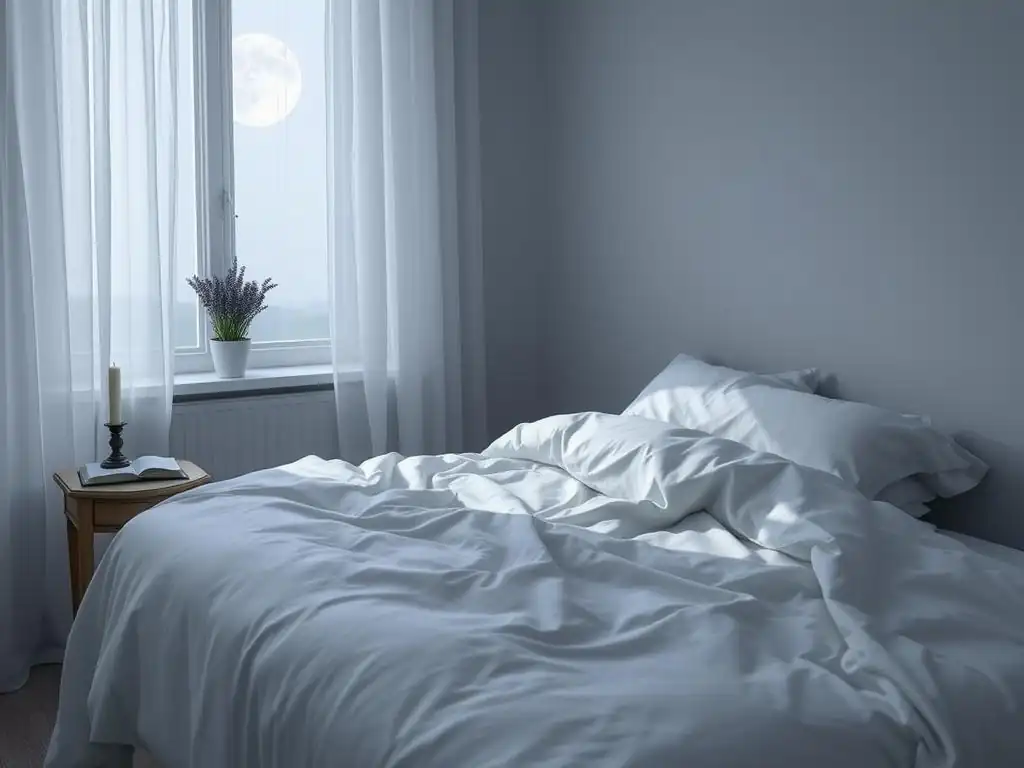
Optimizing Your Sleep Environment: Bedroom Setup for Better Sleep
Creating an optimal sleep environment is a simple yet effective step in improving sleep quality and mitigating the impact of how poor sleep fuels anxiety. Your bedroom should be a sanctuary dedicated primarily to sleep and intimacy, free from work materials, electronic devices, and clutter. The goal is to make the space as conducive to rest as possible.
Focus on making your bedroom cool, dark, and quiet. Use blackout curtains or an eye mask to block out light, which can interfere with melatonin production. Consider earplugs or a white noise machine if your environment is noisy. Ensure your mattress and pillows are comfortable and supportive. Keeping the room slightly cool (around 60-67°F or 15-19°C) is also generally recommended for better sleep. These adjustments create a physical space that supports your efforts to get restful sleep and manage anxiety.
Dietary Considerations: Foods and Drinks to Avoid Before Bed
What you consume, especially in the hours leading up to bedtime, can significantly impact your ability to fall and stay asleep. Certain foods and drinks contain stimulants or cause digestive discomfort that disrupts sleep, thereby potentially allowing poor sleep fuels anxiety the next day. It's wise to be mindful of your intake, particularly in the late afternoon and evening.
Avoid caffeine in the afternoon and evening, as its effects can linger for hours. This includes coffee, tea, soda, and chocolate. Limit alcohol consumption, especially close to bedtime. While alcohol might initially make you feel sleepy, it disrupts sleep architecture later in the night, leading to fragmented rest. Heavy meals, spicy foods, and excessive liquids close to bedtime can also cause discomfort and bathroom trips. Opt for a light, calming snack if hungry, like a small portion of complex carbohydrates or a banana.
Exercise and Anxiety: Finding the Right Balance for Sleep
Regular physical activity is a powerful tool for reducing anxiety and improving sleep quality, but timing is key. Exercise helps reduce stress hormones, releases endorphins (natural mood boosters), and can help regulate the sleep-wake cycle. Engaging in moderate-intensity exercise most days of the week is beneficial for both mental health and sleep.
However, exercising too close to bedtime can be counterproductive for sleep. Intense physical activity can raise body temperature and heart rate, making it harder to wind down. Aim to complete vigorous workouts at least 2-3 hours before you plan to go to sleep. Lighter activities like gentle yoga or stretching in the evening can be part of your relaxing bedtime routine. Finding the right balance ensures that exercise supports, rather than hinders, your efforts to achieve restful sleep and counteract the cycle where poor sleep fuels anxiety.
Mindfulness and Relaxation Techniques for Sleep and Anxiety Reduction
Incorporating mindfulness and relaxation techniques into your daily routine and specifically before bed can significantly reduce anxiety and prepare your body for sleep. These practices help quiet the busy mind and reduce the physical tension often associated with anxiety. Simple techniques can be easily integrated into your evening.
Try deep breathing exercises: inhale slowly and deeply through your nose, hold for a few seconds, and exhale slowly through your mouth. Progressive muscle relaxation involves tensing and then releasing different muscle groups in your body to release physical tension. Guided imagery or simple meditation apps can also be helpful in calming the mind. Regularly practicing these techniques trains your nervous system to relax, making it easier to transition into sleep and reducing the daily build-up of anxiety that contributes to poor sleep fuels anxiety cycle.
When to Seek Professional Help for Sleep and Anxiety
Recognizing the Signs of a More Serious Sleep Disorder
While occasional nights of poor sleep are common, persistent difficulties may indicate a more serious sleep disorder that requires professional evaluation. Signs that warrant concern include chronic insomnia lasting three or more nights a week for at least three months, excessive daytime sleepiness that interferes with daily activities, loud snoring accompanied by pauses in breathing (potential sleep apnea), restless legs syndrome, or experiencing vivid hallucinations or paralysis upon falling asleep or waking up (potential narcolepsy).
Ignoring these signs can perpetuate the cycle where poor sleep fuels anxiety and potentially lead to other health issues. A healthcare professional, such as a primary care physician or a sleep specialist, can conduct a thorough evaluation, which may include a sleep study (polysomnography), to diagnose the specific sleep disorder. Accurate diagnosis is crucial for receiving appropriate treatment and effectively addressing the sleep problems that are exacerbating anxiety.
Finding a Therapist or Sleep Specialist: Resources and Support
If you are struggling with both anxiety and persistent sleep problems, seeking professional help is a vital step. You can start by talking to your primary care physician, who can rule out underlying medical conditions and provide initial recommendations or referrals. For anxiety, a therapist specializing in cognitive behavioral therapy (CBT) or other evidence-based anxiety treatments can be incredibly helpful.
For sleep issues, particularly chronic insomnia or suspected sleep disorders, consulting a sleep specialist is recommended. Sleep specialists are medical doctors or psychologists with expertise in sleep medicine. They can offer treatments like CBT-I, light therapy, or prescribe medication if necessary. Resources for finding professionals include your insurance provider's directory, professional organizations like the Anxiety and Depression Association of America (ADAA) or the American Academy of Sleep Medicine (AASM), or referrals from your doctor. Remember, seeking support is a sign of strength in breaking the cycle where poor sleep fuels anxiety.
Understanding the Roles of Psychiatrists, Psychologists, and Sleep Specialists
Navigating the landscape of mental health and sleep professionals can be confusing. Understanding the different roles can help you seek the most appropriate help for your specific needs regarding anxiety and sleep. Psychiatrists are medical doctors who can diagnose and treat mental health conditions, including anxiety disorders, and can prescribe medication. They may also assess for sleep issues linked to mental health.
Psychologists are mental health professionals, typically with a doctoral degree, who provide therapy. They are skilled in various therapeutic approaches like CBT, which is effective for both anxiety and insomnia (CBT-I). They cannot prescribe medication but offer crucial behavioral and cognitive strategies. Sleep specialists, as mentioned, focus specifically on diagnosing and treating sleep disorders. They may be medical doctors (like pulmonologists, neurologists, or psychiatrists with sleep training) or psychologists specializing in behavioral sleep medicine (like those providing CBT-I). Often, a collaborative approach involving professionals from different disciplines offers the most comprehensive care for individuals where poor sleep fuels anxiety.
Long-Term Strategies for Maintaining Good Sleep and Managing Anxiety
Developing Healthy Coping Mechanisms for Stress and Anxiety
Effectively managing stress and anxiety is crucial for maintaining long-term sleep health and preventing the recurrence of the cycle where poor sleep fuels anxiety. Developing a repertoire of healthy coping mechanisms provides you with tools to navigate life's challenges without letting them completely derail your sleep or exacerbate your anxiety. These mechanisms should be sustainable and personalized.
Examples include regular physical exercise, practicing mindfulness or meditation daily, spending time in nature, engaging in hobbies you enjoy, journaling about your thoughts and feelings, and utilizing relaxation techniques like deep breathing or progressive muscle relaxation when feeling overwhelmed. Learning to identify your stressors and apply appropriate coping strategies reduces the likelihood that stress and anxiety will interfere with your sleep, thereby promoting consistent, quality rest.
The Importance of Regular Mental Health Check-ins
Maintaining long-term well-being involves proactive care, similar to managing physical health. Regular mental health check-ins, whether with a therapist, counselor, or even a trusted friend or family member, can provide valuable support and help identify potential issues before they escalate into significant problems that disrupt sleep and increase anxiety.
Think of it as preventative maintenance for your mind. These check-ins allow you to process difficult emotions, gain perspective on challenges, and reinforce the healthy coping strategies you've developed. For individuals prone to anxiety or with a history of sleep problems, these check-ins can be particularly beneficial in catching early signs of a relapse or identifying new stressors that might start the cycle where poor sleep fuels anxiety again.
Prioritizing Self-Care and Building a Supportive Network
Ultimately, maintaining good sleep and managing anxiety long-term hinges on prioritizing self-care and cultivating a strong, supportive network. Self-care isn't selfish; it's essential for resilience. This includes ensuring you get adequate rest, nourishing your body with healthy food, staying physically active, and scheduling time for activities that bring you joy and help you recharge.
Equally important is building and nurturing a supportive network of friends, family, or support groups. Having people you can talk to, who understand or are willing to listen, provides emotional support and reduces feelings of isolation often associated with anxiety and sleep difficulties. Leaning on your network and making time for self-care are fundamental pillars in building a resilient foundation that helps you manage anxiety effectively and ensures that poor sleep fuels anxiety less and less over time.
Frequently Asked Questions
How does poor sleep contribute to anxiety?
Poor sleep can significantly worsen anxiety by disrupting neurotransmitter balance in the brain. This disruption affects mood regulation and can lead to increased feelings of worry and fear. Simply put, a tired brain is an anxious brain.
What are some common sleep disorders that can exacerbate anxiety?
Insomnia, sleep apnea, and restless legs syndrome are common sleep disorders that often exacerbate anxiety. These conditions disrupt sleep cycles and lead to sleep deprivation, which can trigger or worsen anxiety symptoms. Addressing these disorders is crucial for managing anxiety.
Can anxiety itself cause poor sleep, creating a vicious cycle?
Yes, anxiety and poor sleep often create a vicious cycle. Worry and stress can make it difficult to fall asleep or stay asleep, leading to sleep disturbances. This lack of sleep then intensifies anxiety symptoms, perpetuating the negative feedback loop.
What are some practical strategies to improve sleep and reduce anxiety?
Establishing a consistent sleep schedule, practicing relaxation techniques like meditation, and creating a calming bedtime routine are helpful strategies. Limiting caffeine and alcohol intake before bed can also improve sleep quality and reduce anxiety levels.
When should someone seek professional help for sleep and anxiety issues?
If sleep problems and anxiety are significantly impacting daily life, it's important to seek professional help. A therapist or doctor can provide personalized treatment plans, including therapy, medication, or other interventions to break the cycle.
Final Reflection: Unraveling the Sleep-Anxiety Knot
The pervasive link between poor sleep and anxiety is not merely a correlation; it's a vicious cycle demanding immediate attention. Millions struggle daily with this debilitating connection, impacting their productivity, relationships, and overall well-being. Understanding this cycle is the first step towards breaking free from its grip.
The insidious nature of this relationship has profoundly impacted my own life, and I suspect many readers can relate. The constant worry, the racing thoughts preventing sleep, and the subsequent exhaustion fueling further anxiety – it's a relentless pattern. Sleep is the golden chain that binds health and our bodies together.
– Thomas Dekker. This quote highlights the fundamental importance of sleep, not just for physical health, but for mental fortitude as well. The societal pressure to constantly perform, coupled with readily available digital distractions, only exacerbates this problem, creating a widespread sleep-deprived and anxious population.
Now, consider your own sleep habits. Are you prioritizing rest and relaxation? Are you creating a calming bedtime routine? This article isn't just about understanding the problem; it's a call to action. Take control of your sleep hygiene. Experiment with techniques mentioned, seek professional help if needed, and prioritize your mental and physical health by making sleep a non-negotiable part of your daily routine. You deserve to break free from this cycle and experience the transformative power of restful sleep.
Unlock Your Calm: Take Control of Your Sleep and Anxiety
Thanks for diving into the world of sleep and anxiety with us! We hope you gained valuable insights into how these two are interconnected. Now it's time to put that knowledge to work. Ready to feel more rested and less anxious?
- Prioritize a consistent sleep schedule: This is your number one action step! Aim for 7-9 hours of quality sleep each night. Even small, consistent changes can make a big difference.
- Share this article: Spread the word and help others break free from the cycle of poor sleep and anxiety. Let's build a community of support!
- Try a sleep-enhancing ritual: Experiment with a relaxing bedtime routine – perhaps a warm bath, calming music, or journaling – to signal your body it's time to wind down.
What small change will you make tonight to improve your sleep and reduce your anxiety?