
The Solo Journey to Serenity: Planning Your Peaceful Escape

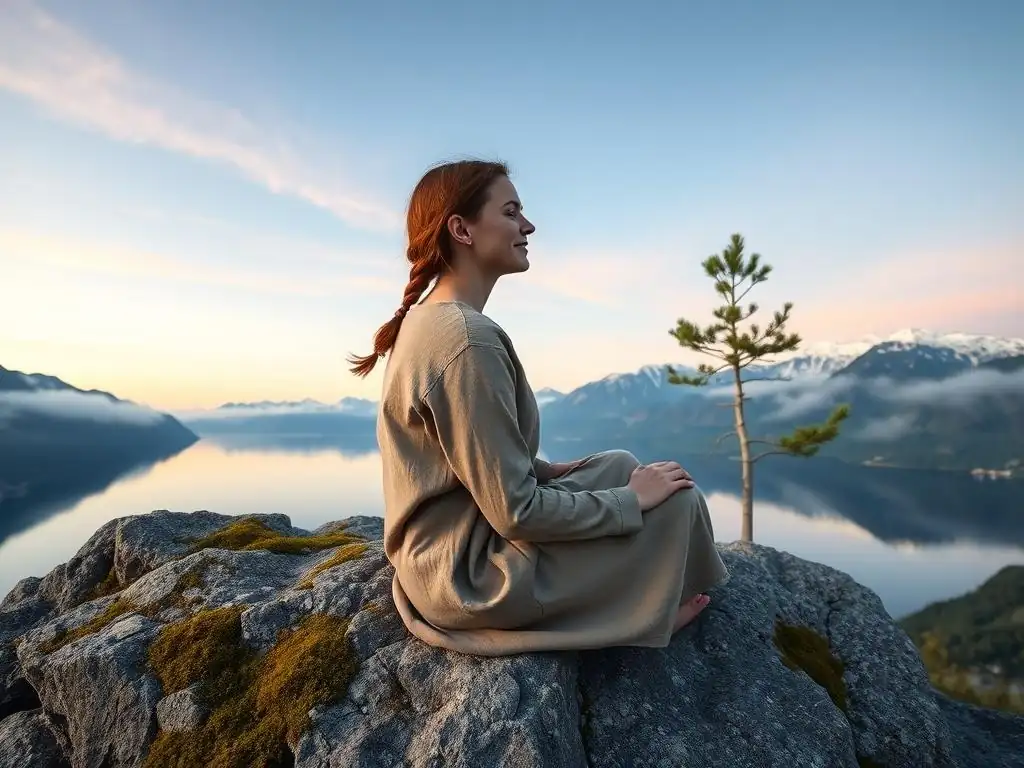
Welcome to Mind Care Guide, a safe space dedicated to nurturing your mental well-being.
Feeling overwhelmed? Longing for a moment of tranquility? You're not alone. This week, we delve into the often-overlooked power of solitude with " Finding inner peace alone." Let's explore how intentionally carving out time for yourself can be a transformative journey. Discover practical strategies and insights to help you plan your own personal retreat, and unlock the serenity that awaits. Are you ready to embark on The Solo Journey to Serenity? Let's begin.
The Solo Journey to Serenity: Planning Your Peaceful Escape
- Introduction: Discovering Inner Peace Through Solo Travel
- Step 1: Defining Your Peaceful Escape - What Does "Serenity" Mean to You?
- Step 2: Choosing Your Ideal Destination for Finding Inner Peace Alone
- Step 3: Planning Your Itinerary for a Serene Solo Trip
- Step 4: Essential Packing for a Peaceful Solo Escape
- Step 5: Embracing the Solo Experience and Finding Inner Peace Alone
- Conclusion: Continuing Your Journey to Inner Peace Beyond the Solo Trip.
-
Frequently Asked Questions
- How can I start finding inner peace alone if I'm used to being around people?
- What are some effective techniques for managing negative thoughts when seeking inner peace alone?
- How important is setting boundaries when embarking on a solo journey to serenity?
- What if I feel lonely while trying to find inner peace alone?
- How can I maintain inner peace alone in the long term?
- Final Reflection: Embracing Solitude, Cultivating Serenity
- Unlock Your Inner Peace: Plan Your Solo Retreat Today!
Introduction: Discovering Inner Peace Through Solo Travel
Embarking on a solo journey can be a profound path toward self-discovery and achieving a state of tranquility. In a world that often demands constant connection and external validation, intentionally choosing solitude allows for a unique opportunity to reconnect with oneself. This type of travel is not merely about visiting new places; it's a purposeful expedition aimed at mental well-being, offering a chance to quiet the external noise and tune into your inner landscape. Many individuals seek this solitude specifically for finding inner peace alone, away from the complexities and demands of daily life.
Planning a peaceful escape centered on finding inner peace alone requires a different approach than a typical vacation. It involves introspection, mindful preparation, and a willingness to embrace the experience fully. This guide will walk you through the essential steps to design a solo trip that nurtures your mind, body, and spirit, helping you cultivate a lasting sense of serenity that extends far beyond your journey. It's about creating space for reflection, healing, and ultimately, a deeper connection with your truest self.
Step 1: Defining Your Peaceful Escape - What Does "Serenity" Mean to You?
Identifying Your Personal Needs for a Serene Solo Trip
Before you can plan a trip focused on finding inner peace alone, you must first understand what serenity feels like and what conditions are necessary for you to achieve it. This requires honest self-assessment. Do you need complete silence and disconnection, or do you find peace in quiet observation amidst gentle activity?
Are you seeking stress relief, emotional processing, creative inspiration, or simply a break from routine? Understanding your primary needs is crucial. For instance, someone overwhelmed by urban noise might crave the quiet of nature, while another might find peace in the anonymity and cultural richness of a foreign city, free from personal obligations.
Consider what aspects of your current life contribute most to stress or restlessness. Is it constant deadlines, social obligations, or a lack of personal space? Your solo escape should aim to provide a respite from these specific pressures. According to various wellness surveys, a significant percentage of people cite work-related stress (often over 50%) and social pressures as major impediments to their well-being. Identifying your personal stressors will help you tailor your peaceful escape to actively counteract them, setting the stage for finding inner peace alone in a way that is truly restorative for you.
Setting Realistic Expectations for Your Solo Journey to Serenity
It's important to approach your solo journey with realistic expectations. While the goal is finding inner peace alone, this doesn't mean you will experience uninterrupted bliss from the moment you leave until you return. Serenity is often found in moments, interspersed with challenges, moments of discomfort, or even temporary feelings of loneliness. Expecting a constant state of euphoria can lead to disappointment and self-criticism if difficulties arise. Acknowledge that this is a journey of growth, and growth often involves navigating uncomfortable emotions.
Set intentions rather than rigid outcomes. Instead of expecting to "solve all your problems," intend to practice mindfulness daily, spend a certain amount of time in nature, or dedicate hours to journaling. Recognize that unexpected events can occur during travel, and flexibility is key. Many first-time solo travelers report experiencing moments of doubt or anxiety, but studies on the psychological benefits of travel indicate that overcoming these small challenges significantly boosts confidence and resilience. Embrace the imperfect nature of the journey; it is often within these imperfections that the most profound insights and genuine moments of peace are found.
Step 2: Choosing Your Ideal Destination for Finding Inner Peace Alone
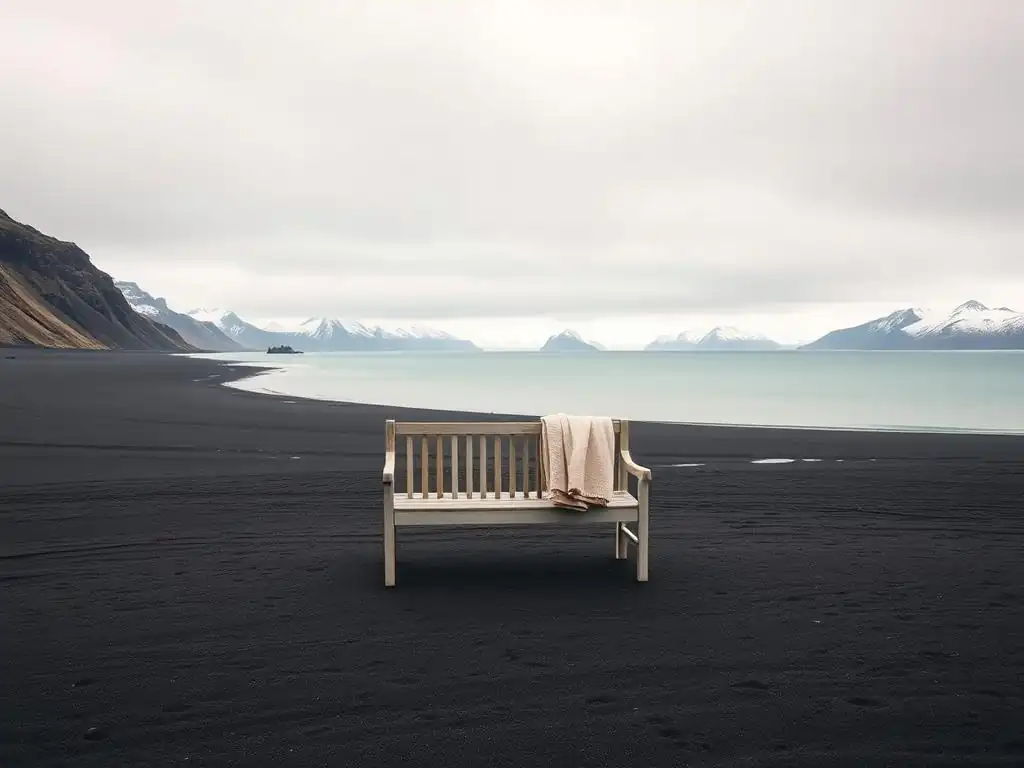
Nature Retreats: Connecting with the Earth for Mental Well-being
Nature has long been recognized for its healing properties, making nature retreats a popular choice for those seeking finding inner peace alone. Spending time in natural environments has been shown to reduce stress hormones like cortisol, lower blood pressure, and improve mood. Destinations ranging from serene forests and majestic mountains to peaceful coastlines offer distinct ways to connect with the Earth. Think about secluded cabins, eco-lodges, or even campsites in national parks known for their tranquility and natural beauty.
Specific activities like forest bathing (Shinrin-yoku), hiking, or simply sitting by a lake can facilitate a deep sense of calm. Research from institutions like Stanford University has indicated that walks in nature, compared to urban environments, lead to decreased rumination (repetitive negative thoughts) and increased activity in brain regions associated with mental stability.
When selecting a nature destination, consider the level of solitude you desire – some parks are popular and may have trails with other visitors, while more remote locations offer deeper immersion in solitude. Choose a place where you feel safe and comfortable spending extended periods alone, allowing the natural world to support your journey of finding inner peace alone.
Spiritual Sanctuaries: Finding Solitude and Reflection
For many, finding inner peace alone is intertwined with spiritual exploration or simply a desire for deep reflection in a quiet, structured environment. Spiritual sanctuaries such as monasteries, ashrams, or meditation retreat centers offer programs specifically designed for introspection and solitude. These places often have a calming atmosphere, simple living conditions, and a schedule that includes meditation, contemplative practices, and sometimes mindful work or study.
These retreats vary in duration, from weekend silent retreats to programs lasting several weeks or even months. While some are tied to specific religious traditions, many welcome individuals of all backgrounds simply seeking a quiet space for self-reflection. Data from wellness travel trends indicates a steady increase in demand for silent and meditation retreats, reflecting a growing interest in structured solitude for mental clarity. Participating in the rhythm of a spiritual sanctuary can provide the discipline and environment necessary to delve inward, away from distractions, making it an ideal setting for dedicated time spent finding inner peace alone.
Urban Escapes: Finding Peace in Unexpected Places
While counterintuitive to some, an urban environment can also be a suitable destination for finding inner peace alone, particularly for those who find comfort in anonymity and the stimulation of culture. The key is to curate your experience to prioritize moments of peace and solitude amidst the city's energy. This might involve staying in a quiet neighborhood, seeking out serene public spaces like botanical gardens or less-known parks, and focusing on slow, intentional activities.
Think about spending hours in art museums, libraries, or independent bookstores. Enjoying quiet meals alone in cafes, taking long walks through historic districts, or attending a contemplative performance can all contribute to a sense of peace. Cities like Kyoto, known for its temples and gardens integrated within the urban fabric, or Paris, with its numerous quiet parks and cafe culture conducive to solo reflection, offer unique urban tranquility.
A 2022 study on urban green spaces highlighted that access to parks significantly correlated with lower stress levels among city dwellers, even short visits providing mental health benefits. Finding inner peace alone in an urban setting is about intentionally seeking out pockets of calm and embracing the freedom to explore at your own pace without external demands.
Step 3: Planning Your Itinerary for a Serene Solo Trip
Prioritizing Self-Care Activities for Mental Wellness
The itinerary for a solo trip focused on finding inner peace alone should revolve around activities that nourish your mental and emotional well-being, rather than just sightseeing. Build your schedule around self-care practices that you enjoy but may struggle to make time for in your daily life. This could include journaling, reading, gentle exercise like yoga or walking, creative pursuits like sketching or writing, or simply dedicating time to rest and relaxation without guilt.
Schedule these activities explicitly into your day, just as you would a tour or appointment. For example, you might block out an hour each morning for quiet reflection or journaling, and an hour each afternoon for a mindful walk. Research consistently shows that incorporating regular self-care practices significantly reduces symptoms of anxiety and depression; for instance, studies on expressive writing indicate that journaling for just 15-20 minutes a few times a week can lead to measurable improvements in mood and stress levels. Prioritizing these moments ensures that your trip actively contributes to your goal of finding inner peace alone.
Incorporating Mindfulness and Meditation Practices
Mindfulness and meditation are powerful tools for finding inner peace alone and should be central to your solo retreat itinerary. Whether you are a seasoned practitioner or new to these techniques, your solo trip provides an ideal opportunity to deepen your practice. Plan time for formal meditation sessions, whether guided (using apps or recordings) or silent. Find peaceful spots in nature, your accommodation, or a local sanctuary to sit quietly and observe your breath and thoughts without judgment.
Beyond formal practice, incorporate mindfulness into everyday activities. Mindful eating, mindful walking, or simply mindfully observing your surroundings can transform mundane moments into opportunities for presence and peace. Many retreat centers offer introductory sessions or drop-in classes that can support your practice. Evidence from numerous studies, including those published in the Journal of the American Medical Association, demonstrates that consistent mindfulness practice can lead to significant reductions in stress and improvements in emotional regulation. Making mindfulness a core part of your solo travel is essential for cultivating a state of finding inner peace alone.
Allowing for Spontaneity and Flexibility in your Solo Travel Itinerary
While having a basic structure built around self-care is important, one of the greatest gifts of solo travel is the freedom to be spontaneous. Avoid over-scheduling yourself. Leave ample free time each day to simply be, to follow your intuition, or to linger longer in a place that feels particularly calming. This flexibility allows for unexpected discoveries and the chance to truly listen to what you need in the moment, which is vital for finding inner peace alone.
If you wake up one morning feeling the need for extra rest, allow it without guilt. If you stumble upon a charming, quiet cafe or a beautiful, unlisted walking path, give yourself permission to explore it. This adaptability reduces stress and opens you up to serendipitous experiences that can be deeply rewarding. A rigid schedule can recreate the pressures you're trying to escape. Embrace the flow of your solo journey, letting intuition guide some of your decisions; this freedom is a powerful component of finding inner peace alone.
Step 4: Essential Packing for a Peaceful Solo Escape
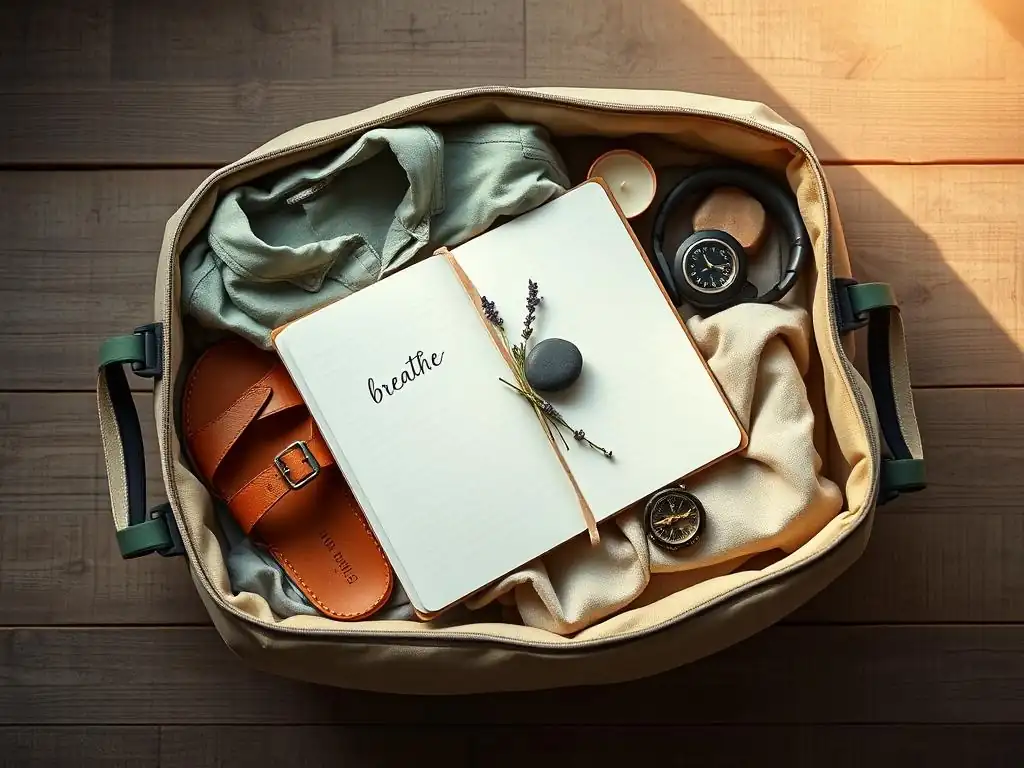
Creating a Comfort Kit for Mental and Emotional Support
Beyond the usual travel essentials, pack a small kit specifically designed to support your mental and emotional well-being. This comfort kit should contain items that bring you solace or help you process emotions when you are alone. Consider including a journal and pen for reflecting on your experiences and feelings – studies suggest journaling can significantly aid emotional processing. Pack a favorite book that is inspiring or calming.
Include items that engage your senses in a comforting way, such as a small bottle of essential oil with a relaxing scent (like lavender), a comforting item of clothing (like a soft scarf), or a small, meaningful object. Photos of loved ones can also provide a sense of connection if you experience moments of loneliness. Having these familiar comforts readily available can make navigating the emotional landscape of finding inner peace alone feel less daunting and more supported.
Packing for Safety and Security During Solo Travel
Safety is paramount when traveling alone, and feeling secure is fundamental to finding inner peace alone. Pack items that enhance your personal safety and provide peace of mind. This includes practical necessities like copies of your identification and important documents stored separately from the originals, a basic first-aid kit for minor injuries, and any necessary medications.
Consider packing a personal safety alarm, especially if you plan to be in secluded areas or walking at night. Share your itinerary details with a trusted friend or family member and check in regularly. While you are seeking solitude, being completely incommunicado might not be the safest approach for an extended period. Staying aware of your surroundings and trusting your instincts are your best tools, but having practical safety items packed provides an extra layer of security, allowing you to relax into your journey towards finding inner peace alone.
Tech Essentials for Staying Connected (Responsibly)
Deciding how much technology to bring, and how to use it, is a key consideration for a solo trip focused on finding inner peace alone. While the goal may be a digital detox, some tech is essential for safety, navigation, and necessary communication. Pack your phone for emergencies, maps, and potentially useful apps like meditation guides or safety check-in tools. A portable charger or power bank is also crucial, especially if you'll be in remote areas.
The challenge lies in using technology mindfully rather than letting it become a distraction that pulls you away from the present moment and your goal of finding inner peace alone. Consider setting specific times for checking messages or emails, or designate certain periods as completely screen-free. If you plan a deep digital detox, inform friends and family in advance. Research on digital well-being suggests that reducing screen time, especially social media, can significantly decrease feelings of anxiety and comparison, enhancing your ability to connect with yourself during your peaceful escape.
Step 5: Embracing the Solo Experience and Finding Inner Peace Alone
Overcoming Loneliness and Self-Doubt
Even when intentionally seeking solitude, moments of loneliness or self-doubt can arise during a solo journey. Acknowledge these feelings without judgment; they are a normal part of stepping outside your comfort zone. Instead of resisting them, try observing them with curiosity. Remind yourself why you embarked on this journey – for growth, reflection, and finding inner peace alone.
Have strategies ready for when these feelings surface. Engage in a planned self-care activity, reach out to a trusted friend or family member for a brief, supportive chat (if your detox allows), or simply take a walk to shift your perspective. Many solo travelers find that pushing through initial discomfort leads to a profound sense of accomplishment and self-reliance. Studies on resilience highlight that facing and moving through challenging emotions builds strength and confidence, reinforcing the value of your solo journey in finding inner peace alone.
Practicing Self-Compassion and Acceptance
Your solo journey for finding inner peace alone is not about achieving perfection. There may be days when you feel restless, unproductive, or simply not as "peaceful" as you hoped. On these days, practicing self-compassion is vital. Treat yourself with the same kindness and understanding you would offer a friend who is struggling. Avoid negative self-talk if your plans go awry or if you feel overwhelmed.
Acceptance means acknowledging your current state without trying to force it to be different. If you're feeling sad, allow yourself to feel sad. If you're feeling restless, explore that feeling. This non-judgmental approach is fundamental to mindfulness and essential for deep self-discovery. Research on self-compassion, notably by Dr. Kristin Neff, shows it is strongly linked to greater emotional resilience and well-being, making it a cornerstone of finding inner peace alone. Be patient and gentle with yourself throughout the process.
Reflecting on Your Journey and Integrating Lessons Learned
Dedicated time for reflection is crucial for solidifying the insights gained during your solo escape focused on finding inner peace alone. Use your journal to document your experiences, observations, and feelings. What did you learn about yourself? What moments felt most peaceful? What challenges did you overcome? Reflect on the conditions and practices that most supported your sense of serenity.
Consider how you can integrate the lessons learned and the practices you found helpful into your daily life upon returning home. Perhaps you discovered a love for mindful walking, or the benefits of a technology break in the evenings. Making a plan to continue these practices will help maintain the sense of finding inner peace alone that you cultivated during your trip. Many people find that the true test and reward of a solo wellness journey lie in how they carry the tranquility and self-awareness back into their everyday reality.
Conclusion: Continuing Your Journey to Inner Peace Beyond the Solo Trip.
Frequently Asked Questions
How can I start finding inner peace alone if I'm used to being around people?
Start by identifying quiet activities you enjoy, like reading or nature walks. Gradually increase the time you spend alone, focusing on self-reflection and mindfulness.
What are some effective techniques for managing negative thoughts when seeking inner peace alone?
Practice thought stopping, where you consciously interrupt negative thoughts. Try cognitive reframing, challenging and changing negative thought patterns. Meditation and mindfulness exercises can also help.
How important is setting boundaries when embarking on a solo journey to serenity?
Setting boundaries is crucial for protecting your time and energy. This means learning to say 'no' to commitments that drain you, and prioritizing activities that promote inner peace.
What if I feel lonely while trying to find inner peace alone?
Acknowledge your feelings and allow yourself to experience them without judgment. Remember that solitude is different from loneliness. Connect with others periodically, but maintain your commitment to your solo journey.
How can I maintain inner peace alone in the long term?
Make self-care a priority, including activities that nourish your mind, body, and spirit. Regularly re-evaluate your boundaries and adjust your routine as needed. Continuously practice mindfulness and gratitude.
Final Reflection: Embracing Solitude, Cultivating Serenity
The pursuit of inner peace is no longer a luxury, but a vital necessity in our increasingly frenetic world. Finding solace amidst the chaos requires intentionality, a conscious decision to carve out space for quiet reflection and self-discovery. This article explored the power of solo travel as a potent tool for achieving this serenity, highlighting the transformative potential of disconnecting from the demands of daily life and reconnecting with oneself.
The journey inward, as this exploration of solo escapes reveals, is a deeply personal and ongoing process. It's a shedding of external pressures to uncover the quiet strength and resilience within. Not all those who wander are lost.
This quote, often attributed to Tolkien, perfectly captures the essence of the solo journey – a purposeful wandering, not aimless drifting, but a deliberate seeking of something profound within oneself. The impact of this intentional solitude ripples outwards, influencing how we interact with the world and the people in it, fostering empathy and a deeper appreciation for life's simple joys.
Now, consider your own life. What small steps can you take today to cultivate more solitude and quiet reflection? Perhaps it's a daily walk in nature, a dedicated hour for journaling, or simply turning off your phone for an evening. Embrace the power of the pause, the beauty of the unhurried moment. The path to serenity is not a destination, but a continuous journey of self-discovery, and the first step begins with you. Begin your own solo journey to serenity, and discover the peace that awaits within.
Unlock Your Inner Peace: Plan Your Solo Retreat Today!
Thanks for taking the time to explore the path to serenity through solo travel. We hope you've gained valuable insights into crafting a truly peaceful escape. Now it's time to turn those insights into action!
- Book that getaway! Start researching destinations and dates that resonate with your vision of peace and quiet. This is the most important step—take that leap of faith!
- Share your dreams: Inspire others by posting about your planned escape on social media. Use the hashtag #MindCareSoloEscape to connect with like-minded travelers.
- Consider journaling your planning process. Reflecting on the anticipation can be as restorative as the trip itself!
Ready to embark on your journey to inner peace? What's the first small step you'll take towards your solo retreat?