
The Science of Touch: Massage Therapy's Role in Reducing Anxiety Evidence

Welcome to Mind Care Guide, a safe space dedicated to nurturing your mental well-being. Feeling overwhelmed by anxiety? You're not alone. We understand the challenges you face, and we're here to help you explore effective strategies for finding relief.
Dive into our article, "The Science of Touch: Massage Therapy's Role in Reducing Anxiety Evidence," where we uncover the fascinating connection between massage therapy and reduced anxiety. Could this ancient practice hold the key to unlocking a calmer, more peaceful you? Let's explore the evidence together...
The Science of Touch: Massage Therapy's Role in Reducing Anxiety - Evidence
- Introduction: Exploring Massage Therapy for Anxiety Relief
- What is Massage Therapy and How Does it Work?
- The Evidence: Massage Therapy's Impact on Anxiety Reduction
- The Science Behind the Relaxation Response Induced by Massage
- Specific Massage Techniques for Anxiety Management
- Benefits Beyond Anxiety: Additional Mental and Physical Health Improvements
- Considerations and Precautions: Is Massage Therapy Right for You?
- Integrating Massage Therapy into Your Anxiety Management Plan
- Conclusion: Massage Therapy as a Valuable Tool for Anxiety Reduction
-
Frequently Asked Questions
- How does massage therapy specifically reduce anxiety?
- What types of massage are most effective for anxiety relief, according to Mind Care Guide?
- How often should I get a massage to experience noticeable anxiety reduction benefits?
- Are there any potential side effects or risks associated with using massage therapy for anxiety?
- Can massage therapy replace other forms of anxiety treatment, such as medication or therapy?
- Final Reflection: The Healing Power of Touch in an Anxious World
- Unleash Your Inner Calm: Take Control of Your Anxiety
Introduction: Exploring Massage Therapy for Anxiety Relief
Understanding Anxiety Disorders and the Need for Complementary Therapies
Anxiety disorders represent a significant mental health challenge globally, affecting millions. These conditions, which include Generalized Anxiety Disorder (GAD), Panic Disorder, Social Anxiety Disorder, and Post-Traumatic Stress Disorder (PTSD), are characterized by excessive worry, fear, and nervousness that can profoundly impact daily life, relationships, and physical health. While conventional treatments like psychotherapy and medication are effective for many, a considerable number of individuals seek additional or alternative approaches to manage their symptoms. This growing interest highlights the need for accessible, non-pharmacological interventions that can complement traditional care and offer new avenues for relief.
The search for effective complementary therapies is driven by various factors, including concerns about medication side effects, a desire for more holistic approaches, and the recognition that managing anxiety often requires a multi-faceted strategy. Many individuals find that addressing the physical manifestations of anxiety, such as muscle tension, restlessness, and somatic symptoms, is crucial for achieving overall well-being.
This has led to increased exploration of therapies that focus on the body-mind connection, paving the way for interventions like massage therapy to gain prominence as a potential tool for anxiety management. Understanding the potential of massage therapy to reduce anxiety is becoming increasingly important for both individuals seeking help and practitioners offering care.
The Growing Interest in Massage Therapy as an Anxiolytic Intervention
In recent years, there has been a notable surge in both public and clinical interest regarding the potential benefits of massage therapy for mental health, particularly its role in reducing anxiety. This growing attention is fueled by anecdotal reports from individuals who experience significant relaxation and symptom reduction after massage sessions, as well as an increasing body of scientific research attempting to quantify these effects. As the understanding of the physiological and psychological links between touch, stress, and emotional states deepens, massage therapy is moving from being perceived solely as a luxury service to a potentially valuable therapeutic modality.
The integration of massage therapy into wellness programs and even some clinical settings reflects this shift. Healthcare providers and mental health professionals are becoming more open to recommending massage as a complementary strategy for patients dealing with chronic stress, anxiety, and related conditions. This growing interest underscores the need for evidence-based information on how massage therapy can specifically target anxiety symptoms and what the scientific literature currently supports regarding its efficacy as an anxiolytic intervention. Exploring the science behind why massage therapy might reduce anxiety is key to its wider acceptance and application.
What is Massage Therapy and How Does it Work?
Defining Massage Therapy: Types and Techniques
Massage therapy is a broad term referring to the manipulation of the body's soft tissues—muscles, connective tissues, tendons, ligaments, and skin—using various degrees of pressure and movement. The primary goal is typically to relieve pain, rehabilitate injuries, reduce stress, increase relaxation, and promote overall well-being. However, its application extends to addressing psychological states like anxiety. There are numerous types of massage, each employing distinct techniques, pressure levels, and target areas.
Some of the most common types include Swedish massage, known for its gentle, flowing strokes; deep tissue massage, which targets deeper layers of muscle and fascia; sports massage, tailored for athletes; and hot stone massage, using heated stones for relaxation. Other modalities like Shiatsu (acupressure-based) or Thai massage (incorporating stretching) also fall under the umbrella of massage therapy. Each technique can potentially influence the body's response to stress and contribute to a state of relaxation, making specific types potentially more beneficial for individuals seeking to use massage therapy to reduce anxiety symptoms.
The Physiological Mechanisms of Massage: A Scientific Overview
The therapeutic effects of massage therapy are believed to stem from a complex interplay of physiological responses. When pressure is applied to the skin and underlying tissues, it stimulates nerve endings, sending signals to the brain. This mechanical stimulation can influence various bodily systems, including the circulatory, lymphatic, and nervous systems. Research suggests that massage can help improve blood circulation, which aids in the delivery of oxygen and nutrients to tissues and the removal of metabolic waste products.
Furthermore, massage is thought to impact the parasympathetic nervous system (PNS), often referred to as the "rest and digest" system. Stimulation of the PNS helps counteract the "fight or flight" response mediated by the sympathetic nervous system (SNS), which is often overactive in individuals with anxiety. By promoting PNS activity, massage therapy can help lower heart rate, reduce blood pressure, and decrease the production of stress hormones, thereby creating a physiological state conducive to relaxation and potentially helping massage therapy reduce anxiety.
The Role of Touch in Emotional Regulation and Well-being
Touch is a fundamental human need with profound psychological and emotional implications. From infancy, touch plays a crucial role in bonding, security, and emotional development. Therapeutic touch, as applied in massage therapy, leverages this innate response. Gentle, rhythmic touch can activate specific nerve fibers (C-tactile fibers) that transmit signals associated with pleasant touch directly to areas of the brain involved in emotional processing, such as the insula and orbitofrontal cortex.
This connection between touch and emotional regulation helps explain why massage can be so effective in promoting feelings of comfort, safety, and calmness. The physical act of receiving nurturing touch can reduce feelings of isolation and distress, contributing to a sense of well-being. For individuals struggling with anxiety, who may experience heightened states of vigilance and emotional dysregulation, the grounding and soothing effects of therapeutic touch can be particularly beneficial, reinforcing the potential of massage therapy to reduce anxiety.
The Evidence: Massage Therapy's Impact on Anxiety Reduction
Clinical Trials and Studies on Massage Therapy for Anxiety
Numerous clinical trials have investigated the effects of massage therapy on anxiety levels across various populations. While study designs and outcomes can vary, a consistent theme emerges: massage therapy often leads to statistically significant reductions in self-reported anxiety scores compared to control groups (e.g., no treatment, light touch, or standard care). For instance, studies involving hospitalized patients, cancer patients, individuals with chronic pain, and healthy adults facing stress have frequently shown positive results.
One line of research has specifically looked at individuals diagnosed with anxiety disorders. Although studies in this specific population can be more complex due to co-occurring conditions, findings generally support the idea that a course of massage therapy sessions can contribute to decreased anxiety symptoms. While individual results vary, the collective evidence from these trials provides a scientific basis for considering massage therapy as a complementary approach to manage anxiety, highlighting its potential to help massage therapy reduce anxiety symptoms.
Meta-Analysis and Systematic Reviews: A Comprehensive Look at the Data
To gain a broader perspective on the efficacy of massage therapy for anxiety, researchers often conduct meta-analyses and systematic reviews, which synthesize findings from multiple individual studies. Several such reviews have concluded that massage therapy is associated with a moderate to large effect size in reducing anxiety. These comprehensive analyses pool data from numerous participants, offering more robust evidence than single studies alone.
For example, a systematic review might examine dozens of trials and find that, on average, participants receiving massage therapy show a greater decrease in anxiety scores (measured by standardized scales like the State-Trait Anxiety Inventory) than control groups. These reviews often acknowledge limitations, such as heterogeneity among studies or potential publication bias, but the overall consensus from this aggregated data strengthens the argument that massage therapy can be an effective tool for reducing anxiety.
Massage Therapy vs. Other Anxiety Treatments: A Comparative Analysis
Comparing the effectiveness of massage therapy directly against established treatments like psychotherapy (e.g., Cognitive Behavioral Therapy - CBT) or pharmacotherapy (e.g., SSRIs) is challenging due to differences in mechanisms, duration of effects, and study designs. However, some studies have included control groups receiving other types of interventions or compared massage to less active controls to understand its relative impact.
While massage therapy is not typically presented as a standalone cure for severe anxiety disorders in place of standard medical care, research suggests it can be a valuable adjunct therapy. Some studies have found its effects on anxiety comparable to or even greater than passive relaxation techniques.
The unique benefit of massage often lies in its ability to address the physical manifestations of anxiety, such as muscle tension, in a way that talk therapy or medication alone may not. Thus, rather than a replacement, massage therapy is often viewed as a powerful complementary tool in a comprehensive anxiety management plan, working alongside other therapies to help individuals better manage anxiety.
The Science Behind the Relaxation Response Induced by Massage
How Massage Therapy Affects the Nervous System
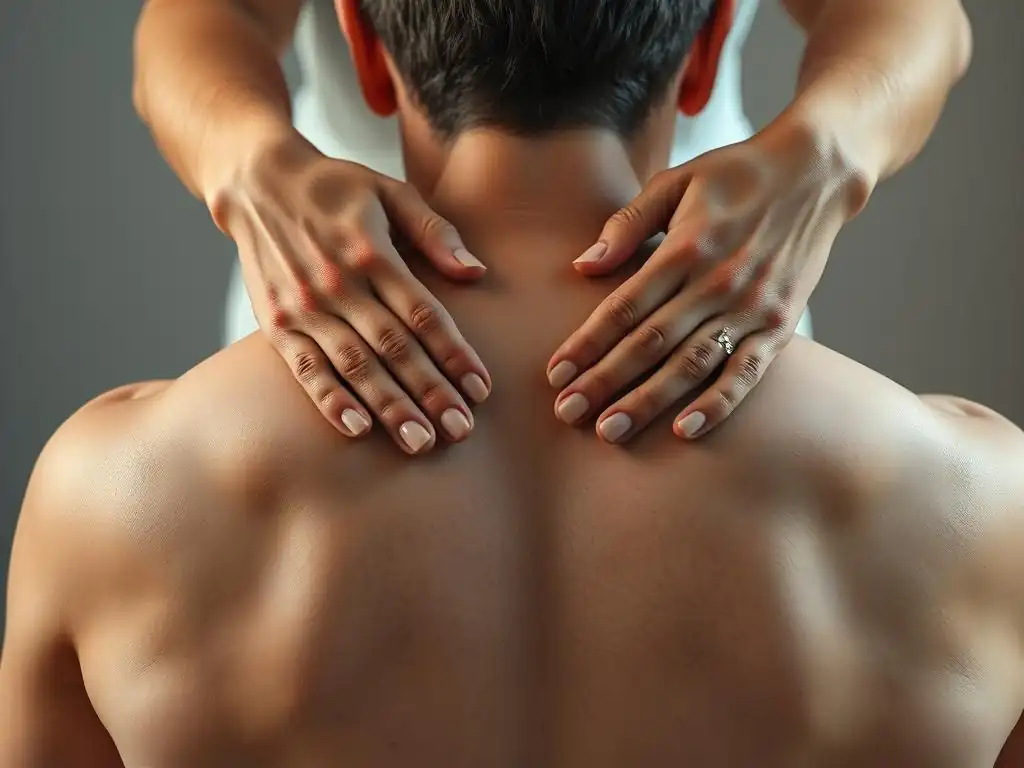
Massage therapy exerts a significant influence on the autonomic nervous system, which controls involuntary bodily functions like heart rate, breathing, and digestion. As mentioned earlier, anxiety is often associated with an overactive sympathetic nervous system (SNS), leading to increased heart rate, rapid breathing, and muscle tension – the classic "fight or flight" response. Massage is believed to stimulate the parasympathetic nervous system (PNS), the counterpart to the SNS responsible for the "rest and digest" state.
Activation of the PNS counteracts the effects of SNS arousal. This shift helps slow the heart rate, decrease blood pressure, promote slower, deeper breathing, and relax muscles. The sensory input from touch during massage also travels through the nervous system, influencing neural pathways related to pain and stress perception. By modulating the balance between the SNS and PNS, massage therapy helps shift the body into a state of relaxation, which is fundamentally opposed to the physiological state of anxiety. This neurological impact is a key mechanism by which massage therapy can help reduce anxiety.
The Role of Hormones: Cortisol, Serotonin, and Dopamine
Beyond direct nervous system modulation, massage therapy has been shown to influence the levels of key hormones and neurotransmitters involved in stress and mood regulation. Cortisol, often referred to as the primary stress hormone, is typically elevated during periods of stress and anxiety. Studies have consistently indicated that massage therapy can lead to a significant reduction in cortisol levels, sometimes showing decreases of 10-30% following a single session or a series of treatments. This reduction in cortisol contributes directly to lowering the body's overall stress response.
Furthermore, massage has been linked to increases in neurotransmitters associated with mood and well-being, specifically serotonin and dopamine. Serotonin plays a crucial role in regulating mood, sleep, and appetite, while dopamine is involved in the brain's reward and pleasure centers. Research suggests that massage can boost levels of these "feel-good" chemicals, contributing to improved mood and reduced feelings of anxiety and depression. For instance, studies have observed increases in serotonin levels following massage sessions, reinforcing its potential as a natural way to help massage therapy reduce anxiety.
Brain Imaging Studies: Exploring the Neural Correlates of Massage Therapy
Emerging research utilizing brain imaging techniques, such as functional Magnetic Resonance Imaging (fMRI), is beginning to shed light on the neural correlates of massage therapy's effects. While this area of study is still developing, initial findings suggest that massage can influence activity in brain regions involved in emotional processing, stress response, and sensory integration.
For example, studies have indicated that therapeutic touch can decrease activity in areas like the amygdala, which is critically involved in processing fear and anxiety. Concurrently, there may be increased activity in areas associated with pleasure, reward, and body awareness. These brain changes align with the subjective reports of reduced anxiety and increased relaxation experienced by individuals receiving massage, providing neurobiological support for how massage therapy might reduce anxiety at a fundamental level.
Specific Massage Techniques for Anxiety Management
Swedish Massage for Generalized Anxiety Disorder (GAD)
Swedish massage is perhaps the most widely known and practiced form of massage therapy and is often recommended for general stress reduction and relaxation, making it particularly relevant for Generalized Anxiety Disorder (GAD). GAD is characterized by persistent and excessive worry about various aspects of life, often accompanied by physical symptoms like restlessness, fatigue, difficulty concentrating, muscle tension, and sleep disturbances.
The gentle, long strokes, kneading, circular movements, vibration, and tapping techniques used in Swedish massage are designed to promote overall relaxation, ease muscle tension, and improve circulation. By inducing a state of deep physical relaxation, Swedish massage can help calm the overactive nervous system often present in GAD, providing temporary relief from the physical and mental symptoms of worry. Regular Swedish massage sessions can contribute to a cumulative effect, helping individuals manage the daily burden of GAD and supporting their efforts to use massage therapy to reduce anxiety.
Anxiety, especially chronic anxiety, frequently manifests as significant muscle tension, particularly in the shoulders, neck, back, and jaw. This physical tension can exacerbate feelings of anxiety and contribute to pain and discomfort. Deep tissue massage targets the deeper layers of muscle and connective tissue (fascia) using slower, more forceful strokes or friction across the grain of the muscle.
By releasing chronic muscle tension and adhesions, deep tissue massage can alleviate the physical tightness often associated with anxiety. While it can sometimes involve discomfort during the session as knots and tight spots are addressed, the subsequent relief from physical restriction can be significant. For individuals whose anxiety is strongly linked to or expressed through physical tension, deep tissue massage can be a powerful tool in breaking the cycle of tension and worry, helping to reduce anxiety by addressing its physical roots.
Aromatherapy Massage: Enhancing Relaxation Through Scent
Aromatherapy massage combines the therapeutic benefits of massage with the use of essential oils, which are concentrated plant extracts. The oils are typically diluted in a carrier oil and applied to the skin during the massage, or inhaled through diffusion. The olfactory system, which processes smells, is directly linked to the limbic system in the brain, an area involved in emotions, memory, and mood.
Certain essential oils are widely recognized for their calming and anxiety-reducing properties. Lavender, chamomile, bergamot, and frankincense are examples of oils commonly used in aromatherapy massage to promote relaxation. The synergistic effect of the physical relaxation induced by massage combined with the calming effects of inhaling or absorbing these aromatic compounds can significantly enhance the overall therapeutic experience and provide a powerful approach to help massage therapy reduce anxiety.
Craniosacral Therapy for Post-Traumatic Stress Disorder (PTSD)
Post-Traumatic Stress Disorder (PTSD) is an anxiety-related condition that can result from experiencing or witnessing a traumatic event. Individuals with PTSD often experience symptoms like flashbacks, nightmares, severe anxiety, uncontrollable thoughts about the event, and physical reactions such as sweating, trembling, and muscle tension. While not a traditional massage technique, Craniosacral Therapy (CST) is a gentle, hands-on method that evaluates and enhances the functioning of the craniosacral system—comprised of the membranes and cerebrospinal fluid that surround and protect the brain and spinal cord.
Practitioners use a soft touch, generally no more than the weight of a nickel, to release restrictions in the craniosacral system. This gentle approach is often preferred by individuals with PTSD who may be sensitive to deeper pressure or touch.
CST is believed to help release tension patterns held deep within the body, including those related to trauma. By facilitating the body's natural healing processes and promoting a sense of safety and calm, CST can be a supportive therapy for managing the intense anxiety and nervous system dysregulation associated with PTSD, offering a gentle way to help reduce anxiety in this population.
Benefits Beyond Anxiety: Additional Mental and Physical Health Improvements
Massage Therapy and Improved Sleep Quality
Anxiety and sleep disturbances often go hand in hand; worry can make it difficult to fall asleep or stay asleep, and lack of sleep can exacerbate anxiety symptoms. Massage therapy has been shown to have a positive impact on sleep quality, offering a significant benefit for individuals struggling with anxiety-related insomnia. The deep relaxation induced by massage helps calm the nervous system and reduce physical tension, creating a more favorable state for sleep onset and maintenance.
Studies have indicated that regular massage can decrease sleep latency (the time it takes to fall asleep) and increase the amount of time spent in deep sleep. This improvement in sleep quality is likely mediated by the reduction in stress hormones like cortisol and the increase in relaxing neurotransmitters. By promoting better sleep, massage therapy not only directly helps to reduce anxiety but also addresses a common co-occurring symptom, contributing to overall mental and physical restoration.
Pain Management and Stress Reduction through Massage
Chronic pain is another condition that frequently co-occurs with anxiety, often creating a vicious cycle where pain increases anxiety and anxiety exacerbates pain sensitivity. Massage therapy is a widely used and evidence-supported intervention for managing various types of pain, including chronic lower back pain, neck pain, and fibromyalgia. The mechanisms involved include reducing muscle tension, improving circulation to affected areas, and potentially influencing pain perception pathways in the brain.
By alleviating physical pain, massage therapy can significantly reduce the stress and anxiety associated with living with chronic discomfort. Furthermore, the stress-reducing effects of massage therapy itself can lower the body's overall reactivity, which may, in turn, decrease pain sensitivity. This dual action on both pain and stress highlights how massage therapy can provide comprehensive relief, contributing to a reduction in both physical and psychological burdens and reinforcing its role in helping individuals manage anxiety alongside other conditions.
Enhancing Mood and Overall Well-being
Beyond its specific effects on anxiety and pain, massage therapy is consistently reported to improve overall mood and promote a general sense of well-being. The release of endorphins, the body's natural painkillers and mood elevators, during massage contributes to feelings of euphoria and reduced perception of stress or discomfort. The increase in serotonin and dopamine levels also plays a significant role in boosting mood and fostering positive emotional states.
The simple act of receiving nurturing touch in a safe and therapeutic environment can also have profound psychological benefits, fostering feelings of being cared for and relaxed. This holistic impact on mood, combined with reductions in physical tension and stress, contributes to an enhanced sense of overall health and vitality. For individuals managing anxiety, this boost in mood and well-being can provide much-needed respite and strengthen their resilience, further demonstrating how massage therapy can help reduce anxiety symptoms and improve quality of life.
Considerations and Precautions: Is Massage Therapy Right for You?
Contraindications and Potential Risks of Massage Therapy
While generally safe for most people, massage therapy is not appropriate for everyone and certain conditions are considered contraindications or require modification. Absolute contraindications, meaning massage should be avoided entirely, include acute fever, contagious diseases, severe unmanaged hypertension, deep vein thrombosis (DVT), and certain types of severe skin conditions or infections.
Relative contraindications require caution and consultation with a healthcare provider and massage therapist. These might include certain cancers (metastatic cancer, active treatment sites), pregnancy (requiring specific techniques and positioning), significant osteoporosis, recent surgery or injuries, certain heart conditions, or areas with recent bruising or inflammation. It is crucial to disclose all health conditions and medications to the massage therapist to ensure the session is safe and effective. While massage therapy can help reduce anxiety, safety must always be the priority.
Communicating with Your Massage Therapist: Setting Expectations and Addressing Concerns
Effective communication with your massage therapist is vital for a positive and beneficial experience, especially when seeking massage therapy to reduce anxiety. Before the session begins, take time to discuss your reasons for seeking massage, specifically mentioning your anxiety and any physical symptoms you experience (like muscle tension). Explain what you hope to achieve from the session, whether it's general relaxation, relief from specific tension areas, or a calming experience.
During the session, provide feedback on the pressure being used – is it too light, too firm, or just right? If any technique is uncomfortable or if you feel any pain, speak up immediately. Also, let the therapist know if you feel too warm or cold, or if you have any other needs. A good massage therapist will encourage open communication and adjust the session to your comfort level. Don't hesitate to ask questions about their experience with anxiety or their approach.
Finding a Qualified and Licensed Massage Therapist
The quality and safety of your massage experience depend significantly on the therapist's qualifications and training. It is important to seek out a qualified and licensed massage therapist. Licensing requirements vary by location, but typically involve completing an accredited massage therapy program, passing a licensing exam, and adhering to ethical standards and continuing education requirements.
Look for therapists who are certified by recognized bodies or are members of professional associations, as this often indicates adherence to higher standards of practice. You can often verify a therapist's license through state or provincial regulatory boards. Reading reviews or getting recommendations from healthcare providers or friends can also be helpful. Finding a therapist you feel comfortable with and who understands your goals for using massage therapy to reduce anxiety is crucial for a positive therapeutic relationship.
Integrating Massage Therapy into Your Anxiety Management Plan
Combining Massage Therapy with Other Therapies and Lifestyle Changes
Massage therapy is often most effective as part of a comprehensive anxiety management plan rather than a standalone treatment. It can work synergistically with other evidence-based therapies such as Cognitive Behavioral Therapy (CBT), Acceptance and Commitment Therapy (ACT), or mindfulness-based practices. While therapy addresses the cognitive and behavioral patterns associated with anxiety, massage can help manage the physical symptoms and promote relaxation.
Additionally, integrating massage therapy with healthy lifestyle changes can amplify its benefits. Regular exercise, a balanced diet, sufficient sleep, stress-reduction techniques (like meditation or deep breathing), and limiting caffeine and alcohol intake all contribute to better anxiety management. By combining massage therapy to reduce anxiety with these other strategies, individuals can create a robust, multi-faceted approach to improving their mental well-being.
Creating a Self-Care Routine that Includes Massage
Incorporating regular massage therapy into a self-care routine can provide consistent support for managing chronic anxiety. The frequency of sessions will depend on individual needs, preferences, and financial considerations. Some individuals may benefit from weekly sessions, while others find relief with bi-weekly or monthly appointments. The key is consistency to maintain the cumulative benefits of relaxation and tension release.
Beyond professional sessions, learning basic self-massage techniques or using tools like foam rollers can help manage muscle tension between appointments. Establishing a routine that prioritizes self-care, including scheduled massage sessions, sends a powerful message to yourself about the importance of your mental and physical health. Making massage therapy a regular part of your life is an active step towards using massage therapy to reduce anxiety over the long term.
Long-Term Benefits of Regular Massage Therapy for Anxiety
While even a single massage session can provide temporary relief from stress and tension, the most significant and lasting benefits for anxiety reduction are typically observed with regular, consistent massage therapy. Over time, regular sessions can help retrain the body's stress response, making it less reactive to stressors and more capable of returning to a relaxed state.
The cumulative effects of reduced muscle tension, lower stress hormone levels, and improved mood contribute to a sustained reduction in overall anxiety levels. Individuals who receive regular massage therapy often report feeling more grounded, less overwhelmed by daily stressors, and better equipped to cope with challenging situations. This demonstrates that consistent massage therapy can be a valuable long-term tool for managing anxiety and improving overall quality of life.
Conclusion: Massage Therapy as a Valuable Tool for Anxiety Reduction
Summarizing the Evidence and Benefits of Massage Therapy
The scientific evidence, drawing from clinical trials, systematic reviews, and studies on physiological and neurological mechanisms, increasingly supports the role of massage therapy as a valuable complementary approach for reducing anxiety. Research indicates that massage can significantly lower stress hormone levels like cortisol, increase beneficial neurotransmitters such as serotonin and dopamine, and shift the autonomic nervous system towards a state of relaxation by enhancing parasympathetic activity.
Beyond the direct reduction of anxiety symptoms, massage therapy offers a range of additional benefits crucial for individuals managing anxiety, including improved sleep quality, effective pain management, and enhanced overall mood and well-being. While not a substitute for professional medical or psychological treatment, these combined effects position massage therapy as a powerful tool in a holistic approach to mental health. The evidence underscores its potential to help massage therapy reduce anxiety and its related physical and emotional burdens.
Empowering Individuals to Take Control of Their Mental Well-being Through Touch
Recognizing the potential of massage therapy empowers individuals seeking relief from anxiety to explore a non-pharmacological, body-centered intervention. By understanding the science behind how touch and tissue manipulation can influence their physiological and psychological state, individuals can make informed decisions about incorporating massage into their self-care and treatment plans.
Choosing to receive massage therapy is an active step towards managing anxiety, providing a dedicated time for relaxation, physical release, and mental calming. It offers a tangible way to address the often-overlooked physical manifestations of anxiety. As research continues to deepen our understanding, massage therapy stands out as an accessible and beneficial practice, offering a compassionate and effective path for individuals looking to use the power of touch to reduce anxiety and cultivate greater peace and resilience in their lives.
Frequently Asked Questions
How does massage therapy specifically reduce anxiety?
Massage therapy helps reduce anxiety by stimulating the parasympathetic nervous system, which lowers heart rate and blood pressure. This promotes a state of relaxation and reduces feelings of stress and worry.
What types of massage are most effective for anxiety relief, according to Mind Care Guide?
While individual preferences vary, Mind Care Guide suggests that Swedish massage, deep tissue massage, and aromatherapy massage are often cited as effective for anxiety reduction due to their focus on relaxation and muscle tension release.
How often should I get a massage to experience noticeable anxiety reduction benefits?
The frequency depends on individual needs and anxiety levels. Mind Care Guide recommends starting with one massage per week and adjusting based on your response. Consistent sessions are often more effective than sporadic ones.
Are there any potential side effects or risks associated with using massage therapy for anxiety?
Generally, massage therapy is safe, but some individuals may experience temporary muscle soreness or mild bruising. It's crucial to inform your therapist about any medical conditions or medications you're taking to avoid potential complications.
Can massage therapy replace other forms of anxiety treatment, such as medication or therapy?
Massage therapy is best viewed as a complementary therapy to other anxiety treatments. It can be a valuable tool for managing symptoms but should not be used as a sole replacement for professional medical or psychological care.
Final Reflection: The Healing Power of Touch in an Anxious World
The science of touch is no longer a fringe concept; it's a powerful tool in our fight against the pervasive anxiety of modern life. The evidence presented throughout this article clearly demonstrates the significant role massage therapy plays in reducing anxiety symptoms, offering a tangible and effective pathway to improved mental well-being. This isn't just about relaxation; it's about harnessing the body's innate ability to heal itself through mindful physical interaction.
The impact of massage therapy extends far beyond the individual; it ripples outwards, influencing our cultural understanding of mental health and wellness. We are increasingly recognizing the interconnectedness of mind and body, moving away from solely pharmaceutical solutions towards holistic approaches that prioritize self-care and preventative measures. This shift is crucial, and the growing body of research supporting massage therapy's efficacy underscores its importance. The body keeps the score,
as Bessel van der Kolk so eloquently puts it, highlighting the profound impact of trauma and stress on our physical selves. Massage therapy offers a pathway to address this score, to gently release the tension held within the body and mind.
Consider the ways in which you manage stress and anxiety. Are you prioritizing self-care? This article isn't just about massage therapy; it's a call to explore the power of touch in your own life. Whether it's a professional massage, a comforting hug from a loved one, or simply taking the time to mindfully connect with your own body, remember the profound impact that physical touch can have on your mental and emotional well-being. Embrace the science of touch, and discover the healing power it holds within.
Unleash Your Inner Calm: Take Control of Your Anxiety
Thanks for taking the time to explore the powerful link between touch and anxiety reduction! You've just learned about the science-backed benefits of massage therapy, and now it's time to put that knowledge into action. Ready to feel calmer and more in control?
- Schedule a massage: This is your first step towards experiencing the relaxing and therapeutic effects discussed in the article. Consider it an investment in your well-being.
- Share this article: Let your friends and family discover the potential of massage therapy to alleviate anxiety. Help spread the word about this effective natural remedy.
- Explore different massage techniques: Dive deeper into the world of massage. Research different styles to find the perfect fit for your needs and preferences.
What type of massage are you most excited to try, and why? Let's discuss in the comments below!