
The Physiological Toll: Understanding Physical Symptoms Caused by GAD

Welcome to Mind Care Guide, your trusted companion on the path to mental well-being.
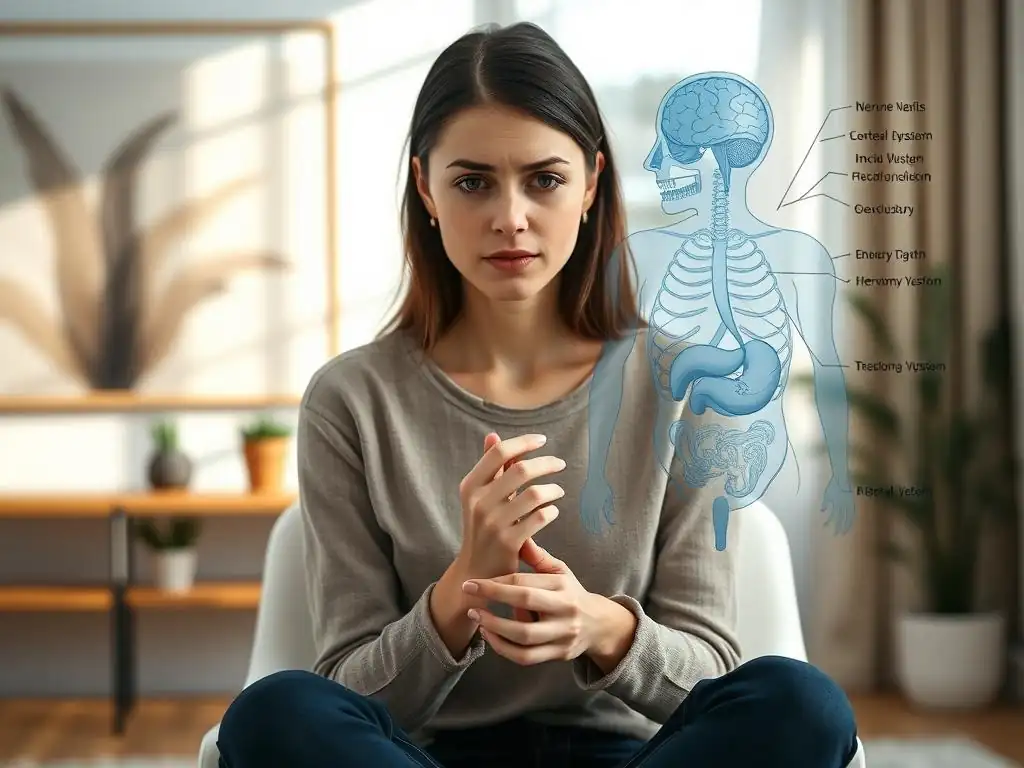
Are you grappling with unexplained aches, persistent fatigue, or a racing heart? It's possible these could be more than just physical ailments. Discover how Generalized Anxiety Disorder can manifest in unexpected ways as we delve into " GAD physical symptoms explained." Unravel the intricate connection between your mind and body, and begin your journey towards understanding and managing the physiological impact of anxiety. Read on to learn how to recognize these often-overlooked signs and find strategies for lasting relief.
- The Physical Manifestations of Generalized Anxiety Disorder (GAD)
- Decoding GAD: Exploring the Link Between Anxiety and Physical Manifestations
- GAD Physical Symptoms Explained: A Comprehensive Guide
- Why Does GAD Cause Physical Symptoms? Understanding the Mechanisms
- Identifying GAD Physical Symptoms: Self-Assessment and Diagnosis
- Managing and Alleviating GAD Physical Symptoms: Practical Strategies
- Living Well with GAD: Long-Term Management and Support
- Conclusion: Taking Control of Your Physical Health with GAD
-
Frequently Asked Questions
- What are the most common physical symptoms associated with Generalized Anxiety Disorder (GAD)?
- How does GAD cause physical symptoms like headaches or stomach problems?
- Can physical symptoms be the only sign someone has GAD, or are psychological symptoms always present?
- What can I do at home to alleviate physical symptoms caused by GAD?
- When should I seek professional help for physical symptoms that I suspect are related to GAD?
- Final Reflection: Embracing the Body's Whispers in GAD
- Unveil Your Path to Managing GAD Symptoms
The Physical Manifestations of Generalized Anxiety Disorder (GAD)
Understanding the Interplay Between Anxiety and Physical Health
Generalized Anxiety Disorder (GAD) is a chronic mental health condition characterized by excessive, uncontrollable worry about everyday things. While often thought of primarily as a psychological disorder affecting thoughts and emotions, GAD has a profound and often debilitating impact on the body. The constant state of heightened alert and worry triggers a cascade of physiological responses that manifest as a wide range of physical symptoms. These symptoms are not merely imagined; they are real, tangible effects of the body's stress response system being perpetually activated. Understanding these physical manifestations is crucial for both diagnosis and effective management of GAD.
The persistent worry associated with GAD keeps the body in a state of chronic stress. This prolonged activation of the fight-or-flight response, intended for short-term threats, leads to wear and tear on various bodily systems. Individuals with GAD often report a constellation of physical complaints that can sometimes be more prominent or distressing than the mental symptoms themselves.
These physical challenges can significantly impair daily functioning, making simple tasks feel exhausting and contributing to a cycle where physical discomfort exacerbates anxiety, and vice versa. Recognizing that these physical symptoms are a direct consequence of the anxiety disorder is a vital step towards seeking appropriate help and finding relief.
Decoding GAD: Exploring the Link Between Anxiety and Physical Manifestations
What is Generalized Anxiety Disorder (GAD)? A Brief Overview
Generalized Anxiety Disorder, or GAD, is a common anxiety disorder characterized by excessive anxiety and worry about various events or activities, such as work, school, health, or relationships. The worry is often difficult to control and is disproportionate to the actual likelihood or impact of the feared event. To meet diagnostic criteria, this worry must be present on most days for at least six months and be associated with several physical or psychological symptoms. Unlike panic disorder, which involves sudden, intense panic attacks, GAD is marked by a more pervasive, chronic sense of unease and apprehension.
The core feature of GAD is the persistent and excessive nature of the worry. Individuals with GAD often anticipate disaster and may be overly concerned about money, health, family, work, or other issues. They may find it hard to stop worrying, and the anxiety can shift from one concern to another. Approximately 2.7% of the U.S. adult population experiences GAD in a given year, and about 5.7% will experience it at some point in their lives. It affects women more often than men and can occur at any age, though the median age of onset is 31.
The Mind-Body Connection in GAD: How Anxiety Impacts the Body
The connection between the mind and body is particularly evident in conditions like GAD. The chronic psychological stress of excessive worry directly influences physiological processes. When the brain perceives a threat, whether real or imagined (as is often the case in GAD), it triggers the sympathetic nervous system, initiating the stress response. This involves the release of stress hormones like adrenaline and cortisol, which prepare the body for action – increasing heart rate, blood pressure, muscle tension, and respiration. In GAD, this system is frequently activated, even in the absence of imminent danger.
This constant physiological arousal leads to a range of physical symptoms. The sustained presence of stress hormones can affect everything from the digestive system to the cardiovascular system and the immune response. For example, elevated cortisol levels over time can disrupt sleep, increase inflammation, and affect mood regulation. The body's resources are depleted by being in a constant state of alert, leading to fatigue and other physical complaints. Understanding this intricate mind-body link is fundamental to comprehending why GAD physical symptoms explained are so varied and impactful.
GAD Physical Symptoms Explained: A Comprehensive Guide

Common Physical Symptoms of Generalized Anxiety Disorder
GAD physical symptoms explained are diverse and can vary in intensity from person to person. They often overlap with symptoms of other medical conditions, making accurate diagnosis sometimes challenging. However, certain physical manifestations are particularly common among individuals with GAD. These symptoms arise from the chronic activation of the body's stress response and the impact of stress hormones on various bodily systems. Recognizing these common signs is a key step in identifying potential GAD.
The prevalence of specific physical symptoms in GAD is high. Studies show that a significant majority of individuals diagnosed with GAD report experiencing at least one physical symptom regularly. For example, fatigue is reported by over 50% of those with GAD, while muscle tension is reported by an even higher percentage. These symptoms are not just minor inconveniences; they contribute significantly to the overall distress and functional impairment associated with the disorder, often leading individuals to seek medical help for physical issues before the underlying anxiety is identified.
Muscle Tension and Aches: A Frequent GAD Symptom
Chronic muscle tension is one of the hallmark physical symptoms associated with GAD. The body's preparation for 'fight or flight' involves tensing muscles, readying them for action. In GAD, this tension becomes habitual and persistent, affecting various parts of the body. Common areas include the neck, shoulders, back, and jaw. This sustained contraction can lead to stiffness, aches, and even pain.
This persistent muscle tension can contribute to other symptoms like tension headaches. For example, someone with GAD might constantly hold tension in their shoulders without realizing it, leading to chronic neck pain. Over time, this can become a significant source of discomfort and disability, making simple movements painful and contributing to a feeling of physical rigidity or tightness.
Fatigue and Sleep Disturbances: The Exhausting Effects of GAD
Despite the body being in a state of heightened alert, chronic anxiety often leads to profound fatigue. This paradox occurs because the constant physiological arousal is exhausting. The body expends significant energy maintaining this state, leading to a feeling of being drained even without physical exertion. This fatigue is often accompanied by significant sleep disturbances.
Individuals with GAD frequently report difficulty falling asleep, staying asleep, or experiencing restless, unrefreshing sleep. The mind races with worries at night, making it hard to quiet down and relax. Approximately 50-70% of people with anxiety disorders report sleep problems. This poor sleep quality exacerbates fatigue, creating a vicious cycle where exhaustion worsens anxiety, and anxiety further disrupts sleep.
Digestive Issues: Anxiety's Impact on the Gut
The gut and the brain are intricately connected through the gut-brain axis, a complex network involving the nervous system, hormones, and immune pathways. Anxiety significantly impacts the digestive system, leading to a variety of physical symptoms. Common complaints include stomachaches, nausea, indigestion, diarrhea, and constipation.
Many individuals with GAD experience symptoms similar to Irritable Bowel Syndrome (IBS), such as abdominal pain, bloating, and changes in bowel habits. Stress and anxiety can alter gut motility, increase sensitivity to pain, and even influence the gut microbiome. For instance, heightened anxiety before a stressful event might trigger immediate symptoms like diarrhea or nausea, and this becomes a chronic issue for those with persistent GAD.
Headaches and Migraines: Tension and Stress-Related Pain
Headaches, particularly tension headaches, are frequently reported GAD physical symptoms explained by muscle tension and chronic stress. The sustained contraction of muscles in the head, neck, and shoulders contributes directly to this type of headache. These headaches are often described as a tight band around the head.
Beyond tension headaches, anxiety can also trigger or worsen migraines in susceptible individuals. The fluctuating levels of stress hormones and the overall physiological dysregulation associated with GAD can make the brain more prone to migraine attacks. It's estimated that individuals with anxiety disorders are two to four times more likely to experience migraines than the general population.
Cardiovascular Symptoms: Palpitations, Increased Heart Rate, and Chest Pain
Anxiety directly impacts the cardiovascular system, leading to noticeable physical symptoms. The release of adrenaline causes the heart to beat faster and stronger, resulting in palpitations (a feeling of the heart pounding or racing) and an increased heart rate (tachycardia). These sensations can be alarming and may even mimic symptoms of heart problems, leading to further anxiety.
Some individuals with GAD may also experience chest pain or tightness. This can be caused by muscle tension in the chest wall or hyperventilation, or it can be a direct physiological response to stress hormones. While these symptoms are typically benign in the context of anxiety, they are often distressing and may prompt individuals to seek urgent medical attention to rule out cardiac issues.
Respiratory Issues: Shortness of Breath and Hyperventilation
Anxiety can significantly affect breathing patterns. Individuals experiencing heightened anxiety may feel short of breath or like they cannot get enough air. This can sometimes escalate into hyperventilation, which involves breathing too quickly or deeply. Hyperventilation can lead to a disruption in the balance of oxygen and carbon dioxide in the body.
Symptoms associated with hyperventilation can include dizziness, lightheadedness, numbness or tingling in the hands and feet, and chest tightness. This feeling of breathlessness is a common GAD physical symptom explained by the body's preparation for physical exertion during the stress response, even when none is required. It can be particularly frightening and contribute to feelings of panic, even though GAD is distinct from panic disorder.
Dizziness and Lightheadedness: A Common Anxiety Response
Feelings of dizziness or lightheadedness are common physical manifestations of anxiety. These sensations can result from several factors related to the stress response, including changes in breathing (like hyperventilation), fluctuations in blood pressure, and increased muscle tension affecting circulation to the head.
This symptom can be particularly disruptive, making individuals feel unsteady or faint. It can worsen anxiety, especially if it occurs in public places or situations where falling is a concern. For instance, someone with GAD might feel dizzy when standing up quickly or when in a crowded store, leading them to avoid such situations.
Sweating and Trembling: Physical Signs of Nervousness
Visible physical signs of anxiety include excessive sweating (perspiration) and trembling or shaking. These are direct physiological responses mediated by the sympathetic nervous system. Increased sweat production helps cool the body during potential exertion, and trembling can be a result of muscle tension and increased adrenaline.
These symptoms are often outwardly apparent and can be a source of embarrassment or self-consciousness for individuals with GAD, further fueling their anxiety in social or public situations. For example, someone giving a presentation might experience noticeable hand trembling and excessive underarm sweating due to anxiety, even if the anxiety is generalized rather than specific to public speaking.
Why Does GAD Cause Physical Symptoms? Understanding the Mechanisms
The autonomic nervous system (ANS) plays a central role in generating GAD physical symptoms explained. The ANS controls involuntary bodily functions such as heart rate, digestion, respiration, and pupillary response. It has two main branches: the sympathetic nervous system (SNS), responsible for the "fight or flight" response, and the parasympathetic nervous system (PNS), responsible for "rest and digest."
In GAD, the SNS is often overactive, and the PNS may be underactive or struggle to counterbalance the SNS activation. This imbalance keeps the body in a state of chronic arousal. The SNS directly influences many physical symptoms: it increases heart rate (palpitations), constricts blood vessels (potentially affecting blood pressure), increases respiration rate (shortness of breath), tenses muscles (muscle aches), and stimulates sweat glands (sweating). The persistent overactivity of this system is a primary driver of the physical discomfort experienced in GAD.
The Impact of Stress Hormones (Cortisol, Adrenaline) on Physical Health
The endocrine system, particularly the hypothalamic-pituitary-adrenal (HPA) axis, is also heavily involved in the physical manifestations of GAD. When the brain perceives stress (real or perceived worry in GAD), the HPA axis is activated, leading to the release of stress hormones, primarily cortisol and adrenaline (epinephrine). Adrenaline provides a rapid burst of energy and physiological changes like increased heart rate and blood sugar.
Cortisol, while essential for regulating many bodily functions, is released in response to chronic stress. Sustained high levels of cortisol, as can occur in GAD, can have wide-ranging negative effects on physical health. Chronic cortisol exposure can suppress the immune system, disrupt sleep patterns, affect metabolism, increase inflammation, and even impact brain structure and function over time. This hormonal dysregulation significantly contributes to the fatigue, digestive issues, and overall feeling of being unwell often reported by individuals with GAD.
The Gut-Brain Axis and GAD: Exploring the Connection
The bidirectional communication pathway between the gut and the brain, known as the gut-brain axis, is increasingly recognized for its role in anxiety and its physical symptoms. This axis involves neural pathways (like the vagus nerve), hormones, neurotransmitters, and the gut microbiome. The brain can influence gut function (explaining why stress causes stomach upset), and the gut can influence brain function and mood.
In GAD, the chronic stress and anxiety can alter the composition and function of the gut microbiome, potentially affecting mood and contributing to inflammation. Furthermore, the gut is often called the "second brain" because it contains a vast network of neurons that produce many of the same neurotransmitters found in the brain, including serotonin, which plays a role in both mood and gut motility. Dysregulation in this axis due to chronic anxiety is a key factor behind the digestive issues and other gut-related GAD physical symptoms explained.
Identifying GAD Physical Symptoms: Self-Assessment and Diagnosis
Recognizing the Signs: When to Suspect GAD
Recognizing GAD physical symptoms explained is crucial for seeking appropriate help. While these symptoms can mimic other medical conditions, their persistent nature, co-occurrence with excessive worry, and lack of clear medical explanation after investigation are key indicators pointing towards anxiety. Consider whether you experience several of the common physical symptoms listed (muscle tension, fatigue, digestive issues, etc.) on most days for an extended period (e.g., six months or more).
Additionally, reflect on whether these physical symptoms are accompanied by:
- Excessive worry about multiple things, difficult to control.
- Restlessness or feeling on edge.
- Being easily fatigued.
- Difficulty concentrating or mind going blank.
- Irritability.
These psychological symptoms, combined with the persistent physical complaints, strongly suggest the presence of GAD. Self-assessment questionnaires can also be helpful tools, but they are not a substitute for professional diagnosis.
Differentiating GAD Physical Symptoms from Other Medical Conditions
Because GAD physical symptoms explained are so varied and can overlap with numerous medical conditions, it is essential to consult a healthcare professional to rule out other potential causes. For example, fatigue could be due to anemia or a thyroid condition, chest pain could indicate heart problems, and digestive issues could be caused by food intolerances or inflammatory bowel disease.
A thorough medical evaluation, including a physical examination, review of your medical history, and potentially blood tests or other diagnostic procedures, is necessary to determine if your physical symptoms have an underlying medical cause. If medical conditions are ruled out, and the physical symptoms occur alongside persistent, excessive worry and other psychological signs, GAD becomes a strong possibility. It's important to be open with your doctor about both your physical and mental health concerns.
Seeking Professional Help: Diagnosis and Treatment Options
If you suspect you may have GAD based on your physical and psychological symptoms, seeking professional help is the next critical step. A primary care physician is a good starting point; they can conduct initial tests to rule out medical conditions and refer you to a mental health professional if GAD is suspected. Psychiatrists, psychologists, and licensed clinical social workers are trained to diagnose and treat anxiety disorders.
Diagnosis is typically made based on a clinical interview, assessment of symptoms according to diagnostic criteria (like the DSM-5), and ruling out other causes. Treatment for GAD often involves a combination of psychotherapy, medication, and lifestyle changes. A mental health professional can develop a personalized treatment plan to address both the psychological and physical aspects of GAD.
Managing and Alleviating GAD Physical Symptoms: Practical Strategies

Lifestyle Changes for Reducing Physical Symptoms of Anxiety
Making deliberate lifestyle changes can significantly impact the severity of GAD physical symptoms explained. These changes focus on reducing overall stress levels, improving physical health, and promoting relaxation, thereby helping to regulate the body's stress response system. Consistency is key when implementing these strategies.
Adopting healthier habits can create a buffer against the physiological impact of anxiety. For instance, individuals who regularly engage in physical activity often report reduced muscle tension and improved sleep compared to those who are sedentary. Similarly, making conscious choices about diet and prioritizing sufficient rest can directly support the body's ability to cope with stress and reduce symptom intensity.
Exercise and Physical Activity: Releasing Tension and Improving Mood
Regular physical exercise is a powerful tool for managing both the mental and physical symptoms of GAD. Exercise helps reduce muscle tension, provides a healthy outlet for nervous energy, and releases endorphins, which have mood-boosting effects. It also helps regulate sleep patterns. Aim for moderate-intensity aerobic activity most days of the week, such as brisk walking, jogging, swimming, or cycling, for at least 30 minutes.
Even shorter bursts of activity can be beneficial. For example, taking a 15-minute walk during a break can help alleviate immediate feelings of restlessness or tension. Strength training and flexibility exercises like yoga can also be particularly effective at reducing muscle stiffness and promoting overall physical well-being, directly addressing GAD physical symptoms explained like aches and pains.
Healthy Diet and Nutrition: Fueling the Body and Mind
A balanced and nutritious diet supports overall physical and mental health and can help manage GAD physical symptoms explained, particularly those related to the digestive system and energy levels. Focus on consuming whole foods, including fruits, vegetables, lean proteins, and whole grains. Minimize processed foods, excessive sugar, and caffeine, which can sometimes exacerbate anxiety and disrupt sleep.
Staying well-hydrated is also important. Some individuals find that certain foods or drinks trigger or worsen their digestive symptoms; identifying and avoiding these can provide relief. For instance, reducing caffeine intake might help decrease palpitations and improve sleep quality for someone with GAD.
Sleep Hygiene: Prioritizing Rest and Recovery
Given the common problem of sleep disturbances in GAD, practicing good sleep hygiene is essential for reducing fatigue and supporting the body's recovery. Establish a regular sleep schedule by going to bed and waking up at the same time each day, even on weekends. Create a relaxing bedtime routine to signal to your body that it's time to wind down.
Ensure your bedroom is dark, quiet, and cool. Avoid screens (phones, tablets, TVs) for at least an hour before bed, as the blue light can interfere with melatonin production. Limit naps, especially long or late-afternoon ones. Improving sleep quality can significantly alleviate fatigue and improve overall resilience to anxiety.
Relaxation Techniques for Managing Anxiety and Physical Discomfort
Incorporating relaxation techniques into your daily routine can help activate the parasympathetic nervous system, counteracting the chronic SNS arousal seen in GAD. These techniques can directly reduce physical symptoms like muscle tension, rapid heart rate, and shortness of breath. Practicing these regularly, not just during moments of peak anxiety, helps build resilience.
Finding a relaxation technique that resonates with you is important. What works for one person might not work for another. Experiment with different methods to see which ones you find most effective in calming your mind and body. Consistency in practice enhances their effectiveness over time.
Deep Breathing Exercises: Calming the Nervous System
Simple deep breathing exercises can quickly help regulate the nervous system. When anxious, breathing tends to become shallow and rapid. Slow, deep breaths signal to the brain that the threat has passed, helping to lower heart rate and blood pressure. Techniques like diaphragmatic breathing (breathing into your belly) or 4-7-8 breathing (inhale for 4, hold for 7, exhale for 8) are easy to learn and can be done anywhere.
For example, practicing slow, controlled breathing for just a few minutes can help reduce feelings of shortness of breath or chest tightness associated with GAD physical symptoms explained by hyperventilation. Making this a regular practice, even for 5-10 minutes daily, can help lower baseline anxiety levels.
Mindfulness Meditation: Focusing on the Present Moment
Mindfulness meditation involves focusing your attention on the present moment without judgment. This practice can help detach from anxious thought patterns and become more aware of bodily sensations without being overwhelmed by them. Regularly practicing mindfulness can help reduce reactivity to stressful thoughts and physical symptoms.
Even short mindfulness exercises, such as a 5-minute guided meditation or simply paying attention to your breath or the sensations in your body for a few minutes, can be beneficial. Over time, mindfulness can help reduce the intensity and frequency of worry, indirectly alleviating the physical toll it takes on the body.
Progressive Muscle Relaxation: Releasing Tension in the Body
Progressive muscle relaxation is a technique that involves tensing and then slowly releasing different muscle groups in the body. This practice helps individuals become more aware of where they hold tension and provides a systematic way to release it. It can be particularly effective for managing the chronic muscle aches and stiffness associated with GAD.
By systematically working through muscle groups from head to toe (or vice versa), you learn to differentiate between the feeling of tension and relaxation. This awareness and practice can make it easier to release tension when you notice it building up during the day, addressing key GAD physical symptoms explained by muscular bracing.
Medical Treatments for GAD Physical Symptoms: When and How
While lifestyle changes and relaxation techniques are valuable, medical treatment is often necessary, especially for moderate to severe GAD or when physical symptoms are significantly impairing functioning. Medical interventions can address both the underlying anxiety disorder and specific, distressing physical manifestations.
It is important to discuss all your symptoms, both mental and physical, with your doctor. They can help determine if medication is appropriate and what type might be most effective. Treatment plans are often individualized and may be adjusted over time based on your response.
Medications for Anxiety: Addressing the Underlying Cause
Several types of medications can be prescribed to treat GAD and reduce both psychological and physical symptoms. Selective Serotonin Reuptake Inhibitors (SSRIs) and Serotonin-Norepinephrine Reuptake Inhibitors (SNRIs) are commonly used first-line treatments. These medications work by affecting neurotransmitter levels in the brain and can help reduce worry, decrease the frequency and intensity of physical symptoms, and improve overall functioning.
Other medications, such as benzodiazepines, may be used for short-term relief of acute anxiety and severe physical symptoms, but they are typically not recommended for long-term use due to the risk of dependence. Buspirone is another option that specifically targets anxiety without causing sedation or dependence in the same way as benzodiazepines. It can take several weeks for these medications to show their full effect, and they should be taken as prescribed by a healthcare professional.
Symptom-Specific Treatments: Managing Individual Physical Manifestations
In addition to treating the underlying anxiety, healthcare providers may recommend treatments specifically for certain GAD physical symptoms explained. For example, if muscle tension is severe, physical therapy or massage therapy might be suggested. Over-the-counter or prescription medications might be used for digestive issues if they are particularly disruptive, although addressing the anxiety often alleviates these symptoms.
For sleep disturbances, cognitive behavioral therapy for insomnia (CBT-I) is a highly effective non-pharmacological treatment. In some cases, a doctor might temporarily prescribe non-addictive sleep aids while anxiety treatment takes effect. The goal is to manage the most distressing physical symptoms while the primary treatment for GAD works to reduce the source of the physiological distress.
Living Well with GAD: Long-Term Management and Support
Building a Support System: Connecting with Others
Having a strong support system is vital for managing GAD and its physical symptoms over the long term. Connecting with friends, family, or support groups can provide emotional understanding, reduce feelings of isolation, and offer practical help. Sharing your experiences with trusted individuals who understand or are going through similar challenges can be incredibly validating.
Support groups, whether in-person or online, offer a space to share coping strategies, learn from others' experiences managing GAD physical symptoms explained, and feel less alone. Simply knowing that others experience similar physical discomforts due to anxiety can be reassuring. Encourage loved ones to learn about GAD so they can better understand what you are going through.
Therapy and Counseling: Addressing the Root Causes of Anxiety
Psychotherapy, particularly Cognitive Behavioral Therapy (CBT), is a cornerstone of GAD treatment. CBT helps individuals identify and challenge the anxious thought patterns that drive excessive worry. By learning to reframe thoughts and develop healthier coping mechanisms, individuals can reduce the intensity of their anxiety, which in turn often alleviates the physical symptoms.
Other therapeutic approaches, such as Acceptance and Commitment Therapy (ACT) or psychodynamic therapy, can also be helpful in addressing underlying issues that contribute to anxiety. Therapy provides tools and strategies for managing worry more effectively, reducing the chronic stress response that leads to GAD physical symptoms explained. Consistent engagement in therapy is key to achieving lasting change.
Resources and Support for GAD
Numerous resources are available to help individuals living with GAD. Mental health organizations like the Anxiety & Depression Association of America (ADAA), the National Alliance on Mental Illness (NAMI), and the National Institute of Mental Health (NIMH) offer extensive information about GAD, its symptoms (including GAD physical symptoms explained), treatment options, and ways to find help.
These organizations often provide directories of mental health professionals, information about support groups, and educational materials for individuals and families. Online forums and communities dedicated to anxiety disorders can also provide peer support and shared coping strategies. Utilizing these resources can empower you with knowledge and connect you to valuable support networks.
Conclusion: Taking Control of Your Physical Health with GAD
Empowering Yourself: Managing GAD and its Physical Symptoms
Living with GAD and its associated physical symptoms can be challenging, but it is possible to manage the condition and significantly improve your quality of life. Understanding that many of the physical discomforts you experience are directly linked to your anxiety is the first step towards taking control. GAD physical symptoms explained by the body's stress response are real, but they are often manageable with the right strategies.
Empowering yourself involves actively participating in your treatment plan, whether that includes therapy, medication, or lifestyle adjustments. It means practicing self-compassion, recognizing that GAD is a medical condition, and celebrating small victories in managing your symptoms. By implementing practical strategies, seeking appropriate professional help, building a support system, and staying informed about your condition, you can navigate the complexities of GAD and reduce its physical toll, allowing you to live a fuller, more comfortable life.
Frequently Asked Questions
What are the most common physical symptoms associated with Generalized Anxiety Disorder (GAD)?
Common physical symptoms include muscle tension, fatigue, and sleep disturbances. These can significantly impact daily life and overall well-being.
How does GAD cause physical symptoms like headaches or stomach problems?
GAD triggers the body's stress response, releasing hormones that affect various systems. This can lead to symptoms like tension headaches and digestive issues.
Can physical symptoms be the only sign someone has GAD, or are psychological symptoms always present?
While physical symptoms are common, GAD requires both physical and psychological symptoms for diagnosis. A doctor will evaluate the full picture.
What can I do at home to alleviate physical symptoms caused by GAD?
Regular exercise, mindfulness techniques, and a balanced diet can help manage physical symptoms. Seeking professional help is also crucial.
If your symptoms are persistent, severe, or interfere with your daily life, consult a doctor or mental health professional. They can provide proper diagnosis and treatment.
Final Reflection: Embracing the Body's Whispers in GAD
The pervasive impact of Generalized Anxiety Disorder (GAD) extends far beyond the mental realm; its tendrils reach deep into the physical body, manifesting in a myriad of distressing symptoms. Understanding this physiological toll is not merely academic; it's crucial for effective treatment and self-compassion. Ignoring the body's signals only amplifies the suffering, delaying the path to healing and well-being.
The exploration of GAD's physical manifestations has profoundly shifted my understanding of this often-misunderstood condition. It's not simply "all in the head," as some might mistakenly believe. The intricate connection between mind and body is undeniable, and recognizing the physical symptoms as valid expressions of anxiety is a vital step towards recovery. The body keeps the score,
as Bessel van der Kolk so eloquently puts it, reminding us that trauma and anxiety leave indelible marks on our physical selves. This understanding fosters empathy, not only for those struggling with GAD, but also for ourselves when facing the challenges of this complex disorder.
Now, consider your own experience. Have you dismissed physical symptoms as unrelated to your anxiety? I urge you to reconsider. Pay close attention to your body's whispers; they are crucial clues to your inner landscape. By acknowledging and addressing both the mental and physical aspects of GAD, you empower yourself to navigate this journey with greater self-awareness, compassion, and ultimately, healing. Take the time to learn your body's language, seek professional help when needed, and remember that you are not alone in this experience.
Unveil Your Path to Managing GAD Symptoms
Thanks for taking the time to learn about the physical effects of Generalized Anxiety Disorder. Understanding the connection between anxiety and your body is a powerful first step. Now, let's turn that understanding into action!
- Prioritize one self-care technique: Choose one relaxation method from the article (deep breathing, meditation, progressive muscle relaxation) and practice it daily for a week. Notice how it impacts your physical symptoms.
- Share your experience: Connect with others facing similar challenges. Share your insights or questions—even a small reflection—in the comments below. Let's build a supportive community!
- Explore further resources: Dive deeper into the techniques mentioned. Search online for guided meditations or free relaxation apps.
Ready to take control of your physical well-being? What small step will you take today to ease the physical symptoms of your GAD?