
The Surprising Truths About Health Anxiety and Your Body


Welcome to Mind Care Guide, a sanctuary for your mental well-being.
Are you feeling overwhelmed by unsettling physical sensations, constantly questioning if they signal something more serious? You're not alone. Dive into "The Surprising Truths About Health Anxiety and Your Body," where we explore the often-misunderstood connection between anxiety and physical manifestations. Understanding your health anxiety body symptoms is the first step towards reclaiming your peace of mind. Let's unravel these mysteries together.
Understanding and Managing Health Anxiety: A Guide to Physical Symptoms and Coping Strategies
- Understanding Health Anxiety
- Physical Manifestations of Health Anxiety
- Cognitive Patterns in Health Anxiety
- Strategies for Managing Health Anxiety and Physical Symptoms
- Lifestyle Factors and Health Anxiety
- Seeking Professional Help for Health Anxiety
- Addressing Misconceptions about Health Anxiety
- Living Well with Health Anxiety
-
Frequently Asked Questions
- What are the most common physical symptoms associated with health anxiety?
- How does health anxiety differ from hypochondria?
- Can health anxiety actually cause physical symptoms?
- What are some effective strategies for managing health anxiety body symptoms?
- When should I seek professional help for health anxiety related to body symptoms?
- Final Reflection: Embracing Your Body's Whispers, Not Its Screams
- Unlock Your Body's Wisdom: Step Beyond Health Anxiety
Understanding Health Anxiety
Defining Health Anxiety: Core Features and Characteristics
Health anxiety, sometimes referred to as hypochondria, is a condition characterized by excessive worry about having or developing a serious medical condition. This anxiety persists despite medical evaluations indicating no serious illness, or the worry is disproportionate to the actual risk. Individuals with health anxiety often misinterpret normal bodily sensations as signs of severe disease, leading to significant distress and disruption in daily life. The core features involve a preoccupation with physical health, a tendency to scan the body for symptoms, and a persistent fear of illness.
This persistent worry can manifest in various ways, including frequently checking the body for signs of illness, seeking excessive reassurance from doctors or loved ones, or conversely, avoiding medical appointments altogether due to fear of receiving bad news. The fear is often specific, focusing on particular diseases like cancer, heart disease, or neurological disorders, although it can shift over time.
Unlike a fleeting worry about a symptom, health anxiety is chronic and pervasive, consuming a significant amount of the person's time and mental energy. This focus on potential illness often leads to a heightened awareness of health anxiety body symptoms.
Distinguishing Health Anxiety from Realistic Health Concerns
It's normal and healthy to be concerned about one's health and to seek medical attention when experiencing concerning symptoms. The key difference between realistic health concerns and health anxiety lies in the level and persistence of the worry, as well as the response to medical information. A person with a realistic health concern might worry about a new persistent cough and seek medical advice; if diagnosed with a common cold, they accept the diagnosis and their worry subsides.
In contrast, someone with health anxiety might experience the same cough but immediately fear it's lung cancer, even if they are a non-smoker. After a doctor's visit confirms it's just a cold and provides reassurance, the anxiety may temporarily decrease but soon returns, perhaps focusing on a different symptom or doubting the doctor's competence. The worry is disproportionate to the objective evidence and is difficult to control, significantly impacting the person's quality of life. Understanding these health anxiety body symptoms and their origin is crucial here.
Physical Manifestations of Health Anxiety
The Mind-Body Connection in Anxiety
The connection between the mind and body is profound, especially in the context of anxiety. When you experience anxiety, your body activates its 'fight or flight' response, a survival mechanism designed to help you respond to perceived threats. This involves the release of stress hormones like adrenaline and cortisol, which trigger a cascade of physiological changes. These changes are real and palpable, and they are the root of many health anxiety body symptoms.
For example, increased heart rate and breathing prepare your muscles for action. Digestion slows down as blood is diverted to major muscle groups. Muscles tense up. These are normal, adaptive responses, but when anxiety is chronic or triggered by perceived, non-existent threats (as in health anxiety), these physical sensations become frequent and distressing. Someone with health anxiety might experience these normal physiological responses and interpret them catastrophically, reinforcing their fear of serious illness based on these health anxiety body symptoms.
Common Physical Symptoms Associated with Health Anxiety
Health anxiety can manifest through a wide array of physical symptoms, often mimicking those of serious medical conditions. These symptoms are not imagined; they are genuine physical sensations triggered by the body's stress response. Recognizing these common health anxiety body symptoms is a crucial first step in managing the condition.
Some of the most frequently reported physical symptoms include rapid heartbeat, palpitations, shortness of breath, dizziness, chest pain or tightness, headaches, muscle tension, trembling, sweating, stomach upset, nausea, and fatigue. The specific health anxiety body symptoms experienced can vary from person to person and may even change over time, often depending on what illness the individual is currently worried about.
Cardiac Sensations and Health Anxiety
Cardiac sensations are among the most common health anxiety body symptoms. These can include a racing heart (tachycardia), skipped beats (palpitations), chest tightness, or even chest pain. The 'fight or flight' response naturally increases heart rate and blood pressure to prepare the body for action. Anxiety can also cause hyperventilation, which further impacts heart rhythm and sensation.
Individuals with health anxiety often monitor their heart rate obsessively or become acutely aware of every minor fluctuation in their heartbeat. A slight palpitation, which most people would ignore, can be interpreted as a sign of an impending heart attack or a serious cardiac condition. Despite repeated medical tests showing a healthy heart, the fear persists, fueled by the ongoing experience of these physical symptoms of health anxiety.
Dizziness and Health Anxiety
Dizziness or lightheadedness is another frequent health anxiety body symptom. This can be caused by hyperventilation, where rapid or shallow breathing leads to a decrease in carbon dioxide levels in the blood. This physiological change can cause vasoconstriction (narrowing of blood vessels), including those supplying the brain, resulting in feelings of dizziness or faintness.
The fear of fainting or having a serious neurological problem (like a stroke or brain tumor) often accompanies this symptom in people with health anxiety. The dizziness itself can increase anxiety, creating a vicious cycle where the symptom exacerbates the fear, which in turn exacerbates the symptom. Understanding that this specific health anxiety body symptom is often a product of the anxiety response, rather than a serious underlying condition, is vital.
Gastrointestinal Distress and Health Anxiety
The gut is highly sensitive to stress and anxiety, leading to a range of gastrointestinal health anxiety body symptoms. These can include stomach pain, nausea, bloating, indigestion, diarrhea, or constipation. The brain and the gut are intimately connected through the gut-brain axis, and psychological stress can significantly impact digestive function.
For someone with health anxiety focused on digestive diseases like Irritable Bowel Syndrome (IBS), inflammatory bowel disease, or even cancer, these symptoms can be particularly terrifying. Normal digestive noises or minor discomfort can be misinterpreted as signs of severe illness. This heightened focus on the gut can actually worsen symptoms, as anxiety itself can alter gut motility and sensitivity.
Muscle Aches and Health Anxiety
Muscle tension is a very common physical response to anxiety, and this can lead to aches, stiffness, or even trembling. When the body is in a state of chronic alert due to anxiety, muscles remain tensed for extended periods, leading to fatigue and discomfort. Headaches, particularly tension headaches, are also frequently reported health anxiety body symptoms resulting from persistent muscle tension in the head, neck, and shoulders.
Individuals with health anxiety might worry that these aches are symptoms of conditions like multiple sclerosis, fibromyalgia, or other neurological or muscular disorders. They may spend excessive time examining their muscles for signs of weakness or atrophy. Recognizing that generalized muscle tension is a hallmark physical symptom of anxiety can help reframe these sensations.
Sleep Disturbances and Health Anxiety
Anxiety significantly impacts sleep patterns, leading to health anxiety body symptoms like difficulty falling asleep, staying asleep, or experiencing restless or non-restorative sleep. The racing thoughts and worries associated with health anxiety often make it hard to relax and quiet the mind at bedtime. Furthermore, physical symptoms like palpitations or muscle tension can also interfere with sleep comfort.
Chronic sleep deprivation can, in turn, worsen anxiety levels and amplify the perception of other physical symptoms, creating a negative feedback loop. Someone worrying about their heart might become even more anxious when they feel their heart rate increase upon waking during the night. Addressing sleep hygiene is therefore an important component in managing both anxiety and its physical manifestations.
Cognitive Patterns in Health Anxiety

Catastrophizing: Exaggerated Negative Predictions
Catastrophizing is a core cognitive distortion in health anxiety, involving the tendency to assume the worst possible outcome based on minimal evidence. When a person with health anxiety experiences a physical sensation, their mind immediately jumps to the most severe and unlikely diagnosis. For example, a mild headache isn't just a headache; it's a brain tumor. A fleeting pain in the leg isn't a cramp; it's a blood clot.
This pattern of thinking fuels intense fear and keeps the individual trapped in a cycle of worry. The focus is entirely on the improbable worst case scenario, ignoring more common and benign explanations for their health anxiety body symptoms. This cognitive bias reinforces the belief that their body is failing or that a hidden, deadly illness is lurking.
Body Vigilance: Heightened Awareness of Bodily Sensations
Body vigilance is a state of hyper-awareness and constant monitoring of internal physical sensations. Individuals with health anxiety are often excessively tuned into their bodies, noticing minor aches, pains, twitches, or temperature changes that most people would not even register. They might regularly check their pulse, examine their skin for spots, or scrutinize their bowel movements.
This heightened focus is driven by the fear of missing a sign of serious illness. However, this increased attention actually makes them more aware of normal, everyday bodily fluctuations, which are then misinterpreted through the lens of anxiety. This constant scanning for health anxiety body symptoms paradoxically increases their distress and reinforces their belief that something is wrong.
Interpretation Bias: Tendency to Interpret Ambiguous Sensations as Threatening
Interpretation bias refers to the systematic tendency to interpret ambiguous information in a threatening way. In health anxiety, this applies specifically to bodily sensations. A normal physiological event, like a slightly increased heart rate after climbing stairs, is interpreted as a sign of heart disease. A fleeting muscle twitch is seen as an early symptom of a neurological disorder.
This bias means that even neutral or benign physical experiences are processed through a filter of fear and threat. Coupled with catastrophizing and body vigilance, this interpretation bias ensures that any physical sensation, no matter how minor, can trigger intense anxiety about one's health. It's the lens through which health anxiety body symptoms are perceived that makes them so distressing.
Strategies for Managing Health Anxiety and Physical Symptoms
Cognitive Behavioral Therapy (CBT) Techniques
Cognitive Behavioral Therapy (CBT) is widely considered one of the most effective treatments for health anxiety. It focuses on identifying and challenging the unhelpful thought patterns and behaviors that maintain the anxiety. A key aspect is learning to recognize the cognitive distortions, such as catastrophizing and interpretation bias, related to health anxiety body symptoms.
CBT helps individuals develop more balanced and realistic ways of thinking about their health and physical sensations. It also incorporates behavioral strategies to reduce the safety behaviors (like excessive checking or reassurance seeking) that paradoxically fuel the anxiety. By changing how you think and act in response to physical symptoms, you can significantly reduce your health anxiety.
Identifying and Modifying Anxious Thoughts
A core component of CBT for health anxiety is learning to identify the specific anxious thoughts that arise in response to physical sensations. This often involves keeping a thought record, noting the situation (e.g., felt a headache), the thought (e.g., "This is a brain tumor"), the emotion (e.g., intense fear), and the physical health anxiety body symptoms experienced.
Once identified, these thoughts are examined and challenged. Evidence for and against the thought is considered, and alternative, more realistic explanations are explored (e.g., "It could just be a tension headache from stress"). The goal is not to eliminate the anxious thought entirely, but to reduce the belief in it and replace it with a more balanced perspective.
Exposure and Response Prevention (ERP)
Exposure and Response Prevention (ERP) is a behavioral therapy technique often used within CBT, particularly effective for health anxiety. It involves intentionally exposing oneself to feared situations or sensations (exposure) while refraining from engaging in safety behaviors (response prevention). For example, someone who fears heart attacks might be encouraged to do light exercise to trigger a faster heart rate (exposure) and then resist the urge to check their pulse repeatedly or seek reassurance (response prevention).
Another form of exposure might involve reading about the feared illness or even looking at images (with therapist guidance). The purpose is to learn that the feared outcome does not occur and that you can tolerate the anxiety that arises without resorting to unhelpful coping mechanisms. Over time, this process helps to extinguish the fear response associated with specific health anxiety body symptoms and situations.
Relaxation and Mindfulness Practices
Incorporating relaxation and mindfulness practices can be highly beneficial in managing the physical and mental distress associated with health anxiety. These techniques help calm the nervous system, reduce muscle tension, and increase awareness of the present moment without judgment, which can help in observing health anxiety body symptoms without immediately reacting with fear.
Regular practice of these techniques can lower overall anxiety levels and make the body less reactive to stress. They provide tools to manage acute moments of anxiety triggered by physical sensations.
Diaphragmatic Breathing
Diaphragmatic breathing, or deep belly breathing, is a simple yet powerful relaxation technique. It involves breathing deeply into the abdomen rather than shallowly into the chest. This type of breathing activates the body's parasympathetic nervous system, which helps to counter the 'fight or flight' response and promote relaxation.
When experiencing health anxiety body symptoms like a racing heart or shortness of breath, focusing on slow, deep breaths can help regulate your physiology. Practicing diaphragmatic breathing regularly, even when not feeling anxious, can lower baseline stress levels and improve your ability to manage anxiety when it arises.
Body Scan Meditation
Body scan meditation is a mindfulness practice that involves systematically bringing attention to different parts of the body, noticing any sensations without judgment. This practice can help individuals with health anxiety develop a more detached and less fearful relationship with their physical sensations.
Instead of immediately interpreting a sensation as a sign of illness, the body scan encourages simply observing the sensation as it is – perhaps warmth, tingling, or pressure. This helps to reduce body vigilance driven by fear and allows for a more objective awareness of health anxiety body symptoms. Regular practice can increase tolerance for physical discomfort and reduce the tendency to catastrophize.
Progressive Muscle Relaxation
Progressive Muscle Relaxation (PMR) is a technique where you systematically tense and then release different muscle groups in the body. This process helps you become more aware of the difference between tension and relaxation and teaches you how to release physical tension.
Since muscle tension is a common health anxiety body symptom, PMR can be particularly useful. By learning to consciously relax your muscles, you can reduce headaches, stiffness, and general physical discomfort associated with anxiety. Practicing PMR regularly can contribute to a greater sense of calm and control over your physical state.
Lifestyle Factors and Health Anxiety
Maintaining a healthy lifestyle plays a significant role in overall mental well-being and can help manage anxiety, including health anxiety and its body symptoms. While lifestyle changes are not a cure, they can provide a strong foundation for coping and resilience.
Focusing on exercise, nutrition, and sleep hygiene can reduce the frequency and intensity of anxiety symptoms and improve your ability to manage stress. These factors influence brain chemistry, energy levels, and physical health, all of which are interconnected with mental health.
Exercise and Anxiety Reduction
Regular physical exercise is a powerful antidote to anxiety. It releases endorphins, natural mood boosters, and helps reduce stress hormones. Exercise can also serve as a healthy distraction from anxious thoughts and provide a sense of accomplishment and control.
Studies show that even moderate exercise, like brisk walking for 30 minutes most days of the week, can significantly reduce anxiety symptoms. For someone with health anxiety, exercise can also help demonstrate that their body is capable and resilient, challenging beliefs that their health anxiety body symptoms indicate fundamental weakness or illness.
Nutrition and Mental Well-being
A balanced diet is essential for physical and mental health. While no specific diet cures anxiety, ensuring adequate intake of nutrients supports brain function and overall well-being. Avoiding excessive caffeine and sugar, which can sometimes exacerbate anxiety symptoms like palpitations or jitters, is often recommended.
Focusing on whole foods, fruits, vegetables, lean proteins, and healthy fats provides the body with the energy and building blocks it needs. Staying hydrated by drinking enough water throughout the day is also important, as dehydration can sometimes contribute to fatigue or dizziness, potentially increasing health anxiety body symptoms.
Sleep Hygiene for Anxiety Management
Prioritizing good sleep hygiene is crucial for managing anxiety. Aim for 7-9 hours of quality sleep per night. Establish a regular sleep schedule, create a relaxing bedtime routine, ensure your bedroom is dark, quiet, and cool, and avoid screens, caffeine, and alcohol before bed.
Poor sleep can increase irritability, impair concentration, and heighten sensitivity to stress and physical sensations. Improving sleep can help regulate mood, reduce overall anxiety levels, and make it easier to cope with health anxiety body symptoms during the day.
Seeking Professional Help for Health Anxiety
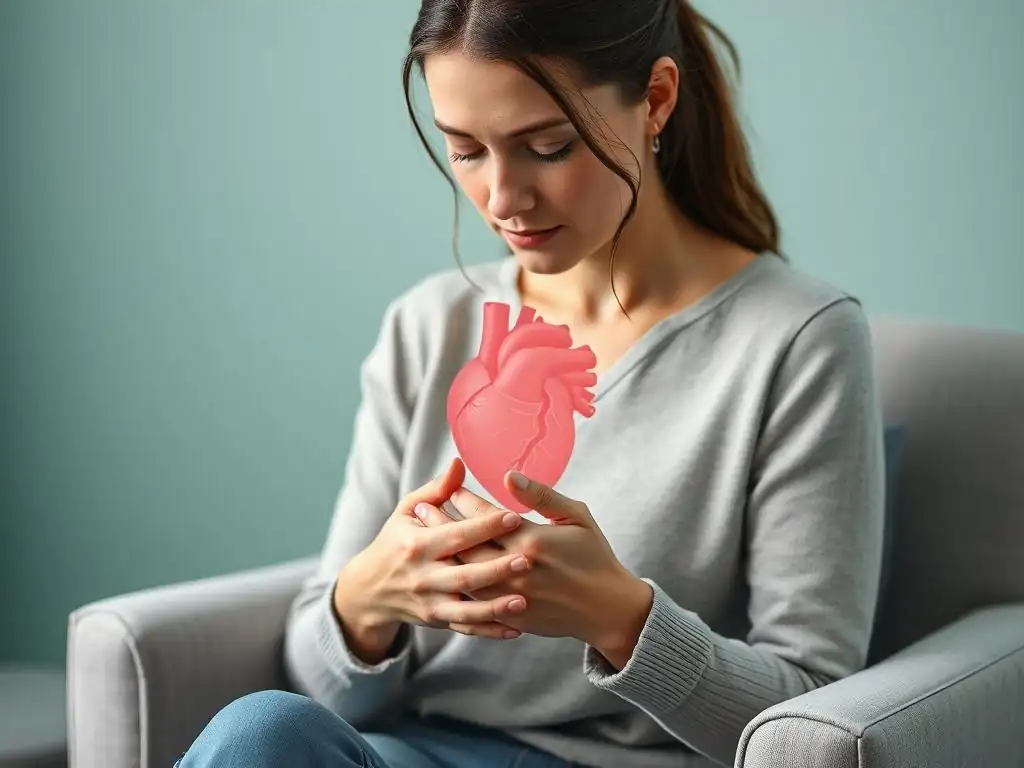
While self-help strategies can be beneficial, health anxiety is a complex condition that often requires professional intervention, especially when it significantly impacts daily life. Seeking help from a mental health professional is a sign of strength and an important step towards recovery.
Do not hesitate to reach out if your anxiety is overwhelming, persistent, or interfering with your ability to function. A therapist can provide evidence-based treatments tailored to your specific needs and help you understand and manage your health anxiety body symptoms more effectively.
Indicators for Professional Intervention
Several signs suggest it's time to seek professional help for health anxiety. If your worry about health consumes several hours a day, significantly interferes with your work, relationships, or social life, or if you are experiencing intense distress or panic attacks related to your health fears, professional help is warranted.
Other indicators include avoiding situations or activities due to fear of triggering symptoms or being unable to access medical help, constantly seeking reassurance without lasting relief, or feeling hopeless or overwhelmed by your anxiety. If health anxiety body symptoms are leading you to repeatedly visit doctors or undergo unnecessary tests despite negative results, professional support can provide a more sustainable path forward.
Types of Therapists and Treatment Approaches
Therapists specializing in anxiety disorders, particularly those with experience in health anxiety, can provide effective treatment. Look for licensed psychologists, psychiatrists, social workers, or counselors. Cognitive Behavioral Therapy (CBT) and Exposure and Response Prevention (ERP) are typically the first-line treatments for health anxiety.
Other approaches may include Acceptance and Commitment Therapy (ACT), which focuses on accepting anxious thoughts and feelings while committing to value-based actions, and Interpersonal Therapy (IPT), which addresses how health anxiety impacts relationships. Finding a therapist you feel comfortable with is important for the therapeutic process.
Medication Considerations (with Disclaimer)
In some cases, medication may be considered as part of a comprehensive treatment plan for health anxiety, particularly if anxiety symptoms are severe or co-occurring conditions like depression are present. Common medications include Selective Serotonin Reuptake Inhibitors (SSRIs) or other antidepressants, which can help regulate mood and reduce anxiety levels.
Disclaimer: This information is for educational purposes only and does not constitute medical advice. Any decision about medication should be made in consultation with a qualified medical doctor or psychiatrist who can assess your individual needs and potential risks and benefits. Medication is typically most effective when used in conjunction with therapy.
Addressing Misconceptions about Health Anxiety
Understanding common misconceptions about health anxiety is important for both individuals experiencing it and those supporting them. These misunderstandings can perpetuate stigma and hinder effective treatment.
Clarifying these points can help validate the experience of health anxiety and highlight that while the fear is disproportionate, the distress and physical sensations are very real.
Misconception: Physical Symptoms Always Signal a Serious Medical Condition
One of the most damaging misconceptions is the belief that every physical symptom must indicate a serious, life-threatening illness. This fuels the core fear in health anxiety. While it is true that physical symptoms warrant medical attention to rule out serious conditions, it is not true that all symptoms are indicative of severe disease.
The vast majority of minor aches, pains, twitches, or sensations are benign and often related to stress, fatigue, lifestyle factors, or normal bodily fluctuations. For someone with health anxiety, however, the brain is wired to interpret these normal health anxiety body symptoms as dangerous signals.
Reality: Anxiety Can Produce Real Physical Sensations
A crucial reality to grasp is that anxiety itself can produce a wide range of very real and sometimes intense physical sensations. The body's stress response triggers physiological changes that are genuinely felt. A panic attack, for instance, can mimic the symptoms of a heart attack or stroke, causing terrifying health anxiety body symptoms like chest pain, shortness of breath, dizziness, and trembling.
These anxiety-induced symptoms are not "all in your head" in the sense of being imagined; they are physical manifestations of a psychological state. Understanding this mind-body connection can help individuals with health anxiety begin to attribute their symptoms to anxiety rather than an undiagnosed disease.
Misconception: Ignoring Symptoms Will Make Health Anxiety Disappear
Some people believe that if they just ignore their physical symptoms and health worries, the health anxiety will go away. However, simply ignoring symptoms without addressing the underlying anxiety and cognitive patterns is rarely effective and can sometimes even worsen the problem.
Ignoring symptoms might lead to avoiding necessary medical check-ups or developing maladaptive coping mechanisms. Health anxiety requires active management, which includes learning to tolerate uncertainty, challenging anxious thoughts, reducing safety behaviors, and developing healthier ways of responding to health anxiety body symptoms.
Reality: Active Management is Essential
Managing health anxiety requires proactive and consistent effort. This involves engaging in evidence-based therapies like CBT, practicing relaxation and mindfulness techniques, making positive lifestyle changes, and, in some cases, considering medication under medical guidance.
Learning to live well with health anxiety involves developing coping strategies, building resilience, and gradually reducing the fear and preoccupation with health. It's a process of changing your relationship with your thoughts, feelings, and health anxiety body symptoms.
Living Well with Health Anxiety
Living well with health anxiety is possible. It involves learning to manage the condition rather than letting it control your life. It's about finding ways to reduce the intensity of fear, cope with physical sensations, and focus on living a full and meaningful life despite the presence of anxiety.
This journey involves self-compassion, building a strong support system, and committing to long-term strategies that promote mental and physical well-being.
Cultivating Self-Compassion and Resilience
Self-compassion is vital when dealing with health anxiety. It involves treating yourself with kindness, understanding, and acceptance, especially during times of distress. Recognize that health anxiety is a challenging condition and that experiencing fear and physical symptoms is not a personal failing.
Cultivating resilience means developing the ability to bounce back from setbacks and cope effectively with stress. This involves learning from challenging experiences, building a positive mindset, and developing confidence in your ability to manage difficult emotions and health anxiety body symptoms.
Connecting with Support Networks
Connecting with others who understand what you're going through can provide invaluable support. This might include joining support groups for health anxiety, either online or in person, or talking openly with trusted friends and family members. Sharing your experiences can reduce feelings of isolation and provide encouragement.
A strong support network can offer empathy, understanding, and practical help. They can also provide a reality check when your anxiety is escalating and offer reassurance in a healthy way (as opposed to constant, unhelpful reassurance-seeking). Discussing health anxiety body symptoms with empathetic listeners can also be validating.
Long-Term Management and Relapse Prevention
Health anxiety is often a chronic condition, meaning it may require ongoing management. While therapy and strategies can lead to significant improvement, there may be times when symptoms flare up, perhaps during periods of stress or after hearing about someone else's illness.
Developing a relapse prevention plan is essential. This involves recognizing early warning signs of increasing anxiety, having a plan for implementing coping strategies, and knowing when to seek professional support again if needed. Continuing to practice learned skills, maintaining healthy lifestyle habits, and staying connected to support networks are key to long-term well-being and effectively managing health anxiety body symptoms.
Frequently Asked Questions
What are the most common physical symptoms associated with health anxiety?
Many people experience a range of physical sensations due to health anxiety, including muscle tension, digestive issues, and heart palpitations. These are often misinterpreted as signs of serious illness.
How does health anxiety differ from hypochondria?
While the terms are sometimes used interchangeably, health anxiety focuses more on the anxiety triggered by physical symptoms, whereas hypochondria (now often referred to as illness anxiety disorder) involves a broader, more persistent fear of having an illness, even without prominent symptoms. The core difference lies in the driver of the distress.
Can health anxiety actually cause physical symptoms?
Yes, absolutely. The stress and anxiety associated with health anxiety can lead to real physical manifestations like headaches, fatigue, and stomach problems. This creates a vicious cycle, reinforcing the anxiety.
What are some effective strategies for managing health anxiety body symptoms?
Cognitive Behavioral Therapy (CBT) is often recommended to help individuals challenge and change their anxious thoughts. Mindfulness techniques and relaxation exercises can also be beneficial in managing the physical symptoms.
If your health anxiety is significantly impacting your daily life, causing distress, and leading to frequent doctor visits without reassurance, it's time to seek professional help. Early intervention is key to managing the condition effectively.
Final Reflection: Embracing Your Body's Whispers, Not Its Screams
The pervasive nature of health anxiety, coupled with its often-misunderstood physical manifestations, makes it a critical issue in today's health landscape. Understanding the intricate relationship between anxiety and bodily sensations is not merely academic; it's a vital step towards reclaiming your well-being and fostering a healthier relationship with your own body. Ignoring this connection leaves countless individuals trapped in a cycle of fear and uncertainty.
The impact of health anxiety extends far beyond individual suffering; it shapes our cultural understanding of illness and wellness. It influences how we seek medical attention, how we interact with healthcare providers, and even how we perceive our own physical experiences. The constant vigilance, the hyper-awareness of every ache and pain, can profoundly alter one's quality of life. The body keeps the score,
as Bessel van der Kolk so aptly puts it, highlighting the profound connection between our physical and emotional experiences. This understanding is crucial in navigating the complex landscape of health anxiety and finding pathways to healing.
Now, consider your own relationship with your body. Do you listen to its signals with compassion and understanding, or do you react with fear and suspicion? This article has provided you with tools and knowledge; it's now time to put them into practice. Start by practicing mindfulness, by acknowledging your anxieties without judgment, and by seeking professional support when needed. Remember, understanding your body's whispers is the first step towards silencing the screams of health anxiety, allowing you to live a more fulfilling and present life.
Unlock Your Body's Wisdom: Step Beyond Health Anxiety
Thanks for taking the time to explore the surprising truths about health anxiety! We hope you gained valuable insights into understanding and managing your concerns. Now, it's time to put that knowledge into action.
- Prioritize one small, manageable self-care practice this week. This could be anything from a short walk in nature to practicing deep breathing exercises – anything that helps you connect with your body in a positive way.
- Share this article with someone you think might benefit. Opening up the conversation about health anxiety can be incredibly powerful.
- Consider journaling your thoughts and feelings related to your body. This can help you identify patterns and gain a clearer understanding of your anxieties.
What small step will you take today to nurture your body and mind?