
Sleeping Away Stress: Using Effective Sleep Hygiene to Quiet Your Thoughts


Welcome to Mind Care Guide, your sanctuary for cultivating inner peace.
Feeling overwhelmed? The constant hum of stress and anxiety can often disrupt the very foundation of our well-being: sleep. Dive into our guide and discover how simple yet powerful sleep hygiene practices can be your secret weapon to quiet your thoughts and reclaim restful nights. Curious to learn how something as fundamental as sleep can dramatically reduce stress and anxiety? Let's explore together...
Sleeping Away Stress: Using Effective Sleep Hygiene to Quiet Your Thoughts
- Introduction: The Profound Link Between Sleep and Mental Well-being
- Understanding Key Aspects of Effective Sleep Hygiene
- Building Your Personalized Sleep Hygiene Plan to Reduce Stress
- Troubleshooting Common Sleep Hygiene Challenges
- Long-Term Strategies for Maintaining Healthy Sleep and Reducing Stress
- Conclusion: Embracing Sleep Hygiene for Lasting Mental Well-being
-
Frequently Asked Questions
- How does poor sleep hygiene contribute to stress and anxiety?
- What are some key components of good sleep hygiene?
- Can improved sleep hygiene really reduce stress and anxiety, or is it just a small factor?
- How long does it typically take to see improvements in stress and anxiety levels after implementing better sleep hygiene practices?
- What are some common mistakes people make that negatively impact their sleep hygiene?
- Final Reflection: The Untapped Power of Sleep in a Stressful World
- Unlock Your Calm: Start Sleeping Your Way to Stress Relief Tonight
Introduction: The Profound Link Between Sleep and Mental Well-being
The Interconnectedness of Sleep, Stress, and Anxiety
Sleep, stress, and anxiety are deeply intertwined, forming a complex feedback loop. When stress levels rise, they often disrupt sleep patterns, making it harder to fall asleep or stay asleep. This lack of restorative sleep, in turn, exacerbates feelings of stress and anxiety during the day.
It's estimated that between 60% and 90% of adults with generalized anxiety disorder report sleep problems, highlighting this strong connection. Chronic sleep deprivation can even alter brain function, particularly in areas like the prefrontal cortex (involved in decision-making and managing stress) and the amygdala (the brain's fear center), making individuals more reactive to stressors and increasing vulnerability to anxiety disorders.
Furthermore, the physiological responses to stress, such as increased heart rate and the release of cortisol, are counterproductive to the body's natural relaxation processes needed for sleep. This creates a vicious cycle where the body remains in a heightened state of alert, making restful sleep elusive. Research indicates that just one night of poor sleep can increase anxiety levels by up to 30% in some individuals, demonstrating the immediate impact of sleep disruption on emotional regulation and stress resilience. Addressing sleep quality isn't just about feeling rested; it's a fundamental strategy for managing stress and anxiety effectively.
Why Prioritizing Sleep Hygiene is Crucial for Mental Resilience
Effective sleep hygiene is not merely a set of suggestions for better rest; it's a critical component of a holistic approach to mental well-being. Consistent practice of healthy sleep habits can significantly improve sleep quality, which in turn helps regulate mood, enhance cognitive function, and build resilience against daily stressors.
By creating a predictable and conducive environment for sleep, individuals can signal to their bodies and minds that it is time to wind down, breaking the cycle of stress-induced insomnia and anxiety-fueled restless nights. This deliberate effort towards better sleep hygiene reduces stress anxiety by providing the brain with the necessary rest to process emotions and consolidate memories effectively.
Investing time and energy in sleep hygiene practices yields substantial returns in terms of mental health. Studies have shown that individuals who consistently practice good sleep hygiene report lower levels of perceived stress and fewer symptoms of anxiety and depression compared to those with poor sleep habits.
For example, adhering to a regular sleep schedule has been linked to improved emotional stability and a reduced likelihood of experiencing panic attacks. Implementing strategies like limiting screen time before bed or optimizing the bedroom environment can directly impact the speed of falling asleep and the duration of deep, restorative sleep, both of which are vital for regulating the nervous system and reducing the physiological toll of stress and anxiety.
Understanding Key Aspects of Effective Sleep Hygiene
Core Principles of Healthy Sleep Hygiene
At its heart, healthy sleep hygiene revolves around consistency, environment, and behavior. Consistency means maintaining a regular sleep schedule, going to bed and waking up at roughly the same time every day, even on weekends. This regularity helps to synchronize your body's internal clock, known as the circadian rhythm, which dictates sleep-wake patterns.
An example might be aiming for 11 PM bedtime and 7 AM wake-up, striving to stick to this within an hour's variation. The sleep environment is equally crucial; it should be a sanctuary for rest – dark, quiet, and cool. The ideal temperature for sleep is often cited between 60-67°F (15-19°C), as cooler temperatures facilitate the body's natural drop in core temperature needed for sleep onset.
Behavioral practices form the third pillar. This includes avoiding stimulants like caffeine and nicotine in the hours leading up to bedtime (caffeine can affect sleep up to 6 hours after consumption) and limiting alcohol, which disrupts sleep architecture despite initially causing drowsiness. Engaging in relaxing activities before bed, such as reading, taking a warm bath, or listening to calm music, helps signal to the body that it's time to transition to sleep.
Conversely, stimulating activities like intense exercise or engaging with stressful work or news right before bed should be avoided. By consciously managing these three areas – consistency, environment, and behavior – individuals build a strong foundation for effective sleep hygiene reduce stress anxiety.
The Biological Mechanisms: How Poor Sleep Fuels Stress and Anxiety
Poor sleep directly impacts the body's stress response system, primarily the hypothalamic-pituitary-adrenal (HPA) axis. This system regulates the release of cortisol, the primary stress hormone. When sleep is insufficient or disrupted, the HPA axis can become dysregulated, leading to elevated cortisol levels, particularly in the evening when they should be declining. High evening cortisol makes it harder to relax and fall asleep, perpetuating the cycle. For instance, studies have shown that restricting sleep to just four hours for one night can increase cortisol levels the following evening by as much as 50% compared to a full night's sleep.
Beyond cortisol, poor sleep also affects neurotransmitter balance. It can deplete serotonin, a neurotransmitter linked to mood regulation and feelings of well-being, while increasing levels of norepinephrine, which promotes alertness and can contribute to feelings of anxiety. The amygdala, the brain region responsible for processing fear and threat, becomes hyperactive after sleep deprivation. This heightened reactivity means that everyday stressors are perceived as more threatening, leading to amplified anxiety responses. Conversely, quality sleep allows the brain to "reset" and process emotional experiences, reducing the emotional reactivity that fuels both stress and anxiety.
The Benefits of Consistent Sleep Hygiene for Quieting Thoughts
Consistently practicing good sleep hygiene offers tangible benefits for mental clarity and emotional regulation, directly helping to quiet racing thoughts often associated with stress and anxiety. When you adhere to a regular sleep schedule and create an optimal sleep environment, your body's natural sleep-wake cycle functions more efficiently, leading to deeper, more consolidated sleep. This restorative sleep allows the brain to effectively process the day's events, consolidate memories, and regulate emotional responses. For example, research suggests that REM sleep, often enhanced by consistent schedules, is crucial for processing emotional experiences and reducing the intensity of negative memories.
The reduction in stress and anxiety achieved through improved sleep hygiene has a direct impact on the frequency and intensity of intrusive, worrying thoughts. When the brain is well-rested, the prefrontal cortex, responsible for executive functions like planning and inhibiting unwanted thoughts, is more active and effective. This makes it easier to manage worries and prevent them from escalating into overwhelming anxiety.
Furthermore, consistent sleep helps stabilize mood, reducing irritability and emotional volatility that can contribute to feelings of being overwhelmed or stressed. A well-rested mind is better equipped to approach challenges calmly and maintain perspective, effectively quieting the mental chatter that often accompanies stress and anxiety.
Building Your Personalized Sleep Hygiene Plan to Reduce Stress

Step 1: Identify Your Sleep Goals and Assess Current Habits
The first step in building a personalized sleep hygiene plan is to understand what you hope to achieve and where you are starting from. Begin by setting clear, realistic sleep goals. Do you want to fall asleep faster? Wake up less often during the night?
Increase your total sleep time? Aiming for a specific duration, like 7-9 hours per night, is a common goal, as this range is recommended for most adults. For instance, if you currently average only 5-6 hours, your initial goal might be to consistently get 7 hours. Be specific about what 'better sleep' looks like for you.
Next, honestly assess your current sleep habits. This is crucial for identifying areas that need improvement. Keep a sleep diary for one to two weeks, noting down your bedtime, wake-up time, estimated time to fall asleep, number of awakenings, duration of awakenings, total sleep time, daytime naps, caffeine/alcohol intake, exercise, and how you feel upon waking.
This data provides a real snapshot of your sleep patterns and potential disruptions. You might discover, for example, that late-afternoon coffee significantly impacts your ability to fall asleep, or that inconsistent weekend sleep times throw off your rhythm for the entire week. This self-assessment is the foundation for tailoring sleep hygiene reduce stress anxiety strategies to your specific needs.
Step 2: Creating an Optimal Sleep Environment
Temperature, Darkness, and Noise
Your bedroom environment plays a significant role in your ability to fall and stay asleep. Temperature is key; a cooler room is generally better for sleep. Aim for a temperature between 60-67°F (15-19°C). This range helps facilitate your body's natural core temperature drop, a signal for sleep onset. Experiment within this range to find what is most comfortable for you, using fans or adjusting thermostats.
Darkness is also essential. Light, particularly blue light from electronics, suppresses melatonin production, the hormone that signals sleepiness. Make your bedroom as dark as possible. Use blackout curtains or blinds to block out external light sources like streetlights or early morning sun. If complete darkness isn't feasible, consider using a comfortable eye mask. Finally, minimize noise. Use earplugs if you live in a noisy environment. Alternatively, consider using a white noise machine or fan. Consistent, low-level noise can mask sudden disturbances and create a soothing soundscape conducive to sleep.
Investing in Comfort: Mattress, Pillows, and Bedding
The physical comfort of your bed is paramount for restful sleep. An uncomfortable mattress or pillow can lead to tossing and turning, pain, and disrupted sleep. While there's no single "best" mattress or pillow for everyone, the right choice should support your body's natural alignment and feel comfortable for your preferred sleeping position. A mattress typically needs replacing every 7-10 years, as its support and comfort degrade over time, potentially causing back or neck pain that interferes with sleep.
Similarly, pillows should support your head and neck in a neutral position. Side sleepers often need a thicker pillow than back or stomach sleepers. Investing in quality bedding can also enhance comfort. Choose breathable fabrics like cotton or linen that help regulate body temperature throughout the night, preventing overheating or getting too cold. Ensure your sheets and blankets are clean and feel pleasant against your skin. Creating a comfortable, inviting bed makes it easier to relax and transition into sleep, supporting your overall sleep hygiene reduce stress anxiety efforts.
Step 3: Establishing a Consistent Sleep Schedule
The Power of Circadian Rhythms
Establishing a consistent sleep schedule is perhaps the single most powerful component of effective sleep hygiene. Your body operates on an internal biological clock, the circadian rhythm, which regulates various processes, including the sleep-wake cycle. This rhythm thrives on regularity.
Going to bed and waking up at roughly the same time every day, even on weekends, helps to strengthen this cycle, making it easier to fall asleep when you go to bed and wake up feeling refreshed naturally. For example, studies show that irregular sleep patterns can disrupt hormone production and increase the risk of metabolic issues and mood disorders.
When your sleep schedule is erratic – going to bed late one night and early the next, or sleeping in significantly on weekends – you disrupt this natural rhythm. This is often referred to as "social jetlag" and can mimic the effects of actual jetlag, making it harder to adjust during the week. Aim for a consistent bedtime and wake-up time that allows for 7-9 hours of sleep. If you need to adjust your schedule, do so gradually, shifting by only 15-30 minutes every few days. This gentle adjustment helps your circadian rhythm adapt without significant disruption.
Navigating Weekends and Travel
Maintaining consistency with your sleep schedule can be challenging, especially on weekends or during travel. While it's tempting to sleep in on Saturday and Sunday, drastically altering your wake-up time can throw off your circadian rhythm for the start of the week. Try to limit the difference between your weekday and weekend wake-up times to no more than one hour. If you feel the need to catch up on sleep, a short power nap (20-30 minutes) in the early afternoon is preferable to sleeping in for several extra hours.
Travel, particularly across time zones, presents a significant challenge to circadian rhythms. Strategies to mitigate this include gradually adjusting your sleep schedule a few days before departure to align closer with the destination time zone. Upon arrival, expose yourself to natural light during the day in the new location to help your body adjust faster. Avoid heavy meals and alcohol close to bedtime and try to stick to the local sleep-wake schedule as much as possible. Consistency, even with minor adjustments, is key to supporting your sleep hygiene reduce stress anxiety efforts.
Step 4: Developing Relaxing Bedtime Rituals
Mindful Practices: Meditation and Deep Breathing
Creating a relaxing wind-down routine before bed signals to your body and mind that it's time to transition from the day's activities to rest. Incorporating mindful practices like meditation or deep breathing exercises can be particularly effective in calming a busy mind often plagued by stress and anxiety. Just 5-10 minutes of guided meditation or focusing on your breath can help lower heart rate, reduce muscle tension, and shift your focus away from worries. For instance, practicing diaphragmatic breathing – slow, deep breaths that expand the belly – activates the body's relaxation response, counteracting the stress response.
These practices help ground you in the present moment, making it easier to detach from racing thoughts about the past or future. A simple deep breathing exercise might involve inhaling slowly for a count of four, holding for a count of four, and exhaling slowly for a count of six or eight. Repeating this several times can significantly reduce physiological arousal. Regular practice of mindfulness before bed trains your brain to switch off the "on" switch, making the transition to sleep smoother and helping sleep hygiene reduce stress anxiety by calming the nervous system.
Winding Down: Avoiding Screens and Stimulants
A crucial part of a relaxing bedtime ritual is avoiding activities that stimulate your brain or body. This includes steering clear of electronic screens (phones, tablets, computers, TVs) for at least an hour before bed. The blue light emitted by these devices suppresses melatonin production, making it harder to feel sleepy. Instead, opt for calming activities like reading a physical book under soft light, listening to quiet music, or taking a warm bath. A warm bath or shower can help your body temperature drop slightly afterwards, which promotes sleepiness.
Also, avoid stimulants like caffeine and nicotine in the hours leading up to bedtime. While the exact timing varies by individual metabolism, a general guideline is to avoid caffeine for at least 4-6 hours before sleep and nicotine for at least an hour. While alcohol might initially make you feel drowsy, it disrupts sleep later in the night, leading to fragmented rest. Heavy meals close to bedtime can also cause discomfort and indigestion, interfering with sleep. Choosing light, calming activities and avoiding stimulants creates an environment conducive to natural sleep onset, supporting your sleep hygiene reduce stress anxiety goals.
Journaling to Release Worries
For many people, racing thoughts and worries are the primary barrier to falling asleep. A powerful bedtime ritual to combat this is journaling. Dedicate 10-15 minutes before bed to writing down anything that is on your mind – worries, to-do lists, reflections on the day. The act of transferring these thoughts from your head onto paper can help to externalize them and create a sense of closure, preventing them from swirling around when you are trying to relax.
This isn't about problem-solving; it's about releasing the mental load. Some find it helpful to divide their journal into two sections: "Things I'm Worried About" and "Things I'm Grateful For" or "Things I Accomplished Today." This balanced approach can help shift focus from negative rumination to positive reflection. By consciously unloading your thoughts through journaling, you create mental space and reduce the cognitive arousal that often accompanies stress and anxiety, making it easier to drift off to sleep.
Step 5: Understanding the Role of Diet and Exercise
The Impact of Caffeine, Alcohol, and Heavy Meals
What you eat and drink, and when you consume it, significantly impacts your sleep quality. As mentioned earlier, caffeine is a powerful stimulant that can interfere with sleep for many hours after consumption. While its effects vary, a study found that caffeine consumed even 6 hours before bedtime can reduce total sleep time by over an hour.
Be mindful of hidden caffeine sources like certain teas, chocolate, and soft drinks. Alcohol, while initially sedating, disrupts the later stages of sleep, particularly REM sleep, leading to fragmented and less restorative rest. It also increases the need to urinate during the night.
Eating heavy or spicy meals close to bedtime can cause indigestion, heartburn, and general discomfort, making it difficult to lie down comfortably and fall asleep. Aim to finish your last substantial meal at least 2-3 hours before bedtime. If you are hungry closer to sleep, a light snack like a banana or a small bowl of oatmeal can be acceptable, as some foods contain compounds that promote sleepiness. Being strategic about your dietary choices, especially in the evening, is a key component of effective sleep hygiene reduce stress anxiety.
Timing Your Physical Activity
Regular physical activity is excellent for both physical and mental health, including improving sleep quality and reducing stress and anxiety. Moderate exercise can help reduce stress hormones like cortisol and promote the release of endorphins, which have mood-boosting effects. However, the timing of exercise matters when it comes to sleep. Vigorous exercise too close to bedtime can be stimulating, raising body temperature and heart rate, making it harder to wind down.
For most people, exercising earlier in the day or in the late afternoon is ideal. Aim to finish any intense workouts at least 2-3 hours before your planned bedtime. If you prefer evening exercise, choose less vigorous activities like gentle yoga, stretching, or a leisurely walk, which can actually promote relaxation. Finding the right balance and timing for physical activity can significantly support your sleep hygiene reduce stress anxiety efforts and contribute to overall well-being.
Step 6: Monitoring Your Progress and Adapting
Keeping a Sleep Diary
Once you've implemented changes to your sleep hygiene, it's important to monitor their effectiveness and be prepared to adapt your plan. Continuing to keep a sleep diary is an invaluable tool for tracking your progress. Note down the changes you've made (e.g., "Started using blackout curtains," "Avoiding screens after 9 PM") and continue to record your sleep patterns (bedtime, wake-up time, quality of sleep, how rested you feel). After a week or two of implementing new strategies, review your diary. Are you noticing improvements in how quickly you fall asleep or how consistently you sleep through the night?
The sleep diary provides objective data that can help you identify what's working and what isn't. For example, you might find that avoiding caffeine after 2 PM has significantly reduced your time to fall asleep, but you're still waking up frequently. This suggests you might need to focus on other aspects of your environment or routine. Tracking your sleep quality and how rested you feel also helps you connect your sleep hygiene practices to your daytime levels of stress and anxiety.
Identifying Triggers and Adjusting Your Plan
Your sleep hygiene plan isn't a rigid set of rules; it's a dynamic strategy that should be adjusted based on your experience and changing circumstances. Use your sleep diary and self-reflection to identify specific triggers that seem to disrupt your sleep or increase your stress/anxiety, despite your efforts. Is it late-night work emails? Arguments before bed? Certain foods? Knowing your personal triggers allows you to proactively address them.
Based on your monitoring, be willing to refine your plan. If a particular strategy isn't yielding results after a consistent effort (e.g., trying meditation doesn't seem to help you relax), explore alternative wind-down techniques. If you find that even a small amount of alcohol impacts your sleep, consider eliminating it entirely. Life events, travel, or changes in work schedule may require temporary adjustments to your routine. The goal is to create sustainable habits that support your sleep hygiene reduce stress anxiety long-term, which requires ongoing evaluation and flexibility.
Troubleshooting Common Sleep Hygiene Challenges
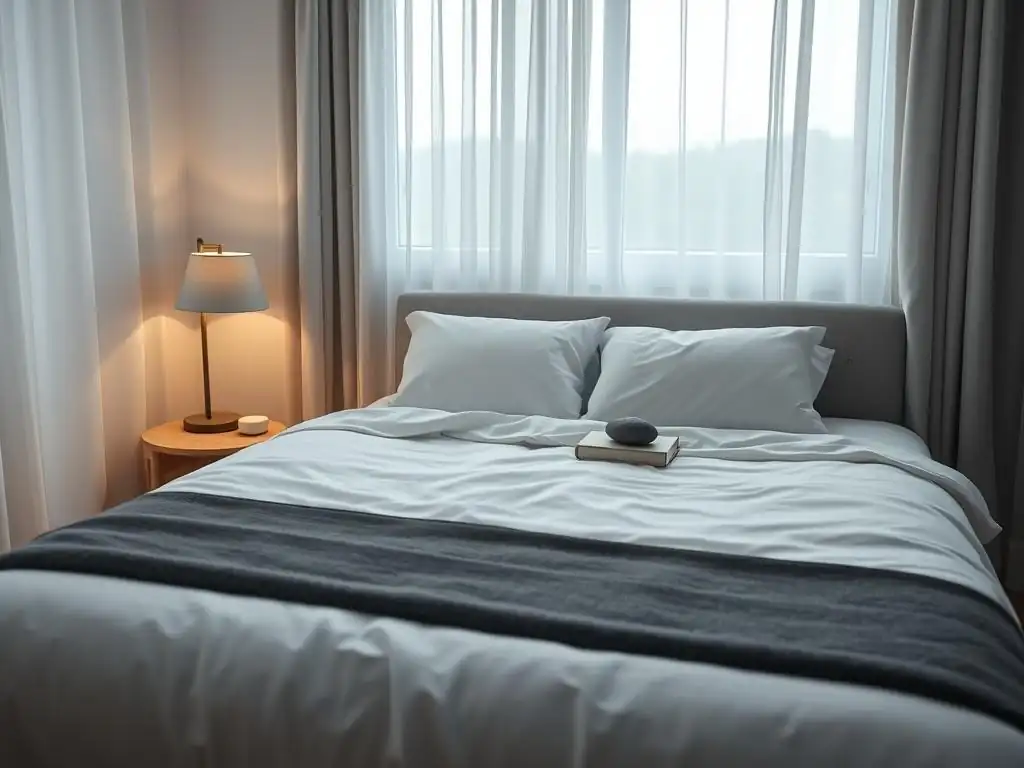
Dealing with Racing Thoughts and Inability to Fall Asleep
One of the most common challenges in practicing sleep hygiene, especially when dealing with stress and anxiety, is the inability to quiet a racing mind when trying to fall asleep. When you've been lying awake for more than 20-30 minutes, it's often counterproductive to stay in bed, as this can create an association between your bed and frustration or wakefulness. Instead, get out of bed and go to another room. Engage in a quiet, non-stimulating activity in dim light, such as reading a physical book, listening to calm music, or doing gentle stretching.
Only return to bed when you feel genuinely sleepy. This helps reinforce the connection between your bed and sleepiness. You can also practice relaxation techniques mentioned earlier, like deep breathing or progressive muscle relaxation, while out of bed. Avoid looking at the clock, as this can increase anxiety about not sleeping. By removing the pressure to sleep and engaging in a calming activity, you give your mind a chance to settle down naturally before attempting sleep again, supporting your sleep hygiene reduce stress anxiety efforts.
Overcoming Disruptions: Noise, Light, and Partners
External disruptions like noise and light are significant barriers to consistent sleep. While you can optimize your bedroom environment with blackout curtains and earplugs, sometimes external factors are beyond your complete control (e.g., noisy neighbors, a partner's snoring). If noise is an issue that earplugs don't fully resolve, consider using a white noise machine or app. The consistent hum can effectively mask sudden noises. For light, ensure all electronic devices with small indicator lights are covered or removed from the room.
If your partner's sleep habits are disruptive (different sleep schedules, snoring, restlessness), open communication is key. Discuss potential solutions together. This might involve using earplugs or a white noise machine, adjusting the bedroom temperature to suit both of you, or, in cases of significant snoring or movement disrupting sleep, considering separate sleeping arrangements temporarily or exploring medical solutions for the partner's issue (like sleep apnea). Addressing these external factors is vital for maintaining the consistency needed for effective sleep hygiene reduce stress anxiety.
Addressing Daytime Drowsiness and Napping Habits
While improving nighttime sleep is the primary goal of sleep hygiene, daytime drowsiness can still occur, especially during the transition period. If you experience significant daytime sleepiness, first assess if your nighttime sleep duration is adequate (aim for 7-9 hours). If you are getting enough nighttime sleep but still feel very drowsy, it's worth consulting a doctor to rule out underlying medical conditions or sleep disorders.
If you find yourself needing naps, be strategic about them. Long or late-afternoon naps can make it harder to fall asleep at night. If you must nap, aim for a short power nap (20-30 minutes) in the early afternoon (e.g., between 1 PM and 3 PM). This can provide a boost without significantly disrupting your nighttime sleep drive. Avoid napping for longer periods or closer to your bedtime. Consistent nighttime sleep is the goal, and managing daytime drowsiness and napping habits appropriately supports this core principle of sleep hygiene reduce stress anxiety.
Long-Term Strategies for Maintaining Healthy Sleep and Reducing Stress
Building Sustainable Sleep Habits
Achieving better sleep hygiene is not a one-time fix; it's a commitment to sustainable habits. The strategies outlined – consistent schedule, optimal environment, relaxing rituals, mindful diet/exercise timing – need to be integrated into your daily life over the long term. Think of it as cultivating a lifestyle that prioritizes rest. This involves making conscious choices even when faced with social pressures (e.g., staying out late) or work demands. Remember that sleep is a non-negotiable biological necessity, not a luxury.
Building sustainable habits involves patience and self-compassion. There will be nights when sleep is difficult despite your best efforts. Don't let occasional setbacks derail your progress. Simply return to your routine the following day. Focus on progress, not perfection. Over time, consistently applying sleep hygiene principles will strengthen your body's natural sleep-wake cycle, making healthy sleep more automatic and significantly bolstering your ability to manage stress and anxiety.
Integrating Stress Management Techniques
While sleep hygiene is a powerful tool for reducing stress anxiety, it works best when complemented by direct stress management techniques. Chronic stress can significantly impact sleep, so addressing the root causes of stress is crucial. Incorporate stress-reducing activities into your daily or weekly routine, such as regular exercise, mindfulness or meditation practices (beyond the bedtime ritual), yoga, spending time in nature, engaging in hobbies, or connecting with supportive friends and family.
Techniques like cognitive behavioral therapy for insomnia (CBT-I) specifically address the thoughts and behaviors that interfere with sleep and can be highly effective for those with chronic sleep problems. Learning stress reduction strategies helps to lower your overall stress burden, which in turn makes it easier to relax and fall asleep at night. By combining robust sleep hygiene with effective stress management, you create a comprehensive approach to quieting your thoughts and enhancing mental well-being.
Knowing When to Seek Professional Help
While implementing effective sleep hygiene strategies can significantly improve sleep and reduce stress and anxiety for many, there are times when professional help is necessary. If you have consistently followed sleep hygiene principles for several weeks or months and are still experiencing significant difficulties with sleep (e.g., taking longer than 30 minutes to fall asleep, waking up frequently, feeling unrefreshed despite adequate time in bed) or if your sleep problems are severely impacting your daytime functioning, mood, or health, consult a healthcare professional.
This could be your primary care physician or a sleep specialist. They can help rule out underlying medical conditions (like sleep apnea, restless legs syndrome) or sleep disorders that require specific treatment. A mental health professional can also provide support for managing stress, anxiety, or depression that may be contributing to sleep problems, potentially using therapies like CBT-I. Seeking help is a sign of strength and can provide access to targeted interventions that go beyond general sleep hygiene advice, ensuring you get the specific support needed to achieve restful sleep and quiet your thoughts.
Conclusion: Embracing Sleep Hygiene for Lasting Mental Well-being
The Path to Quieting Your Thoughts Through Restorative Sleep
The journey to quieting your thoughts and achieving lasting mental well-being is deeply connected to the quality of your sleep. By intentionally embracing and consistently practicing effective sleep hygiene, you are not just aiming for more hours of rest; you are actively cultivating a state of mental and physical restoration that directly impacts your ability to manage stress and anxiety.
The principles of consistency, creating an optimal environment, developing calming rituals, and being mindful of diet and exercise timing form a powerful framework. These practices work in concert to regulate your body's natural rhythms, calm your nervous system, and provide your brain with the essential downtime it needs to process emotions and build resilience.
Implementing sleep hygiene reduce stress anxiety is a proactive step towards taking control of your mental health. It acknowledges the fundamental biological link between how you sleep and how you feel. By prioritizing sleep, you are better equipped to face daily challenges, maintain emotional balance, and prevent the spiral of stress and anxiety that can be fueled by sleep deprivation. It requires commitment and patience, but the rewards – clearer thinking, reduced worry, improved mood, and greater overall well-being – are profound and long-lasting.
[Call to Action: Resources for Improving Sleep and Reducing Stress]
Taking steps to improve your sleep hygiene is a powerful investment in your mental health. To support your journey, many valuable resources are available. Consider exploring guided meditations or relaxation exercises specifically designed for sleep, which can be found through various apps and websites.
Look for reputable sources offering detailed guides on creating personalized sleep plans or printable sleep diaries to help you track your progress effectively. Information on stress management techniques, such as mindfulness exercises or breathing practices, can also complement your sleep hygiene efforts. Remember, consistent effort and utilizing available resources are key to successfully using sleep hygiene reduce stress anxiety and cultivate a more peaceful mind.
Frequently Asked Questions
How does poor sleep hygiene contribute to stress and anxiety?
Poor sleep hygiene disrupts your natural sleep-wake cycle, leading to sleep deprivation. This sleep loss can significantly increase cortisol levels (the stress hormone) and worsen anxiety symptoms.
What are some key components of good sleep hygiene?
Good sleep hygiene involves establishing a consistent sleep schedule, creating a relaxing bedtime routine, and optimizing your sleep environment for comfort and darkness.
Can improved sleep hygiene really reduce stress and anxiety, or is it just a small factor?
While not a cure-all, improved sleep hygiene can be a powerful tool in managing stress and anxiety. It's a foundational element that allows other coping mechanisms to be more effective.
How long does it typically take to see improvements in stress and anxiety levels after implementing better sleep hygiene practices?
It varies from person to person, but generally, you might start to notice improvements within a few weeks of consistently practicing good sleep hygiene. Be patient and persistent!
What are some common mistakes people make that negatively impact their sleep hygiene?
Common mistakes include using electronics before bed, consuming caffeine or alcohol close to bedtime, and having an inconsistent sleep schedule, even on weekends.
Final Reflection: The Untapped Power of Sleep in a Stressful World
The pervasive nature of stress and anxiety in modern life demands a re-evaluation of our relationship with sleep. Ignoring the crucial role of sleep hygiene in managing these conditions is akin to ignoring the very foundation of our mental and physical well-being. We've explored the science behind sleep, its impact on stress hormones, and the practical steps we can take to improve our sleep habits, but the true power lies in the consistent application of these principles.
The journey towards better sleep, and consequently, reduced stress and anxiety, is a deeply personal one. It's about understanding our individual needs and rhythms, and making conscious choices to prioritize rest. This isn't just about counting sheep; it's about cultivating a mindful approach to our nightly routine. As the ancient proverb states: Sleep is the best meditation.
This resonates deeply, as I've personally witnessed the transformative power of consistent sleep hygiene in managing my own anxieties and improving my overall clarity and resilience.
Now, consider your own sleep habits. Are you consistently prioritizing sleep, or are you sacrificing it at the altar of productivity? I challenge you to make a conscious effort to implement even one of the strategies discussed in this article. Start small, perhaps by establishing a consistent bedtime routine, or by creating a more conducive sleep environment. The rewards – reduced stress, improved mood, enhanced cognitive function – are well worth the effort. Embrace the power of sleep, and unlock a calmer, more resilient you.
Unlock Your Calm: Start Sleeping Your Way to Stress Relief Tonight
Thanks for taking the time to explore better sleep habits with us! We hope you found practical tips to quiet your mind and improve your rest. Now, let's put that knowledge into action.
- Prioritize your sleep schedule: Set a consistent bedtime and wake-up time, even on weekends, to regulate your body's natural sleep-wake cycle. This is the single most impactful step you can take.
- Create a relaxing bedtime routine: Experiment with a warm bath, gentle stretching, or meditation to signal your body it's time to unwind. This will enhance your sleep quality.
- Share your sleep wins (or challenges!): Join the conversation in the comments below and let us know what techniques worked best for you – or where you need extra support. Let's build a community of peaceful sleepers together!
What's one small change you'll make to your sleep routine tonight to start feeling calmer tomorrow?