
Visualize Your Success: Harnessing the Power of Guided Visualization

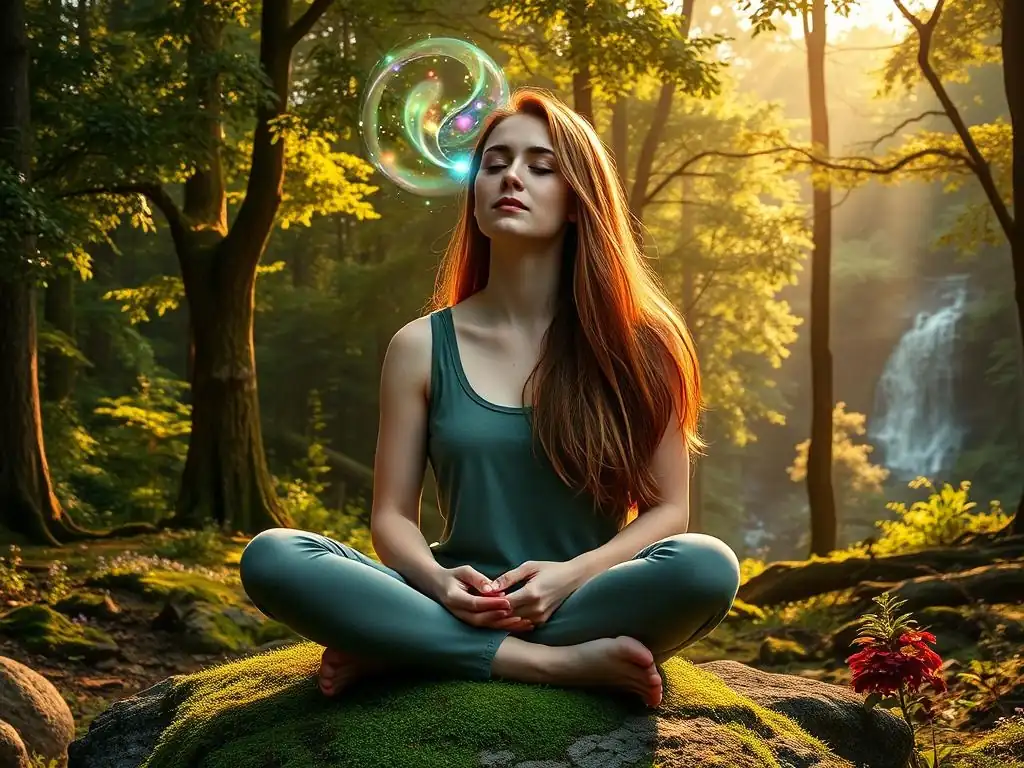
Welcome to Mind Care Guide, a sanctuary for your mental well-being.
Feeling overwhelmed by anxiety? You're not alone. Imagine a world where you can gently quiet those racing thoughts and find a sense of calm within. This week, we delve into the powerful technique of guided visualization for anxiety relief, offering you practical steps to harness its potential. Ready to embark on a journey to inner peace? Let's begin...
- Introduction to Guided Visualization for Mental Well-being
- Guided Visualization for Anxiety Relief: A Comprehensive Guide
- Step-by-Step Guide to Practicing Guided Visualization
- Guided Visualization Techniques for Specific Scenarios
- Tips for Maximizing the Effectiveness of Guided Visualization
- Common Challenges and How to Overcome Them
- The Science Behind Guided Visualization and Anxiety
- Integrating Guided Visualization into Your Daily Routine
- Resources for Guided Visualization: Apps, Websites, and More
- Conclusion: Embracing Guided Visualization for a Calmer, More Peaceful Mind
-
Frequently Asked Questions
- What is guided visualization and how can it help with anxiety relief?
- How does guided visualization differ from regular meditation?
- What are some examples of guided visualization techniques for anxiety?
- How often should I practice guided visualization for anxiety relief to see results?
- Where can I find guided visualization resources specifically designed for anxiety relief?
- Final Reflection: The Enduring Power of Visualized Calm
- Unleash Your Inner Vision: Start Visualizing Today!
Introduction to Guided Visualization for Mental Well-being
Understanding Guided Visualization: A Powerful Tool for Mind Care
Guided visualization is a powerful mind-body technique that involves forming mental images to create a desired state or outcome. It's a form of focused meditation where a guide, either live or recorded, leads you through a series of images and sensations. This process encourages deep relaxation and can help shift your mental and emotional state.
Unlike simply daydreaming, guided visualization is intentional and structured, designed to activate specific areas of the brain associated with sensory experience and emotional regulation. It leverages the brain's inability to distinguish completely between a vividly imagined experience and a real one, allowing you to essentially "rehearse" positive feelings, situations, or responses.
This practice has roots in ancient contemplative traditions but has gained prominence in modern psychology and wellness as a therapeutic tool. It's accessible to most people and requires no special equipment, making it a practical addition to a personal mental well-being routine. By engaging your imagination in a directed way, guided visualization can help quiet the incessant chatter of the mind, reduce stress, and promote a sense of calm. It's a versatile tool used for various purposes, from improving athletic performance to managing chronic pain, but it shows particular promise when applied as a guided visualization for anxiety relief.
The Connection Between Visualization and Mental Health
The link between visualization and mental health lies in the profound influence our thoughts and internal imagery have on our emotions and physiological responses. When we vividly imagine a stressful situation, our bodies often react as if it were happening in reality – heart rate increases, muscles tense, and stress hormones like cortisol are released. Conversely, imagining a peaceful scene can trigger the relaxation response, lowering heart rate and promoting a sense of calm. This demonstrates the direct pathway through which mental imagery impacts our physical and emotional state.
Regular practice of guided visualization can help rewire these pathways. By consistently visualizing positive, calming, or empowering scenarios, individuals can train their brains to respond differently to stress triggers. For someone struggling with anxiety, for example, practicing guided visualization for anxiety relief involves replacing anxious mental loops with images of safety, competence, or tranquility. Over time, this can reduce the frequency and intensity of anxious feelings, build resilience, and foster a more positive outlook, significantly contributing to improved mental well-being.
Guided Visualization for Anxiety Relief: A Comprehensive Guide
How Guided Visualization Works to Reduce Anxiety
Guided visualization works to reduce anxiety by interrupting the negative thought patterns and physiological responses associated with anxious states. Anxiety often involves anticipating future threats or dwelling on past worries, creating a cycle of fear and physical tension. Guided visualization provides a structured way to redirect the mind's focus from these distressing thoughts towards calming, positive, or neutral imagery. The guide's voice and narrative help anchor attention, making it easier to disengage from anxious ruminations.
As you follow a guided visualization for anxiety relief, you are encouraged to engage your senses in imagining a peaceful scene – perhaps a serene beach, a quiet forest, or a cozy room. This sensory engagement helps ground you in the present moment, away from future worries. The act of creating and holding these calming images in your mind activates the parasympathetic nervous system, often referred to as the "rest and digest" system.
This counteracts the "fight or flight" response triggered by anxiety, leading to reduced heart rate, shallower breathing, and muscle relaxation. It's a deliberate shift in your internal landscape that directly impacts your physical and emotional state, offering tangible relief from anxiety symptoms.
Benefits of Using Guided Imagery for Anxiety Management
Using guided imagery specifically for anxiety management offers a range of significant benefits, making it a popular and accessible technique. One primary benefit is its ability to quickly induce a state of relaxation. Many individuals report feeling calmer and more centered even after a single session of guided visualization for anxiety relief, providing immediate respite from overwhelming feelings. This rapid effect makes it a valuable tool for managing acute moments of anxiety or panic.
Beyond immediate relief, consistent practice of guided visualization can lead to long-term improvements in anxiety levels. Studies and user reports often indicate a sustained reduction in general anxiety over time. For instance, some research suggests that regular use of relaxation techniques like guided imagery can lead to a noticeable decrease in stress hormone levels, such as cortisol, over several weeks. Furthermore, guided visualization helps individuals develop better coping skills, build emotional resilience, and cultivate a greater sense of control over their internal state, empowering them to face challenging situations with less fear and more confidence.
Step-by-Step Guide to Practicing Guided Visualization
Preparing for Your Guided Visualization Session: Setting the Scene
Effective guided visualization for anxiety relief begins with creating the right environment. Choose a quiet space where you are unlikely to be interrupted. This could be a comfortable chair, a spot on the floor, or even lying down on a bed or yoga mat. The goal is to minimize external distractions so you can fully immerse yourself in the internal experience. Ensure the temperature is comfortable and loosen any tight clothing. If possible, dim the lights slightly or use an eye mask.
Before starting, take a few moments to settle your body and mind. You might begin with a few deep breaths, inhaling slowly through your nose and exhaling gently through your mouth. Let go of any immediate tasks or worries; acknowledge them, but consciously set them aside for the duration of your session. This preparation phase is crucial as it signals to your mind and body that it's time to relax and turn inward, setting the stage for a more profound and beneficial guided visualization experience.
Techniques for Effective Guided Visualization
Focusing on Your Senses During Visualization
To make your guided visualization for anxiety relief more vivid and effective, actively engage all your senses in the imagined scene. Don't just see the image; try to feel it, hear it, smell it, and even taste it if applicable. For example, if visualizing a beach, imagine the warmth of the sun on your skin, the sound of waves crashing gently, the smell of salt in the air, the feel of sand between your toes, and perhaps even the taste of a refreshing drink.
Engaging multiple senses makes the mental image much more realistic to your brain, enhancing its ability to evoke the desired emotional and physiological response. The richer the sensory detail, the more immersive the experience becomes, making it easier to stay focused and allowing the calming effects of the visualization to penetrate more deeply. Practice adding sensory layers to your visualizations; it significantly boosts their power.
Creating a Safe and Relaxing Mental Space
A common technique in guided visualization for anxiety relief is creating a personalized "safe space" or "calm place" in your mind. This is an imagined environment where you feel completely safe, relaxed, and at peace. This space should be entirely yours, designed exactly as you envision it – it could be a natural setting, a cozy room, or even an abstract place of light and color.
Once you've established this space, you can return to it whenever you feel anxious or stressed. The familiarity and positive association with this mental refuge can quickly trigger a relaxation response. Regularly visiting your safe space through guided visualization strengthens this connection, making it a powerful anchor during times of distress. It provides a mental escape route and a reliable source of comfort and security you can access anytime, anywhere.
Sample Guided Visualization Script for Anxiety
(Please note: This is a simplified example of a script segment. Full scripts are typically longer and more detailed.)
"Find a comfortable position, allowing your body to settle. Close your eyes gently... Take a deep breath in, filling your belly... and exhale slowly, letting go of any tension... Breathe in peace... breathe out worry...
Now, begin to imagine a beautiful, peaceful meadow... See the vibrant green grass stretching out before you... Feel the gentle warmth of the sun on your skin... Notice the soft breeze caressing your face... Hear the distant sound of birds chirping happily...
Walk slowly through this meadow... Each step takes you deeper into calm... Feel the soft earth beneath your feet... Inhale the fresh, clean air... You are completely safe here... Peaceful... Relaxed...
See if you can find a comfortable spot to rest... Perhaps under a large, shady tree... Lean back against the trunk... Feel its solid support... Look up at the leaves filtering the sunlight... Listen to the rustling sound they make...
Allow yourself to simply be here... In this moment... In this peaceful meadow... Breathing easily... Feeling calm... Safe... There is nothing you need to do... Nowhere you need to be... Just peace...
As you rest here, feel any remaining tension dissolving from your shoulders... your neck... your jaw... With each exhale, release more and more tension... sinking deeper into relaxation..."
(A full script would continue guiding the person through the scene, incorporating more sensory details and affirmations of safety and calm, eventually guiding them back to awareness.)
Guided Visualization Techniques for Specific Scenarios
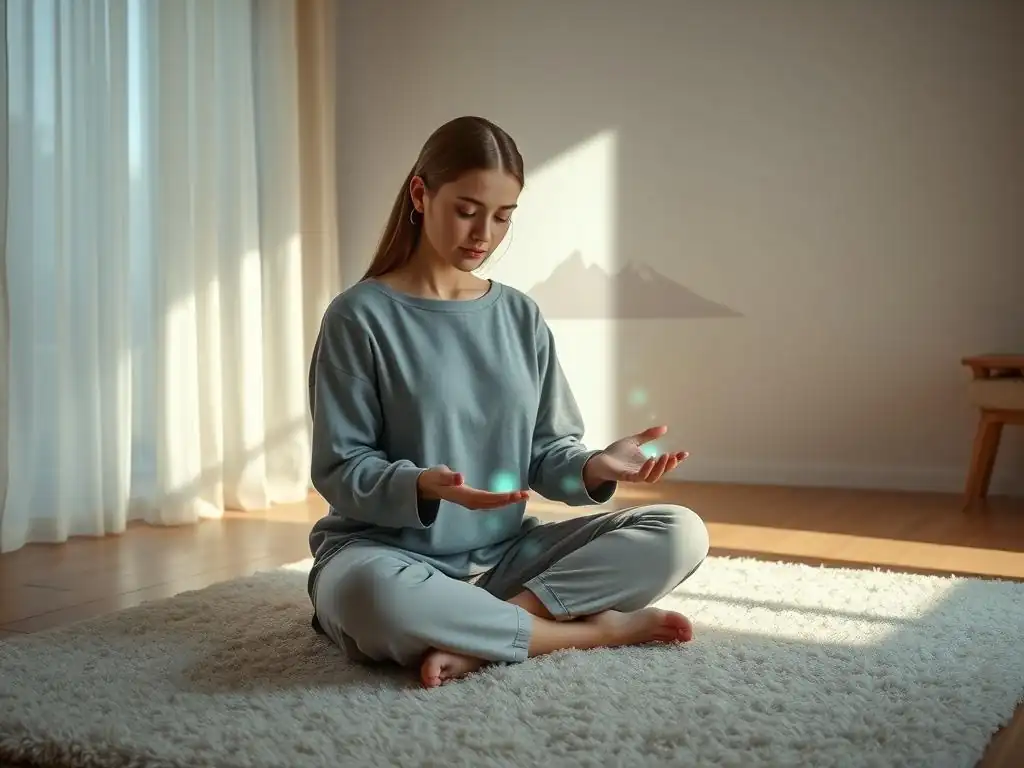
Guided Visualization for Stress Reduction in the Workplace
Stress in the workplace is a common trigger for anxiety. Guided visualization offers a portable and discreet way to manage this. A specific guided visualization for anxiety relief in the workplace might involve imagining a calm, focused demeanor during a challenging meeting, visualizing a clear desk and organized workflow to reduce feelings of overwhelm, or simply taking a few minutes to mentally escape to a peaceful scene during a break.
One effective technique involves visualizing a protective bubble or shield around yourself, allowing only positive energy to enter and deflecting stress or negativity. Another is to visualize successfully completing a difficult task step-by-step, feeling competent and calm throughout the process. Even a short, 5-minute visualization break can help reset your nervous system, lower stress hormone levels, and improve focus and productivity, making it a valuable tool for maintaining well-being amidst professional pressures.
Social anxiety can be debilitating, often fueled by fear of judgment or embarrassment. Guided imagery can be a powerful tool for addressing this by allowing individuals to mentally rehearse positive social interactions. A guided visualization for anxiety relief in social settings might involve imagining attending a social gathering feeling confident and at ease, visualizing engaging in conversations with genuine interest and comfort, and seeing oneself being accepted and enjoyed by others.
These visualizations help to challenge the ingrained negative expectations associated with social situations. By repeatedly imagining successful and positive social outcomes, individuals can gradually reduce the fear response triggered by social cues. This mental rehearsal builds confidence and reduces the intensity of anxious thoughts before and during social events, making real-life interactions feel less threatening and more manageable.
Guided Visualization for Sleep and Relaxation
Difficulty sleeping is a common symptom of anxiety. Guided visualization for anxiety relief often incorporates techniques aimed at promoting deep relaxation necessary for sleep. These visualizations typically guide the listener to release physical tension, quiet racing thoughts, and enter a state conducive to sleep. Common themes include imagining drifting peacefully on a cloud, walking through a serene landscape as twilight falls, or sinking comfortably into a soft bed.
The focus is on slowing down both mind and body. By directing attention away from anxious thoughts about sleep or daily worries and towards soothing imagery and sensations, guided visualization helps to break the cycle of sleep-disrupting anxiety. Many people find that incorporating a guided visualization session into their bedtime routine helps them fall asleep faster and experience more restful sleep, significantly improving their overall well-being.
Tips for Maximizing the Effectiveness of Guided Visualization
Finding the Right Guided Meditation Script for You
The effectiveness of guided visualization for anxiety relief can be significantly enhanced by finding scripts or audio recordings that resonate with you personally. Explore different guides, themes, and styles. Some people prefer scripts that focus heavily on sensory details, while others respond better to narratives that emphasize emotional release or positive affirmations. Try different voices and pacing; what is soothing to one person might be distracting to another.
Look for scripts specifically designed for anxiety relief or relaxation. Many resources offer a variety of themes, such as nature scenes, journeys of healing, or body scan meditations integrated with visualization. Don't be discouraged if the first few scripts you try don't feel like the perfect fit. Experimentation is key to discovering the guided visualization techniques that work best for your specific needs and preferences, making your practice more enjoyable and effective.
Consistency is Key: Making Guided Visualization a Habit
Like any skill, the ability to benefit from guided visualization for anxiety relief improves with practice. Consistency is far more important than the duration of each session. Aim to incorporate guided visualization into your routine regularly, even if it's just for 10-15 minutes a few times a week. Daily practice is ideal, as it helps to build and strengthen the neural pathways associated with relaxation and positive emotional states.
Making guided visualization a habit can be challenging initially. Try scheduling it at the same time each day, perhaps in the morning to set a calm tone or in the evening to wind down. Consider using a habit tracker or setting reminders. Over time, consistent practice will deepen your ability to relax quickly and effectively use visualization to manage anxiety, making it a natural and powerful tool in your mental wellness kit.
Combining Guided Visualization with Other Mindfulness Practices
Guided visualization for anxiety relief is often most powerful when combined with other mindfulness and relaxation techniques. Integrating it with practices like deep breathing exercises, progressive muscle relaxation, or mindful movement (like gentle stretching or yoga) can enhance its effects. For instance, doing a brief body scan to release physical tension before starting a visualization can help you relax more deeply into the experience.
Mindfulness meditation, which focuses on non-judgmental awareness of the present moment, complements visualization well. While mindfulness teaches you to observe thoughts and feelings without getting caught up in them, visualization actively guides you towards creating a desired internal state. Using these practices together can create a holistic approach to managing anxiety, building both awareness and the capacity for intentional calm.
Common Challenges and How to Overcome Them
Difficulty Visualizing: Tips and Tricks
Many people new to guided visualization for anxiety relief worry they aren't "seeing" the images clearly enough. It's important to understand that visualization doesn't require perfect, crystal-clear mental pictures. For some, visualization is more about feeling, sensing, or having a general impression rather than seeing vivid images like a movie. If you struggle with visual clarity, try focusing more on the other senses as guided by the script – what do you hear, feel, smell, or even taste in the imagined scene?
Another tip is to start with simpler visualizations. Instead of complex landscapes, try visualizing a single object, a color, or a simple shape. Practice engaging just one sense at a time before trying to combine them. Remember that the goal is the feeling or state the visualization evokes, not the perfection of the mental image. Be patient with yourself; your ability to visualize and engage with the process will likely improve with consistent practice.
Staying Focused During Guided Visualization
It's completely normal for your mind to wander during guided visualization, especially when dealing with anxiety, which often involves intrusive thoughts. Don't get frustrated when this happens. The practice isn't about having an empty mind; it's about gently bringing your attention back when it drifts. When you notice your mind has wandered, simply acknowledge the thought without judgment and gently redirect your focus back to the guide's voice or the imagined scene.
Think of your attention like a muscle you are training. Each time you notice your mind wandering and bring it back, you are strengthening that muscle. If a particular script or voice is consistently difficult to follow, try a different one. Sometimes, experimenting with different times of day for your practice can also help, choosing a time when you feel less mentally fatigued or restless.
Addressing Negative Thoughts During Visualization
Occasionally, negative or anxious thoughts may arise during a guided visualization for anxiety relief, or the visualization itself might unexpectedly trigger discomfort. This is a normal part of the process, especially when working with anxiety. Do not try to force these thoughts away, as this can often give them more power. Instead, acknowledge their presence with kindness and non-judgment. You might mentally label them ("Ah, that's a worry thought") and then gently guide your attention back to the visualization.
If a specific visualization scene feels uncomfortable or triggering, you have the power to change it or pause the session. You can mentally alter the scene to feel safer, or simply open your eyes and take a break. It's important that your guided visualization practice feels like a safe and supportive experience. If negative thoughts persist and are overwhelming, it might be helpful to discuss this with a therapist or counselor, as they can provide additional strategies for processing difficult thoughts and emotions.
The Science Behind Guided Visualization and Anxiety

Research on the Effectiveness of Guided Imagery
Research into the effectiveness of guided imagery and guided visualization for anxiety relief has yielded promising results across various populations. While specific percentages can vary between studies depending on methodology and participant groups, numerous systematic reviews and meta-analyses have concluded that guided imagery is an effective intervention for reducing anxiety and stress. For example, a review published in the Journal of General Psychology examining multiple studies found that guided imagery significantly reduced anxiety levels compared to control groups.
Studies have explored its use in diverse settings, including reducing pre-operative anxiety in surgical patients (with some studies reporting reductions in anxiety scores by 30-50% on standardized scales), decreasing stress in college students, and alleviating anxiety symptoms in individuals with chronic illnesses. While more large-scale, rigorous trials are always beneficial, the existing body of evidence strongly supports guided visualization as a valuable complementary therapy for managing anxiety and improving emotional well-being.
How Guided Visualization Impacts the Brain
Guided visualization for anxiety relief exerts its effects by influencing activity in key areas of the brain. When you engage in vivid visualization, brain regions involved in sensory processing, such as the visual cortex, auditory cortex, and somatosensory cortex, become active, much as they would during a real experience. This activation creates a sense of reality around the imagined scene, allowing the associated emotions and physical responses to manifest.
Furthermore, guided visualization can influence the prefrontal cortex, the area responsible for executive functions like planning and decision-making, and the amygdala, the brain's fear center. By focusing the mind on calming imagery, visualization helps to quiet the overactivity of the amygdala, which is often heightened in individuals with anxiety. Simultaneously, it can strengthen the connection between the prefrontal cortex and the amygdala, allowing for better regulation of emotional responses. The practice essentially helps to train the brain to respond to internal and external stimuli with less reactivity and more calm.
Integrating Guided Visualization into Your Daily Routine
Simple Guided Visualization Exercises for Beginners
For beginners interested in using guided visualization for anxiety relief, starting with short, simple exercises is recommended. A basic exercise might involve visualizing your breath as a calming color, like soft blue or green, flowing into your body with each inhale and releasing tension as a grey cloud with each exhale. Another simple practice is to close your eyes and spend a minute visualizing a place where you feel completely at peace, focusing on one or two sensory details.
Try a "body scan" visualization where you mentally scan your body, visualizing warmth or relaxation spreading through each part, from your toes to the top of your head. These short exercises, even just 2-5 minutes long, can be easily incorporated into busy schedules – during a work break, before a meal, or while commuting (if not driving). They help build familiarity with the process and demonstrate the immediate calming effects of guided visualization.
Creating a Personalized Guided Visualization Plan
To make guided visualization for anxiety relief a consistent and effective part of your life, consider creating a personalized plan. Start by identifying times in your day when you can realistically commit to practice, such as first thing in the morning, during your lunch break, or before bed. Decide on the duration – perhaps starting with 5-10 minutes and gradually increasing.
Choose scripts or themes that specifically address your anxiety triggers or goals. If public speaking causes anxiety, focus on visualizations for confidence. If sleep is an issue, use sleep-focused scripts. Keep track of your experiences – note which visualizations feel most effective and how you feel after practicing. Be flexible and adjust your plan as needed. A personalized approach increases the likelihood that you'll stick with the practice and reap its full benefits for managing anxiety.
Resources for Guided Visualization: Apps, Websites, and More
Free Guided Visualization Scripts and Audio Recordings
Numerous free resources are available for those wanting to explore guided visualization for anxiety relief. Many reputable mental health websites and non-profit organizations offer free scripts that you can read to yourself or have a friend read to you. Websites dedicated to meditation and mindfulness often feature libraries of free audio recordings created by experienced guides.
Online platforms like YouTube host countless free guided visualization videos and audio tracks covering a wide range of themes, durations, and styles, specifically targeting stress and anxiety. While the quality can vary, exploring these free resources is an excellent way to sample different approaches and find guides whose voices and techniques resonate with you before considering paid options.
Recommended Guided Meditation Apps for Anxiety Relief
For a more structured and convenient experience, several guided meditation apps offer extensive libraries of guided visualization specifically tailored for anxiety relief. Apps like Calm, Headspace, Insight Timer, and Breethe provide hundreds, if not thousands, of tracks focusing on relaxation, stress reduction, sleep, and managing anxious thoughts.
These apps often feature themed series (e.g., a 7-day course on managing anxious thoughts), varying session lengths (from 3 minutes to 45 minutes), and options for background music or nature sounds. Many offer a selection of free content, with subscription models unlocking the full library. The convenience of having a wide variety of guided visualization for anxiety relief readily available on your phone makes these apps a popular choice for consistent practice.
Conclusion: Embracing Guided Visualization for a Calmer, More Peaceful Mind
Guided visualization is a powerful, accessible technique that offers significant benefits for mental well-being, particularly as a guided visualization for anxiety relief. By harnessing the power of your imagination, you can actively influence your emotional state, reduce physiological stress responses, and cultivate a profound sense of calm. It's a practice grounded in the understanding that your internal world has a direct impact on your external experience and physical health.
Incorporating guided visualization into your routine, even for just a few minutes daily, can lead to noticeable improvements in managing anxiety, improving sleep, and enhancing overall resilience. While it may take practice to feel fully comfortable with the process, the effort is well worth the reward – a calmer mind, a more relaxed body, and a greater capacity to navigate life's challenges with peace and confidence. Embrace the journey of visualizing your way to a more tranquil self.
Frequently Asked Questions
What is guided visualization and how can it help with anxiety relief?
Guided visualization is a technique that uses mental imagery to create a sense of calm and well-being. It can help with anxiety by redirecting focus away from stressful thoughts and promoting relaxation.
How does guided visualization differ from regular meditation?
While both aim to promote relaxation, guided visualization involves a narrative or script to guide the user's imagination. Regular meditation often focuses on observing thoughts without judgment, and may not always include a specific scenario.
What are some examples of guided visualization techniques for anxiety?
Common techniques include imagining a peaceful place, focusing on positive affirmations, or visualizing a successful outcome to a stressful situation. Many free and paid resources are available online.
How often should I practice guided visualization for anxiety relief to see results?
Consistency is key. Practicing daily for even 10-15 minutes can lead to noticeable improvements in managing anxiety. Results may vary depending on the severity of anxiety and individual response.
Where can I find guided visualization resources specifically designed for anxiety relief?
Websites like Mind Care Guide and apps dedicated to mental well-being often offer a variety of guided visualization exercises. Look for programs that focus on anxiety reduction and align with your personal preferences.
Final Reflection: The Enduring Power of Visualized Calm
The ability to visualize success isn't just a self-help buzzword; it's a potent tool for navigating the anxieties of modern life. In a world overflowing with stressors, mastering the technique of guided visualization offers a readily accessible path towards a calmer, more resilient self. This isn't about escaping reality; it's about equipping yourself with a practical strategy to manage its challenges.
Guided visualization's impact on our cultural landscape is undeniable, quietly shifting from a niche practice to a widely recognized method for stress reduction and self-improvement. Its increasing popularity reflects a growing awareness of the mind-body connection and the profound influence our thoughts have on our well-being. The mind is everything. What you think you become.
– Buddha. This ancient wisdom finds modern expression in the tangible benefits of guided visualization, offering a pathway to inner peace and a more positive outlook, even amidst overwhelming circumstances.
You now hold the key to unlocking your own inner sanctuary. Consider how you can integrate guided visualization into your daily routine. Start small, perhaps with just five minutes of focused visualization each day. Experiment with different scenarios, focusing on feelings of calm, confidence, and success. Embrace the power of your imagination, not as an escape, but as a tool for building resilience and finding peace within. The journey to a calmer, more confident you begins with a single, visualized breath.
Unleash Your Inner Vision: Start Visualizing Today!
Thanks for taking the time to explore the power of guided visualization with us! We hope you now feel equipped to harness this incredible tool for personal growth. Ready to put your new knowledge into practice?
- Begin your visualization journey today: Set aside just 5 minutes for a guided session—focus on a specific goal and vividly imagine its achievement. Feel the success!
- Share your visualization experience: Let us know what resonates with you or any techniques you find particularly helpful by leaving a comment below. We'd love to hear your story!
- Explore related resources: Dive deeper into the world of mindfulness and self-improvement by exploring other articles on MindCareGuide.org. Discover what other techniques work best for you!
What specific goal will you visualize achieving first, and how will that feeling of success impact your daily life?