
Student Stress Solutions: Practical Tools You Learn in Online Courses

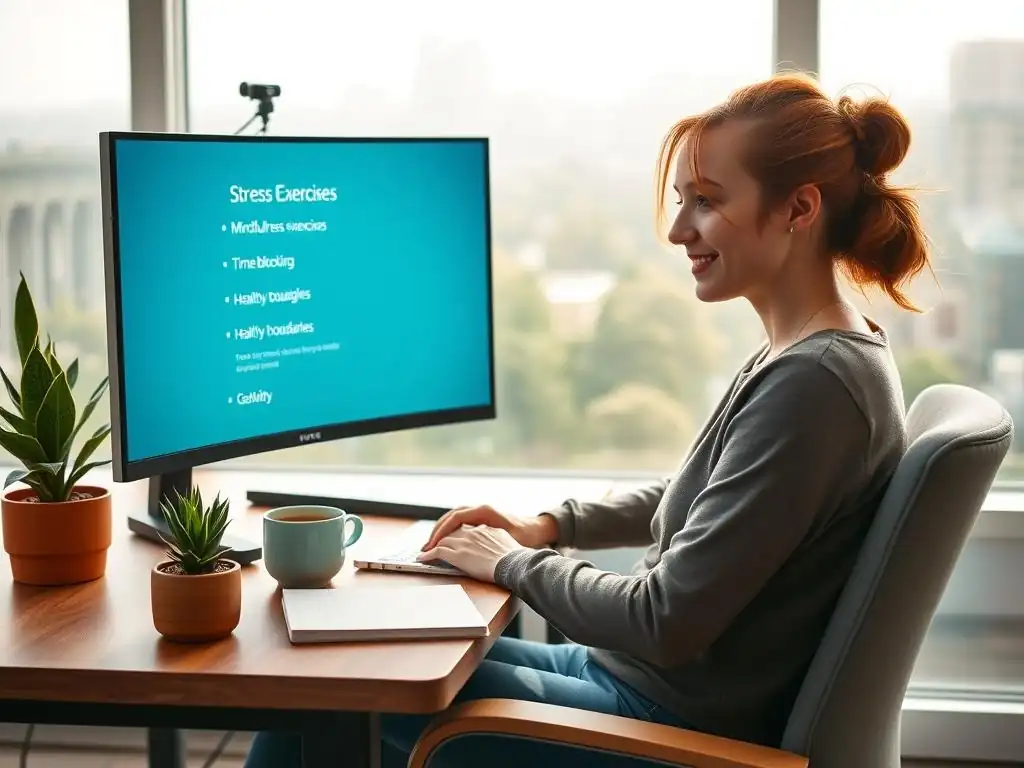
Welcome to Mind Care Guide, a safe space dedicated to nurturing your mental well-being. Feeling overwhelmed by the pressures of student life? You're not alone. Discover practical and proven techniques for conquering stress, starting with our guide to Managing Student Stress Online Courses. Unlock the potential for a calmer, more focused you – let's explore the resources available to help you thrive.
Student Stress Solutions: Practical Tools You Learn in Online Courses
- Understanding Student Stress and the Benefits of Online Stress Management Courses
- Top Online Courses for Managing Student Stress: A Comparative Guide
- Practical Tools & Techniques Learned in Online Stress Management Courses
- Integrating Online Course Learnings into Daily Student Life
- Real-Life Success Stories: Students Who Benefited from Online Stress Management
- Choosing the Right Online Stress Management Course for You
- The Future of Student Mental Health: The Role of Online Resources
-
Frequently Asked Questions
- How can online courses help me manage student stress?
- What specific skills will I learn in these "Managing student stress online courses"?
- Are these online courses accredited, ensuring quality and effectiveness?
- How much time commitment is required for a typical "Managing student stress online course"?
- Will these courses provide personalized support or interaction with instructors?
- Final Reflection: Unlocking Resilience: The Power of Online Learning in Combating Student Stress
- Unlock Your Stress-Free Potential: Take Control Now!
Understanding Student Stress and the Benefits of Online Stress Management Courses
The Growing Problem of Student Stress: A Modern Epidemic
Student stress is not a new phenomenon, but its prevalence and intensity have significantly increased in recent years, reaching epidemic levels in many parts of the world. Academic pressures, financial worries, social adjustments, and the constant connectivity of the digital age contribute to a complex landscape of stressors. Surveys from various universities and mental health organizations consistently highlight this trend.
For instance, a 2022 report from the American College Health Association found that over 60% of college students felt overwhelming anxiety in the past year, and around 40% reported feeling so depressed that it was difficult to function. These figures underscore the critical need for accessible and effective strategies for managing student stress online courses offer a promising pathway to acquire these skills.
This elevated stress levels can have profound impacts on student well-being, academic performance, and overall health. Chronic stress can lead to burnout, difficulty concentrating, sleep disturbances, and even physical health issues. It can also exacerbate existing mental health conditions or contribute to the development of new ones, such as anxiety disorders and depression. Recognizing the scale of this challenge is the first step towards finding solutions. Exploring avenues like online stress management courses for students provides a proactive way for individuals to equip themselves with the necessary tools to navigate these pressures successfully.
Why Online Courses are Effective for Managing Student Stress
Online courses offer unique advantages for students seeking to manage stress. Their flexibility and accessibility are paramount, allowing students to learn at their own pace and on their own schedule, which is crucial given the demanding nature of academic life. Unlike traditional in-person workshops, online platforms remove geographical barriers and can often be more affordable, making stress management education available to a wider range of students globally. This ease of access is vital for students who may feel overwhelmed by their current commitments or uncomfortable seeking help in person.
Furthermore, the digital format allows for diverse learning materials, including video lectures, interactive exercises, downloadable resources, and community forums. This multimedia approach can cater to different learning styles and make complex topics like cognitive behavioral techniques or mindfulness more digestible and engaging. The privacy offered by online learning can also be a significant factor, enabling students to explore sensitive topics related to their mental well-being in a comfortable and confidential environment. Effectively managing student stress online courses leverages technology to bring essential mental wellness skills directly to the student.
Key Skills Acquired in Online Stress Reduction Programs
Participating in online courses for student stress relief equips individuals with a range of practical skills designed to identify, understand, and mitigate stress. These programs typically cover foundational knowledge about the physiological and psychological effects of stress, helping students recognize their personal stress triggers and symptoms. A core component is often the teaching of practical techniques such as deep breathing exercises, progressive muscle relaxation, and mindfulness meditation, providing immediate tools for calming the nervous system in moments of anxiety or overwhelm.
Beyond immediate relief techniques, effective online stress management courses for students delve into cognitive and behavioral strategies. Students learn how to challenge negative thought patterns that contribute to anxiety (cognitive restructuring), develop effective time management and organizational skills to reduce feelings of being overwhelmed, and build resilience through self-compassion and positive self-talk. These programs aim to empower students with a holistic toolkit, enabling them to not only react to stress but also proactively build habits that support long-term mental well-being while managing student stress online courses.
Top Online Courses for Managing Student Stress: A Comparative Guide
Course 1: "De-Stress Your Studies" - Cognitive Behavioral Therapy (CBT) for Student Anxiety
"De-Stress Your Studies" is an exemplary online course designed specifically to apply principles of Cognitive Behavioral Therapy (CBT) to the unique challenges faced by students. CBT is a well-established psychological approach that helps individuals identify and change negative thought patterns and behaviors contributing to distress. This course translates complex CBT concepts into actionable strategies relevant to academic life, such as managing exam anxiety, overcoming procrastination driven by fear of failure, and reducing social anxiety related to group projects or presentations.
The curriculum typically breaks down CBT into manageable modules, covering topics like understanding the CBT model, identifying automatic negative thoughts (ANTs), challenging cognitive distortions, and developing coping statements. Students learn techniques such as thought records to analyze the link between their thoughts, feelings, and behaviors. The course structure often includes video lessons, downloadable worksheets for practicing techniques, and quizzes to reinforce learning. The goal is to provide students with a structured framework for understanding and altering the cognitive loops that fuel their stress and anxiety while managing student stress online courses.
Features of "De-Stress Your Studies" and How They Help
This course often includes features like guided exercises for identifying common student-specific cognitive distortions (e.g., catastrophic thinking about grades, all-or-nothing thinking about performance). It may offer templates for creating personalized stress hierarchies to gradually confront academic fears using exposure techniques adapted for a student context. Interactive elements, such as journaling prompts focused on academic stressors and progress tracking tools for applying CBT techniques, are common. These features are designed to make the abstract concepts of CBT tangible and applicable to the student's daily experience of managing student stress online courses.
The practical tools provided are intended for immediate application. For example, students learn how to use a thought record after receiving a challenging assignment or before a presentation. The course materials often include examples of how to reframe specific academic stressors, like viewing a difficult exam not as a potential disaster but as an opportunity to test knowledge and learn from the process. This focus on real-world application within the student context is what makes a CBT-based course like "De-Stress Your Studies" particularly effective for academic anxiety.
Benefits of Using CBT Techniques for Academic Pressure
The benefits of applying CBT techniques learned in online courses for student stress relief like "De-Stress Your Studies" for academic pressure are significant and well-documented in clinical research. CBT is highly effective in treating anxiety disorders, and its principles transfer well to managing academic anxiety and stress. By learning to identify and challenge negative thoughts such as "I'm going to fail this exam" or "Everyone else understands this better than me," students can reduce the intensity of the associated emotional distress.
Furthermore, CBT helps students develop more adaptive coping behaviors. Instead of avoiding difficult tasks due to anxiety, students learn to break down assignments into smaller steps, schedule study time effectively, and approach challenges with a more realistic and positive mindset. Studies have shown that students who utilize CBT principles often report reduced anxiety levels, improved focus during study sessions, and increased confidence in their academic abilities, all contributing positively to their overall experience of managing student stress online courses.
Pricing and Accessibility of "De-Stress Your Studies"
Pricing for "De-Stress Your Studies" and similar CBT-based online courses for students can vary widely. Some platforms offer subscription models, perhaps ranging from $15-$50 per month, granting access to a library of courses. Others might offer a one-time purchase for lifetime access to a specific course, which could range from $50 to $200 or more, depending on the depth and breadth of the content and the reputation of the instructors or platform. Some universities or student wellness centers may also offer access to such courses for free or at a subsidized rate for their enrolled students.
Accessibility is a key advantage of online formats. These courses are typically available 24/7, allowing students to fit learning into their often unpredictable schedules. They require only a stable internet connection and a device like a computer, tablet, or smartphone. Many platforms also offer features like closed captions, transcripts, and mobile compatibility to enhance accessibility. While specific figures for user engagement vary by platform, the inherent flexibility of online learning makes these resources highly accessible for students actively seeking to improve managing student stress online courses.
Course 2: "Mindfulness for Students" - Mindfulness Meditation for Stress Relief in Students
"Mindfulness for Students" is an online course dedicated to teaching the practice of mindfulness meditation as a tool for stress relief and improved well-being specifically tailored for the student demographic. Mindfulness involves paying attention to the present moment without judgment, a skill that can significantly counter the effects of a racing mind preoccupied with academic worries, deadlines, and future uncertainties. This course aims to make mindfulness accessible and practical for integration into a busy student life.
The curriculum typically introduces the core principles of mindfulness, including awareness of breath, body sensations, thoughts, and emotions. It guides students through various meditation techniques, starting with short, accessible practices and gradually building up to longer sessions. The course content often contextualizes mindfulness within common student experiences, such as managing distractions during lectures, staying focused while studying, and reducing anxiety before exams or presentations. The goal is to cultivate a greater sense of calm, focus, and emotional resilience for managing student stress online courses.
Exploring Mindfulness Techniques Taught in "Mindfulness for Students"
This type of course explores a variety of mindfulness techniques beyond basic seated meditation. This includes mindful breathing exercises, body scans (systematically bringing awareness to different parts of the body), walking meditation, and mindful eating. It also often covers informal mindfulness practices, such as bringing mindful awareness to everyday activities like washing dishes or walking between classes. These varied techniques provide students with options they can integrate into different parts of their day, even when they have limited time.
A key aspect is often guided meditations, led by experienced instructors, which can be particularly helpful for beginners. The course might provide audio or video recordings of meditations of varying lengths, allowing students to choose practices that fit their available time. Some courses also delve into the theoretical underpinnings of mindfulness, explaining the neuroscience behind its effects on stress reduction and focus. This combination of theoretical understanding and practical guidance makes the techniques taught in "Mindfulness for Students" highly effective for managing student stress online courses.
How Mindfulness Meditation Improves Focus and Reduces Exam Anxiety
Mindfulness meditation has been shown through numerous studies to improve attentional control and reduce symptoms of anxiety, including exam anxiety. By training the mind to focus on the present moment, students can reduce rumination about past mistakes or worries about future outcomes (like exam results). This present-moment focus helps to anchor their attention on the task at hand, whether it's studying, attending a lecture, or taking an exam, thereby improving concentration and reducing susceptibility to distractions.
For exam anxiety, specifically, mindfulness provides tools to manage the physical and mental symptoms of stress. Practicing mindful breathing can calm the physiological stress response (e.g., rapid heart rate, shallow breathing). Learning to observe anxious thoughts without getting carried away by them (a core mindfulness skill) allows students to acknowledge their anxiety without letting it hijack their cognitive resources needed for the exam. Research indicates that students who regularly practice mindfulness report lower levels of test anxiety and improved academic performance, highlighting its value in managing student stress online courses.
Cost and Support Offered by "Mindfulness for Students"
The cost structure for "Mindfulness for Students" courses is similar to other online learning platforms. Many are offered on subscription-based platforms where access to one course is part of a larger library, potentially costing $10-$60 per month. Standalone courses with lifetime access might range from $40 to $150. Some non-profit organizations or university wellness centers may offer free or low-cost mindfulness programs specifically for students.
In terms of support, online mindfulness courses typically offer resources like downloadable guides, journals, and practice schedules. Some platforms include community forums where students can connect with each other, share experiences, and ask questions. While direct one-on-one support from an instructor may not be standard for lower-cost options, some premium courses or those offered through institutions might include Q&A sessions or limited interaction opportunities. The primary support comes from the structured guidance within the course materials and the ability to revisit lessons as needed for managing student stress online courses.
Course 3: "The Organized Student" - Time Management and Productivity for Students
"The Organized Student" is an online course focused on equipping students with essential time management and productivity skills, recognizing that feeling overwhelmed by workload is a major source of student stress. This course addresses the practical challenges of balancing classes, assignments, studying, extracurricular activities, and personal life. It provides structured methods and tools to help students plan effectively, prioritize tasks, avoid procrastination, and create a sustainable schedule that reduces feelings of chaos and increases control over their academic lives.
The curriculum typically covers topics such as goal setting (e.g., using SMART goals for academic projects), creating effective to-do lists, using calendars and planners (digital or physical), breaking down large tasks into smaller steps, and understanding productivity techniques like the Pomodoro Technique or time blocking. It also often addresses common pitfalls like multitasking inefficiencies and the impact of perfectionism or fear of failure on procrastination. The course aims to build organizational habits that contribute significantly to managing student stress online courses by reducing the feeling of being constantly behind or overwhelmed.
Mastering Time Management Strategies in "The Organized Student"
This course delves deep into various time management strategies tailored for the academic environment. Students learn how to conduct a 'time audit' to understand where their time is actually spent versus where they think it is spent. They are taught how to prioritize tasks using matrices like the Eisenhower Box (Urgent/Important) adapted for student assignments and deadlines. Techniques for scheduling, such as creating weekly study plans and daily task lists, are central. The course often provides templates and examples to help students implement these strategies immediately.
A key focus is often on developing realistic scheduling habits. Students learn how to estimate the time needed for tasks accurately and how to build buffer time into their schedules to account for unexpected delays or challenges. Strategies for batching similar tasks (like responding to emails or doing research) are also often included to improve efficiency. Mastering these skills through "The Organized Student" provides students with a concrete framework for taking control of their workload, a fundamental aspect of managing student stress online courses.
Boosting Productivity to Minimize Overwhelm and Procrastination
Beyond just managing time, this course focuses on boosting productivity in a healthy way to minimize the overwhelm that leads to stress and procrastination. It addresses the psychological aspects of procrastination, helping students identify the underlying reasons (e.g., fear of failure, perfectionism, lack of motivation) and providing strategies to overcome them. Techniques like 'eating the frog' (doing the most difficult task first) or using accountability partners are often discussed.
Productivity tools and techniques are introduced not just for efficiency, but for creating a sense of accomplishment and reducing the feeling of being buried under work. For example, the Pomodoro Technique (working in focused bursts with short breaks) is taught as a way to maintain concentration and prevent burnout. The course emphasizes creating an optimal study environment free from distractions. By implementing these productivity strategies, students can tackle their academic responsibilities more effectively, leading to a significant reduction in stress and a greater sense of control, which is crucial for managing student stress online courses.
Value Proposition and Course Structure of "The Organized Student"
The value proposition of "The Organized Student" lies in its direct impact on reducing a major source of student stress: academic workload management. By providing concrete, actionable strategies for time management and productivity, the course empowers students to feel more in control, less overwhelmed, and more confident in their ability to handle academic demands. This can translate directly into better academic performance and improved mental well-being.
The structure typically involves a series of modules covering different aspects of organization and productivity. Each module might include video lessons, downloadable worksheets, templates for planners or task lists, and practical exercises. Some courses may include case studies of students who successfully implemented the strategies. The format is designed to be practical and hands-on, enabling students to apply the learned techniques immediately to their own academic schedules. The investment in such a course is often seen as an investment in reducing stress and improving overall academic success, making it a valuable tool for managing student stress online courses.
Practical Tools & Techniques Learned in Online Stress Management Courses

Breathing Exercises for Immediate Stress Relief During Study Sessions
Online stress management courses consistently teach breathing exercises as fundamental tools for immediate stress relief. These techniques work by activating the parasympathetic nervous system, which helps to counteract the body's 'fight or flight' stress response. They are particularly useful during study sessions, before exams, or when feeling overwhelmed by an assignment. They require no special equipment and can be done anywhere, making them highly accessible.
Learning proper breathing techniques provides students with a quick way to regain composure and focus when feeling stressed. Simple exercises can lower heart rate, reduce muscle tension, and clear the mind, allowing students to return to their academic tasks with renewed concentration. These techniques are often presented in online courses through guided audio or video, making it easy for students to follow along and practice until they can perform them independently. Mastering just a few breathing techniques can be a game-changer for managing student stress online courses.
Diaphragmatic Breathing: A Simple Yet Powerful Tool
Diaphragmatic breathing, also known as belly breathing, is one of the most foundational and effective breathing exercises taught in online courses for student stress relief. It involves breathing deeply into the abdomen rather than shallowly into the chest. When stressed, people often breathe shallowly, which can exacerbate anxiety. Diaphragmatic breathing encourages full oxygen exchange and slows the heart rate.
The technique is simple: find a comfortable position, place one hand on your chest and the other on your abdomen. Inhale slowly through your nose, feeling your abdomen expand (the hand on your abdomen should rise, while the one on your chest remains relatively still). Exhale slowly through your mouth, gently pressing your abdomen inward.
Online courses often guide students through sequences like inhaling for a count of four, holding for a count of four, and exhaling for a count of six or eight. Practicing this for just a few minutes can provide immediate calm when managing student stress online courses.
Alternate Nostril Breathing (Nadi Shodhana) for Calming the Mind
Alternate Nostril Breathing, or Nadi Shodhana, is another powerful technique often included in online stress management courses for students, particularly those with a mindfulness or yoga component. This ancient yogic practice is believed to balance the left and right hemispheres of the brain, promoting calm and focus. It's slightly more involved than diaphragmatic breathing but can be very effective for settling a restless mind before studying or an exam.
To practice, sit comfortably, close your eyes if you wish. Close your right nostril with your right thumb and inhale slowly through your left nostril. Close your left nostril with your right ring finger, release your thumb from your right nostril, and exhale slowly through your right nostril. Inhale through your right nostril.
Close your right nostril with your thumb, release your ring finger from your left nostril, and exhale through your left nostril. This completes one cycle. Online courses provide guided audio or video to help students learn and practice this technique rhythmically, aiding in managing student stress online courses.
Progressive Muscle Relaxation (PMR) for Reducing Physical Tension
Progressive Muscle Relaxation (PMR) is a technique frequently taught in online stress management courses that focuses on reducing stress by noticing and releasing physical tension in the body. Stress often manifests as physical tightness in muscles (shoulders, neck, jaw, etc.). PMR involves systematically tensing and then releasing different muscle groups in the body, helping individuals become more aware of physical sensations of tension and relaxation.
By practicing PMR regularly, students can learn to recognize when they are holding tension in their bodies and release it consciously. This can be particularly helpful after long periods of sitting and studying or when feeling physically restless due to anxiety. Online courses typically provide guided audio sessions that walk students through the process of tensing and relaxing muscle groups from head to toe or vice versa. This physical release is a vital component of managing student stress online courses.
How PMR Works and Its Benefits for Stressed Students
PMR works on the principle that mental relaxation follows physical relaxation. By intentionally creating and then releasing tension in muscle groups, you learn to differentiate between the feeling of tension and the feeling of relaxation. This increased awareness allows you to identify physical tension related to stress more readily in your daily life and actively release it.
For stressed students, the benefits are numerous. It can help alleviate tension headaches, back pain, and jaw clenching often associated with stress. By reducing physical discomfort, PMR can also improve sleep quality, which is crucial for academic performance and overall well-being. Regular practice can lower overall stress levels and provide a reliable technique for calming down during moments of acute anxiety or overwhelm, making it an excellent tool for managing student stress online courses.
Integrating PMR into Your Daily Study Routine
Integrating PMR into a student's daily routine can be done in several ways. A short, guided PMR session (perhaps 5-10 minutes) can be used as a break between long study blocks to release built-up tension. It can also be practiced before bedtime to promote relaxation and improve sleep, which is often disrupted by student stress. Some students find it helpful to do a quick PMR scan focusing on particularly tense areas like the shoulders and neck during study breaks.
Online courses often provide various lengths of guided PMR sessions, making it easy to fit the practice into even a tight schedule. Consistency is key; even short, regular practice helps build the skill of recognizing and releasing tension. By making PMR a habit, students gain a powerful physical tool for managing student stress online courses and maintaining physical comfort while navigating academic demands.
Cognitive restructuring is a core technique from CBT, widely taught in online stress management courses for students, that focuses on identifying and changing unhelpful thinking patterns that contribute to stress and anxiety. Students often fall into patterns of negative self-talk, catastrophic thinking (e.g., "If I fail this quiz, I'll fail the course and never get a job"), or all-or-nothing thinking (e.g., "If my presentation isn't perfect, it's a complete disaster"). Cognitive restructuring provides a structured way to challenge the validity and helpfulness of these thoughts.
This technique involves several steps: first, becoming aware of your automatic negative thoughts (ANTs); second, identifying the cognitive distortions present in those thoughts; third, gathering evidence for and against the thought; and finally, developing a more balanced, realistic, and helpful thought to replace the original one. This process helps students gain perspective, reduce the emotional intensity of anxious thoughts, and build more resilient thinking habits essential for managing student stress online courses.
Identifying and Reframing Negative Thought Patterns
Online courses teach students specific methods for identifying their ANTs. This often involves keeping a thought journal where students record stressful situations, the thoughts that arose, and the feelings and behaviors that followed. Common negative thought patterns specific to students, such as imposter syndrome ("I don't deserve to be here, everyone else is smarter"), fear of judgment, or perfectionism-driven self-criticism, are often highlighted.
Once identified, students learn to challenge these thoughts by asking critical questions: "What is the evidence for this thought? ", "What is the evidence against it? ", "Is there another way to look at this situation? ", "What would I tell a friend in this situation?".
Based on this evaluation, they learn to reframe the thought into something more balanced and realistic. For example, the thought "I'm going to fail this exam" might be reframed as "This exam is challenging, but I've studied, and I will do my best. My grade on one exam doesn't define my worth." This active process is vital for managing student stress online courses.
Using Cognitive Restructuring to Build Confidence and Resilience
Regularly practicing cognitive restructuring helps students build mental resilience and increase their confidence in handling academic challenges. By repeatedly identifying and challenging negative self-talk, students weaken the power of these unhelpful thought patterns over time. They develop a more balanced and compassionate internal dialogue.
This process also helps students develop a more realistic assessment of their abilities and the demands placed upon them. Instead of being paralyzed by fear of failure, they can approach challenges with a problem-solving mindset. Overcoming negative thought patterns associated with past academic setbacks helps build confidence for future endeavors. Cognitive restructuring, as taught in online stress management courses for students, is a powerful tool for fostering a more positive and resilient mindset, crucial for thriving academically and personally.
Integrating Online Course Learnings into Daily Student Life
Creating a Personalized Stress Management Plan
A key outcome of completing online stress management courses for students is the ability to create a personalized stress management plan. These courses provide a toolkit of techniques, but students need to determine which tools are most effective for them and how to integrate them consistently into their unique daily routines and academic schedules. A personalized plan acknowledges that stress triggers and coping preferences vary from person to person.
Creating this plan involves reflecting on the techniques learned – breathing exercises, mindfulness, PMR, time management, cognitive restructuring – and deciding which ones resonate most and are most practical to implement. For example, one student might find that 5 minutes of diaphragmatic breathing before studying is most helpful, while another might benefit more from scheduling regular PMR breaks.
The plan should also identify specific stress triggers (e.g., looming deadlines, public speaking, difficult subjects) and pair them with specific coping strategies. Online courses often provide templates or guidance on how to build such a plan, making the transition from learning to application smoother when managing student stress online courses.
Implementing Time Management Techniques for Balanced Study and Rest
Effective time management, as taught in courses like "The Organized Student," is fundamental to integrating stress management into daily student life. It's not just about fitting in study time, but also ensuring adequate time for rest, relaxation, social activities, and sleep – all crucial components of stress reduction. A balanced schedule prevents burnout and the feeling of constantly being 'on'.
Students learn to use planners, calendars, and task lists not just for assignments but also for scheduling in stress-reducing activities. This might include blocking out time for exercise, social calls with friends, hobbies, or simply unstructured downtime. By proactively scheduling these activities, students ensure they don't get squeezed out by academic demands. Implementing time management techniques learned in online stress management courses for students helps create a sustainable rhythm that supports both academic success and mental well-being.
Building a Support System: Connecting with Other Students and Professionals
While online courses provide valuable self-help tools for managing student stress online courses, they also often emphasize the importance of building a support system. Some courses include community forums where students can share experiences, challenges, and successes, fostering a sense of connection and reducing feelings of isolation. Knowing that others are facing similar struggles can be incredibly validating and encouraging.
Beyond peer support, online resources often guide students on how to access professional help when needed. This might include information on university counseling services, crisis hotlines, or how to find a therapist. Integrating course learnings into daily life also means recognizing the limits of self-help and knowing when to reach out for additional support. A comprehensive approach to managing student stress online courses involves utilizing personal skills, peer connections, and professional resources.
Real-Life Success Stories: Students Who Benefited from Online Stress Management

Case Study 1: Sarah - Overcoming Exam Anxiety with CBT
Sarah, a second-year university student studying engineering, consistently struggled with debilitating exam anxiety. Despite being well-prepared, her mind would go blank during tests, and she experienced physical symptoms like nausea and trembling. This led to lower grades than she felt capable of and significant distress. Sarah enrolled in an online stress management course for students specifically focused on applying CBT techniques to academic anxiety.
Through the course, Sarah learned to identify her automatic negative thoughts, such as "If I don't get an A, I'm a failure" and "I'm going to forget everything I studied." She used thought records to challenge these distortions, finding evidence against them (e.g., her consistent high grades on homework and quizzes). She practiced replacing these thoughts with more balanced ones, like "I am prepared, and I will do my best," and used breathing exercises learned in the course to manage physical symptoms.
After three months of consistent practice, Sarah reported a significant reduction in her exam anxiety. During her next set of midterms, she felt much calmer, was able to access information more readily, and saw an improvement in her grades, demonstrating the effectiveness of managing student stress online courses with CBT.
Case Study 2: David - Improving Focus and Productivity Through Mindfulness
David, a final-year student in a demanding arts program, found himself constantly distracted, struggling to focus on his coursework, and frequently procrastinating, leading to last-minute stress and compromised work quality. He felt overwhelmed by the sheer volume of reading and project work. Seeking a solution, David decided to try an online course for student stress relief centered on mindfulness meditation.
The course introduced David to daily guided meditations and techniques like mindful walking and mindful studying. He started with just 5-minute breathing meditations each morning. Gradually, he incorporated short mindful breaks during study sessions and practiced bringing non-judgmental awareness to his thoughts when he felt distracted or overwhelmed by the workload. Over several weeks, David noticed a change.
He found it easier to return his attention to his studies when his mind wandered. His procrastination decreased because he felt less overwhelmed by tasks and more present when working on them. He reported improved focus, increased productivity, and a greater sense of calm throughout his day, illustrating how managing student stress online courses through mindfulness can enhance academic performance and well-being.
Case Study 3: Emily - Managing Academic Pressure with Time Management Skills
Emily, a first-year student, felt completely swamped by the transition to university. Juggling multiple courses, part-time work, and trying to maintain a social life left her constantly stressed, sleep-deprived, and feeling like she was always behind. She enrolled in "The Organized Student," an online stress management course for students focused on time management and productivity.
The course helped Emily understand her time usage through a 'time audit'. She learned to use a digital calendar to schedule not just classes and work, but also study blocks, exercise, and social time. She practiced breaking down large assignments into smaller, manageable steps and prioritizing tasks using a simple matrix.
Implementing these strategies, Emily gained a clearer picture of her commitments and felt more in control of her schedule. She was able to reduce late-night cramming, get more consistent sleep, and even make time for hobbies she enjoyed. Emily reported feeling significantly less overwhelmed and stressed, demonstrating the tangible benefits of managing student stress online courses focused on practical organizational skills.
Choosing the Right Online Stress Management Course for You
Assessing Your Specific Stress Triggers and Needs
Choosing the right online stress management course for students begins with understanding your personal experience of stress. What are your primary triggers? Is it academic pressure, social anxiety, time management issues, fear of failure, or a combination? How does stress manifest for you – as racing thoughts, physical tension, procrastination, or difficulty sleeping? Identifying your specific challenges will help you narrow down the types of courses that will be most beneficial.
For instance, if exam anxiety and negative self-talk are major issues, a CBT-focused course might be the best fit. If you struggle with focus, feeling overwhelmed by workload, and difficulty being present, a mindfulness or time management course could be more appropriate. Many students benefit from a combination of techniques, so considering courses that offer a blend of approaches or planning to take multiple courses over time can also be effective strategies for managing student stress online courses.
Considering Your Learning Style and Time Commitment
Online courses vary in format and time commitment. Some are primarily video-based, others rely heavily on reading and exercises, and some offer interactive components or community forums. Consider how you learn best. Do you prefer watching lectures, reading materials, or engaging in hands-on exercises? Do you thrive in a structured, week-by-week format, or do you need the flexibility to drop in and out of modules as your schedule allows?
Also, assess how much time you can realistically commit to the course each week. Some courses might require only 1-2 hours, while others could demand 3-5 hours or more, especially if they include significant practice time for techniques like meditation. Choosing a course whose format and time demands align with your capacity is crucial for ensuring you can complete it and effectively benefit from managing student stress online courses.
Leveraging Free Trials and Course Previews Before Committing
Many online learning platforms and course providers offer free trials, preview lessons, or detailed course outlines. Taking advantage of these opportunities is a smart way to gauge whether a course is the right fit before making a financial commitment. Previewing content allows you to assess the instructor's teaching style, the quality of the materials, and the overall structure of the course.
Check if the course explicitly addresses student-specific challenges. Read reviews from other students if available. Some platforms offer a satisfaction guarantee or a refund policy, which can provide additional peace of mind. Investing time in researching and previewing courses ensures you select a resource that genuinely meets your needs and learning preferences, setting you up for success in managing student stress online courses.
The Future of Student Mental Health: The Role of Online Resources
Expanding Access to Mental Health Support for Students
Online resources, including online stress management courses, are playing an increasingly vital role in expanding access to mental health support for students globally. Traditional university counseling services, while essential, often face high demand and limited resources, leading to long waiting lists. Online platforms can supplement these services by providing immediate, accessible, and flexible support options.
The digital format breaks down geographical barriers, making resources available to students in remote areas or those studying online. It also offers a degree of anonymity that can be comforting for students who may feel hesitant to seek in-person help due to stigma or privacy concerns. As technology advances, the quality and breadth of online courses for student stress relief are improving, offering sophisticated tools and techniques that were once only available in clinical settings. This expansion of accessible resources is a critical step in addressing the growing student mental health crisis.
Integrating Stress Management Education into Academic Curricula
There is a growing recognition of the need to proactively integrate mental wellness and stress management education into academic curricula, rather than treating it solely as an add-on service. Online courses provide a scalable and flexible way to achieve this. Universities and colleges are increasingly exploring partnerships with online platforms or developing their own digital modules to teach students essential coping skills early in their academic careers.
Imagine a first-year orientation that includes a mandatory module on managing student stress online courses, covering basic mindfulness, time management, and cognitive skills. Integrating these topics into credit-bearing courses or offering them as easily accessible, non-credit modules can normalize mental health education and ensure that all students have the opportunity to develop these crucial life skills from the outset. This proactive approach can help prevent stress from escalating into more serious mental health challenges.
The Evolving Landscape of Online Mental Wellness Resources
The landscape of online mental wellness resources is constantly evolving, driven by technological innovation and a deeper understanding of psychological needs. We are seeing the rise of more personalized learning experiences, potentially incorporating AI to tailor content to individual student needs and progress. Gamification elements are being introduced to make learning stress management techniques more engaging.
Furthermore, the integration of online resources with in-person support systems is becoming more common, creating hybrid models of care. As data is collected on the effectiveness of different online approaches, courses will likely become even more evidence-based and targeted. The future promises even more sophisticated, accessible, and integrated online tools for managing student stress online courses, offering hope for a generation facing unprecedented pressures.
Frequently Asked Questions
How can online courses help me manage student stress?
Online courses provide practical tools and strategies for stress management. They offer structured learning and help you develop coping mechanisms to navigate academic pressures.
What specific skills will I learn in these "Managing student stress online courses"?
You'll likely learn skills such as time management, mindfulness techniques, and effective study habits to reduce stress and improve academic performance.
Are these online courses accredited, ensuring quality and effectiveness?
Accreditation varies; look for courses from reputable institutions or those offering recognized certifications to ensure quality and the value of the skills learned.
How much time commitment is required for a typical "Managing student stress online course"?
Time commitment varies depending on the course. Expect to dedicate several hours per week, including lectures, assignments, and practice of learned techniques.
Will these courses provide personalized support or interaction with instructors?
Many online courses offer forums, Q&A sessions, or even one-on-one consultations with instructors to provide personalized guidance and support during the learning process.
Final Reflection: Unlocking Resilience: The Power of Online Learning in Combating Student Stress
The pervasive pressure on today's students is undeniable, a silent epidemic impacting academic performance, mental well-being, and overall life satisfaction. Online courses, often viewed as simply a different learning modality, are increasingly proving to be powerful tools in equipping students with the practical strategies they need to navigate this challenging landscape. They offer accessible, flexible solutions to a problem that transcends geographical limitations and traditional classroom settings.
The impact of stress on the student experience is profound, shaping not only individual academic journeys but also the broader cultural narrative surrounding higher education. We've explored various techniques – from mindfulness practices to time management strategies – all readily available through the diverse range of online courses now accessible. These resources empower students to take control of their well-being, fostering a sense of agency and self-efficacy that is crucial in overcoming adversity. The greatest glory in living lies not in never falling, but in rising every time we fall.
- Nelson Mandela. This quote perfectly encapsulates the spirit of resilience that online stress management courses help cultivate.
Now, consider your own journey. What strategies resonate most with you from the techniques discussed? Take a moment to identify one small, actionable step you can implement this week to reduce your stress levels. Whether it's dedicating 10 minutes daily to mindfulness, optimizing your study schedule, or simply prioritizing self-care, even a small change can create a ripple effect of positive change. Embrace the opportunity to invest in your well-being; your future self will thank you for it.
Unlock Your Stress-Free Potential: Take Control Now!
Thanks for taking the time to explore practical stress-management techniques! We hope you found valuable insights into how online courses can equip you with the tools to navigate student life with greater ease. Ready to put this knowledge into action?
- Enroll in a stress-management course today: Many free and affordable online options are available—find one that fits your schedule and learning style. This is your first step toward a calmer, more productive academic journey.
- Share this article with a fellow student: Spread the word and help others discover effective ways to manage stress. You might even start a helpful study group!
- Try a guided meditation technique from today's article: Dedicate just 5 minutes to mindfulness; even small steps can make a significant difference.
What's one small change you can make today to prioritize your well-being and reduce stress?