
AcceptanceBased Books for Living with Anxiety: Expert Choices


Welcome to Mind Care Guide, a safe space to explore and nurture your mental well-being.
Feeling overwhelmed by anxiety? You're not alone, and understanding it is the first step towards reclaiming your peace. This week, we delve into a powerful approach: acceptance. Curious about how to navigate anxiety with grace and self-compassion? Our article on Anxiety acceptance based books offers expert-recommended reads that can guide you on this transformative journey. Discover practical strategies and find the support you need to thrive, even amidst the challenges. Let's begin.
Acceptance-Based Books for Managing Anxiety: Expert Recommendations
- Understanding Acceptance and Commitment Therapy (ACT) for Anxiety
-
Recommended Acceptance-Based Books for Anxiety
- "Declutter Your Mind: How to Stop Worrying, Relieve Anxiety, and Eliminate Negative Thinking" by S.J. Scott and Barrie Davenport
- "Wherever You Go, There You Are: Mindfulness Meditation in Everyday Life" by Jon Kabat-Zinn
- "The Mindful Path to Self-Compassion: Freeing Yourself from Destructive Thoughts and Emotions" by Christopher Germer
- "Full Catastrophe Living: Using the Wisdom of Your Body and Mind to Face Stress, Pain, and Illness" by Jon Kabat-Zinn
- Selecting an Anxiety Acceptance-Based Book
- Integrating Acceptance-Based Techniques into Your Anxiety Management
- Additional Resources for Learning Acceptance and Commitment Therapy
- Conclusion: Embracing Acceptance for a More Fulfilling Life
- Frequently Asked Questions
- Final Reflection: Embracing Uncertainty, Finding Peace
- Unleash Your Inner Calm: Take Control of Anxiety Today
Understanding Acceptance and Commitment Therapy (ACT) for Anxiety
What is ACT and How Does it Help Manage Anxiety?
Acceptance and Commitment Therapy (ACT) is a form of psychotherapy that helps individuals accept difficulties and commit to behavioral change. Unlike some traditional therapies that aim to directly reduce or eliminate symptoms of anxiety, ACT focuses on changing your relationship with your anxious thoughts and feelings. The core idea is that struggle against internal experiences can often amplify distress. By cultivating acceptance, people can learn to co-exist with uncomfortable sensations and thoughts without being controlled by them, freeing up energy to pursue a life aligned with their values.
ACT posits that psychological suffering is often caused by our attempts to control or avoid negative internal experiences like anxiety. For instance, someone might avoid social situations due to fear of panic attacks, which provides temporary relief but reinforces the anxiety long-term. ACT teaches skills like mindfulness, acceptance, cognitive defusion (learning not to take thoughts literally), and identifying values. It encourages committed action towards a meaningful life, despite the presence of anxiety. This approach is particularly relevant when exploring anxiety acceptance based books, as many popular titles draw heavily from ACT principles to offer practical strategies.
Core Principles of Acceptance in Managing Anxiety Symptoms
The principle of acceptance in ACT is not about resignation or liking your anxiety; it's about willingly experiencing thoughts, feelings, and sensations without trying to change them or push them away. When managing anxiety symptoms, acceptance means noticing the physical tightness, the racing thoughts, or the feeling of dread without judgment and without fighting them. This non-judgmental observation can paradoxically reduce the intensity and impact of the symptoms because you're no longer feeding them energy through resistance.
Another core principle is cognitive defusion, which involves changing how you interact with your thoughts. Instead of seeing thoughts as absolute truths ("I am a failure"), defusion helps you see them as just thoughts ("I am having the thought that I am a failure"). This distance weakens the power of negative self-talk often associated with anxiety. By practicing these principles, often through exercises found in anxiety acceptance based books, individuals can build psychological flexibility – the ability to be present with their experience and choose behavior based on values, even when difficult thoughts and feelings are present.
Recommended Acceptance-Based Books for Anxiety
"Declutter Your Mind: How to Stop Worrying, Relieve Anxiety, and Eliminate Negative Thinking" by S.J. Scott and Barrie Davenport
Key Strategies from "Declutter Your Mind" for Anxiety Reduction
"Declutter Your Mind" offers a practical guide to managing the mental noise that often fuels anxiety. A key strategy presented is the "Thought Awareness" exercise, which encourages readers to simply observe their thoughts without getting caught up in them, a concept closely aligned with mindfulness and acceptance. The book also provides techniques for identifying thought patterns, such as catastrophizing or overgeneralizing, which are common in anxiety. It then offers actionable steps to challenge or reframe these thoughts, drawing heavily on principles found in cognitive approaches to mental well-being.
Practical Applications of Cognitive Restructuring from the Book
While rooted in mindfulness, "Declutter Your Mind" also incorporates elements of cognitive restructuring, a technique often used in Cognitive Behavioral Therapy (CBT). The book guides readers through exercises like journaling thoughts and identifying their impact on emotions and behaviors. For example, it suggests creating a "Worry Time" slot to contain anxious thoughts, rather than letting them invade the entire day. These practical applications provide readers with concrete tools to actively work with their thought processes, offering a structured way to approach the often overwhelming nature of anxious thinking discussed in many anxiety acceptance based books.
Why Experts Recommend "Declutter Your Mind" for Practical Anxiety Relief
Experts often recommend "Declutter Your Mind" because of its accessible language and focus on actionable strategies. It breaks down complex psychological concepts into simple, manageable steps that readers can implement immediately. The book's emphasis on building daily habits for mental clarity resonates with individuals seeking practical, self-directed methods for anxiety relief. While not purely an ACT book, its strong foundation in mindfulness and thought management makes it a valuable resource for those exploring anxiety acceptance based books and looking for tangible ways to quiet a busy, anxious mind.
"Wherever You Go, There You Are: Mindfulness Meditation in Everyday Life" by Jon Kabat-Zinn
Exploring Mindfulness Meditation Techniques for Anxiety
Jon Kabat-Zinn's seminal work, "Wherever You Go, There You Are," introduces readers to the core principles and practices of mindfulness meditation. The book explores various techniques, such as sitting meditation, body scan meditation, and mindful walking, all designed to cultivate present-moment awareness. For individuals grappling with anxiety, these techniques offer a way to anchor attention away from future worries or past regrets and bring it gently back to the here and now. The focus is on observing internal and external experiences without judgment, a fundamental aspect of acceptance.
Using Mindfulness to Enhance Awareness and Reduce Reactivity
A central theme is using mindfulness to enhance awareness of thoughts, feelings, and bodily sensations without reacting impulsively to them. Kabat-Zinn explains how practicing mindfulness allows one to notice the rise and fall of anxious feelings or thoughts without automatically getting swept away by them. This increased awareness creates a space between the stimulus (the anxious thought/feeling) and the response (panic, avoidance). This ability to pause and observe is crucial for reducing the automatic reactivity that often accompanies anxiety, a skill highly valued in the context of exploring anxiety acceptance based books.
Benefits of Kabat-Zinn's Approach to Managing Stress and Anxiety
Kabat-Zinn's approach, rooted in decades of clinical application through Mindfulness-Based Stress Reduction (MBSR), has been shown to have significant benefits in managing stress and anxiety. Studies, including those published in journals like Health Psychology, have demonstrated that MBSR programs can lead to reductions in self-reported anxiety and improvements in emotional regulation. "Wherever You Go, There You Are" provides the foundational understanding and practices that underpin these programs, making it a cornerstone text for anyone interested in using mindfulness as a tool for acceptance and managing anxiety, a key element in effective anxiety acceptance based books.
"The Mindful Path to Self-Compassion: Freeing Yourself from Destructive Thoughts and Emotions" by Christopher Germer
Tailored Self-Compassion Techniques for Anxiety Management
Christopher Germer's "The Mindful Path to Self-Compassion" offers techniques specifically tailored to address the harsh self-criticism and judgment that often accompany anxiety. The book introduces practices like the "Self-Compassion Break," a simple three-step exercise involving acknowledging suffering, recognizing common humanity (realizing you are not alone in your struggles), and offering kindness to yourself. For anxiety sufferers who often blame themselves for their condition or feel inadequate, these techniques provide a powerful antidote to negative self-talk, a concept often explored in anxiety acceptance based books focused on inner dialogue.
Exercises for Cultivating Self-Kindness and Reducing Self-Criticism
The book is filled with practical exercises designed to cultivate self-kindness and reduce the inner critic. These include guided meditations, journaling prompts, and informal practices to integrate self-compassion into daily life. For example, Germer suggests writing a letter to yourself from the perspective of a compassionate friend. These exercises help individuals learn to respond to their anxiety and distress with warmth and understanding, rather than judgment and harshness. Reducing self-criticism is crucial because it often acts as a secondary layer of suffering on top of the primary anxiety.
Why This Book is Ideal for Individuals Struggling with Self-Doubt and Anxiety
"The Mindful Path to Self-Compassion" is particularly ideal for individuals whose anxiety is intertwined with self-doubt, shame, or a strong inner critic. Germer's empathetic tone and clear explanations make the principles of self-compassion accessible. By learning to treat themselves with the same kindness they would offer a friend, readers can build resilience and create a more supportive internal environment. This approach complements acceptance-based strategies by addressing the common tendency to judge oneself for experiencing anxiety, making it a valuable addition to the library of anxiety acceptance based books.
"Full Catastrophe Living: Using the Wisdom of Your Body and Mind to Face Stress, Pain, and Illness" by Jon Kabat-Zinn
Incorporating Mindfulness-Based Stress Reduction (MBSR) into Daily Life
Another foundational text by Jon Kabat-Zinn, "Full Catastrophe Living," serves as a comprehensive guide to the Mindfulness-Based Stress Reduction (MBSR) program he developed. The book details the eight-week curriculum, providing instructions for formal meditation practices (like the body scan, sitting meditation, and gentle yoga) and informal practices (like mindful eating or mindful communication). It explains how to systematically integrate these practices into daily life to cultivate present-moment awareness and acceptance, which are core components of managing stress and anxiety, and are principles found in the best anxiety acceptance based books.
Using the Book to Understand the Connection Between Mind and Body
A significant strength of "Full Catastrophe Living" is its exploration of the profound connection between the mind and body. Kabat-Zinn draws on scientific research and personal anecdotes to illustrate how stress and anxiety manifest physically and how mindfulness can help regulate physiological responses. The body scan meditation, for instance, teaches individuals to become intimately aware of bodily sensations without reacting to them, which can be particularly helpful for recognizing and accepting the physical symptoms of anxiety, such as heart palpitations or muscle tension.
How the Book Complements Other Mindfulness Practices
"Full Catastrophe Living" provides the deep theoretical background and practical exercises that underpin many subsequent mindfulness and acceptance-based approaches. It serves as an excellent companion to other anxiety acceptance based books by offering a structured, in-depth program for developing a consistent mindfulness practice. While other books might focus on specific techniques or applications, "Full Catastrophe Living" provides the fundamental training ground for cultivating the core skills of presence, awareness, and non-judgmental acceptance, which are essential for effectively utilizing other resources.
Selecting an Anxiety Acceptance-Based Book
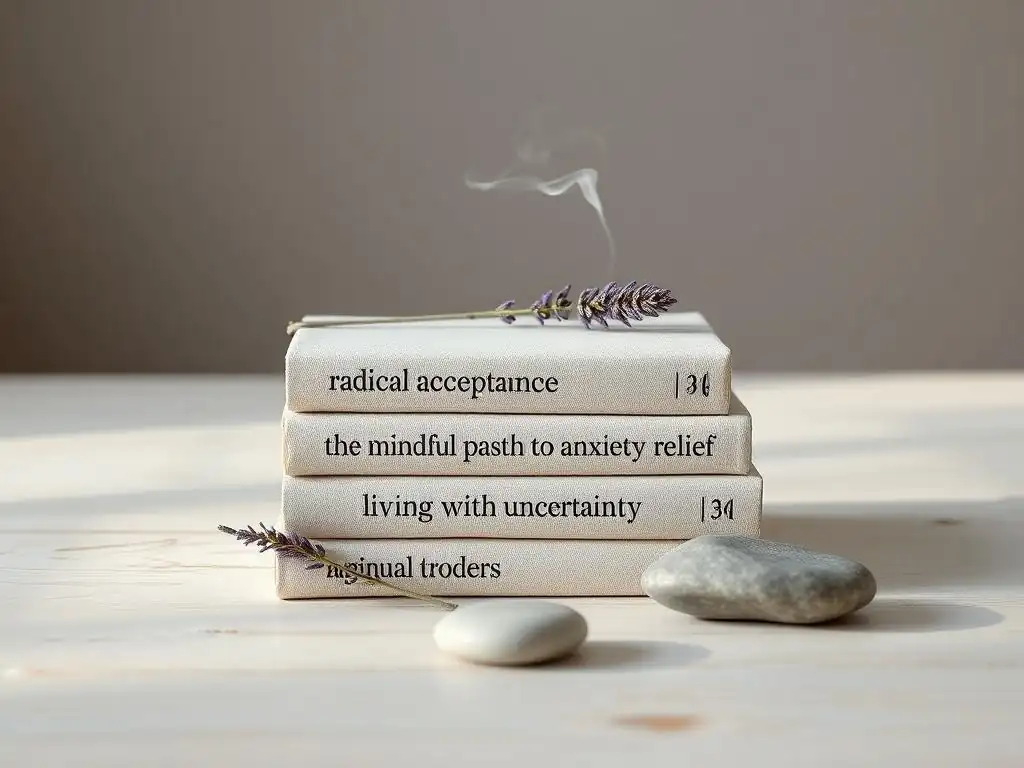
Assessing Your Needs and Preferences for Anxiety Management
When selecting an anxiety acceptance-based book, it's important to first assess your specific needs and preferences. Are you looking for a book that is highly structured, like a program you follow week by week? Or do you prefer a more philosophical exploration of acceptance and mindfulness? Consider what aspects of anxiety management you want to focus on – perhaps it's reducing rumination, managing panic attacks, or integrating acceptance into daily life. Different anxiety acceptance based books cater to varying levels of familiarity with these concepts and offer different styles of guidance, from practical exercises to deeper dives into theory.
Think about your comfort level with concepts like meditation or challenging thought patterns. Some books are more gentle introductions, while others assume some prior knowledge. Identifying what resonates with you personally – whether it's a focus on thought work, bodily awareness, or self-compassion – will help you find a book that you are more likely to engage with consistently. For example, if you struggle with self-criticism, a book like Christopher Germer's might be a better starting point than one focused solely on meditation techniques.
Anxiety acceptance based books draw from various therapeutic modalities, primarily ACT and mindfulness, but often incorporate elements from CBT, self-compassion research, and positive psychology. Considering the author's background and the specific approach they emphasize is crucial. Jon Kabat-Zinn comes from a background of developing MBSR in medical settings, giving his work a strong emphasis on the mind-body connection and stress reduction. Authors writing from an ACT perspective, like Steven Hayes (though not featured above), focus more explicitly on values and committed action alongside acceptance and defusion.
Reading about the authors and their perspectives can give you insight into the tone and focus of their work. Some authors are more clinical, while others are more spiritual or philosophical. Since the goal is to find a resource that you will return to and practice from, selecting an author and approach that feels relatable and trustworthy is key. Exploring summaries or reviews can help you understand the author's style and determine if it aligns with how you best learn and engage with information about managing anxiety.
Evaluating Reviews and Samples to Find the Best Fit
Before committing to an anxiety acceptance-based book, take the time to evaluate reviews and, if possible, read samples. Look at reviews on reputable book sites or mental health platforms. Pay attention to comments about the book's clarity, practicality, and whether readers found the techniques effective for their anxiety. While individual experiences vary, recurring positive feedback on specific aspects, such as the exercises or the author's tone, can be good indicators.
Reading a sample chapter or a few pages can give you a feel for the author's writing style and the complexity of the material. Does the language feel accessible? Are the concepts explained clearly? Are the exercises easy to understand? Most online bookstores offer preview features that allow you to read the introduction or a sample chapter. This step is invaluable in ensuring that the book's presentation and content align with your expectations and learning style, helping you confidently choose from the many anxiety acceptance based books available.
Integrating Acceptance-Based Techniques into Your Anxiety Management
Combining ACT/Mindfulness with Other Therapies
Integrating techniques from anxiety acceptance based books, such as those based on ACT and mindfulness, can significantly enhance the effectiveness of other therapeutic approaches. For instance, combining the acceptance and defusion skills learned from ACT with the cognitive restructuring techniques from CBT can provide a more holistic approach. While CBT might challenge the content of anxious thoughts, ACT helps change the relationship with those thoughts, reducing their power whether they are true or not.
Mindfulness practices, like those taught in Kabat-Zinn's books, can also be integrated with exposure therapy, a common treatment for anxiety disorders. By practicing mindfulness during exposure exercises, individuals can learn to tolerate the physical sensations and fears that arise without resorting to avoidance or safety behaviors. This combination allows for a deeper processing of fear and a stronger ability to remain present during challenging situations. Discussing how to combine these approaches with a therapist can help tailor the integration to your specific needs.
Building a Support System
Managing anxiety is rarely a solitary journey, and building a support system is a vital part of integrating acceptance-based techniques. This system can include understanding friends, family members, or support groups. Sharing your experiences and the strategies you are learning from anxiety acceptance based books with trusted individuals can provide emotional validation and practical encouragement. Explaining concepts like acceptance or cognitive defusion to someone else can also help solidify your own understanding.
Support groups, whether online or in-person, offer a space to connect with others who understand the challenges of living with anxiety. Hearing how others apply acceptance principles or mindfulness in their daily lives can provide new perspectives and motivation. A supportive environment reduces feelings of isolation, a common experience with anxiety, and reinforces the principle of common humanity taught in self-compassion practices.
Consulting with a Mental Health Professional
While anxiety acceptance based books offer valuable tools and insights, they are not a substitute for professional help, especially for moderate to severe anxiety. Consulting with a licensed therapist or counselor who is trained in ACT, mindfulness, or other acceptance-based approaches can significantly enhance your journey. A professional can help you understand the concepts more deeply, tailor the techniques to your specific situation, and work through complex issues that might arise.
A therapist can also help identify co-occurring conditions, such as depression or trauma, which might impact your anxiety and require specialized treatment. They can provide personalized guidance on which techniques from anxiety acceptance based books might be most beneficial for you and help troubleshoot difficulties you encounter while practicing. Regular therapy sessions, combined with self-directed learning from books, create a powerful synergy for long-term anxiety management and personal growth.
Additional Resources for Learning Acceptance and Commitment Therapy

Online Courses and Workshops
Beyond anxiety acceptance based books, numerous online courses and workshops offer structured learning opportunities for ACT and mindfulness. Platforms like Coursera, edX, and specialized mental health websites often host courses taught by leading experts in the field. These courses typically include video lectures, guided exercises, readings, and forums for interaction. Workshops, often offered by therapy centers or professional organizations, provide more intensive, interactive learning experiences, sometimes focusing on specific applications of ACT for anxiety, depression, or other issues.
These resources can provide a more dynamic and interactive way to learn the principles compared to reading alone. They often include guided meditations and experiential exercises that are crucial for truly grasping acceptance and mindfulness concepts. While some resources are free, others require payment, but they can offer a deeper dive into the material and provide a sense of community with other learners.
Finding a Therapist or Counselor
Finding a therapist or counselor specializing in acceptance-based therapies like ACT is a critical step for many seeking professional support. Several directories can help locate such professionals. Websites like the Association for Contextual Behavioral Science (ACBS), which is the main professional body for ACT, often have find-a-therapist tools. Psychology Today and similar online directories also allow filtering by therapeutic approach.
When searching, look for therapists who list ACT, mindfulness, or other third-wave behavioral therapies among their specialties. Don't hesitate to ask potential therapists about their training and experience with these modalities during an initial consultation. Finding a good fit with a therapist is essential for building a trusting relationship and effectively applying the principles learned from anxiety acceptance based books and other resources.
Utilizing Mindfulness Apps
Mindfulness apps can be excellent supplementary tools for integrating acceptance and mindfulness practices into daily life. Popular apps like Calm, Headspace, Insight Timer, and Ten Percent Happier offer guided meditations, breathing exercises, and programs specifically designed for stress and anxiety reduction. Many include sessions based on principles found in anxiety acceptance based books and therapeutic practices.
These apps make it convenient to practice mindfulness anytime, anywhere. They can help establish a regular meditation habit, provide gentle reminders to be present, and offer guided practices ranging from a few minutes to longer sessions. While apps should not replace professional help or in-depth learning from books or courses, they serve as accessible tools for consistent practice, which is key to developing the skills of acceptance and present-moment awareness needed for managing anxiety.
Conclusion: Embracing Acceptance for a More Fulfilling Life
The Power of Acceptance in Reducing Anxiety
Embracing acceptance, as taught in effective anxiety acceptance based books and therapeutic approaches like ACT, holds significant power in transforming the experience of anxiety. Rather than engaging in an exhausting struggle against unwanted thoughts and feelings, acceptance allows individuals to acknowledge their internal experiences with less resistance. This shift can paradoxically reduce the intensity and frequency of suffering associated with anxiety, freeing up mental and emotional resources. It's not about eliminating anxiety, but about learning to live a rich and meaningful life alongside it.
Acceptance fosters psychological flexibility, enabling individuals to respond to challenges based on their values rather than being dictated by fear or avoidance. By cultivating present-moment awareness and defusing from overwhelming thoughts, people can regain a sense of control over their actions, even when they feel out of control internally. This fundamental change in relationship with anxiety is a cornerstone for building resilience and well-being.
Taking the First Steps
Taking the first steps towards embracing acceptance can feel daunting, but it often begins with small, consistent practices. This might involve reading the introductory chapters of one of the recommended anxiety acceptance based books, trying a short guided meditation from an app, or simply practicing mindful breathing for a few minutes each day. The goal is not perfection, but progress and persistence.
Start by simply noticing your thoughts and feelings without judgment for short periods. Gradually introduce concepts like cognitive defusion by observing thoughts as just words or images. Explore what truly matters to you – your values – and consider small actions you can take towards living in line with those values, even if anxiety is present. Each small step builds momentum and reinforces your ability to engage with life more fully.
Continuous Learning and Growth
The journey of managing anxiety with acceptance is one of continuous learning and growth. It's not a destination to be reached, but a practice to be cultivated over time. Revisit the principles and exercises in your chosen anxiety acceptance based books regularly. Explore different authors and resources as your understanding deepens. Consider joining a mindfulness group or continuing therapy to refine your skills and gain ongoing support.
Embracing acceptance means acknowledging that challenges will still arise, but you will have developed a more flexible and compassionate way of navigating them. The skills of mindfulness, acceptance, defusion, self-compassion, and values-based action provide a robust toolkit for living a life less defined by anxiety and more aligned with what truly matters. This ongoing process of learning and applying these principles fosters resilience and supports long-term mental well-being.
Frequently Asked Questions
What are Acceptance-Based Books for Living with Anxiety?
Acceptance-based books focus on strategies that encourage individuals to accept their feelings rather than fight them. They provide insights and tools for managing anxiety through acceptance and mindfulness.
How can these books help individuals with anxiety?
These books offer practical techniques and frameworks that help individuals understand and manage their anxiety, promoting self-compassion and resilience in the face of challenges.
Yes, the article highlights several expert authors known for their contributions to acceptance-based approaches, providing readers with a variety of perspectives and strategies.
Can these books be beneficial for anyone experiencing anxiety?
Absolutely! While they are particularly helpful for those with anxiety, the principles of acceptance can be valuable for anyone seeking to improve their mental well-being and emotional resilience.
Where can I find these acceptance-based books?
You can find these books at local bookstores, online retailers, or through libraries, making them widely accessible for anyone interested in enhancing their understanding of anxiety.
Final Reflection: Embracing Uncertainty, Finding Peace
The overwhelming prevalence of anxiety in our modern world demands innovative approaches to coping, and acceptance-based strategies offer a powerful pathway to managing its grip. These strategies, explored through the lens of the expert-recommended books highlighted in this article, provide not just coping mechanisms, but a fundamental shift in perspective – from fighting anxiety to learning to live alongside it. This isn't about ignoring or suppressing difficult emotions; it's about finding a way to be present with them without letting them define your life.
The impact of acceptance-based approaches extends far beyond the individual. By normalizing the experience of anxiety and offering practical tools for managing it, these books contribute to a broader cultural shift. They challenge the pervasive stigma surrounding mental health, fostering a more compassionate and understanding environment. As Jon Kabat-Zinn wisely stated, You can't stop the waves, but you can learn to surf.
This perfectly encapsulates the essence of acceptance-based approaches: acknowledging the inevitable ebb and flow of anxious feelings while developing the skills to navigate them effectively.
Consider the books discussed within this article as your guide. They are not quick fixes, but rather invitations to embark on a journey of self-discovery and resilience. I urge you to explore these resources, to engage with the principles they present, and to begin cultivating a more accepting relationship with your own inner experience. The path to peace may not always be easy, but with the right tools and a willingness to embrace uncertainty, you can find a way to live a more fulfilling and meaningful life, even amidst the challenges of anxiety.
Unleash Your Inner Calm: Take Control of Anxiety Today
Thanks for taking the time to explore the world of acceptance-based books for anxiety management! We hope you found valuable insights and tools to navigate your journey. Now, it's time to put these learnings into practice.
- Dive deeper: Select one book from our recommended list and begin reading immediately. Even a few pages a day can make a difference. Focus on implementing the practical strategies the author presents.
- Share your journey: Connect with others online or in person and share your experience with acceptance-based strategies for anxiety. You might be surprised by the support you find and the wisdom you gain from others.
- Try a mindfulness exercise: Take just five minutes to practice a simple mindfulness exercise, focusing on your breath or your senses. This small act of self-care can significantly impact your overall well-being.
What small step will you take today to cultivate more calm and acceptance in your life?