
How Gratitude Prayer Improves Your Outlook


Welcome to Mind Care Guide, your sanctuary for cultivating inner peace and navigating the complexities of mental well-being.
Feeling overwhelmed? Discover how the simple act of gratitude prayer can profoundly reshape your outlook and foster a more positive perspective. Explore our comprehensive guide to unlock the transformative power of thankfulness and begin your journey towards a brighter, more resilient you. Curious to learn more?
How Gratitude Prayer Improves Your Outlook: A Mind Care Guide
- Understanding the Power of Gratitude Prayer for Mental Well-being
- The Science Behind Gratitude and Improved Mental Health
- Benefits of Practicing Gratitude Prayer: A Comprehensive Overview
- How to Start Your Own Gratitude Prayer Practice: A Step-by-Step Guide
- Different Forms of Gratitude Prayer: Exploring Various Techniques
- Overcoming Challenges in Maintaining a Gratitude Prayer Practice
- Real-Life Examples: Stories of Transformation Through Gratitude Prayer
- The Long-Term Effects of Gratitude Prayer on Your Overall Outlook
- Integrating Gratitude Prayer with Other Mental Well-being Practices
- Resources for Further Exploration of Gratitude and Prayer
- Conclusion: Embrace Gratitude Prayer for a Brighter Outlook on Life.
-
Frequently Asked Questions
- How does gratitude prayer specifically improve my outlook?
- What is the difference between a gratitude prayer and a regular prayer?
- How often should I practice gratitude prayer to see a noticeable improvement in my outlook?
- Are there specific types of gratitude prayers that are more effective than others?
- What if I'm struggling to find things to be grateful for?
- Final Reflection: The Transformative Power of Gratitude Prayer
- Unlock Your Inner Gratitude: Start Practicing Today!
Understanding the Power of Gratitude Prayer for Mental Well-being
Exploring the Connection Between Spirituality, Prayer, and Mental Health
Spirituality and mental health are deeply intertwined, with many studies highlighting the positive impact of spiritual practices on psychological well-being. Engaging in spiritual activities, including prayer, can provide individuals with a sense of purpose, belonging, and hope, which are crucial components of a healthy mind. For centuries, prayer has served as a coping mechanism, offering solace during difficult times and fostering a connection to something greater than oneself.
This connection can reduce feelings of isolation and provide a framework for understanding life's challenges. Research has shown that individuals who engage in regular spiritual practices often report lower levels of depression and anxiety, and higher levels of life satisfaction. For instance, some studies suggest that religiously or spiritually involved individuals are less likely to experience major depressive episodes.
Furthermore, the act of prayer itself can influence mental states. The rhythmic nature of some prayers, the focus on positive or comforting thoughts, and the act of surrendering worries can induce a state similar to meditation, promoting relaxation and reducing physiological stress responses. Prayer can also reinforce positive beliefs and values, guiding individuals toward more constructive ways of thinking and behaving.
This spiritual engagement can act as a protective factor against mental health challenges, offering a reliable source of comfort and strength. It provides a structured way for individuals to process emotions, seek guidance, and affirm their resilience in the face of adversity, contributing significantly to overall mental well-being.
Introducing Gratitude Prayer: A Path to Positive Thinking
Gratitude prayer is a specific form of prayer focused on expressing thankfulness for the blessings in one's life, rather than solely asking for intervention or help. This practice intentionally shifts the focus from worries, lacks, or problems to the positive aspects of one's existence, no matter how small.
It is a deliberate act of acknowledging and appreciating the good, which can fundamentally alter one's perspective and cultivate a more positive outlook. By centering prayer on gratitude, individuals train their minds to notice and value the present gifts, counteracting the natural human tendency to focus on perceived negatives or future anxieties.
This intentional focus on thankfulness serves as a powerful tool for cognitive restructuring. Instead of dwelling on what is wrong, gratitude prayer encourages reflection on what is right and good. This simple shift can interrupt cycles of negative rumination and foster a mindset oriented towards appreciation and contentment. Engaging in this practice regularly helps to build a reservoir of positive emotions and perspectives, making individuals more resilient to stress and disappointment. It is a proactive approach to mental wellness, actively cultivating a sense of abundance and peace through the conscious expression of thanks.
The Science Behind Gratitude and Improved Mental Health
Studies on Gratitude's Impact on Mood and Well-being
Extensive psychological research has documented the profound impact of gratitude on mood and overall well-being. Studies consistently show that individuals who regularly practice gratitude report higher levels of happiness, optimism, and positive emotions. For example, a study published in the Journal of Personality and Social Psychology by Emmons and McCullough (2003) found that participants who kept weekly gratitude journals reported being more optimistic and feeling better about their lives as a whole compared to control groups.
They even reported fewer physical symptoms. This suggests a direct link between actively acknowledging sources of gratitude and experiencing improved emotional states and physical health perceptions.
Further research has explored gratitude's role in reducing symptoms of depression and anxiety. A study involving young adults demonstrated that a simple gratitude intervention, such as writing a letter of thanks, could lead to significant reductions in depressive symptoms within weeks. The act of focusing on what one is thankful for appears to counteract the negative thought patterns often associated with these conditions. Gratitude practices encourage a shift in attention away from perceived failures or shortcomings towards acknowledging support, resources, and positive experiences, thereby fostering a more hopeful and less anxious state of mind.
How Gratitude Changes Your Brain: The Neuroscience of Thankfulness
Neuroscience provides fascinating insights into how gratitude impacts brain function. When you experience or express gratitude, your brain releases neurotransmitters like dopamine and serotonin, which are known as "feel-good" chemicals. These chemicals are associated with feelings of pleasure, happiness, and well-being. The consistent practice of gratitude can lead to a rewiring of neural pathways, making the brain more prone to feeling and expressing gratitude over time. This is akin to building a muscle; the more you practice, the stronger the neural connections associated with gratitude become.
Moreover, research using fMRI scans has shown that expressing gratitude activates areas in the brain associated with moral and social cognition, reward, and pleasure. Specifically, areas like the medial prefrontal cortex (mPFC), which is involved in understanding others' intentions and traits, show increased activity when people feel grateful. This suggests that gratitude isn't just a fleeting emotion but involves complex cognitive processes related to recognizing kindness and reciprocation. This neural activity contributes to the lasting positive effects of gratitude on mood and social bonding, demonstrating how gratitude prayer improves outlook not just emotionally, but structurally in the brain.
Gratitude Prayer as a Tool for Combating Negative Thoughts
Gratitude prayer offers a structured and spiritual method for actively challenging negative thought patterns. When engaged in prayer focused on thankfulness, the mind is intentionally directed away from worries, fears, or resentments. This deliberate redirection serves as a powerful cognitive interruption technique.
Instead of passively letting negative thoughts spiral, the individual actively chooses to focus on specific blessings, invoking feelings of appreciation that are incompatible with negative emotional states. For instance, if someone is plagued by thoughts of scarcity, a gratitude prayer for the food on their table or the roof over their head directly confronts that negative narrative with evidence of provision.
The repetitive nature of prayer can also reinforce positive thoughts and beliefs. By regularly listing or contemplating things to be grateful for within a prayerful context, individuals strengthen the neural pathways associated with positive thinking. This practice helps to build a mental habit of seeking out the good, even in challenging circumstances. Over time, this makes it easier to naturally recognize and appreciate positive aspects of life, reducing the dominance of negative or critical internal dialogue. Thus, gratitude prayer serves as a proactive and spiritual intervention for cultivating a more positive and resilient mindset.
Benefits of Practicing Gratitude Prayer: A Comprehensive Overview
Enhanced Emotional Resilience Through Gratitude
Practicing gratitude prayer significantly enhances emotional resilience, which is the ability to bounce back from adversity. By regularly focusing on blessings, individuals build a reserve of positive emotions and perspectives that act as a buffer against stress and setbacks.
When faced with difficulties, a person accustomed to gratitude can more readily identify sources of support, inner strength, and reasons for hope, even amidst pain. For example, instead of being overwhelmed by a job loss, a grateful individual might find solace in the support of family, the lessons learned, or the opportunity for a new direction, viewing the challenge through a lens of potential growth rather than just loss.
This resilience is partly due to gratitude's ability to broaden our perspective. It encourages us to look beyond our immediate problems and appreciate the wider context of our lives, including relationships, past successes, and fundamental needs being met. This broader view diminishes the perceived magnitude of current difficulties and fosters a sense of perspective. Studies have shown that grateful individuals are better equipped to cope with trauma and stress, experiencing lower rates of post-traumatic stress symptoms. This demonstrates the protective power of gratitude, cultivated through practices like gratitude prayer, in navigating life's inevitable challenges.
Reducing Stress and Anxiety with Gratitude-Focused Prayer
Gratitude-focused prayer is a potent tool for reducing stress and anxiety. The act of deliberately shifting attention from worries to sources of thankfulness interrupts the stress response cycle. Stress and anxiety often stem from focusing on perceived threats, uncertainties, or deficiencies. Gratitude prayer counteracts this by directing the mind towards safety, security, and abundance. As mentioned previously, this focus triggers the release of calming neurotransmitters and activates brain regions associated with peace and reward, lowering physiological indicators of stress like heart rate and cortisol levels.
Furthermore, incorporating gratitude into prayer provides a spiritual framework for releasing worries. Trusting in a higher power or universal goodness can alleviate the burden of feeling solely responsible for outcomes. Expressing gratitude within this context reinforces faith and acceptance, reducing the need for excessive control or worry. For instance, a prayer thanking for guidance or strength received in the past can instill confidence in facing future challenges, diminishing anticipatory anxiety. This practice anchors the individual in the present moment's blessings, providing respite from future-oriented fears and past-oriented regrets that fuel anxiety.
Cultivating Optimism and Hope with Daily Gratitude
Daily gratitude, particularly through prayer, is a powerful catalyst for cultivating optimism and hope. Optimism is the general expectation that good things will happen, and hope involves believing that positive outcomes are possible, even in difficult circumstances. By consistently acknowledging the good in their lives, individuals naturally train their minds to look for and expect more good. Each act of gratitude reinforces the belief that life contains blessings and that positive experiences are attainable. This stands in contrast to a pessimistic outlook, which tends to focus on problems and anticipate negative results.
Gratitude prayer fosters hope by reminding individuals of past instances of support, resilience, and positive turnarounds. Thanking for overcoming past challenges or receiving help when needed builds confidence in one's ability to navigate future difficulties. It reinforces a belief in the potential for positive change and growth. For example, thanking for healing received after an illness instills hope for recovery from future health issues. This consistent reinforcement of positive experiences and potential through gratitude prayer strengthens both optimism about the future and hope in challenging present situations.
Fostering Stronger Relationships Through Appreciation
Expressing gratitude, including within the context of prayer that might acknowledge the people in one's life, is fundamental to fostering stronger relationships. When we feel and express gratitude towards others, it strengthens social bonds and promotes pro-social behavior. Acknowledging the kindness, support, or positive influence of friends, family, or even strangers validates their actions and makes them feel valued. This mutual appreciation creates a positive feedback loop, encouraging further acts of kindness and strengthening the connection.
Gratitude prayer can extend this appreciation beyond direct interaction, cultivating a grateful heart for others. Praying in thanks for a loved one's health, happiness, or presence in your life deepens your own appreciation for them, which can then translate into more loving and supportive behavior. Research indicates that expressing gratitude in relationships is linked to increased relationship satisfaction and commitment.
For instance, couples who regularly express gratitude towards each other report higher levels of marital satisfaction. By cultivating a grateful heart through prayer, you become more aware of and appreciative of the people in your life, leading to richer, more fulfilling relationships.
How to Start Your Own Gratitude Prayer Practice: A Step-by-Step Guide

Starting a gratitude prayer practice can be a simple yet transformative process. Here's a basic guide:
- Set Intentions: Decide why you want to start this practice and what you hope to gain.
- Find Your Space: Choose a quiet, comfortable place where you won't be interrupted.
- Schedule Time: Decide when you will practice – perhaps first thing in the morning or before bed.
- Begin with Reflection: Take a moment to breathe deeply and quiet your mind.
- Express Thanks: Begin expressing gratitude, either silently, aloud, or in writing.
- Be Specific: Instead of just saying "thank you for everything," name specific things.
- Be Consistent: Aim for daily practice, even if it's just for a few minutes.
- Be Patient: Don't get discouraged if your mind wanders. Gently bring it back to gratitude.
Setting Intentions for Your Gratitude Prayer
Setting clear intentions is a crucial first step in establishing a meaningful gratitude prayer practice. Before you begin, take a moment to reflect on why you are undertaking this spiritual discipline. Are you seeking to reduce anxiety, cultivate more joy, improve your outlook, or deepen your connection to the divine or the good in the world? Articulating your purpose helps to focus your mind and energy during the prayer itself. For example, your intention might be "to notice and appreciate the small blessings in my day" or "to release worries by focusing on moments of grace."
Having a clear intention also helps you stay motivated and consistent. When you know why you are practicing, it's easier to commit to doing it regularly, even when you don't feel like it. Write down your intention if it helps, and revisit it periodically. This foundational step ensures that your gratitude prayer is not just a rote exercise but a purposeful spiritual act aimed at specific positive outcomes for your mental and emotional well-being.
Finding a Comfortable and Peaceful Space for Prayer
The physical environment can significantly impact the quality of your prayer and reflection. Finding a comfortable and peaceful space is essential for minimizing distractions and allowing yourself to fully immerse in the practice of gratitude prayer. This doesn't require a dedicated prayer room; it could be a quiet corner of your living room, a spot by a window, a chair in your garden, or even just a moment in your parked car before starting your day. The key is to choose a location where you feel safe, relaxed, and unlikely to be interrupted for the duration of your practice.
Ensure the space is tidy and comfortable. You might sit on a cushion, a chair, or even stand, depending on what feels most conducive to prayer for you. Some people find it helpful to have a candle, a meaningful object, or simply a clear view to focus on. The goal is to create an environment that supports introspection and thankfulness, allowing you to quiet external noise and focus inward on your heart and the blessings you wish to acknowledge.
Expressing Gratitude for Specific Blessings: A Practical Approach
While a general feeling of thankfulness is beneficial, a more powerful and practical approach in gratitude prayer is to express gratitude for specific blessings. Instead of a broad "Thank you for everything," focus on concrete details. For instance, instead of "Thank you for my family," you might say, "Thank you for my daughter's laughter today," or "Thank you for my partner's support during my difficult week." This specificity makes the gratitude feel more real, tangible, and impactful. It helps to anchor your awareness in the present moment and notice the richness of your actual life experiences.
Make a conscious effort to look for the specifics, even in ordinary moments. Did you enjoy a good cup of coffee? Thank for that. Did you have a pleasant conversation? Thank for the connection.
Did you see a beautiful sunset? Thank for the beauty. This practice trains your brain to actively seek out the good, shifting your focus from abstract concepts to concrete, positive realities. Regularly acknowledging these specific blessings in your gratitude prayer reinforces their value and helps to build a strong sense of appreciation for the details of your life, which significantly contributes to how gratitude prayer improves outlook.
Incorporating Gratitude into Your Daily Routine
Consistency is key to experiencing the full benefits of gratitude prayer. Incorporating it into your daily routine helps solidify it as a habit and ensures its ongoing positive impact on your mental well-being. Choose a time that works best for you and try to stick to it. For many, integrating it into morning or evening routines is effective – perhaps upon waking, during a commute, before meals, or before going to sleep. Even just 5-10 minutes dedicated to focused gratitude prayer can make a difference.
Consider linking your gratitude prayer to an existing habit. For example, you might decide to practice gratitude prayer immediately after brushing your teeth, during your morning coffee, or right before opening your laptop to start work. This 'habit stacking' makes it easier to remember and maintain the practice. Over time, this consistent expression of thankfulness becomes a natural part of your day, steadily contributing to a more positive and resilient outlook on life.
Different Forms of Gratitude Prayer: Exploring Various Techniques
Gratitude prayer is not limited to one specific format; it can take many forms depending on individual preferences and spiritual backgrounds. Exploring different techniques can help you find the most meaningful way to express your thankfulness.
- Traditional Prayer: Following established prayers of thanksgiving from a specific faith tradition.
- Freeform Prayer: Speaking or thinking spontaneously about what you are grateful for.
- Written Prayer: Journaling your gratitude in the form of a prayer or letter of thanks.
- Mindful Appreciation: Combining mindfulness with focusing on things you appreciate.
- Affirmations: Using positive statements incorporating gratitude.
Traditional Prayer of Thanksgiving
Many religious and spiritual traditions include established prayers specifically focused on giving thanks. These prayers often use time-honored language and structure to express gratitude to a higher power for blessings received. Examples include prayers of thanksgiving found in Christian liturgies, Jewish blessings (like the Modeh Ani for morning gratitude), Islamic prayers (like Alhamdulillah, meaning "Praise be to God"), or various hymns and chants in other traditions. Engaging with these traditional forms can provide a sense of connection to a larger community and a rich history of spiritual practice.
Using traditional prayers can be particularly helpful when you find it difficult to articulate your feelings or when you seek a structured way to engage with gratitude. The familiar words can guide your thoughts and emotions towards thankfulness, even on days when you feel less inclined. These prayers often encompass broad themes of gratitude for life, health, family, community, and spiritual guidance, offering a comprehensive framework for acknowledging blessings from a spiritual perspective.
Gratitude Journaling as a Prayer Form
Gratitude journaling is a popular and effective method that can easily be adapted into a form of gratitude prayer. Instead of simply listing things you are grateful for, frame your entries as a direct address to a higher power, the universe, or simply the source of your blessings. For example, instead of writing "I am grateful for my friend Sarah," you might write, "Thank you, [Higher Power/Universe], for bringing my friend Sarah into my life and for her support today." This adds a spiritual dimension to the journaling process, turning reflection into a form of communication and devotion.
This method offers the tangible benefit of having a written record of your blessings, which you can revisit during challenging times to remember sources of hope and strength. The act of writing itself can help process emotions and clarify thoughts, making the expression of gratitude more profound. Dedicating a specific notebook to this practice can create a sacred space for your written prayers of thankfulness, making the act feel more intentional and significant.
Mindfulness and Gratitude Meditation
Combining mindfulness techniques with gratitude meditation is another powerful approach. Mindfulness involves paying attention to the present moment without judgment. In a gratitude meditation, you bring this non-judgmental awareness to the feeling and experience of gratitude. You might sit quietly, focus on your breath, and then gently bring to mind things you are grateful for, allowing the feeling of thankfulness to permeate your being. This can involve focusing on physical sensations associated with gratitude, noticing the thoughts that arise, or simply resting in the feeling of appreciation.
This method helps to deepen the emotional experience of gratitude. By mindfully focusing on how gratitude feels in your body and mind, you strengthen the connection between the thought of thankfulness and the positive physical and emotional response. It's not just about listing items but about feeling the gratitude fully. This practice can be done anywhere, anytime, offering a flexible way to integrate gratitude into your day and use it as a tool for present-moment peace and improved outlook.
Using Affirmations in Gratitude Prayer
Affirmations are positive statements used to challenge negative thoughts and beliefs. Incorporating affirmations into gratitude prayer involves creating and repeating phrases that combine thankfulness with positive declarations about life and self. For example, you might use affirmations like:
- "I am thankful for the abundance flowing into my life."
- "With a grateful heart, I embrace the good in this day."
- "I am thankful for my strength and resilience."
- "Every day, I find new reasons to be grateful, and my outlook improves."
These affirmations can be repeated silently or aloud as part of your prayer time. They serve to reinforce the mindset of gratitude and actively counter negative self-talk or pessimistic views. By repeatedly affirming thankfulness and positive outcomes, you train your subconscious mind to align with a more optimistic perspective. This technique leverages the power of positive language within a spiritual context to cultivate a grateful and hopeful outlook.
Overcoming Challenges in Maintaining a Gratitude Prayer Practice
Like any spiritual or personal growth practice, maintaining gratitude prayer can present challenges. Life happens, negative emotions arise, and consistency can be difficult. Recognizing these potential hurdles is the first step to overcoming them.
- Dealing with Negative Emotions: It's hard to feel grateful when you're sad or angry.
- Staying Consistent: Daily life can easily disrupt new habits.
- Finding New Things: Sometimes it feels like you're grateful for the same things every day.
Dealing with Negative Emotions and Difficult Times
One of the most significant challenges in maintaining gratitude prayer is practicing it during periods of negative emotions or difficult times. When you are feeling sad, angry, stressed, or in pain, expressing gratitude can feel inauthentic or even impossible. However, these are often the times when the practice is most needed. Instead of forcing a feeling of overwhelming joy, during difficult periods, gratitude prayer can focus on finding even the smallest glimmers of light. This might involve being grateful for the simple act of breathing, the support of one person, or the knowledge that difficult times are temporary.
It's important to be compassionate with yourself. If a full gratitude prayer feels too much, start small. Even acknowledging one tiny positive thing can shift your perspective slightly. Remember that gratitude doesn't mean ignoring pain or pretending everything is perfect; it means acknowledging the existence of good alongside the difficulty. Approaching the practice with empathy for your current state allows you to find authentic moments of thankfulness, which can be incredibly healing and help gratitude prayer improves outlook even in darkness.
Staying Consistent with Your Gratitude Practice
Consistency is often the biggest hurdle for any new habit. Life gets busy, schedules change, and motivation waxes and wanes. To stay consistent with gratitude prayer, try to integrate it into your existing routine, as suggested earlier. Make it non-negotiable, like brushing your teeth. If you miss a day, don't dwell on it; just pick up the practice again the next day. Perfection is not the goal; progress is.
Setting reminders, whether on your phone or simply associating the practice with a specific daily activity, can be very helpful. You might also consider having a visual cue, like a gratitude journal placed on your nightstand or a specific chair designated for your prayer time. Finding an accountability partner, perhaps a friend or family member also interested in the practice, can provide mutual support and encouragement. Remember that short, consistent practices are more effective than sporadic, long ones. Even two minutes of focused gratitude prayer daily is better than an hour once a week.
Finding New Things to Be Grateful For
After practicing gratitude prayer for a while, you might feel like you are listing the same few things every day – health, family, home, job. While it's good to be consistently grateful for these major blessings, actively seeking out new things to appreciate keeps the practice fresh and deepens your awareness of the richness of life. Challenge yourself to notice something different each day. This could be a specific interaction, a moment of beauty in nature, a simple pleasure like a warm drink, a new skill you learned, or even a challenge that taught you something valuable.
Broaden your scope of gratitude. Beyond tangible things and people, consider being grateful for qualities (patience, resilience), experiences (a funny moment, a peaceful walk), opportunities (to learn, to help), or even challenges that led to growth. Looking for the extraordinary in the ordinary trains your mind to see the world through a lens of wonder and appreciation, continually providing fresh fuel for your gratitude prayer and reinforcing how gratitude prayer improves outlook by expanding your perspective.
Real-Life Examples: Stories of Transformation Through Gratitude Prayer
While individual experiences with spiritual practices are deeply personal, illustrative examples can highlight the potential impact of gratitude prayer on mental well-being and outlook. These simplified scenarios represent common ways this practice can foster transformation.
Case Study 1: Overcoming Chronic Pain Through Daily Gratitude Practice
Sarah, a 45-year-old woman, struggled with chronic back pain for several years, leading to significant frustration, sadness, and a sense of hopelessness. Her focus was constantly on the pain and its limitations. Encouraged by a therapist, she began incorporating a simple gratitude prayer into her morning routine.
Instead of ignoring the pain, she would acknowledge it, but then deliberately shift her focus. Her prayers started small: "Thank you for the ability to move my hands," or "Thank you for the comfortable chair I'm sitting in." Slowly, she expanded her gratitude to include the support of her family, the beauty of the sunrise she could see from her window, and even lessons learned through her struggle.
While the pain didn't miraculously disappear, Sarah's outlook significantly improved. She reported feeling less overwhelmed by the pain, experiencing moments of genuine joy and peace throughout the day. By consistently acknowledging aspects of her life beyond the pain, she reduced its psychological dominance.
Her focus shifted from what she had lost to what she still had and could appreciate. This change in perspective, cultivated through daily gratitude prayer, helped her build emotional resilience and find moments of brightness even amidst physical suffering. She learned that while pain was a reality, it didn't have to define her entire experience, and that gratitude prayer improves outlook even in the face of persistent challenges.
Case Study 2: Improving Marital Harmony by Expressing Gratitude Towards Partner
Mark and Lisa were experiencing increasing friction in their marriage, often focusing on each other's flaws and unmet expectations. They felt disconnected and resentful.
As part of an effort to improve their relationship, they decided to incorporate gratitude prayer, specifically focusing on expressing thankfulness for each other, either silently in their personal prayers or sometimes directly to each other. Each day, they would privately pray, thanking for specific positive qualities or actions of their spouse, such as "Thank you for Lisa's patience today when I was stressed," or "Thank you for Mark taking the time to listen to me this evening."
This simple practice began to subtly shift their perceptions. By actively looking for things to be grateful for in their partner, they started noticing positive actions and qualities they had previously overlooked or taken for granted. This reduced their focus on negatives and fostered feelings of appreciation.
They also began expressing this gratitude more openly to each other. Within a few months, they reported feeling more connected, understood, and appreciated by each other. The intentional focus on gratitude, cultivated through prayer, helped rebuild their emotional bond and significantly improved their marital harmony, demonstrating how gratitude prayer improves outlook not just internally, but within key relationships.
The Long-Term Effects of Gratitude Prayer on Your Overall Outlook
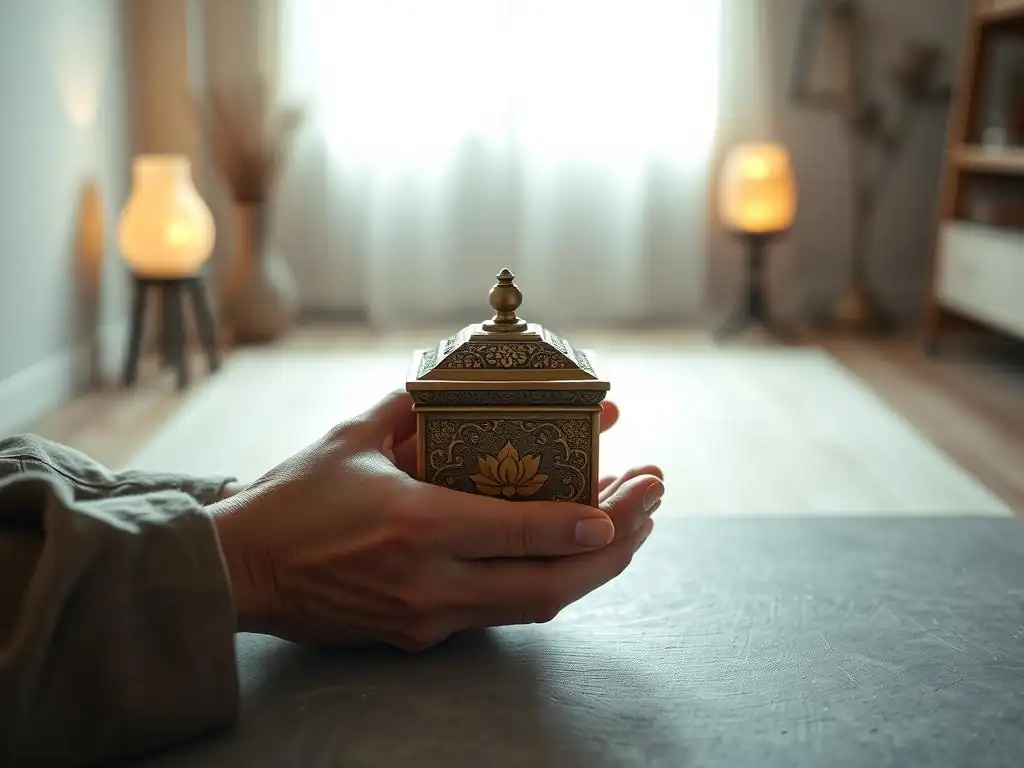
Consistent gratitude prayer is not a quick fix but a practice that yields cumulative, long-term benefits for your overall outlook on life.
Cultivating a More Positive and Appreciative Mindset
One of the most significant long-term effects of gratitude prayer is the cultivation of a consistently more positive and appreciative mindset. Over time, the repeated practice of seeking out and acknowledging blessings rewires your brain to naturally focus on the good. You become more attuned to positive experiences, noticing beauty, kindness, and moments of grace that you might have previously overlooked. This isn't about denying difficulties, but about developing the capacity to see the light alongside the shadow.
This shift in perception leads to a fundamental change in how you view the world and your place in it. You are less likely to fall into patterns of complaining or focusing on lack. Instead, you approach life with a sense of wonder and thankfulness, seeing challenges as opportunities for growth and everyday moments as sources of joy. This enduring positivity, fostered by consistent gratitude prayer, fundamentally changes your baseline outlook on life, making you more optimistic and resilient.
Developing a Deeper Sense of Purpose and Meaning
Gratitude prayer can also contribute to developing a deeper sense of purpose and meaning in life. By regularly reflecting on blessings, particularly those involving connection with others or contributions to the world, individuals gain clarity on what truly matters to them. Expressing gratitude for talents, opportunities, or the ability to help others can highlight personal strengths and values, pointing towards ways to live a more fulfilling life.
Furthermore, within a spiritual context, gratitude prayer often involves acknowledging a divine source or universal force. This connection can provide a sense of being part of something larger than oneself, imbuing life with greater significance and purpose. Thanking for guidance, strength, or the unfolding of one's path reinforces a belief in a meaningful journey. This combination of recognizing personal gifts and feeling connected to a greater whole fosters a profound sense of purpose and meaning, significantly enhancing one's overall outlook and life satisfaction.
Achieving Lasting Happiness and Fulfillment Through Gratitude
While fleeting moments of happiness are often tied to external circumstances, lasting happiness and fulfillment are more closely linked to internal states and perspectives. Gratitude prayer cultivates these internal states by shifting focus from what is lacking to what is abundant. By consistently appreciating what you have – health, relationships, experiences, opportunities – you reduce the tendency for hedonic adaptation, where you quickly get used to positive changes and start wanting more. Gratitude helps you savor the present good, leading to more sustained feelings of contentment.
This practice fosters fulfillment by aligning your focus with core values and the richness of your actual life. Instead of chasing external markers of success or happiness, gratitude prayer helps you find satisfaction in the simple, fundamental blessings. This internal source of contentment is more stable and enduring than happiness derived from external achievements. By making gratitude a cornerstone of your spiritual and daily life through prayer, you build a foundation for deep, lasting happiness and fulfillment, proving that gratitude prayer improves outlook in the most profound ways.
Integrating Gratitude Prayer with Other Mental Well-being Practices
Gratitude prayer is a powerful practice on its own, but its benefits can be amplified when integrated with other established mental well-being techniques.
Combining Gratitude with Mindfulness and Meditation
As touched upon earlier, combining gratitude prayer with mindfulness and meditation creates a potent synergy. While mindfulness focuses on present-moment awareness without judgment, adding gratitude directs that awareness towards appreciation. During a mindfulness meditation, instead of just observing your breath, you can mindfully observe feelings of warmth towards a loved one or the simple comfort of being seated, explicitly bringing gratitude into the present moment.
This integration enhances both practices. Mindfulness deepens the experience of gratitude, allowing you to fully feel the emotion and its physical sensations. Gratitude, in turn, provides a gentle and positive focus for mindfulness, making it easier to stay present and preventing the mind from wandering into negative thought loops. Practicing mindful gratitude prayer helps to cultivate a state of peaceful appreciation, reinforcing a positive outlook and reducing stress more effectively than either practice might achieve in isolation.
Using Gratitude to Enhance Cognitive Behavioral Therapy (CBT)
Cognitive Behavioral Therapy (CBT) is a widely used therapeutic approach that focuses on identifying and changing negative thought patterns and behaviors. Gratitude can serve as a powerful tool within a CBT framework. CBT often involves challenging distorted thinking; gratitude prayer provides a direct counter-practice by actively cultivating positive, reality-based thoughts focused on blessings. For example, if a CBT patient identifies a core belief like "I am unworthy," incorporating gratitude prayer for their positive qualities, supportive relationships, or past achievements directly challenges that negative belief with evidence of their value and worthiness.
Therapists might encourage patients to incorporate gratitude journaling or gratitude prayer as a behavioral activation technique, prompting them to engage in an activity known to improve mood and shift perspective. By making gratitude a conscious, prayerful practice, individuals reinforce the positive cognitive shifts being worked on in therapy. This integration leverages the structured approach of CBT with the spiritual and emotional depth of gratitude prayer, offering a holistic path to improving mental health and outlook.
The Synergy of Gratitude and Positive Affirmations
As noted earlier, using positive affirmations within gratitude prayer creates a powerful synergy. Affirmations focus on positive self-statements and beliefs about the future, while gratitude grounds these in present and past realities. When combined, you are not just stating positive possibilities, but rooting them in a foundation of acknowledged good. For example, the affirmation "I am capable and strong" can be reinforced by a gratitude prayer for past instances where you demonstrated capability and strength, or for the support systems that helped you persevere.
This combination is particularly effective for building self-esteem and hope. Gratitude provides the evidence base for the affirmations, making them feel more believable and potent. The affirmations, in turn, direct the energy of gratitude towards personal empowerment and a positive future outlook. Regularly practicing gratitude prayer alongside positive affirmations helps to reshape both your internal narrative and your expectations for life, creating a powerful force for improving your mental well-being and outlook.
Resources for Further Exploration of Gratitude and Prayer
For those interested in deepening their understanding and practice of gratitude prayer, numerous resources are available.
Recommended Books on Gratitude and Spirituality
Many authors and spiritual leaders have explored the profound connection between gratitude, spirituality, and well-being. Exploring their work can offer deeper insights and practical guidance. Look for books that discuss:
- The science of gratitude.
- Spiritual perspectives on thankfulness.
- How to integrate gratitude into daily life.
- Specific prayer practices focused on appreciation.
Some widely recognized authors in this space include Brother David Steindl-Rast (known for his work on grateful living), Robert Emmons (leading researcher on gratitude), and various spiritual teachers from diverse traditions who emphasize the importance of thankfulness. Reading can provide inspiration and new techniques to enhance your gratitude prayer practice.
Online Communities and Support Groups for Gratitude Practice
Connecting with others who are also working on cultivating gratitude can provide encouragement, shared wisdom, and a sense of community. Many online platforms host groups dedicated to gratitude practices, prayer, or spiritual well-being. These communities offer a space to share experiences, challenges, and successes.
- Look for forums or social media groups focused on gratitude.
- Explore groups centered around spiritual practices and prayer.
- Some mental health support groups also incorporate gratitude as a coping mechanism.
Engaging with these communities can offer valuable support and accountability, making it easier to stay consistent with your gratitude prayer and learn from the experiences of others.
Guided Gratitude Meditations and Prayers
For those who prefer a more structured approach or are new to prayer and meditation, guided sessions can be incredibly helpful. Many apps, websites, and podcasts offer guided gratitude meditations or prayers.
- Search for "guided gratitude meditation" on meditation apps.
- Look for spiritual or religious websites offering guided prayers of thanksgiving.
- Podcast platforms often feature series on gratitude, prayer, or mindful appreciation.
These guided resources can help you relax, focus your mind, and lead you through the process of expressing thankfulness. They are an excellent way to start or deepen your practice, providing support as gratitude prayer improves outlook step by step.
Conclusion: Embrace Gratitude Prayer for a Brighter Outlook on Life.
Frequently Asked Questions
How does gratitude prayer specifically improve my outlook?
Gratitude prayer shifts your focus from what you lack to what you have, fostering a more positive mindset. This rewires your brain to notice the good things in your life, leading to improved overall well-being.
What is the difference between a gratitude prayer and a regular prayer?
A gratitude prayer is specifically focused on expressing thanks for the blessings in your life. Regular prayer can encompass a wider range of requests, including seeking guidance or forgiveness, while gratitude prayer centers on appreciation.
How often should I practice gratitude prayer to see a noticeable improvement in my outlook?
Consistency is key; even a few minutes of daily gratitude prayer can yield noticeable results. Aim for at least 3-5 times per week to start, and adjust based on your personal experience and comfort.
Are there specific types of gratitude prayers that are more effective than others?
The most effective gratitude prayer is the one that resonates most deeply with you. Focus on sincere expressions of thanks for things you genuinely appreciate, whether big or small, and the feeling of gratitude it brings.
What if I'm struggling to find things to be grateful for?
Even in difficult times, there are always things to appreciate. Start small, focusing on basic necessities like food, shelter, or supportive relationships. Actively seeking out positive aspects of your life will help you identify more things to be thankful for.
Final Reflection: The Transformative Power of Gratitude Prayer
Gratitude prayer improves outlook by shifting our focus from what we lack to what we have, fostering a mindset of abundance and positivity in our daily lives. In a world often overshadowed by negativity and stress, the practice of gratitude prayer emerges as a beacon of hope, reminding us that even in challenging times, there is always something to be thankful for. This simple yet profound practice not only enhances our mental well-being but also cultivates resilience, allowing us to navigate life's ups and downs with grace and optimism.
The influence of gratitude prayer extends far beyond individual well-being; it shapes our collective cultural and social landscape. As we embrace gratitude, we foster deeper connections with others, creating a ripple effect that encourages kindness and compassion in our communities. Gratitude unlocks the fullness of life. It turns what we have into enough, and more.
This quote encapsulates the essence of gratitude prayer, illustrating how it enriches our experiences and relationships, ultimately leading to a more harmonious society.
As you reflect on the insights shared in this article, I invite you to incorporate gratitude prayer into your daily routine. Consider starting or ending your day with a moment of reflection on the things you are thankful for, allowing this practice to reshape your perspective and enhance your outlook on life. By embracing gratitude, you not only uplift your own spirit but also contribute to a more positive world around you. Let us all take a step towards a brighter future, one prayer of gratitude at a time.
Unlock Your Inner Gratitude: Start Practicing Today!
Thanks for taking the time to explore the power of gratitude prayer with us! We hope you gained valuable insights into how this simple practice can transform your perspective. Ready to embrace a more positive outlook?
- Begin your daily gratitude practice: Start small—list just three things you're thankful for each day. Notice how it shifts your focus.
- Share your gratitude with someone: Tell a loved one, a friend, or even a stranger what you're grateful for. Spread the positivity!
- Try a guided gratitude meditation: Search online for free resources to enhance your practice and deepen your connection.
What small act of gratitude will you express today to brighten your world and the lives of others?