
Creating a Supportive Environment for Personal Balance

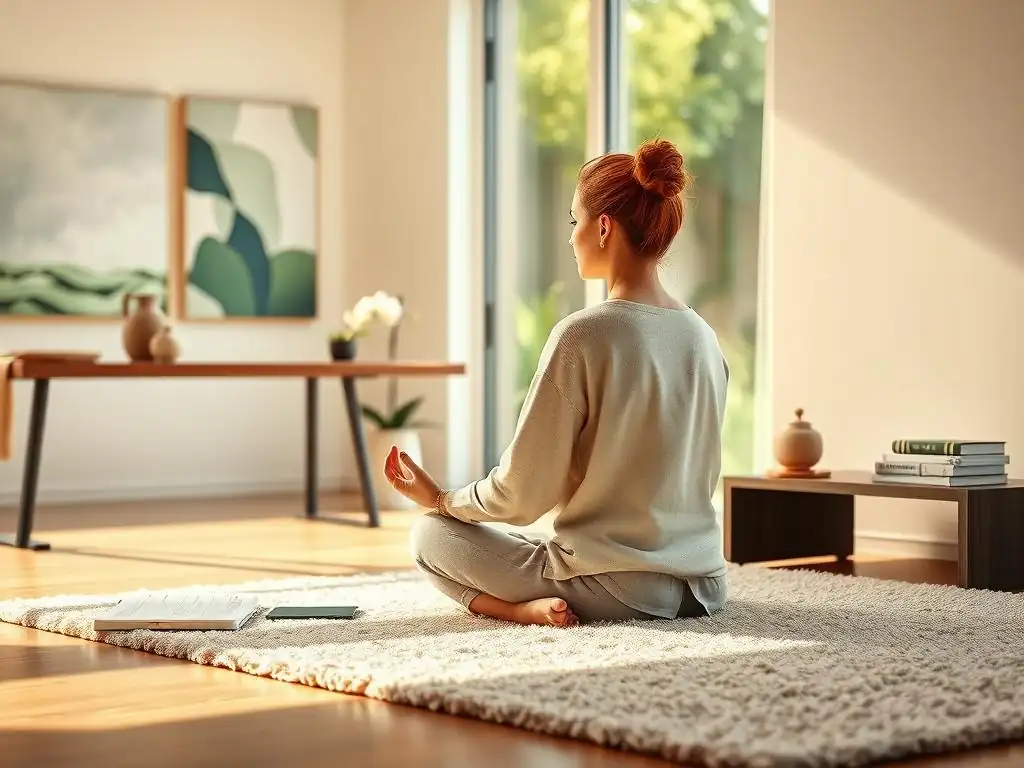
Welcome to Mind Care Guide, a space dedicated to nurturing your mental well-being.
Feeling overwhelmed by the demands of daily life? You're not alone. Many struggle to find equilibrium. This week, we delve into building a balanced lifestyle routine, offering practical strategies to reclaim your time, prioritize your needs, and cultivate a sense of inner peace. Curious about how small adjustments can make a big difference? Let's explore how you can create a supportive environment that fosters lasting personal balance.
Cultivating Well-being: A Holistic Approach to Life Balance
- Understanding the Foundation of a Balanced Life
- Evaluating Your Current State and Identifying Areas for Improvement
- Practical Strategies for Achieving Balance and Well-being
- Optimizing Your Home Environment for Well-being
- Fostering a Supportive Workplace Environment
- Sustaining Balance: Long-Term Strategies for Continued Well-being
- Addressing Challenges and Maintaining Momentum
- Resources for Continued Growth and Support
-
Frequently Asked Questions
- How can creating a supportive environment contribute to building a balanced lifestyle routine?
- What are some practical steps I can take to build a supportive environment at home for better mental well-being?
- How does having a strong social support network impact my ability to maintain a balanced lifestyle routine?
- What role does self-compassion play in creating a supportive environment for personal balance?
- How can I create a supportive environment at work to reduce stress and improve my mental well-being?
- Final Reflection: Cultivating the Oasis of Balance
- Unleash Your Inner Harmony: Take Charge of Your Well-being
Understanding the Foundation of a Balanced Life
Defining Well-being: A Personal Perspective
Well-being is a deeply personal concept, extending beyond mere physical health or the absence of illness. It encompasses a state of thriving across multiple dimensions of life, including emotional, mental, physical, social, and even spiritual aspects. For one person, it might mean having ample time for creative pursuits, while for another, it could be about fostering strong community ties or achieving professional satisfaction without burnout. Building a balanced lifestyle routine begins with understanding what this state of well-being truly means to you, as it provides the compass for your journey.
This personalized definition is crucial because what constitutes balance varies significantly from person to person and can change over time. A young professional might prioritize career growth and learning, dedicating significant hours to their job, provided they also allocate time for essential rest and social connection. In contrast, someone raising a family might define balance by successfully juggling childcare responsibilities with personal time and maintaining a healthy relationship with their partner. Recognizing your unique needs and priorities is the first step in effectively building a balanced lifestyle routine that supports your overall well-being.
The Positive Impact of Balance on Mental and Physical Health
Achieving a state of life balance has profound positive effects on both our mental and physical health. When we successfully integrate work, rest, social connection, and personal growth, stress levels typically decrease. Chronic stress, often a byproduct of an unbalanced life, is linked to numerous health issues, including heart disease, weakened immune function, and digestive problems. Studies have shown that individuals who report better work-life balance exhibit lower levels of cortisol, the primary stress hormone, which in turn reduces their risk of these stress-related ailments.
Beyond mitigating the negative impacts of stress, building a balanced lifestyle routine actively promotes positive health outcomes. Regular physical activity, a key component of balance for many, is known to improve cardiovascular health, boost mood by releasing endorphins, and enhance sleep quality. Adequate rest and sleep, another pillar, are essential for cognitive function, emotional regulation, and physical repair. Furthermore, nurturing social connections, often overlooked in busy lives, provides emotional support, reduces feelings of isolation, and is associated with increased longevity and resilience against mental health challenges like depression and anxiety.
Identifying Signs of Stress, Fatigue, and Disconnection
Recognizing the signs that your life is out of balance is the first critical step toward making positive changes. These indicators can manifest physically, emotionally, and behaviorally. Physical signs might include persistent fatigue despite adequate sleep, frequent headaches, digestive issues, or increased susceptibility to colds and infections. You might find yourself feeling drained even after simple tasks, a clear signal that your energy reserves are depleted.
Emotionally, imbalance often shows up as increased irritability, anxiety, difficulty concentrating, feelings of being overwhelmed, or a general sense of apathy or detachment. You might lose interest in activities you once enjoyed, feel disconnected from friends and family, or experience persistent feelings of dissatisfaction. Behavioral signs can include changes in eating habits (overeating or undereating), difficulty sleeping, increased reliance on caffeine or other stimulants, procrastination, or withdrawal from social interactions. Paying close attention to these signals is essential for understanding where your current routines are falling short and where efforts towards building a balanced lifestyle routine are most needed.
Evaluating Your Current State and Identifying Areas for Improvement
Analyzing Time Investment: Career, Relationships, Personal Growth
Understanding how you currently spend your time is fundamental to identifying areas needing adjustment when building a balanced lifestyle routine. Many people underestimate the hours dedicated to work, including commute time, checking emails after hours, and thinking about work issues outside of official time. A typical full-time job demands around 40 hours per week, but for many professionals, this number can easily creep up to 50, 60, or even more, particularly in demanding industries or during peak periods. This often leaves limited time for other crucial life areas.
Consider mapping out a typical week, noting the actual time spent on work, including overtime and related activities. Then, look at the time allocated to relationships – quality time with family, friends, or a partner, not just being in the same room. Finally, assess time for personal growth and self-care – hobbies, exercise, learning, relaxation, and simply doing nothing.
It's common to find that while work consumes the majority of waking hours, relationships might receive only a few dedicated hours, and personal growth time is squeezed into minimal pockets, perhaps only 1-2 hours per week for exercise or a hobby for some individuals. This analysis provides a stark picture of your current balance, highlighting where your time investment is disproportionate and where adjustments are necessary for building a balanced lifestyle routine.
Pinpointing Sources of Stress and Their Impact
Identifying the specific sources of stress in your life is crucial for developing effective coping strategies and working towards a more balanced existence. Stress isn't always negative; short bursts can be motivating. However, chronic stress from persistent sources is detrimental. Common stressors include demanding work environments, financial pressures, relationship conflicts, health issues, or feeling overwhelmed by responsibilities. For example, a study might indicate that financial worries are a significant stressor for nearly 60% of adults, impacting their sleep and mental health.
The impact of these stressors can be far-reaching. High work stress might lead to burnout, characterized by exhaustion, cynicism, and reduced efficacy. Relationship stress can manifest as anxiety or depression. Financial stress can cause sleepless nights and constant worry. Consider listing your primary stressors and then reflecting on how they affect you physically (tension, headaches), emotionally (irritability, sadness), and behaviorally (snapping at others, withdrawing). Understanding this cause-and-effect relationship is vital for targeting your efforts when building a balanced lifestyle routine aimed at reducing harmful stress.
Assessing Energy Levels, Mood, and Overall Satisfaction
A practical way to gauge your current state of balance is by honestly assessing your daily energy levels, mood, and overall life satisfaction. Do you wake up feeling rested and energized, or do you hit the snooze button multiple times and still feel exhausted? Energy levels are a direct reflection of how well you are managing your physical and mental resources. A consistent lack of energy, even after sufficient sleep, might indicate chronic stress, poor nutrition, or insufficient rest.
Similarly, your prevailing mood offers insights into your emotional balance. Are you generally optimistic, hopeful, and able to handle challenges with resilience? Or do you frequently feel irritable, anxious, sad, or overwhelmed? Mood fluctuations are normal, but a persistently negative mood warrants attention.
Finally, reflect on your overall satisfaction with different areas of your life – work, relationships, health, personal time. On a scale of 1 to 10, how satisfied are you with each? A low score in multiple areas strongly suggests that your current lifestyle routine is not supporting your well-being and that focused effort on building a balanced lifestyle routine is essential.
Practical Strategies for Achieving Balance and Well-being

Prioritizing Self-Care: Essential Practices for Holistic Health
Self-care is not a luxury; it is a fundamental necessity for maintaining well-being and is perhaps the cornerstone of building a balanced lifestyle routine. It involves actively engaging in activities that replenish your physical, mental, and emotional energy. This looks different for everyone, but generally includes practices that promote health and reduce stress. Making time for self-care, even in small increments, can significantly improve your capacity to handle life's demands and prevent burnout.
Implementing self-care requires intentionality. It means scheduling time for yourself just as you would for a work meeting or an appointment. For example, dedicating just 30 minutes each day to a calming activity like reading, listening to music, or taking a quiet walk can have a measurable impact on stress levels. Prioritizing sleep, aiming for the recommended 7-9 hours per night for most adults, is a non-negotiable form of self-care that impacts every aspect of your health and cognitive function.
Integrating Mindfulness and Meditation Techniques
Mindfulness and meditation are powerful tools for centering yourself and reducing the mental clutter that often contributes to stress. Mindfulness is about paying attention to the present moment without judgment, which can be practiced during any activity, from eating to walking. Meditation involves focused attention or open awareness techniques, often while sitting quietly. Studies have shown that regular meditation practice, even just 10-15 minutes daily, can lead to significant reductions in anxiety and improvements in emotional regulation within a few weeks.
Incorporating these practices into your routine can be simple. Start with just five minutes of guided meditation using an app, or practice mindful breathing for a few minutes when you feel overwhelmed. The goal is not to empty your mind but to observe thoughts and feelings without getting swept away by them. This regular practice helps build resilience and clarity, making it easier to navigate challenges and maintain perspective while building a balanced lifestyle routine.
Incorporating Regular Physical Activity and Movement
Physical activity is indispensable for both physical and mental health. Regular movement helps manage stress, improves mood, boosts energy levels, and enhances sleep. The U.S. Department of Health and Human Services recommends at least 150 minutes of moderate-intensity aerobic activity or 75 minutes of vigorous-intensity activity per week, plus muscle-strengthening activities at least two days a week. This might sound like a lot, but it can be broken down into smaller, manageable chunks.
Finding activities you enjoy is key to consistency. This could be brisk walking, dancing, cycling, swimming, or joining a sports team. Even incorporating more movement throughout the day, such as taking the stairs, walking during phone calls, or doing short stretching breaks, contributes to your overall activity level. Making physical activity a non-negotiable part of your schedule supports your physical well-being and significantly aids in building a balanced lifestyle routine.
Emphasizing Nutrition and Hydration
What you eat and drink directly impacts your energy levels, mood, and overall health. A diet rich in whole foods – fruits, vegetables, lean proteins, and whole grains – provides the sustained energy needed to power through your day and maintain focus. Conversely, diets high in processed foods, sugar, and unhealthy fats can lead to energy crashes, mood swings, and long-term health problems. Aiming for balanced meals and snacks throughout the day helps stabilize blood sugar and maintain consistent energy.
Hydration is equally crucial. Dehydration, even mild, can cause fatigue, headaches, and difficulty concentrating. Make it a habit to drink water consistently throughout the day. Keeping a water bottle with you serves as a visual reminder. While specific needs vary, aiming for around 8 cups (about 2 liters) of water per day is a common guideline. Paying attention to your nutritional needs and staying well-hydrated provides the essential fuel for successfully building a balanced lifestyle routine.
Establishing Clear Goals and Healthy Boundaries
Defining what you want to achieve and setting limits on your time and energy are fundamental for preventing overload and maintaining control over your life. Goals provide direction and motivation, while boundaries protect your time, energy, and emotional space. Without clear goals, it's easy to drift, and without boundaries, it's easy for others' demands to consume your schedule, hindering your efforts in building a balanced lifestyle routine.
Setting boundaries can be challenging, especially in the workplace or with family, but it's a necessary skill for protecting your well-being. This might involve learning to say "no" to non-essential requests, setting specific times for checking emails, or defining when your workday ends. For instance, deciding not to check work emails after 6 PM and communicating this boundary to colleagues can significantly reduce evening stress.
Communicating Needs and Setting Limits
Open and clear communication is vital when establishing boundaries. Whether it's telling your manager you need to leave on time three days a week to attend a fitness class or letting a friend know you're unavailable for calls after 9 PM, articulating your needs is empowering. Be firm but polite, and explain why the boundary is important to you, perhaps framing it in terms of maintaining your well-being and effectiveness.
Setting limits isn't about being rigid or unhelpful; it's about managing your resources sustainably. For example, if you're consistently asked to take on extra tasks at work that push your hours well beyond your limit, you might need to have a conversation about workload management or prioritization. Similarly, with family, setting limits on weekend commitments ensures you have personal downtime. This assertive communication is a cornerstone of building a balanced lifestyle routine that respects your limits.
Breaking Down Goals into Actionable Steps
Large goals can feel overwhelming, leading to procrastination or inaction. The key is to break them down into smaller, manageable, and actionable steps. This makes the goal seem less daunting and provides a clear path forward, allowing you to track progress and celebrate small wins along the way. For example, if your goal is to incorporate more exercise, an actionable step might be "walk for 20 minutes during lunch break on Monday, Wednesday, and Friday" or "sign up for a yoga class next Tuesday".
For each actionable step, assign a specific time, date, or trigger. Instead of "exercise more," make it "Go for a 30-minute walk immediately after dinner tonight." Task lists, like the one below, can be incredibly helpful for visualizing these steps and checking them off as you complete them, building momentum towards building a balanced lifestyle routine.
- [ ] Identify one area needing more balance (e.g., physical activity).
- [ ] Define a specific, measurable goal (e.g., Exercise 3 times this week).
- [ ] Break the goal into actionable steps (e.g., Monday: 30-min walk; Wednesday: 30-min jog; Saturday: 45-min bike ride).
- [ ] Schedule these steps in your calendar.
- [ ] Complete each step and mark it off.
Structuring Time for Work, Rest, and Recreation
Intentional time structuring is crucial for ensuring that all essential areas of your life receive adequate attention. Without conscious planning, work and obligations often expand to fill all available time. This doesn't necessarily mean creating a rigid minute-by-minute schedule, but rather allocating dedicated blocks of time for different activities. For instance, you might designate specific hours for focused work, followed by scheduled breaks.
Equally important is scheduling time for rest and recreation. Just as you schedule meetings, schedule downtime, hobbies, social activities, and even unstructured free time. For example, blocking out Saturday mornings for personal hobbies or Sunday afternoons for family time ensures these activities don't get squeezed out by other demands. This proactive approach to time management is fundamental when building a balanced lifestyle routine that truly supports your well-being across all domains.
Nurturing Meaningful Connections and Support Systems
Humans are social beings, and strong connections with others are vital for emotional well-being and resilience. Nurturing meaningful relationships provides a sense of belonging, offers emotional support during challenging times, and adds joy and perspective to life. Conversely, social isolation is linked to increased risks of depression, anxiety, and physical health problems. Prioritizing time for friends and family is a non-negotiable component of a balanced life.
This doesn't mean you need a vast social circle; quality often trumps quantity. Focus on cultivating deep, authentic connections with people who uplift and support you. This might involve scheduling regular check-ins with close friends, making time for family dinners, or actively participating in community groups. These relationships act as a buffer against stress and contribute significantly to your overall happiness and sense of security, which are integral to building a balanced lifestyle routine.
Strengthening Relationships with Family and Friends
Actively investing time and energy into your relationships is key to strengthening them. This means being present when you are with loved ones, listening attentively, and offering support. Small gestures, like sending a thoughtful text, planning a shared activity, or simply calling to chat, can go a long way. Prioritize quality time over quantity – a focused hour of conversation is more valuable than a rushed few minutes.
Life can get busy, making it easy for relationships to drift. Make a conscious effort to schedule regular connection time, whether it's a weekly coffee date with a friend, a family game night, or a monthly video call with distant relatives. These consistent efforts reinforce bonds and ensure that your support system remains strong, a vital element when building a balanced lifestyle routine.
Seeking Professional Support When Needed
It's important to recognize that seeking professional help is a sign of strength, not weakness. If you are struggling with significant stress, anxiety, depression, relationship difficulties, or feel overwhelmed by life's challenges, talking to a therapist, counselor, or mental health professional can provide invaluable support and coping strategies. They can offer objective perspectives and equip you with tools to navigate complex emotions and situations.
Mental health professionals are trained to help you identify underlying issues, develop healthier coping mechanisms, and work through challenges that might be hindering your ability to achieve balance. Don't wait until you are in crisis; proactive support can make a significant difference. Consulting a professional is a valid and important step in the journey of building a balanced lifestyle routine, especially when facing significant obstacles.
Engaging in Communities and Shared Interests
Connecting with others who share your interests or values can significantly enrich your life and expand your support network. Joining a book club, a sports league, a volunteer group, or a creative workshop provides opportunities to meet new people, engage in enjoyable activities, and feel part of something larger than yourself. These connections offer a sense of belonging and shared purpose.
These communities provide opportunities for social interaction outside of your primary family and friend circles, offering different perspectives and sources of support. Engaging in shared interests also contributes to personal growth and provides enjoyable ways to spend your leisure time, adding another layer of positive activity when building a balanced lifestyle routine.
Optimizing Your Home Environment for Well-being
Your physical surroundings have a significant impact on your mental and emotional state. Your home environment, where you likely spend a considerable amount of time, should ideally be a sanctuary – a place where you can relax, recharge, and feel comfortable. Optimizing your living space to be calm, organized, and conducive to rest and personal time is a powerful way to support your efforts in building a balanced lifestyle routine.
Clutter, disorganization, and lack of comfort in your home can contribute to feelings of stress and overwhelm. Conversely, a tidy, well-organized, and aesthetically pleasing space can promote feelings of peace and control. Simple changes, like decluttering one area at a time or rearranging furniture to create a more functional flow, can make a noticeable difference in how you feel in your home.
Creating a Calm and Restorative Space
Designing your home to be a calm and restorative haven involves paying attention to sensory details. Consider the colors on your walls – soft, neutral tones are often more calming than bright, stimulating ones. Think about lighting – warm, dimmable lights are more relaxing in the evenings than harsh overhead lighting. Incorporate comfortable seating areas where you can read, meditate, or simply relax.
Adding personal touches that bring you joy, such as plants, artwork, or cherished objects, can make your space feel more inviting and personal. Ensure your bedroom is optimized for sleep, keeping it dark, cool, and quiet. Creating dedicated zones for different activities helps to mentally transition between tasks and promotes relaxation when it's time to rest, aiding the process of building a balanced lifestyle routine.
Minimizing Distractions and Defining Functional Zones
In an age of constant digital connection, minimizing distractions at home is crucial for focus and relaxation. Designate areas where electronics are limited or put away during certain times, such as the dining table or bedroom. Turn off notifications on your phone during periods of relaxation or focused activity. Physical clutter can also be a major distraction, pulling your attention and creating a sense of chaos.
Defining functional zones within your home helps separate different activities and promotes mental clarity. For example, having a designated workspace, a relaxation corner, and a dining area helps your brain associate each space with its intended purpose. This separation makes it easier to switch off from work when you're in a relaxation zone, supporting the boundaries essential for building a balanced lifestyle routine.
Maximizing Natural Light and Incorporating Nature
Natural light has a profound positive impact on mood, energy levels, and sleep cycles. Maximize natural light in your home by keeping curtains and blinds open during the day. Arrange furniture so that seating areas are near windows. If natural light is limited, consider using full-spectrum light bulbs, especially in areas where you spend a lot of time.
Bringing elements of nature indoors can also enhance well-being. Houseplants not only purify the air but also add a sense of calm and connection to the natural world. Even small touches, like a vase of fresh flowers or a view of greenery from a window, can boost your mood. Incorporating nature into your living space creates a more soothing environment, complementing your efforts in building a balanced lifestyle routine.
Fostering a Supportive Workplace Environment
Given the significant amount of time most adults spend at work, the workplace environment plays a crucial role in overall life balance. A supportive workplace culture, where boundaries are respected and well-being is valued, makes building a balanced lifestyle routine much more achievable. While you may not have control over the entire company culture, there are steps you can take to foster a more supportive environment for yourself and potentially influence those around you.
This involves advocating for your needs, communicating effectively with colleagues and supervisors, and actively incorporating well-being practices into your workday. A workplace that encourages breaks, manages workloads effectively, and promotes healthy communication contributes positively to employees' mental and physical health, reducing burnout and increasing job satisfaction.
Establishing Work-Life Boundaries
Clearly defining and maintaining boundaries between your work life and personal life is paramount. In today's connected world, the lines can easily blur, with work emails and notifications encroaching on personal time. Establishing firm boundaries, such as not checking work emails after a certain hour or on weekends, is crucial for protecting your downtime and mental space.
Communicate these boundaries to your colleagues and supervisor where appropriate. For instance, you might state that you will respond to non-urgent emails during business hours. While flexibility is sometimes necessary, consistently upholding your boundaries teaches others how to interact with you and protects the personal time needed for rest, relationships, and self-care, all vital components of building a balanced lifestyle routine.
Communicating Needs and Expectations Professionally
Open and professional communication with your manager and team about your workload and capacity is essential. If you feel overwhelmed or that your work tasks are preventing you from maintaining balance, schedule a time to discuss this constructively. Come prepared with potential solutions, such as prioritizing tasks, delegating, or adjusting deadlines.
Expressing your needs professionally ensures that your concerns are heard and addressed. For example, you might explain that managing your current project load requires focused time and that frequent interruptions make it difficult to meet deadlines without working excessive hours. Clearly articulating your situation allows for collaborative problem-solving and helps create a more sustainable workload, supporting your goal of building a balanced lifestyle routine.
Utilizing Breaks and Incorporating Well-being Practices
Regular breaks throughout the workday are not a sign of laziness; they are essential for maintaining focus, productivity, and preventing fatigue. Stepping away from your desk for even 5-10 minutes every hour or two can significantly improve concentration and reduce stress. Use breaks to stretch, walk around, grab a healthy snack, or simply rest your eyes away from a screen.
Incorporating small well-being practices into your workday can also make a difference. This might include a few minutes of mindful breathing before a stressful meeting, taking a walking meeting instead of sitting, or eating lunch away from your desk. Some workplaces now offer standing desks, quiet zones, or even meditation rooms, reflecting a growing recognition of the importance of employee well-being in building a balanced lifestyle routine within the work context.
Sustaining Balance: Long-Term Strategies for Continued Well-being
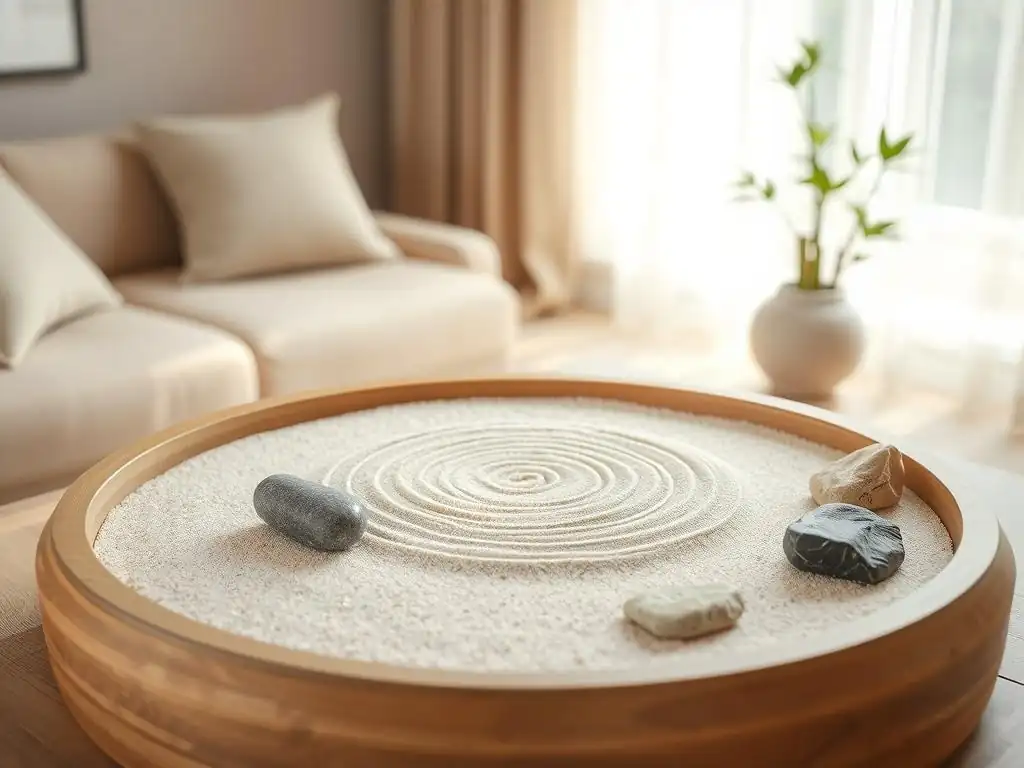
Achieving balance is not a one-time event but an ongoing process that requires continuous attention and adaptation. Life circumstances change – jobs evolve, relationships shift, and personal needs fluctuate. Therefore, the strategies you use to build balance today may need adjustments in the future. Sustaining balance involves developing habits of reflection, flexibility, and commitment to your well-being goals.
It's about creating a lifestyle that is inherently supportive of your mental, physical, and emotional health, rather than constantly reacting to imbalance. This requires a proactive mindset and a willingness to regularly assess your routines and make necessary changes. Building a balanced lifestyle routine is a lifelong journey of learning and refinement.
Regularly Reviewing Priorities and Goals
Periodically revisiting your priorities and goals is crucial for ensuring your lifestyle routine remains aligned with what is most important to you. What felt balanced a year ago might not feel balanced now due to changes in your personal or professional life. Schedule regular check-ins with yourself – perhaps quarterly or even monthly – to assess how you feel about your current time allocation, energy levels, and overall satisfaction.
Ask yourself if your current routine is still serving your core values and long-term aspirations. Are you spending enough time on the things that truly matter? Are your boundaries still effective? Use these reviews to identify areas where adjustments are needed and refine your strategies for building a balanced lifestyle routine.
Adapting to Life Changes and Adjusting Strategies
Life is unpredictable, and major changes – positive or negative – will inevitably impact your ability to maintain balance. Starting a new job, welcoming a child, moving to a new city, or dealing with illness are just a few examples of events that require adapting your routines. Be prepared to be flexible and compassionate with yourself during these transitions.
When faced with significant change, pause and reassess your capacity and needs. It might be necessary to temporarily shift priorities or adjust your expectations for what a "balanced" life looks like during that period. For example, during the first few months with a newborn, your focus on personal hobbies might need to decrease, with balance redefined by managing sleep deprivation and bonding time. The key is to consciously adjust your strategies rather than letting balance completely erode. This adaptability is key to successfully building a balanced lifestyle routine through all of life's phases.
Embracing Continuous Learning and Personal Development
A commitment to continuous learning and personal development is a powerful way to sustain well-being. This can include learning new skills, pursuing hobbies, reading widely, or seeking opportunities for personal growth. Engaging your mind in new ways keeps life interesting and provides a sense of purpose and achievement outside of work obligations.
Investing time in learning and development also equips you with new tools and perspectives for navigating challenges and improving your life. Whether it's learning about mindfulness techniques, improving your time management skills, or gaining a deeper understanding of emotional intelligence, this ongoing growth supports your capacity for building a balanced lifestyle routine and maintaining it over the long term.
Addressing Challenges and Maintaining Momentum
The path to building a balanced lifestyle routine is rarely linear. You will likely encounter challenges, setbacks, and periods where maintaining balance feels difficult. It's important to anticipate these obstacles and develop strategies for overcoming them and maintaining momentum. This requires resilience, self-compassion, and a willingness to learn from experiences.
Don't view setbacks as failures, but rather as opportunities to learn and refine your approach. The goal isn't perfection, but progress. By understanding common obstacles and developing robust coping mechanisms, you can navigate difficulties more effectively and stay committed to your well-being goals.
Overcoming Common Obstacles and Setbacks
Common obstacles to maintaining balance include feeling overwhelmed by responsibilities, difficulty saying no, unexpected crises, lack of motivation, or simply falling back into old habits. For example, after a particularly stressful week at work, you might skip your planned exercise or social activity, disrupting your routine. Recognize these patterns without judgment.
Strategies for overcoming obstacles include identifying the specific trigger for the setback (e.g., stress leading to skipping exercise), having a plan for how you will handle that trigger in the future, and getting back on track as quickly as possible. If you miss a planned activity, don't give up entirely; simply recommit to the next scheduled one. Breaking down overwhelming tasks into smaller steps (as mentioned earlier) can also help combat feelings of being overwhelmed.
Developing Resilience and Coping Mechanisms
Resilience is the ability to bounce back from adversity. Developing resilience involves cultivating a positive mindset, building a strong support network, and practicing healthy coping mechanisms. Healthy coping strategies include exercise, mindfulness, talking to someone, journaling, or engaging in hobbies. Unhealthy coping mechanisms, such as excessive alcohol consumption, emotional eating, or avoidance, may offer temporary relief but are detrimental in the long run.
Practice identifying your emotions and choosing healthy ways to process them. For instance, if you feel stressed, instead of reaching for unhealthy food, try taking a walk or calling a supportive friend. Building a repertoire of healthy coping strategies is essential for navigating stress and setbacks effectively, strengthening your ability to continue building a balanced lifestyle routine even when faced with difficulties.
Learning from Experiences and Refining Your Approach
Every challenge or setback is a learning opportunity. Take time to reflect on what happened, why your routine broke down, and what you can learn from the experience. Did you overcommit? Were your boundaries not strong enough? Did you fail to anticipate a predictable busy period?
Use these insights to refine your approach to building a balanced lifestyle routine. Perhaps you need to adjust your scheduling, improve your communication skills, or build more flexibility into your plan. Continuous learning and adaptation are key to creating a sustainable and effective routine that supports your well-being over the long term. This iterative process of trying, learning, and adjusting is how true balance is achieved and maintained.
Resources for Continued Growth and Support
Continuing your journey towards a balanced life is supported by accessing helpful resources. These can provide new insights, practical tools, and connections to others who can offer guidance and support.
Books on Mindfulness, Time Management, and Personal Growth
Reading can be a powerful way to learn new strategies and gain perspective. Look for books that offer practical advice and different perspectives on achieving balance.
- Books on mindfulness can deepen your understanding and practice of being present.
- Time management books can provide techniques for organizing your schedule and prioritizing effectively.
- Personal growth books often explore topics like setting goals, building habits, and improving self-awareness.
Websites and Apps for Meditation, Fitness, and Mental Health
Technology offers convenient access to resources that can support your well-being practices.
- Meditation apps can provide guided sessions for various durations and purposes.
- Fitness apps offer workout plans, tracking tools, and motivation.
- Mental health websites and apps can provide information, self-assessment tools, and digital support programs.
Directories for Finding Therapists and Support Groups
If you feel the need for professional help or peer support, directories can help you find suitable resources.
- Online directories list licensed therapists and counselors in your area, often allowing you to filter by specialization or insurance.
- Directories for support groups can help you find local or online groups for specific challenges or shared experiences, offering connection and understanding from peers also on the journey of building a balanced lifestyle routine.
Frequently Asked Questions
How can creating a supportive environment contribute to building a balanced lifestyle routine?
A supportive environment provides external structures and relationships that make it easier to stick to your routine. This includes things like accountability partners and a physical space conducive to healthy habits.
What are some practical steps I can take to build a supportive environment at home for better mental well-being?
Start by decluttering your space to reduce stress. Also, designate specific areas for different activities, like work and relaxation. Finally, communicate your needs to family members or roommates.
A strong social network provides emotional support and encouragement, which helps you cope with challenges and stay motivated. Knowing you have people to rely on reduces stress and feelings of isolation.
What role does self-compassion play in creating a supportive environment for personal balance?
Self-compassion allows you to be kinder to yourself when you experience setbacks in your routine. It encourages forgiveness and acceptance, preventing feelings of guilt and shame from derailing your progress.
How can I create a supportive environment at work to reduce stress and improve my mental well-being?
Establish clear boundaries between work and personal life. Take regular breaks, and cultivate positive relationships with colleagues to foster a sense of community and support.
Final Reflection: Cultivating the Oasis of Balance
The pursuit of a balanced lifestyle is no longer a luxury; it's a necessity in our relentlessly demanding world. The pressure to constantly perform, achieve, and connect leaves many feeling depleted and disconnected. This article explored practical strategies for building a balanced lifestyle routine, emphasizing the importance of self-awareness, mindful planning, and the creation of supportive environments. But it's more than just a checklist; it's a journey of self-discovery and continuous refinement.
The impact of prioritizing balance extends far beyond individual well-being; it ripples outwards, influencing our relationships, our productivity, and even our collective societal health. We are witnessing a growing awareness of the importance of mental health and well-being, a shift that directly reflects the increasing recognition of the need for a balanced life. The greatest wealth is health,
a proverb often repeated, underscores the enduring truth that a balanced lifestyle forms the foundation for a fulfilling and meaningful existence. This isn't just about ticking boxes; it's about cultivating a deep understanding of our own needs and rhythms, and creating space for joy, rest, and connection amidst the chaos.
Now, consider your own life. What small adjustments can you make today to nurture a more balanced existence? Perhaps it's setting aside 15 minutes for mindful breathing, scheduling a regular walk in nature, or consciously disconnecting from technology for an hour each evening. Start small, be consistent, and remember that building a balanced lifestyle is a process, not a destination. Embrace the journey, celebrate your progress, and allow yourself the grace to stumble and rise again. The oasis of balance awaits – begin cultivating it within yourself, and watch as it blossoms into a richer, more fulfilling life.
Unleash Your Inner Harmony: Take Charge of Your Well-being
Thanks for taking the time to explore the importance of creating a supportive environment for personal balance! We hope you gained valuable insights into how to nurture yourself and achieve a more harmonious life. Now, it's time to put that knowledge into action.
- Prioritize one small change: Identify just one aspect of your environment that you can adjust this week to promote better balance – whether it's decluttering a space, establishing a new routine, or simply dedicating 15 minutes daily to a relaxing activity.
- Share your journey: Connect with others! Share your experience – even a small success – on social media using #MindCareBalance. Let's inspire each other on this path.
- Explore our resources: Dive deeper into topics that resonated with you by browsing our other articles on MindCareGuide.org – you might discover the perfect next step in your journey.
Ready to take that first step towards a more balanced and fulfilling life? What small change will you implement this week to boost your well-being?