
The Asylum Farm: Agriculture and SelfSufficiency in 19th Century Institutions

Welcome to Mind Care Guide.
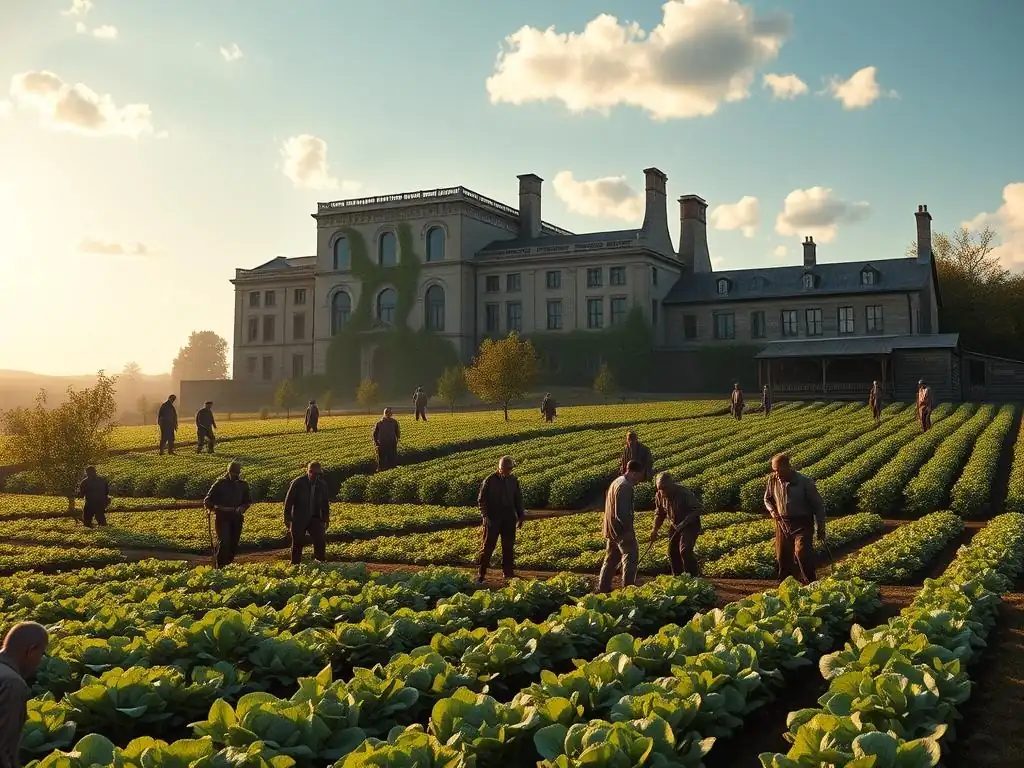
Ever wondered how mental healthcare intertwined with the land in centuries past? Delve into the fascinating and often overlooked history of "19th century asylum farming" and uncover the surprising role agriculture played in the lives of patients and the self-sufficiency of these institutions. Prepare to be moved by stories of resilience and innovation as we explore this unique chapter in the history of mental health. Curious to learn more? Your journey begins now...
The Asylum Farm: Agriculture and Self-Sufficiency in 19th Century Institutions
- Introduction: 19th Century Asylums and the Role of Farming
- The Agricultural Model: Self-Sufficiency and Therapeutic Benefits
- Case Studies: Examples of Successful Asylum Farms
- Challenges and Criticisms of Asylum Farming Practices
- The Decline of Asylum Farms and the Evolution of Mental Healthcare
- Modern Interpretations: The Relevance of Agricultural Therapy Today
- Conclusion: Reflecting on the Role of Agriculture in 19th Century Asylum Care
-
Frequently Asked Questions
- What was the purpose of asylum farms in the 19th century?
- How did asylum farming contribute to the self-sufficiency of these institutions?
- What types of labor were patients typically involved in on asylum farms?
- Was asylum farming considered a beneficial practice for patients' mental health?
- What happened to asylum farms as mental healthcare evolved in the 20th century?
- Final Reflection: Harvesting Hope from History's Fields
- Unlock the Secrets of 19th-Century Asylum Farming
Introduction: 19th Century Asylums and the Role of Farming
The Context of Mental Healthcare in the 1800s
The 19th century marked a significant period of transition in the treatment of mental illness in Western societies. Before this era, individuals with mental health conditions were often confined to poorhouses, jails, or private homes with little specialized care. The early 1800s saw the rise of the asylum movement, driven by reformers who believed that mental illness could be treated and even cured within dedicated institutions.
These large, often imposing structures were intended to provide a structured, therapeutic environment away from the stresses of everyday life. The philosophy behind these early asylums emphasized moral treatment, focusing on kindness, routine, purposeful activity, and a humane environment as alternatives to the harsh restraints and custodial care common in earlier times.
This shift led to the construction of numerous state and private asylums across Europe and North America. These institutions varied greatly in size and quality, but many aimed for a degree of self-sufficiency, partly due to logistical challenges and partly as a philosophical choice. Land was often acquired around the asylum buildings, sometimes hundreds or even thousands of acres, to support this goal.
The idea was that the institution could produce much of its own food, manage its own waste, and even generate some income, reducing reliance on external suppliers and public funds. This economic consideration, combined with burgeoning ideas about the therapeutic value of labor, set the stage for the widespread practice of 19th century asylum farming.
Understanding the Rise of Asylum Farms
The proliferation of asylum farms in the 19th century was a direct consequence of the confluence of economic necessity, the prevailing philosophy of moral treatment, and the practical realities of managing large institutions in often rural settings. Land was relatively inexpensive compared to importing all necessary supplies, making agriculture an attractive option for reducing operational costs.
A large asylum population required substantial amounts of food – grains, vegetables, dairy, and meat – and producing these on-site offered a reliable and potentially cheaper source. Historical records from institutions like the Government Hospital for the Insane (later St. Elizabeths) in Washington, D.C., indicate significant production levels; for instance, by the late 19th century, their farm supplied thousands of gallons of milk annually and vast quantities of produce, significantly offsetting food costs.
Beyond mere economics, the rise of 19th century asylum farming was deeply intertwined with the therapeutic goals of the era. Proponents of moral treatment believed that idleness was detrimental to mental health and that structured, productive work was essential for recovery. Farming provided a readily available, large-scale opportunity for such labor.
It offered physical exercise, exposure to fresh air and sunshine, and a sense of purpose and contribution. Superintendents and physicians of the time frequently lauded the benefits of farm work, reporting improvements in patients' physical health, demeanor, and mental state. While quantitative data by modern standards is scarce, the widespread adoption of this practice across numerous institutions underscores the strong belief in its value during this period.
The Concept of Moral Treatment and its Connection to Agricultural Labor
Moral treatment, a reform movement that gained prominence in the late 18th and early 19th centuries, emphasized treating patients with kindness, respect, and dignity. Key tenets included a structured daily routine, meaningful occupation, a calm and orderly environment, and therapeutic relationships with staff. Idleness was viewed as counterproductive to mental recovery, and engaging patients in purposeful activities was considered vital. Agricultural labor fit perfectly within this framework, offering a physically demanding yet routine-based occupation that took place outdoors in what was considered a healthy, natural environment.
The connection between moral treatment and 19th century asylum farming was explicit in the writings and practices of many asylum superintendents. They saw farm work not just as a way to produce food but as an integral part of the healing process. Patients, often segregated by perceived ability and type of illness, would participate in tasks ranging from planting and harvesting crops to milking cows, caring for livestock, and maintaining the grounds.
This labor was framed as contributing to the community of the asylum, fostering a sense of belonging and self-worth. While the reality of patient labor could sometimes diverge from the ideal, involving long hours and strenuous tasks, the intended connection was rooted in the belief that productive, outdoor work was inherently therapeutic and aligned with the principles of humane care advocated by moral treatment reformers.
The Agricultural Model: Self-Sufficiency and Therapeutic Benefits
Goals of Asylum Farms: Food Production and Cost Reduction
The primary pragmatic goal of 19th century asylum farming was achieving a high degree of self-sufficiency in food production and thereby significantly reducing operational costs. Asylums housed hundreds, sometimes thousands, of patients and staff, requiring massive quantities of provisions daily. Purchasing all this food externally was expensive and logistically challenging, especially for institutions located in rural areas.
By cultivating their own land, raising livestock, and processing produce, asylums could meet a substantial portion of their dietary needs internally. Historical reports from institutions like the New York State Lunatic Asylum at Utica detail extensive farming operations that supplied the majority of the institution's meat, dairy, and vegetable requirements.
This self-sufficiency had a direct impact on the financial viability of these large institutions. Public funding was often limited, and any reduction in expenditure was crucial. Running a successful farm allowed asylums to reallocate funds saved on food purchases to other areas, such as facility maintenance, staffing, or medical supplies.
While precise, standardized accounting across all institutions is difficult to compile historically, individual asylum reports often highlighted the economic advantages. For example, a report from the Iowa Hospital for the Insane at Mount Pleasant in the late 1800s might detail the value of farm products consumed by the institution, often amounting to tens of thousands of dollars annually – a considerable sum at the time – demonstrating the significant cost-saving potential of 19th century asylum farming.
Therapeutic Farming: Labor as a Form of Therapy
Beyond the economic advantages, a core tenet of 19th century asylum farming was its perceived therapeutic value. Rooted in the principles of moral treatment, proponents believed that engaging patients in physical, outdoor labor was beneficial for both their physical and mental health. Farm work provided structured activity, reducing idleness and restlessness. It offered physical exercise, fresh air, and exposure to sunlight, all considered conducive to well-being. The rhythm of agricultural tasks – planting, tending, harvesting, caring for animals – provided a predictable routine that many believed was calming and grounding for disturbed minds.
Furthermore, participating in the farm's activities fostered a sense of purpose and contribution among patients. They were not merely passive recipients of care but active members of the asylum community, contributing to its sustenance.
This sense of contributing to something tangible was seen as a powerful boost to self-esteem and a step towards recovery. While the therapeutic benefits were largely observed and reported anecdotally by asylum staff rather than measured through rigorous scientific studies as we understand them today, the consistent emphasis on the positive impact of labor, particularly farm work, in numerous historical accounts suggests a genuine belief in its efficacy as a form of therapy within the context of 19th century asylum farming.
Types of Agricultural Activities: Dairy Production, Vegetable Gardening, Orchard Cultivation
19th century asylum farming operations were typically diverse, aiming to provide a varied diet for the large patient population. Dairy production was often a central component, providing essential milk, butter, and cheese. Asylums maintained large herds of cows, requiring daily milking, feeding, and care – tasks that could involve numerous patients. For example, historical accounts from the Willard State Hospital in New York describe extensive dairy operations supporting the institution's needs.
Vegetable gardening was another fundamental activity. Large plots of land were dedicated to growing a wide variety of seasonal produce, including potatoes, beans, corn, cabbage, and root vegetables. This work involved planting, weeding, watering, and harvesting, offering tasks suitable for patients with varying levels of physical and mental capacity.
Orchard cultivation provided fruits like apples, pears, and berries, which could be consumed fresh, preserved, or used in baking. Many asylum farms also raised livestock for meat, such as pigs, cattle, and poultry, and cultivated grains like wheat and corn, which could be used for animal feed or processed into flour. These varied activities provided a rich array of potential work assignments for patients involved in 19th century asylum farming.
Case Studies: Examples of Successful Asylum Farms
Worcester State Hospital Farm: A Detailed Look at its Farming Operations
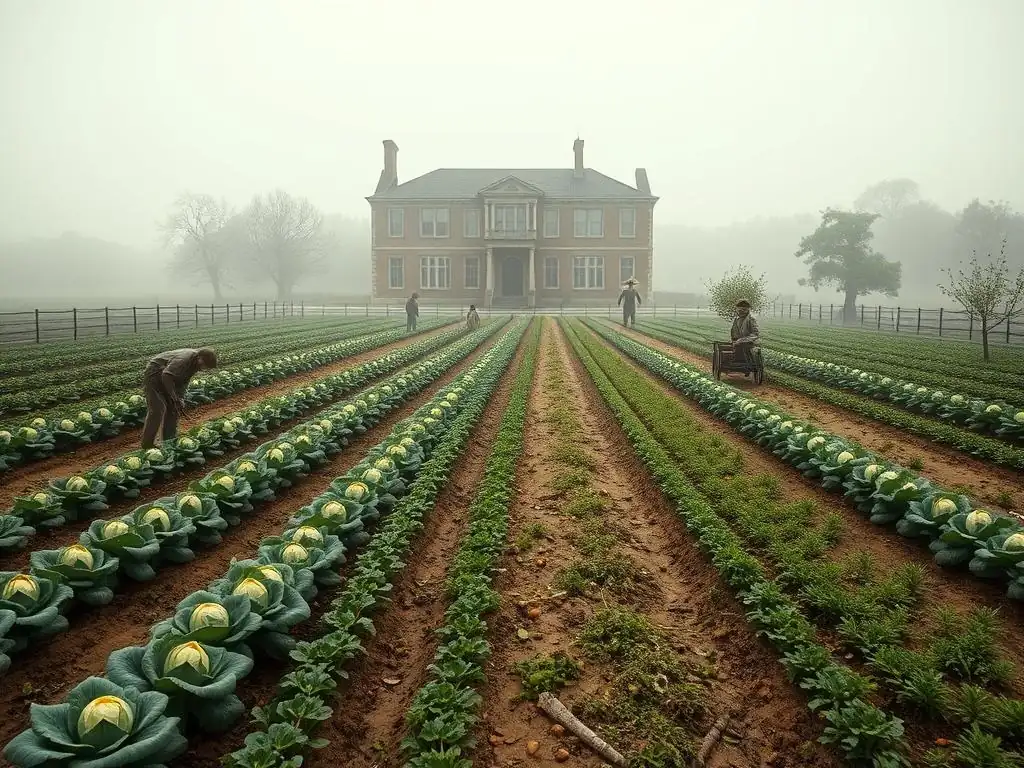
Worcester State Hospital in Massachusetts was one of the pioneering public mental health institutions in the United States and its farm was a significant operation. Established in the early 19th century, the hospital acquired substantial acreage which it dedicated to agriculture. By the late 1800s, the farm encompassed hundreds of acres, supporting a large patient population that often numbered over 1,000. The farming activities were diverse, including extensive dairy farming with large herds providing milk, butter, and cheese, as well as cultivation of grains, hay, and a wide variety of vegetables.
Patients were actively involved in all aspects of the farm work, from preparing the soil and planting crops in the spring to harvesting in the fall and caring for livestock year-round. Reports from the hospital's superintendents frequently highlighted the economic value of the farm, noting that it supplied a significant portion of the institution's food needs, thereby reducing reliance on state appropriations for provisions.
They also spoke positively about the therapeutic effects of the labor on the patients, observing improved physical health, reduced agitation, and a greater sense of contentment among those engaged in farm work, illustrating the dual purpose inherent in 19th century asylum farming.
The Impact of Farming on Patient Well-being at Utica State Hospital
The New York State Lunatic Asylum at Utica, another early and influential institution, also placed a strong emphasis on its farm as both an economic asset and a therapeutic tool. The asylum acquired land specifically for farming purposes, and its operations grew substantially over the 19th century. The farm produced large quantities of food, including meat, dairy, and produce, contributing significantly to the institution's self-sufficiency. For instance, historical records show the Utica farm producing thousands of pounds of pork and beef annually, along with vast amounts of vegetables from its extensive gardens.
Superintendents at Utica, like those at Worcester, consistently advocated for the therapeutic benefits of farm labor. They reported that outdoor work was particularly effective for patients suffering from chronic conditions, providing structure and physical activity that seemed to alleviate symptoms like restlessness and withdrawal.
While objective data is limited, the pervasive belief among staff that engaging patients in 19th century asylum farming contributed positively to their well-being was a driving force behind the continuation and expansion of these agricultural programs throughout the century. The farm provided a tangible, productive outlet for energy and offered a connection to the natural world, which was seen as inherently healing.
Lessons Learned from Successful 19th Century Asylum Farms
Examining the operations of successful 19th century asylum farms like those at Worcester and Utica reveals several key lessons, viewed through the lens of their historical context. Firstly, they demonstrated the potential for large institutions to achieve significant economic savings through self-sufficiency in food production. This model was crucial in an era where public funding for mental healthcare was often precarious.
Secondly, these farms provided a framework for implementing the principles of moral treatment on a large scale, offering purposeful labor as a central component of patient care. The belief in the therapeutic value of work, particularly outdoor, physical labor, was a powerful driver.
However, these case studies also highlight the inherent complexities and potential downsides of 19th century asylum farming. While superintendents reported positive outcomes, the line between therapeutic labor and potentially exploitative work could be blurred, especially as institutions grew larger and more focused on economic output.
The success of these farms was also heavily reliant on available land, climate, and the willingness (and sometimes coercion) of patients to participate. Ultimately, these historical examples underscore the multifaceted nature of 19th century asylum farming, serving as a reminder that practices rooted in good intentions can have varied real-world impacts, prompting reflection on the ethical dimensions of therapeutic work.
Challenges and Criticisms of Asylum Farming Practices
Ethical Considerations of Patient Labor
While 19th century asylum farming was often framed as therapeutic, significant ethical questions surround the use of patient labor, particularly as the century progressed and institutions grew larger and potentially more custodial. Patients were typically unpaid for their work on the farm, their labor being considered part of their treatment or contribution to the asylum community. Critics argued that this unpaid labor was essentially exploitative, allowing institutions to significantly reduce costs on the backs of vulnerable individuals who had little say in their treatment or daily activities.
The line between beneficial, purposeful activity and forced, grueling labor could become indistinct. Reports from various asylums sometimes described patients working long hours in difficult conditions, raising concerns about whether the primary motivation was truly therapeutic benefit or economic gain. While some patients may have genuinely found satisfaction and improvement through farm work, others may have experienced it as drudgery or coercion. This ethical dilemma remains a significant point of discussion when evaluating the legacy of 19th century asylum farming, highlighting the potential for well-intentioned practices to be compromised by institutional pressures and power imbalances.
The Effectiveness of Farming as a Therapeutic Intervention: Evidence and Debate
The therapeutic effectiveness of 19th century asylum farming was largely based on anecdotal evidence and the subjective observations of asylum staff. Superintendents frequently reported improvements in patients' physical health, mood, and behavior, attributing these changes to the benefits of outdoor work, routine, and a sense of purpose.
However, these observations were not typically supported by systematic studies, control groups, or quantitative data collection methods that meet modern scientific standards. The lack of rigorous evidence makes it difficult to definitively assess the true impact of farm labor on patient recovery rates or symptom reduction compared to other interventions or no intervention at all.
Furthermore, the concept of "improvement" itself was often subjective and could be influenced by institutional goals, such as managing patient behavior to maintain order. While some patients undoubtedly benefited from the physical activity and structure, others, particularly those with acute symptoms or severe cognitive impairment, may not have been suitable for or benefited from farm work. The debate about the effectiveness of 19th century asylum farming as a therapeutic intervention, distinct from its custodial or economic functions, continues among historians and mental health professionals, underscoring the need for critical evaluation of historical practices.
Economic Viability and the Sustainability of Asylum Farms
While 19th century asylum farming aimed for economic self-sufficiency, its long-term viability and sustainability faced challenges. The success of a farm depended heavily on factors like climate, soil quality, and the availability of skilled agricultural supervisors, in addition to patient labor. Crop failures due to weather, outbreaks of animal disease, or fluctuations in market prices for surplus goods could undermine the farm's economic contribution. Maintaining machinery, purchasing seeds and livestock, and paying supervisory staff also represented significant costs.
Moreover, relying heavily on patient labor, which could be inconsistent due to patients' health status or willingness to work, presented operational challenges. As institutions grew and the nature of patient populations changed – sometimes housing more chronically ill or less physically able individuals – the capacity for productive farm labor might decline.
While many asylum farms were successful for decades, contributing substantially to the institution's economy, they were not immune to the broader agricultural and economic shifts of the time. The economic sustainability of 19th century asylum farming was a complex issue, intertwined with the institution's overall management and the changing landscape of both agriculture and mental healthcare.
The Decline of Asylum Farms and the Evolution of Mental Healthcare
Factors Contributing to the Decline of Agricultural Programs
Several factors contributed to the gradual decline of 19th century asylum farming programs in the late 19th and early 20th centuries. Economically, the rise of industrial agriculture and improved transportation made it increasingly cost-effective for large institutions to purchase food from external suppliers rather than produce it themselves. The efficiency of large-scale commercial farms often surpassed that of institution-run operations relying on a variable labor force. Furthermore, land values around many asylums, initially located in rural areas, increased as urban centers expanded, making the extensive landholdings less economically justifiable solely for farming.
Changes in psychiatric practice also played a significant role. The philosophy of moral treatment began to wane, replaced by new biological and psychological theories of mental illness. The emphasis shifted from environmental and occupational therapy towards medical interventions. Asylums became larger and more custodial, sometimes housing populations that were less likely to benefit from or participate in physical labor. This transformation in the understanding and treatment of mental illness reduced the perceived therapeutic necessity of farm work, eroding one of the core justifications for 19th century asylum farming.
The Shift Towards Pharmaceutical Treatments and Institutional Changes
A major catalyst in the decline of asylum farms and the broader changes in mental healthcare was the development and widespread introduction of psychotropic medications in the mid-20th century. Drugs like chlorpromazine (Thorazine), introduced in the 1950s, revolutionized the management of severe mental illnesses, particularly schizophrenia. These medications could often alleviate symptoms like agitation, hallucinations, and delusions, making patients more manageable and reducing the perceived need for long-term institutionalization and structured occupational therapies like farming.
This pharmacological revolution coincided with a broader movement towards deinstitutionalization, advocating for treating individuals with mental illness in community settings rather than large, isolated asylums. As patient populations in state hospitals declined and the focus shifted to outpatient care and medication management, the infrastructure and rationale for maintaining vast asylum farms diminished. The era of 19th century asylum farming, deeply tied to the large, self-contained institution model and the moral treatment philosophy, gave way to a new paradigm centered on pharmaceuticals and community-based care.
The Legacy of Asylum Farms: Lessons for Modern Therapeutic Practices
Despite their decline, 19th century asylum farming operations left a complex legacy. On one hand, they represent a period where patient labor was often exploited under the guise of therapy. On the other hand, they highlight a historical recognition of the potential benefits of purposeful activity, connection with nature, and physical work for mental well-being – concepts that resonate with modern therapeutic approaches. The idea that engaging in meaningful occupation and spending time outdoors can be healing was a core principle, even if its implementation was flawed.
The historical experience of 19th century asylum farming serves as a cautionary tale regarding the ethics of therapeutic labor, stressing the importance of voluntariness, fair compensation (or a clear therapeutic rationale distinct from economic gain), and avoiding coercion. However, it also provides historical context for contemporary practices like horticultural therapy, therapeutic gardening, and vocational training programs that utilize agriculture.
Understanding the history of asylum farms helps modern practitioners and policymakers appreciate the long-standing human intuition that engaging with the land and contributing through work can be profoundly beneficial for mental health, prompting a careful consideration of how such practices can be implemented ethically and effectively today.
Modern Interpretations: The Relevance of Agricultural Therapy Today
Contemporary Applications of Horticultural Therapy
Horticultural therapy is a recognized therapeutic practice today that involves engaging in gardening and plant-related activities to improve mental, physical, and emotional well-being. Unlike the often compulsory and economically driven labor on 19th century asylum farming, modern horticultural therapy is patient-centered, voluntary, and guided by trained therapists. It is applied in various settings, including hospitals, rehabilitation centers, schools, and community gardens, for individuals with a wide range of conditions, including mental health disorders, physical disabilities, and cognitive impairments.
Activities in horticultural therapy can range from planting seeds, caring for plants, and harvesting produce to arranging flowers or simply spending time in a therapeutic garden environment. The benefits reported by practitioners and participants include reduced stress and anxiety, improved mood, enhanced cognitive function, increased physical activity, development of vocational skills, and a greater sense of accomplishment and connection to nature. While distinct from historical 19th century asylum farming, it shares the fundamental premise that engaging with plants and the natural world can have profound positive impacts on human health and recovery.
The Benefits of Nature and Gardening for Mental Well-being
A growing body of modern research supports the intuitive connection between nature exposure and improved mental well-being, a concept implicitly recognized in the emphasis on outdoor work in 19th century asylum farming. Studies have shown that spending time in natural environments, including gardens and green spaces, can lower levels of stress hormones like cortisol, reduce symptoms of depression and anxiety, and improve attention and focus. The sensory experience of gardening – touching soil, smelling plants, seeing vibrant colors – can be grounding and calming.
Engaging in gardening specifically offers multiple benefits. It provides moderate physical exercise, which is known to boost mood and reduce stress. It offers a sense of responsibility and accomplishment as plants grow and produce.
The cyclical nature of gardening – planting, tending, harvesting, and the return of seasons – can provide a sense of hope and continuity. For individuals struggling with mental health challenges, these benefits can be particularly impactful, offering a sense of purpose, connection, and gentle engagement with the world, echoing some of the perceived, though less systematically documented, benefits of work on historical 19th century asylum farming.
Reconnecting with the Past: Learning from 19th Century Asylum Farming for Modern Mental Health Practices
While contemporary horticultural therapy is ethically and methodologically distinct from 19th century asylum farming, there are valuable lessons to be learned from this historical practice. The most significant lesson is the enduring recognition that purposeful engagement with the land and nature holds therapeutic potential. The historical emphasis on routine, physical activity, and contribution within the asylum farm context highlights aspects that are still relevant in modern therapeutic programs.
However, the ethical pitfalls of patient labor in the 19th century serve as a crucial reminder for modern practice:
- Task: Ensure participation is voluntary and truly therapeutic.
- Task: Avoid any hint of exploitation or coercion.
- Task: Clearly define the therapeutic goals, distinct from institutional economic needs.
- Task: Prioritize patient well-being and autonomy above all else.
By acknowledging the complex history of 19th century asylum farming – its well-intentioned therapeutic ideals alongside its potential for exploitation – modern mental health practices utilizing nature and agriculture can build upon the historical recognition of nature's healing power while upholding contemporary ethical standards and focusing squarely on the genuine well-being and empowerment of individuals seeking care.
Conclusion: Reflecting on the Role of Agriculture in 19th Century Asylum Care
The Significance of 19th Century Asylum Farming in the History of Mental Health
19th century asylum farming represents a fascinating and complex chapter in the history of mental health care. It was a practice deeply embedded in the economic realities and prevailing therapeutic philosophies of the era. Driven by the need for self-sufficiency in large institutions and the principles of moral treatment which advocated for purposeful labor, asylum farms became a ubiquitous feature of mental hospitals across the Western world. They provided essential food and resources, significantly impacting the operational costs of these institutions.
More importantly, 19th century asylum farming embodied a historical belief in the therapeutic power of work and nature. While the implementation often fell short of ideal, potentially blurring the lines between therapy and labor, the underlying idea that engaging in physical, outdoor activity, contributing to a community, and connecting with the natural world could be beneficial for individuals with mental illness was a significant aspect of 19th-century care. Understanding this practice is crucial for a comprehensive view of how mental health was approached and managed in this pivotal period.
The Enduring Value of Nature-Based Therapies
The historical experience of 19th century asylum farming, despite its ethical complexities, points towards an enduring human intuition about the healing power of nature and purposeful activity. Today, this intuition is supported by growing scientific evidence demonstrating the mental and physical health benefits of nature exposure, gardening, and horticultural therapy. These modern practices, while ethically distinct and clinically refined, share a lineage with the historical belief that engaging with the natural world can be a vital component of mental well-being and recovery.
Whether through structured horticultural therapy programs, therapeutic landscapes in hospitals, or simply encouraging time outdoors, the core idea that connecting with nature is beneficial for mental health remains highly relevant. The historical context of 19th century asylum farming serves as a powerful reminder of the long-standing recognition of this connection, urging us to continue exploring and ethically implementing nature-based interventions in contemporary mental healthcare.
Future Directions for Research and Practice in Therapeutic Agriculture
Reflecting on the history of 19th century asylum farming prompts important questions for the future of therapeutic agriculture and nature-based interventions in mental health. There is a continued need for rigorous research to better understand the specific mechanisms through which gardening and nature impact mental health, moving beyond subjective reports to objective data. Studies exploring the impact of different types of activities, durations, and environments could further refine therapeutic practices.
Furthermore, there is potential to integrate elements of purposeful, community-oriented work, inspired by the ideal aspects of 19th century asylum farming, into modern vocational training and rehabilitation programs for individuals with mental illness, ensuring such programs are always voluntary, ethical, and patient-centered. Exploring how urban farming initiatives or community gardens can serve as therapeutic spaces also offers promising avenues. The legacy of 19th century asylum farming encourages us to critically examine historical practices while embracing the timeless understanding that engagement with the earth can play a meaningful role in fostering mental well-being.
Frequently Asked Questions
What was the purpose of asylum farms in the 19th century?
Asylum farms served a dual purpose: providing food and resources for the institution, and offering therapeutic labor for patients. This labor was believed to promote mental well-being.
How did asylum farming contribute to the self-sufficiency of these institutions?
By cultivating their own crops and raising livestock, asylums significantly reduced their reliance on external suppliers. This lowered operating costs and ensured a steady food supply.
What types of labor were patients typically involved in on asylum farms?
Patients participated in a range of agricultural tasks, including planting, harvesting, animal care, and general farm maintenance. The specific tasks varied based on the individual's abilities and the season.
Was asylum farming considered a beneficial practice for patients' mental health?
Yes, it was widely believed that outdoor work and physical activity had a positive impact on mental well-being. The connection to nature and the sense of accomplishment were seen as therapeutic benefits.
What happened to asylum farms as mental healthcare evolved in the 20th century?
As mental healthcare shifted towards pharmacological treatments and deinstitutionalization, the emphasis on asylum farms declined. Many farms were discontinued or repurposed as institutions closed or changed their focus.
Final Reflection: Harvesting Hope from History's Fields
The practice of asylum farming in the 19th century, while rooted in flawed ideologies, offers a crucial lens through which to examine our contemporary approaches to mental health and sustainable living. The stark realities of these institutions, their reliance on agricultural labor, and the often-exploitative conditions reveal a complex interplay between societal attitudes, economic pressures, and the very definition of "care." Understanding this history is not merely an academic exercise; it's a vital step towards building a more just and humane future.
The legacy of asylum farming continues to resonate today, not only in our understanding of the historical treatment of mental illness but also in our ongoing conversations about sustainable food systems and the ethical implications of labor practices. The very idea of using agriculture as a therapeutic tool, while potentially beneficial in some contexts, highlights the dangers of simplistic solutions to complex problems. As the historian Michel Foucault famously stated, Madness is not a disease, but a social construct.
This quote underscores the need to critically examine the societal forces that shaped the asylum system and to avoid repeating past mistakes in our current approaches to mental health and social welfare.
Consider the implications of this history for your own life. How can we learn from the failures and successes of 19th-century asylum farming to create more equitable and sustainable systems of care? What responsibility do we bear to ensure that our approaches to mental health and social justice are informed by a deep understanding of the past? Let this exploration of asylum farming serve as a call to action, prompting you to engage in critical reflection and to advocate for a future where the dignity and well-being of all individuals are prioritized above all else.
Unlock the Secrets of 19th-Century Asylum Farming
Thanks for exploring the fascinating world of agriculture within 19th-century asylums! You've now gained valuable insight into a unique aspect of history and institutional life. Ready to delve deeper?
- Dive into further research: Explore the historical records and archives of your local institutions or similar facilities. You might uncover surprising details about their self-sufficiency initiatives.
- Share your newfound knowledge: Discuss this unique approach to self-sufficiency with friends, family, or online communities interested in history or sustainable living. Spark a conversation!
- Consider the parallels: Reflect on how the principles of self-reliance and community engagement practiced in these asylums could be applied to modern contexts – from urban farming to community resilience initiatives.
What innovative approaches to self-sufficiency can you imagine implementing in your own life or community, inspired by the ingenuity of 19th-century asylum farms?