
How Depression Signs May Differ in Teen Boys and Girls

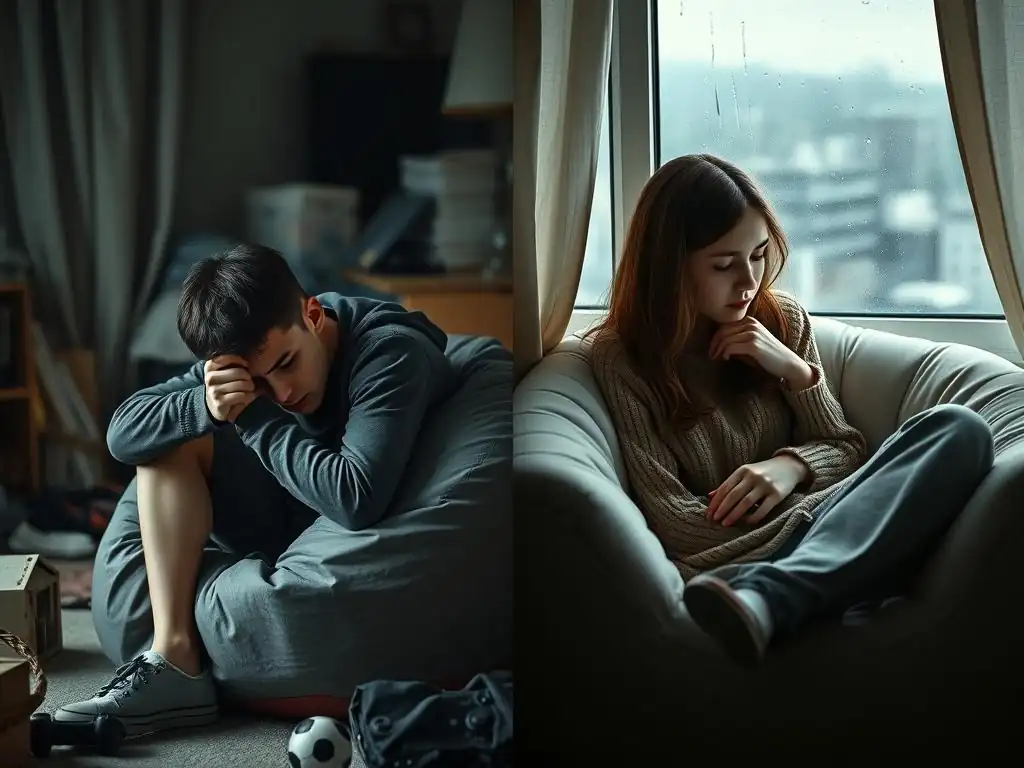
Welcome to Mind Care Guide, your sanctuary for understanding and nurturing mental well-being. Are you concerned about a teen in your life? It's crucial to recognize that depression can manifest differently depending on gender. Ever wondered if the struggles you're seeing are more than just "teen angst?" Dive into our comprehensive guide to teen depression symptom differences and uncover the subtle, yet significant variations between boys and girls, arming yourself with the knowledge to provide the right support. Let's explore the nuances together and pave the way for healthier, happier futures.
Gender Differences in Adolescent Depression: A Guide for Parents and Educators
- Understanding Adolescent Depression: Recognizing Varied Presentations
-
Depression in Adolescent Boys: Recognizing Less Obvious Signs
- Common Signs of Depression in Adolescent Boys: Beyond Traditional Symptoms
- Irritability and Agitation: Recognizing Depression in Boys
- Increased Risk-Taking Behaviors: A Potential Indicator of Underlying Depression
- Academic Struggles and Loss of Interest: Recognizing Depression's Impact
- Physical Complaints: A Manifestation of Depression in Adolescent Boys
-
Depression in Adolescent Girls: Recognizing Emotional and Behavioral Changes
- Common Signs of Depression in Adolescent Girls: Beyond Sadness
- Persistent Sadness and Hopelessness: Identifying Core Symptoms
- Anxiety and Rumination: Co-occurring Conditions with Depression
- Disordered Eating and Body Image Concerns: Depression's Impact on Girls' Health
- Social Isolation: A Common Symptom of Depression in Adolescent Girls
- Comparing Depression Symptom Presentations in Adolescent Boys and Girls
- Societal Influences and Gender Roles: Impact on Depression Presentation and Help-Seeking
- Seeking Help for Adolescent Depression: A Comprehensive Approach
- Supporting Adolescents with Depression: Guidance for Parents and Caregivers
- Conclusion: Empowering Adolescents to Prioritize Mental Well-being
-
Frequently Asked Questions
- How do the symptoms of depression commonly manifest differently in teenage boys and girls?
- Why is it important to recognize these differences in depression symptoms between teen boys and girls?
- What specific behavioral changes might indicate depression in teenage boys that might be overlooked?
- Are there any biological factors that contribute to the differing presentations of depression in teen boys and girls?
- What resources are available for parents who suspect their teen, regardless of gender, might be struggling with depression?
- Final Reflection: Understanding the Unique Faces of Teen Depression
- Unlock a Deeper Understanding: Support Teenage Mental Health
Understanding Adolescent Depression: Recognizing Varied Presentations
The Importance of Recognizing Diverse Presentations of Adolescent Depression
Understanding that depression in adolescents doesn't always look like persistent sadness is crucial. While classic symptoms like low mood and loss of interest are common, especially in teen girls, the signs can manifest quite differently depending on the individual, their personality, and importantly, their gender.
Recognizing these varied presentations is the first step toward early identification and intervention, which are critical for improving outcomes for young people struggling with their mental health. It's not just about recognizing that something is wrong, but understanding what the specific symptoms might look like for a teenage boy versus a teenage girl, and how these differences in teen depression symptom differences can impact diagnosis and support.
Failure to recognize the diverse ways depression shows up can lead to missed diagnoses or delayed help-seeking. Many symptoms, particularly those less traditionally associated with depression like irritability or risk-taking behaviors, might be dismissed as typical teenage angst, rebellion, or personality traits. This is especially true when considering the differences in depression signs among teenagers, where societal expectations about emotional expression can influence how symptoms are displayed. Educating parents, educators, and even peers about these nuances is vital to creating a supportive environment where adolescents feel safe to express their struggles, regardless of how those struggles manifest.
Prevalence of Depression in Adolescents: Considering Gender and Identity
Depression is a significant mental health challenge facing adolescents today. Data from various health organizations consistently show concerning prevalence rates. For instance, national surveys in the United States have indicated that approximately 15-20% of adolescents will experience at least one major depressive episode by the time they reach adulthood. This represents millions of young people navigating the complexities of depression during crucial developmental years. However, these overall numbers mask important differences based on gender and other factors.
Research highlights a notable difference in the prevalence of diagnosed depression between adolescent boys and girls, particularly starting in early to mid-adolescence. While rates might be similar in younger children, by age 15-17, studies often report that teen girls are diagnosed with depression at roughly twice the rate of teen boys.
This disparity underscores the importance of exploring why these differences exist and whether they reflect true differences in incidence, differences in symptom presentation leading to varied recognition, or differences in help-seeking behaviors influenced by gender roles. Understanding these nuances is key to addressing the full scope of teen depression symptom differences.
Depression in Adolescent Boys: Recognizing Less Obvious Signs
Common Signs of Depression in Adolescent Boys: Beyond Traditional Symptoms
When we think of depression, images of sadness and tearfulness often come to mind. While these can certainly be symptoms for boys, depression in adolescent boys frequently presents in less obvious ways that may not fit this traditional picture. Instead of expressing overt sadness, boys might exhibit symptoms that are externalized or somatic, making the underlying depression harder to spot. These differences in depression signs among teenagers mean that parents and educators need to look beyond the most commonly publicized signs of depression.
Symptoms like persistent boredom, frustration, or a general lack of motivation can be indicators. A sudden drop in academic performance, withdrawal from hobbies they once enjoyed (like sports or video games), or changes in sleep patterns (either sleeping too much or too little) are also common. It's important to distinguish these from typical teenage fluctuations and look for persistent changes that represent a significant shift from the boy's usual behavior and mood. Recognizing these subtle teen depression symptom differences is vital for timely intervention.
Irritability and Agitation: Recognizing Depression in Boys
One of the most frequently cited differences in depression signs among teenagers, particularly in boys, is the prominence of irritability and agitation over overt sadness. Instead of appearing withdrawn and tearful, a depressed teenage boy might seem constantly annoyed, easily angered, or restless. They might snap at family members, argue more frequently, or display a low tolerance for frustration. This can sometimes be misinterpreted as defiance, a bad attitude, or simply typical teenage moodiness.
This shift towards irritability as a primary symptom can significantly complicate diagnosis, as it doesn't align with public perceptions of depression. Parents might report their son is "just being difficult" or "going through a phase," missing the underlying struggle with depression. Understanding that persistent irritability, especially when coupled with other changes in behavior or mood, can be a key indicator of depression is crucial for recognizing these specific teen depression symptom differences.
Increased Risk-Taking Behaviors: A Potential Indicator of Underlying Depression
Another concerning way depression can manifest in adolescent boys is through an increase in risk-taking behaviors. This might include reckless driving, experimenting with drugs or alcohol, engaging in unprotected sex, or participating in other dangerous activities. These behaviors can serve as a coping mechanism, a way to feel something intense when feeling numb, or a form of self-medication to escape emotional pain.
While some level of exploration is typical in adolescence, a sudden or significant increase in risky activities, particularly those that endanger their safety or well-being, should be a red flag. This is a crucial area where differences in depression signs among teenagers become apparent, as risk-taking might be less commonly cited as a primary depression symptom in girls. This behavior can be a desperate cry for help or a sign that the adolescent is struggling with feelings of hopelessness or worthlessness associated with depression.
Academic Struggles and Loss of Interest: Recognizing Depression's Impact
Depression can profoundly impact an adolescent boy's ability to function in school. Signs might include a sudden drop in grades, missing assignments, difficulty concentrating in class, or increased absenteeism. This isn't necessarily due to laziness but can stem from the cognitive symptoms of depression, such as impaired concentration, memory problems, and a lack of motivation or energy.
Beyond academics, a loss of interest in previously enjoyed activities is a hallmark symptom. A boy who was passionate about football might suddenly quit the team, stop attending practices, or show no enthusiasm for games. A teen who spent hours on a hobby like coding or playing a musical instrument might abandon it entirely. This withdrawal from activities that once brought joy is a significant indicator and a key area where differences in depression signs among teenagers can be observed in terms of what activities are abandoned.
Physical Complaints: A Manifestation of Depression in Adolescent Boys
Depression doesn't just affect the mind; it can have significant physical manifestations. Adolescent boys, in particular, may report more physical symptoms rather than verbalizing emotional distress. Common complaints include frequent headaches, stomachaches, fatigue, or other unexplained aches and pains that don't have a clear medical cause.
These physical symptoms can be a way for the body to express the stress and emotional pain of depression, especially if the individual finds it difficult to articulate their feelings. Parents might take their son to the doctor repeatedly for these issues, only to find no underlying physical illness. Recognizing that persistent, unexplained physical complaints can be a somatic manifestation of depression is vital for understanding the diverse ways teen depression symptom differences can present.
Depression in Adolescent Girls: Recognizing Emotional and Behavioral Changes

Common Signs of Depression in Adolescent Girls: Beyond Sadness
While depression presents uniquely in every individual, certain symptoms are statistically more commonly reported or observed in adolescent girls compared to boys. These often include a more overt expression of sadness, hopelessness, and emotional distress, aligning more closely with traditional understandings of depression. However, like boys, girls also exhibit a range of behavioral and physical symptoms, highlighting the complex differences in depression signs among teenagers.
Beyond core emotional symptoms, changes in eating and sleeping patterns are common. Girls might experience significant weight loss or gain, develop eating disorders, or struggle with insomnia or hypersomnia. Social withdrawal, difficulty maintaining relationships, and increased anxiety are also frequently observed. Recognizing this broader spectrum of symptoms is essential for parents and educators supporting teen girls.
Persistent Sadness and Hopelessness: Identifying Core Symptoms
Persistent feelings of sadness, emptiness, or hopelessness are classic symptoms of depression and are often more readily expressed or identified in adolescent girls than in boys. This sadness isn't just a fleeting bad mood but a pervasive feeling that colors their outlook on life. They might express feelings of worthlessness, excessive guilt, or a belief that things will never get better.
This core emotional distress can manifest in various ways, from frequent crying spells to a general lack of emotional responsiveness or flatness. While teen boys may internalize or mask these feelings with irritability or behavioral issues, teen girls are often more likely to verbalize or outwardly display this profound sense of sadness and despair. Understanding this difference is key when evaluating teen depression symptom differences.
Anxiety and Rumination: Co-occurring Conditions with Depression
Anxiety disorders frequently co-occur with depression in adolescents, and this comorbidity is particularly common in girls. Signs of anxiety might include excessive worry, restlessness, difficulty concentrating due to racing thoughts, and physical symptoms like a rapid heartbeat or shortness of breath. This can make it challenging to tease apart which symptoms are due to depression and which are due to anxiety, as they often fuel each other.
Rumination, the tendency to dwell on negative thoughts and problems, is also a common feature of depression in adolescent girls. They might replay difficult social interactions in their minds, excessively worry about future events, or get stuck in negative thought loops. This cognitive pattern can exacerbate feelings of sadness and hopelessness and is another area where differences in depression signs among teenagers can be observed, with rumination often being more prominent in girls.
Disordered Eating and Body Image Concerns: Depression's Impact on Girls' Health
Depression can significantly impact an adolescent girl's relationship with food and her body. Disordered eating patterns, such as restricting food intake, binge eating, or purging behaviors, are more common among depressed teen girls than boys. These behaviors can be a coping mechanism for dealing with overwhelming emotions or a manifestation of feelings of lack of control or low self-worth, which are central to depression.
Alongside disordered eating, intense preoccupation with body image and weight is frequently linked to depression in adolescent girls. Societal pressures regarding appearance can intersect with feelings of inadequacy caused by depression, leading to significant distress about their body. Recognizing that changes in eating habits or an unhealthy focus on body image can be indicators of underlying depression is vital, highlighting specific teen depression symptom differences.
While social withdrawal can occur in both sexes, it is a frequently observed symptom in depressed adolescent girls. This might involve pulling away from friends, avoiding social activities they once enjoyed, spending excessive amounts of time alone in their room, or struggling to maintain close relationships. This isolation can be a result of feeling too exhausted or overwhelmed to socialize, feeling misunderstood by peers, or fearing being a burden.
This withdrawal can create a vicious cycle, where isolation exacerbates feelings of loneliness and sadness, further deepening the depression. While boys might express distress through externalizing behaviors that push people away, girls might withdraw more passively. Recognizing this social isolation as a potential sign of depression, rather than just shyness or introversion, is key to understanding teen depression symptom differences.
Comparing Depression Symptom Presentations in Adolescent Boys and Girls
Emotional Expression: Understanding Gendered Differences in Displaying Depression
A significant area of difference in teen depression symptom differences lies in how emotional distress is expressed. As discussed, boys are often socialized to suppress overt displays of sadness and vulnerability, leading them to express emotional pain through anger, irritability, or risk-taking. Girls, while also influenced by societal expectations, may feel more permission to express sadness, cry, and verbalize feelings of hopelessness or worthlessness.
This doesn't mean boys don't feel sadness or girls aren't irritable; rather, it highlights the primary ways these emotions are displayed. A boy might internalize sadness and act out, while a girl might externalize sadness through tears and verbal complaints. Recognizing these gendered patterns in emotional expression is fundamental to accurately identifying depression in both sexes and appreciating the nuances of differences in depression signs among teenagers.
Behavioral Manifestations: Identifying Patterns in Boys and Girls
Behavioral changes are central to identifying depression in adolescents, but the type of changes can differ. Boys may show an increase in disruptive, aggressive, or reckless behaviors. They might get into trouble at school, engage in substance use, or withdraw into solitary, non-interactive activities like excessive gaming. These are often externalized behaviors.
Girls, while also exhibiting behavioral changes, may lean more towards internalizing behaviors or those related to self-harm (though self-harm can occur in all genders, rates are often higher in adolescent girls). Changes in eating habits, social withdrawal, excessive rumination, or expressing suicidal ideation more openly are examples. Understanding these distinct behavioral patterns is crucial for recognizing the full spectrum of teen depression symptom differences.
Depression impacts an adolescent's relationships, but the specific ways can vary. A depressed boy might pick fights with family members, push friends away through irritability or aggression, or simply disappear from social circles without explanation. His behavior might create conflict and strain relationships.
A depressed girl might withdraw quietly, stop communicating with friends, or become overly dependent on one or two close relationships, struggling with boundaries. Her social struggles might manifest as increased anxiety in social settings or a perception that she is being excluded. Recognizing these different social impacts is another layer in understanding the complex differences in depression signs among teenagers.
Societal Influences and Gender Roles: Impact on Depression Presentation and Help-Seeking
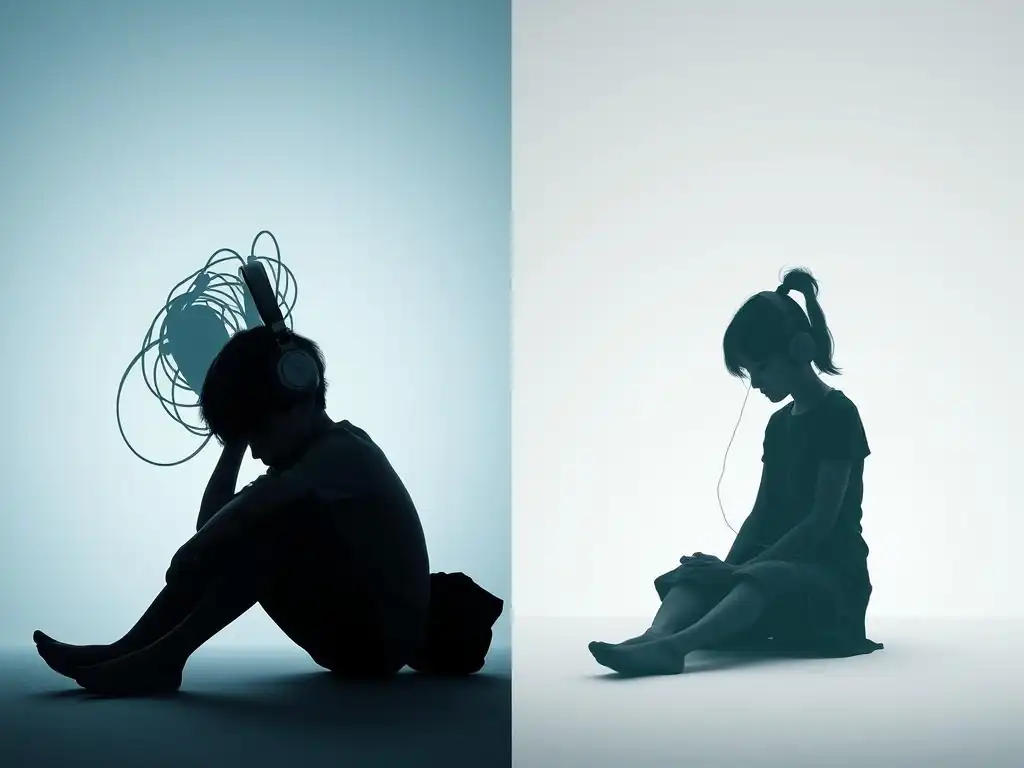
How Societal Pressures Influence the Expression of Depression
Societal expectations about masculinity and femininity significantly influence how depression is expressed. For boys, the pressure to be strong, stoic, and independent can make it difficult to admit vulnerability or sadness. This can lead to suppressing emotional pain and expressing it through "masculine" coded behaviors like anger or risk-taking, which are less likely to be identified as depression symptoms. The "man up" mentality can directly contribute to the differences in depression signs among teenagers.
For girls, while more permission might exist to express sadness, there are also pressures related to appearance, social relationships, and academic achievement. These pressures can exacerbate feelings of anxiety, low self-worth, and body image issues, which are often intertwined with depression in girls. Understanding these societal pressures is vital for interpreting the unique ways teen depression symptom differences manifest.
The Impact of Gender Roles on Seeking Mental Health Support
Gender roles don't just affect how depression is expressed; they also impact help-seeking behaviors. Boys may be less likely to seek help due to fear of appearing weak or being judged, aligning with traditional masculine norms. They might internalize their struggles or try to "tough it out," delaying or avoiding seeking professional support. This contributes to the lower diagnosis rates observed in some studies.
Girls, while potentially facing fewer explicit barriers related to expressing emotion, may still struggle with stigma, fear of judgment, or not knowing where to turn. However, they are statistically more likely to report symptoms and seek help than boys. Addressing these gendered barriers and encouraging open conversations about mental health are crucial steps in ensuring all adolescents, regardless of gender, feel empowered to seek the support they need for teen depression symptom differences.
Seeking Help for Adolescent Depression: A Comprehensive Approach
Fostering Open Communication and Reducing Stigma
Creating an environment where adolescents feel comfortable talking about their feelings is paramount. This involves actively listening without judgment, validating their emotions, and letting them know they are not alone. Parents and educators can model open communication about mental health, normalizing the experience of struggling and seeking help. Reducing the stigma associated with mental illness is a collective effort.
This can be achieved through education, sharing personal stories (when appropriate), and challenging negative stereotypes about mental health. Initiatives in schools and communities that promote mental health awareness can also play a significant role. The goal is to make conversations about depression as normal as conversations about physical health, encouraging adolescents to speak up about their teen depression symptom differences.
Finding Appropriate Mental Health Professionals for Adolescents
If you suspect an adolescent is struggling with depression, seeking professional help is essential. Start by consulting their pediatrician, who can perform an initial assessment and provide referrals. Look for mental health professionals who specialize in working with adolescents, such as child and adolescent psychiatrists, psychologists, licensed clinical social workers, or licensed professional counselors.
It's important to find a therapist or counselor with whom the adolescent feels comfortable and safe. Sometimes, trying a few different professionals might be necessary to find the right fit. Ensure the professional is experienced in diagnosing and treating adolescent depression and understands the potential differences in depression signs among teenagers based on gender and other factors.
Evidence-Based Treatments: Tailoring Interventions for Individual Needs
Treatment for adolescent depression typically involves a combination of psychotherapy (talk therapy) and, in some cases, medication. Evidence-based psychotherapies effective for adolescent depression include Cognitive Behavioral Therapy (CBT), which helps teens identify and change negative thought patterns and behaviors, and Interpersonal Therapy for Adolescents (IPT-A), which focuses on improving relationships and social functioning.
Medication, such as selective serotonin reuptake inhibitors (SSRIs), may be prescribed in moderate to severe cases, often in conjunction with therapy. Treatment plans should be tailored to the individual adolescent's specific symptoms, needs, and preferences, taking into account their unique presentation of teen depression symptom differences. A collaborative approach involving the adolescent, family, and mental health professional is often most effective.
Supporting Adolescents with Depression: Guidance for Parents and Caregivers
Creating a Supportive Home Environment
A supportive home environment is a cornerstone of recovery for adolescents with depression. This means being present, available, and actively involved in their lives. Encourage open communication and listen without judgment. Validate their feelings, even if you don't fully understand them. Let them know you love them and are there for them unconditionally.
Maintain consistent routines for sleep, meals, and activities, as structure can be grounding. Encourage participation in family activities, but respect their need for space when necessary. Avoid criticism or blame regarding their symptoms; remember that depression is an illness, not a choice. Your support is crucial in helping them navigate their teen depression symptom differences.
Early Recognition of Signs and Symptoms
Parents and caregivers are often the first to notice changes in an adolescent's behavior or mood. Being aware of the varied signs of depression, including the potential differences in depression signs among teenagers based on gender, is key to early recognition. Pay attention to persistent changes that last for two weeks or longer and represent a significant shift from their usual self.
Trust your instincts. If you are concerned, even if you can't pinpoint exactly why, it's worth seeking professional advice. Early intervention significantly improves the chances of a positive outcome and can prevent the depression from worsening or leading to more severe consequences. Don't dismiss warning signs as just "a phase."
Promoting Healthy Coping Mechanisms and Self-Care
Help adolescents develop healthy ways to cope with stress and difficult emotions. This might include encouraging regular physical activity, practicing mindfulness or relaxation techniques, engaging in creative outlets like art or music, or spending time in nature. Help them identify activities they enjoy and make time for them, even when they don't feel like it.
Teach them the importance of self-care, including getting enough sleep, eating nutritious foods, and limiting screen time, especially before bed. Model these healthy habits yourself. Equipping them with effective coping skills can empower them to manage their symptoms and build resilience against future challenges, regardless of how their teen depression symptom differences manifest.
Building Resilience in Adolescents
Building resilience helps adolescents bounce back from adversity and manage stress more effectively. Encourage problem-solving skills and independence by allowing them to tackle challenges appropriate for their age. Help them identify their strengths and celebrate their accomplishments, no matter how small.
Foster a growth mindset, emphasizing that challenges are opportunities for learning and growth. Encourage positive self-talk and help them challenge negative or self-critical thoughts. Support their connections with positive peer relationships and family members. By nurturing resilience, you help them develop the inner strength needed to navigate the difficulties associated with depression and other life stressors.
Conclusion: Empowering Adolescents to Prioritize Mental Well-being
The Importance of Early Intervention
Understanding the diverse ways depression can manifest in adolescents, including the specific teen depression symptom differences between boys and girls, is paramount. Early recognition and intervention are not merely beneficial; they are critical. Depression is a treatable illness, and the sooner an adolescent receives appropriate support, the better their long-term prognosis. Delaying help can lead to more severe symptoms, functional impairment in school and relationships, and increased risk for other issues.
Parents, educators, and healthcare providers play a crucial role in spotting the signs, initiating conversations, and connecting adolescents with the necessary resources. Being informed about the nuances of adolescent depression, and how it might present differently across genders, empowers these key adults to act decisively and compassionately.
Reducing Stigma and Promoting Mental Health Awareness
Combating the stigma surrounding mental illness is a continuous effort necessary to ensure adolescents feel safe seeking help. Openly discussing mental health within families, schools, and communities helps normalize the experience of struggling and reinforces that it is okay to not be okay. Educational initiatives that highlight the signs of depression, explain that it's a medical condition, and offer pathways to support are vital.
Promoting mental health awareness goes beyond simply identifying problems; it involves fostering an environment where prioritizing mental well-being is encouraged and supported. This includes teaching emotional literacy, coping skills, and stress management techniques from a young age. By reducing stigma and increasing awareness, we create a culture where adolescents are more likely to reach out when they need help, irrespective of how their teen depression symptom differences appear.
Resources for Adolescents, Parents, and Educators.
Navigating adolescent depression requires access to reliable information and support. Numerous resources are available for adolescents, their parents, and educators. These include national mental health organizations that provide information lines, websites with symptom checkers and educational materials, and directories for finding local mental health professionals. School counselors and psychologists are also valuable resources, offering support directly within the educational setting.
Crisis hotlines and text lines are available 24/7 for immediate support during times of distress. Understanding where to find these resources before a crisis occurs is essential for prompt action. Empowering families and schools with knowledge about the differences in depression signs among teenagers and access to support networks is key to building a robust system of care for adolescent mental health.
Frequently Asked Questions
How do the symptoms of depression commonly manifest differently in teenage boys and girls?
Teenage girls are more likely to internalize depression, showing symptoms like sadness and worthlessness, while boys may exhibit more irritability and anger. These are broad trends, and individual experiences can vary greatly.
Why is it important to recognize these differences in depression symptoms between teen boys and girls?
Recognizing differences allows for earlier and more accurate diagnosis, leading to more effective and gender-sensitive treatment approaches. This is crucial for improved mental well-being.
What specific behavioral changes might indicate depression in teenage boys that might be overlooked?
Boys might display increased risk-taking behavior or substance abuse as coping mechanisms for depression, which can be easily dismissed as typical teenage rebellion.
Are there any biological factors that contribute to the differing presentations of depression in teen boys and girls?
Yes, hormonal differences and brain development play a role. However, social and environmental factors also significantly contribute to these varying presentations.
What resources are available for parents who suspect their teen, regardless of gender, might be struggling with depression?
Parents can seek help from mental health professionals, school counselors, or online resources like the Mind Care Guide. Early intervention is key to recovery.
Final Reflection: Understanding the Unique Faces of Teen Depression
The disparities in how depression manifests in teenage boys and girls are not merely academic; they are a critical factor in timely diagnosis and effective intervention. Failing to recognize these differences can lead to delayed treatment and exacerbate the already significant challenges faced by young people struggling with mental health. This delay can have devastating consequences, highlighting the urgent need for increased awareness and tailored support systems.
The impact of societal expectations and gender roles on the expression of depression is profound and far-reaching. Boys are often pressured to suppress their emotions, leading to internalized struggles and a reliance on less outwardly visible symptoms like irritability or anger. Girls, conversely, may experience more outwardly expressed emotional distress, potentially leading to quicker identification but potentially also to misdiagnosis or stigmatization. The greatest barrier to mental health care is the stigma surrounding it.
This quote underscores the importance of open conversations and a compassionate understanding of the diverse ways depression can present itself.
You, the reader, now hold a deeper understanding of the nuanced ways depression can affect teenage boys and girls. This knowledge is not just information; it's a tool. Take this understanding and use it to be more observant, more empathetic, and more proactive in your own life and the lives of those around you. If you suspect a young person is struggling, reach out. Learn the signs, listen without judgment, and encourage them to seek professional help. Your action, however small, can make a world of difference.
Unlock a Deeper Understanding: Support Teenage Mental Health
Thanks for taking the time to learn about the unique ways depression can manifest in teenage boys and girls. You've gained valuable insights into recognizing the signs and supporting young people during this challenging time. Now, let's take action!
- Share this article: Help spread awareness and empower others to identify depression in teens. Think about who in your life could benefit from this information—a teacher, coach, parent, or friend.
- Learn More: Explore Mind Care Guide's resources on adolescent mental health. We offer guides and tools that go even deeper.
- Start a Conversation: Reach out to a teenager in your life and engage in open and honest conversation about their well-being. Even a simple check-in can make a world of difference.
Ready to make a positive impact on a young person's life? What small step will you take today to foster better mental health awareness amongst the teens you know?