
Madness and Society in the 18th Century: An Enlightenment Perspective

Welcome to Mind Care Guide.
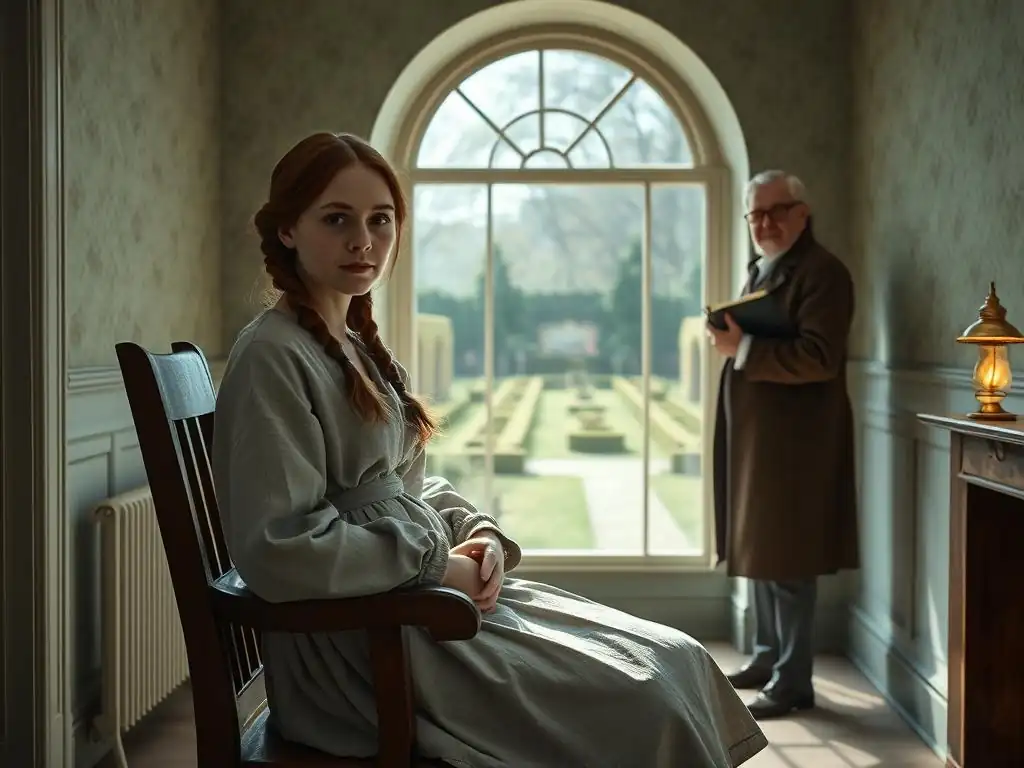
Have you ever wondered how those struggling with mental illness were perceived and treated centuries ago? Imagine a world where understanding of the human mind was shrouded in mystery, and societal attitudes towards "madness" were often harsh and unforgiving. Our exploration begins with Madness and Society in the 18th Century, a time when Enlightenment ideals clashed with deeply ingrained beliefs about mental illness.
Prepare to delve into the fascinating – and often unsettling – history of 18th Century mental illness treatment, uncovering the societal norms, medical practices, and evolving perspectives that shaped the lives of those affected. What were their experiences, and how did this era influence our understanding of mental health today? Let's journey together into the past to shed light on the present.
Madness and Society in the 18th Century: An Enlightenment Perspective
- Introduction: The Enlightenment's Gaze on Mental Afflictions
- Redefining Madness: Shifting Paradigms in the 18th Century
- Key Figures and Their Contributions to Understanding Mental Illness
- The Social Context of Mental Illness in the 18th Century
- 18th Century Mental Illness Treatment Methods: A Closer Look
- The Enlightenment's Legacy: Lasting Impacts on Mental Health Care
- Conclusion: Reflecting on the Enlightenment's Influence on Mental Health
-
Frequently Asked Questions
- What were some common beliefs about the causes of mental illness during the 18th Century?
- How did the Enlightenment influence the treatment of mental illness?
- What were some typical treatments for mental illness in the 18th Century?
- Where were people with mental illnesses typically housed or treated during this period?
- How did societal views impact the lives of those experiencing mental illness in the 18th Century?
- Final Reflection: Unmasking the Shadows of the Enlightenment
- Unlock the Mysteries of 18th-Century Madness
Introduction: The Enlightenment's Gaze on Mental Afflictions
Setting the Stage: Societal Views on Madness Before the 18th Century
Before the intellectual currents of the 18th century took hold, societal understanding and treatment of mental illness were largely rooted in superstition, religion, and fear. Across Europe, "madness" was often perceived through a lens of demon possession, divine punishment, or moral failing. Those afflicted might be ostracized, subjected to exorcisms, or simply left to wander, often ending up in poorhouses or common jails alongside criminals.
While some communities offered rudimentary care, often within monasteries or family homes, formal, structured treatment was virtually non-existent for the vast majority. Institutions like the Bethlehem Royal Hospital (Bedlam) in London, founded centuries earlier, existed, but their primary function often leaned more towards containment and spectacle than therapeutic intervention, with conditions frequently overcrowded and inhumane.
The prevailing belief systems meant that attempts to alleviate suffering were often based on spiritual rather than medical understanding. Treatments could involve prayer, rituals, or even harsh physical penances aimed at expelling evil spirits or atoning for perceived sins.
There was little systematic observation or classification of different forms of mental distress; instead, a broad category of "madness" encompassed a wide range of behaviors now recognized as distinct conditions. This era lacked a coherent framework for understanding the mind as susceptible to illness in the same way the body was, setting a stark contrast with the rationalist inquiries that would define the coming century.
The Dawn of Reason: How the Enlightenment Influenced Perceptions of Mental Illness
The 18th century, often called the Age of Enlightenment, marked a profound shift in intellectual thought across Europe and America. Philosophers and scientists emphasized reason, observation, and empirical evidence as tools for understanding the world, including human nature and its deviations. This new rationalist perspective began to challenge traditional, often religiously or supernaturally based, explanations for phenomena, including mental afflictions.
Instead of seeing "madness" as a divine curse or demonic influence, thinkers started to explore natural causes, looking to the body, the brain, or environmental factors. This intellectual shift paved the way for viewing mental disorders as illnesses that could potentially be studied, understood, and perhaps treated through rational methods.
This era saw a growing interest in human physiology and the nervous system. Physicians and scholars began to theorize that mental illness might stem from physical imbalances, disruptions in the nerves, or lesions in the brain. While these early medical models were often speculative and lacked detailed anatomical or biochemical understanding, they represented a crucial departure from purely non-physical explanations.
The focus shifted from the soul or spirit to the physical self, laying the groundwork for a more scientific approach to mental health. This Enlightenment emphasis on reason also fueled a belief in the possibility of restoring reason in those who had lost it, suggesting that mental illness was not necessarily an irreversible state but potentially amenable to intervention.
Redefining Madness: Shifting Paradigms in the 18th Century
From Supernatural to Natural: The Emergence of Medical Models for Mental Disorders
The Enlightenment period witnessed a significant transition in how mental disorders were conceptualized, moving away from supernatural or moralistic interpretations towards naturalistic, medical explanations. Physicians and natural philosophers, inspired by the scientific revolution's emphasis on empirical observation, began to classify different forms of "madness" based on observed symptoms and behaviors, attempting to link them to physical causes.
Theories often centered on the nervous system, believed to be the seat of sensation and thought, or on imbalances in bodily fluids or structures. For instance, prominent theories included those linking mental states to the tension or laxity of nerve fibers, or to issues with blood circulation or brain structure.
This nascent medical approach, while rudimentary by modern standards, was pivotal. It reframed mental illness as a disease process, similar to physical ailments, rather than a spiritual or moral failing.
Medical texts of the period began to include sections on various forms of "insanity," melancholia, and mania, attempting to describe their characteristics and propose physiological origins. Although effective treatments based on these theories were scarce and often harmful (as discussed later), the fundamental shift towards a medical paradigm legitimized the study of mental illness within the domain of science and medicine, setting the stage for future developments in psychiatry and informing the approaches to 18th Century mental illness treatment.
18th Century Mental Illness Treatment: A Move Towards Moral Management
Amidst the continued use of harsh physical treatments and confinement, the 18th century also saw the emergence of more humane, psychologically-oriented approaches, collectively known as "moral management" or "moral treatment." This approach, gaining prominence towards the end of the century, particularly through figures like Philippe Pinel in France and William Tuke in England, emphasized treating patients with kindness, respect, and dignity. It was based on the belief that mental illness could be influenced by environmental factors, social interactions, and the patient's own will and reason.
Moral management involved creating a therapeutic environment within institutions. This included providing comfortable living quarters, nutritious food, opportunities for work or recreation, and encouraging social interaction among patients. Crucially, it involved building a therapeutic relationship between the caregiver and the patient, using gentle persuasion, rational discourse, and positive reinforcement rather than coercion or punishment.
The aim was to re-educate the patient's disordered reason and habits through a structured, supportive, and rational environment. While not a universal practice, this approach represented a radical departure from the custodial care typical of earlier institutions and offered a new perspective on 18th Century mental illness treatment.
The Rise of Asylums: Confinement and Control in the Age of Reason
The 18th century witnessed a significant increase in the number and size of institutions dedicated to housing the mentally ill, often referred to as asylums or madhouses. Driven by a complex mix of motives – including a desire to remove disruptive individuals from society, a growing belief in the need for specialized care (however misguided its execution), and sometimes philanthropic intentions – these institutions became the primary site for 18th Century mental illness treatment and confinement. While some were purpose-built, many were converted buildings, often overcrowded and lacking proper sanitation.
The conditions within many 18th-century asylums were often appalling. Patients were frequently subjected to severe physical restraints, solitary confinement, and neglect. The focus was often on control and containment rather than therapeutic care.
Public asylums, intended for the poor, were typically the worst, while private madhouses, catering to wealthier families, varied greatly in quality, though even the best often relied heavily on confinement. The rise of these institutions, while reflecting a societal response to mental illness, also highlights the era's struggle to reconcile the Enlightenment's ideals of reason and humanity with the practical challenges of caring for those deemed irrational or disruptive, often prioritizing social order over individual well-being.
Key Figures and Their Contributions to Understanding Mental Illness

Philippe Pinel: Reforming Asylum Practices and Championing Humane Treatment
Philippe Pinel (1745–1826), a French physician, is widely regarded as a pivotal figure in the history of psychiatry, particularly for his reforms at the Bicêtre and Salpêtrière hospitals in Paris during the late 18th and early 19th centuries. Appointed to Bicêtre in 1793 during the French Revolution, he famously ordered the chains removed from patients, a symbolic act that challenged the prevailing view of the mentally ill as untreatable beasts requiring brute force for control. Pinel advocated for a more humane approach, emphasizing observation, classification of mental disorders, and the use of moral treatment.
Pinel's work went beyond simply removing restraints. He meticulously observed and documented the behaviors and symptoms of his patients, developing a classification system that influenced later diagnostic frameworks. He believed that mental illness could often be cured or alleviated through a combination of humane care, a structured environment, and therapeutic interactions.
His Treatise on Insanity (1801) detailed his experiences and principles, arguing that environmental factors, emotional distress, and physical ailments all played roles in causing mental disorders. His reforms, though not immediately universally adopted, significantly impacted the direction of institutional care and the development of psychiatry as a medical discipline, offering a stark contrast to earlier forms of 18th Century mental illness treatment.
William Tuke: The York Retreat and the Principles of Moral Treatment
Across the English Channel, William Tuke (1732–1822), a Quaker philanthropist, independently pioneered a similar humane approach to mental healthcare. Appalled by the conditions he witnessed in existing institutions, Tuke founded the York Retreat in 1796. This institution was designed explicitly to provide a humane and therapeutic environment for individuals with mental illness, based on Quaker principles of respect, dignity, and moral responsibility. The Retreat became a model for moral treatment, emphasizing kindness, meaningful work, religious devotion, and social interaction within a calm, family-like atmosphere.
At the York Retreat, physical restraints were minimized, and patients were encouraged to engage in activities such as gardening, crafts, and conversation. The staff were seen not merely as custodians but as therapeutic agents, fostering relationships based on trust and empathy.
Tuke and his family, who ran the Retreat, demonstrated that a non-coercive, supportive environment could have positive effects on the mentally ill, challenging the notion that severe control and punishment were necessary. The success of the York Retreat widely influenced asylum reform in Britain and America throughout the 19th century, showcasing an alternative model of 18th Century mental illness treatment rooted in compassion and reason.
Benjamin Rush: American Pioneer in Psychiatry and Controversial Practices
Benjamin Rush (1746–1813), often hailed as the "Father of American Psychiatry," was a physician, signer of the Declaration of Independence, and a prominent figure in Philadelphia. Working at the Pennsylvania Hospital, he developed his own theories and methods for treating mental illness, drawing on both Enlightenment medical ideas and the prevailing practices of his time. Rush viewed mental illness as a disease of the blood vessels in the brain, theorizing that excessive or deficient blood flow was the primary cause of various forms of "derangement."
Based on his vascular theory, Rush employed treatments aimed at regulating blood flow, including copious bloodletting, purging, and the use of mechanical devices like the "tranquilizer chair" (designed to reduce pulse by restricting movement and sensory input) and the "gyrator" (a spinning device intended to redistribute blood). While he advocated for better conditions for patients in institutions and believed in the possibility of recovery, his treatment methods were often harsh and based on flawed physiological understanding.
Rush's work exemplifies the complex nature of 18th Century mental illness treatment – a mix of emerging scientific inquiry, humanitarian impulse, and the continued reliance on ineffective and sometimes brutal practices inherited from earlier medical traditions.
In the 18th century, mental illness was inextricably linked with social class and economic status. The poor and marginalized were disproportionately represented among those confined in public asylums or poorhouses. Lacking financial resources and social support, individuals from lower classes who exhibited signs of mental distress were often deemed a burden or a threat to public order and were institutionalized more readily than their wealthier counterparts. The lack of family resources often meant institutionalization was the only option, regardless of the quality of care provided.
Furthermore, the harsh realities of poverty – including malnutrition, poor sanitation, overcrowded living conditions, and exposure to violence – were recognized by some Enlightenment thinkers as potential contributing factors to mental breakdown. While the primary medical theories focused on internal physical causes, the social environment was increasingly acknowledged as having an influence. The stark reality was that for the vast majority of people experiencing mental health crises in the 18th century, particularly the poor, access to any form of humane or therapeutic 18th Century mental illness treatment was extremely limited, with confinement often being the default societal response.
Gender and Mental Illness: Societal Expectations and Their Impact
Gender played a significant role in both the diagnosis and experience of mental illness in the 18th century. Women were often more likely to be diagnosed with conditions related to their reproductive systems or emotional states, such as "hysteria," a broad and ill-defined category attributed to a malfunctioning uterus or excessive emotionality. Societal expectations placed significant pressure on women to conform to norms of domesticity, piety, and emotional restraint, and deviations were sometimes pathologized.
Conversely, men's mental distress might be attributed to factors like excessive intellectual work, financial stress, or moral failings. Treatments could also differ; for instance, rest cures or treatments targeting the reproductive system might be prescribed more readily for women. The prevailing patriarchal structures meant that men, particularly husbands or fathers, often held significant authority over the decision to institutionalize a female relative. This highlights how the understanding and 18th Century mental illness treatment were deeply embedded within the social and cultural norms regarding gender roles and behaviors.
The Role of the Family in Caring for the Mentally Ill
Before widespread institutionalization, and indeed throughout the 18th century, the family remained the primary unit of care for individuals experiencing mental illness. Families often bore the responsibility, and the significant burden, of caring for their afflicted members at home. This care varied greatly depending on the family's resources, knowledge, and capacity to cope with challenging behaviors. For some, home care was provided with love and patience; for others, it could involve neglect, isolation within the home, or even physical restraint.
Families often sought help from local physicians, clergy, or traditional healers, though effective assistance was rare. Institutionalization, either in public asylums or private madhouses, was often a last resort, pursued when the family could no longer manage the individual's condition, due to severity of symptoms, financial strain, or lack of other support.
While the rise of asylums offered families an option for care outside the home, it also removed individuals from their familiar environment and social support networks, sometimes leading to further distress. The decision to commit a family member was often agonizing and reflected the limited options for 18th Century mental illness treatment and support available outside institutional walls.
18th Century Mental Illness Treatment Methods: A Closer Look
Bloodletting, Purging, and Other Physical Interventions
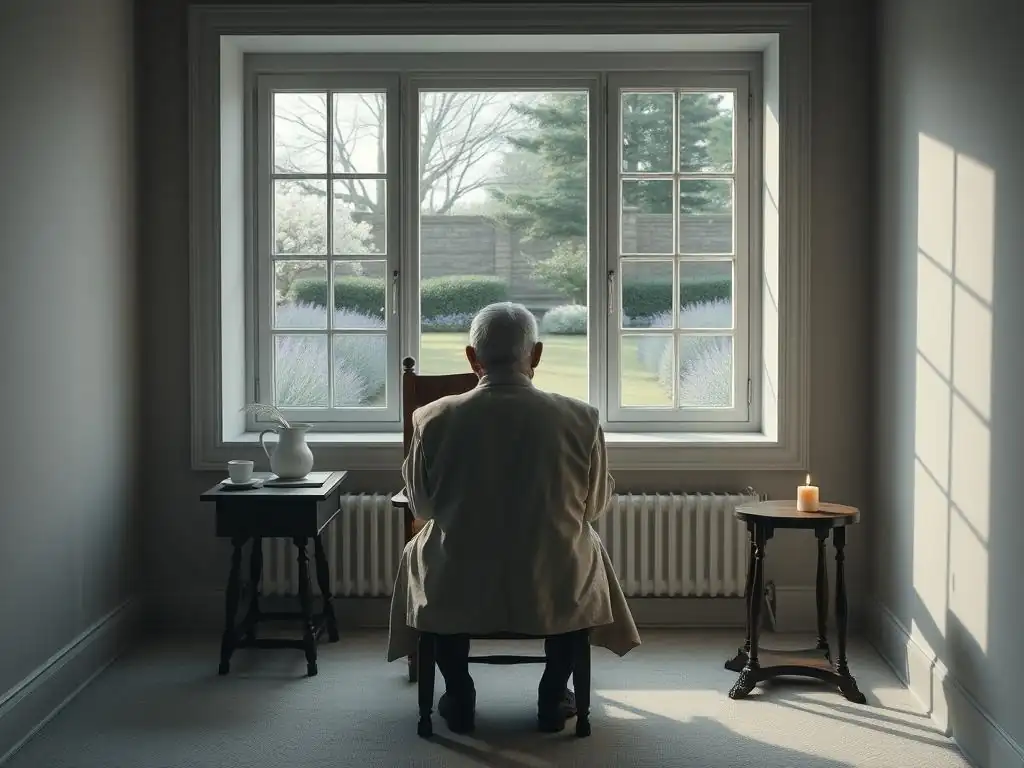
Drawing heavily on ancient medical theories, particularly humoral pathology and newer theories about the nervous system, 18th Century mental illness treatment frequently involved physical interventions aimed at restoring balance or removing perceived toxins. Bloodletting was an extremely common practice, based on the belief that excessive blood or imbalances in humors contributed to mental disturbance. Patients might have blood drawn using lancets or leeches, sometimes repeatedly.
Similarly, purging the body was a standard treatment. This involved administering emetics to induce vomiting or laxatives to clear the bowels, based on the idea that accumulated waste products or imbalances in the digestive system could affect the brain and nerves.
Other physical treatments included blistering (applying irritants to the skin to create blisters, believed to draw out illness), cold baths or showers (shock therapy of a sort, thought to calm excitement), and the use of various herbal remedies, some of which contained potent or even toxic substances. These methods, though often painful and ineffective, represented the cutting edge of medical 18th Century mental illness treatment for many physicians of the era.
In contrast to the harsh physical methods, moral therapy, as practiced at places like the York Retreat and by reformers like Pinel, focused on psychological and environmental interventions. The core principle was that mental illness could be treated by appealing to the patient's remaining reason, providing a structured and supportive environment, and engaging them in meaningful activities. This form of 18th Century mental illness treatment rejected the notion that patients were irrevocably lost to irrationality.
Key components of moral therapy included:
- Structured Daily Routines: Patients followed a regular schedule involving waking, meals, work, recreation, and rest.
- Meaningful Work: Engaging in manual labor (like gardening or farming) or crafts was seen as therapeutic, promoting discipline and a sense of purpose.
- Social Interaction: Encouraging polite conversation and communal activities aimed to resocialize patients and reduce isolation.
- Therapeutic Relationship: Staff were trained to be kind, patient, and understanding, using gentle persuasion rather than coercion.
- Appealing to Reason: Caregivers would attempt to reason with patients, challenge delusions gently, and encourage rational thought.
This approach, though limited by the lack of understanding of underlying biological causes, achieved notable successes in calming agitated patients and helping some regain functionality, demonstrating the power of environment and interpersonal care in 18th Century mental illness treatment.
The Use of Restraints and Confinement: Ethical Considerations
Despite the emergence of moral therapy, physical restraints and confinement remained widespread practices in 18th-century asylums and even in private homes. Patients deemed violent, agitated, or difficult to manage were often chained to walls or beds, placed in straitjackets, or locked in solitary cells for extended periods. The rationale was primarily control and prevention of harm to self or others, but the practice was often used excessively and became a means of managing overcrowded and understaffed institutions.
The ethical implications of such practices began to be debated towards the end of the century, spurred by the work of reformers. Pinel's removal of chains at Bicêtre was a direct challenge to the routine use of severe restraints. William Tuke's York Retreat demonstrated that an asylum could function with minimal reliance on physical coercion.
These examples highlighted the humanitarian cost of indiscriminate confinement and restraint, raising questions about the rights and dignity of the mentally ill. While the use of restraints persisted well into later centuries, the 18th century marked the beginning of a critical examination of these methods as part of the evolving discussion around 18th Century mental illness treatment.
The Enlightenment's Legacy: Lasting Impacts on Mental Health Care
The Seeds of Modern Psychiatry: Foundations Laid in the 18th Century
The intellectual ferment of the Enlightenment laid crucial groundwork for the eventual development of modern psychiatry. By shifting the understanding of mental illness from supernatural or moral causes to natural, potentially biological ones, the era legitimized the study of the mind within the realm of medicine and science. The emphasis on observation, classification, and systematic study, though rudimentary, were direct precursors to diagnostic efforts in later centuries. Figures like Pinel, with his attempts to categorize mental disorders based on clinical presentation, anticipated the diagnostic manuals of the future.
Furthermore, the humanitarian impulse of the Enlightenment, emphasizing reason, human dignity, and the potential for improvement, directly influenced the development of moral treatment. This focus on the therapeutic environment, the importance of the patient-caregiver relationship, and the belief in the possibility of recovery laid foundational principles that resonate even in contemporary mental healthcare. While the scientific understanding and effective treatments were largely absent, the core idea that mental illness was a medical condition amenable to rational intervention was a lasting contribution of the 18th century to the field of 18th Century mental illness treatment and beyond.
Criticisms and Limitations: The Dark Side of the Enlightenment's Approach
Despite the positive shifts, the Enlightenment's approach to mental illness was far from perfect and had significant limitations. The medical theories of the time were based on incomplete or incorrect physiological understanding, leading to ineffective and often harmful physical treatments like bloodletting and purging. While moral treatment offered a more humane alternative, it was not universally adopted and often existed alongside, or within institutions that still relied heavily on, harsh physical methods and restraints.
Moreover, the rise of asylums, while intended by some as places of care, often became sites of confinement and control, warehousing individuals with little prospect of recovery. The focus on rationality as the key to mental health sometimes led to the pathologizing of behaviors that deviated from societal norms, particularly for women. The Enlightenment's emphasis on reason could also inadvertently stigmatize those who were deemed irrational, reinforcing social exclusion. Thus, while the 18th century brought progress, it also perpetuated or created new challenges in the care and understanding of mental illness.
Beyond the 18th Century: The Evolution of Mental Health Treatment
The legacy of the 18th century set the stage for the complex evolution of mental health treatment in the subsequent centuries. The 19th century saw the widespread adoption of the asylum model, often expanding upon the principles of moral treatment, though overcrowding and institutionalization eventually led to a decline in therapeutic efficacy in many places. The focus on classification initiated in the 18th century continued, leading to more detailed diagnostic systems.
The 20th century brought major shifts with the advent of psychoanalysis, the development of psychotropic medications, and later, the deinstitutionalization movement. While these developments moved far beyond the specific methods of 18th Century mental illness treatment, they built upon the fundamental idea that mental illness was a condition to be understood and treated. The ethical debates about confinement and humane care raised in the Enlightenment continued to influence advocacy for patient rights and community-based care, demonstrating the long-term impact of the paradigms that began to shift in the 18th century.
Conclusion: Reflecting on the Enlightenment's Influence on Mental Health
The Enduring Relevance of Enlightenment Ideals in Mental Healthcare Today
The core ideals of the Enlightenment—reason, human dignity, and the pursuit of knowledge through observation—continue to resonate in modern mental healthcare. The emphasis on understanding mental illness as a natural phenomenon amenable to scientific study is a direct descendant of the 18th-century shift away from supernatural explanations. Contemporary psychiatric research, focusing on neurobiology, genetics, and environmental factors, embodies the Enlightenment's commitment to finding natural causes for human afflictions.
Furthermore, the principles of moral treatment, emphasizing the importance of a therapeutic environment, respectful interactions, and the patient's agency, are foundational to modern therapeutic approaches. Concepts like patient-centered care, the therapeutic alliance, and the creation of supportive treatment settings echo the reforms pioneered by figures like Pinel and Tuke. While our understanding and 18th Century mental illness treatment methods have advanced immeasurably, the fundamental belief that individuals with mental illness deserve humane treatment and have the potential for recovery is a powerful legacy of this transformative era.
The Complex and Contradictory Legacy of the Enlightenment's Approach to Mental Illness
The Enlightenment's impact on mental health is a complex tapestry woven with threads of both progress and paradox. On one hand, it sparked a crucial shift towards viewing mental illness as a medical condition, opening the door for scientific inquiry and more humane treatment philosophies like moral therapy. It challenged ancient superstitions and laid intellectual groundwork for future psychiatric developments.
On the other hand, the era's limitations were significant. Its medical models were often flawed, leading to ineffective and sometimes harmful treatments. The rise of asylums, while born partly from a desire for specialized care, often resulted in confinement and control over genuine therapy.
The focus on reason could inadvertently marginalize those who didn't conform, and social inequalities continued to dictate access to care. The legacy is thus a contradictory one: an era that began to illuminate the path towards understanding and treating mental illness with reason and compassion, while simultaneously wrestling with its own prejudices, limited knowledge, and the practical challenges that sometimes overshadowed its noblest intentions in the realm of 18th Century mental illness treatment.
Frequently Asked Questions
What were some common beliefs about the causes of mental illness during the 18th Century?
Many believed mental illness stemmed from moral failings, bodily imbalances (like humors), or even supernatural influences. Scientific understanding was limited.
How did the Enlightenment influence the treatment of mental illness?
The Enlightenment promoted reason and observation, leading to some advocating for more humane treatment and institutional reforms. Though progress was slow, it marked a shift.
What were some typical treatments for mental illness in the 18th Century?
Treatments often involved physical interventions like bloodletting, purging, and restraints. Moral therapy, focusing on structured routines and kindness, also emerged.
Where were people with mental illnesses typically housed or treated during this period?
Individuals were often confined in asylums or workhouses, which were frequently overcrowded and lacked proper care. Private madhouses also existed for wealthier patients.
How did societal views impact the lives of those experiencing mental illness in the 18th Century?
Mental illness was highly stigmatized, leading to social exclusion and limited opportunities for those affected. Individuals were often seen as dangerous or incurable.
Final Reflection: Unmasking the Shadows of the Enlightenment
The 18th century's approach to mental illness, far from being a relic of the past, continues to cast a long shadow on our understanding of mental health today. Its legacy, marked by both brutal confinement and nascent attempts at humane treatment, serves as a stark reminder of the ongoing struggle to balance societal needs with individual well-being. The methods employed, though often barbaric by modern standards, reveal a fascinating interplay between burgeoning scientific thought and deeply ingrained societal prejudices.
The Enlightenment's emphasis on reason and observation, while intended to illuminate the human condition, paradoxically contributed to the dehumanization of those deemed "mad." The very attempt to categorize and "cure" mental illness often resulted in practices that inflicted further suffering. This complex paradox highlights the enduring tension between scientific progress and the ethical implications of its application. We must not confuse the progress of science with the progress of humanity.
This quote, though not directly from the 18th century, perfectly encapsulates the ethical dilemmas inherent in the historical treatment of mental illness.
Consider the implications of this history. How do the societal attitudes and treatment methods of the 18th century resonate with our own approaches to mental health today? What biases and assumptions continue to shape our understanding and treatment of mental illness? I urge you to reflect on this legacy, not to dwell on the past's mistakes, but to learn from them. By understanding the historical context of mental health care, we can strive to build a more compassionate and effective system for the future, one that prioritizes empathy, understanding, and the inherent dignity of every individual.
Unlock the Mysteries of 18th-Century Madness
Thanks for exploring the fascinating intersection of madness and society during the Enlightenment! You've gained valuable insights into a pivotal period in the understanding of mental illness. Now it's time to take that knowledge further.
- Delve deeper: Research a specific individual or treatment method discussed in the article. Consider exploring the life of a notable figure like Philippe Pinel, or researching a specific asylum and its practices. This will allow for a more nuanced understanding.
- Share your thoughts: What surprised you most about the 18th-century approach to mental illness? Start a discussion in the comments below – let's learn from each other's insights.
- Expand your understanding: Explore other historical periods to contrast and compare how societies have viewed and treated mental illness throughout history.
What other historical periods or individuals would you like to investigate to better grasp the evolution of mental health understanding?