
Mood Tracking Apps: Are They the Missing Piece in Your Wellness Journey?

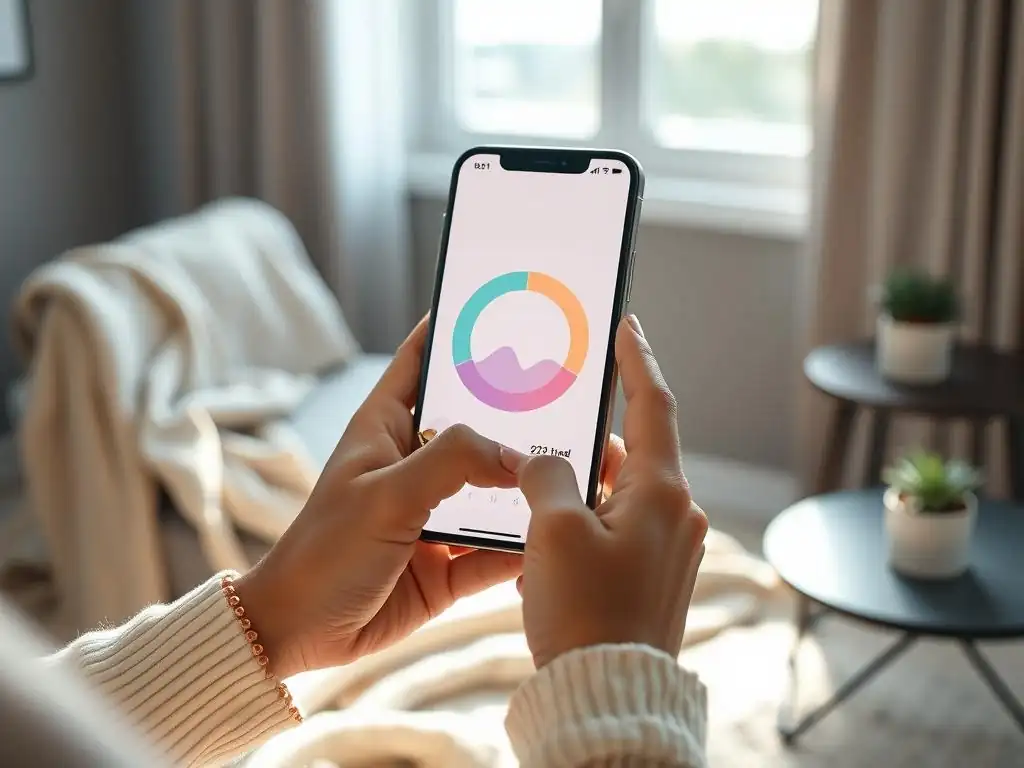
Welcome to Mind Care Guide, a sanctuary dedicated to nurturing your mental well-being. Feeling lost in the labyrinth of your emotions? You're not alone. This journey towards inner peace often begins with understanding, and our latest guide delves into just that. Discover the surprising Mood Tracking Apps Benefits and explore if they might be the missing piece you've been searching for in your personal wellness journey. Curious how these apps can unlock a deeper connection with yourself? Let's find out...
Mood Tracking Apps: Are They the Missing Piece in Your Wellness Journey?
- Understanding the Power of Mood Tracking: Benefits and Beyond
- Choosing the Right Mood Tracker: A Comprehensive Guide
-
Maximizing the Benefits of Mood Tracking Apps: Tips and Strategies
- Setting Realistic Goals for Mood Tracking
- Consistent Tracking: Making Mood Tracking a Daily Habit
- Interpreting Your Mood Data: Identifying Patterns and Trends
- Sharing Your Data with Mental Health Professionals: Enhancing Treatment Outcomes
- Using Mood Tracking Apps in Conjunction with Therapy and Medication
- Real-Life Examples: How Mood Tracking Apps Can Transform Your Mental Wellbeing
- Addressing Common Concerns About Mood Tracking Apps
- Conclusion: Embracing Mood Tracking Apps as a Valuable Tool for Mental Wellness
-
Frequently Asked Questions
- What are mood tracking apps and what is their primary purpose?
- What are some key benefits of using mood tracking apps?
- How can mood tracking apps help in managing mental health challenges?
- Are mood tracking apps a substitute for professional mental health care?
- What features should I look for when choosing a mood tracking app?
- Final Reflection: Unlocking Emotional Wellness Through Intentional Tracking
- Unlock Your Emotional Well-being: Start Tracking Today!
Understanding the Power of Mood Tracking: Benefits and Beyond
What are Mood Tracking Apps and Why Track Your Mood?
Mood tracking apps are digital tools designed to help individuals monitor and record their emotional states over time. These applications typically allow users to log their mood on a scale, often daily or multiple times a day, and associate that mood with activities, location, social interactions, sleep patterns, or other factors. The primary goal is to create a digital diary of one's emotional landscape, providing a structured way to observe fluctuations and potential influences.
Tracking your mood, whether through an app, a journal, or simple notes, serves as a foundational practice in understanding your mental health. It moves emotional experiences from abstract feelings into concrete, observable data points. This process can be particularly valuable for individuals navigating mental health challenges like anxiety, depression, bipolar disorder, or simply seeking greater self-awareness. It provides a tangible record that can reveal patterns that might otherwise go unnoticed in the day-to-day flow of life.
Exploring the Benefits of Mood Tracking Apps for Mental Wellbeing
One of the most significant mood tracking apps benefits is the profound increase in self-awareness they facilitate. By regularly logging how you feel and what you were doing, you begin to see trends emerge. Perhaps you notice your mood consistently dips on certain days of the week, or after specific social interactions. This objective data helps you move beyond vague feelings of "I'm not feeling great" to a more nuanced understanding of your emotional states and how they change. This enhanced self-awareness is the first step toward gaining agency over your emotional responses.
Identifying triggers is another key advantage derived from using mood tracking apps. As you correlate your mood entries with recorded activities, sleep, food, or social events, clear connections can start to appear. For example, someone might discover that their anxiety levels spike after consuming excessive caffeine or that feelings of sadness intensify after spending too much time alone. These apps provide the structured data needed to pinpoint specific external or internal factors that negatively or positively impact your emotional state, allowing you to make informed choices about your lifestyle and environment.
Enhanced emotional regulation is a powerful outcome for those who consistently use mood tracking apps. By understanding your typical mood patterns and triggers, you are better equipped to anticipate challenging emotional states and develop strategies to manage them. If you know a particular situation often leads to frustration, you can prepare coping mechanisms beforehand. This proactive approach, informed by your tracking data, helps reduce the intensity and duration of difficult moods, fostering a greater sense of control and resilience over time.
Finally, mood tracking apps provide invaluable data-driven insights into your mental health journey. Over weeks and months, the accumulated data creates a visual history of your emotional wellbeing. Charts and graphs generated by the app can illustrate mood fluctuations, highlight periods of stability or difficulty, and show the correlation between your mood and various factors you track. These insights are not only empowering for personal understanding but can also be incredibly useful when communicating with mental health professionals, providing them with concrete information about your experiences between sessions.
Choosing the Right Mood Tracker: A Comprehensive Guide
Key Features to Consider When Selecting a Mood Tracking App
When exploring the options for a mood tracking app, ease of use is paramount. An intuitive interface and simple navigation are crucial because consistent tracking is key to success. If the app is cumbersome or takes too long to log an entry, you are less likely to stick with it daily. Look for apps with a clean design, straightforward logging process, and easy access to past data and insights. The goal is to make mood tracking a seamless part of your routine, not a chore.
Customization options allow you to tailor the app to your specific needs and circumstances, significantly enhancing the mood tracking apps benefits. The ability to add custom activities, factors (like specific medications, symptoms, or social contacts), or even mood descriptors means the app can accurately reflect your unique life experiences. Some apps offer customizable scales or allow you to add detailed notes to each entry, providing a richer context for your mood data beyond just a numerical rating.
Data visualization is where the real power of tracking often becomes apparent. Clear and understandable mood charts and graphs transform raw data into meaningful insights. Look for apps that offer various ways to view your data – daily, weekly, monthly, or even yearly trends. Visualizations that show correlations between your mood and tracked activities or factors are particularly valuable for identifying patterns and triggers effectively. The ability to easily interpret your data helps reinforce the value of consistent tracking.
Privacy and security are non-negotiable when it comes to apps that store sensitive personal information about your mental health. Before committing to an app, research its privacy policy. Understand how your data is stored, whether it is anonymized, and who has access to it. Look for apps that offer password protection, encryption, and clear statements about not selling or sharing your personal data with third parties. Protecting your sensitive mental health data should be a top priority for any reputable mood tracking app.
Integrations with other wellness apps and devices can enhance the comprehensiveness of your tracking data. Some mood tracking apps can connect with fitness trackers (like those from Fitbit or Apple Watch) to pull in data on sleep, activity levels, or heart rate variability. Others might integrate with journaling apps or meditation guides. While not essential for everyone, these integrations can provide a more holistic view of how different aspects of your life might be influencing your mood.
Top Mood Tracking Apps: A Comparative Overview
Daylio stands out as a simple and visual mood tracker. It utilizes a minimalist design where users select their mood from a few options and then tap icons representing activities they engaged in. This quick logging process makes it easy to maintain consistency, even on busy days. It provides simple statistics and charts based on the selected moods and activities, making it a good entry point for mood tracking apps benefits without feeling overwhelming.
Moodpath goes beyond simple logging by combining mood tracking with psychological assessments. Over a 14-day period, it asks questions designed to screen for symptoms of depression and anxiety. It provides daily insights based on your entries and offers guided cognitive behavioral therapy (CBT) exercises. This app is particularly useful for individuals who suspect they might be experiencing symptoms of a mood disorder and are looking for a tool that offers both tracking and some level of therapeutic support.
Reflectly positions itself as an AI-powered journaling and mood tracking app. It uses artificial intelligence to ask personalized questions based on your previous entries, prompting deeper reflection on your feelings and experiences. This approach encourages more detailed journaling alongside mood logging, helping users explore the 'why' behind their moods. It aims to provide insights and positive affirmations based on your data, merging tracking with a reflective journaling practice.
eMoods Bipolar Mood Tracker is specifically designed for individuals managing bipolar disorder. It focuses on tracking key data points relevant to this condition, such as elevated mood, depressed mood, irritability, anxiety, sleep patterns, and medication adherence. The interface is straightforward and geared towards providing clear charts that can be easily shared with clinicians. Its specific focus makes it a highly targeted and effective tool for this particular mental health challenge.
Bearable offers a comprehensive approach to symptom and mood tracking. It allows users to track not just mood, but also symptoms (physical and mental), sleep, energy levels, medications, activities, and various other factors. This detailed level of tracking is beneficial for identifying complex correlations between different aspects of health and mood. It provides detailed insights and graphs based on the vast amount of data users can input, making it suitable for those managing chronic conditions or multiple health concerns alongside their mood.
Maximizing the Benefits of Mood Tracking Apps: Tips and Strategies

Setting Realistic Goals for Mood Tracking
Embarking on the journey of using mood tracking apps should begin with setting clear, achievable goals. Simply downloading an app without a purpose can lead to inconsistent use and frustration. Consider what you hope to gain: Is it identifying triggers for anxiety? Understanding the impact of sleep on your depression? Or simply gaining a better general understanding of your emotional baseline? Start small – commit to logging your mood once a day at a specific time, perhaps in the morning or before bed.
Defining realistic expectations is just as important as setting goals. Mood tracking apps are powerful tools, but they are not a cure-all. They provide data and insights, but interpreting that data and making changes based on it requires effort and time. Understand that seeing patterns takes consistency over weeks, if not months. Don't expect immediate breakthroughs; view it as a gradual process of self-discovery. Recognizing these limitations upfront helps prevent discouragement and promotes sustained engagement with the app.
Consistent Tracking: Making Mood Tracking a Daily Habit
Consistency is arguably the single most important factor in unlocking the full mood tracking apps benefits. Sporadic entries will yield fragmented data, making it difficult, if not impossible, to identify reliable patterns or trends. Aim to make logging your mood a daily habit, much like brushing your teeth. Choose a time or times of day that work best for you and set reminders if the app offers this feature.
Integrating tracking into your daily routine can significantly improve adherence. Try pairing it with an existing habit, such as logging your mood right after your morning coffee, during your commute, or before you go to sleep. The more seamless you make the process, the less likely you are to forget or skip a day. Remember, even a quick entry is better than no entry, and the cumulative data over time is where the insights lie.
Interpreting Your Mood Data: Identifying Patterns and Trends
Once you have accumulated a sufficient amount of data (usually after a few weeks of consistent tracking), the next crucial step is interpreting what it means. Don't just log; take time to review the charts and graphs the app provides. Look for correlations: Do certain activities consistently coincide with higher or lower moods? Are there days of the week or times of the month where your mood tends to shift? Pay attention to factors like sleep duration, exercise, social interaction, or work stress.
Identifying patterns requires an open and curious mindset. Avoid judgment; the data is simply information about your experience. For example, if you notice your mood is consistently low on weekends when you have no plans, it might indicate that unstructured time or lack of social connection is a trigger. Conversely, if your mood is consistently higher on days you exercise, that highlights a positive influence. Use these insights to formulate hypotheses about what affects you and test them by making small changes in your routine.
Sharing the data from your mood tracking app with a therapist, counselor, or psychiatrist can significantly enhance the effectiveness of your mental healthcare. Your tracking data provides an objective, detailed record of your experiences between appointments, offering insights that might be difficult to recall accurately during a session. This information can help your clinician understand the frequency and intensity of mood fluctuations, identify specific triggers, and assess the effectiveness of current treatments like therapy techniques or medication.
Many mood tracking apps offer features specifically designed for sharing data, such as exporting reports or providing a summary view suitable for clinical review. Discuss with your professional how they would prefer to receive this information. Presenting this data allows for more targeted discussions during therapy sessions, helps refine coping strategies, and provides valuable feedback for adjusting medication dosages or types if necessary. It empowers you as an active participant in your treatment, using data to guide the process.
Using Mood Tracking Apps in Conjunction with Therapy and Medication
Mood tracking apps are most powerful when used as a supplementary tool alongside established mental health treatments like therapy and medication, rather than as a replacement. Therapy provides the guidance and strategies for understanding and processing your emotions and experiences; medication can help regulate underlying biological factors influencing mood. The app acts as a data collection and insight generation tool that supports these primary interventions.
For instance, a therapist might ask you to track specific situations that trigger anxiety. Your app data provides precise examples and the associated mood intensity, offering concrete material for discussion and skill application in therapy. If you are on medication, tracking can help you and your doctor observe its effects over time, noting improvements or side effects related to mood. Integrating mood tracking apps benefits into a comprehensive mental wellness plan leverages technology to support traditional care, leading to a more informed and effective approach to managing your mental health.
Real-Life Examples: How Mood Tracking Apps Can Transform Your Mental Wellbeing

Case Study 1: Sarah and Their Journey with Daylio for Anxiety Management
Sarah, a 28-year-old graphic designer, struggled with generalized anxiety that often felt unpredictable. She would have periods of intense worry and physical symptoms, but it was hard for her to pinpoint what was causing them. She started using Daylio, attracted by its simplicity and quick logging. Initially, she just logged her mood several times a day and a few basic activities like "work," "social," or "home."
After about a month of consistent tracking, Sarah reviewed her Daylio data. The charts revealed a pattern: her anxiety levels were consistently higher on days she had multiple online meetings compared to days focused on design work. She also noticed spikes on evenings after consuming alcohol.
This data allowed her to have a more focused conversation with her therapist. Armed with specific examples from her tracking, they developed strategies for managing meeting-related stress and Sarah decided to reduce her alcohol intake. The simple act of tracking provided the objective evidence she needed to identify subtle triggers that had previously gone unnoticed, significantly improving her ability to manage her anxiety proactively.
Case Study 2: David Using Moodpath to Identify Triggers for Depressive Episodes
David, a 45-year-old teacher, experienced recurring depressive episodes. He felt they would arrive without warning, leaving him feeling helpless. He began using Moodpath, drawn to its combination of mood logging and psychological insights. He diligently logged his mood daily and answered the reflective questions the app posed.
Over several weeks, Moodpath's analysis highlighted correlations David hadn't consciously recognized. His mood consistently worsened during periods of poor sleep, and the app's questions prompted him to consider his social isolation, which also correlated with lower moods in his data. The app also identified a pattern where engaging in a specific hobby (playing guitar) consistently lifted his mood, even slightly.
Sharing these data-driven insights with his doctor helped validate his experiences and informed adjustments to his treatment plan, including prioritizing sleep hygiene and scheduling regular social interactions. The app didn't just track his low moods; it helped illuminate the contributing factors and potential protective activities.
Case Study 3: Maria and The Benefits of eMoods in Managing Bipolar Disorder
Maria, a 35-year-old managing Bipolar II disorder, found it challenging to track her mood swings, sleep patterns, and medication adherence accurately for her psychiatric appointments. She started using eMoods Bipolar Mood Tracker because of its specific focus on the data points relevant to her condition. She used the app daily to log her mood (depressed, elevated, irritable), anxiety levels, sleep duration, and whether she took her medication.
The structured format of eMoods provided Maria and her psychiatrist with clear, visual charts of her mood fluctuations over time, directly alongside her sleep and medication data. They could easily see periods of increased irritability correlating with reduced sleep, or how consistently taking her medication seemed to buffer against extreme mood shifts.
This objective data allowed for more precise adjustments to her medication dosage and helped Maria recognize early warning signs of an impending mood episode based on past patterns in the app, empowering her to implement coping strategies or reach out for support sooner. The app transformed abstract feelings and missed doses into actionable data for better management of her condition.
Addressing Common Concerns About Mood Tracking Apps
Privacy Concerns: Protecting Your Data and Maintaining Anonymity
A significant concern when using mood tracking apps is the privacy and security of the highly sensitive personal data being recorded. Users are logging intimate details about their emotional state, potential triggers, and even information about their mental health conditions or medication. It is crucial to understand how an app handles this data. Reputable apps should have clear, transparent privacy policies that detail how your data is stored, whether it is anonymized, and who, if anyone, it might be shared with (ideally, no one without your explicit consent, except perhaps in anonymized, aggregated research data).
To protect your data, choose apps that offer strong security measures, such as password or biometric protection to access the app itself. Look for end-to-end encryption for data transmission and secure server storage. Be wary of free apps that might have less stringent privacy practices or rely on selling anonymized data for revenue. While complete anonymity might be difficult with personalized tracking, selecting apps with robust privacy features and reading their terms of service carefully are essential steps in safeguarding your sensitive mental health information.
The Potential for Over-Analysis: Avoiding Obsessive Mood Monitoring
While gaining insight from data is a key mood tracking apps benefit, there is a potential risk of falling into over-analysis or obsessive monitoring. Constantly checking your mood, scrutinizing every dip or spike, and becoming overly focused on the numbers can sometimes increase anxiety or lead to self-judgment. The goal of mood tracking is self-awareness and insight for growth, not to achieve a perfect graph or to pathologize every minor emotional fluctuation.
To avoid this pitfall, set boundaries around your tracking and data review. Perhaps commit to logging only once or twice a day, rather than constantly. Review your data periodically (e.g., weekly or monthly) rather than daily, focusing on identifying broader patterns rather than getting caught up in moment-to-moment changes.
Remember that mood is naturally dynamic, and it's okay to have bad days. Use the data as a tool for understanding, not a rigid metric for self-worth. If you find yourself becoming anxious or obsessive about your tracking, it might be a sign to step back or discuss it with a mental health professional.
Finding the Right Balance: Using Mood Tracking Apps as a Tool, Not a Crutch
Mood tracking apps are designed to be supportive tools on your wellness journey, not a substitute for professional help or healthy coping mechanisms. Relying solely on an app without addressing underlying issues, seeking therapy, or making necessary lifestyle changes is unlikely to lead to significant, lasting improvement. The app provides the map, but you still need to do the driving and perhaps get directions from a guide (therapist).
Finding the right balance means integrating the app into a broader self-care routine. Use the insights you gain to inform actions – whether that's scheduling more enjoyable activities, practicing mindfulness when triggers are identified, or having informed conversations with your therapist. The app should empower you with information to make conscious choices about your wellbeing, not become something you feel dependent on to simply function. Recognize when the data is pointing to issues that require professional intervention and use the app as a way to better communicate those needs.
Conclusion: Embracing Mood Tracking Apps as a Valuable Tool for Mental Wellness
The Future of Mood Tracking: Innovations and Advancements
The landscape of mood tracking apps is continuously evolving, promising even more sophisticated tools in the future. Advancements in artificial intelligence and machine learning are likely to lead to more personalized insights and predictive capabilities, helping users anticipate potential mood challenges based on their unique patterns. Integration with wearable technology will likely deepen, allowing for passive data collection on physiological indicators like heart rate variability, sleep stages, and activity levels, providing a richer context for mood entries.
Furthermore, the potential for integrating mood tracking data with clinical platforms could streamline communication between users and their healthcare providers, facilitating more proactive and personalized care. While privacy concerns will remain paramount, future innovations may focus on enhanced anonymization techniques and user control over data sharing. These advancements aim to make mood tracking even more insightful, accessible, and seamlessly integrated into a holistic approach to mental wellness.
Empowering Yourself Through Self-Awareness and Data-Driven Insights
Ultimately, the core mood tracking apps benefits lie in their ability to empower individuals through increased self-awareness and data-driven insights. By providing a structured way to observe and record emotional experiences, these apps transform abstract feelings into tangible information. This process demystifies your emotional landscape, helping you understand when you feel certain ways and what might be influencing those feelings.
Armed with this knowledge, you are better equipped to identify triggers, recognize patterns, develop coping strategies, and communicate your needs effectively to others, including mental health professionals. Using a mood tracking app is an active step towards taking ownership of your mental wellbeing, providing a personal roadmap that highlights challenges and celebrates progress. It's a tool that fosters a deeper connection with yourself, supporting resilience and growth on your journey towards greater emotional balance and mental health.
Frequently Asked Questions
What are mood tracking apps and what is their primary purpose?
Mood tracking apps are mobile applications designed to help users monitor and record their emotions over time. Their primary purpose is to identify patterns and triggers related to mood fluctuations.
What are some key benefits of using mood tracking apps?
Using mood tracking apps can offer several benefits, including increased self-awareness, improved emotion regulation, and better communication with mental health professionals.
How can mood tracking apps help in managing mental health challenges?
Mood tracking apps can aid in managing mental health challenges by identifying periods of heightened anxiety or depression, which can then be discussed with a therapist. They can also help track the effectiveness of treatment plans.
Are mood tracking apps a substitute for professional mental health care?
No, mood tracking apps are not a substitute for professional mental health care. They are a tool that can supplement therapy and provide valuable insights, but professional guidance is crucial for diagnosis and treatment.
What features should I look for when choosing a mood tracking app?
When choosing a mood tracking app, look for features such as customizable mood scales, journaling prompts, and data visualization to help you understand your mood patterns and triggers.
Final Reflection: Unlocking Emotional Wellness Through Intentional Tracking
The pervasive nature of mental health challenges in today's fast-paced world underscores the critical need for accessible and effective self-care strategies. Mood tracking apps, once a niche tool, are rapidly becoming a vital component of proactive wellness, offering a powerful pathway to understanding and managing our emotional landscapes. Their ability to provide personalized insights, identify triggers, and facilitate informed decision-making makes them a game-changer in the pursuit of mental well-being.
The impact of these apps extends beyond individual users; they are subtly reshaping our understanding of mental health itself. By normalizing the practice of self-monitoring and encouraging open conversations about emotional experiences, they foster a culture of self-awareness and compassion. The unexamined life is not worth living,
Socrates famously stated, and mood tracking apps provide a practical framework for this crucial self-examination, allowing us to actively participate in our own emotional growth.
Consider the potential within your grasp. You have the power to harness technology to gain a deeper understanding of your emotional patterns, identify potential stressors, and develop personalized strategies for managing your mental health. Don't just passively experience your emotions; actively engage with them. Download a mood tracking app today, begin your journey of self-discovery, and unlock the transformative power of intentional self-care. Your emotional well-being is worth the investment.
Unlock Your Emotional Well-being: Start Tracking Today!
Thanks for taking the time to explore the world of mood tracking with us! We hope you gained valuable insights into how these apps can help you understand and manage your emotional landscape. Ready to take the next step?
- Begin your mood tracking journey: Download a mood tracking app and dedicate just 5 minutes a day to recording your feelings. See how simple self-reflection can create powerful change.
- Share your experience: Tell us (or a friend!) about your initial experiences with mood tracking. What are your first impressions? What challenges or successes are you encountering?
- Explore additional resources: Dive deeper into the world of emotional wellness by exploring related articles on our site. You might uncover hidden techniques to boost your overall wellbeing.
What small step will you take today to prioritize your emotional health?