
Exploring Neurotransmitter Receptors: Key Targets for Treatment

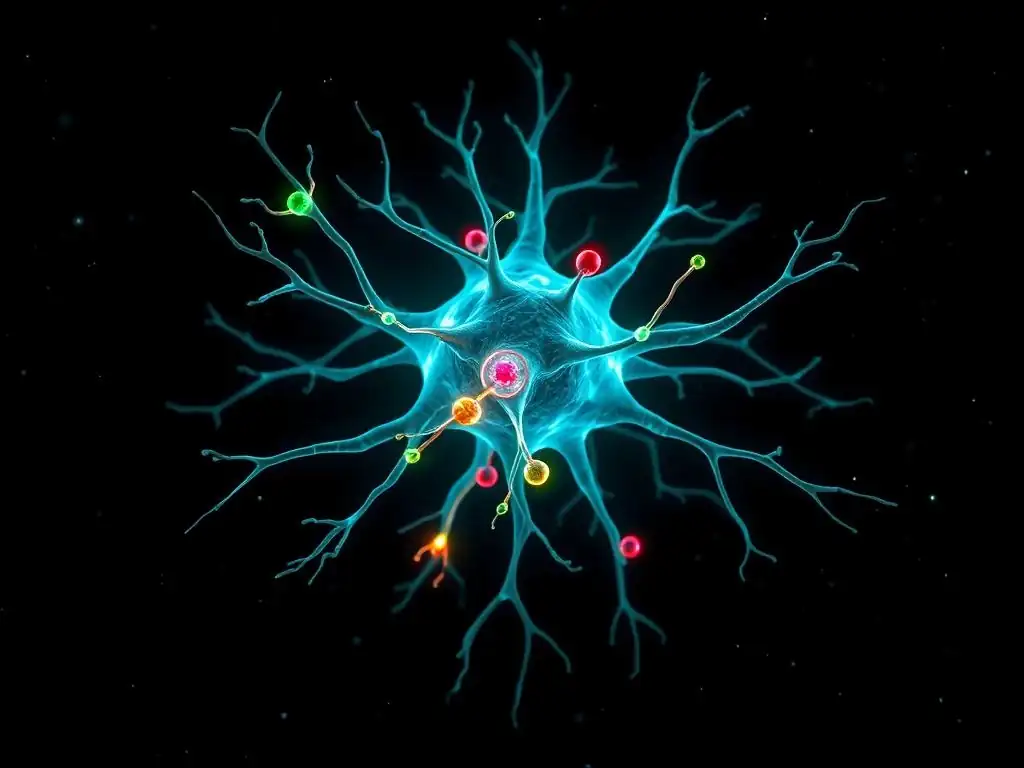
Welcome to Mind Care Guide, your trusted source for understanding and navigating the complexities of mental well-being. Are you searching for answers regarding treatment options for mood disorders? Then, you've come to the right place. We delve into the intricate world of Neurotransmitter receptor treatment strategies, offering insights that can empower you to make informed decisions about your mental health journey. What if the key to managing your mood lies within these tiny receptors? Let's unlock the possibilities together and explore how these strategies can pave the way for a brighter tomorrow.
Exploring Neurotransmitter Receptors: Key Targets for Treatment
- Introduction to Neurotransmitter Receptors and Mental Health
- Understanding Major Neurotransmitter Receptor Systems
- Neurotransmitter Receptor Treatment Strategies: A Deeper Dive
- Challenges and Future Directions in Neurotransmitter Receptor Research
- Conclusion: The Future of Mental Health Treatment Through Neurotransmitter Receptor Modulation
-
Frequently Asked Questions
- What are neurotransmitter receptors, and why are they important in mental well-being?
- How do neurotransmitter receptor treatment strategies work to improve mental health?
- What are some common mental health conditions that can be treated using neurotransmitter receptor-focused approaches?
- What are the potential benefits and risks associated with neurotransmitter receptor treatment strategies?
- Where can I find reliable information and support regarding neurotransmitter receptor treatment strategies for mental health?
- Final Reflection: Unlocking the Brain's Potential Through Targeted Therapies
- Unlock Your Brain's Potential: Take the Next Step
Introduction to Neurotransmitter Receptors and Mental Health
The Role of Neurotransmitter Receptors in Brain Function
Neurotransmitter receptors are intricate protein molecules located on the surface of neurons and other cells throughout the body. Their primary function is to receive chemical signals transmitted by neurotransmitters, which are the brain's chemical messengers. When a neurotransmitter binds to its specific receptor, it triggers a cascade of events within the cell, leading to changes in its electrical activity or metabolic state.
This process is fundamental to all brain functions, from basic sensory perception and motor control to complex cognitive processes like learning, memory, and emotional regulation. The precise interaction between neurotransmitters and their receptors dictates the speed and strength of communication between neurons, forming the basis of neural circuits that underpin our thoughts, feelings, and behaviors.
These receptors act like locks that can only be opened by specific keys—the neurotransmitters. The diversity of receptor types and subtypes allows for highly specific signaling pathways. For example, the neurotransmitter serotonin can bind to at least 14 different types of serotonin receptors, each located in different brain regions and mediating distinct effects.
This complexity enables the brain to fine-tune its responses to various stimuli and maintain homeostasis. Disruptions in the function or expression of these receptors, whether due to genetic factors, environmental stress, or disease processes, can lead to imbalances in neural signaling, contributing significantly to the development of various mental health conditions. Understanding these fundamental mechanisms is crucial for developing effective therapeutic interventions.
Neurotransmitter Receptors as Therapeutic Targets for Mood Disorders
Given their central role in regulating brain function and emotional states, neurotransmitter receptors are prime targets for pharmacological interventions aimed at treating mood disorders and other mental health conditions. Many of the most widely used psychiatric medications exert their effects by modulating the activity of specific neurotransmitter receptors or the systems that regulate them.
For instance, selective serotonin reuptake inhibitors (SSRIs), commonly prescribed for depression and anxiety, work by increasing the availability of serotonin in the synaptic cleft, thereby enhancing its binding to postsynaptic serotonin receptors. Similarly, medications for schizophrenia often target dopamine receptors to help regulate thought processes and perception.
Developing effective neurotransmitter receptor treatment strategies involves identifying which receptor systems are dysregulated in specific conditions and designing molecules that can restore balance. This might involve using agonists that mimic the action of a neurotransmitter, antagonists that block a receptor's activity, or modulators that alter a receptor's response to its neurotransmitter. Research continues to explore the nuances of different receptor subtypes to develop more targeted therapies with fewer side effects.
For example, while earlier antipsychotics blocked a broad range of dopamine receptors, newer agents often have more specific affinity for certain subtypes, potentially improving efficacy and tolerability. The goal of these neurotransmitter receptor treatment strategies is to normalize the disrupted signaling pathways underlying symptoms, offering relief and improving quality of life for individuals living with mental health challenges.
Understanding Major Neurotransmitter Receptor Systems
Serotonin Receptors: Targeting Serotonin for Mood Regulation
Serotonin, also known as 5-hydroxytryptamine (5-HT), is a crucial neurotransmitter involved in regulating mood, sleep, appetite, social behavior, and cognitive functions. Its widespread influence is mediated by a remarkably diverse family of serotonin receptors. These receptors are found throughout the central nervous system and in peripheral tissues, including the gut and blood vessels, contributing to the complex physiological and psychological effects of serotonin. Dysregulation of the serotonergic system, including alterations in receptor sensitivity or density, is strongly implicated in the pathophysiology of major depressive disorder, anxiety disorders, obsessive-compulsive disorder (OCD), and other psychiatric conditions.
Targeting serotonin receptors is a cornerstone of modern psychopharmacology. Medications like SSRIs and serotonin-norepinephrine reuptake inhibitors (SNRIs) are designed to increase serotonin levels in the synapse, indirectly influencing receptor activation. However, direct modulation of specific serotonin receptor subtypes is also an active area of research and drug development. For instance, drugs targeting the 5-HT1A receptor, which is an inhibitory autoreceptor, can reduce serotonin release initially but may lead to desensitization and increased serotonin activity over time. Other drugs target receptors like 5-HT2A or 5-HT2C for various therapeutic effects, including antipsychotic or anxiolytic properties. The complexity of the serotonin receptor system provides multiple avenues for developing targeted neurotransmitter receptor treatment strategies.
Types of Serotonin Receptors (5-HT receptors) and their Functions
The serotonin receptor family is one of the most diverse neurotransmitter receptor families, comprising seven main classes ( 5-HT1 to 5-HT7) and multiple subtypes, totaling at least 14 distinct receptors. These receptors belong primarily to the G protein-coupled receptor (GPCR) superfamily, with the notable exception of the 5-HT3 receptor, which is a ligand-gated ion channel.
5-HT1receptors (e.g.,5-HT1A,5-HT1B,5-HT1D): Primarily inhibitory, often acting as autoreceptors or heteroreceptors regulating the release of serotonin and other neurotransmitters.5-HT1Ais involved in anxiety and depression;5-HT1B/Dare targets for migraine treatment.5-HT2receptors (e.g.,5-HT2A,5-HT2B,5-HT2C): Primarily excitatory (except5-HT2Cwhich can be inhibitory).5-HT2Ais linked to perception, cognition, and sleep;5-HT2Cis involved in appetite and mood. Antipsychotics often target these receptors.5-HT3receptor: A ligand-gated ion channel that mediates rapid excitatory neurotransmission. Located in the gut (involved in nausea/vomiting) and brainstem (involved in anxiety). Antagonists are used as antiemetics.5-HT4,5-HT5,5-HT6,5-HT7receptors: GPCRs involved in a variety of functions including gut motility (5-HT4), circadian rhythms and mood (5-HT5,5-HT7), and cognition (5-HT6).
Therapeutic Strategies Targeting Serotonin Receptors
Therapeutic strategies targeting serotonin receptors are cornerstone neurotransmitter receptor treatment strategies for numerous conditions. The most common approach in depression and anxiety involves inhibiting the serotonin transporter (SERT) using SSRIs (like fluoxetine or sertraline) or SNRIs (like venlafaxine or duloxetine), which increases synaptic serotonin levels and enhances signaling through various 5-HT receptors over time.
Beyond reuptake inhibition, directly targeting specific 5-HT receptor subtypes offers more nuanced control. For instance, buspirone is a 5-HT1A partial agonist used for anxiety. Atypical antipsychotics like clozapine or olanzapine exert some of their effects by blocking 5-HT2A receptors, in addition to dopamine receptors. New research explores targeting receptors like 5-HT7 for antidepressant effects or 5-HT4 for cognitive enhancement. The diversity of 5-HT receptors allows for a range of neurotransmitter receptor treatment strategies, each with potential for specific therapeutic effects and side effect profiles.
Dopamine Receptors: The Dopamine System and Mental Well-being
Dopamine is a critical neurotransmitter involved in reward, motivation, pleasure, motor control, and executive functions. It plays a central role in the brain's reward pathways, influencing our ability to experience pleasure and pursue goals. Dysregulation of the dopaminergic system is strongly implicated in several major psychiatric and neurological disorders, including schizophrenia, Parkinson's disease, addiction, and attention-deficit/hyperactivity disorder (ADHD). Understanding the different types of dopamine receptors and their functions is essential for developing effective neurotransmitter receptor treatment strategies for these conditions.
The impact of dopamine signaling depends heavily on which receptor subtype is activated and in which brain region. For example, dopamine activity in the striatum is crucial for motor control, while activity in the prefrontal cortex is vital for cognitive function. Imbalances, such as excessive dopamine signaling in certain pathways, are associated with positive symptoms of schizophrenia (like hallucinations and delusions), while deficits are linked to negative symptoms (like apathy and lack of motivation) and cognitive impairment. This highlights the need for targeted interventions that can selectively modulate dopamine receptor activity in specific brain areas or pathways.
Different Types of Dopamine Receptors (D1-D5)
Dopamine receptors are classified into two main families based on their structure and signaling pathways: the D1-like family and the D2-like family. There are five known dopamine receptor subtypes, all of which are G protein-coupled receptors.
- D1-like family: Includes
D1andD5receptors. These receptors are primarily coupled to Gs proteins, which stimulate adenylyl cyclase, leading to an increase in intracellular cyclic AMP (cAMP). They are often found in the striatum, cortex, and limbic system, involved in excitatory effects on their target neurons. - D2-like family: Includes
D2,D3, andD4receptors. These receptors are primarily coupled to Gi/o proteins, which inhibit adenylyl cyclase, leading to a decrease in intracellular cAMP. They can also activate other signaling pathways and are often found in the striatum, limbic system, and hypothalamus, typically mediating inhibitory effects.
Dopamine Receptor Modulation in Schizophrenia
Modulating dopamine receptors, particularly the D2-like family, is a primary neurotransmitter receptor treatment strategy for schizophrenia. The "dopamine hypothesis" of schizophrenia posits that the positive symptoms are related to excessive dopamine activity, particularly in the mesolimbic pathway. Antipsychotic medications, both typical (like haloperidol) and atypical (like risperidone or aripiprazole), primarily act as antagonists or partial agonists at D2 receptors.
Typical antipsychotics are potent D2 antagonists, blocking dopamine's action in all pathways. While effective for positive symptoms, this broad blockade can lead to significant side effects, including motor disturbances (extrapyramidal symptoms) due to effects on the nigrostriatal pathway and hormonal changes due to effects on the tuberoinfundibular pathway. Atypical antipsychotics often have a broader receptor profile, including effects on serotonin receptors (like 5-HT2A) and potentially weaker or more transient D2 blockade, which may contribute to a lower risk of certain side effects and potential efficacy for negative and cognitive symptoms. For example, aripiprazole is a D2 partial agonist, acting as a functional antagonist in areas of high dopamine activity but potentially as a weak agonist in areas of low activity, aiming for a more balanced modulation.
Norepinephrine Receptors: Impact on Mood and Alertness
Norepinephrine (also known as noradrenaline) is a neurotransmitter and hormone involved in the body's 'fight or flight' response, regulating alertness, arousal, attention, and mood. It plays a significant role in the sympathetic nervous system and is synthesized in brain regions like the locus coeruleus, which projects widely throughout the brain and spinal cord. Imbalances in norepinephrine signaling are implicated in various conditions, including depression, anxiety disorders, and ADHD.
The effects of norepinephrine are mediated through a family of adrenergic receptors, which are G protein-coupled receptors. These receptors are also targeted by the hormone epinephrine (adrenaline). Understanding the different subtypes of adrenergic receptors and their distribution is crucial for developing pharmacological interventions that modulate norepinephrine signaling for therapeutic benefit. Strategies targeting these receptors aim to restore appropriate levels of arousal, improve focus, and stabilize mood.
Alpha and Beta-Adrenergic Receptors: Functions and Relevance to Mood
Adrenergic receptors are broadly classified into alpha ( α) and beta ( β) types, each with several subtypes:
- Alpha (
α) receptors:α1receptors (e.g.,α1A,α1B,α1D): Generally excitatory, often coupled to Gq proteins, leading to increased intracellular calcium. Found in smooth muscle (blood vessels, bladder), liver, and brain. In the brain, they are involved in arousal and attention.α2receptors (e.g.,α2A,α2B,α2C): Generally inhibitory, often coupled to Gi/o proteins, reducing cAMP. Act as autoreceptors on norepinephrine neurons (inhibiting release) and heteroreceptors on other neurons. Involved in blood pressure regulation, sedation, and modulating sympathetic outflow. In the brain,α2Ain the prefrontal cortex is important for working memory and attention.
- Beta (
β) receptors:β1,β2,β3receptors: Primarily coupled to Gs proteins, stimulating adenylyl cyclase and increasing cAMP.β1is abundant in the heart (increasing heart rate and contractility);β2is found in smooth muscle (bronchodilation, vasodilation) and skeletal muscle;β3is involved in fat metabolism. In the brain,βreceptors are involved in arousal, learning, memory, and mood regulation.
Pharmacological Interventions Targeting Norepinephrine Receptors
Pharmacological interventions targeting norepinephrine receptors are important neurotransmitter receptor treatment strategies for several conditions. For depression and anxiety, medications like SNRIs (e.g., duloxetine, venlafaxine) inhibit the reuptake of both serotonin and norepinephrine, increasing their synaptic concentrations and enhancing signaling through their respective receptors. Tricyclic antidepressants (TCAs) also inhibit norepinephrine and serotonin reuptake but have broader effects on other receptors, leading to more side effects.
Other medications directly target adrenergic receptors. For example, clonidine and guanfacine are α2 agonists used to treat hypertension and also to improve attention and reduce impulsivity in some individuals with ADHD by enhancing prefrontal cortex function via α2A receptors. Beta-blockers (e.g., propranolol), which are β antagonists, are primarily used for cardiovascular conditions but can also help manage physical symptoms of anxiety (like rapid heartbeat or tremor) by blocking the effects of norepinephrine/epinephrine on β receptors in the periphery and potentially the brain.
GABA Receptors: Inhibitory Neurotransmission and Anxiety

Gamma-aminobutyric acid (GABA) is the primary inhibitory neurotransmitter in the central nervous system. Its main role is to reduce neuronal excitability throughout the nervous system, acting as a crucial counterbalance to the excitatory effects of glutamate. This inhibitory function is vital for preventing excessive neuronal firing, which can lead to seizures, and plays a critical role in regulating anxiety, sleep, and muscle tone. Dysregulation of the GABAergic system is strongly linked to anxiety disorders, epilepsy, insomnia, and spasticity.
GABA exerts its effects by binding to specific GABA receptors, which are distributed widely throughout the brain. Modulating the activity of these receptors is a key neurotransmitter receptor treatment strategy for conditions characterized by excessive neuronal activity or insufficient inhibition. Medications that enhance GABAergic transmission are among the most effective agents for rapidly reducing anxiety and controlling seizures.
GABA-A and GABA-B Receptors: Structure and Function
There are two main types of GABA receptors:
GABA-Areceptors: These are ligand-gated ion channels that are permeable to chloride ions (Cl-). When GABA binds to theGABA-Areceptor, the channel opens, allowingCl-ions to flow into the neuron. Since the concentration ofCl-is typically higher outside the neuron, influx ofCl-causes hyperpolarization (making the inside of the neuron more negative), which inhibits the neuron's ability to fire an action potential.GABA-Areceptors are complex structures typically composed of five protein subunits arranged around a central pore. The specific combination of subunits determines the receptor's properties, location, and sensitivity to various modulatory drugs. There is significant structural diversity, contributing to the varied effects of drugs targeting these receptors.GABA-Breceptors: These are G protein-coupled receptors (GPCRs), typically coupled to Gi/o proteins. When GABA binds to aGABA-Breceptor, it can inhibit adenylyl cyclase activity, activate potassium channels (causing K+ efflux and hyperpolarization), and inhibit calcium channels (reducing neurotransmitter release).GABA-Breceptors are found both postsynaptically and presynaptically, where they can act as autoreceptors or heteroreceptors to regulate the release of GABA or other neurotransmitters. Their effects are slower and longer-lasting than those ofGABA-Areceptors.
GABAergic Medications for Anxiety and Seizure Disorders
Medications targeting GABA receptors are potent neurotransmitter receptor treatment strategies, particularly for acute conditions. Benzodiazepines (like diazepam or alprazolam) are a class of drugs that bind to a specific allosteric site on the GABA-A receptor. They do not open the channel directly but enhance the effect of GABA, increasing the frequency of channel opening when GABA is bound. This leads to increased chloride influx and greater inhibition. Benzodiazepines are highly effective for treating acute anxiety, panic attacks, and seizures, but their potential for dependence and sedation limits long-term use.
Barbiturates (like phenobarbital) also bind to GABA-A receptors at a different site and increase the duration of channel opening, also enhancing GABA's effect. However, they have a higher risk of respiratory depression and overdose compared to benzodiazepines and are less commonly used now for anxiety, though some are still used for epilepsy and anesthesia. Other drugs like gabapentinoids (gabapentin, pregabalin) modulate calcium channels involved in neurotransmitter release, including glutamate, and have indirect effects that influence GABAergic activity, used for anxiety and neuropathic pain. Baclofen is a GABA-B receptor agonist used primarily to treat spasticity. These examples highlight the varied approaches to leveraging the inhibitory power of GABA through its receptors.
Glutamate Receptors: Excitation, Plasticity, and Mood
Glutamate is the primary excitatory neurotransmitter in the central nervous system, playing a critical role in virtually all aspects of brain function, including learning, memory, synaptic plasticity, and circuit development. It is the most abundant neurotransmitter in the brain. Glutamate exerts its effects by binding to a variety of glutamate receptors, which are crucial for mediating rapid excitatory synaptic transmission. While essential for normal brain function, excessive or dysregulated glutamate signaling can be neurotoxic and is implicated in a range of neurological and psychiatric disorders, including epilepsy, stroke, excitotoxicity-related damage, schizophrenia, and mood disorders like major depression.
The complexity of the glutamate system, involving both ionotropic and metabotropic receptors, offers multiple potential targets for therapeutic intervention. Modulating glutamate receptor activity is a challenging but promising area for developing novel neurotransmitter receptor treatment strategies, particularly for conditions that have not responded well to traditional monoamine-based therapies. The role of glutamate in synaptic plasticity also makes its receptors key players in the long-term changes in neural circuits associated with learning and potentially the persistent changes seen in chronic mood disorders.
NMDA, AMPA, and Kainate Receptors: Roles in Brain Function
Glutamate receptors are broadly divided into two main classes: ionotropic and metabotropic.
- Ionotropic glutamate receptors: These are ligand-gated ion channels that mediate fast excitatory synaptic transmission. They are named after the synthetic compounds that selectively activate them:
NMDAreceptors (N-methyl-D-aspartate): These are unique because their ion channel is blocked by magnesium ions (Mg2+) at resting membrane potential. The block is removed only when the neuron is simultaneously depolarized (e.g., by activation of AMPA receptors) and glutamate is bound. This makesNMDAreceptors crucial for detecting coincident events, a property essential for synaptic plasticity mechanisms like long-term potentiation (LTP), which is thought to be a cellular basis for learning and memory. They are permeable toNa+,K+, and significantly,Ca2+.AMPAreceptors (α-amino-3-hydroxy-5-methyl-4-isoxazolepropionic acid): These are the primary mediators of fast excitatory synaptic transmission in the brain. When glutamate binds toAMPAreceptors, the channel opens, allowing influx ofNa+ions (and someK+efflux), causing depolarization and exciting the neuron.Kainatereceptors: Similar toAMPAreceptors, they are also ligand-gated ion channels permeable toNa+andK+. They are found both pre- and postsynaptically and are involved in regulating synaptic transmission and neuronal excitability, though their exact roles are less well-defined thanAMPAandNMDAreceptors.
- Metabotropic glutamate receptors (
mGluRs): These are G protein-coupled receptors that modulate neuronal excitability and synaptic transmission through slower, indirect signaling pathways. They are divided into three groups (Group I, II, III) based on sequence similarity and signaling mechanisms. They are involved in regulating synaptic plasticity, neurotransmitter release, and neuronal excitability, and are also targets for research in psychiatric and neurological disorders.
Glutamate Modulating Agents in Treatment-Resistant Depression
Given the role of glutamate in neural circuits involved in mood and the limitations of monoamine-based therapies for a significant portion of patients, modulating glutamate receptors has emerged as a promising neurotransmitter receptor treatment strategy for treatment-resistant depression (TRD). A notable example is ketamine, an anesthetic that acts primarily as an NMDA receptor antagonist.
Intravenous ketamine infusion has demonstrated rapid and robust antidepressant effects in patients with TRD, often within hours, contrasting sharply with the weeks required for traditional antidepressants to show efficacy. While the exact mechanisms are still being elucidated, it's thought that blocking NMDA receptors, particularly on inhibitory interneurons, leads to a disinhibition of glutamate release, transiently increasing activity at AMPA receptors. This surge in AMPA receptor signaling is believed to trigger downstream pathways involved in synaptic plasticity, potentially restoring function in circuits dysregulated by chronic stress and depression. Esketamine, an S-enantiomer of ketamine, administered intranasally, is now approved for TRD and suicidal ideation, representing a breakthrough in glutamate-targeted neurotransmitter receptor treatment strategies. Other approaches exploring mGluR modulators are also underway, aiming to provide alternative ways to normalize glutamate signaling in mood disorders.
Neurotransmitter Receptor Treatment Strategies: A Deeper Dive
Agonists, Antagonists, and Allosteric Modulators: Mechanisms of Action
Pharmacological interventions targeting neurotransmitter receptors primarily employ three main mechanisms of action: acting as agonists, antagonists, or allosteric modulators. These different approaches allow for varying degrees of influence on receptor activity, enabling precise (or sometimes less precise) control over neural signaling. Understanding these mechanisms is fundamental to understanding how psychiatric medications work and how future neurotransmitter receptor treatment strategies might be developed. The choice of mechanism depends on whether the goal is to stimulate a receptor that is underactive, block a receptor that is overactive, or fine-tune a receptor's response to its natural neurotransmitter.
The development of drugs with specific receptor affinities and mechanisms of action is a complex process involving medicinal chemistry, molecular biology, and neuroscience. Researchers design molecules that can bind to the receptor site where the neurotransmitter normally binds (orthosteric site) or to a different site on the receptor protein (allosteric site). The interaction at these sites determines whether the drug mimics, blocks, or modifies the receptor's response. These diverse mechanisms allow for a wide range of therapeutic effects and are central to the design of effective neurotransmitter receptor treatment strategies.
How Agonists Stimulate Receptor Activity
Agonists are molecules that bind to a receptor and activate it, mimicking the effect of the natural neurotransmitter. When an agonist binds to the orthosteric site of a receptor, it stabilizes the receptor in an active conformation, triggering the downstream signaling cascade within the cell. Full agonists produce the maximal possible response that the receptor is capable of, similar to a high concentration of the natural neurotransmitter. Partial agonists, on the other hand, also bind to the receptor and activate it, but they produce a weaker response than a full agonist, even at high concentrations.
For example, pramipexole is a dopamine D2/ D3 receptor agonist used in the treatment of Parkinson's disease to compensate for reduced dopamine levels. In the context of mental health, aripiprazole acts as a partial agonist at dopamine D2 receptors. This means in brain regions with high dopamine activity, it competes with dopamine and produces a weaker response, effectively reducing overall signaling. In regions with low dopamine activity, it can produce a modest level of receptor activation, preventing the signal from dropping too low. This partial agonism is thought to contribute to its unique profile as an atypical antipsychotic.
The Role of Antagonists in Blocking Receptor Activation
Antagonists are molecules that bind to a receptor but do not activate it. Instead, they block the binding of the natural neurotransmitter or agonist, thereby preventing the receptor from being activated. Antagonists typically bind to the orthosteric site, competing directly with the neurotransmitter for access to the binding site. By occupying the receptor without activating it, antagonists effectively dampen or shut down the signaling pathway mediated by that receptor.
Many psychiatric medications are antagonists. For instance, typical antipsychotics like haloperidol are potent antagonists at dopamine D2 receptors. They bind to the D2 receptor and prevent dopamine from binding, reducing dopaminergic signaling in pathways implicated in psychosis. Similarly, propranolol, a beta-blocker, acts as an antagonist at beta-adrenergic receptors, blocking the effects of norepinephrine and epinephrine, which is useful for reducing the physical symptoms of anxiety. Antagonists are key components of neurotransmitter receptor treatment strategies when the goal is to reduce excessive signaling through a particular receptor system.
Allosteric Modulation: Fine-Tuning Receptor Function
Allosteric modulators are molecules that bind to a receptor at a site distinct from the orthosteric binding site (where the neurotransmitter binds). Their binding doesn't directly activate or block the receptor but rather alters the receptor's shape or conformation in a way that affects its response to the neurotransmitter. This allows for a more nuanced way to modulate receptor activity compared to simple agonists or antagonists.
Positive allosteric modulators (PAMs) increase the receptor's response when the neurotransmitter is bound. They might increase the affinity of the receptor for the neurotransmitter, increase the efficacy of the neurotransmitter once bound, or prolong the duration of the receptor's activation. Negative allosteric modulators (NAMs) do the opposite – they decrease the receptor's response to the neurotransmitter. Benzodiazepines are classic examples of PAMs at GABA-A receptors; they enhance the effect of GABA, increasing chloride influx only when GABA is also bound. This mechanism contributes to their safety profile compared to barbiturates, as their effect is dependent on the presence of GABA. Allosteric modulation represents a sophisticated approach in neurotransmitter receptor treatment strategies, offering the potential for greater specificity and potentially fewer side effects by modulating the natural physiological response rather than simply turning it on or off.
Personalized Medicine and Neurotransmitter Receptor Profiling
The concept of personalized medicine in psychiatry is gaining traction, moving away from a trial-and-error approach towards tailoring treatment based on an individual's biological profile. Understanding an individual's specific neurotransmitter receptor profile, including genetic variations affecting receptor expression or function, and identifying relevant biomarkers, holds significant promise for optimizing neurotransmitter receptor treatment strategies.
Patients respond differently to the same medication; for example, studies show response rates for initial antidepressant treatment for major depression are often around 50-60%, with remission rates even lower, suggesting that a significant portion of patients do not benefit or experience side effects. This variability highlights the need for more personalized approaches.
Factors influencing treatment response are complex and include environmental influences, the specific nature of the illness, and individual genetic makeup. Genetic variations in genes encoding neurotransmitter receptors, enzymes involved in neurotransmitter synthesis or metabolism, or transporter proteins can significantly impact how a person responds to psychotropic drugs. Neurotransmitter receptor profiling, though still largely in the research phase, aims to use this kind of information to predict which medications are most likely to be effective and well-tolerated for a given patient, thereby improving outcomes and reducing the time and cost associated with ineffective treatments.
Genetic Factors Influencing Receptor Expression and Function
Genetic variations, particularly single nucleotide polymorphisms (SNPs), in genes encoding neurotransmitter receptors or related proteins can have a profound impact on their expression levels, structure, and function. For instance, variations in genes for serotonin receptors (like HTR1A or HTR2A) or the serotonin transporter ( SLC6A4) have been studied extensively for their potential association with susceptibility to mood disorders and response to SSRIs. Some studies suggest that certain variants might influence the likelihood of responding to specific antidepressants, though findings have often been inconsistent across studies, reflecting the complex polygenic nature of these conditions.
Similarly, genetic variations in dopamine receptor genes (e.g., DRD2, DRD4) or the dopamine transporter gene ( SLC6A3) have been investigated in relation to conditions like schizophrenia, ADHD, and addiction, as well as response to antipsychotic and stimulant medications. While pharmacogenetic testing is becoming more available, its clinical utility in psychiatry for predicting response to specific neurotransmitter receptor treatment strategies is still evolving. It currently provides probabilistic information rather than deterministic answers, but as research progresses and larger datasets become available, the ability to use genetic profiling to inform treatment decisions is expected to improve significantly.
Biomarkers for Predicting Treatment Response
Beyond genetics, researchers are exploring other types of biomarkers that might predict an individual's response to neurotransmitter receptor treatment strategies. These can include neuroimaging markers, such as positron emission tomography (PET) or functional magnetic resonance imaging (fMRI), to assess receptor density, neurotransmitter release, or activity in specific brain circuits. For example, PET scans can be used to measure the occupancy of dopamine D2 receptors by antipsychotic medications, helping to understand the relationship between dosing, receptor blockade, and clinical response or side effects.
Other potential biomarkers include:
- Levels of neurotransmitters or their metabolites in blood, cerebrospinal fluid, or urine.
- Electrophysiological measures, such as electroencephalography (EEG), which can reflect patterns of brain activity related to neurotransmission.
- Cellular or molecular markers, such as the expression levels of receptor proteins or signaling molecules in peripheral blood cells, although the correlation with brain levels can be complex.
While no single biomarker currently offers definitive predictive power for response to most psychiatric medications, the hope is that combining information from various sources – genetic profiles, imaging data, physiological measures – will allow for more accurate prediction of treatment outcomes and enable truly personalized neurotransmitter receptor treatment strategies in the future.
Challenges and Future Directions in Neurotransmitter Receptor Research
Despite the significant progress made in understanding neurotransmitter receptors and developing receptor-targeted therapies, several challenges remain. One major challenge is the significant portion of patients who do not respond adequately to current treatments for conditions like depression, anxiety, and schizophrenia. For example, estimates suggest that up to one-third of patients with major depression may not achieve remission even after multiple treatment attempts. Overcoming this treatment resistance is a critical area for future research in neurotransmitter receptor treatment strategies.
Another challenge lies in the complexity of brain circuits and the widespread distribution of many receptor subtypes. Targeting a specific receptor subtype in one brain region to achieve a therapeutic effect can inadvertently affect the same receptor subtype in other regions, leading to undesirable side effects. Developing drugs with greater selectivity for specific brain regions or specific receptor conformations remains a significant hurdle. Furthermore, the long-term effects of chronic receptor modulation are not always fully understood, and mechanisms of tolerance or changes in receptor sensitivity can impact treatment efficacy over time.
Overcoming Resistance to Neurotransmitter-Based Therapies
Treatment resistance in psychiatric disorders is a complex phenomenon likely involving multiple factors, including illness severity, comorbidities, psychosocial factors, and underlying neurobiological differences. From a neurotransmitter receptor perspective, resistance might stem from:
- Genetic variations leading to altered receptor expression, function, or signaling efficiency.
- \[ ] Investigate specific gene variants
- \[ ] Correlate with treatment outcomes
- Compensatory changes in receptor numbers or sensitivity in response to chronic illness or prior treatment.
- Involvement of alternative or parallel signaling pathways that are not adequately addressed by targeting a single neurotransmitter system.
- Inflammatory processes or other cellular mechanisms that disrupt receptor function or downstream signaling.
Future neurotransmitter receptor treatment strategies aimed at overcoming resistance may involve combination therapies targeting multiple receptor systems or different points within the same system, developing drugs that modulate intracellular signaling pathways downstream of receptors, or exploring novel mechanisms like positive allosteric modulation to restore more physiological signaling. Research into the specific neurobiological profiles of treatment-resistant individuals using advanced imaging and molecular techniques is crucial to identify new targets.
Developing Novel Neurotransmitter Receptor Targeted Drugs
The development pipeline for novel psychiatric drugs has faced challenges, with high attrition rates in clinical trials. However, research into neurotransmitter receptors continues to identify promising new targets and mechanisms. One key area is the exploration of receptor subtypes that have not been traditionally targeted. For example, focusing on specific mGluR subtypes (like mGluR2/3 or mGluR5) for anxiety or depression, or exploring specific 5-HT receptor subtypes (like 5-HT4 or 5-HT7) for cognitive or mood effects.
Another direction is the development of drugs with novel mechanisms of action, such as biased agonism, where a drug preferentially activates one signaling pathway downstream of a receptor over another, potentially separating therapeutic effects from side effects. Peptide receptors, such as those for oxytocin, vasopressin, or opioid peptides, are also being investigated for their roles in social behavior, stress response, and mood, offering entirely new avenues for neurotransmitter receptor treatment strategies. The goal is to create drugs that are more selective, more effective for specific symptom clusters, and have improved tolerability profiles compared to existing therapies.
The Promise of Precision Psychiatry: Tailoring Treatments to Individual Receptor Profiles
The ultimate goal of advancing neurotransmitter receptor research in mental health is to move towards precision psychiatry. This involves using an individual's unique biological information, including detailed neurotransmitter receptor profiling, to select the most appropriate treatment from the outset. Imagine a future where, based on a patient's genetic makeup, neuroimaging data showing receptor density in key brain regions, and potentially other biomarkers, a clinician could predict with high accuracy which specific neurotransmitter receptor treatment strategy is most likely to lead to remission with minimal side effects.
This vision requires significant advancements in several areas: robust and clinically applicable biomarkers, sophisticated algorithms to integrate complex biological data, and the development of a wider array of highly targeted medications. While still some years away from widespread clinical implementation, the progress in understanding the molecular and cellular basis of mental disorders, particularly the central role of neurotransmitter receptors, is laying the groundwork.
Precision psychiatry, guided by insights into individual receptor profiles, holds the promise of transforming mental health care from a process of trial and error to a more effective, efficient, and compassionate approach, ensuring that each person receives the treatment best suited to their unique brain chemistry.
Conclusion: The Future of Mental Health Treatment Through Neurotransmitter Receptor Modulation
The Importance of Understanding Neurotransmitter Receptors for Effective Treatment
Neurotransmitter receptors are the critical interface through which the brain's chemical messengers exert their influence, orchestrating everything from our basic physiological functions to our most complex emotions and thoughts. Their central role in neural communication makes them indispensable targets for understanding the biological underpinnings of mental health conditions.
Dysregulation at the level of these receptors – whether in their number, function, or the signaling pathways they control – is intimately linked to the emergence of symptoms characteristic of mood disorders, anxiety disorders, schizophrenia, and many others. Therefore, a deep understanding of neurotransmitter receptors is not merely academic; it is fundamental to designing effective therapeutic interventions.
Current neurotransmitter receptor treatment strategies represent some of the most powerful tools available in psychiatry, successfully alleviating symptoms for millions of people. Medications targeting serotonin, dopamine, norepinephrine, and GABA receptors have revolutionized the management of conditions that were once considered untreatable.
However, the limitations of existing therapies, such as partial response, side effects, and treatment resistance, underscore the need for continued research. Recognizing the specific roles of different receptor subtypes and their distribution in the brain allows for the development of more precise interventions that can target the root causes of symptoms with greater accuracy, improving both efficacy and tolerability.
Advancements in Neurotransmitter Receptor Research and their Impact on Mental Well-being
The field of neurotransmitter receptor research is dynamic and constantly evolving, driven by technological advancements and a deeper appreciation for the complexity of brain circuitry. Novel techniques in molecular biology, neuroimaging, and genetics are providing unprecedented insights into how these receptors function in health and disease.
This research is not only refining our understanding of existing neurotransmitter receptor treatment strategies but is also paving the way for entirely new approaches. The exploration of previously untargeted receptors, the development of drugs with more sophisticated mechanisms like allosteric modulation or biased agonism, and the growing focus on personalized medicine are all direct outcomes of this ongoing research.
The impact of these advancements on mental well-being is profound. As we gain the ability to tailor treatments based on an individual's specific neurobiological profile, informed by receptor genetics and function, we can move towards a future where fewer patients endure prolonged periods of ineffective treatment.
Precision psychiatry, built upon a foundation of detailed neurotransmitter receptor knowledge, promises more rapid and complete symptom remission, reduced side effects, and ultimately, improved quality of life for individuals living with mental health challenges. The journey towards optimizing neurotransmitter receptor treatment strategies is far from over, but the progress made offers significant hope for the future of mental health care.
Frequently Asked Questions
What are neurotransmitter receptors, and why are they important in mental well-being?
Neurotransmitter receptors are proteins on nerve cells that receive and transmit signals from neurotransmitters. They are crucial because they influence mood, behavior, and cognitive functions.
How do neurotransmitter receptor treatment strategies work to improve mental health?
These strategies often involve medications or therapies that target specific receptors to modulate their activity. This can help restore balance in neurotransmitter systems and alleviate symptoms.
What are some common mental health conditions that can be treated using neurotransmitter receptor-focused approaches?
Conditions like depression, anxiety, and schizophrenia are frequently addressed using medications that affect neurotransmitter receptors. These interventions aim to alleviate the underlying neurochemical imbalances.
What are the potential benefits and risks associated with neurotransmitter receptor treatment strategies?
Benefits include symptom reduction and improved quality of life. Risks can involve side effects, dependence, or individual variability in treatment response, requiring careful monitoring.
Where can I find reliable information and support regarding neurotransmitter receptor treatment strategies for mental health?
Mind Care Guide offers comprehensive information and resources. Consulting with a qualified mental health professional is also highly recommended for personalized guidance.
Final Reflection: Unlocking the Brain's Potential Through Targeted Therapies
The intricate dance of neurotransmitters and their receptors holds the key to understanding and treating a vast array of neurological and psychiatric disorders. This exploration into the world of neurotransmitter receptor treatment strategies reveals a landscape brimming with both remarkable progress and exciting future possibilities. The implications for improving the lives of millions affected by debilitating conditions are profound and urgently demand continued research and innovation.
The impact of this research extends far beyond the laboratory, shaping our understanding of the human condition itself. By delving into the mechanisms of neurotransmission, we gain a deeper appreciation for the complexity of the brain and the delicate balance required for optimal mental and physical health. The brain is the most complex organ in the body, and understanding its intricacies is crucial to developing effective treatments for a wide range of diseases.
This quote underscores the ongoing importance of research in this field, highlighting the need for continued exploration and refinement of our treatment strategies. The societal implications of successful neurotransmitter receptor therapies are immense, promising improved quality of life and reduced suffering for countless individuals.
Consider the potential. Imagine a future where personalized medicine, tailored to individual neurotransmitter profiles, becomes the norm. Imagine treatments that are not only effective but also minimize side effects, restoring balance and well-being without compromising quality of life. This future is not a fantasy; it is a tangible goal within our reach.
Take a moment to reflect on the information presented in this article. Consider how this knowledge might influence your own perspectives on mental health, disease treatment, and the remarkable power of the human brain. Let this exploration inspire you to advocate for continued research and support initiatives that advance our understanding of neurotransmitter receptors and their therapeutic potential.
Unlock Your Brain's Potential: Take the Next Step
Thanks for diving deep into the fascinating world of neurotransmitter receptors with us! We hope you gained a clearer understanding of their crucial role in brain health and potential therapeutic applications. Now it's time to put that knowledge to work!
- Deepen your understanding: Explore further resources on specific neurotransmitter systems that resonated with you. Perhaps delve into research on dopamine pathways or GABAergic mechanisms.
- Share your insights: Discuss this article with a friend, family member, or colleague who might find this information valuable. Starting a conversation can be incredibly powerful!
- Consider a mindfulness practice: Many neurotransmitter systems are intimately linked to stress and mental well-being. Experiment with a guided meditation or yoga session to see how it impacts your mood and focus.
What specific neurotransmitter system are you most curious to explore further, and why?