
Understanding EnlightenmentEra Approaches to Mental Distress


Welcome to Mind Care Guide, a sanctuary for understanding and nurturing your mental well-being.
Have you ever wondered about the roots of how we understand and treat mental health? Delve into our exploration of Historical mental health treatment methods, uncovering how even in the Age of Enlightenment, compassion and scientific curiosity intertwined in surprising ways. Prepare to be both intrigued and enlightened as we navigate the past to better understand our present.
Understanding Enlightenment-Era Approaches to Mental Distress
- The Enlightenment and Mental Health: A Historical Overview
- Shifting Paradigms: Enlightenment Era Mental Health Practices
- Historical Mental Health Treatment Methods During the Enlightenment
- Comparing Enlightenment Era Approaches to Earlier Methods
- The Legacy of Enlightenment-Era Mental Health Treatment Methods
- The Evolution of Mental Health Understanding: From Enlightenment to Today
- Further Resources on Historical Mental Health Treatment Methods
-
Frequently Asked Questions
- How did the Enlightenment era view mental distress differently from earlier periods?
- What were some common "treatments" employed during the Enlightenment era for mental illness?
- What was the role of asylums during the Enlightenment era in the context of mental health?
- What were the limitations of Enlightenment-era approaches to mental health?
- How did the Enlightenment era lay the groundwork for modern mental health care?
- Final Reflection: Echoes of the Enlightenment: Reframing Our Understanding of Mental Distress
- Unlock Your Inner Enlightenment: Practical Steps to Mental Well-being
The Enlightenment and Mental Health: A Historical Overview
Introduction to Mental Health in the Age of Reason
The Enlightenment, often dubbed the Age of Reason, represented a profound intellectual and cultural movement spanning the 17th and 18th centuries. This era marked a significant shift in how society understood the world, moving away from superstition and dogma towards reason, observation, and individualism. This intellectual revolution inevitably impacted perspectives on health and illness, including mental distress.
Before this period, explanations for mental affliction often leaned heavily on supernatural forces, such as demonic possession or divine punishment, or on ancient humoral theories that saw imbalances in bodily fluids as the root cause. Treatments were often harsh, punitive, or focused on exorcism and purging.
With the rise of scientific inquiry and philosophical rationalism during the Enlightenment, there was a growing, albeit slow and uneven, movement towards viewing mental conditions through a more naturalistic lens. Philosophers and early medical practitioners began to consider environmental factors, societal pressures, and even psychological causes for what was then broadly termed 'madness' or 'insanity'.
This nascent shift laid crucial groundwork for future advancements in understanding and treating mental health challenges, moving the conversation, however imperfectly, from purely spiritual or mystical realms towards ones that could be studied and potentially addressed through human intervention and reason. It was a tentative but vital step in the long history of historical mental health treatment methods.
Enlightenment Philosophies and Their Influence on Mental Health
Key Enlightenment philosophies significantly shaped the evolving understanding of the mind and mental health. Thinkers like John Locke, with his concept of the tabula rasa (blank slate), emphasized the role of experience and environment in shaping the mind. This empirical view suggested that mental states, including distress, could be influenced by external factors and learned behaviors, rather than being solely the result of fixed internal flaws or external supernatural forces. This perspective opened the door to the idea that changing an individual's environment or experiences might alleviate mental suffering.
Furthermore, the Enlightenment's emphasis on humanitarianism and the rights of the individual spurred critiques of the often brutal and inhumane treatment of those deemed 'insane'. Philosophers like Cesare Beccaria argued for more humane treatment within the justice system, and this broader call for compassion and reason extended, eventually, to the treatment of the mentally ill.
While the practical application of these ideals was far from universal or immediate, the philosophical underpinnings provided a moral and intellectual basis for reformers who would later advocate for more ethical and rational historical mental health treatment methods. The focus on reason also implied that irrationality, the perceived hallmark of madness, might be understood and perhaps even reasoned with or corrected.
Shifting Paradigms: Enlightenment Era Mental Health Practices
From Superstition to Reason: A New Dawn for Mental Health
The transition from viewing mental illness through the lens of superstition to one grounded in reason was a gradual and complex process during the Enlightenment. While beliefs in demonic influence or witchcraft as causes of madness did not disappear entirely, they began to be challenged by more 'scientific' or rational explanations. Early attempts at classification emerged, moving away from a single category of 'madness' towards differentiating various forms of mental distress based on observed behaviors and symptoms, though these classifications were often rudimentary and tied to physical theories.
This shift was fueled by increased anatomical study and early physiological theories, which sought to locate the source of mental dysfunction within the brain or nervous system, even if the understanding was highly limited by today's standards. Physicians and thinkers started to document cases, observe patterns, and propose treatments based on these observations, rather than purely on religious doctrine or ancient texts.
This nascent empirical approach, while still mixed with outdated medical practices, marked a significant departure and laid the groundwork for future scientific investigation into the mind and its ailments, contributing to the diverse historical mental health treatment methods that would develop.
Key Figures and Their Influence on Mental Health Treatment
Several pivotal figures emerged during or immediately following the Enlightenment whose work profoundly influenced historical mental health treatment methods. Philippe Pinel in France and William Tuke in England are perhaps the most celebrated. Pinel is famous for his work at Parisian asylums like Bicêtre and Salpêtrière, where he is often credited with ordering the removal of chains from patients in a symbolic and practical act of liberation and humanization. His approach emphasized observation, classification, and a more humane environment.
William Tuke, a Quaker philanthropist, founded the York Retreat in England in 1796. Dismayed by the conditions at other institutions, Tuke established a place based on Quaker principles of kindness, respect, and moral guidance. The Retreat rejected physical restraints and instead focused on creating a calm, supportive environment where patients engaged in work, recreation, and conversation. These figures, acting on Enlightenment ideals of reason and humanitarianism, championed revolutionary approaches that contrasted sharply with the custodial and often brutal practices prevalent at the time, becoming cornerstones in the history of historical mental health treatment methods.
Historical Mental Health Treatment Methods During the Enlightenment
Moral Treatment: A Revolutionary Approach to Mental Care
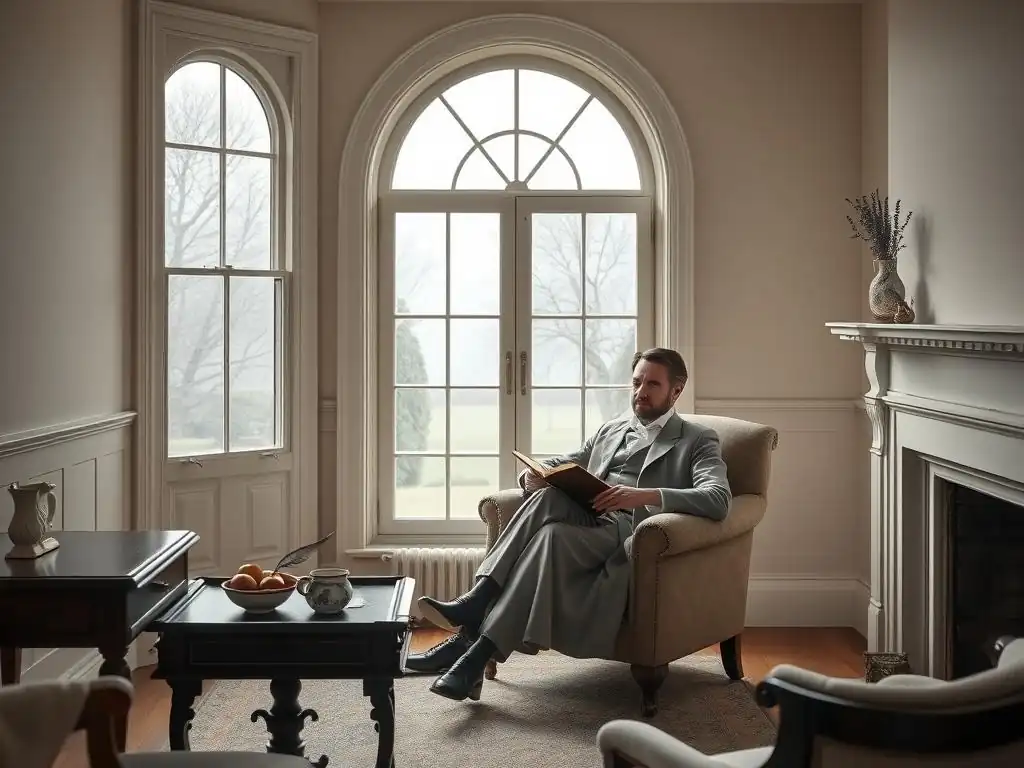
Moral Treatment stands as one of the most significant innovations in historical mental health treatment methods to emerge from the Enlightenment era's humanitarian impulses. Developed and championed by figures like Pinel and Tuke, this approach rejected the prevailing view of the mentally ill as wild beasts requiring physical restraint and punishment. Instead, it posited that mental distress could potentially be alleviated through a supportive environment, routine, meaningful activity, and compassionate interaction. It was less about medical intervention in the modern sense and more about creating a therapeutic social and psychological atmosphere.
The core idea was that by treating individuals with kindness, respect, and dignity, providing them with opportunities for work and recreation, and encouraging self-control through moral suasion, their 'reason' could be restored or strengthened. This contrasted sharply with earlier methods involving chains, bleedings, purges, and isolation in squalid conditions. While not a cure-all and often limited in its application, Moral Treatment represented a radical shift towards recognizing the humanity of those suffering from mental illness and became a guiding principle for reform efforts in the early 19th century, profoundly impacting the trajectory of historical mental health treatment methods.
The Principles of Moral Treatment Explained
The principles underlying Moral Treatment were relatively simple but revolutionary for their time. At its heart was the belief in the power of moral influence and a therapeutic environment.
- Kindness and Respect: Treating patients with compassion and dignity, acknowledging their inherent worth.
- Absence of Restraint: Minimizing or eliminating physical restraints like chains and straitjackets, relying instead on supervision and a calming atmosphere.
- Routine and Order: Establishing a structured daily schedule involving work, meals, and leisure activities to provide stability and purpose.
- Meaningful Activity: Engaging patients in useful work (gardening, crafts, domestic tasks) and constructive recreation to promote well-being and distract from distress.
- Moral Persuasion and Conversation: Using dialogue, encouragement, and gentle guidance to help patients understand their condition and develop self-control.
- Therapeutic Environment: Creating a calm, clean, and aesthetically pleasing setting, often in rural locations, away from the stresses of urban life.
The York Retreat: A Model of Moral Treatment
The York Retreat, founded by William Tuke in 1796 near York, England, serves as the most famous and influential example of Moral Treatment in practice. Established by the Quaker community, the Retreat was designed specifically to provide humane care for individuals with mental health issues, contrasting sharply with the notorious conditions at the nearby York Asylum.
The Retreat housed a relatively small number of patients, allowing for more personalized care. Physical coercion was strictly forbidden. Instead, patients lived in comfortable rooms, dined with staff, and participated in activities like gardening, farming, and social gatherings.
The emphasis was on creating a family-like atmosphere based on trust and mutual respect. While its success was perhaps overstated by its proponents and its methods weren't applicable to all forms of severe mental illness, the York Retreat's model demonstrated that a compassionate and supportive environment could be beneficial, challenging the long-held belief that confinement and harshness were necessary. Its influence spread widely, inspiring similar institutions and reforms in historical mental health treatment methods across Europe and America.
Early Forms of Psychotherapy: Seeds of Modern Treatment
While psychotherapy as we know it is a later development, the Enlightenment era saw the beginnings of approaches that emphasized dialogue and understanding as potential tools in addressing mental distress. Moral Treatment, with its focus on conversation and moral persuasion, contained elements that could be seen as precursors to modern talk therapies. The idea that one could reason with a mentally distressed person, attempt to understand their internal state through dialogue, or guide them towards more 'rational' thought represented a departure from purely physical interventions or simple custody.
Physicians and asylum superintendents influenced by Enlightenment ideals sometimes engaged in lengthy conversations with patients, attempting to uncover the causes of their distress or persuade them to adopt healthier behaviors or perspectives. While these interactions were often paternalistic and lacked a systematic theoretical framework, they planted the seed that verbal communication and the exploration of an individual's thoughts and feelings could be a component of historical mental health treatment methods. This nascent recognition of the psychological dimension, however rudimentary, foreshadowed the later development of formal psychotherapeutic techniques.
The Role of Dialogue and Understanding in Mental Healing
Within the framework of Moral Treatment, dialogue played a crucial, albeit informal, role. Unlike earlier periods where the 'mad' were often silenced or ignored except when being controlled, the reformers of the Enlightenment encouraged conversation. This served multiple purposes: it was seen as a way to understand the patient's state of mind, to gently correct irrational thoughts through reasoned argument, and to provide comfort and a sense of being heard.
William Tuke, for instance, believed that conversing with patients and treating them as rational beings capable of recovery was essential. This approach fostered a sense of community and trust within the asylum setting, aiming to counteract the isolation and alienation often experienced by those confined. While these early dialogues were not structured therapy sessions, they represented a fundamental shift towards recognizing the potential healing power of human connection and communication in historical mental health treatment methods, moving beyond just managing behavior to attempting to engage with the person within the illness.
The Rise of Asylums: A Double-Edged Sword in Mental Health History
The Enlightenment era coincided with, and in some ways fueled, the significant rise of the asylum as the primary institution for the care of the mentally ill. Initially, the development of dedicated institutions was seen as a progressive step. It offered a place of refuge away from the community where individuals could be protected, and potentially treated, in a controlled environment. For reformers advocating for Moral Treatment, the asylum was the intended setting for their humane practices. This period saw the establishment of numerous new asylums, intended to embody the new ideals of care based on reason and order.
However, the reality of asylum life quickly became a stark contrast to the ideals of Moral Treatment in many institutions. While some private or Quaker-run asylums might have approximated the principles, public institutions, often overcrowded and underfunded, frequently devolved into custodial warehouses. Patients were confined, often for life, with limited therapeutic intervention.
The asylum, intended as a place of healing, often became one of containment and neglect, highlighting the gap between Enlightenment ideals and their practical implementation on a large scale. This duality makes the rise of asylums a complex and often troubling chapter in the history of historical mental health treatment methods.
Bethlem Royal Hospital and Its Impact
Bethlem Royal Hospital, infamously known as 'Bedlam', stands as a powerful, albeit complex, symbol of the state of mental health care during and before the Enlightenment. While Bethlem's history dates back to the medieval period, its conditions during the 17th and 18th centuries were widely criticized and became a focal point for reformers. Accounts described patients in chains, living in squalor, and even being displayed to the public for entertainment – a practice that, while perhaps exaggerated in popular lore, reflects the deeply dehumanizing attitudes prevalent towards the mentally ill.
The negative image of Bethlem served as a stark reminder of the brutal conditions that reformers like Pinel and Tuke sought to abolish. Its existence and notorious reputation provided impetus for the development of alternative models like the York Retreat and fueled calls for legislative reform. Bethlem itself underwent periods of reform, particularly in the early 19th century, influenced by the very movements it helped to inspire through its negative example. It represents the older, custodial, and often cruel approach that Enlightenment reformers actively pushed against in their efforts to establish more humane historical mental health treatment methods.
Ethical Considerations of Asylum Care
The rise of asylums during the Enlightenment and early 19th century brought significant ethical considerations to the forefront, many of which remain relevant today. While the initial intention was often benevolent – to provide care and protection – the reality in many institutions raised serious questions about autonomy, human rights, and the potential for abuse.
- Confinement vs. Liberty: The practice of confining individuals against their will, even for their perceived good, raised questions about individual liberty, a core Enlightenment value.
- Patient Welfare: Conditions in many asylums, particularly large public ones, were often poor, with overcrowding, lack of sanitation, and insufficient staffing leading to neglect and suffering.
- Therapeutic Efficacy: Despite the ideals of Moral Treatment, the actual therapeutic benefit in many asylums was minimal, leading to concerns that they were merely places of storage rather than treatment.
- Stigma and Dehumanization: Asylum confinement often further marginalized and stigmatized individuals, stripping them of their social roles and identities.
These ethical dilemmas highlighted the challenges inherent in caring for vulnerable populations and spurred ongoing debates about the balance between societal protection, individual rights, and effective, humane historical mental health treatment methods.
Comparing Enlightenment Era Approaches to Earlier Methods
Contrasting Pre-Enlightenment Beliefs with Enlightenment Rationality
The contrast between pre-Enlightenment beliefs about mental illness and those influenced by Enlightenment rationality is profound. Before the Age of Reason, explanations were often rooted in the supernatural or ancient, unscientific medical theories. Mental distress could be seen as a sign of demonic possession, witchcraft, divine displeasure, or an imbalance of the four humors (blood, phlegm, yellow bile, black bile), inherited from Greek antiquity. Treatments were correspondingly focused on exorcism, prayer, punishment of the afflicted person (seen as potentially evil), purges, bleedings, or restraint to control dangerous behavior.
The Enlightenment began to dismantle these frameworks, albeit slowly and incompletely. Rationality and observation encouraged a move towards naturalistic explanations. Mental illness started to be viewed more as a disorder of the mind or brain, potentially caused by environmental factors, societal pressures, or physical ailments, rather than external evil forces. This shift paved the way for interventions focused on the individual's environment, routine, and even psychological state (as seen in early dialogue attempts), marking a fundamental change in the underlying philosophy guiding historical mental health treatment methods.
The Impact of Scientific Thought on Mental Health Practices
The burgeoning scientific thought of the Enlightenment had a tangible, though limited, impact on mental health practices. While neuroscience was centuries away, the emphasis on observation, classification, and systematic study encouraged early attempts to understand mental conditions empirically. Physicians began to keep records, describe symptoms in detail, and attempt to categorize different forms of 'madness' based on observable behavior, moving beyond simplistic labels.
Furthermore, anatomical studies, though often crude by modern standards, led to theories linking mental function and dysfunction to the physical brain, challenging purely non-physical explanations. While many proposed 'cures' remained unscientific (e.g., harsh physical treatments based on outdated physiological theories), the method of inquiry began to shift towards one based on observation and reason. This scientific inclination, however embryonic, provided a new framework for thinking about mental distress that would eventually lead to more effective and evidence-based historical mental health treatment methods in later centuries.
The Legacy of Enlightenment-Era Mental Health Treatment Methods

Lasting Contributions to Modern Mental Healthcare
Despite their limitations, Enlightenment-era approaches made significant lasting contributions to modern mental healthcare. The most prominent is the legacy of humanitarian reform. The emphasis on treating patients with dignity and respect, central to Moral Treatment, laid the groundwork for patient rights movements and ethical standards in mental health care that developed over the following centuries. The idea that the environment and social interaction play a role in mental well-being is a concept that resonates strongly in contemporary therapeutic settings and community-based care models.
The Enlightenment's focus on reason and systematic observation also contributed to the development of psychiatry as a medical discipline. Early attempts at classification and the move towards naturalistic explanations for mental illness were crucial steps towards developing diagnostic frameworks. While the asylum system itself proved problematic, the idea of providing dedicated care and a structured environment for individuals with mental health needs persisted, evolving into modern psychiatric hospitals and community support systems. These historical mental health treatment methods, born from Enlightenment ideals, provided a complex but essential foundation.
Criticisms and Limitations of Enlightenment Approaches
While the Enlightenment brought positive changes, its approaches were not without significant criticisms and limitations. Moral Treatment, despite its humane intentions, was often difficult to scale and implement consistently, particularly in large public institutions. It also tended to work best for less severe forms of mental distress and lacked effective interventions for conditions like severe psychosis.
The rise of the asylum system, intended as a reform, often resulted in overcrowded, underfunded, and purely custodial institutions where the ideals of Moral Treatment were abandoned. The focus on 'reason' also sometimes led to simplistic views of complex conditions and harsh judgments against those who could not conform to societal norms or expectations of rationality. Furthermore, medical understanding was still rudimentary, leading to continued reliance on ineffective or harmful physical treatments alongside the newer 'moral' methods. These limitations highlight the uneven progress and inherent challenges in the history of historical mental health treatment methods.
The Evolution of Mental Health Understanding: From Enlightenment to Today
How Enlightenment Ideas Shaped Contemporary Mental Health
Enlightenment ideas profoundly shaped the trajectory of mental health understanding and care, laying intellectual and ethical foundations for later developments. The emphasis on human reason, individual rights, and the possibility of improvement through environmental and social means directly influenced 19th and 20th-century reform movements. The critique of brutal, unreasoned treatment paved the way for advocacy for humane care and the development of ethical guidelines.
The move towards naturalistic explanations for mental illness, initiated during this era, slowly supplanted supernatural views and fostered the growth of scientific research into the brain and behavior. While the path was winding and included periods of regression (like the dominance of purely biological reductionism), the Enlightenment's push for empirical observation and rational inquiry provided the essential intellectual framework for the eventual development of modern psychiatry, psychology, and diverse historical mental health treatment methods that continue to evolve today.
Cognitive Behavioral Therapy and Its Roots in Rational Thought
Interestingly, some modern therapeutic approaches have indirect conceptual roots that can be traced back to Enlightenment ideals about reason and the mind. Cognitive Behavioral Therapy (CBT), for example, which focuses on identifying and changing irrational thoughts and maladaptive behaviors, aligns with the Enlightenment's emphasis on the power of reason and the idea that changing one's thinking can influence one's emotional state and actions.
While CBT is a product of 20th-century psychological science, the underlying principle that challenging irrationality and promoting rational thinking can alleviate distress echoes the Enlightenment belief that 'madness' was, in part, a disorder of reason and that restoring rationality could lead to recovery. The early, informal attempts by Moral Treatment practitioners to reason with patients or guide their thoughts, though vastly different in method and theoretical depth from modern CBT, share a common thread: the belief that engaging with and modifying cognitive processes is a valid approach within historical mental health treatment methods.
Further Resources on Historical Mental Health Treatment Methods
Books and Articles on Enlightenment-Era Mental Health
Exploring the history of Enlightenment-era mental health requires delving into academic texts, historical accounts, and scholarly articles. Researchers and historians have documented the lives of key figures like Pinel and Tuke, analyzed the philosophical shifts of the period, and examined the day-to-day realities of asylum life.
- Detailed historical analyses of the Moral Treatment movement.
- Biographies of influential reformers and physicians.
- Studies on the social and cultural context of madness in the 18th century.
- Collections of primary source documents, such as asylum records or reformers' writings.
- Academic papers contrasting different national approaches to mental health care during this period.
Websites and Organizations Dedicated to Mental Health History
Several online resources and historical organizations are dedicated to preserving and sharing the history of mental health, including the significant period of the Enlightenment. These platforms often provide accessible overviews, digitized historical materials, and information on ongoing research.
- Websites of historical mental hospitals or museums dedicated to psychiatric history.
- Online archives of historical medical texts and patient records (often anonymized).
- Sites maintained by academic institutions with programs in the history of medicine or psychology.
- Organizations focused on preserving the legacy of specific reformers or institutions from the era.
- Digital projects creating timelines or databases related to historical mental health treatment methods.
Frequently Asked Questions
How did the Enlightenment era view mental distress differently from earlier periods?
The Enlightenment shifted away from supernatural explanations towards reason and observation. This led to a more humane, although still imperfect, approach to understanding and treating mental distress.
What were some common "treatments" employed during the Enlightenment era for mental illness?
Common treatments included moral treatment, emphasizing kindness and structured routines, as well as physical interventions like bloodletting and purging, which we now know were largely ineffective.
What was the role of asylums during the Enlightenment era in the context of mental health?
Asylums transformed from places of confinement to, ideally, centers for rehabilitation. However, conditions varied widely, and many still lacked adequate resources and effective therapies.
What were the limitations of Enlightenment-era approaches to mental health?
Despite advancements, Enlightenment-era understanding was still limited. Scientific knowledge was rudimentary, and treatments often lacked empirical support, leading to inconsistent results.
How did the Enlightenment era lay the groundwork for modern mental health care?
The emphasis on observation, classification, and humane treatment paved the way for later scientific advancements and more effective therapies. It fostered a belief in the possibility of recovery.
Final Reflection: Echoes of the Enlightenment: Reframing Our Understanding of Mental Distress
The Enlightenment's approach to mental illness, though flawed by today's standards, offers a crucial lens through which to examine our own contemporary struggles. Its legacy isn't merely historical; it continues to shape our understanding of mental health, highlighting both the progress we've made and the persistent challenges that remain. We must learn from both the successes and failures of the past to build a truly compassionate and effective future for mental healthcare.
The Enlightenment's emphasis on reason and observation, while initially leading to advancements like the moral treatment movement, also inadvertently perpetuated harmful stigmas and practices. The very attempt to categorize and "cure" mental distress, often through methods we now find inhumane, underscores the complex and evolving nature of our understanding. The history of mental illness is not simply a history of disease, but also a history of how societies have understood and responded to suffering.
This quote encapsulates the enduring relevance of exploring historical perspectives, forcing us to confront the ethical and societal implications of our own approaches.
Consider the implications of the Enlightenment's legacy on your own life. How do the historical biases and treatments discussed in this article resonate with your own perceptions of mental health? Challenge yourself to actively engage with the ongoing conversation surrounding mental health, advocating for compassionate and evidence-based care for all. Let the echoes of the Enlightenment inspire not just a deeper understanding of the past, but a more informed and empathetic approach to the present and future of mental well-being.
Unlock Your Inner Enlightenment: Practical Steps to Mental Well-being
Thank you for exploring the fascinating world of Enlightenment-era approaches to mental distress! We hope you gained valuable insights into alternative perspectives on mental health. Now it's time to put this knowledge into practice.
- Embrace a mindful daily routine: Start small! Dedicate just 10 minutes each day to a calming activity like journaling, nature walks, or gentle stretching – techniques directly inspired by Enlightenment thinkers.
- Share your newfound wisdom: Discuss what you learned with friends or family. A surprising way to deepen your understanding is to teach others about these historical approaches.
- Explore further: Delve deeper into the lives and works of specific Enlightenment figures who contributed to mental health philosophies. Consider researching individuals whose approaches resonate most with you.
What historical figure's approach to mental well-being inspires you the most, and how could you integrate their methods into your daily life?