
Invest in Your Relationships: Top Online Courses for Communication Skills


Welcome to Mind Care Guide, a safe space to explore the landscape of your mental well-being. Feeling disconnected, especially in today's digital world? You're not alone. Discover how to bridge the gap with our guide to Effective Communication Skills Online Courses. Are you ready to build stronger connections and navigate the complexities of online interaction with confidence? Let's begin.
Invest in Your Relationships: Top Online Courses for Communication Skills
- Why Effective Communication Skills Matter for Mental Well-being
- Understanding Your Communication Style: A Foundation for Growth
- Top Online Courses for Effective Communication Skills: A Comprehensive Guide
-
Best Options: In-Depth Reviews of Communication Skills Online Courses
- Option 1: "The Science of Communication" by Coursera - Mastering Interpersonal Skills
- Option 2: "Crucial Conversations" by VitalSmarts - Handling Difficult Discussions
- Option 3: "Body Language for Entrepreneurs" by Udemy - Unlock the Power of Nonverbal Communication
- Option 4: "Leading with Emotional Intelligence" by LinkedIn Learning - Enhancing Communication Through Self-Awareness
- Improving Communication in Specific Relationships: Targeted Courses
- Real-Life Applications: How Communication Skills Training Changes Lives
- Maximizing Your Learning: Tips for Success in Online Communication Courses
- Conclusion: Investing in Your Relationships Through Effective Communication Training
-
Frequently Asked Questions
- What are the benefits of taking an effective communication skills online course?
- How can online courses help me improve my communication skills in a digital world?
- What types of communication skills are typically covered in these online courses?
- Are there online courses that focus specifically on effective communication skills for professional settings?
- How do I choose the right online course for effective communication skills based on my needs?
- Final Reflection: Cultivating Connection in a Digital Age
- Unlock Stronger Connections: Level Up Your Communication Today!
Why Effective Communication Skills Matter for Mental Well-being
The Link Between Strong Relationships and Mental Health
Robust, supportive relationships are a cornerstone of positive mental health. Research consistently shows that individuals with strong social connections experience lower rates of anxiety and depression, improved stress management, and even increased longevity. These vital connections, whether with partners, family, friends, or colleagues, are built and maintained through effective communication. When communication is clear, empathetic, and respectful, it fosters trust, understanding, and emotional safety, creating a buffer against life's challenges. Conversely, poor communication can lead to misunderstandings, conflict, isolation, and chronic stress, significantly impacting mental well-being.
Studies indicate that individuals who report high levels of relationship satisfaction often also report higher levels of overall life satisfaction and psychological well-being. For example, a longitudinal study published in the Journal of Family Psychology found that couples who effectively navigated conflict and expressed affection openly reported sustained marital satisfaction over many years, directly correlating with individual mental health stability. Learning effective communication skills online courses can provide the tools needed to nurture these essential bonds, helping individuals feel more connected and less alone, which are critical factors in maintaining good mental health.
How Communication Skills Training Improves Relationships and Reduces Stress
Investing in communication skills training directly impacts the quality of interactions and, consequently, mental stress levels. When individuals learn to express their needs and feelings clearly, listen actively without judgment, and navigate disagreements constructively, they reduce the likelihood of misunderstandings and escalations that often lead to tension and frustration. Effective communication empowers individuals to set healthy boundaries, resolve conflicts peacefully, and build deeper emotional intimacy, all of which contribute to more stable and supportive relationships. This stability acts as a significant stress reducer.
Furthermore, improving communication skills can enhance self-confidence. Feeling heard and understood in relationships is validating, while the ability to express oneself assertively (rather than passively or aggressively) builds self-efficacy. For instance, individuals who complete online communication courses often report feeling more equipped to handle challenging conversations at work or home, leading to reduced anticipatory stress and anxiety related to interpersonal interactions. The skills learned in effective communication skills online courses provide practical strategies for navigating complex emotional landscapes, transforming potentially stressful encounters into opportunities for growth and connection.
Understanding Your Communication Style: A Foundation for Growth
Identifying Your Current Communication Strengths and Weaknesses
The first step in improving communication is often understanding how you currently interact with others. This involves self-reflection on how you express yourself, how you listen, and how you respond in various situations, especially under pressure or during conflict. Are you typically direct or indirect? Do you tend to interrupt or listen patiently? How do you react when you feel misunderstood or challenged? Identifying strengths might reveal areas where you naturally excel, perhaps in active listening or expressing empathy. Recognizing weaknesses could highlight tendencies towards defensiveness, avoidance, excessive criticism, or difficulty articulating your needs clearly.
Many effective communication skills online courses begin with assessments or reflective exercises designed to help participants pinpoint these patterns. For example, a common exercise might involve recalling recent difficult conversations and analyzing your role and reactions. Participants might be asked to consider how often they truly listen versus waiting to speak, or how frequently their words match their nonverbal cues. Understanding these personal communication habits provides a crucial baseline for targeted improvement. It's like getting a map before starting a journey; you need to know where you are to figure out the best route forward.
Exploring Different Communication Styles: Passive, Aggressive, Assertive
Understanding the fundamental communication styles – passive, aggressive, and assertive – is key to recognizing unhelpful patterns and moving towards more constructive interactions. Passive communication involves avoiding expressing feelings, needs, or opinions, often leading to resentment and being taken advantage of. Aggressive communication involves expressing needs and feelings in ways that disregard or violate the rights of others, often through intimidation, humiliation, or dominance, damaging relationships. Assertive communication, the goal of much communication training, involves expressing your needs, feelings, and opinions directly, honestly, and appropriately, while respecting the rights and feelings of others.
Online communication courses often dedicate significant time to differentiating these styles and practicing assertive techniques. For instance, participants might learn specific phrases or body language cues associated with each style. They might practice converting a passive statement ("I guess whatever you want is fine") or an aggressive statement ("You always mess things up!") into an assertive one ("I would prefer to do X, and here's why," or "I feel frustrated when Y happens, and I need Z"). Recognizing these styles in ourselves and others is a powerful tool for choosing healthier ways to interact and build stronger connections.
Top Online Courses for Effective Communication Skills: A Comprehensive Guide
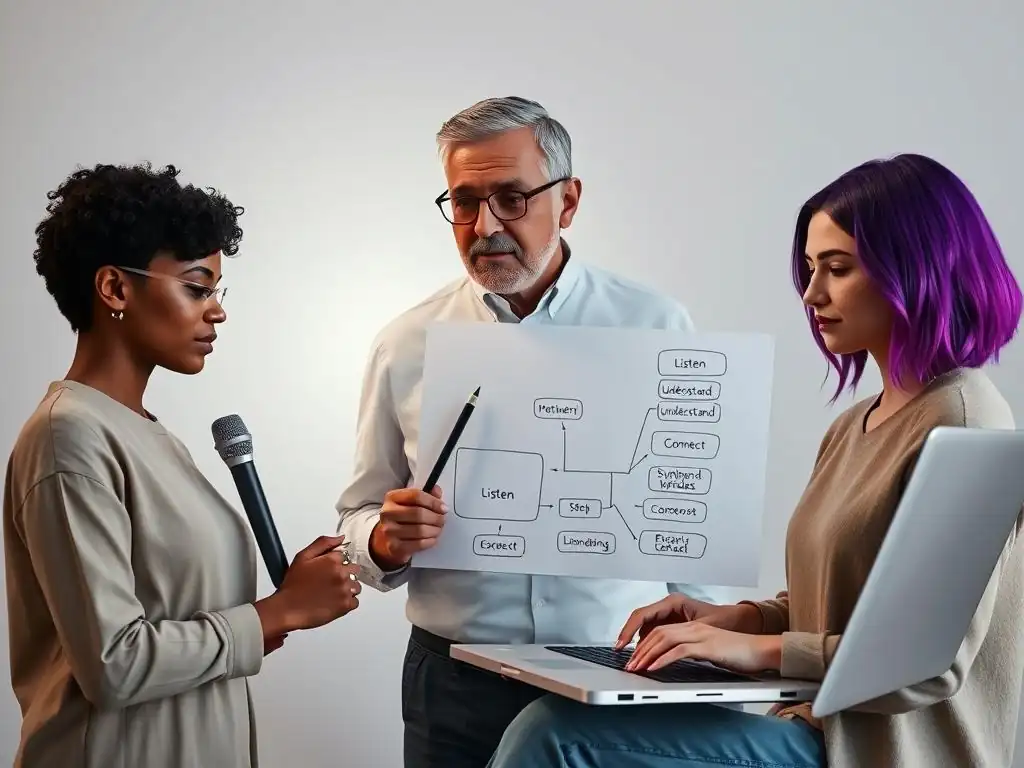
Finding the Best Communication Training Courses Online
The digital landscape offers a vast array of effective communication skills online courses catering to various needs, budgets, and learning styles. Platforms like Coursera, edX, Udemy, LinkedIn Learning, and specialized providers offer everything from foundational introductions to advanced negotiation techniques. When searching for the best communication training online, consider your specific goals: Are you looking to improve personal relationships, enhance professional interactions, or master a particular skill like public speaking or conflict resolution? Look for courses offered by reputable institutions or experienced instructors with strong reviews.
Filtering options by skill level (beginner, intermediate, advanced), duration, and cost can help narrow down the choices. Many platforms offer free audit options or financial aid, making quality communication education accessible. Reading reviews from past students can provide insight into the course's effectiveness, the instructor's teaching style, and the relevance of the content. Engaging in effective communication skills online courses requires commitment, so finding a format and style that resonates with you is crucial for successful completion and skill application.
Key Features to Look for in an Online Communication Course
When evaluating potential online communication courses, several features indicate a high-quality program. Look for courses that offer a blend of theoretical knowledge and practical application. This might include video lectures, readings, and quizzes, but also role-playing exercises (even if simulated online), case studies, and assignments that require you to practice the skills learned in real-life scenarios. Interaction opportunities, such as discussion forums or live Q&A sessions, can also be invaluable for clarifying concepts and learning from others' experiences.
- Clear learning objectives outlining the specific skills you will acquire.
- Experienced instructors with relevant backgrounds in psychology, communication, or related fields.
- Opportunities for practice and feedback (e.g., peer reviews, self-assessment tools).
- Structured content that progresses logically from foundational concepts to more complex skills.
- Accessibility features, such as transcripts or captions for videos.
- A focus on practical, actionable techniques that can be applied immediately.
Course Comparison Table
| Feature | Example Course A | Example Course B | Example Course C |
|---|---|---|---|
| Platform | Coursera | VitalSmarts | Udemy |
| Focus Area | General Interpersonal | Difficult Conversations | Nonverbal Communication |
| Approx. Duration | 4-6 weeks (flexible) | 2 days (intensive) | 3-5 hours |
| Typical Format | Videos, readings, quizzes | Live/recorded sessions, practice | Videos, exercises |
| Skill Level | Beginner/Intermediate | Intermediate/Advanced | Beginner |
| Certification | Yes | Yes | Yes |
| Approx. Cost Range | Subscription or Fee | Higher Fee | Lower Fee (often discounted) |
Note: Specific course names, durations, and costs are illustrative examples and vary widely. Always check the specific course listing for current details.
Best Options: In-Depth Reviews of Communication Skills Online Courses
Option 1: "The Science of Communication" by Coursera - Mastering Interpersonal Skills
Course Overview
Offered by a reputable university (e.g., University of Rochester, though specifics vary by offering), "The Science of Communication" is a popular effective communication skills online course designed to provide a solid foundation in interpersonal communication theory and practice. It typically covers the psychological principles underlying effective interaction, helping learners understand not just what to do but why certain communication strategies work. The course often includes modules on perception, listening, verbal and nonverbal cues, and managing conflict from a scientific perspective. It's structured over several weeks, allowing learners to absorb the material gradually.
Key Skills Covered: Active listening, nonverbal communication, emotional intelligence, persuasion
This course delves deep into crucial communication components. Active listening is taught as more than just hearing words; it involves understanding intent, reflecting feelings, and providing non-judgmental attention. Nonverbal communication is explored through facial expressions, body language, tone of voice, and proxemics (use of space), highlighting how these cues often convey more than spoken words.
Emotional intelligence is integrated by discussing how understanding and managing one's own emotions, and recognizing them in others, is fundamental to empathetic and effective interaction. Principles of ethical persuasion are also often covered, focusing on influencing others through reasoned arguments and mutual respect rather than manipulation.
Pricing and Value Proposition
Typically available through a Coursera subscription or as a standalone course fee, the pricing is generally accessible, often ranging from approximately $49 to $79 per month for a subscription or a one-time fee for course access. The value proposition lies in its academic rigor combined with practical application. Learning from university professors provides a strong theoretical base, while exercises encourage applying concepts to real-life scenarios. It's an excellent option for individuals seeking a comprehensive understanding of communication principles and how they translate into improved interpersonal effectiveness, making it a valuable investment in personal and professional growth.
Option 2: "Crucial Conversations" by VitalSmarts - Handling Difficult Discussions
Course Overview
Based on the best-selling book, the "Crucial Conversations" training by VitalSmarts focuses specifically on navigating high-stakes discussions where opinions vary, emotions run strong, and the outcome significantly impacts relationships. This effective communication skills online course teaches a structured approach to dialogue, emphasizing creating psychological safety so that all parties feel comfortable sharing their perspectives honestly. It moves beyond basic communication to address situations like giving difficult feedback, resolving disagreements with colleagues, or discussing sensitive topics with family members. The training is often delivered in a more intensive format, sometimes equivalent to a two-day workshop spread out online.
Key Skills Covered: Conflict resolution, assertive communication, dialogue, safety
The core skills taught revolve around mastering dialogue in challenging situations. Participants learn how to speak persuasively without being aggressive and listen in a way that encourages others to share, even when views differ. Key techniques include "Start with Heart" (focusing on what you really want), "Learn to Look" (identifying when safety is at risk), "Make It Safe" (creating mutual respect and purpose), and "Master My Stories" (managing your own emotional reactions). Assertive communication is central, but within the framework of maintaining mutual respect and mutual purpose to keep the conversation productive and focused on finding a solution.
Pricing and Value Proposition
"Crucial Conversations" training is typically priced higher than many self-paced online courses, often ranging from approximately $500 to $1,500+, depending on whether it's a public online workshop or a corporate training version. The value lies in its specialized focus on high-stakes interactions and its proven methodology, widely adopted by organizations worldwide. It's particularly valuable for professionals and individuals who frequently face difficult conversations that have significant personal or professional consequences. The structured approach provides concrete tools and a repeatable process for navigating conflict effectively, potentially saving relationships or resolving critical workplace issues.
Option 3: "Body Language for Entrepreneurs" by Udemy - Unlock the Power of Nonverbal Communication
Course Overview
This type of effective communication skills online course, often found on platforms like Udemy, targets individuals, particularly entrepreneurs or business professionals, who want to leverage nonverbal cues to build rapport, increase influence, and project confidence. While titled for entrepreneurs, the principles are broadly applicable to anyone interested in the powerful role of body language in communication. Courses in this category typically break down various nonverbal signals, from facial expressions and posture to gestures and spatial dynamics, explaining how they are interpreted and how you can consciously use them to enhance your message and understand others better.
Key Skills Covered: Reading microexpressions, projecting confidence, building rapport
Key skills include learning to read subtle nonverbal cues, such as microexpressions (fleeting facial expressions that reveal underlying emotions), which can provide insight into someone's true feelings. The course teaches techniques for using your own body language to project confidence, authority, and openness, depending on the situation. Building rapport through nonverbal mirroring, maintaining appropriate eye contact, and using welcoming gestures are also central themes. The focus is on practical application, often using examples from presentations, negotiations, or one-on-one meetings.
Pricing and Value Proposition
Courses on platforms like Udemy are often very affordable, with prices typically ranging from approximately $15 to $100 (though often heavily discounted during sales). The value proposition is the focused, practical approach to a specific, powerful aspect of communication. For a relatively low cost, learners can gain actionable insights into how nonverbal signals impact interactions and how to consciously manage their own body language. It's ideal for individuals who want a quick, accessible way to improve their presence and ability to read others in social or professional settings without committing to a long, comprehensive program.
Option 4: "Leading with Emotional Intelligence" by LinkedIn Learning - Enhancing Communication Through Self-Awareness
Course Overview
LinkedIn Learning offers numerous effective communication skills online courses, and those focused on emotional intelligence are highly relevant. This type of course explores how understanding and managing emotions – your own and others' – is fundamental to effective leadership and communication. It typically covers the core components of emotional intelligence: self-awareness, self-regulation, empathy, and social skills. The focus is often on how these qualities impact interpersonal dynamics, team collaboration, and the ability to influence others positively. The content is usually delivered via video lessons from industry experts.
Key Skills Covered: Self-awareness, self-regulation, empathy, social skills
The course aims to enhance self-awareness by encouraging reflection on personal emotional triggers and reactions. Self-regulation skills teach how to manage disruptive emotions and impulses effectively. Empathy is explored as the ability to understand and share the feelings of others, a critical component of building rapport and trust. Social skills encompass managing relationships, building networks, and navigating social complexities – essentially, putting the other emotional intelligence components into practice in interactions. The course provides frameworks and techniques for developing these areas to become a more effective communicator and leader.
Pricing and Value Proposition
Access to LinkedIn Learning courses is typically through a subscription, which costs approximately $29 to $49 per month. The value proposition is the integration of emotional intelligence with leadership and communication, making it highly relevant for career development. The platform offers a vast library of courses, allowing learners to explore related topics like conflict resolution or negotiation within the same subscription. It's a strong choice for professionals seeking to enhance their interpersonal effectiveness, influence, and leadership capabilities by building a solid foundation in emotional intelligence, a key driver of communication success.
Improving Communication in Specific Relationships: Targeted Courses
Marriage and Couples Communication Courses: Strengthening Your Bond
Communication challenges are frequently cited as a primary reason for relationship distress in marriages and partnerships. Targeted effective communication skills online courses for couples provide strategies specifically designed to navigate the unique dynamics of intimate relationships. These courses often focus on improving active listening between partners, expressing needs and feelings constructively without blame, understanding each other's communication styles, and resolving conflicts in a way that strengthens the bond rather than eroding it. They can offer a private and accessible way for couples to work on their relationship skills together or individually.
Example: "Hold Me Tight® Online" by Created for Connection - Building Emotional Connection
Based on Emotionally Focused Therapy (EFT), the "Hold Me Tight® Online" program is an example of a relationship-specific effective communication skills online course for couples. It guides partners through conversations designed to deepen emotional connection and understanding. The course focuses on identifying negative interaction cycles and creating new, positive patterns.
It teaches couples how to express their deeper emotions and vulnerabilities safely, fostering empathy and secure attachment. While pricing varies, it typically involves a fee for access to video modules and exercises designed for couples to complete together, offering a structured path to improving intimacy and resolving core relationship issues from the comfort of their home.
Parent-Child Communication Courses: Fostering Understanding and Connection
Effective communication is vital for building strong, trusting relationships between parents and children at all ages. Communication skills online courses tailored for parents address specific challenges like setting boundaries, listening to children's perspectives, talking about difficult topics, and navigating power dynamics constructively. These courses equip parents with tools to foster open dialogue, encourage children to share their thoughts and feelings, and respond in ways that build their child's self-esteem and emotional intelligence. They acknowledge the unique developmental stages of children and offer age-appropriate strategies.
Example: "How to Talk So Kids Will Listen & Listen So Kids Will Talk" Workshop - Communicating Effectively with Children
Based on the popular book, workshops (often available online in various formats) inspired by "How to Talk So Kids Will Listen & Listen So Kids Will Talk" offer practical techniques for improving parent-child communication. This approach emphasizes skills like empathetic listening, acknowledging children's feelings, engaging cooperation without threats or bribes, and helping children develop responsibility.
The effective communication skills online course or workshop format often includes role-playing and exercises to practice specific phrases and responses. Pricing varies depending on the provider and format (e.g., self-paced vs. live sessions), but the value lies in providing parents with concrete, actionable strategies to reduce conflict and build a more connected relationship with their children.
Workplace Communication Courses: Enhancing Professional Relationships
Communication skills are paramount in the professional world, impacting team collaboration, leadership effectiveness, client relationships, and career advancement. Effective communication skills online courses for the workplace cover a range of topics, including clear and concise writing, effective presentation skills, giving and receiving feedback, negotiation, managing difficult conversations with colleagues or supervisors, and communicating effectively across different cultures or communication styles. These courses are designed to equip individuals with the skills needed to navigate complex professional environments successfully.
Example: "Communicating with Diplomacy and Tact" by Skillsoft - Thriving in the Workplace
Platforms like Skillsoft offer effective communication skills online courses specifically designed for professional development. A course like "Communicating with Diplomacy and Tact" focuses on navigating sensitive workplace interactions with grace and professionalism. It teaches how to express potentially challenging feedback or opinions carefully, maintain composure in tense situations, and build positive relationships with colleagues and clients by choosing words and tone strategically.
Access is typically through corporate training subscriptions or individual professional development plans. The value is in providing targeted skills applicable to common workplace challenges, helping individuals communicate more effectively to build trust and achieve professional goals while minimizing conflict.
Real-Life Applications: How Communication Skills Training Changes Lives

Case Study 1: Overcoming Conflict in a Marriage Through Communication Skills
Consider Sarah and Mark, a couple married for ten years who found themselves constantly arguing over small issues, leading to significant emotional distance. They felt misunderstood and resentful, impacting their overall well-being. Deciding to invest in their relationship, they enrolled in an effective communication skills online course for couples. The course taught them active listening techniques and how to express their feelings using "I" statements instead of accusatory language. Mark learned to truly listen to Sarah's concerns without immediately becoming defensive, and Sarah learned to voice her needs calmly rather than with frustration.
Over several months of practicing the skills learned in the online communication course, they reported a dramatic decrease in conflict frequency and intensity. They began having open, honest conversations about their needs and expectations, resolving disagreements more constructively. Sarah noted, "It felt like we learned a new language for our relationship." Mark added, "The course didn't magically fix everything, but it gave us the tools to actually talk about things instead of fighting. It's brought us much closer." This example illustrates how structured communication training can provide the necessary framework for couples to navigate challenges and rebuild intimacy.
Case Study 2: Improving Team Performance with Enhanced Communication in the Workplace
At a tech company, a development team struggled with missed deadlines and misunderstandings, despite having skilled individuals. Feedback was often perceived as criticism, leading to defensiveness and poor collaboration. The team lead, recognizing communication as the bottleneck, arranged for the team to take a workplace effective communication skills online course focusing on feedback, active listening, and collaborative problem-solving. The course included modules on different communication styles and exercises on providing constructive criticism using specific models.
Following the training, team meetings became more productive. Members practiced listening to understand before responding, and feedback sessions shifted from blame to focusing on improvement. They implemented a new system for discussing project roadblocks openly and collaboratively, directly applying techniques learned in the online communication course. Within six months, the team reported a 20% increase in project completion efficiency and a significant improvement in team morale, as measured by an internal survey. Team members felt more comfortable sharing ideas and concerns, leading to better problem-solving and a more positive work environment.
Case Study 3: Building Stronger Parent-Child Relationships Through Improved Communication
Maria often felt frustrated trying to communicate with her teenage son, David. Conversations quickly turned into arguments, and David seemed resistant to sharing his feelings or listening to her guidance. Maria decided to take an effective communication skills online course for parents of teenagers, which focused on empathetic listening, validating feelings, and setting boundaries collaboratively. The course taught her specific phrases and approaches to encourage open dialogue and reduce confrontation.
Applying the techniques from the online communication course, Maria started by actively listening to David without interrupting, even when she disagreed. She learned to acknowledge his feelings ("It sounds like you're feeling really frustrated right now") before offering her perspective or guidance. She also involved him in setting household expectations, making him feel more heard and respected. Gradually, David became more willing to talk to her about his challenges and feelings.
Maria shared, "It wasn't overnight, but using the skills from the course transformed our interactions. We still have disagreements, but now we can actually talk them through. Our relationship feels so much stronger."
Maximizing Your Learning: Tips for Success in Online Communication Courses
Setting Realistic Goals and Creating a Study Schedule
Approaching an effective communication skills online course with clear goals and a plan is essential for success. Before you start, identify specifically what you hope to achieve. Do you want to become a better listener? Learn to handle conflict? Improve your public speaking?
Write down these goals. Then, look at the course structure and estimate how much time you'll need to dedicate each week. Create a realistic study schedule that fits into your life, blocking out specific times for watching lectures, completing assignments, and practicing the skills. Treat these scheduled times as commitments to ensure you stay on track and complete the course content consistently.
Consider breaking down larger assignments or modules into smaller, manageable steps. For example, if a module requires practicing a specific conversation technique, schedule time to first review the theory, then practice in a low-stakes environment (like with a friend or in front of a mirror), and finally attempt it in a real-life situation. According to studies on online learning efficacy, learners who set specific, measurable goals and adhere to a study schedule are significantly more likely to complete courses and retain the information compared to those who approach learning haphazardly.
Practicing Communication Skills Regularly in Real-Life Situations
Learning communication skills is like learning a sport or a musical instrument – theoretical knowledge is important, but practice is crucial for mastery. The most significant benefit from effective communication skills online courses comes when you actively apply what you learn in your daily interactions. Don't wait until a high-stakes situation arises; start practicing active listening in casual conversations, use "I" statements when expressing preferences to family members, or consciously work on your nonverbal cues during a work meeting.
Make a conscious effort to identify opportunities to practice the specific techniques taught in your online communication course. For instance, if you're learning about empathetic responses, look for chances to validate someone's feelings in a conversation. If you're working on assertiveness, practice stating a clear boundary politely. Reflect on these practice attempts – what went well? What was challenging? How could you approach it differently next time? Consistent, deliberate practice in real-life scenarios helps solidify the skills and makes them feel more natural over time.
Seeking Feedback and Support from Others to Improve Your Skills
Improving communication is an interpersonal process, and getting feedback from others is invaluable. As you practice skills learned in effective communication skills online courses, ask trusted friends, family members, or colleagues for constructive criticism. You might ask a partner if they felt truly heard when you practiced active listening, or ask a colleague if your feedback came across as constructive during a team discussion. Be open to their perspectives, as how you think you communicate might differ from how others perceive your communication.
Many online communication courses also offer discussion forums or community groups. Engaging with fellow learners can provide support, allow you to practice articulating concepts, and offer opportunities to learn from others' experiences and perspectives. Sharing your challenges and successes can be motivating and provide alternative approaches you hadn't considered. Don't hesitate to ask questions or seek clarification on concepts you find difficult. Leveraging the support systems available, whether within the course community or from your personal network, significantly enhances the learning process and accelerates skill development.
Conclusion: Investing in Your Relationships Through Effective Communication Training
The Long-Term Benefits of Improved Communication Skills
Investing time and effort in effective communication skills online courses yields benefits that extend far beyond simply completing the course. Improved communication leads to stronger, more fulfilling personal relationships built on trust, understanding, and mutual respect. It reduces conflict, fosters intimacy, and creates a supportive network essential for mental well-being. Professionally, enhanced communication skills can improve collaboration, boost leadership effectiveness, facilitate smoother negotiations, and open doors to career advancement.
Beyond specific interactions, mastering communication contributes to increased self-confidence and reduced stress. The ability to express oneself clearly and handle challenging conversations empowers individuals and reduces anxiety related to interpersonal dynamics. Over the long term, these skills build resilience, improve problem-solving abilities, and enhance overall life satisfaction by enabling deeper, more meaningful connections with others. It's an investment that pays dividends across all areas of life.
Choosing the Right Online Course for Your Needs and Goals.
With the wealth of effective communication skills online courses available, finding the right fit is key to a successful learning experience. Consider your specific goals – are you aiming to improve communication in your marriage, with your children, at work, or generally? Think about your learning style and budget when evaluating platforms and course formats. Look for courses with practical exercises, experienced instructors, and positive reviews. Remember that the most effective course is one you will actually engage with and complete.
Whether you choose a comprehensive program on interpersonal skills, a specialized course on conflict resolution, or a focused workshop on nonverbal communication, the act of committing to learning is a powerful step towards enhancing your relationships and improving your mental well-being. Effective communication is a learnable skill, and the online format offers accessible, flexible ways to acquire the tools you need to connect more deeply and navigate life's interactions with greater confidence and empathy.
Frequently Asked Questions
What are the benefits of taking an effective communication skills online course?
Taking an effective communication skills online course offers benefits like improved relationships, reduced conflict, and increased self-confidence in online interactions. These courses teach strategies for clear and empathetic communication.
How can online courses help me improve my communication skills in a digital world?
Online courses provide structured learning and practice in digital communication etiquette, active listening, and non-verbal cues specific to virtual environments. They also offer opportunities to practice with peers.
What types of communication skills are typically covered in these online courses?
These online courses usually cover areas such as active listening, assertiveness, conflict resolution, and written communication, all tailored for effective communication in the digital space.
Are there online courses that focus specifically on effective communication skills for professional settings?
Yes, many online courses are geared towards effective communication skills in professional contexts, including email etiquette, virtual presentations, and leading online meetings.
How do I choose the right online course for effective communication skills based on my needs?
Consider factors like course content, instructor credentials, student reviews, and the course's focus (e.g., personal relationships vs. professional communication). Look for courses that align with your specific communication goals.
Final Reflection: Cultivating Connection in a Digital Age
The ability to communicate effectively is no longer a desirable skill; it's a fundamental necessity in our increasingly interconnected world. The rapid expansion of online platforms has simultaneously amplified our reach and, paradoxically, increased the potential for miscommunication. This article explored the power of online courses in bridging this gap, offering accessible pathways to hone crucial communication skills. The demand for these courses underscores a growing awareness of the importance of clear, empathetic, and persuasive communication in all aspects of life.
The impact of effective communication extends far beyond the professional sphere; it shapes our personal relationships, influences our communities, and ultimately, defines our ability to connect meaningfully with others. The profound influence of communication on our lives is beautifully captured in the words of Carl Rogers: The curious paradox is that when I accept myself just as I am, then I can change.
This acceptance, so crucial for healthy communication, is often fostered through self-awareness and the development of skills learned through dedicated study, such as those offered in the online courses highlighted in this article.
Consider the ways in which improved communication can enrich your life. Imagine navigating conflicts with greater ease, building stronger bonds with loved ones, and expressing your ideas with confidence and clarity. This isn't just about mastering technical skills; it's about investing in yourself and your relationships. I encourage you to explore the courses mentioned, to reflect on your own communication style, and to actively cultivate the skills that will empower you to connect authentically and meaningfully with the world around you. The journey towards becoming a more effective communicator is a continuous process, but the rewards are immeasurable.
Unlock Stronger Connections: Level Up Your Communication Today!
Thanks for investing your time in learning how to improve your relationships through online communication courses! We hope you discovered some valuable resources to help you connect more deeply with others. Ready to take the next step?
- Enroll in a course today: Choose one that resonates with your needs and dive in! This is your first step towards more meaningful relationships.
- Share your favorite tip: Let's build a community! What one communication skill are you most excited to practice? Share it in the comments below.
- Challenge a friend: Nominate someone you care about to join you on this journey to better communication – encourage them to explore these courses too!
What small change in your communication style will have the biggest impact on your relationships?