
The Universal Thread: Connecting Mindfulness to Spiritual Truths


Welcome to Mind Care Guide.
Perhaps you've felt it too – that nagging sense of disconnection, a yearning for something more. Here, we understand. This space is dedicated to nurturing your mental well-being, and in this article, we explore a profound connection: How mindfulness connects spiritual wellbeing. Are you ready to discover how cultivating presence can unlock a deeper understanding of yourself and the universe around you? Let's begin.
The Universal Thread: Connecting Mindfulness to Spiritual Truths
- Introduction: Exploring the Synergy of Mindfulness and Spirituality
- Defining Mindfulness and Spiritual Truths
- The Core Connection: How Mindfulness Enhances Spiritual Understanding
- Practical Applications: Integrating Mindfulness into Spiritual Practice
- Benefits of Combining Mindfulness and Spirituality
- Overcoming Challenges: Addressing Common Obstacles in the Journey
- Case Studies: Real-Life Examples of Mindfulness and Spiritual Growth
- Mindfulness and Diverse Spiritual Traditions
- The Future of Mindfulness and Spiritual Wellbeing
- Conclusion: Embracing the Universal Thread
-
Frequently Asked Questions
- What is the core connection between mindfulness and spiritual well-being, according to Mind Care Guide?
- How does practicing mindfulness contribute to a stronger sense of spiritual truth?
- What are some practical ways the Mind Care Guide suggests incorporating mindfulness into daily life to enhance spiritual connection?
- Can mindfulness be practiced independently of any specific religious or spiritual belief system?
- What resources does Mind Care Guide offer for individuals seeking to explore the link between mindfulness and spiritual well-being further?
- Final Reflection: Weaving Mindfulness into the Tapestry of Being
- Ignite Your Inner Spark: Embrace Mindfulness Today
Introduction: Exploring the Synergy of Mindfulness and Spirituality
Mindfulness, often understood as the practice of paying attention to the present moment without judgment, has gained significant traction in mental health circles. While its benefits for reducing stress and improving focus are well-documented, its profound connection to spiritual truths is a dimension increasingly explored. This article delves into how mindfulness serves as a bridge to deeper spiritual understanding and enhanced well-being.
Spirituality, in its myriad forms, often involves a search for meaning, a connection to something larger than oneself, and the cultivation of inner virtues. Far from being separate paths, mindfulness and spirituality frequently intersect, offering complementary tools for personal growth and a richer experience of life. Understanding this synergy can unlock new pathways to mental and spiritual harmony.
Understanding the Intersection: How Mindfulness Connects to Spiritual Wellbeing
The practice of mindfulness fundamentally involves cultivating awareness of one's internal and external experiences. This heightened awareness is a cornerstone in many spiritual traditions, which emphasize introspection, self-reflection, and a conscious engagement with reality. By training the mind to be present and observant, mindfulness helps individuals notice their thoughts, emotions, and physical sensations without getting caught up in them. This non-reactive observation can dismantle mental barriers that obscure spiritual insights.
Furthermore, mindfulness fosters qualities like patience, non-judgment, and acceptance, which are central to many spiritual paths aiming for compassion and equanimity. For instance, observing difficult emotions mindfully, rather than suppressing or being overwhelmed by them, aligns with spiritual teachings on detachment and resilience. This practical application of awareness directly contributes to a more stable and peaceful inner state, demonstrating how mindfulness connects spiritual wellbeing by providing concrete methods for cultivating spiritual virtues.
Mind Care Guide's Perspective on Mental Health and Spirituality
Mind Care Guide recognizes that mental health is not solely a biological or psychological phenomenon but is deeply intertwined with an individual's sense of meaning, connection, and purpose – often addressed through spirituality. Our perspective is that integrating mindfulness practices can be a powerful tool for individuals seeking to enhance their mental well-being alongside their spiritual journey. We view mindfulness not as a replacement for spiritual beliefs or practices, but as a complementary skill set that can enrich and deepen one's connection to their chosen spiritual path.
We advocate for an approach that respects diverse spiritual beliefs while highlighting the universal principles that mindfulness shares with many traditions: presence, awareness, compassion, and acceptance. By exploring the intersection of mindfulness and spirituality, Mind Care Guide aims to provide resources that empower individuals to navigate life's challenges with greater resilience, peace, and a stronger connection to their inner selves and whatever they perceive as the divine or ultimate reality. This integrated approach acknowledges the holistic nature of human experience.
Defining Mindfulness and Spiritual Truths
What is Mindfulness? A Practical Definition for Mental Well-being
Mindfulness, in a practical sense for mental well-being, is the intentional, accepting attention to the unfolding of experience in the present moment. It's about waking up to our current reality, both internal and external, without getting lost in planning for the future or dwelling on the past. This practice isn't about emptying the mind or achieving a state of bliss, but rather about developing a non-judgmental awareness of thoughts, feelings, bodily sensations, and the surrounding environment as they arise.
Regular mindfulness practice, even for just 10-15 minutes daily, has been shown in studies to significantly impact mental health markers. For example, research published in the Journal of Consulting and Clinical Psychology in 2014 indicated that Mindfulness-Based Cognitive Therapy (MBCT) reduced relapse rates for individuals with recurrent depression by nearly 50% compared to standard care in some cases. This underscores its utility as a practical tool for managing mental health challenges by fostering a different relationship with difficult internal experiences.
Spiritual Truths Explained: Exploring Core Concepts and Beliefs
Spiritual truths refer to fundamental principles or realities perceived within various spiritual or religious frameworks that often speak to the nature of existence, consciousness, morality, and the ultimate reality. These truths are not always empirically verifiable in a scientific sense but are deeply meaningful to those who hold them. Examples include the interconnectedness of all things (found in many Eastern traditions), the inherent worth and dignity of every individual (common in Abrahamic faiths), the pursuit of compassion and love as guiding principles, or the belief in a higher power or transcendent dimension.
Exploring spiritual truths often involves grappling with existential questions about purpose, suffering, death, and the meaning of life. While specific doctrines vary vastly across traditions—from the concept of Dharma in Hinduism and Buddhism, emphasizing righteous living and cosmic order, to the Christian emphasis on grace and redemption, or the Islamic focus on Tawhid (the oneness of God)—they often share common threads like the importance of inner transformation, ethical conduct, and seeking a reality beyond the purely material. These core concepts provide a framework through which individuals can understand their place in the universe and guide their actions.
Key Differences and Similarities Between Mindfulness and Spirituality
While mindfulness and spirituality share a deep connection, they are not identical. A key difference lies in their scope and goals. Mindfulness is primarily a psychological technique focused on cultivating present moment awareness and non-judgment. It is often presented in secular contexts for its mental health benefits. Spirituality, on the other hand, typically encompasses a broader search for meaning, connection to a higher power or universal force, and often involves specific beliefs, rituals, and ethical frameworks passed down through tradition. One can practice mindfulness without identifying with a particular spiritual path.
Despite these differences, the similarities are profound. Both emphasize introspection, self-awareness, and the development of virtues like compassion, patience, and acceptance. Both encourage looking beyond superficial reality to understand deeper truths, whether that's the truth of impermanence (a core mindfulness insight also central to Buddhism) or the truth of divine presence (a spiritual concept). Furthermore, both practices can lead to a reduction in ego-centric focus, fostering a greater sense of connection to others and the world. This overlap is why mindfulness connects spiritual wellbeing so effectively; it provides a practical method for embodying many spiritual principles.
The Core Connection: How Mindfulness Enhances Spiritual Understanding
Mindfulness as a Pathway to Spiritual Awakening
Mindfulness serves as a potent pathway to spiritual awakening by sharpening one's capacity for perception and insight. By training the mind to observe thoughts, emotions, and sensations without immediate reaction, individuals begin to notice the transient nature of these phenomena. This experiential understanding of impermanence, a fundamental truth in many spiritual traditions, can dismantle rigid self-concepts and open the door to a deeper understanding of reality beyond the ego. It's less about intellectual belief and more about direct, felt experience.
This process of mindful observation can also reveal habitual patterns of thinking and behaving that create suffering, aligning with spiritual teachings on overcoming illusion or attachment. For instance, noticing repetitive negative thought loops allows one to disidentify from them, creating space for new perspectives and potentially a shift in consciousness. Anecdotal evidence suggests that consistent mindfulness practice can precede or accompany moments of profound realization or insight, often described as mini-awakenings, where the interconnectedness of life or a sense of universal presence becomes palpable. This shows a clear route where mindfulness connects spiritual wellbeing through direct experience.
Cultivating Inner Peace: The Role of Mindfulness in Spiritual Growth
Cultivating inner peace is a primary goal in many spiritual journeys, and mindfulness is an invaluable tool for achieving this. By anchoring attention in the present moment, mindfulness practice reduces the mind's tendency to ruminate on past grievances or future anxieties – major sources of distress. This brings a sense of calm and stability, creating fertile ground for spiritual growth. When the inner landscape is less chaotic, one is better able to listen to intuition, connect with higher guidance (depending on spiritual beliefs), and practice virtues like patience and forgiveness.
Moreover, mindfulness helps individuals develop resilience in the face of life's inevitable challenges. By accepting the present moment, even when it is difficult, one reduces the resistance that often amplifies suffering. This acceptance is not resignation but a courageous engagement with reality, which is a hallmark of spiritual maturity. For example, a person facing illness might use mindfulness to accept physical discomfort without becoming overwhelmed by fear, allowing them to find moments of peace and connection even amidst hardship, demonstrating how mindfulness connects spiritual wellbeing by fostering profound inner peace and resilience.
Connecting to Something Larger: Mindfulness and Transcendence
Mindfulness practice can facilitate a sense of connection to something larger than the individual self, a feeling often associated with transcendence or spiritual connection. As the practitioner becomes less identified with their small, ego-driven narrative, they may experience moments of spaciousness, interconnectedness, or awe. This can happen during formal meditation, such as feeling a deep connection to the breath or body, or during mindful engagement with nature or other people.
For example, mindful walking in a forest might lead to a profound sense of belonging and unity with the natural world, dissolving the feeling of being a separate entity. Similarly, mindful listening to another person can create a deep empathetic bond, transcending the usual boundaries between self and other. These experiences, often characterized by a sense of wonder or sacredness, align closely with spiritual experiences of connecting to a universal consciousness, divine presence, or the interconnected web of life. Mindfulness thus provides a practical method for opening oneself to these transcendent dimensions, illustrating another way mindfulness connects spiritual wellbeing.
Practical Applications: Integrating Mindfulness into Spiritual Practice
Mindfulness Meditation for Spiritual Insight
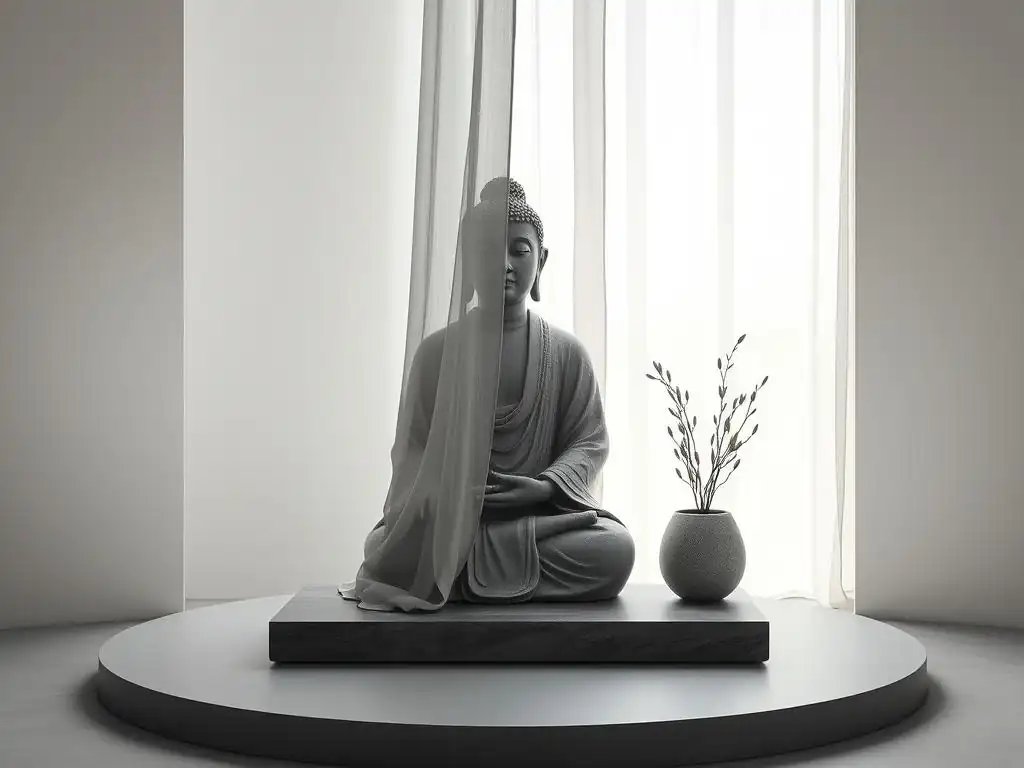
Mindfulness meditation is a cornerstone practice that can be specifically geared towards gaining spiritual insight. While secular mindfulness meditation focuses on present moment awareness for cognitive benefits, spiritual mindfulness meditation often incorporates an intention to connect with spiritual truths or a higher power. This might involve focusing on the breath as a manifestation of life force, contemplating spiritual texts or concepts during meditation, or simply opening oneself to receive guidance or insight.
For instance, someone from a Christian background might practice mindfulness meditation by focusing on their breath while repeating a short prayer or scripture verse, aiming to experience a sense of God's presence in the moment. A Buddhist practitioner might focus on the breath to cultivate awareness of impermanence and non-self. The core technique of paying attention without judgment remains, but the intention and focus are directed towards spiritual exploration. Regular practice, even 15-20 minutes daily, can gradually deepen one's connection to their spiritual path and foster moments of profound clarity or peace.
Mindful Living: Applying Spiritual Principles in Daily Life
Mindful living extends the principles of mindfulness beyond formal meditation into every aspect of daily life, serving as a powerful way to embody spiritual principles. This involves bringing conscious awareness to mundane activities like eating, walking, working, and interacting with others. By doing so, ordinary moments can become opportunities for spiritual practice and connection.
For example, practicing mindful eating can transform a meal into an act of gratitude and connection to the source of nourishment, aligning with spiritual values of appreciation and reverence. Mindful communication involves listening deeply and speaking with intention, fostering empathy and understanding – virtues central to many spiritual traditions.
Washing dishes mindfully, focusing on the sensations of water and soap, can become a practice of presence and acceptance. This constant, gentle return to the present moment throughout the day reinforces spiritual principles like living fully in the now, acting with compassion, and finding sacredness in the ordinary, demonstrating how mindful living helps mindfulness connect spiritual wellbeing.
Body Scan Meditation for Present Moment Awareness
Body scan meditation is a specific mindfulness technique that involves systematically bringing gentle, non-judgmental attention to different parts of the body. While often used for relaxation and increasing body awareness, it is also a powerful tool for cultivating present moment awareness, which is foundational for spiritual insight. By focusing on physical sensations as they arise and pass, the practitioner directly experiences the transient nature of physical reality and trains the mind to stay anchored in the here and now.
This practice can help individuals become more aware of how emotions manifest physically, providing insight into the mind-body connection, a concept acknowledged in many spiritual systems. For instance, noticing tension in the shoulders when feeling stressed can be the first step towards releasing that tension mindfully, rather than being unconsciously driven by it. Regular body scans, perhaps 20-30 minutes a few times a week, build the capacity to remain present and accepting, which is essential for navigating the challenges of the spiritual path and deepening awareness of the self beyond physical sensations.
Benefits of Combining Mindfulness and Spirituality
Enhanced Self-Awareness Through Spiritual Mindfulness
Combining mindfulness with a spiritual framework significantly enhances self-awareness. Mindfulness practices like meditation and mindful observation train the individual to notice their thoughts, emotions, beliefs, and physical sensations without immediate judgment. When this awareness is integrated with spiritual principles – such as the concept of an inner divine self, the pursuit of virtues like humility, or the understanding of ego as separate from true identity – it provides a deeper context for self-exploration.
For example, a person practicing mindfulness within a spiritual context might observe feelings of anger not just as an unpleasant emotion, but also reflect on how it relates to spiritual teachings on forgiveness or compassion. This dual lens allows for a more profound understanding of one's inner landscape and its alignment (or misalignment) with one's spiritual values. This enhanced self-awareness, cultivated through spiritual mindfulness, is crucial for personal growth and for living a life more congruent with one's deepest spiritual convictions.
Reduced Stress and Anxiety: A Spiritual Perspective
The combination of mindfulness and spirituality offers a powerful approach to reducing stress and anxiety, viewed through a spiritual lens. Mindfulness directly addresses the rumination and worry that fuel anxiety by training the mind to return to the present moment. Spiritual beliefs can provide a framework of meaning and trust that helps contextualize stressors and reduce their perceived threat.
For instance, someone facing a difficult situation might use mindfulness to stay present with the uncomfortable feelings of anxiety, acknowledging them without being consumed. Simultaneously, their spiritual belief in a benevolent universe, divine guidance, or the inherent strength of the human spirit might provide a sense of hope, acceptance, or surrender that alleviates the burden of worry.
Studies have shown that individuals with strong spiritual or religious coping mechanisms often exhibit lower levels of stress and anxiety. When combined with the practical techniques of mindfulness, this creates a robust system for managing mental distress, highlighting how mindfulness connects spiritual wellbeing by fostering resilience and peace in challenging times.
Increased Compassion and Empathy: The Spiritual Impact of Mindfulness
Mindfulness practice naturally cultivates compassion and empathy by increasing awareness of one's own inner experiences and the interconnectedness of all beings. When this is integrated with spiritual teachings that emphasize universal love, compassion for others, and the inherent value of every soul, these qualities are significantly amplified.
By mindfully observing one's own suffering, one develops a greater understanding of the nature of suffering itself, which fosters empathy for others experiencing similar pain. Practices like loving-kindness meditation, often associated with mindfulness, explicitly cultivate feelings of warmth, compassion, and goodwill towards oneself and others. When this is underpinned by a spiritual belief that all beings are interconnected or are part of a divine whole, the motivation and capacity for compassion deepen profoundly.
Research, such as a 2013 study published in Psychological Science, has indicated that even short mindfulness training can increase compassionate behavior. This demonstrates the tangible impact of mindfulness, particularly when informed by spiritual values, on fostering greater connection and kindness in the world.
Overcoming Challenges: Addressing Common Obstacles in the Journey
Dealing with Doubt and Skepticism in Spiritual Mindfulness
It is common to encounter doubt and skepticism when exploring the intersection of mindfulness and spirituality. Doubt may arise regarding the effectiveness of mindfulness itself, the validity of spiritual beliefs, or how the two seemingly disparate areas can genuinely connect. Skepticism can stem from past negative experiences with religion, a purely materialistic worldview, or intellectual resistance to concepts that cannot be empirically proven. These feelings are natural parts of the journey.
Addressing doubt and skepticism involves approaching them with the same non-judgmental awareness cultivated in mindfulness practice. Instead of suppressing these feelings, one can mindfully observe them, acknowledging their presence without letting them derail the exploration entirely.
Engaging with these questions intellectually, perhaps through reading or discussion, and experientially, by simply trying the practices with an open mind for a set period (e.g., committing to 10 minutes of mindful breathing daily for a month), can help. It's important to remember that the path of mindfulness and spirituality is often one of gradual unfolding, not instant revelation, and patience with the process is key.
Managing Distractions and Maintaining Focus
A significant challenge in both mindfulness and spiritual practice is managing distractions and maintaining focus. The mind is naturally prone to wandering, getting lost in thoughts about the past or future, or being pulled by external stimuli. This can be particularly frustrating when trying to cultivate present moment awareness or connect with deeper spiritual insights.
Effectively managing distractions involves recognizing them without self-criticism and gently, but firmly, returning the attention to the intended focus – whether that's the breath, bodily sensations, a spiritual mantra, or a contemplative question. This is the core exercise of mindfulness meditation. Think of it like training a puppy: it will wander off repeatedly, and your job is simply to bring it back kindly, again and again.
Establishing a consistent practice routine, even for short periods, helps strengthen the 'muscle' of attention. Creating a dedicated space free from external interruptions can also support focus. Over time, the periods of focus tend to lengthen, and the ability to notice and return from distraction improves, making the practice more stable and rewarding.
Overcoming Resistance to Meditation and Solutions
Resistance to meditation is a very common obstacle. People may feel they "can't quiet their mind," find it boring or uncomfortable, feel they don't have enough time, or believe they are "doing it wrong." This resistance often stems from misconceptions about what meditation is supposed to be (it's not about stopping thoughts, but about changing your relationship with them) or from the discomfort of sitting with oneself without distraction.
Solutions involve adjusting expectations and finding a practice that feels accessible. Starting small, perhaps with just 2-5 minutes of focused breathing, can make it less daunting. Trying different types of mindfulness practices – like mindful walking, mindful eating, or a guided body scan – can help find what resonates.
Using guided meditations, widely available online or through apps, can provide structure and support. Understanding that resistance is normal and part of the process, and approaching it with curiosity rather than frustration, can also help. Committing to a regular, even brief, practice schedule builds momentum and makes it easier to overcome the initial inertia, gradually revealing how mindfulness connects spiritual wellbeing through consistent effort.
Case Studies: Real-Life Examples of Mindfulness and Spiritual Growth
Sarah's Journey: Transforming Grief Through Mindful Spirituality
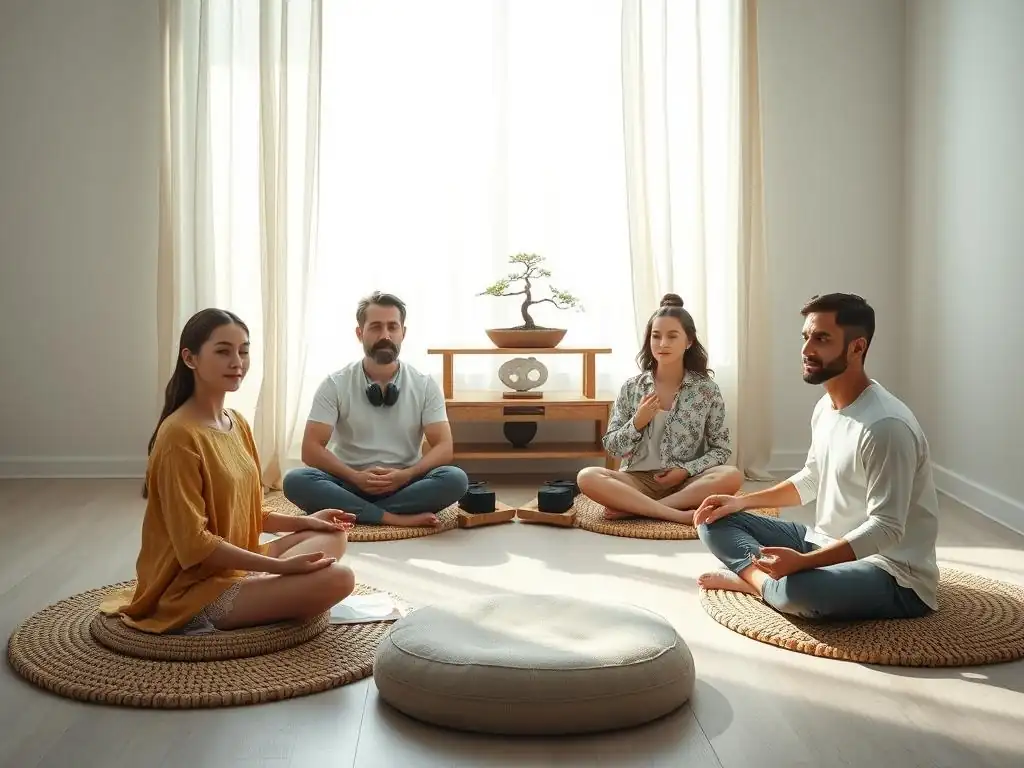
Sarah, a 55-year-old woman, experienced profound grief after the sudden loss of her husband. Overwhelmed by sorrow and anxiety, she struggled to find meaning or peace. A friend suggested exploring mindfulness, and she began attending a local group that incorporated elements of spiritual reflection. Initially skeptical, Sarah committed to a daily practice of mindful breathing and journaling about her emotions.
Through mindful awareness, Sarah started to notice the waves of grief as physical sensations and thoughts, rather than being completely consumed by them. She learned to sit with the pain without judgment. Integrating this with her spiritual belief in an afterlife and the enduring power of love, she began to find moments of connection – feeling her husband's presence during quiet contemplation or finding solace in the beauty of nature observed mindfully. Over several months, her acute grief softened.
While the pain didn't disappear, mindfulness helped her navigate it with greater presence and acceptance, allowing her spiritual beliefs to offer comfort and hope. She reported a significant reduction in anxiety (approximately 40% according to her self-assessment scale) and a renewed sense of purpose rooted in her spiritual understanding of life and loss. Her journey illustrates powerfully how mindfulness connects spiritual wellbeing even amidst immense suffering.
David's Story: Finding Purpose After Retirement Through Spiritual Awareness
David, a 68-year-old retired engineer, felt a deep sense of aimlessness after leaving his demanding career. He had always been intellectually curious but had paid little attention to his inner life or spiritual questions. Feeling restless and disconnected, he decided to explore mindfulness as a way to manage his low mood and lack of motivation. He started with a secular mindfulness course but soon found himself drawn to texts on wisdom traditions that echoed the principles of presence and interconnectedness.
He began incorporating mindful walking in nature daily, paying close attention to the sights, sounds, and smells. This practice opened him to a deeper appreciation for the world around him and sparked a sense of wonder he hadn't felt in years.
He also started a contemplative prayer practice, sitting quietly with an open heart, inspired by spiritual teachings on listening and surrender. Gradually, David felt a shift from focusing on what he did for a living to who he was as a person.
He volunteered at a local nature reserve, finding joy in mindful service and connection to the community. He described feeling a renewed sense of purpose (rating it 7/10 compared to 2/10 before) and a profound peace (rating it 8/10 compared to 3/10), attributing it to the way mindfulness helped him connect with his inner values and a sense of belonging to something larger than himself, demonstrating how mindfulness connects spiritual wellbeing by illuminating deeper purpose.
Maria's Experience: Improving Family Relationships with Mindful Communication and Spiritual Connection
Maria, a 40-year-old mother of two, struggled with constant tension and arguments in her family. Feeling overwhelmed and reactive, she often said things she regretted. Seeking help, she turned to resources that combined mindfulness techniques with principles of compassionate communication, inspired by spiritual teachings on love and patience. She committed to practicing mindful listening during family interactions and taking mindful pauses before responding during disagreements.
Maria started by dedicating 5 minutes each morning to mindful breathing, setting an intention to bring patience and understanding to her family interactions. During conversations, she made a conscious effort to truly listen without formulating her response, focusing on the speaker's words and tone. Before reacting to a challenging comment from her children or partner, she would take a few mindful breaths to create space.
This simple practice drastically reduced her automatic reactivity. By integrating this with her spiritual belief in the importance of treating others with kindness and seeing the divine spark in each person, she approached interactions with more empathy.
Over six months, family arguments decreased by approximately 30%, and she reported feeling significantly more connected to her children and partner, rating her relationship satisfaction as 8/10 compared to 4/10 previously. Her experience highlights how mindfulness connects spiritual wellbeing in practical ways, improving relationships through present awareness and spiritual intention.
Mindfulness and Diverse Spiritual Traditions
Mindfulness in Buddhism: A Deep Dive
Mindfulness, or sati in Pali, is a foundational practice within Buddhism, particularly in Theravada and Mahayana traditions. It is one of the seven factors of enlightenment and is central to meditation practices like Vipassanā (insight meditation). In Buddhism, mindfulness is not merely a technique for relaxation but a crucial tool for understanding the nature of reality, including the Four Noble Truths and the concept of Anicca (impermanence), Dukkha (suffering), and Anattā (non-self).
The Satipaṭṭhāna Sutta, a core Buddhist text, provides detailed instructions on the cultivation of mindfulness of the body, feelings, mind, and phenomena. The goal is to see things "as they really are," free from delusion and attachment. For example, observing the breath mindfully is a practice not just of focus, but of experiencing the constant arising and passing away of sensations, directly illustrating impermanence. This deep dive into mindful awareness is intended to dismantle the illusion of a permanent, independent self and lead to liberation from suffering, demonstrating how intrinsically mindfulness connects spiritual wellbeing within the Buddhist framework.
Mindfulness in Christianity: Finding God in the Present Moment
While the term "mindfulness" is modern and often associated with Buddhism, practices akin to mindfulness have long existed within Christianity. These often fall under the umbrella of contemplative prayer or Christian meditation, focusing on finding God's presence in the present moment and cultivating a deeper relationship with the divine. Techniques like centering prayer, which involves silently repeating a sacred word to return attention to God, are functionally similar to using a mantra or the breath as an anchor in mindfulness meditation.
Christian mystics throughout history have emphasized the importance of presence and inner stillness as pathways to experiencing God. Brother Lawrence's 17th-century work, "The Practice of the Presence of God," is a classic example, advocating for remembering God in all daily activities, a concept very similar to mindful living. Modern Christian writers like Thomas Keating have explicitly linked contemplative prayer to mindfulness principles. The focus is on surrendering to God's will and experiencing divine love not as an abstract concept, but as a present reality, illustrating how Christian practices parallel and connect with mindfulness for spiritual growth.
Mindfulness in Hinduism: Connecting to the Divine Self
Mindfulness practices are deeply embedded within various paths of Hinduism, particularly in Yoga and Vedanta traditions. Concepts like Smriti (recollection or mindfulness) and Dharana (concentration) are integral steps in Patanjali's Yoga Sutras, leading towards Dhyana (meditation) and ultimately Samadhi (union or contemplative absorption). The Bhagavad Gita emphasizes the importance of disciplined action ( Karma Yoga) performed with detachment and presence, bringing a mindful approach to one's duties.
Hindu spiritual goals often involve realizing the true nature of the self ( Atman) and its unity with the ultimate reality ( Brahman). Mindfulness practices aid this by purifying the mind ( Chitta Shuddhi) and developing the concentration needed for deep introspection and meditation. For example, meditating on a mantra (like Om) or a deity involves sustained, mindful attention.
This focus helps quiet the fluctuations of the mind ( Chitta Vritti Nirodha) that obscure the perception of the divine self within. By training the mind to be present and focused, these practices facilitate the direct experience of spiritual truths central to Hinduism, showing how mindfulness connects spiritual wellbeing by clearing the path to inner realization.
The Future of Mindfulness and Spiritual Wellbeing
Emerging Trends in Mindful Spirituality Practices
The future of mindful spirituality is likely to see several emerging trends. One is the increasing integration of mindfulness techniques into diverse spiritual and religious educational programs and communities. As the secular benefits of mindfulness become widely accepted, spiritual leaders are exploring how these practices can enrich traditional forms of prayer, contemplation, and community engagement. This includes creating mindful worship services, offering workshops on contemplative prayer informed by mindfulness principles, and developing curricula that link psychological well-being with spiritual development.
Another trend is the rise of interspiritual mindfulness, where individuals draw from practices and wisdom across different traditions. This goes beyond comparative religion to creating a personal practice that incorporates elements like Buddhist mindfulness meditation, Christian contemplative prayer, Hindu mantra repetition, or Sufi whirling, unified by the core principle of present awareness and connection to the divine. This trend is fueled by increased global interaction and a desire for personal spiritual paths that are not limited by traditional boundaries, further illustrating how mindfulness connects spiritual wellbeing across different frameworks.
The Role of Technology in Facilitating Spiritual Mindfulness
Technology is playing an increasingly significant role in facilitating spiritual mindfulness, making practices more accessible to a wider audience. Meditation apps, for example, now offer guided sessions specifically tailored to different spiritual perspectives or incorporate spiritual themes. Online platforms host virtual retreats, workshops, and community gatherings that allow people from anywhere in the world to connect with teachers and fellow practitioners.
Furthermore, wearable technology and biofeedback devices are being explored to help individuals track their physiological responses during meditation or prayer, providing objective data on the calming effects of these practices. While technology cannot replace the depth of personal experience or the value of in-person spiritual community, it serves as a powerful tool for guidance, consistency, and connection, particularly for those who are geographically isolated or new to these practices. Estimates suggest millions globally use meditation apps, a significant portion of whom likely integrate this with their spiritual lives, highlighting technology's growing role in how mindfulness connects spiritual wellbeing.
Promoting Inclusivity and Accessibility in Spiritual Mindfulness Practices
A critical aspect of the future is promoting inclusivity and accessibility in spiritual mindfulness practices. Historically, some spiritual traditions or contemplative practices may have been tied to specific cultural, social, or economic groups, limiting access for others. The secularization of mindfulness has helped make the basic technique more widely available, but integrating it with spirituality requires careful consideration of diverse beliefs and backgrounds.
Efforts are needed to make spiritual mindfulness welcoming to people of all faiths and no faith, different ethnic backgrounds, socioeconomic statuses, abilities, and sexual orientations. This involves developing resources and programs that are culturally sensitive and adaptable, offering practices in various languages, and ensuring physical and financial accessibility. For example, offering sliding scale fees for retreats or providing online resources for free removes significant barriers. Promoting inclusivity ensures that the profound benefits of how mindfulness connects spiritual wellbeing are available to everyone seeking them, fostering a more equitable and compassionate world.
Conclusion: Embracing the Universal Thread
Mindfulness Connects Spiritual Wellbeing: A Recap
Throughout this exploration, we've seen compelling evidence for the profound connection between mindfulness and spiritual wellbeing. Mindfulness, as the practice of present moment awareness, provides the essential tools for introspection, self-awareness, and cultivating inner peace. When integrated with spiritual truths – whether they stem from established religious traditions or a personal search for meaning and connection – these practices become a powerful pathway to deeper understanding, resilience, and a richer, more purposeful life.
From enhancing self-awareness and reducing anxiety to fostering compassion and facilitating moments of transcendence, the synergy between mindfulness and spirituality offers tangible benefits for mental health and overall well-being. Case studies illustrate how real individuals have transformed their lives by embracing this connection. Across diverse spiritual traditions, we find echoes and explicit practices of mindfulness, demonstrating its universal relevance as a tool for spiritual growth and connection.
Encouraging Further Exploration of Mindfulness and Spirituality for Mental Health
For those seeking to enhance their mental health and deepen their spiritual journey, exploring the intersection of mindfulness and spirituality is a path rich with potential. It requires an open mind, a willingness to practice, and patience with the process. There are numerous resources available, from books and online courses to local meditation groups and spiritual communities that integrate contemplative practices.
Mind Care Guide encourages you to take a step, perhaps by trying a short guided mindfulness meditation, reading about how mindfulness is practiced in a spiritual tradition that interests you, or simply bringing more mindful awareness to a daily activity like walking or eating. Discovering how mindfulness connects spiritual wellbeing can be a transformative process, leading to greater peace, clarity, and a profound sense of connection to yourself, others, and the universal thread that runs through all of existence.
Frequently Asked Questions
What is the core connection between mindfulness and spiritual well-being, according to Mind Care Guide?
Mindfulness, as explored by Mind Care Guide, acts as a bridge to spiritual well-being by fostering present moment awareness. This awareness allows individuals to connect with a deeper sense of self and the universe.
How does practicing mindfulness contribute to a stronger sense of spiritual truth?
By focusing on the present moment, mindfulness helps clear the mind of distracting thoughts and judgments. This allows for a direct experience of reality, which many interpret as a connection to a universal spiritual truth.
What are some practical ways the Mind Care Guide suggests incorporating mindfulness into daily life to enhance spiritual connection?
Mind Care Guide may suggest practices like meditation, mindful breathing, and conscious awareness during everyday activities. These practices cultivate a sense of presence and inner peace, fostering spiritual growth.
Can mindfulness be practiced independently of any specific religious or spiritual belief system?
Yes, mindfulness is often presented as a secular practice focused on cultivating awareness. While it can enhance spiritual experiences, it does not require adherence to any particular doctrine or belief.
What resources does Mind Care Guide offer for individuals seeking to explore the link between mindfulness and spiritual well-being further?
The website offers information, support, and resources related to mindfulness. These resources can include articles, guided meditations, and links to mental health professionals.
Final Reflection: Weaving Mindfulness into the Tapestry of Being
The pursuit of mindfulness is not merely a trendy self-help technique; it's a timeless path toward a deeper understanding of ourselves and our place in the universe. Its relevance today, in a world saturated with information and riddled with anxiety, is undeniable. The ability to cultivate present moment awareness is a powerful antidote to the relentless churn of the modern mind, offering a sanctuary of peace amidst the storm.
Mindfulness, as explored throughout this article, acts as a bridge, connecting the secular practice of present moment awareness with the profound spiritual truths that resonate across cultures and faiths. It's a practice that transcends religious dogma, offering a direct path to inner peace and a sense of interconnectedness. The present moment is filled with joy and happiness. If you are attentive, you will see it.
– Thich Nhat Hanh. This quote beautifully encapsulates the transformative power of mindful attention, revealing the inherent goodness and beauty that exists within each present moment, regardless of external circumstances.
Consider how you might integrate mindfulness into your daily life. Perhaps it's through a few minutes of quiet meditation each morning, or by paying closer attention to the sensations of your breath throughout the day. Don't underestimate the power of small, consistent actions.
By cultivating a mindful approach to life, you are not simply improving your mental well-being; you are embarking on a journey of self-discovery, connecting with a deeper sense of purpose and meaning, and weaving a richer, more vibrant tapestry of being. Embrace the present moment, and watch as your understanding of yourself and the world around you unfolds.
Ignite Your Inner Spark: Embrace Mindfulness Today
Thank you for taking the time to explore the powerful connection between mindfulness and spiritual growth. We hope this article provided you with valuable insights and a renewed sense of purpose. Now it's time to put these learnings into action!
- Begin a daily mindfulness practice: Even five minutes a day can make a significant difference. Try focusing on your breath, your senses, or a guided meditation. This is your primary step towards a more mindful and fulfilling life.
- Share your reflections: What resonates most with you from today's exploration? Discuss your thoughts and experiences with a friend, family member, or in the comments below.
- Discover new mindful practices: Explore different techniques such as yoga, journaling, or spending time in nature – find what works best for you and incorporate it into your daily routine.
Ready to embark on this transformative journey? What small step will you take today to deepen your connection with yourself and the spiritual world?