
Breathwork for Beginners: Simple Techniques for Instant Calm and Focus


Welcome to Mind Care Guide, your trusted companion on the path to inner peace.
Feeling overwhelmed? We understand. Life's pressures can sometimes feel unbearable. But what if we told you that a simple, accessible tool could offer immediate relief? Dive into our article, " Breathwork for Beginners: Simple Techniques for Instant Calm and Focus," and discover how breathwork techniques reduce anxiety and unlock a sense of calm you never knew you possessed. Curious to learn more? Let's breathe together, and begin.
Breathwork for Beginners: Simple Techniques for Instant Calm and Focus
- Introduction to Breathwork for Mental Well-being
- What is Breathwork and How Does it Reduce Anxiety?
- Simple Breathwork Techniques for Beginners
- Advanced Breathwork Techniques
- Integrating Breathwork into Your Daily Routine
- Common Mistakes to Avoid When Practicing Breathwork
- Resources for Further Learning About Breathwork
- Conclusion: Embracing Breathwork for a Calmer, More Focused You
-
Frequently Asked Questions
- How does breathwork help reduce anxiety?
- What are some simple breathwork techniques I can try as a beginner?
- How often should I practice breathwork to see a reduction in anxiety?
- Are there any potential side effects or risks associated with breathwork?
- Where can I find more resources and support for managing anxiety with breathwork?
- Final Reflection: Breathing Our Way to a Calmer Future
- Unleash Your Inner Calm: Start Breathing Your Way to Well-being
Introduction to Breathwork for Mental Well-being
Understanding the Connection Between Breath and Anxiety Reduction
Our breath is intimately linked to our emotional state. When we feel anxious, stressed, or fearful, our breathing tends to become shallow, rapid, and irregular. This pattern signals the nervous system that we are in danger, triggering the body's fight-or-flight response. This response, while essential for survival in acute threats, can become chronically activated in modern life, contributing to persistent feelings of anxiety and overwhelm.
Conversely, consciously slowing and deepening the breath sends a powerful signal of safety to the brain. This activates the parasympathetic nervous system, often called the "rest and digest" system. This shift helps to lower heart rate, decrease blood pressure, and reduce the levels of stress hormones like cortisol in the bloodstream. By learning simple breathwork techniques, individuals can gain immediate control over their physiological response to stress, significantly helping breathwork techniques reduce anxiety symptoms in the moment and build resilience over time.
Why Breathwork is a Powerful Tool for Mental Health
In a world filled with constant stimulation and pressure, finding accessible and effective ways to manage mental health is crucial. Breathwork offers a simple yet profound pathway to greater well-being. It requires no special equipment, can be practiced anywhere, and provides immediate benefits, making it an ideal starting point for anyone looking to improve their mental state.
Regular practice of breathwork techniques reduce anxiety, improve mood, and enhance focus. For instance, individuals who incorporate just 5-10 minutes of mindful breathing daily often report feeling more centered and less reactive to stressors. Studies and anecdotal evidence consistently highlight the efficacy of breathwork in calming the mind, reducing rumination, and fostering a sense of presence, which are vital components of robust mental health.
What is Breathwork and How Does it Reduce Anxiety?
Defining Breathwork: More Than Just Deep Breathing
Breathwork refers to a variety of intentional breathing exercises or techniques practiced for physical, mental, emotional, or spiritual well-being. While deep breathing is a component of many techniques, breathwork encompasses a broader range of practices, including variations in breath pace, depth, retention, and focus. It's a conscious manipulation of the breath pattern to achieve a desired state.
Unlike the unconscious, automatic breathing we do all day, breathwork involves deliberate control and awareness. It transforms breathing from a background function into a powerful tool. These specific breathwork techniques reduce anxiety by providing a tangible action you can take to interrupt the stress cycle, offering an immediate anchor in the present moment.
The Science Behind Breathwork: Calming the Nervous System
The vagus nerve, a major nerve connecting the brain to the body's organs, plays a key role in the mind-body connection. Slow, deep breathing stimulates the vagus nerve, which in turn helps to regulate the parasympathetic nervous system. When the parasympathetic system is activated, it counteracts the effects of the sympathetic nervous system (the fight-or-flight response).
This physiological shift results in a cascade of beneficial effects: heart rate slows down, muscle tension decreases, and the production of stress hormones diminishes. This is the core mechanism by which various breathwork techniques reduce anxiety. Research suggests that consistent breathwork can lead to measurable changes, such as a lower resting heart rate and improved heart rate variability, both indicators of a more resilient and less reactive nervous system.
Exploring Different Breathwork Techniques
The world of breathwork is diverse, offering techniques suited for different goals and experience levels. Some methods focus on slow, rhythmic patterns for relaxation and sleep, while others involve more dynamic or rapid breathing to release tension or increase energy. There are techniques designed for grounding, others for emotional release, and many specifically developed because these breathwork techniques reduce anxiety and promote a sense of calm.
Understanding the basic principles allows beginners to explore and find techniques that resonate with them. Simple, accessible methods like diaphragmatic breathing, box breathing, and the 4-7-8 technique are excellent starting points, offering immediate benefits and forming a solid foundation for deeper practice.
Simple Breathwork Techniques for Beginners
Diaphragmatic Breathing: The Foundation of Calm
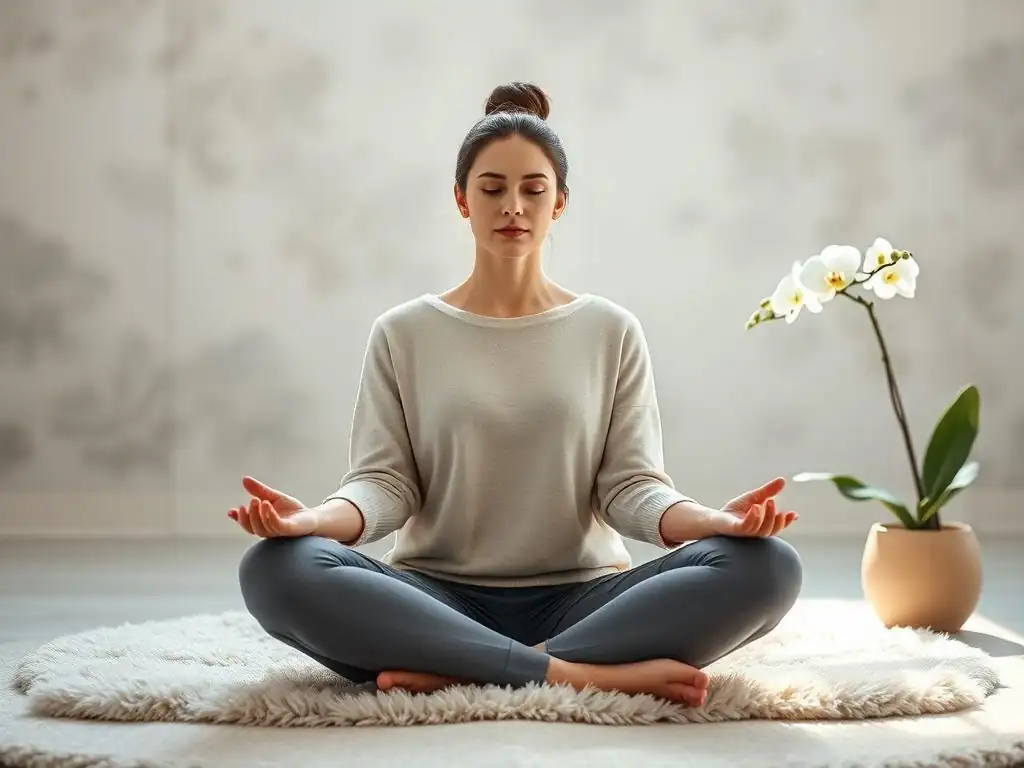
Diaphragmatic breathing, also known as belly breathing, is the most fundamental breathwork technique. It involves engaging the diaphragm, a large muscle located below the lungs, to draw air deep into the belly rather than just the chest. This natural way of breathing is often forgotten in adulthood due to stress and poor posture, but relearning it is crucial for calming the nervous system.
By utilizing the diaphragm effectively, you maximize oxygen intake and promote a deeper, more relaxed breath. This type of breathing is foundational because it directly stimulates the vagus nerve, sending calming signals to the brain. Mastering diaphragmatic breathing is the first step towards using breathwork techniques reduce anxiety and improve overall relaxation.
How to Practice Diaphragmatic Breathing
- Find a comfortable position, either sitting or lying down.
- Place one hand on your chest and the other just below your rib cage, on your abdomen.
- Inhale slowly and deeply through your nose, allowing your belly to rise as you fill with air. The hand on your chest should remain relatively still, while the hand on your belly moves outward.
- Exhale slowly through pursed lips, gently drawing your belly button towards your spine to help push the air out. The hand on your belly should move inward.
- Repeat for 5-10 minutes, focusing on keeping the chest still and the belly moving with each breath.
Benefits of Diaphragmatic Breathing
Diaphragmatic breathing offers numerous benefits, particularly for stress and anxiety management. It helps lower heart rate and blood pressure, reduces muscle tension, and can decrease levels of stress hormones like cortisol. Practicing this simple breathwork technique can reduce anxiety symptoms like shortness of breath and racing thoughts almost immediately. Consistent practice over time can improve lung capacity and contribute to a greater sense of calm and control in daily life. Many people report feeling grounded and more present after just a few minutes of focused belly breathing.
Box Breathing: A Technique for Focus and Calm
Box breathing, also known as square breathing, is a simple yet powerful technique used to regulate breathing and calm the nervous system. It involves inhaling, holding, exhaling, and holding the breath for equal counts, typically four. This rhythmic pattern provides a mental anchor, diverting attention away from anxious thoughts and promoting a state of focused relaxation.
This technique is favored by military personnel, first responders, and athletes for its ability to quickly reduce stress and enhance concentration under pressure. The structured count provides a clear task for the mind, preventing it from wandering into anxious territory. As a breathwork technique, Box Breathing helps reduce anxiety by imposing a steady rhythm on the body's autonomic functions.
Step-by-Step Guide to Box Breathing
- Find a comfortable seated position with your back straight.
- Exhale completely, emptying your lungs.
- Inhale slowly through your nose for a count of four. Feel your belly expand.
- Hold your breath at the top of the inhale for a count of four.
- Exhale slowly through your mouth or nose for a count of four, emptying your lungs completely.
- Hold your breath at the bottom of the exhale for a count of four.
- Repeat the cycle (inhale 4, hold 4, exhale 4, hold 4) for several minutes. You can adjust the count up or down if four is too challenging, but keep all sides of the "box" equal.
When to Use Box Breathing
Box breathing is particularly effective when you need to quickly regain composure and focus in stressful situations. It's an excellent technique to use before a public speaking engagement, a difficult conversation, an exam, or any moment where you feel overwhelmed or panicked. Practicing Box Breathing for just 3-5 minutes can interrupt the stress response and bring you back to a state of calm alertness. It's a portable tool that can be deployed anytime, anywhere, making it invaluable when seeking breathwork techniques reduce anxiety rapidly.
4-7-8 Breathing: A Natural Tranquilizer
The 4-7-8 breathing technique, popularized by Dr. Andrew Weil, is often described as a "natural tranquilizer" for the nervous system. It involves inhaling for a count of four, holding the breath for a count of seven, and exhaling for a count of eight. The extended exhale is key, as it signals the body to relax and helps to expel carbon dioxide more effectively.
This technique is particularly effective for promoting relaxation and preparing the body for sleep. The specific counts and the breath retention create a physiological state conducive to rest. By focusing on the counts, you also distract the mind from racing thoughts that often interfere with falling asleep. Practicing 4-7-8 breathing regularly can significantly help breathwork techniques reduce anxiety-related insomnia.
Mastering the 4-7-8 Breath for Sleep and Relaxation
To perform the 4-7-8 breath:
- Sit with your back straight or lie down comfortably.
- Place the tip of your tongue against the ridge of tissue just behind your upper front teeth, and keep it there throughout the exercise.
- Exhale completely through your mouth, making a whoosh sound.
- Close your mouth and inhale quietly through your nose for a count of four.
- Hold your breath for a count of seven.
- Exhale completely through your mouth, making a whoosh sound, for a count of eight.
- Repeat the cycle for a total of four breaths when starting out. You can gradually increase to eight breaths as you become more comfortable. Practice twice a day.
Tips for Effective 4-7-8 Breathing Practice
Consistency is key with the 4-7-8 technique. Practice it twice daily, even when you're not feeling anxious or trying to sleep, to build proficiency. When using it for sleep, practice while already in bed.
The counts are less important than the ratio of 4:7:8; if holding for seven counts is too difficult initially, shorten the counts proportionally (e.g., 2:3.5:4, though using whole numbers like 2:4:6 or 3:5:7 might be easier) while maintaining the longer exhale. The whoosh sound on the exhale helps to ensure you are exhaling fully and engaging the breath properly. This powerful breathwork technique helps reduce anxiety and calm the mind for rest.
Advanced Breathwork Techniques
Alternate Nostril Breathing (Nadi Shodhana): Balancing Energy
Alternate Nostril Breathing, or Nadi Shodhana in Sanskrit, is a yogic breathwork technique that involves breathing through one nostril at a time, alternating between them. This practice is believed to balance the flow of energy (prana) in the body and mind, promoting mental clarity, emotional balance, and a sense of calm. It's a slightly more complex technique than the basic ones but offers profound benefits.
Nadi Shodhana helps to quiet the mental chatter and prepare the mind for meditation or deep relaxation. By regulating the breath through each nostril, it is thought to balance the hemispheres of the brain, leading to a more integrated and peaceful state. Regularly practicing this breathwork technique can reduce anxiety by harmonizing the body's energetic systems.
How to Perform Alternate Nostril Breathing
- Sit comfortably with a straight spine.
- Bring your right hand towards your face. Close your right nostril with your right thumb.
- Exhale completely through your left nostril.
- Inhale deeply through your left nostril.
- Close your left nostril with your right ring finger (or pinky finger) while holding the breath briefly (optional, but common).
- Release your thumb and exhale completely through your right nostril.
- Inhale deeply through your right nostril.
- Close your right nostril with your thumb.
- Release your ring finger and exhale completely through your left nostril.
- This completes one round. Continue for 5-10 rounds, maintaining a steady, smooth breath.
Benefits of Nadi Shodhana for Mental Clarity
Alternate Nostril Breathing is highly effective for calming the mind and improving focus. It helps to alleviate stress, reduce anxiety, and quiet the nervous system. Many practitioners find it useful for clearing nasal passages, reducing headaches, and improving overall respiratory function. It's an excellent practice to use before meditation, work requiring concentration, or any time you need to shift from a state of agitation to one of centered calm. This breathwork technique helps reduce anxiety by balancing the subtle energies and calming mental fluctuations.
Lion's Breath (Simhasana): Releasing Tension
Lion's Breath, or Simhasana, is a dynamic breathwork technique often used in yoga to release tension, stress, and frustration. It involves a forceful exhale through the mouth with the tongue extended and a "roar" sound, mimicking a lion. While it might feel awkward initially, it's surprisingly effective at releasing pent-up energy and tension stored in the jaw, throat, and face.
This expressive breath helps to break through emotional blocks and physical tension. The forceful exhale and sound provide a physical release, while the act of making noise can be cathartic. It's a less conventional breathwork technique to reduce anxiety compared to calming methods, but it addresses anxiety stemming from trapped energy or the need for emotional release.
Performing Lion's Breath
- Sit comfortably, perhaps on your heels, with your hands resting on your knees. Spread your fingers wide, as if they were claws.
- Inhale deeply through your nose.
- As you exhale forcefully through your mouth, open your eyes wide, stick out your tongue towards your chin, and make a loud "ha" sound or a soft roar from your throat.
- Relax your face and inhale normally.
- Repeat 3-5 times.
Precautions and Modifications for Lion's Breath
Lion's Breath is generally safe but might feel intense or even slightly dizzying for some initially. If you feel lightheaded, stop and return to normal breathing. It's best practiced in a private setting where you feel comfortable making noise. If sitting on your heels is uncomfortable, sit cross-legged or in a chair. The key is the forceful exhale and the facial/throat release. While it's a breathwork technique that can reduce anxiety by releasing tension, it's not typically used for acute panic attacks; it's more for general stress release and emotional clearing.
Integrating Breathwork into Your Daily Routine
Creating a Breathwork Practice Schedule
Consistency is key to reaping the full benefits of breathwork. Start small, perhaps with just 5 minutes a day. Choose a specific time that works for you – first thing in the morning to set a calm tone, during a midday break to reset, or in the evening to wind down. Even short, regular sessions are more effective than infrequent long ones.
Consider linking your breathwork practice to an existing habit, like after brushing your teeth or before your first cup of coffee. Gradually increase the duration as you become more comfortable, aiming for 10-15 minutes daily if possible. Having a scheduled time makes it more likely that breathwork techniques reduce anxiety will become a consistent part of your self-care routine.
Breathwork Exercises for Different Situations: Before Sleep
Certain breathwork techniques are particularly well-suited for specific times or situations. For example, the 4-7-8 breath is highly effective for calming the nervous system and preparing the body for sleep. Practicing it while lying in bed signals to your body that it's time to rest, helping to quiet the mind and ease the transition into sleep. Many people find that just 4-8 rounds significantly reduces the time it takes to fall asleep.
Similarly, Box Breathing is excellent for moments of acute stress or when you need to focus, such as before a presentation or during a challenging task. Diaphragmatic breathing is a versatile tool that can be used anytime you feel stressed or need to ground yourself. Tailoring the breathwork technique to the situation enhances its effectiveness in helping breathwork techniques reduce anxiety and improve performance or rest.
Combining Breathwork with Other Holistic Practices: Yoga
Breathwork is a natural complement to many other holistic practices, enhancing their benefits. In yoga, breath (pranayama) is an integral part of the practice, linking movement and mindfulness. Combining poses with conscious breathing deepens relaxation and improves body awareness.
Meditation and mindfulness practices also pair beautifully with breathwork. Using a calming breath technique like diaphragmatic breathing or Nadi Shodhana can help quiet the mind and prepare you for deeper meditation. Even simple activities like walking or stretching can be enhanced by incorporating mindful breathing, turning everyday moments into opportunities for calm and presence. Integrating breathwork techniques reduce anxiety while amplifying the positive effects of these complementary practices.
Common Mistakes to Avoid When Practicing Breathwork
Forcing the Breath: The Importance of Gentle Breathing
One of the most common mistakes beginners make is trying to force the breath. Breathwork should feel natural and comfortable, not strained or difficult. Forcing the inhale or exhale can lead to tension and even lightheadedness, counteracting the goal of relaxation.
Instead of striving for the deepest breath possible, focus on smooth, gentle, and controlled movements. Allow the breath to flow naturally, expanding and contracting your body with ease. If a technique feels uncomfortable, modify the counts or return to simple diaphragmatic breathing. The aim is ease and relaxation, not performance. Gentle breathwork techniques reduce anxiety more effectively than strained, forceful breathing.
Holding Your Breath: Maintaining a Natural Rhythm
While some techniques, like Box Breathing or 4-7-8, involve brief breath retention, holding your breath for too long or in an uncomfortable way should be avoided, especially when starting out. Holding the breath when your body is signaling a need to inhale or exhale can create anxiety rather than relieve it.
Pay attention to your body's signals. If holding the breath feels stressful, skip that step or significantly reduce the duration. The goal is to find a rhythm that feels sustainable and calming. As you practice, your breath retention capacity may naturally increase, but never force it. Maintaining a natural, comfortable rhythm is key to ensuring these breathwork techniques reduce anxiety effectively.
Practicing in a Distracting Environment: Creating a Calm Space
The environment where you practice breathwork can significantly impact its effectiveness. Trying to focus on your breath in a noisy, cluttered, or interruptive space can make it difficult to settle the mind and body. While breathwork is portable, finding a quiet, comfortable spot is ideal, especially when you are learning.
Choose a time and place where you are unlikely to be disturbed. Turn off notifications on your phone. Dim the lights if possible. Even a few minutes in a calm environment can make a big difference. Creating a dedicated space, even if it's just a quiet corner, helps reinforce the practice as a time for self-care and allows the breathwork techniques reduce anxiety to work their magic without external interference.
Resources for Further Learning About Breathwork
Recommended Books on Breathwork and Mindfulness
Many excellent books delve deeper into the science and practice of breathwork and its connection to mindfulness and mental health. These resources often provide detailed instructions for various techniques, explore the physiological and psychological benefits, and offer guidance on integrating breathwork into a daily routine. Look for books that are well-researched and written by experienced practitioners or healthcare professionals. Exploring these texts can provide a solid theoretical foundation for understanding how breathwork techniques reduce anxiety and promote well-being.
Online Breathwork Courses and Workshops
For those who prefer guided learning, numerous online courses and workshops are available. These often feature video or audio instructions, guided practice sessions, and sometimes include community support. Look for courses led by certified breathwork facilitators or experienced yoga and meditation instructors. Many platforms offer introductory courses specifically designed for beginners, providing step-by-step guidance through the core techniques. Engaging with a structured course can deepen your practice and help you master complex breathwork techniques reduce anxiety more effectively.
Finding a Qualified Breathwork Practitioner
Working with a qualified breathwork practitioner can be beneficial, especially if you have specific goals or are dealing with significant stress or trauma. A practitioner can offer personalized guidance, introduce you to a wider range of techniques, and help you navigate any challenges that arise during your practice. Look for practitioners with relevant certifications and experience in working with mental health concerns. While simple breathwork techniques reduce anxiety for many, professional guidance can offer a more tailored and potentially transformative experience.
Conclusion: Embracing Breathwork for a Calmer, More Focused You
Breathwork is an ancient practice with profound modern relevance. It offers a simple, accessible, and powerful way to manage stress, reduce anxiety, and improve overall mental well-being. By learning and practicing basic techniques like diaphragmatic breathing, Box Breathing, and 4-7-8 breathing, beginners can quickly experience a greater sense of calm and focus.
Making breathwork a consistent part of your daily routine can lead to lasting positive changes in your mental and emotional state. Remember to start small, be patient with yourself, and find the techniques that resonate most with your needs. As you deepen your practice, you'll discover the incredible capacity of your own breath to soothe, center, and strengthen you. Embrace these simple yet effective breathwork techniques; reduce anxiety and cultivate a more peaceful and present life, one conscious breath at a time.
Frequently Asked Questions
How does breathwork help reduce anxiety?
Breathwork techniques help regulate the nervous system. By consciously controlling your breathing, you can activate the parasympathetic nervous system, which promotes relaxation and reduces feelings of anxiety.
What are some simple breathwork techniques I can try as a beginner?
Simple techniques include diaphragmatic breathing (belly breathing) and box breathing. These techniques are easy to learn and can be practiced anywhere, anytime to promote calm and focus.
How often should I practice breathwork to see a reduction in anxiety?
Consistency is key! Aim for at least 5-10 minutes per day, even when you're not feeling anxious. Regular practice builds resilience to stress and makes the techniques more effective.
Are there any potential side effects or risks associated with breathwork?
While generally safe, some individuals may experience lightheadedness or hyperventilation initially. If you have underlying health conditions, consult with a healthcare professional before starting breathwork practices.
Where can I find more resources and support for managing anxiety with breathwork?
Mind Care Guide offers a comprehensive collection of articles, guides, and resources on mental well-being. You can also find guided meditations and breathwork exercises online to deepen your practice.
Final Reflection: Breathing Our Way to a Calmer Future
The simple act of breathing, often overlooked, holds the key to unlocking profound calm and focus in our increasingly anxious world. The techniques explored in this article – from box breathing to alternate nostril breathing – offer readily accessible tools to combat the pervasive stress of modern life. These aren't just fleeting solutions; they are practices that, with consistent application, can reshape our relationship with anxiety and cultivate lasting inner peace.
The impact of breathwork extends far beyond individual stress management; it's a ripple effect influencing our collective well-being. By learning to regulate our breath, we learn to regulate our emotions, fostering resilience and a greater capacity for empathy. As the ancient proverb states, A calm mind brings inner peace.
This simple truth, often forgotten in the whirlwind of daily life, underscores the power of breathwork to not only soothe our individual anxieties but also to cultivate a more compassionate and understanding society.
Now, consider this: What small, consistent practice could you integrate into your daily routine to cultivate more calm and focus? Perhaps it's five minutes of box breathing before a challenging meeting, or a few rounds of alternate nostril breathing before bed. The journey to a calmer, more centered self begins with a single breath. Embrace the power within you, and breathe your way to a more peaceful and fulfilling life.
Unleash Your Inner Calm: Start Breathing Your Way to Well-being
Thanks for taking the time to explore the power of breathwork with us! We hope you discovered some valuable techniques to help you find more calm and focus in your daily life. Now it's time to put your new knowledge into practice.
- Prioritize your breath: Commit to practicing one of the techniques from today's article for just 5 minutes each morning this week. Notice the difference it makes in your energy levels and overall mood.
- Share your breathwork journey: Tell a friend about your experience, and encourage them to try it, too! Sharing your newfound calm can be incredibly rewarding.
- Explore further: Search online for guided breathwork meditations or explore different breathing styles to find what resonates most with you.
Ready to breathe your way to a more peaceful, focused you? What simple change in your breathing routine will you implement first?