
Boosting Resilience: Holistic Strategies for Tough Times


Welcome to Mind Care Guide, a sanctuary for your mental well-being.
Feeling overwhelmed by life's challenges? You're not alone. We understand the weight of difficult times, and that's why we've created this space. This article delves into powerful resilience strategies for difficult times, offering practical tools to not just survive, but thrive. Curious to discover how you can build inner strength and navigate adversity with grace? Let's explore together...
Building Resilience: Holistic Strategies for Navigating Uncertainty
- Understanding Resilience: Adapting and Thriving
-
Holistic Resilience Strategies: Nurturing Mind, Body, and Connection
- Cognitive Resilience: Cultivating Flexible Thinking
- Physical Resilience: Strengthening the Body-Mind Connection
- Emotional Resilience: Fostering Emotional Regulation and Self-Compassion
- Social Resilience: Strengthening Connections and Seeking Support
- Purpose-Driven Resilience: Connecting to Values and Meaning
- Practical Techniques for Building Resilience: A Personalized Approach
- Overcoming Obstacles to Resilience: Addressing Common Challenges
- Long-Term Benefits of Resilience: Enhanced Well-being and Fulfillment
- Conclusion: Cultivating Resilience as a Continuous Process
-
Frequently Asked Questions
- What exactly is resilience, and why is it so important during difficult times?
- What are some holistic strategies I can use to build resilience?
- How does Mind Care Guide define "difficult times" in the context of building resilience?
- Can anyone learn resilience, or is it something you're born with?
- Where can I find more resources and support for building resilience on Mind Care Guide?
- Final Reflection: Cultivating Inner Strength in a Changing World
- Unleash Your Inner Strength: Take Charge of Your Resilience!
Understanding Resilience: Adapting and Thriving
Defining Resilience: Adaptability and Growth
Resilience is often described as the ability to bounce back from adversity, stress, or trauma. However, it's more than just recovery; it's also about the capacity to adapt positively and even grow in the face of challenging circumstances. Think of it not as an inherent trait only some people possess, but as a dynamic process and a set of skills that can be developed and strengthened over time. It involves navigating life's inevitable ups and downs while maintaining psychological well-being.
This adaptability isn't about avoiding difficulty or feeling no pain; it's about effectively engaging with challenges, learning from experiences, and maintaining a sense of hope and capability. Research suggests that resilient individuals don't necessarily face fewer problems, but they tend to employ more effective coping mechanisms and draw on internal and external resources more readily. Building resilience strategies for difficult times is a journey of self-discovery and empowerment.
Why Resilience Matters: Protecting Mental Well-being During Stress
In an unpredictable world, stress and adversity are unavoidable. Whether facing personal loss, economic hardship, health crises, or global uncertainty, our ability to cope significantly impacts our mental health. High levels of stress without effective coping can contribute to anxiety disorders, depression, burnout, and other mental health challenges.
Resilience acts as a buffer, helping to mitigate the negative impacts of stress on the mind and body. By fostering resilience, individuals are better equipped to manage intense emotions, maintain perspective, solve problems, and seek support when needed. This protective quality is crucial for maintaining long-term mental well-being and navigating the complexities of modern life. Developing robust resilience strategies for difficult times is essential for maintaining stability and health.
The Neuroscience of Resilience: Brain Plasticity and Adaptation
The concept of resilience is deeply rooted in the brain's remarkable capacity for change, known as neuroplasticity. This allows the brain to reorganize itself by forming new neural connections throughout life. When we encounter stressful situations, our brains activate various regions, including the amygdala (involved in fear and threat response) and the prefrontal cortex (involved in planning, decision-making, and emotional regulation).
Resilient individuals often show different patterns of activity and connectivity in these areas. For example, a more active prefrontal cortex can help regulate the amygdala's response, preventing an overwhelming fear reaction. Engaging in resilience-building practices like mindfulness or cognitive restructuring can physically alter neural pathways, strengthening those associated with calm, rational thought and weakening those linked to excessive worry or fear. This neurobiological basis underscores that resilience is a skill that can be trained.
Holistic Resilience Strategies: Nurturing Mind, Body, and Connection
Cognitive Resilience: Cultivating Flexible Thinking
Cognitive resilience refers to the mental flexibility and thought patterns that help individuals navigate challenges effectively. It involves the ability to challenge unhelpful thoughts, maintain a realistic perspective, and find solutions rather than dwelling on problems. Cultivating this aspect of resilience is fundamental to managing stress and promoting mental well-being.
Developing cognitive resilience strategies for difficult times involves consciously working with your thoughts. This isn't about forced positivity, but about developing a more balanced and realistic internal dialogue. It's about recognizing that thoughts are not always facts and learning to question interpretations of events, especially during periods of stress or uncertainty.
Practicing Cognitive Restructuring for Challenging Thoughts
Cognitive restructuring is a powerful technique for identifying and challenging negative or irrational thought patterns that contribute to distress. It involves recognizing distorted thoughts (like catastrophizing, black-and-white thinking, or overgeneralization) and replacing them with more balanced and realistic alternatives.
For instance, if you lose your job, a distorted thought might be "I'm a complete failure and will never find work again." Cognitive restructuring would involve examining the evidence, considering alternative explanations, and formulating a more balanced thought like "Losing this job is difficult, but it doesn't define my worth, and I have skills that are valuable in the job market."
This process typically involves several steps: identifying the distressing thought, examining the evidence for and against it, considering alternative perspectives, and creating a more balanced thought. Regular practice can significantly reduce the emotional intensity of negative thoughts and improve your capacity to handle setbacks. Studies have shown that cognitive restructuring is a core component of therapeutic approaches effective in treating anxiety and depression, contributing substantially to building resilience strategies for difficult times.
Using Journaling to Enhance Self-Awareness and Perspective
Journaling is a simple yet profound tool for building cognitive resilience. Writing down your thoughts and feelings can help you gain clarity, identify patterns in your thinking, and process difficult emotions. When you write, you externalize your internal world, creating distance from your thoughts and allowing for a more objective perspective.
Regular journaling, even for just 10-15 minutes a day, can help you track your emotional responses to stressors, identify triggers, and explore different ways of thinking about challenges. It can also be used to practice gratitude, reflect on successes, or brainstorm solutions to problems. This practice enhances self-awareness, which is a critical component of resilience, allowing you to understand your reactions and make conscious choices about how to respond to adversity. Many find that simply articulating their worries on paper diminishes their power.
Developing Problem-Solving Skills for Effective Action
Effective problem-solving is a cornerstone of cognitive resilience. When faced with a challenge, a resilient individual doesn't just worry about the problem; they actively engage in finding solutions. This involves breaking down large problems into smaller, manageable steps, brainstorming potential solutions, evaluating the pros and cons of each, and creating an action plan.
Developing problem-solving skills means moving from a passive, reactive stance to an active, proactive one. It requires identifying the core issue, setting realistic goals for resolving it, and being willing to adapt your approach if initial solutions don't work. This skill set helps reduce feelings of helplessness and increases a sense of agency, which are vital for navigating difficult times. Learning to systematically tackle problems is a key element of effective resilience strategies for difficult times.
Physical Resilience: Strengthening the Body-Mind Connection
Physical resilience refers to the body's ability to withstand and recover from physical stressors, but it is inextricably linked to mental resilience. A strong, healthy body supports a strong, healthy mind. Neglecting physical health can deplete energy reserves, impair cognitive function, and exacerbate stress and anxiety.
Focusing on physical resilience involves prioritizing basic self-care practices that nourish the body and, in turn, support mental fortitude. These practices are not just about physical fitness; they are fundamental resilience strategies for difficult times, providing a stable base from which to face challenges.
The Impact of Regular Physical Activity on Mood and Cognition
Regular physical activity is one of the most well-documented boosters of both physical and mental health. Exercise releases endorphins, often called "feel-good" chemicals, which can improve mood and reduce stress and anxiety. It also helps regulate cortisol, the primary stress hormone.
Beyond mood, exercise has significant cognitive benefits. It improves blood flow to the brain, supports the growth of new neurons, and enhances cognitive functions like memory, attention, and problem-solving. Aiming for about 150 minutes of moderate-intensity or 75 minutes of vigorous-intensity aerobic activity per week, plus muscle-strengthening activities at least two days a week, can profoundly impact your ability to cope with stress and build resilience. Even short bursts of activity, like a 10-minute walk, can shift your mental state.
Nutrition Strategies for Supporting Brain Health and Energy Levels
What you eat significantly impacts your brain function and energy levels, both of which are crucial for resilience. A diet rich in whole foods, including fruits, vegetables, lean proteins, and healthy fats, provides the necessary nutrients to support brain health and maintain stable energy throughout the day.
Specific nutrients are particularly important for mental well-being and resilience. Omega-3 fatty acids, found in fatty fish, flaxseeds, and walnuts, are vital for brain structure and function. B vitamins are essential for energy production and neurotransmitter synthesis. Maintaining stable blood sugar levels by avoiding excessive processed foods and sugary drinks can prevent energy crashes and mood swings. Proper hydration is also key, as dehydration can impair cognitive function and exacerbate feelings of stress. Fueling your body properly is a foundational piece of building resilience strategies for difficult times.
Prioritizing Sleep Hygiene for Optimal Performance and Recovery
Sleep is not a luxury; it is a fundamental biological necessity for both physical and mental restoration. Chronic sleep deprivation impairs cognitive function, emotional regulation, and the body's ability to handle stress. During sleep, the brain processes information, consolidates memories, and clears metabolic waste, all of which are essential for optimal functioning.
Prioritizing sleep hygiene means establishing consistent sleep habits. This includes going to bed and waking up at roughly the same time each day, even on weekends; creating a relaxing bedtime routine; ensuring your bedroom is dark, quiet, and cool; and avoiding screens, caffeine, and heavy meals close to bedtime. Aiming for 7-9 hours of quality sleep per night can dramatically improve your mood, concentration, and overall capacity to manage life's challenges. Adequate rest is a non-negotiable component of effective resilience strategies for difficult times.
Emotional Resilience: Fostering Emotional Regulation and Self-Compassion
Emotional resilience is the ability to acknowledge, understand, and effectively manage your emotions, especially during times of stress or adversity. It doesn't mean suppressing or ignoring feelings, but rather experiencing them without being overwhelmed or controlled by them.
Developing emotional resilience involves cultivating self-awareness and learning techniques to navigate the full spectrum of human emotions in a healthy way. This allows you to respond thoughtfully to challenging situations rather than reacting impulsively based on intense feelings. Building emotional resilience is a core aspect of developing effective resilience strategies for difficult times.
Identifying and Managing Emotional Triggers
Emotional triggers are specific situations, people, or events that provoke an intense emotional reaction. Recognizing your personal triggers is the first step in managing your emotional responses. For example, public criticism might trigger feelings of shame, or unexpected changes might trigger intense anxiety.
Once identified, you can develop strategies to manage these triggers. This might involve avoiding the trigger when possible, changing how you react to it, or developing coping mechanisms to use when triggered. Techniques like deep breathing, taking a brief break, or using positive self-talk can help regulate the emotional response in the moment. Understanding your triggers provides valuable insight into your emotional landscape.
Building Emotional Awareness Through Mindfulness
Mindfulness is the practice of paying attention to the present moment without judgment. It involves observing your thoughts, feelings, bodily sensations, and the world around you with curiosity and acceptance. Regular mindfulness practice can significantly enhance emotional awareness.
By practicing mindfulness, you become more attuned to your emotional state as it arises, allowing you to notice feelings like anger, sadness, or anxiety without immediately getting caught up in them. This creates space between the emotion and your reaction, enabling you to choose how to respond rather than being swept away. Even a few minutes of mindful breathing or body scanning daily can improve your ability to recognize and process emotions, strengthening your emotional resilience.
Practicing Self-Compassion Techniques for Resilience
Self-compassion involves treating yourself with the same kindness, understanding, and acceptance that you would offer a close friend facing difficulty. It recognizes that suffering and personal inadequacy are part of the shared human experience, rather than isolating flaws. During tough times, it's easy to fall into self-criticism, which erodes resilience.
Practicing self-compassion involves three core components: self-kindness versus self-judgment, a sense of common humanity versus isolation, and mindfulness versus over-identification with negative thoughts or feelings. Techniques include using kind self-talk (e.g., "This is hard right now, but I can get through this"), recognizing that others have similar struggles, and gently observing painful feelings without getting lost in them. Research by Dr. Kristin Neff suggests that self-compassion is strongly linked to psychological well-being and is a powerful antidote to stress and shame, making it a vital ingredient in resilience strategies for difficult times.

Social resilience is the ability to maintain and utilize supportive relationships and connections during challenging periods. Humans are inherently social beings, and strong social networks provide emotional support, practical assistance, different perspectives, and a sense of belonging, all of which are critical buffers against stress and adversity.
Cultivating social resilience means actively nurturing relationships and being willing to seek help when needed. Isolation is a major risk factor for poor mental health outcomes, especially during tough times. Building and maintaining strong social ties are fundamental resilience strategies for difficult times.
The Importance of Social Support Networks for Well-being
Studies consistently show that robust social support networks are one of the strongest predictors of an individual's ability to cope with stress and trauma. Knowing you have people who care about you, can listen without judgment, and potentially offer practical help significantly reduces the burden of adversity. This support can come from family, friends, partners, colleagues, or community groups.
Social connection provides a sense of security and validation. Sharing your experiences and feelings with trusted individuals can normalize your struggles, reduce feelings of isolation, and offer new insights or solutions. Even simply spending time with supportive people can have a calming effect on the nervous system. Prioritizing these connections is not selfish; it's a necessary component of resilience.
Building and Maintaining Meaningful Relationships
Building meaningful relationships takes effort, but the rewards for resilience are immense. It involves being present and engaged with others, practicing active listening, showing empathy, and being reliable and trustworthy. It also means setting healthy boundaries and communicating your needs effectively.
Maintaining relationships requires ongoing investment. This might involve regular check-ins, shared activities, offering support to others in return, and resolving conflicts constructively. During difficult times, proactively reaching out to your network, even if just for a brief conversation, can make a significant difference. Nurturing these connections before you need them is a smart long-term resilience strategy.
Seeking Professional Guidance: Therapy and Support Groups
While informal social support is crucial, there are times when professional guidance is necessary and highly beneficial for building resilience. Therapists, counselors, and coaches are trained to help individuals develop coping skills, process difficult experiences, and identify unhelpful patterns of thinking or behavior.
Support groups, whether for specific conditions (like grief or anxiety) or general life challenges, offer a unique combination of peer support and shared understanding. Connecting with others who have similar experiences can reduce feelings of shame and isolation and provide practical advice and encouragement. Recognizing when you need help and actively seeking it is a sign of strength and a key component of building resilience strategies for difficult times.
Purpose-Driven Resilience: Connecting to Values and Meaning
Purpose-driven resilience stems from having a sense of meaning, values, and goals that guide you, especially when faced with challenges that might otherwise feel overwhelming or senseless. When you understand why you are facing a struggle or what you are striving for, it can provide the motivation and perspective needed to persevere.
Connecting to your values and finding meaning in life provides an anchor during turbulent times. It helps you prioritize what truly matters and can even allow you to find growth or new direction amidst hardship. This aspect of resilience is about aligning your actions with your deepest beliefs and aspirations.
Exploring Personal Values and Identifying Meaningful Goals
Personal values are your core beliefs and principles that guide your behavior and choices. Identifying these values (e.g., honesty, creativity, compassion, learning, family, community) can provide clarity and direction. Meaningful goals are aspirations that are aligned with these values and give your life a sense of purpose and direction.
Taking time to reflect on what is truly important to you can help you make decisions that are authentic and fulfilling. During tough times, revisiting your values and goals can provide a powerful source of motivation and remind you of what you are fighting for. This clarity helps frame challenges not just as obstacles, but potentially as opportunities to live more fully in line with your values.
Engaging in Activities Aligned with Values and Purpose
Once you've identified your values and meaningful goals, actively engaging in activities that reflect them reinforces your sense of purpose and builds resilience. This could involve volunteering for a cause you care about, pursuing a creative hobby, spending quality time with loved ones, or working towards a professional goal that excites you.
Even small actions aligned with your values can provide a sense of accomplishment and meaning, counteracting feelings of helplessness that can arise during difficult periods. These activities serve as reminders of what is important and provide positive experiences that nourish your spirit. Incorporating these into your routine strengthens your overall capacity for resilience.
Practicing Gratitude to Foster Appreciation and Perspective
Gratitude is the practice of noticing and appreciating the good things in your life, no matter how small. Cultivating gratitude shifts your focus from what is lacking or difficult to what you have and what is going well. This simple practice can profoundly impact your perspective and emotional state.
Regular gratitude practice, such as keeping a gratitude journal or simply taking a few moments each day to reflect on things you are thankful for, has been shown to increase positive emotions, reduce stress, and improve overall well-being. During tough times, gratitude can help maintain perspective, reminding you of the positive aspects of your life and fostering hope. It's a powerful tool for reframing challenges and building resilience strategies for difficult times.
Practical Techniques for Building Resilience: A Personalized Approach
Building resilience is an active process, not a passive one. It requires consistent effort and a willingness to experiment with different strategies to find what works best for you. A personalized approach is key, as everyone's journey and challenges are unique.
The following steps outline a practical framework for developing your own resilience-building plan. This isn't a rigid formula, but a flexible guide to help you integrate holistic strategies into your daily life and enhance your capacity to navigate uncertainty and hardship effectively. Implementing these steps is crucial for applying resilience strategies for difficult times.
Step 1: Assess Current Resilience Strengths and Challenges
Begin by taking an honest look at your current coping mechanisms and how you typically respond to stress.
- What are your go-to strategies when things get tough?
- Are they generally helpful or unhelpful?
- Reflect on past challenges: What helped you get through them? What made things harder?
- Consider the different areas of holistic resilience (cognitive, physical, emotional, social, purpose-driven): Where do you feel strongest? Where might you need to focus more attention?
This self-assessment provides a baseline and helps you identify areas for growth. You might realize you're great at seeking social support but tend to get stuck in negative thinking patterns, or that you prioritize physical health but neglect emotional processing.
Step 2: Identify Specific Stressors and Coping Mechanisms
Pinpoint the specific stressors you are currently facing or anticipate facing.
- What situations or events are causing you the most difficulty or concern?
- How do you typically react to these specific stressors (emotionally, cognitively, behaviorally)?
- What coping mechanisms do you currently use for these particular challenges?
- Are these mechanisms effective in the long term, or do they provide only temporary relief?
Understanding your specific stressors and current coping responses allows you to tailor your resilience strategies. For example, if public speaking is a major stressor, cognitive restructuring around performance fears might be a key strategy, whereas if financial instability is the stressor, practical problem-solving and seeking financial advice might be more relevant.
Step 3: Develop Personalized Resilience-Building Practices
Based on your assessment (Step 1) and identified stressors (Step 2), choose specific resilience strategies to focus on.
- Select 1-3 practices from the cognitive, physical, emotional, social, or purpose-driven categories that resonate with you and address your identified areas for growth.
- Be specific: Instead of "exercise more," decide on "walk for 30 minutes 3 times a week." Instead of "manage emotions," choose "practice mindful breathing for 5 minutes daily."
- Make the practices achievable and sustainable within your current lifestyle.
This step is about creating an action plan. It's better to consistently practice a few strategies than to try everything at once and get overwhelmed. Tailoring your plan makes it more likely you'll stick with it and see results. These chosen practices form your core resilience strategies for difficult times.
Step 4: Implement Self-Care Strategies Consistently
Consistency is key when building resilience. The benefits of these practices accumulate over time.
- Integrate your chosen resilience-building practices into your daily or weekly routine. Schedule them if necessary.
- Treat these practices as non-negotiable self-care appointments.
- Be patient with yourself; progress may be gradual. There will be days when it's hard to stick to the plan – that's normal.
- Track your progress or simply reflect periodically on how the practices are making you feel.
- [ ] Practice mindful breathing for 5 minutes daily.
- [ ] Take a 30-minute walk 3 times this week.
- [ ] Write in my gratitude journal every evening.
- [ ] Call a supportive friend twice this week.
Consistency builds habits, and habits are the foundation of lasting resilience. Regular engagement strengthens the neural pathways and behavioral patterns that support effective coping.
Step 5: Establish a Support System and Seek Guidance When Needed
Remember that resilience is not just about individual effort; it also involves connection and support.
- Identify key people in your life you can rely on for emotional support or practical help.
- Proactively nurture these relationships.
- Know when to seek professional help. Don't wait until you are in crisis. Therapists, counselors, or support groups can provide invaluable tools and perspectives.
- Normalize seeking help – it's a sign of self-awareness and commitment to your well-being.
Having a strong support system is like having a safety net. It provides reassurance and resources during challenging times. Seeking professional guidance is an investment in your long-term mental health and capacity to navigate future difficulties, enhancing your resilience strategies for difficult times.
Overcoming Obstacles to Resilience: Addressing Common Challenges
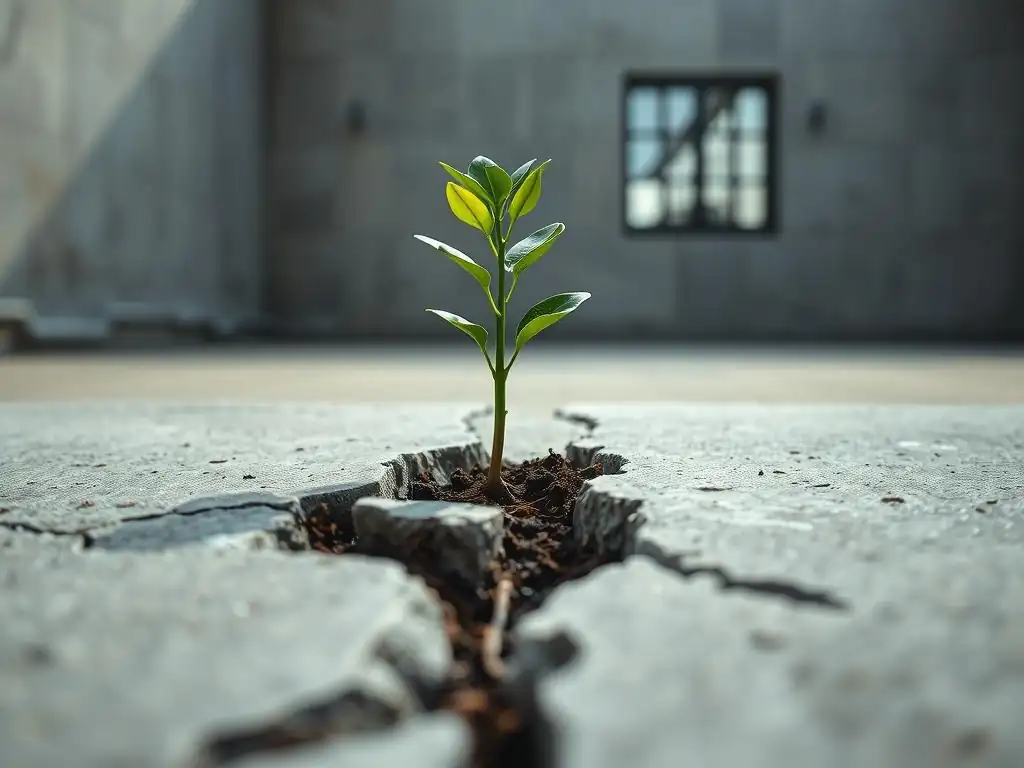
Building resilience isn't always easy. There are common internal and external obstacles that can make the process difficult. Recognizing these challenges is the first step to overcoming them and staying committed to your resilience journey.
Understanding typical roadblocks helps you anticipate them and develop strategies to navigate them. This section addresses some frequent hurdles people face when trying to build resilience strategies for difficult times.
Addressing Negative Self-Talk and Limiting Beliefs
One of the most significant internal obstacles is negative self-talk – the critical inner voice that undermines confidence and promotes feelings of inadequacy. Limiting beliefs, such as "I'm not strong enough" or "I always fail," can become self-fulfilling prophecies, preventing you from even attempting to cope effectively.
Countering negative self-talk involves becoming aware of these internal scripts and actively challenging their validity, as discussed in cognitive restructuring. Replace critical thoughts with more compassionate and realistic self-affirmations. Challenge limiting beliefs by looking for evidence that contradicts them from past experiences or by focusing on your strengths. Recognize that these thoughts are habits, and like any habit, they can be changed with conscious effort and practice.
Managing Anxiety and Uncertainty Effectively
Difficult times are often characterized by high levels of anxiety and uncertainty about the future. Feeling overwhelmed by these emotions can paralyze you, making it hard to take action or think clearly. The urge to avoid uncertainty can be strong, but avoidance often exacerbates anxiety in the long run.
Develop specific strategies for managing anxiety in the moment, such as deep breathing exercises, progressive muscle relaxation, or grounding techniques. Practice accepting uncertainty as a normal part of life rather than something to be eliminated. Focus on what you can control in the present moment rather than dwelling on hypothetical future problems. Limiting exposure to overwhelming news or social media can also help manage anxiety related to broader uncertainties.
Overcoming Avoidance and Building Motivation
When faced with difficulty, it's natural to want to avoid the source of stress or the uncomfortable feelings it brings. However, avoidance prevents you from developing coping skills and often prolongs the distress. Lack of motivation, especially when feeling down or overwhelmed, is another significant hurdle.
To overcome avoidance, try breaking down challenging tasks into smaller, more manageable steps. Focus on taking the first step rather than thinking about the entire process. Use techniques like scheduling challenging activities or using the "five-minute rule" (commit to doing something for just five minutes, and often you'll continue). To build motivation, connect tasks back to your values and goals, celebrate small successes, and ensure you are adequately resting and nourishing your body, as fatigue significantly impacts motivation. Sometimes, simply starting is the hardest part.
Long-Term Benefits of Resilience: Enhanced Well-being and Fulfillment
Investing in building resilience strategies for difficult times yields benefits that extend far beyond simply coping with immediate challenges. Resilience is a pathway to a more fulfilling and meaningful life, enhancing various aspects of your well-being over the long term.
The skills and perspectives gained through cultivating resilience contribute to a greater capacity for joy, stronger relationships, and a deeper sense of purpose. These long-term benefits reinforce the value of making resilience-building a continuous practice throughout life.
Improved Psychological and Physical Well-being
Resilient individuals tend to experience lower rates of anxiety and depression, quicker recovery from stressful events, and a more positive outlook on life. By effectively managing stress and emotions, they protect their mental health. This psychological strength also has physical payoffs.
Chronic stress is linked to numerous physical health problems, including cardiovascular issues, weakened immune function, and digestive problems. By reducing the impact of stress, resilience contributes to better physical health outcomes. Studies have shown that individuals with higher resilience scores often report fewer physical symptoms and faster recovery from illness.
The skills developed through building resilience, such as emotional regulation, effective communication, and empathy, are also crucial for healthy relationships. Resilient individuals are often better equipped to navigate interpersonal conflicts, set healthy boundaries, and offer support to others, strengthening their social bonds.
Furthermore, the ability to seek and accept support is a key aspect of both personal and social resilience. By fostering strong social connections, individuals create a positive feedback loop where mutual support enhances everyone's capacity to cope. This leads to more satisfying and enduring relationships.
Increased Sense of Meaning, Purpose, and Fulfillment
Connecting with values and pursuing meaningful goals is a core component of purpose-driven resilience. As individuals strengthen this area, they often experience a greater sense of direction and fulfillment in life. Navigating adversity can even clarify values and reveal new pathways for purpose.
Overcoming challenges builds confidence and a sense of mastery, contributing to a more positive self-image. Resilience allows individuals to not just survive difficult times but to learn from them, grow, and find deeper meaning in their experiences. This contributes to a richer, more satisfying life lived in alignment with one's core values.
Conclusion: Cultivating Resilience as a Continuous Process
Building resilience is not a destination but a lifelong journey. Difficult times are an inevitable part of the human experience, but our capacity to navigate them is not fixed. By intentionally cultivating cognitive, physical, emotional, social, and purpose-driven resilience, we equip ourselves with the skills and resources needed to adapt, cope, and even thrive amidst uncertainty.
The strategies outlined here – from challenging negative thoughts and prioritizing sleep to nurturing relationships and connecting with your values – are practical tools that can be integrated into daily life. They require practice and patience, but the long-term benefits for your mental well-being, relationships, and overall sense of fulfillment are profound. Embrace the process of building resilience strategies for difficult times as an ongoing act of self-care and empowerment, knowing that with each challenge you face, you have the opportunity to grow stronger and more capable.
Frequently Asked Questions
What exactly is resilience, and why is it so important during difficult times?
Resilience is the ability to bounce back from adversity. It's crucial during tough times because it helps us cope effectively and maintain mental well-being despite challenges.
What are some holistic strategies I can use to build resilience?
Holistic strategies encompass various aspects of well-being. Examples include practicing mindfulness, engaging in regular physical activity, and cultivating strong social connections for support.
How does Mind Care Guide define "difficult times" in the context of building resilience?
Mind Care Guide considers "difficult times" as any period of significant stress, loss, or adversity. This could include job loss, relationship problems, or grief.
Can anyone learn resilience, or is it something you're born with?
Resilience is not a fixed trait. While some individuals may naturally exhibit more resilience, it's a skill that can be developed and strengthened through conscious effort and practice.
Where can I find more resources and support for building resilience on Mind Care Guide?
Mind Care Guide offers a wealth of resources, including articles, guides, and support networks, specifically focused on mental well-being and coping mechanisms for various challenges.
Final Reflection: Cultivating Inner Strength in a Changing World
The strategies outlined in this article—mindfulness, social connection, and proactive self-care—are not mere suggestions for navigating difficult times; they are essential tools for thriving in a world increasingly characterized by uncertainty and rapid change. The ability to bounce back from adversity, to adapt and grow in the face of challenges, is no longer a luxury but a necessity for individual well-being and collective progress.
The exploration of resilience has profoundly impacted my understanding of personal growth and the interconnectedness of our lives. It's highlighted the importance of not just surviving difficult periods, but of emerging stronger and more compassionate. The oak sleeps in the acorn; the bird waits in the egg; and in the highest vision of the soul a waking angel stirs. Dreams are the seedlings of realities.
This quote beautifully encapsulates the potential for growth and transformation inherent in even the most challenging circumstances, a potential unlocked through the cultivation of resilience.
Now, consider your own life. What are the seeds of resilience you are nurturing within yourself? What practices can you integrate into your daily routine to bolster your inner strength? Take a moment to reflect on the strategies discussed—mindfulness, social connection, and self-care—and identify one small step you can take today to cultivate greater resilience. This journey towards inner strength is a continuous process, a lifelong commitment to self-discovery and growth. Embrace the challenge, and watch your capacity for navigating life's storms steadily increase.
Unleash Your Inner Strength: Take Charge of Your Resilience!
Thanks for taking the time to explore holistic strategies for building resilience. We hope you found valuable insights to navigate life's challenges with greater ease and strength. Now it's time to put your newfound knowledge into action!
- Prioritize one small, actionable step from the article this week. Even a 5-minute mindfulness exercise can make a difference.
- Share this article with someone who could benefit from these resilience-building techniques. Let's build a supportive community together!
- Try journaling your thoughts and feelings about your resilience journey. This can be a powerful tool for self-discovery and growth.
What small step will you take today to strengthen your resilience, and how will you measure its impact on your well-being?