
Unlock Calm: The Power of Mindfulness in Holistic Mental Care


Welcome to Mind Care Guide, a sanctuary for your mental well-being.
Feeling overwhelmed? You're not alone. We understand the challenges life throws your way. Perhaps you've heard whispers of a powerful practice that can gently guide you towards inner peace... This week, we delve deep into the transformative world of mindfulness. Discover how mindfulness for mental wellbeing can unlock a calmer, more resilient you, and begin your journey towards holistic mental care. Curious to learn more? Let's begin...
Unlock Calm: The Power of Mindfulness in Holistic Mental Care
- Introduction to Mindfulness for Mental Wellbeing
- The Science Behind Mindfulness and Mental Health
- Practical Mindfulness Techniques for Enhanced Mental Wellbeing
- Integrating Mindfulness into Your Daily Life
- Mindfulness for Specific Mental Health Challenges
- Overcoming Challenges in Mindfulness Practice
- Complementary Practices to Enhance Mindfulness
- Advanced Mindfulness Practices for Deeper Mental Wellbeing
- The Future of Mindfulness in Mental Health Care
- Conclusion: Embracing Mindfulness for a Calmer, More Balanced Life
-
Frequently Asked Questions
- What exactly is mindfulness and how does it relate to mental wellbeing?
- How can mindfulness practices benefit individuals facing mental health challenges?
- What are some simple mindfulness exercises that beginners can easily incorporate into their daily routine?
- How does "Mind Care Guide" support individuals in learning and practicing mindfulness for mental wellbeing?
- Is mindfulness a replacement for traditional mental health treatments, or should it be used in conjunction with them?
- Final Reflection: Cultivating Inner Peace in a Frantic World
- Unleash Your Inner Calm: Start Your Mindfulness Journey Today
Introduction to Mindfulness for Mental Wellbeing
Holistic mental care recognizes that mental health is intricately connected to our physical, emotional, social, and spiritual well-being. It moves beyond simply treating symptoms to addressing the root causes of distress and promoting overall flourishing. This comprehensive approach emphasizes self-care practices, lifestyle adjustments, and integrating various therapeutic modalities to create a balanced and resilient mental state.
In this context, mindfulness for mental wellbeing emerges as a powerful and accessible tool. It's a practice that cultivates present-moment awareness without judgment, offering a pathway to greater self-understanding and emotional regulation. By integrating mindfulness into a holistic framework, individuals can build resilience, reduce stress, and enhance their overall quality of life, moving towards a state of calm and balance.
Understanding Holistic Mental Care and its Benefits
Holistic mental care views the individual as a whole system, where different aspects of life are interconnected and influence mental health. This perspective encourages looking beyond traditional clinical interventions to include factors like nutrition, physical activity, sleep hygiene, social connections, and spiritual practices. The goal is not just the absence of illness, but the presence of vitality and well-being.
The benefits of embracing a holistic approach to mental care are numerous and well-documented. Studies indicate that integrating practices like exercise and mindful nutrition can significantly improve mood and reduce symptoms of depression and anxiety. For example, research published in the Journal of Affective Disorders has shown that regular physical activity can be as effective as medication for some individuals with mild to moderate depression.
Furthermore, addressing sleep patterns, often overlooked in traditional models, can dramatically impact cognitive function and emotional stability. A holistic framework empowers individuals by providing a broader toolkit for managing their mental health proactively, fostering long-term resilience and a deeper sense of self-efficacy.
What is Mindfulness and How Does it Relate to Mental Health?
Mindfulness is the practice of paying deliberate attention to the present moment, without judgment. It involves observing one's thoughts, feelings, bodily sensations, and the surrounding environment with open curiosity. This simple yet profound practice is rooted in ancient contemplative traditions but has been increasingly validated by modern psychological and neuroscientific research for its significant impact on mental health.
The connection between mindfulness and mental health is multifaceted. By training the mind to stay present, mindfulness helps individuals detach from ruminative thoughts about the past or anxious worries about the future – common drivers of distress in conditions like depression and anxiety. Regular mindfulness practice has been shown to reduce symptoms across a range of mental health challenges.
For instance, a meta-analysis published in JAMA Internal Medicine in 2014 reviewing over 47 trials found that mindfulness meditation programs showed moderate evidence of improving anxiety and depression symptoms. This highlights the potential of mindfulness for mental wellbeing as a core component of a healthy mind.
The Science Behind Mindfulness and Mental Health
Scientific research has increasingly illuminated the mechanisms through which mindfulness impacts the brain and improves mental health. Neuroimaging studies, in particular, have provided fascinating insights into how regular mindfulness practice can lead to tangible changes in brain structure and function, supporting its role in promoting well-being.
Understanding the scientific underpinnings helps demystify mindfulness and underscores its credibility as a therapeutic tool. From altering neural pathways associated with stress to enhancing regions involved in emotional regulation, the evidence points to mindfulness as a powerful practice capable of reshaping our internal landscape and improving our capacity to navigate life's challenges, reinforcing its value for overall mindfulness for mental wellbeing.
Brain Changes Associated with Mindfulness Practice
Neuroscientific studies have demonstrated that consistent mindfulness practice can lead to measurable changes in brain structure and activity. One well-known finding, from a study published in Psychiatry Research: Neuroimaging in 2011 by researchers at Harvard and Massachusetts General Hospital, showed that participants who completed an 8-week mindfulness-based stress reduction (MBSR) program had increased gray matter density in the hippocampus, a region associated with learning and memory, and in structures associated with self-awareness, compassion, and introspection.
Conversely, the same study found a decrease in gray matter density in the amygdala, the brain's fear center, which is linked to stress and anxiety.
These structural changes are accompanied by functional alterations. Regular mindfulness practice has been shown to strengthen connections between the prefrontal cortex (involved in executive functions like planning and decision-making) and the amygdala. This enhanced connectivity allows the prefrontal cortex to exert more top-down control over the amygdala's reactivity, enabling individuals to respond to stressful situations with greater calm and less emotional intensity. Such neuroplastic changes provide a biological basis for the reported improvements in emotional regulation and stress resilience, solidifying the scientific support for mindfulness for mental wellbeing.
Mindfulness and Stress Reduction: A Scientific Perspective
Stress is a pervasive issue in modern life, significantly impacting mental and physical health. Mindfulness offers a powerful antidote by altering our physiological and psychological responses to stressors. Scientifically, mindfulness practice has been shown to reduce levels of cortisol, often referred to as the "stress hormone," in the bloodstream. Elevated cortisol levels over time are linked to various health problems, including anxiety, depression, and impaired immune function.
Beyond hormonal changes, mindfulness affects the autonomic nervous system, shifting the balance from the sympathetic "fight or flight" response to the parasympathetic "rest and digest" response. This shift leads to physiological changes such as lowered heart rate, reduced blood pressure, and slower respiration. Research, including studies on individuals undergoing stressful situations, has consistently demonstrated that those with regular mindfulness practice exhibit lower physiological reactivity to stress and report reduced subjective feelings of stress.
For instance, a study published in Health Psychology in 2012 found that MBSR participants showed a significant reduction in psychological distress and an increase in positive states compared to a control group. This scientific evidence firmly supports the efficacy of mindfulness for mental wellbeing in managing stress.
Mindfulness and Emotional Regulation: Evidence-Based Research
Emotional regulation is the ability to manage and respond to an emotional experience appropriately. Difficulty in emotional regulation is a core feature of many mental health conditions, including mood disorders, anxiety disorders, and personality disorders. Mindfulness enhances emotional regulation by fostering non-judgmental awareness of emotions as they arise. Instead of being overwhelmed or reacting impulsively, individuals learn to observe their feelings with a degree of distance and acceptance.
Evidence-based research has provided strong support for mindfulness's role in improving emotional regulation. Studies using fMRI (functional magnetic resonance imaging) have shown that during emotional tasks, individuals who practice mindfulness exhibit reduced activation in brain regions associated with intense emotional reactivity, such as the amygdala, and increased activation in areas involved in cognitive control and reappraisal, like the prefrontal cortex.
A meta-analysis published in Clinical Psychology Review in 2014 concluded that mindfulness-based interventions are effective in improving emotional regulation skills across various populations. This body of evidence confirms that cultivating mindfulness for mental wellbeing equips individuals with better tools to navigate their emotional landscape effectively.
Practical Mindfulness Techniques for Enhanced Mental Wellbeing
Integrating mindfulness into daily life doesn't require hours of dedicated practice; even short, consistent efforts can yield significant benefits. There are numerous practical techniques that can be adapted to suit different needs and lifestyles, making mindfulness for mental wellbeing accessible to everyone.
These techniques range from formal meditation practices to informal ways of bringing mindful awareness to everyday activities. Starting with simple exercises can help build a foundation for deeper practice and gradually cultivate a more present and less reactive state of mind throughout the day.
Mindfulness Meditation for Beginners: A Step-by-Step Guide
Mindfulness meditation is a foundational practice for cultivating present-moment awareness. For beginners, finding a comfortable posture is key, whether sitting on a cushion, a chair, or lying down. The spine should be relatively straight but not rigid. Gently closing the eyes or softening the gaze helps minimize distractions.
The core of beginner's mindfulness meditation involves focusing attention on the breath. As thoughts inevitably arise, the practice is simply to notice them without judgment and gently redirect attention back to the breath. There's no need to try and stop thinking, which is impossible; the goal is to develop awareness of thought patterns. Starting with just 5-10 minutes a day can be highly effective. Consistency is more important than duration in building a sustainable practice of mindfulness for mental wellbeing.
Mindful Breathing Exercises for Anxiety Relief
Mindful breathing is a simple yet powerful technique that can be used anytime, anywhere, to reduce anxiety and promote calm. When anxious, breathing often becomes shallow and rapid. Mindful breathing involves intentionally slowing down and deepening the breath, activating the parasympathetic nervous system.
A common mindful breathing exercise is the 4-7-8 technique, although variations exist. To practice, find a comfortable seat. Inhale deeply through the nose to a count of four, hold the breath for a count of seven, and exhale slowly and completely through the mouth to a count of eight. Repeat this cycle several times. Focusing solely on the counts and the physical sensation of breath helps anchor the mind in the present moment, providing immediate relief from anxious thoughts and sensations and contributing to mindfulness for mental wellbeing.
Body Scan Meditation for Increased Self-Awareness
The body scan meditation is a practice that systematically brings mindful awareness to different parts of the body. It helps to develop a deeper connection with physical sensations and can reveal areas of tension or discomfort that we might otherwise ignore. This practice is particularly useful for grounding oneself and increasing interoceptive awareness – the sense of the internal state of the body.
To perform a body scan, lie down comfortably on your back with arms resting at your sides and legs uncrossed. Close your eyes. Bring your attention to your breath for a few moments. Then, gently bring your awareness to your toes. Notice any sensations there – tingling, warmth, coolness, pressure – without trying to change anything.
Gradually move your attention up through the body, section by section (feet, ankles, calves, knees, etc. ), lingering on each area for a few breaths before moving on. If the mind wanders, simply notice and gently bring it back to the current body part. This practice enhances body awareness, reduces physical tension, and supports mindfulness for mental wellbeing by integrating mind and body.
Mindful Walking: Connecting with the Present Moment
Mindful walking transforms a routine activity into an opportunity for cultivating awareness. It involves paying deliberate attention to the physical sensations of walking and the environment around you, bringing mindfulness for mental wellbeing into movement.
To practice mindful walking, find a quiet place where you can walk undisturbed, either indoors or outdoors. Start by focusing on the sensations in your feet as they make contact with the ground. Notice the lifting of the heel, the movement through the sole, and the placement of the toes. Expand your awareness to include the movement of your legs, hips, and arms.
Also, pay attention to the sights, sounds, and smells around you, acknowledging them without getting lost in thought about them. If your mind starts planning or worrying, gently bring your attention back to the physical act of walking. Even a short 10-15 minute mindful walk can be incredibly refreshing and centering.
Integrating Mindfulness into Your Daily Life
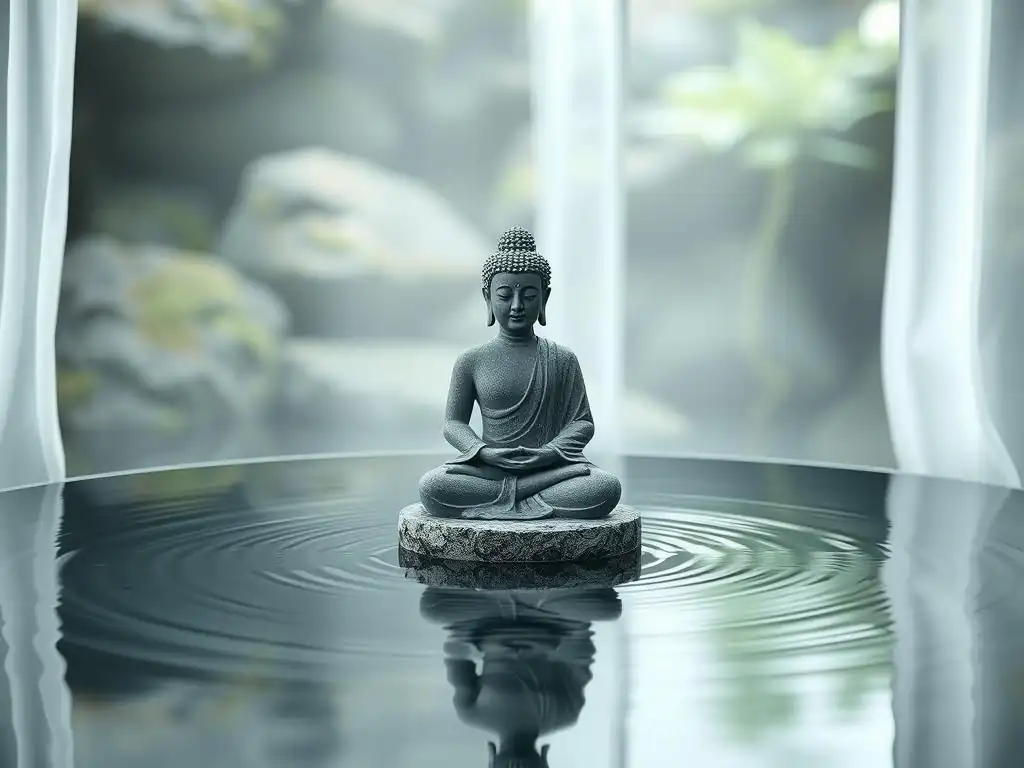
Bringing mindfulness off the cushion and into the fabric of daily life is where its transformative power truly shines. It's about cultivating a state of present-moment awareness not just during formal practice, but during everyday activities, interactions, and challenges. This integration is crucial for sustained mindfulness for mental wellbeing.
Incorporating mindfulness into routine tasks helps to reduce autopilot behavior, increase engagement, and build resilience against stress. It allows us to experience the richness of life more fully and respond to situations with greater intention and less reactivity.
Cultivating Mindfulness at Work: Reducing Stress and Enhancing Focus
The workplace is often a source of significant stress and distraction. Integrating mindfulness into your workday can help manage pressure, improve concentration, and enhance productivity. Simple practices can make a big difference without requiring extensive time commitment.
One way to cultivate workplace mindfulness is to practice mindful transitions. Before starting a new task or moving to the next meeting, take a moment to pause, take a few deep breaths, and consciously shift your attention to the task ahead. Another technique is mindful listening during conversations or meetings, focusing fully on what the other person is saying without formulating your response.
Taking short mindful breaks, even just 60 seconds to focus on your breath between tasks, can help reset your mind. A study in the Journal of Applied Psychology in 2017 found that employees who engaged in short mindfulness exercises reported lower levels of stress and improved emotional regulation during work hours. These small shifts contribute significantly to mindfulness for mental wellbeing in a professional setting.
Practicing Mindfulness in Relationships: Fostering Connection and Understanding
Mindfulness can profoundly impact our relationships by improving communication, empathy, and connection. Being mindfully present during interactions allows us to truly listen, understand, and respond thoughtfully rather than react impulsively.
Mindful communication involves paying full attention to the person you are with, without distraction from your phone or internal thoughts. It means listening not just to the words spoken, but also to the tone of voice and body language. When speaking, it involves expressing yourself clearly and honestly, while remaining aware of the impact of your words.
Practicing empathy by mindfully trying to understand the other person's perspective, even if you disagree, strengthens bonds. Taking a mindful pause before responding during difficult conversations can prevent misunderstandings and conflict. These mindful practices foster deeper connection and mutual respect, enhancing mindfulness for mental wellbeing within our social spheres.
Mindful Eating: A Pathway to Healthier Habits and Body Awareness
Mindful eating involves paying full attention to the experience of eating and drinking, using all your senses. It's not a diet, but rather a practice of cultivating awareness around food choices, hunger and fullness cues, and the physical sensations associated with eating.
To practice mindful eating, start by observing your food – its colors, textures, and smells – before taking a bite. Chew slowly and deliberately, noticing the flavors and textures. Pay attention to how your body feels as you eat, recognizing signs of hunger and fullness. Avoid distractions like screens while eating.
Research has shown that mindful eating can lead to healthier food choices, improved digestion, and a more positive relationship with food and body image. For example, a study published in Obesity in 2011 found that a mindful eating intervention led to significant reductions in binge eating episodes. This practice supports both physical health and mindfulness for mental wellbeing.
Mindfulness for Specific Mental Health Challenges
While mindfulness is a general practice beneficial for overall well-being, it has also shown significant promise as a complementary tool in managing specific mental health conditions. By helping individuals cultivate acceptance, reduce rumination, and increase present-moment awareness, mindfulness can alleviate symptoms and build coping skills.
It's important to note that mindfulness should not replace professional treatment for mental health conditions but can be a valuable addition to therapy and other forms of support. The application of mindfulness for mental wellbeing can be tailored to address the unique challenges presented by different conditions.
Mindfulness for Anxiety Disorders: Managing Worry and Fear
Anxiety disorders are characterized by excessive worry and fear, often focused on future events. Mindfulness helps individuals with anxiety by bringing their attention back to the present moment, interrupting the cycle of anxious thought patterns.
By practicing mindful breathing or body scan, individuals can learn to notice the physical sensations of anxiety (like a racing heart or tightness in the chest) without being overwhelmed by them. They learn to observe anxious thoughts as just thoughts, not necessarily reflections of reality, reducing their power. Studies have consistently shown the effectiveness of mindfulness-based interventions for anxiety. A meta-analysis published in Clinical Psychology Review in 2013 found that MBSR and Mindfulness-Based Cognitive Therapy (MBCT) significantly reduced anxiety symptoms in clinical populations. This evidence highlights the value of mindfulness for mental wellbeing in alleviating the burden of anxiety.
Mindfulness for Depression: Cultivating Hope and Resilience
Depression often involves rumination on past events and negative self-talk. Mindfulness helps individuals with depression by shifting focus from these thought patterns to the present moment experience, fostering acceptance and reducing self-criticism.
MBCT, in particular, was specifically developed to prevent relapse in individuals with recurrent depression. It teaches people to become aware of the signs of a depressive episode and to respond to negative thoughts and feelings with mindfulness, rather than getting caught up in them.
Research has shown MBCT to be as effective as maintenance antidepressant medication in preventing relapse for some individuals with recurrent depression, according to a large trial published in The Lancet in 2015. By cultivating non-judgmental awareness and self-compassion, mindfulness helps build resilience and offers a path toward greater well-being for those experiencing depression, underscoring the role of mindfulness for mental wellbeing in recovery.
Mindfulness for Trauma: Promoting Safety and Grounding
Trauma can fragment an individual's sense of self and safety, often leading to intrusive memories, hypervigilance, or dissociation. Mindfulness practices need to be approached carefully in the context of trauma, often with guidance from a trauma-informed therapist. However, when introduced appropriately, mindfulness can be a powerful tool for grounding and promoting a sense of safety in the present moment.
Techniques like mindful breathing or focusing on physical sensations (like the feeling of feet on the ground) can help individuals stay connected to their bodies and the present reality, counteracting the tendency to dissociate or be overwhelmed by traumatic memories. Mindfulness can also help cultivate a sense of acceptance of difficult emotions and bodily sensations without being consumed by them.
Research on Trauma-Sensitive Mindfulness is growing, showing promise in helping individuals process trauma-related symptoms by fostering a sense of safety and control within their own experience. This delicate yet powerful application of mindfulness for mental wellbeing requires sensitivity and professional support.
Mindfulness for Addiction Recovery: Developing Self-Control and Awareness
Addiction is often characterized by compulsive behavior and difficulty managing cravings and urges. Mindfulness can play a significant role in recovery by helping individuals develop greater awareness of their triggers, cravings, and internal states, and by cultivating the ability to respond skillfully rather than react automatically.
Mindfulness-Based Relapse Prevention (MBRP) programs teach individuals in recovery to notice cravings and urges as temporary physical and mental events, rather than commands that must be obeyed. By practicing mindful awareness of these sensations without judgment, individuals can learn to "surf the urge" – observing it rise and fall without acting on it. Studies have shown that MBRP can reduce substance use and cravings and decrease the risk of relapse.
For instance, research published in Psychology of Addictive Behaviors in 2009 demonstrated that MBRP was effective in reducing relapse rates compared to traditional relapse prevention methods. This highlights the critical contribution of mindfulness for mental wellbeing in supporting long-term sobriety.
Overcoming Challenges in Mindfulness Practice
While the benefits of mindfulness are significant, establishing a consistent practice can come with challenges. It's common to encounter difficulties such as a restless mind, feelings of boredom, or frustration with perceived lack of progress. Recognizing these obstacles is the first step toward navigating them effectively.
Understanding that these challenges are a normal part of the process, not signs of failure, is crucial. With patience, self-compassion, and the right approach, these hurdles can be overcome, leading to a more stable and rewarding mindfulness for mental wellbeing.
Common Obstacles and How to Address Them
One of the most common obstacles is the "wandering mind." Beginners often feel discouraged by how frequently their thoughts drift during meditation. The key is to understand that the goal is not to stop thinking, but to notice when the mind has wandered and gently bring it back to the anchor (like the breath). This act of noticing and returning is the practice itself. It's like training a puppy – it will wander, and you gently guide it back, repeatedly.
Another challenge can be impatience or the expectation of immediate results. Mindfulness is a practice, not a quick fix. It builds cumulative benefits over time. If you feel impatient, acknowledge that feeling mindfully. Boredom can also arise; try shifting your focus slightly, perhaps to different aspects of the breath or adding a body scan element. If physical discomfort is an issue, adjust your posture or try walking meditation. Recognizing these common hurdles and applying these simple strategies can help sustain your practice of mindfulness for mental wellbeing.
The Importance of Patience and Self-Compassion
Patience and self-compassion are indispensable qualities for a sustainable mindfulness practice. It's easy to become frustrated when the mind feels particularly chaotic or when progress seems slow. However, mindfulness teaches us to approach our experience with acceptance, and this includes accepting the difficulties of practice itself.
Treating yourself with the same kindness and understanding you would offer a friend who is learning a new skill is vital. Instead of criticizing yourself for a "bad" meditation session, acknowledge the difficulty and simply return to the practice when you can. Understand that some days will feel easier than others. Cultivating self-compassion involves recognizing that challenges are part of the human experience and responding to your struggles with warmth and understanding. This compassionate attitude not only supports your mindfulness journey but is also a key component of mindfulness for mental wellbeing itself.
Finding the Right Mindfulness Resources and Support
Having access to appropriate resources and support can significantly enhance your mindfulness practice and help you navigate challenges. This could include guided meditations, books, apps, courses, or a community of practitioners.
Many free and paid resources are available, from apps like Calm or Headspace offering guided sessions to websites and local centers providing information and classes. Joining a mindfulness course, such as MBSR or MBCT, provides structured learning and the support of a teacher and a group. Finding a local meditation group or online community can offer a sense of connection and shared experience.
Experiment with different resources to find what resonates best with you. Seeking guidance from experienced teachers or therapists familiar with mindfulness can be particularly helpful, especially if you are dealing with specific mental health challenges. Utilizing these resources strengthens your path toward mindfulness for mental wellbeing.
Complementary Practices to Enhance Mindfulness

Mindfulness practice doesn't exist in a vacuum; it can be beautifully complemented by other holistic practices that nourish the mind and body. Integrating activities like physical movement, mindful nutrition, and spending time in nature can deepen the benefits of mindfulness and contribute to overall mindfulness for mental wellbeing.
These complementary practices work synergistically, each supporting the other in fostering a state of balance, resilience, and presence. Exploring these connections can enrich your journey toward holistic well-being.
Combining Mindfulness with Yoga and Movement
Yoga and other forms of mindful movement are natural companions to mindfulness meditation. Yoga, in particular, integrates physical postures (asanas), breath control (pranayama), and meditation, cultivating awareness of the body, breath, and mind simultaneously.
Practicing yoga mindfully involves paying attention to the sensations in the body during each pose, noticing where there is ease and where there is tension, and coordinating movement with breath. This present-moment awareness during physical activity can deepen body awareness and help release stored tension. Research shows that combining yoga and mindfulness can be highly effective in reducing stress and anxiety.
For example, a study published in the Journal of Alternative and Complementary Medicine in 2007 found that a yoga and mindfulness intervention significantly reduced symptoms of depression and anxiety in a clinical population. This demonstrates the potent combination for mindfulness for mental wellbeing.
The Role of Nutrition in Supporting Mindfulness Practice
What we eat significantly impacts our mood, energy levels, and cognitive function, all of which can affect our ability to practice mindfulness. A diet rich in whole foods, fruits, vegetables, lean proteins, and healthy fats provides the stable energy and nutrients the brain needs to function optimally.
Conversely, diets high in processed foods, sugar, and unhealthy fats can lead to energy crashes, mood swings, and inflammation, making it harder to concentrate and regulate emotions. Practicing mindful eating (as discussed earlier) helps us make healthier choices by increasing our awareness of how different foods make us feel. Ensuring adequate hydration and stable blood sugar levels through balanced meals supports clearer thinking and greater ease in mindfulness practice. Nourishing the body supports the mind, creating a foundation for enhanced mindfulness for mental wellbeing.
The Benefits of Nature and Outdoor Activities for Mental Wellbeing
Spending time in nature has well-documented benefits for mental health, including reducing stress, improving mood, and increasing feelings of calm. Combining nature exposure with mindfulness practices can amplify these benefits.
Mindful walking in a park, forest, or by water involves paying attention to the sensory experience of being outdoors – the sounds of birds, the feel of the breeze, the sight of trees or water, the smells of earth and plants. This intentional engagement with the natural environment can be deeply grounding and restorative. Research published in Environmental Health Perspectives in 2011 highlighted that living in greener urban areas was associated with lower prevalence of anxiety and depression.
Simply sitting mindfully outdoors, observing the natural world without judgment, can also be a powerful practice. Integrating nature enhances mindfulness for mental wellbeing by connecting us to the broader living world.
Advanced Mindfulness Practices for Deeper Mental Wellbeing
Once a foundational mindfulness practice is established, individuals may wish to explore more advanced techniques that cultivate specific qualities of mind and deepen insight into the nature of reality. These practices often build upon basic attentional training but focus on different objects or intentions.
These advanced practices are not necessarily "harder" but involve a shift in focus or a more sustained application of mindful awareness. They offer pathways to cultivate qualities like compassion, equanimity, and deeper understanding, further enhancing mindfulness for mental wellbeing.
Insight Meditation (Vipassana)
Insight meditation, often referred to as Vipassana, is a practice aimed at developing deep insight into the true nature of reality, particularly the characteristics of impermanence, suffering, and non-self. While basic mindfulness focuses on stabilizing attention on the present moment, Vipassana uses that stable attention to observe the arising and passing of phenomena – thoughts, feelings, sensations – with penetrating awareness.
The practice typically involves sitting meditation, where the meditator observes the flow of experience moment by moment, without judgment or reaction. The goal is to see things as they truly are, free from the filters of conditioning, aversion, or clinging. This insight can lead to a profound shift in perspective, reducing attachment and suffering. Vipassana retreats, often lasting 10 days or longer in silence, provide an intensive environment for this practice. Developing insight through Vipassana can lead to a more profound and lasting mindfulness for mental wellbeing.
Loving-Kindness Meditation (Metta)
Loving-Kindness meditation, or Metta, is a practice focused on cultivating unconditional friendliness, warmth, and compassion towards oneself and others. While traditional mindfulness often focuses on bare awareness, Metta actively cultivates positive emotional states.
The practice typically involves silently or gently repeating phrases that express goodwill, starting with oneself (e.g., "May I be happy, May I be healthy, May I be free from suffering"), then extending these wishes outwards to loved ones, neutral persons, difficult persons, and finally to all beings. This systematic cultivation helps to dissolve feelings of negativity, resentment, and isolation, replacing them with warmth and connection. Research has shown that regular Metta practice can increase positive emotions, reduce negative emotions, and even increase social connection.
For example, a study published in Psychological Science in 2008 found that participants who completed a 6-week Metta program showed increased daily experiences of positive emotions. Metta is a powerful practice for cultivating compassion and significantly enhances mindfulness for mental wellbeing.
Equanimity Meditation (Upekkha)
Equanimity meditation, or Upekkha, is the practice of cultivating mental balance, stability, and peace in the face of life's ups and downs. It's not indifference, but rather a spacious, non-reactive presence that can meet pleasure and pain, success and failure, praise and blame with a steady mind.
This practice involves observing experiences as they arise – pleasant, unpleasant, or neutral – without clinging to the pleasant, pushing away the unpleasant, or being bored by the neutral. It's about seeing the transient nature of all phenomena and resting in a state of balanced awareness. Often practiced after cultivating Metta, Equanimity allows for a wise and compassionate response to the inherent impermanence of life. Cultivating equanimity fosters inner peace and resilience, representing a deeper level of mindfulness for mental wellbeing that can navigate the complexities of existence with grace.
The Future of Mindfulness in Mental Health Care
Mindfulness has moved from the fringes of Western psychology to become a widely accepted and integrated tool within mental healthcare. Its efficacy is supported by a growing body of research, and its accessibility makes it a promising avenue for expanding mental health support.
The future of mindfulness in mental healthcare looks bright, with ongoing research exploring new applications, greater integration into traditional therapeutic models, and a growing recognition of its potential as a preventative measure. The continued evolution of mindfulness for mental wellbeing promises innovative approaches to support individuals in cultivating resilient and balanced minds.
Emerging Trends and Research
Research into mindfulness continues to expand, exploring its effects on a wider range of conditions and populations. Emerging trends include the use of technology, such as virtual reality and AI-powered apps, to deliver mindfulness training in innovative ways. Researchers are also investigating the underlying neurological mechanisms with greater precision, using advanced neuroimaging techniques to map the brain changes associated with practice.
Another area of focus is the application of mindfulness in specific, often underserved, populations, such as healthcare professionals experiencing burnout, individuals with chronic pain, or those in correctional facilities. Studies are increasingly exploring dose-response relationships – how much practice is needed to achieve certain benefits – and identifying individual factors that predict responsiveness to mindfulness interventions. This ongoing research is refining our understanding and application of mindfulness for mental wellbeing.
The Integration of Mindfulness into Traditional Therapies
Mindfulness is increasingly being integrated into established therapeutic modalities, creating hybrid approaches that leverage the strengths of both. MBCT, which combines mindfulness with cognitive behavioral therapy (CBT) principles, is a prime example, specifically designed to address rumination in depression.
Other therapies, such as Dialectical Behavior Therapy (DBT) and Acceptance and Commitment Therapy (ACT), also incorporate core mindfulness components. DBT uses mindfulness skills to help individuals manage intense emotions and reduce self-harming behaviors, while ACT uses mindfulness to help individuals accept difficult thoughts and feelings while committing to values-driven actions. This integration acknowledges the power of present-moment awareness as a foundational skill for managing psychological distress and promoting change within a therapeutic context, solidifying the role of mindfulness for mental wellbeing in clinical settings.
Mindfulness as a Preventative Measure for Mental Health Issues
Beyond its role in treating existing conditions, mindfulness is gaining recognition as a powerful preventative measure for maintaining mental wellness and building resilience against future challenges. By cultivating stress reduction skills, emotional regulation, and self-awareness, mindfulness equips individuals with tools to navigate life's inevitable stressors before they escalate into significant mental health issues.
Introducing mindfulness practices in schools, workplaces, and community settings can empower individuals from a young age and throughout adulthood to proactively care for their mental health. Teaching children and adolescents mindfulness skills can improve focus, reduce anxiety, and enhance social-emotional learning. Promoting workplace mindfulness can decrease burnout and improve overall employee well-being. Recognizing mindfulness as a preventative strategy is a significant step towards a more proactive and holistic approach to public mental health, emphasizing the long-term benefits of mindfulness for mental wellbeing.
Conclusion: Embracing Mindfulness for a Calmer, More Balanced Life
Mindfulness is far more than just a meditation technique; it is a way of being – a practice of bringing intentional awareness to the present moment with openness and non-judgment. As we have explored, its benefits for mental wellbeing are supported by a growing body of scientific evidence, demonstrating its positive impact on brain structure, stress reduction, and emotional regulation.
From simple breathing exercises to more advanced insight practices, mindfulness offers a diverse toolkit for navigating the complexities of modern life. Integrating mindfulness into daily routines, relationships, and even challenging situations can cultivate greater calm, focus, and resilience. While challenges may arise in practice, approaching them with patience and self-compassion is key. As research continues to uncover its potential and integrate it further into healthcare, embracing mindfulness for mental wellbeing stands as a powerful step towards fostering a more balanced, peaceful, and fulfilling life. It empowers individuals to unlock a deeper sense of calm from within.
Frequently Asked Questions
What exactly is mindfulness and how does it relate to mental wellbeing?
Mindfulness is the practice of paying attention to the present moment without judgment. It's strongly connected to mental wellbeing because it helps reduce stress and anxiety by focusing on the now.
How can mindfulness practices benefit individuals facing mental health challenges?
Mindfulness can offer relief from symptoms of anxiety, depression, and stress. By cultivating present moment awareness, individuals can better manage their emotional responses and improve their overall mental health.
What are some simple mindfulness exercises that beginners can easily incorporate into their daily routine?
Simple exercises include mindful breathing, body scan meditations, and paying attention to everyday activities like walking or eating. These practices help cultivate awareness of thoughts and feelings without getting carried away by them.
How does "Mind Care Guide" support individuals in learning and practicing mindfulness for mental wellbeing?
"Mind Care Guide" provides information, support, and resources on mindfulness. This includes articles, guided meditations, and links to external resources that help individuals learn and apply mindfulness techniques.
Is mindfulness a replacement for traditional mental health treatments, or should it be used in conjunction with them?
Mindfulness is generally considered a complementary therapy, not a replacement for traditional treatments. It can be used alongside therapy and medication to enhance overall mental wellbeing and treatment outcomes.
Final Reflection: Cultivating Inner Peace in a Frantic World
The pursuit of mindfulness is not a fleeting trend; it's a vital cornerstone of holistic mental wellbeing in our increasingly demanding world. The overwhelming pace of modern life, coupled with constant connectivity, leaves many feeling overwhelmed and disconnected from themselves. This article explored the practical applications of mindfulness techniques, from simple breathing exercises to mindful movement, demonstrating their profound impact on reducing stress, improving focus, and fostering a deeper sense of self-awareness. These are not merely suggestions; they are essential tools for navigating the complexities of the 21st century.
Mindfulness isn't about escaping the challenges of life; it's about learning to meet them with greater presence and equanimity. Its influence on our cultural landscape is undeniable, with its principles increasingly integrated into workplaces, educational settings, and even healthcare practices. The growing recognition of its benefits speaks volumes about our collective need for inner peace. As Jon Kabat-Zinn eloquently stated, Mindfulness means paying attention in a particular way: on purpose, in the present moment, and non-judgmentally.
This simple yet profound definition encapsulates the transformative power of this practice.
Now, consider your own life. Where do you feel the weight of stress most acutely? What small adjustments could you make to incorporate mindfulness into your daily routine? Perhaps it's a few minutes of deep breathing each morning, a mindful walk during your lunch break, or simply pausing to appreciate the beauty in the everyday. The journey to inner peace begins with a single, mindful breath. Embrace the opportunity to cultivate calm within yourself, and watch as it ripples outwards, positively impacting every aspect of your life. Start today. Your wellbeing depends on it.
Unleash Your Inner Calm: Start Your Mindfulness Journey Today
Thanks for taking the time to explore the power of mindfulness with us! We hope you discovered valuable insights into nurturing your mental well-being. Ready to integrate these practices into your daily life?
- Begin your personalized mindfulness practice: Start small – even 5 minutes a day can make a difference. Try the guided meditation techniques we mentioned or find one that resonates with you. This is the key to unlocking lasting inner peace.
- Share your mindfulness journey: Inspire others by sharing your experiences and tips on social media using #MindfulLiving #MindCareGuide. Let's build a supportive community!
- Consider exploring related resources: Dive deeper into the world of holistic mental care by exploring further articles here on MindCareGuide.org.
What small step will you take today to cultivate more calm and focus in your life?