
Holistic Strategies for Managing Chronic Stress and Preventing Burnout


Welcome to Mind Care Guide, a sanctuary for your mental well-being.
Feeling overwhelmed by chronic stress? You're not alone. We understand the toll it can take. This article delves into managing chronic stress naturally effectively, exploring holistic strategies to not just cope, but truly thrive. Discover actionable steps to reclaim your inner peace and prevent burnout. Ready to embark on a journey towards a calmer, more resilient you?
Holistic Strategies for Managing Chronic Stress and Preventing Burnout
- Understanding Chronic Stress and Its Impact on Mental Well-being
- Natural and Effective Techniques for Stress Management
- Holistic Approaches to Prevent Burnout
- Building a Support System for Chronic Stress
- Creating a Personalized Stress Management Plan
- Long-Term Strategies for Maintaining Mental Well-being
- Managing Chronic Stress Naturally: A Recap of Effective Strategies
-
Frequently Asked Questions
- What are some holistic strategies for managing chronic stress?
- How does the mind-body connection impact chronic stress?
- Can natural remedies really be effective for managing chronic stress?
- What role does preventative care play in avoiding burnout from chronic stress?
- What resources are available to help me manage chronic stress and prevent burnout?
- Final Reflection: Cultivating Resilience in a Stressed World
- Unlock Your Stress-Free Potential!
Understanding Chronic Stress and Its Impact on Mental Well-being
Defining Chronic Stress: Beyond the Everyday
Chronic stress is a persistent state of alarm or pressure that lasts for an extended period, often weeks, months, or even years. Unlike acute stress, which is a short-term response to an immediate threat or demand and typically resolves quickly, chronic stress results from ongoing stressors that the individual perceives as uncontrollable or inescapable.
These can range from demanding job situations and financial difficulties to relationship problems, chronic illness, or even persistent environmental noise. The body's stress response system, designed for short bursts of activity, remains activated in this chronic state, leading to a constant flood of stress hormones like cortisol and adrenaline.
This prolonged activation means the body and mind are in a perpetual state of high alert, never returning to a baseline level of calm. Over time, this wears down the system, impacting various physiological and psychological functions. It's not just about feeling worried; it's a deep-seated physiological and emotional burden that significantly differs from the temporary tension experienced before a deadline or a public speech. Recognizing chronic stress involves understanding this distinction and acknowledging that the persistent feeling of being overwhelmed or pressured is more than just a bad day or week.
The Detrimental Effects of Prolonged Stress on Mental Health
The sustained pressure of chronic stress has profound and damaging effects on mental well-being. It is a significant contributor to the development and exacerbation of various mental health conditions. Constantly elevated cortisol levels, for instance, can disrupt neurotransmitter balance in the brain, affecting mood regulation, memory, and cognitive function. This disruption can manifest as increased anxiety, persistent feelings of worry or dread, and difficulty concentrating.
Beyond anxiety, chronic stress is strongly linked to depression. The constant feeling of being overwhelmed, coupled with the physiological drain, can lead to feelings of hopelessness, fatigue, and a loss of interest in activities once enjoyed. Furthermore, prolonged stress can worsen symptoms for individuals already managing conditions like bipolar disorder, obsessive-compulsive disorder (OCD), or post-traumatic stress disorder (PTSD). It can also lead to increased irritability, anger, and difficulty managing emotions, straining personal relationships and overall quality of life.
Recognizing the Signs and Symptoms of Burnout
Burnout is a state of emotional, physical, and mental exhaustion caused by prolonged stress, typically in a work or caregiving context, though it can occur in any area of life involving sustained pressure. It's more than just feeling tired; it's a syndrome characterized by three main dimensions: overwhelming exhaustion, cynicism or detachment from one's work or activities, and a sense of ineffectiveness and lack of accomplishment. The signs can be subtle at first but become increasingly debilitating if ignored.
Common symptoms include persistent fatigue that isn't relieved by rest, frequent headaches or muscle aches, changes in appetite or sleep habits, and increased susceptibility to illness. On the emotional and mental side, individuals experiencing burnout may feel emotionally drained, detached from others, cynical about their work or life, irritable, or resentful. They might also experience reduced performance, difficulty concentrating, and a feeling of being overwhelmed and unable to cope with demands. Recognizing these signs early is crucial for managing chronic stress naturally effective strategies before burnout becomes severe.
Natural and Effective Techniques for Stress Management
The Power of Mindfulness and Meditation for Stress Reduction
Mindfulness and meditation are powerful, natural tools for managing chronic stress naturally effective. These practices involve training the mind to focus on the present moment without judgment, which helps to interrupt the cycle of worrying about the past or future that often fuels chronic stress. Regular meditation has been shown in numerous studies to decrease cortisol levels and reduce activity in the amygdala, the brain region associated with fear and stress response.
By cultivating present moment awareness through mindfulness, individuals can learn to observe stressful thoughts and feelings without getting swept away by them. This creates a mental space between the stressor and the reaction, allowing for a more measured and less reactive response. It's not about eliminating stress entirely, but about changing the relationship with stress, making it less overwhelming and more manageable.
Practicing Mindfulness Meditation Techniques
Mindfulness meditation can take many forms, from sitting quietly and focusing on the breath to mindful walking or eating. A common technique involves finding a comfortable seated position, gently closing the eyes, and bringing attention to the sensation of breathing. When the mind wanders (which it inevitably will), the practice is simply to notice the thought without judgment and gently guide the attention back to the breath. Starting with just a few minutes a day, consistency is key to developing this skill.
Other techniques include body scans, where you bring attention to different parts of the body, noticing sensations without trying to change them, and loving-kindness meditation, which involves sending warm wishes to oneself and others. Apps and guided meditations can be helpful resources for beginners. The goal is not to empty the mind, but to become more aware of its contents and patterns in a non-reactive way, which is fundamental for managing chronic stress naturally effective.
Cultivating Present Moment Awareness
Cultivating present moment awareness extends beyond formal meditation practice into daily life. It involves intentionally bringing your attention to what you are doing, sensing, or experiencing right now. This could be fully engaging in a conversation without thinking about your to-do list, truly tasting your food during a meal, or noticing the physical sensations while walking. It's about pausing and connecting with the immediate reality rather than being lost in thoughts or distractions.
This practice helps ground you when stress threatens to pull you into worry or rumination. By repeatedly bringing your attention back to the present, you strengthen your ability to stay centered and less reactive to internal and external stressors. Integrating these small moments of mindfulness throughout the day significantly contributes to overall stress reduction and resilience, enhancing your capacity for managing chronic stress naturally effective.
The Role of Nutrition in Stress Management
What you eat significantly impacts your body's ability to cope with stress. A balanced diet rich in whole foods provides the necessary nutrients to support brain function, regulate mood, and manage stress hormones. Conversely, a diet high in processed foods, sugar, and unhealthy fats can exacerbate stress symptoms, leading to energy crashes, mood swings, and inflammation that further burden the system already dealing with chronic stress.
Focusing on nutrient-dense foods helps stabilize blood sugar levels, which prevents irritability and fatigue often associated with stress. Certain nutrients, like B vitamins, magnesium, and omega-3 fatty acids, are particularly important for nervous system health and stress response regulation. Making conscious dietary choices is a foundational element in managing chronic stress naturally effective.
Stress-Reducing Foods to Incorporate into Your Diet
Incorporating specific foods known for their stress-reducing properties can be a delicious and effective part of your strategy. Fatty fish like salmon and mackerel are rich in omega-3 fatty acids, which have been shown to reduce inflammation and decrease levels of stress hormones like cortisol and adrenaline. Leafy greens such as spinach and kale are packed with magnesium, a mineral that plays a crucial role in nerve function and can help regulate cortisol.
Nuts and seeds, including almonds, walnuts, and chia seeds, are good sources of magnesium, B vitamins, and omega-3s. Complex carbohydrates like oats and whole grains can help boost serotonin levels, a calming neurotransmitter. Probiotic-rich foods like yogurt and kimchi support gut health, which is increasingly linked to mental well-being and stress response. Including these foods regularly supports the body's natural ability to handle stress, contributing to managing chronic stress naturally effective.
Foods to Avoid That Exacerbate Stress
Just as some foods help manage stress, others can make it worse. Limiting or avoiding these can be just as important as incorporating beneficial foods. Caffeine, found in coffee, tea, and energy drinks, can increase heart rate and blood pressure, mimicking or intensifying the physical sensations of stress and anxiety. While a small amount might be fine for some, excessive caffeine can disrupt sleep and increase nervousness.
Refined sugars and processed foods cause rapid spikes and crashes in blood sugar, leading to irritability, fatigue, and mood swings. These foods also often lack essential nutrients needed for stress resilience. Excessive alcohol consumption can disrupt sleep, dehydrate the body, and interfere with brain chemistry, ultimately worsening anxiety and depression symptoms associated with chronic stress. Reducing intake of these substances is a key step in managing chronic stress naturally effective.
Exercise and Physical Activity as Stress Relievers
Physical activity is a powerful antidote to stress, offering numerous physical and mental benefits. When you exercise, your body releases endorphins, natural mood boosters that can reduce pain and promote feelings of well-being. Regular physical activity also helps to reduce the levels of stress hormones like cortisol and adrenaline over time. Engaging in exercise provides a healthy outlet for pent-up energy and frustration, helping to clear the mind and improve focus.
Beyond the chemical effects, exercise can improve sleep quality, boost confidence, and provide a sense of accomplishment, all of which contribute to greater resilience against stress. It offers a break from stressors and allows you to focus on your body and movement, providing a form of active meditation. Making physical activity a consistent part of your routine is essential for managing chronic stress naturally effective.
The Benefits of Cardio for Stress Relief
Aerobic exercises, often referred to as cardio, such as running, swimming, cycling, or brisk walking, are particularly effective at reducing stress. These activities increase heart rate and breathing, which helps to improve circulation and oxygen flow throughout the body, including the brain. The rhythmic, repetitive nature of many cardio exercises can be meditative and calming.
A 30-minute brisk walk can significantly lower stress levels and improve mood. Consistent cardio training can also improve overall cardiovascular health, which is often negatively impacted by chronic stress. Finding a cardio activity you enjoy makes it easier to stick with, providing a reliable tool for managing chronic stress naturally effective.
The Calming Effects of Yoga and Tai Chi
Practices like yoga and Tai Chi combine physical movement with breath control and mindfulness, offering a holistic approach to stress reduction. Yoga postures (asanas) improve flexibility and strength while encouraging awareness of the body and breath. Tai Chi involves slow, gentle movements performed in a fluid sequence, often described as "moving meditation."
Both practices activate the body's relaxation response, lowering heart rate, blood pressure, and stress hormone levels. They also improve body awareness, helping individuals recognize and release physical tension held in response to stress. The emphasis on breathwork in both yoga and Tai Chi is particularly calming, helping to regulate the nervous system. Incorporating these practices can be a deeply effective way of managing chronic stress naturally effective.
Holistic Approaches to Prevent Burnout
Prioritizing Self-Care: A Non-Negotiable
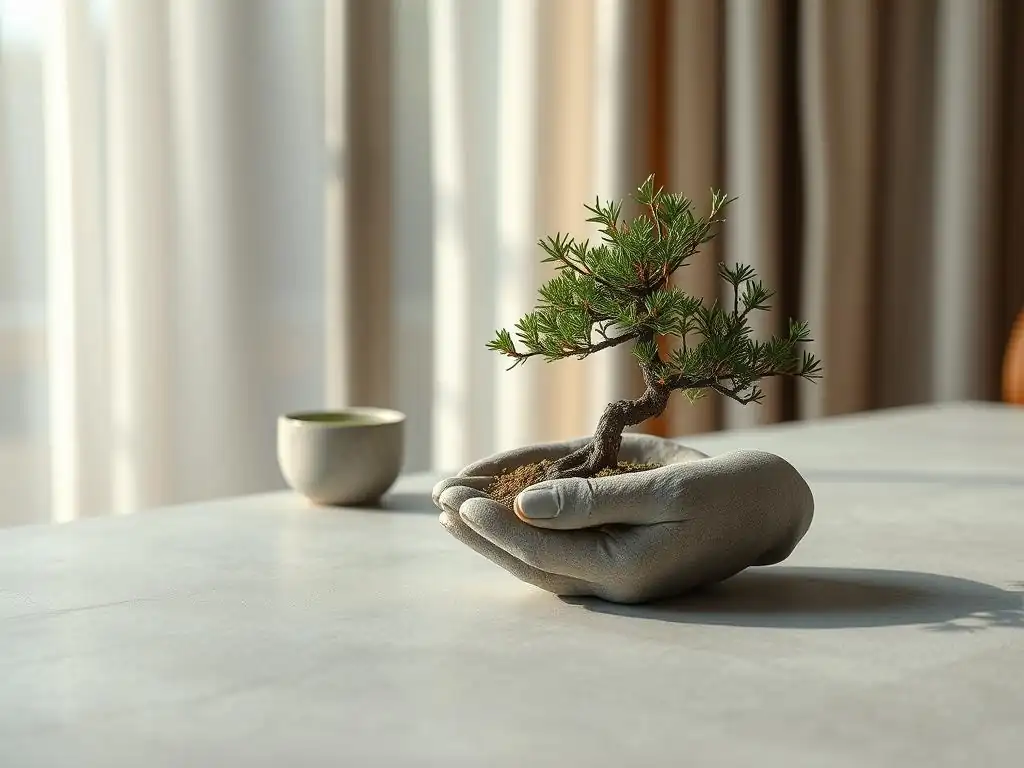
Prioritizing self-care is not selfish; it is essential for preventing burnout and maintaining overall well-being, especially when managing chronic stress. Self-care involves actively taking steps to attend to your physical, emotional, mental, and spiritual needs. It's about consciously making time and energy for activities that replenish and rejuvenate you, rather than constantly depleting your resources.
In a culture that often glorifies being busy, viewing self-care as a luxury rather than a necessity is easy. However, neglecting self-care is a direct path to burnout. It’s the foundation upon which resilience is built, enabling you to cope with stressors more effectively and maintain your capacity to function and thrive. Integrating consistent self-care practices is fundamental for managing chronic stress naturally effective over the long term.
Identifying Your Self-Care Needs
Self-care is highly personal; what is restorative for one person might not be for another. It requires introspection to understand what truly nourishes you across different dimensions of your life. Ask yourself: What activities make me feel energized and happy? What helps me relax and unwind? What do I need physically (sleep, nutrition, movement)? What do I need emotionally (connection, processing feelings)? What do I need mentally (rest from stimulation, learning)? What do I need spiritually (connection to purpose, nature, or a higher power)?
Your needs may also change depending on your current stress levels and circumstances. Regularly checking in with yourself to assess what you need in the moment is vital. This might involve journaling, reflection, or talking with a trusted friend or therapist. Identifying your specific needs is the first step in creating a self-care plan that is truly effective for managing chronic stress naturally effective.
Scheduling and Maintaining Self-Care Activities
Once you've identified your self-care needs, the next crucial step is to intentionally schedule and maintain those activities. Treat self-care appointments with the same importance as work meetings or other commitments. Whether it's blocking out time for exercise, meditation, a hobby, or simply quiet downtime, put it on your calendar. This intentionality helps ensure that self-care doesn't become an afterthought pushed aside by other demands.
Start small if needed, perhaps dedicating just 15-30 minutes a day initially. Be consistent, even on busy days, as regularity is key to building habits and seeing the benefits. Protect this time fiercely and communicate its importance to others if necessary. Maintaining these practices, even when stress is high, provides a buffer against burnout and reinforces your commitment to managing chronic stress naturally effective.
Establishing Healthy Boundaries: Protecting Your Energy
Healthy boundaries are essential for protecting your time, energy, and emotional space, all of which are vital resources when managing chronic stress and preventing burnout. Boundaries are the limits you set in your relationships and commitments to define what is acceptable and what is not. They communicate your needs and expectations to others and, importantly, to yourself. Without clear boundaries, you risk overextending yourself, feeling resentful, and becoming depleted.
Setting boundaries is not about being rigid or unhelpful; it's about self-preservation and maintaining healthy relationships based on mutual respect. It allows you to prioritize your well-being and allocate your resources effectively. Establishing and enforcing boundaries is a powerful act of self-care and a critical strategy for managing chronic stress naturally effective.
Learning to Say "No"
One of the most challenging but necessary aspects of establishing boundaries is learning to say "no." This might be saying no to extra work commitments when your plate is already full, no to social engagements when you need rest, or no to requests that feel draining or inappropriate. Saying yes to everything, often out of a desire to please or avoid conflict, quickly leads to overwhelm and resentment.
Saying no doesn't require lengthy explanations or excuses. A simple, polite refusal is often sufficient. It's important to remember that saying no to one thing is saying yes to something else – typically, saying yes to your own well-being and priorities. Practicing saying no, even in small situations, builds confidence and strengthens your ability to protect your energy, a key component in managing chronic stress naturally effective.
Setting Limits in Work and Personal Life
Boundaries are needed in both professional and personal spheres. In the workplace, this might involve setting clear hours when you are available, avoiding checking emails late at night or on weekends, taking your lunch break, and managing your workload effectively by communicating limitations when necessary. It's about defining where work ends and personal time begins.
In personal life, boundaries involve communicating your needs to family and friends, deciding how much time and energy you can commit to relationships or activities, and protecting your personal space and downtime. This could mean limiting time spent with draining individuals, setting expectations about communication availability, or simply carving out alone time. Setting these limits is crucial for preventing your resources from being constantly drained, supporting your efforts in managing chronic stress naturally effective.
The Importance of Sleep for Stress Resilience
Adequate, quality sleep is non-negotiable for managing chronic stress and building resilience. Sleep is a critical period for the body and mind to rest, repair, and consolidate memories. Chronic stress often disrupts sleep patterns, leading to insomnia or poor sleep quality, which in turn further exacerbates stress levels, creating a vicious cycle. Lack of sleep impairs cognitive function, emotional regulation, and physical health, all of which make it harder to cope with stressors.
During sleep, the body regulates stress hormones and supports brain functions essential for mood and cognitive performance. Prioritizing sleep strengthens your capacity to handle challenges and maintain emotional balance. Making sleep a priority is a fundamental step in managing chronic stress naturally effective.
Optimizing Your Sleep Hygiene
Optimizing sleep hygiene involves adopting habits that promote consistent, restful sleep. Aim for 7-9 hours of quality sleep per night. Establish a regular sleep schedule, going to bed and waking up around the same time each day, even on weekends. Create a relaxing bedtime routine to signal to your body that it's time to wind down; this might include reading, taking a warm bath, or gentle stretching.
Ensure your bedroom environment is conducive to sleep: dark, quiet, and cool. Avoid screens (phones, tablets, TVs) for at least an hour before bed, as the blue light can interfere with melatonin production. Limit caffeine and alcohol intake, especially in the hours before sleep. By implementing good sleep hygiene practices, you significantly improve your body's ability to recover from and cope with chronic stress, supporting managing chronic stress naturally effective.
Addressing Sleep Disturbances
If you consistently experience difficulty falling asleep, staying asleep, or feel unrested despite spending enough time in bed, it's important to address potential sleep disturbances. Chronic stress is a common culprit, but other factors like sleep apnea, restless legs syndrome, or circadian rhythm disorders could be involved. Do not ignore persistent sleep problems.
Consider keeping a sleep diary to track your patterns and potential disruptive habits. Experiment with different relaxation techniques before bed, such as deep breathing or progressive muscle relaxation. If problems persist, consult a healthcare professional or a sleep specialist. Addressing underlying sleep issues is vital for breaking the stress-sleep cycle and improving your overall capacity for managing chronic stress naturally effective.
Building a Support System for Chronic Stress
Humans are social beings, and strong social connections are a powerful buffer against stress. Having a support system provides emotional comfort, practical assistance, and a sense of belonging. Talking about your stressors with trusted friends or family can help you feel less alone, gain perspective, and find solutions. Simply knowing there are people who care about you can significantly reduce the feeling of being overwhelmed.
Social interaction can also distract from worries, provide opportunities for laughter and joy, and help regulate emotions. Whether it's a close friend, a supportive family member, a partner, or colleagues, nurturing these relationships is an essential part of managing chronic stress naturally effective. Make time for social connection, even when you feel stressed or withdrawn, as isolation can worsen stress symptoms.
Seeking Professional Guidance: Therapy and Counseling
For many individuals struggling with chronic stress, professional guidance is invaluable. Therapists and counselors are trained to help you understand the root causes of your stress, develop effective coping strategies, and process difficult emotions. Techniques like Cognitive Behavioral Therapy (CBT) can help you identify and change negative thought patterns that contribute to stress, while mindfulness-based therapies can enhance your ability to stay present and less reactive.
Therapy provides a safe, confidential space to explore your experiences without judgment. A therapist can offer personalized strategies tailored to your specific situation and help you build resilience. Seeking professional help is a sign of strength and a proactive step towards managing chronic stress naturally effective and preventing burnout.
Joining Support Groups and Online Communities
Connecting with others who share similar experiences can be incredibly validating and empowering. Support groups, whether in-person or online, offer a space to share your struggles, learn from others' coping strategies, and feel understood by people who truly "get it." Hearing how others navigate chronic stress can provide new perspectives and hope.
Online communities can offer accessibility and anonymity, allowing you to connect with a wider network of individuals facing similar challenges. These groups often share resources, provide encouragement, and reduce feelings of isolation. Participating in support groups complements other strategies for managing chronic stress naturally effective by reinforcing social connection and shared learning.
Creating a Personalized Stress Management Plan

Identifying Your Stress Triggers and Responses
Effective stress management begins with self-awareness. The first step in creating a personalized plan is to identify your specific stress triggers – the situations, people, or events that consistently cause you stress. These can be external, like deadlines or difficult relationships, or internal, like perfectionism or negative self-talk. Keep a stress journal for a week or two, noting down when you feel stressed, what happened, and how you reacted.
Equally important is understanding your typical stress responses. Do you become irritable, withdrawn, or anxious? Do you experience physical symptoms like headaches or muscle tension? Do you cope by overeating, avoiding activities, or engaging in unhealthy behaviors? Recognizing these patterns is crucial because it allows you to anticipate stressful situations and choose healthier responses, paving the way for managing chronic stress naturally effective.
Developing Coping Mechanisms That Work for You
Based on your identified triggers and responses, you can develop a repertoire of coping mechanisms tailored to your needs. These should include a mix of proactive strategies (like exercise, planning, or setting boundaries) and reactive strategies (like deep breathing, mindfulness, or taking a break) to use when stress arises. Your personalized plan should incorporate the natural techniques discussed earlier, such as specific mindfulness practices, dietary adjustments, and preferred forms of exercise.
Experiment with different techniques to see what resonates with you and is most effective in reducing your stress levels. Build a toolkit of go-to strategies you can deploy when needed. The goal is to replace unhelpful or damaging coping mechanisms with healthy ones that truly help you navigate stress, making your approach to managing chronic stress naturally effective.
Regularly Evaluating and Adjusting Your Plan
A personalized stress management plan is not a static document; it's a dynamic tool that requires regular evaluation and adjustment. Life circumstances change, and so do your stress triggers and needs. What worked effectively six months ago might be less helpful now. Schedule time periodically, perhaps quarterly, to review your plan.
Assess what's working well and what isn't. Are your coping mechanisms still effective? Are there new stressors you need to address? Are there techniques you'd like to try? Be flexible and willing to modify your strategies as needed. This ongoing process ensures your plan remains relevant and supports your long-term goal of managing chronic stress naturally effective and maintaining mental well-being.
Long-Term Strategies for Maintaining Mental Well-being
Cultivating Resilience and Optimism
Cultivating resilience – the ability to bounce back from adversity – and fostering a sense of optimism are long-term strategies crucial for maintaining mental well-being and effectively managing chronic stress. Resilience isn't about avoiding difficulties; it's about developing the capacity to navigate challenges with strength and adaptability. Optimism involves maintaining a hopeful outlook and believing in your ability to cope with future stressors.
These traits can be developed over time through conscious effort. Practicing self-compassion, learning from setbacks, building a strong support network, and focusing on your strengths all contribute to increased resilience. Intentionally challenging negative thoughts and seeking positive aspects in challenging situations can foster a more optimistic perspective. Developing these inner resources is key to sustainable managing chronic stress naturally effective.
Practicing Gratitude and Positive Affirmations
Incorporating gratitude and positive affirmations into your daily routine can significantly shift your mindset and reduce the impact of stress. Gratitude involves focusing on and appreciating the good things in your life, no matter how small. This practice can help counterbalance the brain's natural tendency to focus on threats and problems, which is amplified by chronic stress. Keeping a gratitude journal or simply taking a moment each day to reflect on what you're thankful for can foster a more positive outlook.
Positive affirmations are short, positive statements that you repeat to yourself to challenge negative thoughts and beliefs. For example, if stress makes you doubt your abilities, an affirmation might be, "I am capable and strong." While they might feel awkward at first, consistent practice can help reprogram your thinking patterns, build self-confidence, and enhance your emotional resilience, supporting managing chronic stress naturally effective.
Integrating Holistic Practices into Daily Life
The most effective long-term strategy for managing chronic stress naturally effective is to integrate holistic practices not as occasional fixes, but as consistent parts of your daily life. This means weaving in elements of mindfulness, healthy nutrition, regular movement, sufficient sleep, and self-care into your routine naturally. It's about creating a lifestyle that inherently supports stress resilience rather than only reacting to stress when it becomes overwhelming.
This integration requires commitment and intentionality. It might mean starting your day with a short meditation, packing a nutritious lunch, taking a walk during your break, setting firm boundaries around work hours, or dedicating evenings to relaxing activities. When these practices become habits, they form a robust defense against chronic stress and burnout, ensuring sustainable mental well-being.
Managing Chronic Stress Naturally: A Recap of Effective Strategies
Managing chronic stress naturally effective involves a multi-faceted approach that addresses the mind, body, and spirit. It requires understanding the nature of chronic stress and its impact, recognizing the signs of burnout, and proactively implementing natural, evidence-based techniques. This isn't about a quick fix, but about building sustainable habits and creating a lifestyle that fosters resilience.
Key strategies include harnessing the power of mindfulness and meditation to cultivate present moment awareness, optimizing nutrition with stress-reducing foods while limiting exacerbating ones, and making regular physical activity, including cardio, yoga, or Tai Chi, a priority. Preventing burnout hinges on prioritizing self-care, setting healthy boundaries, and ensuring adequate sleep. Building a strong support system through social connection, professional help, or support groups provides invaluable external resources. Finally, creating and regularly adjusting a personalized stress management plan based on identified triggers and effective coping mechanisms ensures a tailored approach.
Key Takeaways for Sustainable Stress Management
- Self-Awareness is Foundation: Understand your unique stress triggers and how your body and mind respond.
- Holistic Approach: Combine various natural techniques – mind, body, and social connection – for comprehensive care.
- Consistency is Crucial: Integrate practices like mindfulness, exercise, and healthy eating into your daily routine, not just during crises.
- Boundaries Protect: Learn to say no and set limits to preserve your energy and prevent depletion.
- Prioritize Sleep: Make quality sleep a non-negotiable part of your strategy.
- Seek Support: Don't hesitate to lean on social networks or professional resources.
- Personalize and Adapt: Create a plan that works for you and be willing to adjust it over time.
- Cultivate Resilience: Foster optimism and gratitude as long-term buffers against stress.
Managing chronic stress naturally effective is an ongoing journey, not a destination. By consistently applying these holistic strategies, you can significantly improve your ability to cope with stress, prevent burnout, and cultivate lasting mental well-being.
Resources for Further Exploration and Support
Managing chronic stress can be challenging, but you don't have to do it alone. Many resources are available to provide further information, guidance, and support. Exploring reputable websites, books, and apps focused on mindfulness, stress reduction, and mental health can deepen your understanding and provide practical tools. Many organizations offer free or low-cost resources, workshops, or guided meditations.
Consider exploring resources from mental health organizations that provide detailed guides on stress and burnout. Mindfulness apps often offer structured programs for building a meditation practice. Nutritionists or dietitians can provide personalized dietary advice for stress management. Remember that seeking help is a sign of strength, and numerous resources exist to support your journey in managing chronic stress naturally effective.
Frequently Asked Questions
What are some holistic strategies for managing chronic stress?
Holistic strategies often involve addressing the mind-body connection. Examples include mindfulness meditation, regular exercise, and nutritional adjustments to reduce stress hormones.
How does the mind-body connection impact chronic stress?
Chronic stress can disrupt the body's natural balance, leading to physical symptoms. Focusing on practices that integrate the mind and body can help regulate the stress response.
Can natural remedies really be effective for managing chronic stress?
Yes, many natural approaches can be beneficial. These include herbal remedies, aromatherapy, and spending time in nature, all of which can promote relaxation and reduce stress.
What role does preventative care play in avoiding burnout from chronic stress?
Proactive self-care is crucial for preventing burnout. This includes setting healthy boundaries, prioritizing rest, and developing coping mechanisms to manage stress effectively before it becomes overwhelming.
What resources are available to help me manage chronic stress and prevent burnout?
Many resources offer support, including online guides, therapy services, and support groups. Identifying and accessing these resources can provide valuable tools and strategies for managing chronic stress naturally and effectively.
Final Reflection: Cultivating Resilience in a Stressed World
The relentless pace of modern life, coupled with increasing societal pressures, has made chronic stress a pervasive issue, impacting not only our mental well-being but also our physical health. Ignoring the insidious creep of burnout is no longer an option; proactive, holistic strategies are crucial for navigating the challenges of the 21st century and building a life of sustainable well-being. This article has explored various natural and effective approaches, emphasizing the interconnectedness of mind, body, and spirit in managing stress effectively.
The journey towards stress resilience is deeply personal, and its impact resonates far beyond the individual. The strategies discussed – from mindful practices and nutritional adjustments to cultivating strong social connections and prioritizing restorative sleep – are not merely techniques; they are fundamental shifts in perspective and lifestyle. They represent a conscious choice to prioritize self-care and invest in long-term well-being. As the renowned physician and author, Gabor Maté, wisely stated: Stress is not what happens to us. Stress is our response to what happens to us.
This profound insight underscores the power we hold in shaping our response to life's inevitable challenges.
You now hold the tools to begin your own journey towards a more balanced and fulfilling life. Consider which strategies resonate most deeply with you, and commit to incorporating them into your daily routine, even in small ways. Start with one practice, build consistency, and gradually expand your toolkit. Remember, the path to resilience is not a race, but a continuous process of self-discovery and growth. Embrace the journey, celebrate your progress, and cultivate the strength and well-being you deserve.
Unlock Your Stress-Free Potential!
Thanks for taking the time to explore holistic stress management with us! We hope you gained valuable insights into creating a healthier, more balanced life. Ready to put your newfound knowledge into action?
- Prioritize one small self-care practice: This could be anything from a 5-minute mindful breathing exercise to taking a short walk in nature. Start small, and build from there!
- Share this article with someone who might benefit from these stress-reducing strategies. Let's build a community of support!
- Experiment with a new relaxation technique: Try a guided meditation, listen to calming music, or explore a new hobby that brings you joy. What will you discover?
What's one small step you can take today to reduce stress and prioritize your well-being? Let's hear about it in the comments below!