
The Role of Movement Beyond Yoga: Dance, Walking, and More for Mental Health

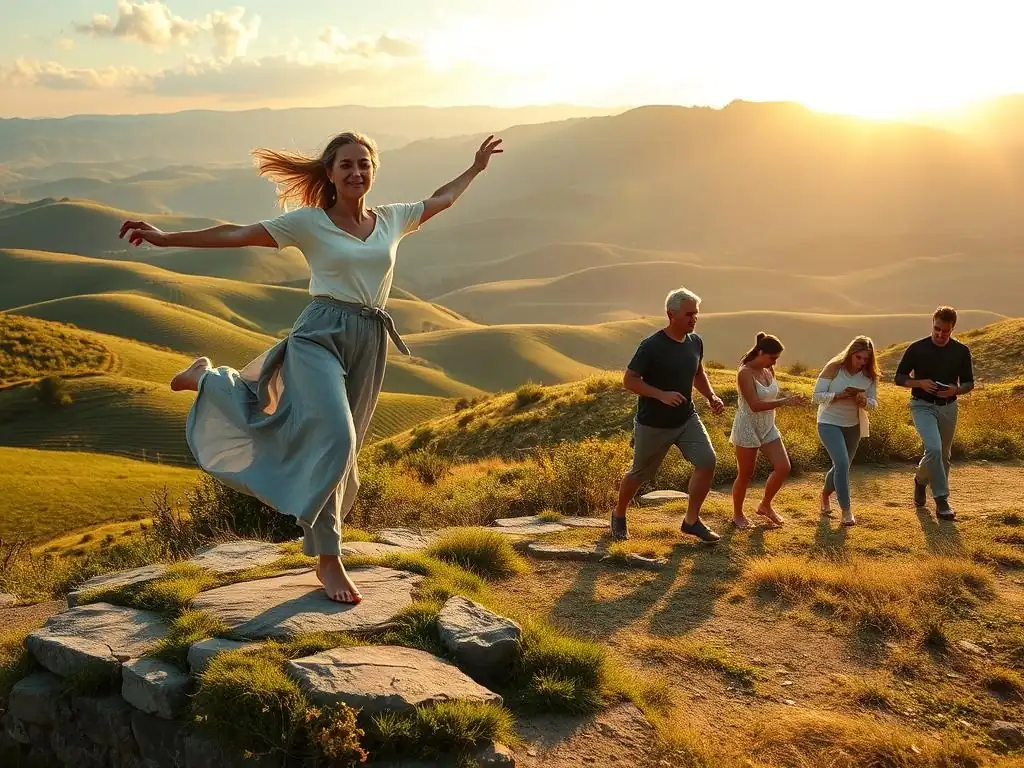
Welcome to Mind Care Guide, a sanctuary dedicated to nurturing your mental well-being. Feeling overwhelmed or disconnected? You're not alone. We believe in the power of holistic approaches, and in this article, we delve into the surprisingly simple, yet profoundly effective ways movement boosts mental wellbeing naturally. Discover how dance, walking, and even everyday activities can unlock a path to a brighter, more balanced you. Intrigued? Let's explore!
The Role of Movement Beyond Yoga: Dance, Walking, and More for Mental Health
- Introduction: Movement for Enhanced Mental Wellbeing
- Why Movement Boosts Mental Wellbeing Naturally
- Dance as Therapy: Finding Joy and Freedom in Expression
- Walking and Hiking: Nature's Antidote to Stress
- Other Forms of Movement for a Healthy Mind
- Integrating Movement into Your Daily Life for Better Mental Health
- Movement and Mindfulness: A Synergistic Approach
- The Importance of Listening to Your Body
- Conclusion: Embrace Movement for a Happier, Healthier You
-
Frequently Asked Questions
- ### How does movement, beyond just yoga, specifically benefit mental wellbeing?
- ### What types of movement are most effective for improving mental health, besides yoga?
- ### How often should I engage in movement to see noticeable improvements in my mental well-being?
- ### Can movement help with specific mental health challenges like anxiety or depression?
- ### Are there any potential downsides or precautions to consider when using movement for mental wellbeing?
- Final Reflection: Unleashing the Natural Power of Movement
- Unleash Your Inner Movement: Boost Your Mood Today!
Introduction: Movement for Enhanced Mental Wellbeing
The Power of Physical Activity on Mental Health
Movement, in its myriad forms, is a cornerstone of overall health, and its impact on mental wellbeing is profound and well-documented. Engaging in regular physical activity goes far beyond physical fitness; it serves as a powerful tool for managing stress, improving mood, and enhancing cognitive function. Research consistently shows that individuals who incorporate movement into their lives report lower levels of anxiety and depression compared to those with sedentary lifestyles. This connection is rooted in complex physiological and psychological mechanisms that are triggered when the body is in motion, demonstrating how movement boosts mental wellbeing naturally.
For instance, a large-scale study published in the Lancet Psychiatry in 2018 analyzed data from over 1.2 million adults in the United States and found that individuals who exercised reported 1.5 fewer days of poor mental health per month compared to those who did not exercise. While all types of exercise were associated with improved mental health, team sports, cycling, and aerobic activities showed the most significant benefits. Even light physical activity, such as walking or household chores, was linked to positive mental health outcomes, highlighting the accessibility of movement as a mental wellness strategy.
Beyond the Mat: Exploring Diverse Movement Practices
While yoga is widely recognized for its mental health benefits, the world of movement offers a vast spectrum of practices that can equally, if not more, effectively support mental wellbeing depending on individual preferences and needs. Exploring diverse forms of physical activity allows individuals to find what resonates most deeply with them, making it easier to sustain a regular movement practice. From the rhythmic flow of dance to the grounding simplicity of a walk in nature, each activity offers unique benefits for the mind.
This article delves into various movement forms beyond traditional yoga, such as dance, walking, swimming, team sports, and even rock climbing. The aim is to illustrate how these different types of activity can serve as powerful, natural boosters for mental health. By understanding the specific ways these movements impact the brain and emotions, individuals can make informed choices about incorporating activities that not only improve physical health but also significantly enhance their emotional and psychological state, proving that diverse movement boosts mental wellbeing naturally.
Why Movement Boosts Mental Wellbeing Naturally
The Science Behind Movement and Mood Enhancement
The positive effects of movement on mood are firmly rooted in neurobiology. When you engage in physical activity, your brain releases a cocktail of neurochemicals that play a crucial role in regulating mood and emotions. These include endorphins, often referred to as the body's natural painkillers and mood elevators, as well as neurotransmitters like serotonin, dopamine, and norepinephrine, which are key players in regulating mood, motivation, and stress response. Low levels of these neurotransmitters are often associated with depression and anxiety.
Furthermore, regular movement helps to reduce the levels of stress hormones like cortisol and adrenaline. Chronic stress can have detrimental effects on brain structure and function, particularly in areas related to mood and memory, such as the hippocampus and prefrontal cortex. By mitigating the effects of stress hormones and promoting the release of feel-good chemicals, movement creates a more balanced and resilient brain environment, directly contributing to improved mental health and illustrating how movement boosts mental wellbeing naturally through biological pathways.
Releasing Endorphins and Reducing Stress Through Activity
One of the most immediate and well-known benefits of physical activity is the release of endorphins. These opioid peptides bind to receptors in the brain, producing feelings of pleasure, reducing pain perception, and creating a sense of euphoria often referred to as a "runner's high," although it can be experienced during various types of strenuous activity. This natural mood lift can provide temporary relief from feelings of sadness or anxiety and contribute to a more positive outlook.
Beyond the endorphin rush, movement acts as a powerful stress reliever. The physical exertion itself can help release pent-up tension in the muscles. Moreover, focusing on the physical sensations of movement or the task at hand can serve as a form of active meditation, distracting the mind from worries and rumination.
Over time, regular physical activity helps the body become more efficient at managing cortisol and other stress hormones, leading to a calmer baseline state and enhanced resilience to daily stressors. This continuous process underscores how consistent movement boosts mental wellbeing naturally by actively combating the physiological effects of stress.
Movement as a Tool for Emotional Regulation
Movement provides a healthy outlet for processing and expressing emotions. Instead of suppressing difficult feelings, physical activity can help individuals work through them in a constructive way. For example, vigorous exercise can help release anger or frustration, while gentle, rhythmic movements can soothe anxiety or sadness. The physical sensations experienced during movement can also help individuals become more aware of their emotional state and the connection between their body and mind.
Moreover, engaging in regular physical activity can improve self-efficacy and self-esteem. As individuals set and achieve fitness goals, no matter how small, they build confidence in their abilities, which can translate to a greater sense of control and capability in other areas of their lives. This enhanced self-perception is a critical component of emotional regulation, empowering individuals to face challenges with greater resilience and a more positive attitude. This demonstrates a key way that movement boosts mental wellbeing naturally – by building inner strength and capacity.
Dance as Therapy: Finding Joy and Freedom in Expression
The Benefits of Dance for Anxiety and Depression
Dance is a unique form of movement that combines physical exertion with emotional expression and often, social connection, making it particularly potent for addressing anxiety and depression. The rhythmic nature of dance can have a calming, grounding effect, similar to meditation. Simultaneously, the physical activity releases endorphins, providing a mood lift. For individuals struggling with anxiety, the structure of learning steps or following a rhythm can provide a sense of order and focus, pulling the mind away from anxious thoughts.
For those experiencing depression, dance offers an opportunity to re-engage with their bodies and emotions in a non-verbal way. It can combat feelings of lethargy and isolation, common symptoms of depression. Participation in dance classes or even dancing freely at home encourages self-expression and creativity, which can be incredibly cathartic and empowering. Studies suggest that dance therapy can lead to significant reductions in symptoms of depression and anxiety, with some research indicating improvements comparable to other forms of therapy for certain individuals.
Different Dance Styles for Mental Health: Salsa, Contemporary, and Improvisational Dance
Different dance styles offer varying benefits, allowing individuals to choose a form that best suits their needs and personality. Salsa and other partner dances provide significant social interaction, combating loneliness and building community, while the energetic movements offer a great cardio workout. Contemporary dance often involves exploring a wider range of motion and emotional themes, providing a powerful channel for non-verbal expression and release.
Improvisational dance, where there are no set steps, focuses purely on spontaneous movement exploration. This can be incredibly freeing and therapeutic, allowing individuals to connect deeply with their internal feelings and express them physically without judgment. This form of dance encourages mindfulness and body awareness. Regardless of the style, the act of moving to music, learning new skills, and potentially connecting with others through dance are powerful ways that movement boosts mental wellbeing naturally.
Finding a Dance Class or Community
Finding a suitable dance class or community is key to making dance a sustainable part of a mental wellness routine. Many local community centers, gyms, and dedicated dance studios offer classes ranging from beginner levels to advanced, covering a wide variety of styles. Looking for classes specifically marketed as "beginner" or "low-impact" can be helpful for those new to dance or with physical limitations.
Online resources also provide access to countless dance tutorials and classes that can be done from the comfort of home, offering flexibility and privacy. Exploring different styles through introductory classes or online videos can help identify what feels most enjoyable and beneficial. Connecting with a dance community, whether in person or online, adds a layer of social support and encouragement, further enhancing the mental health benefits derived from this expressive form of movement.
Walking and Hiking: Nature's Antidote to Stress

The Mental Health Perks of Walking in Nature
Walking, especially in natural environments like parks, forests, or along coastlines, is one of the most accessible and effective activities for enhancing mental wellbeing. The combination of gentle physical activity and exposure to nature has a profound calming effect on the nervous system. Spending time in green spaces has been shown to reduce levels of cortisol, lower blood pressure, and decrease heart rate, all indicators of reduced stress.
Beyond physiological changes, walking in nature can shift cognitive patterns. It helps decrease rumination – the tendency to dwell on negative thoughts – which is a common symptom of anxiety and depression.
A study conducted at Stanford University found that participants who walked for 90 minutes in a natural environment showed reduced activity in the subgenual prefrontal cortex, a brain region associated with rumination, compared to those who walked in an urban setting. This highlights the unique restorative power of nature combined with movement, demonstrating how simply putting one foot in front of the other outdoors movement boosts mental wellbeing naturally.
Mindfulness and Walking: A Powerful Combination
Combining walking with mindfulness techniques can amplify its mental health benefits. Mindful walking involves paying deliberate attention to the physical sensations of walking – the feeling of your feet on the ground, the rhythm of your breath, the swing of your arms – and the sensory input from the surrounding environment – the sights, sounds, and smells of nature. This practice helps to anchor you in the present moment, reducing the tendency for the mind to wander into worries about the past or future.
Practicing mindfulness while walking can enhance self-awareness and emotional regulation. By observing thoughts and feelings without judgment as they arise, individuals can gain perspective and develop a greater capacity to manage challenging emotions. It transforms a simple walk into a moving meditation, offering a portable and accessible way to cultivate calm and clarity. This synergy between movement and mindfulness is a powerful illustration of how movement boosts mental wellbeing naturally by fostering present-moment awareness and emotional resilience.
Setting Walking Goals for Mental Wellbeing
Integrating walking into a routine for mental wellbeing can be supported by setting realistic goals. Goals don't have to be about distance or speed initially; they can focus on consistency or duration. For example, aiming for three 20-minute walks per week, or a single 60-minute hike on the weekend, can be a good starting point. Gradually increasing the duration or frequency as comfort levels improve helps build momentum and make walking a sustainable habit.
Consider setting goals related to the experience of walking rather than just the metrics. This could include aiming to walk in a new natural location each month, dedicating one walk per week specifically to mindful observation, or inviting a friend to join for social connection. Tracking progress, whether through a simple journal or a fitness app, can provide a sense of accomplishment and reinforce the positive habit. Remember, the goal is consistency and enjoyment, recognizing that consistent movement boosts mental wellbeing naturally over time.
Other Forms of Movement for a Healthy Mind
Swimming: A Calming and Therapeutic Exercise
Swimming offers a unique blend of physical challenge and mental calm. The rhythmic strokes and the sensation of being supported by water can be incredibly soothing and meditative. The focus required for breathing techniques and coordinating movements can help quiet a busy mind, providing a reprieve from anxious thoughts. The buoyancy of water also reduces impact on joints, making it an excellent option for those with physical limitations who still want to experience the mental benefits of movement.
Furthermore, being submerged in water can have a naturally relaxing effect on the nervous system. The gentle pressure of the water against the body can be calming, similar to a light massage. Many swimmers report feeling a sense of tranquility and mental clarity after a session in the pool. This low-impact yet effective form of exercise demonstrates how movement boosts mental wellbeing naturally through its calming properties and sensory experience.
Team Sports: Building Connection and Reducing Isolation
Participating in team sports offers mental health benefits that extend beyond physical activity to include significant social and emotional advantages. Being part of a team provides a sense of belonging and community, which is a powerful antidote to feelings of loneliness and isolation, common contributors to poor mental health. The shared goals, mutual support, and camaraderie experienced within a team environment foster strong social connections.
Team sports also provide opportunities to develop valuable skills such as communication, cooperation, and problem-solving in a dynamic setting. The structure of practices and games offers routine and purpose, while the playful nature of sports can reduce stress and promote joy. The combination of physical exertion, social interaction, and skill development makes team sports a comprehensive way that movement boosts mental wellbeing naturally, addressing both physical and social needs.
Rock Climbing: Focus, Problem-Solving, and Confidence
Rock climbing, whether indoors or outdoors, is a demanding physical activity that also requires significant mental focus and problem-solving skills. As climbers ascend, they must concentrate intensely on their movements, handholds, and footholds, leaving little room for intrusive negative thoughts. This enforced focus can act as a powerful form of active meditation, grounding the individual in the present moment.
Successfully completing a climb, especially one that felt challenging, provides a significant boost in self-efficacy and confidence. Overcoming physical and mental obstacles on the wall translates into a greater belief in one's ability to handle challenges in other areas of life. The problem-solving aspect, figuring out the best route or "beta" for a climb, engages cognitive function and provides a sense of accomplishment. This activity exemplifies how movement boosts mental wellbeing naturally through building resilience, focus, and self-confidence.
Integrating Movement into Your Daily Life for Better Mental Health
Simple Ways to Increase Daily Activity
Finding ways to weave more movement into the fabric of daily life doesn't always require dedicated gym time. Small, consistent changes can accumulate into significant improvements for mental health. Consider simple adjustments like taking the stairs instead of the elevator, parking further away from your destination, or getting off public transport one stop earlier and walking the rest of the way.
Incorporating short bursts of activity throughout the day can also be effective. This could involve standing up and stretching every hour, doing a few squats or push-ups during a break, or taking a brisk 10-minute walk during lunchtime. Even active chores like gardening or cleaning contribute to overall movement. The key is to look for opportunities to move more often, recognizing that even seemingly insignificant increases in movement boosts mental wellbeing naturally over time.
Creating a Movement Routine That Works for You
Building a sustainable movement routine is about finding activities you genuinely enjoy and scheduling them in a way that fits your lifestyle, rather than forcing yourself into a regimen you dread. Start small and gradually increase duration or intensity. If mornings are hectic, try an evening walk. If long workouts feel overwhelming, break them into shorter sessions. The goal is consistency, not perfection.
Consider your personal preferences: Do you prefer solitary activities like running or swimming, or do you thrive in social settings like dance classes or team sports? Do you enjoy being outdoors or prefer indoor activities? Experiment with different types of movement until you find what feels good for your body and mind. A routine that you look forward to is far more likely to be maintained, ensuring that you consistently benefit from how movement boosts mental wellbeing naturally.
Overcoming Barriers to Movement: Fatigue, Lack of Motivation, and Accessibility
Many individuals face barriers to incorporating movement into their lives, including fatigue, lack of motivation, and accessibility issues. It's important to address these challenges with self-compassion and practical strategies. For fatigue, sometimes the best approach is to start with very gentle movement, like a short walk; often, moving actually increases energy levels. Breaking down activities into smaller, less daunting steps can also help overcome the feeling of being overwhelmed.
Lack of motivation can be tackled by focusing on the feeling after movement rather than the effort beforehand, or by finding an accountability partner. Setting realistic goals and celebrating small wins can also help build momentum. Accessibility might require exploring different options: Are there free public parks for walking? Are there community centers offering affordable classes? Can online resources provide home-based options? Identifying specific barriers and brainstorming solutions is crucial to making movement a consistent part of your mental health toolkit, ensuring that movement boosts mental wellbeing naturally despite obstacles.
Movement and Mindfulness: A Synergistic Approach

Combining Movement with Meditation Techniques
Integrating mindfulness or meditation techniques into physical activity can deepen the mental health benefits. This doesn't necessarily mean formal meditation; it can be as simple as bringing conscious awareness to the physical sensations during movement. For example, while running, notice the rhythm of your breath and footsteps. While stretching, pay attention to the feeling of muscles lengthening.
This practice cultivates present-moment awareness, pulling your attention away from worries or distractions. It transforms the physical activity from a purely mechanical task into an opportunity for introspection and connection with your body. Combining movement with these contemplative practices enhances the stress-reducing and mood-boosting effects, illustrating how a mindful approach to movement boosts mental wellbeing naturally by fostering a deeper mind-body connection.
Body Scan Meditation During Physical Activity
A body scan meditation involves systematically bringing attention to different parts of the body, noticing sensations without judgment. This technique can be adapted and practiced during various forms of movement. While walking, you can scan from your toes up to your head, noticing how each part feels. While swimming, pay attention to the water against your skin or the movement of your limbs.
This practice increases body awareness and can help you identify areas of tension you might be holding. By consciously relaxing those areas or simply acknowledging the sensation, you can release physical stress. It also helps to quiet the mental chatter by giving the mind a specific anchor to focus on. Practicing a body scan during movement enhances the physical and mental release, reinforcing how mindful movement boosts mental wellbeing naturally.
Paying Attention to Sensations and Emotions While Moving
Beyond just physical sensations, paying attention to the emotions that arise during movement can be incredibly insightful. Do you feel joy, frustration, peace, or fatigue? Notice these emotions without trying to change them. Movement can sometimes bring suppressed emotions to the surface, and acknowledging them in a safe space can be part of the healing process.
Observing the connection between physical sensations and emotional states can also be revealing. For example, you might notice that tension in your shoulders correlates with feelings of anxiety, and that releasing that tension through movement helps to alleviate the anxiety. This practice fosters emotional intelligence and provides a non-verbal way to process feelings. By being present with both body and emotion during activity, you harness the full potential of how movement boosts mental wellbeing naturally.
The Importance of Listening to Your Body
Avoiding Overtraining and Injury
While movement is beneficial, it's crucial to listen to your body's signals to avoid overtraining and injury, which can be detrimental to both physical and mental health. Pushing too hard without adequate rest can lead to burnout, increased stress, and a negative relationship with exercise. Signs of overtraining include persistent fatigue, decreased performance, increased irritability, difficulty sleeping, and prolonged muscle soreness.
Ignoring pain signals is also risky and can result in injuries that sideline you from activity altogether. Pay attention to sharp or persistent pain that doesn't subside with rest. It's important to understand that recovery is just as vital as the activity itself. Learning to recognize your body's limits and respecting them is an act of self-care that ensures your movement practice remains supportive of your mental wellbeing.
Finding Activities You Enjoy
Sustainability in any movement practice hinges on enjoyment. If an activity feels like a chore you dread, it's unlikely to be maintained in the long run, and the mental benefits may be minimal. Experimenting with different types of movement is key to finding what resonates with you. What did you enjoy doing as a child? What activities leave you feeling energized and happy?
Finding joy in movement makes it something you look forward to, rather than something you feel obligated to do. This intrinsic motivation is a powerful driver for consistency. Whether it's dancing in your living room, joining a hiking group, or swimming laps, choose activities that bring you pleasure. This enjoyment factor significantly enhances how movement boosts mental wellbeing naturally, making it a positive feedback loop.
The Role of Rest and Recovery in Mental Wellbeing
Rest and recovery are integral, non-negotiable components of a healthy movement routine and are essential for mental wellbeing. Physical activity creates stress on the body (a positive kind of stress, but stress nonetheless), and rest allows muscles to repair and rebuild. More importantly for mental health, rest provides the nervous system with time to recover and rebalance.
Adequate sleep, rest days from strenuous activity, and incorporating practices like stretching or foam rolling are crucial. Mental recovery is also important; this could involve relaxation techniques, spending time on hobbies, or simply resting without the pressure to be productive. Recognizing that rest is productive time for both body and mind ensures that your overall approach to movement supports, rather than detracts from, your mental health goals. A balanced approach where movement boosts mental wellbeing naturally includes periods of rest and repair.
Conclusion: Embrace Movement for a Happier, Healthier You
Movement as a Natural Mental Health Booster
The evidence is clear: movement, in its many forms, is a powerful, natural mental health booster. Beyond the well-known benefits of yoga, activities like dance, walking, swimming, team sports, and climbing offer diverse avenues for improving mood, reducing stress, enhancing cognitive function, and fostering emotional resilience. The scientific mechanisms, from the release of endorphins and neurotransmitters to the reduction of stress hormones, underscore the profound impact that physical activity has on the brain and nervous system.
Integrating movement into your life is not about achieving peak physical fitness or adhering to rigid workout plans. It's about finding enjoyable ways to move your body consistently, connecting with yourself and potentially others, and using physical activity as a tool for navigating the complexities of emotional and psychological health. By embracing movement, you unlock a natural and effective pathway to enhanced mental wellbeing, proving definitively that movement boosts mental wellbeing naturally through various biological and psychological pathways.
Taking the First Step Towards an Active Lifestyle
Taking the first step towards a more active lifestyle can feel daunting, but it doesn't have to be. Start small and focus on consistency over intensity. Choose an activity that sparks curiosity or brings you joy. This could be as simple as committing to a 15-minute walk during your lunch break, trying one online dance class, or exploring a local park on the weekend.
Remember that progress is not linear, and some days will be easier than others. Be patient and compassionate with yourself. Celebrate small victories and learn from setbacks without judgment. The goal is to build sustainable habits that support your mental health in the long run. By simply starting and staying open to finding what works for you, you initiate the process where movement boosts mental wellbeing naturally, one step at a time.
Resources for Finding Movement Activities in Your Community
Discovering movement activities in your local community can provide structure, social connection, and expert guidance. Check out resources such as local community centers, which often offer affordable fitness classes, dance workshops, or walking groups. Parks and recreation departments frequently organize guided hikes, sports leagues, or outdoor fitness programs.
Local gyms and fitness studios offer a wide range of classes, from high-energy cardio to calming mind-body practices. Don't overlook independent dance studios, martial arts schools, or climbing gyms specific to those interests. Public libraries or online community forums can also be great places to find information about local clubs or groups focused on activities like running, cycling, or swimming. Exploring these resources can help you find a supportive environment where movement boosts mental wellbeing naturally alongside others.
Frequently Asked Questions
### How does movement, beyond just yoga, specifically benefit mental wellbeing?
Movement, such as dance and walking, releases endorphins and reduces stress hormones like cortisol. This physiological change directly contributes to a more positive mood and overall improved mental health. It is a natural way to boost wellbeing.
### What types of movement are most effective for improving mental health, besides yoga?
Activities like brisk walking, dancing, and even gardening can be incredibly effective. The key is to choose an activity you enjoy, making it more likely you'll stick with it and consistently reap the mental health benefits.
### How often should I engage in movement to see noticeable improvements in my mental well-being?
Aim for at least 30 minutes of moderate-intensity exercise most days of the week. Consistency is key; even shorter, more frequent bouts of movement can have a significant positive impact on your mental state.
### Can movement help with specific mental health challenges like anxiety or depression?
Yes, regular movement has been shown to alleviate symptoms of anxiety and depression. It can act as a natural antidepressant and help regulate mood by influencing neurotransmitter levels in the brain.
### Are there any potential downsides or precautions to consider when using movement for mental wellbeing?
It's important to listen to your body and avoid overexertion, especially when starting a new activity. Consult with a doctor if you have any underlying health conditions that might be affected by increased physical activity.
Final Reflection: Unleashing the Natural Power of Movement
The simple act of moving our bodies is not merely physical; it's a profound act of self-care, a potent antidote to the stresses of modern life, and a key to unlocking a naturally enhanced mental wellbeing. This article explored the multifaceted benefits of movement beyond the popularized practice of yoga, highlighting the equally powerful contributions of dance, walking, and other forms of physical activity. We've seen how these diverse movements can alleviate anxiety, boost mood, and improve overall cognitive function – all without relying on pharmaceuticals or expensive therapies.
The impact of movement on our mental landscape is undeniable, weaving its way through our cultural narratives and personal experiences. We see it in the rise of mindful movement practices, the increasing integration of physical activity into mental health treatment plans, and the simple joy people find in a brisk walk or a spontaneous dance. As the poet Mary Oliver so eloquently stated, It doesn't matter what you do, so long as you do something.
This resonates deeply with the core message of this article: the importance of finding your movement, the activity that sparks joy and fosters a connection with your body and mind.
Now, consider your own relationship with movement. What brings you joy? What activity allows you to disconnect from the daily grind and reconnect with yourself? Don't underestimate the power of a simple walk, a playful dance, or any form of movement that resonates with you. Make a commitment today to incorporate more movement into your life, not as a chore, but as an act of self-love and a pathway to a naturally brighter, more resilient you. Embrace the transformative power of movement and watch your mental wellbeing flourish.
Unleash Your Inner Movement: Boost Your Mood Today!
Thanks for taking the time to explore the powerful connection between movement and mental well-being! We hope you discovered some inspiring new ways to nurture your mind and body. Ready to put this knowledge into action?
- Prioritize one new movement practice this week. Whether it's a daily walk, a beginner's dance class, or even just 10 minutes of mindful stretching, commit to making it a regular part of your routine.
- Share your favorite movement practice with our community in the comments below! Let's inspire each other to move more.
- Challenge yourself to try something completely different. Step outside your comfort zone—would you be willing to try Tai Chi, capoeira, or even parkour?
What small step will you take today to invest in your mental health through movement?