
Combining Medication and ECT: An Integrated Approach to Recovery

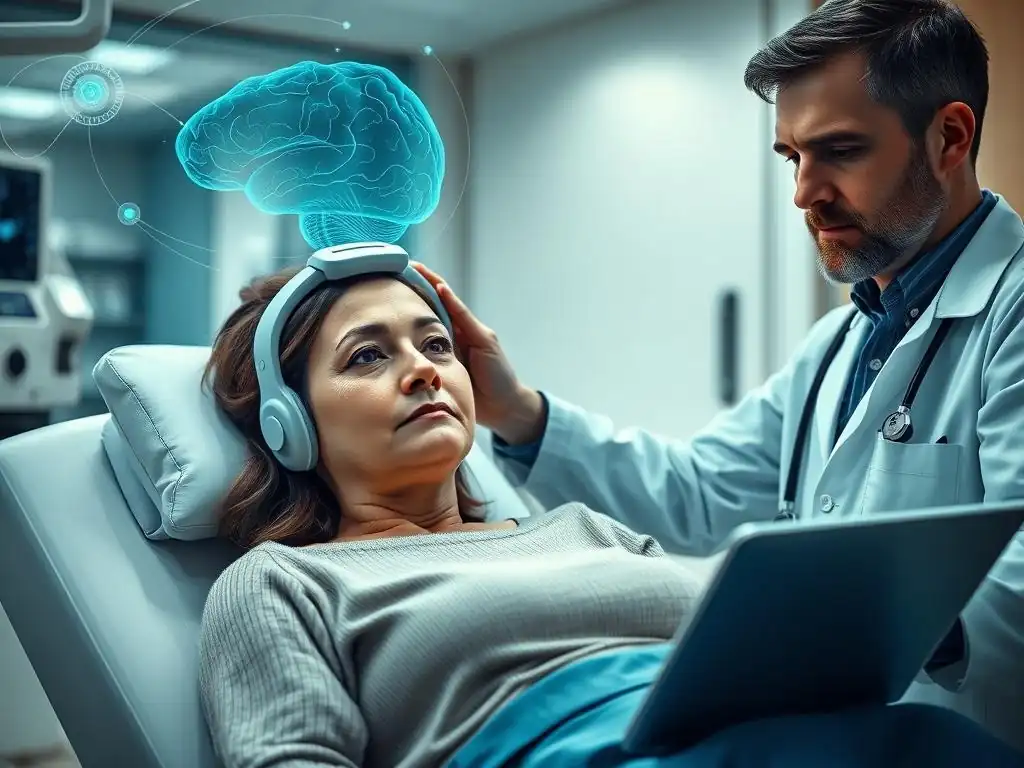
Welcome to Mind Care Guide, a safe space dedicated to nurturing your mental well-being.
Feeling overwhelmed by the complexities of mental health treatment? You're not alone. Many seek integrated approaches to find lasting relief. This article delves into a promising avenue: ECT medication combination recovery. But how does this combined strategy truly work, and is it right for you? Let's explore the nuances together, offering insights and support on your journey to a brighter future.
Combining Medication and ECT: An Integrated Approach to Recovery
- Understanding ECT and Medication in Mental Health Treatment
- Why Combine ECT and Medication? Benefits and Considerations
- Who Benefits from ECT and Medication Integration?
- The Process of Combining ECT and Medication: A Step-by-Step Guide
- Medications Commonly Used with ECT
- Potential Risks and Side Effects of Combined Therapy
- Optimizing Recovery: Aftercare and Maintenance Strategies
- Case Studies: Real-World Examples
- Finding the Right Treatment Team: Accessing Integrated Mental Healthcare
- ECT Medication Combination: A Path to Recovery
-
Frequently Asked Questions
- What is the role of medication in conjunction with ECT for mental health recovery?
- Why might a doctor prescribe medication after completing a course of ECT?
- Are there specific types of medications that are commonly used with ECT?
- How does the combination of ECT and medication affect the overall recovery timeline?
- What are the potential risks and benefits of combining ECT with medication?
- Final Reflection: Charting a Course to Recovery: ECT and Medication's Synergistic Power
- Unlock Your Path to Deeper Healing
Understanding ECT and Medication in Mental Health Treatment
What is Electroconvulsive Therapy (ECT)?
Electroconvulsive Therapy (ECT) is a medical procedure primarily used for severe mental illnesses, particularly when other treatments have not been effective. It involves passing brief electrical currents through the brain, intentionally triggering a short, controlled seizure. This seizure is thought to alter brain chemistry in ways that can rapidly reverse symptoms of certain psychiatric conditions. The procedure is performed under general anesthesia and muscle relaxants, making it safe and minimizing discomfort. Historically, ECT's mechanisms were poorly understood, but modern research points to its effects on neurotransmitter systems, neurogenesis, and brain connectivity, contributing to its therapeutic impact.
While often perceived with apprehension due to historical depictions, contemporary ECT is a highly refined and generally safe procedure. It is typically administered in a series of sessions, often two to three times per week, for a total of six to twelve treatments, depending on the individual's response and the severity of their condition.
It is considered one of the most effective treatments available for severe depression, particularly when psychotic features or suicidality are present, and is also used for bipolar disorder and certain forms of schizophrenia. The decision to use ECT is made after careful evaluation by a team of medical professionals, considering the patient's specific needs and treatment history.
The Role of Medication in Managing Mental Illness
Psychiatric medications play a crucial role in managing a wide spectrum of mental illnesses, from depression and anxiety to bipolar disorder and schizophrenia. These drugs work by affecting neurotransmitters or other brain chemicals involved in regulating mood, thought, and behavior. Common classes include antidepressants, mood stabilizers, antipsychotics, and anti-anxiety medications. For many individuals, medication is the cornerstone of their treatment, helping to alleviate symptoms and improve overall functioning.
However, medication alone is not always sufficient, especially in cases of severe or treatment-resistant illness. Response rates to initial antidepressant trials, for instance, can be around 40-60% in moderate depression, and achieving full remission can be challenging. Similarly, managing the complex symptoms of bipolar disorder or schizophrenia often requires careful titration and sometimes multiple medications. This is where the potential benefits of combining medication with other therapies, like ECT, become apparent, aiming for more comprehensive and sustained recovery.
Why Combine ECT and Medication? Benefits and Considerations
Enhanced Treatment Outcomes: Synergistic Effects
Combining ECT with psychiatric medication can lead to enhanced treatment outcomes that might not be achieved with either therapy alone. This synergistic effect is particularly noted in severe or treatment-resistant cases. For example, studies and clinical experience suggest that using certain medications concurrently with ECT can potentially accelerate response rates and improve the depth of remission, especially in severe depression. While ECT can provide a rapid and powerful initial response, ongoing medication can help consolidate these gains and prevent relapse.
The exact mechanisms of this synergy are still being researched, but it is believed that medications can support the neurobiological changes induced by ECT. For instance, continuing an antidepressant during ECT may help maintain elevated levels of certain neurotransmitters targeted by both treatments. This integrated approach, focusing on ECT medication combination recovery, leverages the rapid impact of ECT for acute symptom relief while using medication for stabilization and long-term management, potentially leading to a more robust and durable recovery.
Addressing Severe Mental Illness: A Combined Approach
Severe mental illnesses, such as major depressive disorder with psychotic features, catatonia, severe bipolar disorder episodes, or certain forms of treatment-resistant schizophrenia, often require intensive intervention. In these situations, medication alone may be insufficient or too slow to provide relief, especially when there is a high risk of harm to self or others. ECT is known for its rapid and profound effects in these acute, severe states. Combining it with medication provides a multi-modal attack on the illness.
Consider a patient with severe, suicidal depression who has not responded to several antidepressant trials. While ECT can quickly lift the acute depression and suicidal ideation, continuing or initiating an antidepressant or other stabilizing medication alongside ECT can help prevent symptoms from returning rapidly after the ECT course is completed. This ECT medication combination recovery strategy is designed to tackle the immediate crisis while laying the groundwork for longer-term stability and well-being.
Optimizing Treatment Plans with Combined Therapy
Integrating ECT and medication allows clinicians to tailor treatment plans more precisely to the individual's needs and response. The decision to combine therapies is based on a careful assessment of the patient's diagnosis, symptom severity, previous treatment history, and overall health status. For example, a patient with bipolar disorder experiencing a severe depressive episode might receive ECT for rapid symptom relief while continuing a mood stabilizer to prevent a switch to mania and maintain overall mood stability.
Optimizing treatment often involves careful timing and selection of medications. Some medications might be temporarily adjusted or held during the ECT course, while others are maintained or initiated to support the recovery process. The goal is to create a comprehensive plan that addresses the acute symptoms effectively with ECT while using medication to manage underlying vulnerabilities and prevent future episodes, thereby facilitating a sustained ECT medication combination recovery.
Who Benefits from ECT and Medication Integration?
Identifying Suitable Candidates
Identifying suitable candidates for combined ECT and medication therapy involves a thorough clinical evaluation. This approach is typically considered for individuals with severe, debilitating, or life-threatening mental illness who have not responded adequately to medication alone, or for whom a rapid and definitive response is medically necessary. Conditions like severe major depressive disorder, especially with psychotic features or catatonia, severe manic episodes resistant to medication, and certain forms of schizophrenia or schizoaffective disorder are often indications for this combined approach.
Patients who may benefit are often those who have tried multiple medications without success (treatment resistance) or those whose symptoms are so severe (e.g., suicidal ideation, refusal to eat/drink due to depression, severe agitation or catatonia) that waiting for medication to take full effect is not safe or feasible. A comprehensive assessment includes medical history, psychiatric history, current symptom profile, and a discussion of risks and benefits with the patient and their family.
Specific Mental Illnesses and the ECT-Medication Combination
The ECT-medication combination is particularly effective for specific severe mental illnesses. For example, in severe major depressive disorder, especially treatment-resistant depression (TRD), ECT is highly effective, with remission rates often cited between 70% and 90% in various studies. Combining ECT with maintenance antidepressant therapy significantly reduces the risk of relapse after the ECT course, compared to ECT alone or placebo maintenance.
In bipolar disorder, combined therapy is used for severe depressive or manic episodes, particularly when psychotic features are present or when episodes are treatment-resistant. Continuing mood stabilizers like lithium or valproate alongside ECT can help stabilize mood and prevent rapid cycling. For schizophrenia or schizoaffective disorder, ECT is often used for catatonia, severe agitation, or prominent affective symptoms unresponsive to antipsychotics. Maintaining or adjusting antipsychotic medication during and after ECT is crucial for managing psychotic symptoms and preventing relapse, highlighting the importance of the ECT medication combination for recovery in these complex disorders.
Individualized Treatment Planning
Successful integration of ECT and medication relies heavily on individualized treatment planning. There is no one-size-fits-all approach; the specific medications used, their dosages, and the timing relative to ECT sessions are all carefully tailored to the patient. Factors considered include the patient's diagnosis, specific symptoms, age, overall health status, other medications they are taking, and their response to treatment.
The treatment team, which typically includes a psychiatrist, anesthesiologist, and nurses, continuously monitors the patient's progress and adjusts the plan as needed. This might involve changing medication dosages, adding or removing medications, or altering the frequency of ECT sessions. This dynamic, personalized approach ensures that the ECT medication combination recovery strategy is optimized for the individual's unique path towards wellness.
The Process of Combining ECT and Medication: A Step-by-Step Guide
Initial Assessment and Evaluation
The process begins with a comprehensive initial assessment and evaluation by a psychiatrist, often in consultation with other specialists. This involves a detailed psychiatric history, medical history, physical examination, and laboratory tests (such as blood work, EKG, and potentially a brain scan). The purpose is to confirm the diagnosis, assess the severity of the illness, identify any medical conditions that might affect treatment decisions, and determine if the patient is a suitable candidate for both ECT and the proposed medication regimen.
During this phase, the treatment team discusses the rationale for combined therapy, potential benefits, risks, and alternatives with the patient and their family. This is a crucial step for informed consent and ensures that everyone understands the goals of the ECT medication combination recovery plan. The patient's current medications are reviewed, and decisions are made about which ones to continue, adjust, or temporarily hold.
Medication Management Before, During, and After ECT
Medication management is a critical component of combined therapy. Before starting ECT, a patient's current medications are reviewed. Some medications might need adjustment or temporary discontinuation (e.g., certain benzodiazepines which can raise seizure threshold; lithium might be adjusted due to potential for neurotoxicity in some cases, though it's often safely continued). Decisions are highly individualized based on the specific drug and patient.
During the ECT course, essential psychiatric medications (like mood stabilizers, antipsychotics, or maintenance antidepressants) are often continued to provide ongoing therapeutic support. After the ECT course is completed, medication becomes the primary strategy for maintaining the remission achieved by ECT and preventing relapse. This post-ECT medication plan is carefully designed, often involving continuation of effective medications or initiation of new ones, forming the long-term strategy for ECT medication combination recovery.
ECT Administration: Techniques and Considerations
ECT is administered in a hospital or clinic setting by a trained medical team. The patient receives a general anesthetic and a muscle relaxant. Electrodes are placed on the scalp, and a brief electrical pulse is delivered to induce a controlled seizure, which typically lasts less than a minute. The patient wakes up shortly after the procedure, often feeling groggy and sometimes experiencing temporary confusion or memory effects.
Modern ECT techniques, such as brief pulse stimulation and ultra-brief pulse stimulation, are used to minimize cognitive side effects while maintaining efficacy. Electrode placement (e.g., unilateral or bilateral) is also chosen based on the clinical situation. The frequency of sessions is typically 2-3 times per week. Throughout the course, the team monitors the patient's response to treatment, side effects, and overall well-being, adjusting the ECT parameters and medication plan as needed to optimize the ECT medication combination recovery process.
Monitoring and Adjusting Treatment Plans
Ongoing monitoring is essential throughout the combined treatment process. This includes regular assessment of psychiatric symptoms, side effects from both ECT and medications, cognitive function, and overall physical health. Psychiatrists use rating scales, clinical interviews, and feedback from the patient and family to track progress.
Based on this monitoring, the treatment plan is continuously adjusted. This might involve:
- Increasing or decreasing medication dosages.
- Switching to different medications if side effects are problematic or efficacy is insufficient.
- Adjusting the frequency or parameters of ECT sessions.
- Deciding when to transition from acute ECT treatment to a maintenance phase (less frequent ECT sessions) or rely solely on medication for maintenance.
This iterative process ensures the treatment remains effective and safe, guiding the patient towards sustained ECT medication combination recovery.
Medications Commonly Used with ECT
Antidepressants and ECT
Antidepressants are frequently used in conjunction with ECT, particularly for treating severe and treatment-resistant depression. Patients often begin ECT while already taking one or more antidepressants. In many cases, the antidepressant is continued during the ECT course, as it can help sustain the positive changes initiated by ECT and prepare for maintenance therapy.
Examples of antidepressants commonly used include Selective Serotonin Reuptake Inhibitors (SSRIs) like sertraline or escitalopram, Serotonin-Norepinephrine Reuptake Inhibitors (SNRIs) like venlafaxine or duloxetine, and sometimes tricyclic antidepressants (TCAs) or monoamine oxidase inhibitors (MAOIs), although these require more careful management due to potential interactions or side effects. Continuing an effective antidepressant after a successful ECT course is a standard practice to prevent relapse, reinforcing the long-term benefits of the ECT medication combination recovery strategy.
Mood Stabilizers and ECT
Mood stabilizers are essential medications for managing bipolar disorder and are often continued or initiated when ECT is used for severe bipolar episodes (depressive or manic). Lithium is a commonly used mood stabilizer, though its use with ECT sometimes requires dose adjustment and careful monitoring of blood levels due to a theoretical risk of neurotoxicity, although many patients tolerate the combination well.
Other mood stabilizers like valproate (Depakote), lamotrigine (Lamictal), and carbamazepine (Tegretol) are generally considered safe to use with ECT and are often crucial for maintaining mood stability during and after the ECT course. For a patient with bipolar depression receiving ECT, continuing a mood stabilizer is vital to prevent a switch to mania and to provide foundational mood regulation as part of their ECT medication combination recovery plan.
Antipsychotics and ECT
Antipsychotic medications are used to treat conditions like schizophrenia, schizoaffective disorder, and psychotic depression or mania. When ECT is used for these conditions, particularly for catatonia or severe psychotic features resistant to medication, antipsychotics are usually continued. They play a vital role in managing delusions, hallucinations, and disorganized thinking.
Examples include atypical antipsychotics like olanzapine, risperidone, quetiapine, or aripiprazole, and sometimes typical antipsychotics like haloperidol. The specific antipsychotic and dosage are determined by the patient's symptoms and previous response. Continuing effective antipsychotic treatment after ECT is fundamental for preventing the return of psychotic symptoms and is a key part of achieving and maintaining ECT medication combination recovery in these severe illnesses.
Considerations for Other Medications During ECT
Patients receiving ECT often have other medical conditions requiring various medications (e.g., for hypertension, diabetes, or heart conditions). These medications are carefully reviewed by the medical team, including the anesthesiologist, to ensure they are safe to continue during the ECT course and anesthesia.
Some medications, like certain benzodiazepines, can potentially raise the seizure threshold, making ECT less effective. Decisions about these medications involve weighing the risks of temporarily reducing or holding them against their necessity for the patient's other health needs. Open communication between the psychiatric team, the anesthesia team, and other medical specialists is crucial for safe and effective management of all medications during the ECT medication combination recovery process.
Potential Risks and Side Effects of Combined Therapy
While modern ECT is much safer than its historical counterpart, it does carry potential side effects. The most common acute side effects include temporary confusion and memory problems, particularly difficulty remembering events around the time of the treatment. Some patients experience headaches, muscle aches, or nausea immediately following a session. Serious complications are rare but can include cardiovascular events or prolonged seizures.
Cognitive side effects, especially memory issues, are the most concerning for many patients. While temporary confusion is common right after a session, more persistent memory gaps, particularly for autobiographical information or events during the treatment course, can occur. The treatment team employs techniques like unilateral electrode placement and brief/ultra-brief pulse stimulation to minimize these effects, and cognitive function is monitored throughout the ECT medication combination recovery journey.
Psychiatric medications, while beneficial, also have potential side effects that vary depending on the drug class and individual. Antidepressants can cause issues like nausea, weight changes, or sexual dysfunction. Mood stabilizers may lead to tremor, weight gain, or kidney/thyroid issues (with lithium). Antipsychotics can cause weight gain, metabolic changes, movement disorders, or sedation.
When combining medications with ECT, clinicians must carefully monitor for potential interactions or additive side effects. For instance, combining certain medications might increase the risk of sedation or other issues. Managing these side effects often involves adjusting dosages, switching to different medications, or using adjunctive treatments to mitigate specific problems. The goal is to find a medication regimen that is effective for maintaining ECT medication combination recovery while minimizing adverse effects.
Minimizing Risks Through Careful Monitoring and Adjustment
Minimizing the risks associated with combined ECT and medication therapy requires vigilant monitoring and proactive adjustment of the treatment plan. Before starting ECT, a thorough medical workup identifies potential risks, such as cardiovascular issues, which are then managed accordingly. During the ECT course, patients are continuously monitored by the medical team, including vital signs and seizure quality.
Medication dosages and selections are regularly reviewed based on the patient's response, side effects, and any potential interactions. For example, if a patient develops significant memory issues, the ECT parameters might be adjusted, or the need for certain concurrent medications reconsidered. If medication side effects become problematic, the regimen is modified. This careful, individualized approach to monitoring and adjusting both ECT and medication is fundamental to ensuring the safety and effectiveness of the ECT medication combination recovery process.
Optimizing Recovery: Aftercare and Maintenance Strategies

Medication Management Post-ECT: Preventing Relapse
Achieving remission with ECT is a significant step, but maintaining that recovery is paramount. Medication management post-ECT is the cornerstone of relapse prevention. Clinical studies consistently show that continuing psychiatric medication after a successful course of ECT dramatically reduces the risk of symptom return. For example, research indicates that maintenance antidepressant therapy can reduce relapse rates by 50% or more compared to placebo after ECT for depression.
The specific medication regimen depends on the patient's original diagnosis and response. It often involves continuing the antidepressant, mood stabilizer, or antipsychotic that was used during or after the ECT course. The dose and duration of maintenance medication are determined by the psychiatrist based on the individual's risk factors for relapse. Adherence to this post-ECT medication plan is critical for long-term ECT medication combination recovery.
Psychotherapy and Support Groups
While ECT and medication address the biological aspects of mental illness, psychotherapy provides crucial support for psychological and social recovery. Therapy can help individuals understand their illness, develop coping strategies, improve interpersonal skills, and address underlying issues that may contribute to their condition. Cognitive Behavioral Therapy (CBT), Interpersonal Therapy (IPT), and Dialectical Behavior Therapy (DBT) are examples of therapies that can be beneficial.
Joining support groups allows individuals to connect with others who have similar experiences, reducing feelings of isolation and providing mutual encouragement. Combining ongoing medication management with regular psychotherapy and support group participation creates a robust aftercare plan, significantly enhancing the chances of sustained ECT medication combination recovery.
Lifestyle Modifications: Promoting Long-Term Mental Well-being
Beyond clinical treatments, lifestyle modifications play a vital role in promoting long-term mental well-being and supporting recovery. Regular physical activity has been shown to have significant antidepressant and anti-anxiety effects. Establishing a consistent sleep schedule helps regulate mood and energy levels. A balanced diet provides the necessary nutrients for brain health.
Avoiding substance use (alcohol and drugs) is also crucial, as these can interfere with medication effectiveness, trigger mood episodes, or worsen symptoms. Stress management techniques, mindfulness practices, and engaging in enjoyable activities can also contribute to resilience. Integrating these healthy habits into daily life complements the effects of the ECT medication combination, fostering a holistic approach to recovery.
Case Studies: Real-World Examples
Case Study: Severe Major Depressive Disorder and Combined Therapy
Consider a 55-year-old individual diagnosed with severe major depressive disorder. They had experienced multiple depressive episodes over the years and had not achieved full remission with several trials of different antidepressant medications, including an SSRI (like fluoxetine at maximum dose for 12 weeks) and an SNRI (like duloxetine for 10 weeks). Their current episode was marked by profound sadness, loss of interest in all activities, significant weight loss (over 10% of body weight), severe insomnia, feelings of worthlessness, and passive suicidal ideation. Due to the severity and treatment resistance, combined therapy with ECT and medication was recommended.
The patient began a course of bilateral ECT (typically 6-12 sessions over 3-4 weeks) while continuing a low dose of an antidepressant (e.g., venlafaxine) that they had tolerated well previously, alongside a mood stabilizer (e.g., lamotrigine) initiated to potentially augment antidepressant effects and prevent future mood instability. After 8 ECT sessions, the patient showed significant improvement, with near-complete resolution of depressive symptoms and suicidal thoughts. The ECT course was completed, and they continued on the venlafaxine and lamotrigine. This ECT medication combination recovery approach successfully lifted the acute, severe episode, and the ongoing medication helped maintain this hard-won stability.
Case Study: Bipolar Disorder with Psychotic Features and ECT-Medication Integration
Imagine a 40-year-old patient with bipolar I disorder who presented with a severe manic episode including psychotic features (grandiose delusions and auditory hallucinations). They were highly agitated, had not slept in days, and were non-adherent with their prescribed mood stabilizer (lithium) and antipsychotic (olanzapine) medications. Despite attempts to restart and increase medication, their symptoms remained severe and posed a significant safety risk. ECT was initiated alongside aggressive medication management.
The patient received ECT (e.g., 9 sessions over 3 weeks) while simultaneously being stabilized on their mood stabilizer (lithium, with careful monitoring of blood levels) and a higher dose of their antipsychotic (olanzapine). The ECT rapidly reduced the agitation, manic symptoms, and psychotic features. Following the ECT course, the patient continued on optimized doses of lithium and olanzapine, along with adjunctive therapy. This integrated ECT medication combination recovery strategy effectively managed the acute, life-threatening episode and provided a foundation for long-term management of their complex bipolar disorder with psychotic features.
Managing Treatment-Resistant Schizophrenia with ECT and Medication
Consider a 30-year-old individual diagnosed with treatment-resistant schizophrenia, experiencing persistent severe positive symptoms (auditory hallucinations, paranoid delusions) and negative symptoms (apathy, social withdrawal) despite adequate trials of several antipsychotic medications, including clozapine at a therapeutic level for 6 months. They also developed catatonic features. Due to the severity and treatment resistance, ECT was considered as an augmentation strategy while continuing their clozapine.
The patient received unilateral ECT (e.g., 10 sessions over 4 weeks) while continuing their clozapine therapy. The ECT was specifically aimed at addressing the catatonia and potentially augmenting the effect of clozapine on positive and negative symptoms. Following the ECT course, the catatonic features resolved completely, and there was a noticeable reduction in the frequency and intensity of hallucinations, along with a slight improvement in motivation.
The patient continued on clozapine as the primary maintenance treatment. This case illustrates how ECT, used in combination with antipsychotic medication like clozapine, can be a valuable tool in achieving greater ECT medication combination recovery in highly complex and resistant forms of schizophrenia.
Finding the Right Treatment Team: Accessing Integrated Mental Healthcare
Psychiatrists Specializing in ECT and Medication Management
Finding a psychiatrist who specializes in both ECT administration and complex medication management is crucial for accessing integrated treatment. These clinicians have expertise in assessing candidates for ECT, administering the procedure safely, managing medications around the time of ECT, and developing long-term pharmacotherapy plans for maintenance. They are typically found in hospital-based psychiatric units, academic medical centers, or specialized mental health clinics.
When seeking such a specialist, it can be helpful to ask about their experience with ECT, their approach to combining it with medication, and their experience treating the specific condition you or your loved one is facing. A psychiatrist experienced in the ECT medication combination recovery approach can provide comprehensive care and guidance throughout the treatment journey.
Mental Health Clinics Offering Combined Treatment Options
Accessing integrated care often means finding mental health clinics or hospital programs that specifically offer both ECT services and robust psychiatric medication management. These centers are equipped with the necessary medical facilities for ECT administration and have multidisciplinary teams, including psychiatrists, anesthesiologists, nurses, and potentially social workers or therapists, who collaborate on patient care.
Such clinics can provide a seamless transition between acute ECT treatment and ongoing medication management and aftercare. They are often better equipped to handle the complexities of coordinating combined therapies and monitoring patients closely. Seeking out centers known for their expertise in severe and treatment-resistant mental illness is a good starting point for finding integrated ECT medication combination recovery options.
Resources for Finding Support and Information on ECT and Medication
Navigating the complexities of severe mental illness and its treatments can be challenging. Fortunately, various resources can provide support and information. National and international mental health organizations often have resources explaining ECT and psychiatric medications, including patient guides and FAQs. Advocacy groups for specific conditions like depression, bipolar disorder, or schizophrenia can also offer valuable information and connect individuals with peer support.
Speaking openly with your current mental healthcare provider about your options and seeking referrals to specialists or centers experienced in the ECT medication combination recovery approach is a vital first step. Gathering information from reputable sources empowers individuals and families to make informed decisions about their treatment journey.
ECT Medication Combination: A Path to Recovery
Recap of the Benefits of Integrated Treatment
Combining Electroconvulsive Therapy (ECT) with psychiatric medication offers a powerful, integrated approach to treating severe and treatment-resistant mental illnesses. This strategy leverages the rapid, potent effects of ECT for acute symptom relief with the stabilizing and preventative power of medication for long-term management. The synergistic effects can lead to faster and more complete remission compared to monotherapy, particularly in severe depression, bipolar disorder, and certain forms of schizophrenia.
This combined approach allows for highly individualized treatment plans, addressing the unique needs and complexities of each patient's illness. It is a testament to the evolving understanding that optimal recovery often requires multifaceted interventions that target different aspects of the illness, paving a more effective path towards ECT medication combination recovery.
Empowering Patients with Information and Resources
Empowerment through information is key for individuals considering or undergoing combined ECT and medication therapy. Understanding the rationale behind the treatment, the process involved, potential benefits, and risks allows patients and their families to be active participants in their care. Access to clear, accurate information about both ECT and the specific medications being used helps alleviate anxiety and builds confidence in the treatment plan.
Being aware of available resources, such as specialized clinics, experienced psychiatrists, and support organizations, further empowers individuals to seek out and receive the best possible care. Open communication with the treatment team, asking questions, and expressing concerns are all crucial steps in navigating the journey towards ECT medication combination recovery successfully.
Hope for the Future: Advancements in Research
The field of mental health treatment is continuously advancing, and research into optimizing combined therapies like ECT and medication is ongoing. Studies are exploring ways to further enhance the efficacy of ECT while minimizing side effects, perhaps through refined stimulation techniques or pulse parameters. Research is also investigating how different medications interact with ECT at a neurobiological level to maximize synergistic effects and improve long-term outcomes.
Furthermore, personalized medicine approaches are being developed, aiming to predict which individuals are most likely to benefit from an ECT medication combination recovery strategy based on genetic factors, brain imaging, or other biomarkers. These advancements offer hope for even more effective, tailored, and tolerable treatments in the future, building upon the success of current integrated approaches.
Frequently Asked Questions
What is the role of medication in conjunction with ECT for mental health recovery?
Medications are often used alongside ECT to manage symptoms and extend the benefits of ECT. This combination aims to provide a more comprehensive and sustained recovery.
Why might a doctor prescribe medication after completing a course of ECT?
Medication after ECT helps to prevent relapse and maintain the improvements gained during the ECT treatment. It's a crucial part of a long-term management plan.
Are there specific types of medications that are commonly used with ECT?
Yes, commonly used medications include antidepressants, mood stabilizers, and sometimes antipsychotics. The specific choice depends on the individual's diagnosis and response to treatment.
How does the combination of ECT and medication affect the overall recovery timeline?
The combination aims to accelerate recovery and improve long-term outcomes. It can lead to a faster reduction in symptoms and a more stable mental state.
What are the potential risks and benefits of combining ECT with medication?
Benefits include enhanced symptom relief and reduced relapse risk. Risks may include increased side effects depending on the specific medication and individual sensitivity.
Final Reflection: Charting a Course to Recovery: ECT and Medication's Synergistic Power
The integration of Electroconvulsive Therapy (ECT) and medication represents a significant advancement in mental health treatment, offering a powerful pathway to recovery for individuals grappling with severe mental illness. This isn't merely a theoretical concept; it's a vital tool actively shaping the landscape of mental healthcare today, providing hope where previously there might have been limited options. The effectiveness of a combined approach, carefully tailored to individual needs, is increasingly supported by research and clinical experience, offering a beacon of hope for those struggling with treatment-resistant conditions.
The journey to recovery is rarely linear, often marked by setbacks and breakthroughs. Witnessing the transformative power of this integrated approach has profoundly impacted my understanding of mental health treatment. Hope is not the conviction that something will turn out well, but the certainty that something makes sense, regardless of how it turns out.
- Vaclav Havel. This quote resonates deeply, as the combination of ECT and medication provides not just a potential for positive outcomes, but a framework for understanding and managing even the most challenging mental health crises. It offers a sense of agency and control in a journey that can often feel overwhelming.
Consider the implications of this combined approach for your own life, or the lives of those you care about. Are you or someone you know struggling with a mental health condition that hasn't responded to traditional treatments? This article serves as a starting point for exploring the possibilities of an integrated approach.
Don't hesitate to engage in open conversations with your healthcare provider about the potential benefits and risks of combining ECT and medication. Your journey to recovery is unique, and finding the right treatment plan is crucial. Take the first step towards a brighter future – your well-being is worth it.
Unlock Your Path to Deeper Healing
Thanks for taking the time to explore the powerful potential of combining medication and ECT. We hope this article provided valuable insights into a more holistic approach to recovery. Now, let's take the next step!
- Schedule a consultation with your psychiatrist: This is the crucial first step in determining if an integrated medication and ECT approach is right for you. Discuss your specific needs and explore personalized treatment options.
- Share this article with a loved one: Open communication is vital throughout the recovery journey. Sharing this information can foster understanding and support within your network.
- Explore support groups online: Connect with others who are navigating similar experiences. Sharing your journey and learning from others can be incredibly empowering.
What specific questions or concerns do you have about integrating medication and ECT into your treatment plan? Let's start a conversation in the comments below.