
The Patient Experience: Voices From Within 19th Century Asylums

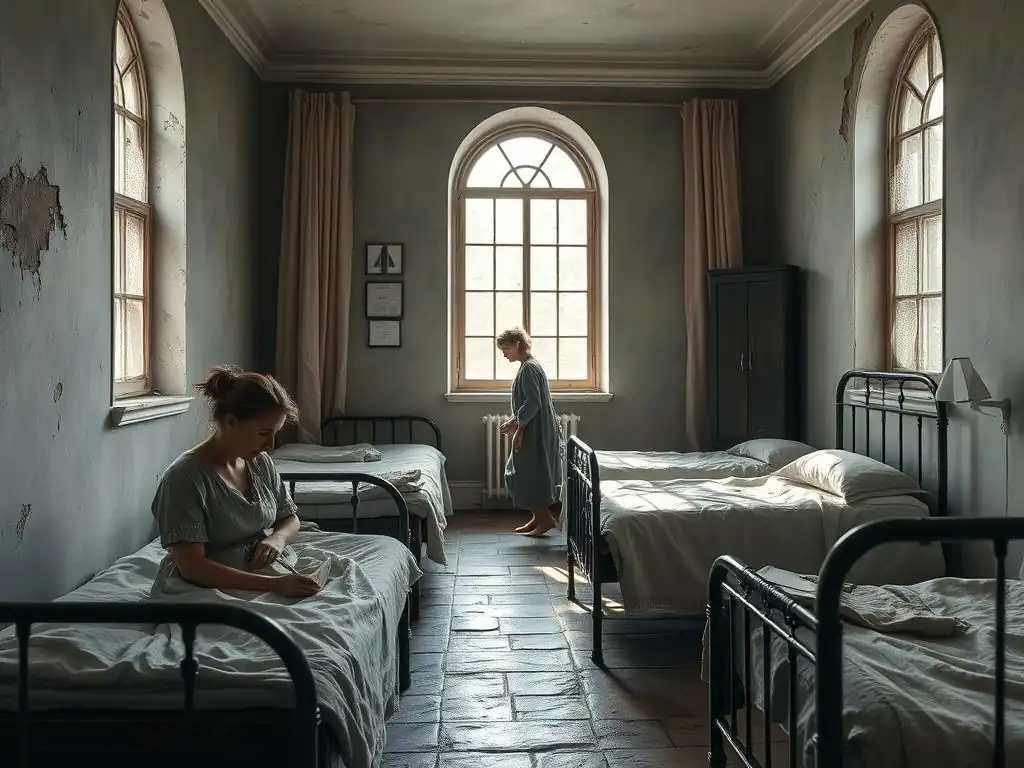
Welcome to Mind Care Guide.
Have you ever wondered about the real stories hidden within the walls of 19th-century asylums? We often hear the myths and legends, but what about the individuals who lived and breathed within those institutions? In this article, we delve into patient experience: voices from within 19th century asylums, uncovering firsthand accounts that shed light on a complex and often misunderstood era of mental healthcare. Prepare to be moved, challenged, and perhaps even surprised by the resilience of the human spirit. What secrets will these forgotten voices reveal? Let's begin...
The Patient Experience: Voices From Within 19th Century Asylums
- Introduction: Unveiling 19th Century Asylum Patient Stories
- Life Inside: First-Hand Accounts of 19th Century Asylum Inmates
- Voices of Confinement: Patient Testimonials and Letters
- The Stigma and Isolation: Social Impact on 19th Century Asylum Patients
- Resistance and Resilience: Patient Agency Within the Asylum System
- The Legacy of 19th Century Asylum Patient Experiences
- Resources for Further Exploration of 19th Century Mental Health History
-
Frequently Asked Questions
- What were asylums like in the 19th century, based on patient accounts?
- How reliable are the 19th-century asylum patient stories we have access to?
- What kinds of mental health conditions were commonly treated in 19th-century asylums?
- Did 19th-century asylums offer any therapeutic treatments for their patients?
- What can we learn from 19th-century asylum patient stories to improve modern mental health care?
- Final Reflection: Echoes of the Past, Lessons for the Present
- Unearth the Untold Stories: Dive Deeper into 19th Century Asylum Life
Introduction: Unveiling 19th Century Asylum Patient Stories
Understanding the Historical Context of Mental Health Treatment in the 19th Century
The 19th century marked a significant, albeit complex, transition in the approach to mental illness. Before this era, individuals deemed 'insane' were often kept at home, confined in poorhouses, or held in overcrowded, often brutal, conditions within large, unspecialized institutions.
The rise of the asylum movement was initially fueled by reformist zeal, advocating for 'moral treatment' in purpose-built facilities located in serene, rural settings, away from the stresses of urban life. These institutions were envisioned as places of healing and restoration, offering structured routines, meaningful work, and compassionate care, a stark contrast to the chains and public spectacles of earlier times.
However, as the century progressed, the reality often diverged significantly from this ideal. Rapid industrialization and population growth led to asylum overcrowding. Institutions designed for a few hundred patients ballooned to house thousands.
Funding became a major challenge, leading to understaffing and a decline in the quality of care. What began as a movement for therapeutic retreat often devolved into custodial care, where the focus shifted from recovery to management and control of large populations. The promises of 'moral treatment' faded for many, replaced by routine, regimentation, and sometimes harsh discipline, shaping the 19th century asylum patient stories that emerged from these walls.
The Importance of Patient Perspectives in Understanding Asylum History
Traditional historical accounts of 19th-century asylums often relied heavily on the records left by superintendents, doctors, and boards of trustees. These documents, while valuable, primarily presented the institutional viewpoint – focusing on administrative challenges, treatment philosophies from the perspective of the practitioners, and statistical data on admissions and discharges. They provided an external view, filtered through the lens of authority and medical understanding of the time, which was often limited and sometimes prejudiced.
Gaining access to the actual 19th century asylum patient stories is crucial for a more complete and empathetic understanding of this complex period. Patient letters, diaries, memoirs, and even oral histories recorded later provide an invaluable counter-narrative. They reveal the subjective experience of confinement, the emotional impact of institutional life, perceptions of treatment, relationships with staff and fellow patients, and the persistent struggle for autonomy and recognition of sanity.
These personal accounts challenge the official records, highlight the human cost of institutionalization, and offer profound insights into resilience and suffering that administrative reports simply cannot capture. Exploring these direct voices allows us to move beyond abstract historical analysis to connect with the lived realities of individuals confined within these walls.
Life Inside: First-Hand Accounts of 19th Century Asylum Inmates
Narratives of Admission: Mania, Melancholia, and Moral Derangement
Admission to a 19th-century asylum was often a traumatic event, frequently involving involuntary commitment initiated by family members or legal authorities. The reasons for admission documented in asylum registers provide a fascinating, though often distressing, glimpse into societal norms and the medical understanding of the time. Common 'diagnoses' included conditions recognizable today, such as 'mania' (often describing periods of intense excitement or delusion) and 'melancholia' (severe depression), but also encompassed behaviors now understood differently or not considered mental illness at all.
Many individuals were admitted for reasons labeled as 'moral derangement' or related to perceived deviance from social norms. Women might be committed for 'hysteria,' 'religious excitement,' 'disobedience to husband,' or even 'novel reading.' Men could be admitted for 'intemperance,' 'political excitement,' or 'dissipation.' These reasons highlight how mental illness was often conflated with social control, particularly concerning women and marginalized groups. Patient accounts sometimes describe feeling bewildered or unjustly confined, believing their 'condition' was misunderstood or fabricated, adding layers of complexity to these 19th century asylum patient stories.
Daily Life in the Asylum: Routine, Labor, and Control
Life inside a 19th-century asylum was typically characterized by strict routine and regimentation. A typical day might begin early, often before sunrise, followed by simple meals, periods of prescribed activity, and enforced rest. Patients were frequently expected to contribute to the running of the institution through labor, which was considered part of the 'moral treatment.' This could involve working in the laundry, kitchens, workshops, or on the asylum farm. For instance, in some larger asylums, patient labor was so integral that it significantly reduced the need for paid staff, effectively making patients unpaid workers.
Control was a pervasive element of asylum life. While the reform movement initially aimed to minimize physical restraints, practices varied widely. Some institutions relied heavily on 'mechanical restraints' like straitjackets, muffs, or even padded cells, particularly in cases of agitation or violence, often due to understaffing rather than therapeutic intent.
Others emphasized 'moral control' through constant surveillance, isolation, and the enforcement of strict behavioral rules. Accounts from patients frequently describe the monotony, the lack of privacy, the feeling of being constantly watched, and the indignity of having little control over their own lives, painting a vivid picture of their 19th century asylum patient stories.
Therapeutic Approaches: Moral Therapy, Restraints, and Occupational Activities
The dominant therapeutic philosophy at the beginning of the 19th century was 'Moral Therapy,' which emphasized a humane environment, routine, meaningful occupation, and positive interactions with staff. This approach, pioneered in institutions like the York Retreat in England or the Hartford Retreat in the US, saw some early successes, particularly with patients from wealthier backgrounds in smaller, well-funded institutions. Patients might engage in farming, needlework, crafts, or intellectual pursuits, aimed at restoring their 'moral balance.'
However, as overcrowding increased, the practical application of Moral Therapy became challenging. Therapeutic activities often devolved into mandatory labor, and the ideal of compassionate interaction was strained by high patient-to-staff ratios (sometimes exceeding 50 or 60 patients per attendant). Physical restraints, though theoretically discouraged by some, remained in use, particularly in larger public asylums dealing with diverse and often severely ill populations.
While some institutions experimented with hydrotherapy (water treatments) or early forms of drug therapy (like opium or sedatives), the core of 'treatment' often revolved around managing behavior through routine, control, and confinement. The effectiveness of these methods, as reflected in 19th century asylum patient stories, was highly variable and often limited.
Voices of Confinement: Patient Testimonials and Letters

The Power of Written Records: Analyzing Patient Letters and Journals
For many confined within 19th-century asylums, writing was one of the few avenues available to express their inner world, protest their situation, or connect with the outside world. Patient letters, often addressed to family, friends, lawyers, or even public figures, provide invaluable direct accounts of their experiences. These documents are powerful because they offer unmediated perspectives, raw with emotion, frustration, and often, a desperate plea for release or understanding.
Analyzing these texts requires careful consideration of the context – patients knew their mail might be read by staff, potentially influencing what they wrote. Yet, despite these constraints, the sheer volume and consistency of certain themes across different 19th century asylum patient stories lend them significant credibility.
Similarly, patient journals or memoirs, sometimes written during or after their confinement, offer deeper reflections. These personal writings detail daily struggles, observations of staff behavior, relationships with fellow inmates, thoughts on their own mental state (or perceived sanity), and strategies for coping. While fewer in number than letters, journals provide a continuous narrative thread, revealing the long-term psychological impact of institutionalization. Together, these written records constitute a vital archive, allowing historians and mental health advocates today to hear the authentic voices from 19th century asylums.
Patient Letter: Plea for Release Based on Perceived Sanity
Consider a representative plea found in the archives of a state asylum from the late 19th century, a common thread in many 19th century asylum patient stories:
To my Dearest Sister,
I write to you again from this place, where I have been for now three years. I implore you, convince the doctors that I am well. I eat, I sleep, I converse sensibly with others. I work in the laundry every day without complaint. What more proof of my sanity do they require? The confinement itself is enough to drive one mad, if they were not already.
Please, speak to my husband, tell him I am cured and wish only to return home to my children. I promise to be a dutiful wife and mother. This place is not for me. I await your reply with a heavy heart. Your loving sister, [Patient's Name]
This letter, while a composite based on numerous historical examples, captures the common themes: the assertion of sanity based on observable behavior (eating, sleeping, working), the plea to family as the primary link to freedom, the acknowledgment of the potential negative effects of confinement, and the desperate desire to return to societal roles. Such letters underscore the profound disconnect between the institutional view of a patient's condition and the individual's own perception, a critical aspect of 19th century asylum patient stories.
Patient Journal Entry: Observations on Fellow Inmates and Staff
Journal entries offer a more introspective view, often containing detailed observations about the environment and the people within it. Here is an example, synthesized from typical entries found in historical patient journals:
October 14th. Another day much like the last. The same grey walls, the same meager food. Observed Mrs. Davison today, pacing by the window again, speaking to someone unseen. Poor soul. She seems harmless, yet they keep her locked in the 'noisy ward'. The attendants today were Mr. Jones, gruff as ever, and the new girl, Mary, who seems kinder but is quickly losing her spirit. She barely spoke to any of us. It is isolating here, even amongst so many. We are like ships passing in a fog, each in our own world. Some days I fear I will lose my own mind just from the sheer emptiness and the weight of so much sorrow around me. But I must keep writing. It is the only way to hold onto myself.
This entry reflects several common elements found in 19th century asylum patient stories: the bleakness of the environment, the observation of other patients with a mix of pity and recognition of shared fate, the assessment of staff character, the pervasive sense of isolation despite being surrounded by others, and the act of writing as a coping mechanism and a means of preserving identity. Such entries provide depth and texture to the historical record, moving beyond clinical descriptions to reveal the rich, complex inner lives of individuals within the asylum walls.
The Victorian era was marked by a pervasive and often crippling social stigma attached to mental illness. Madness was frequently viewed not just as a medical condition, but as a moral failing, a result of poor lifestyle choices, hereditary taint, or even divine punishment. This perception was deeply ingrained in society, influencing how families treated members who became ill and how institutions were viewed. The language used to describe patients was often dehumanizing, employing terms like 'lunatic,' 'idiot,' or 'pauper insane,' reinforcing their status as 'other.'
This intense stigma meant that being sent to an asylum was not just a physical separation from society, but often a social death. Families might hide the fact that a relative was institutionalized, and upon discharge, individuals often faced immense difficulty reintegrating into their communities and finding employment. The label of having been an asylum inmate could follow a person for life, limiting opportunities and perpetuating isolation. This societal rejection is a recurring, painful theme in 19th century asylum patient stories, highlighting the profound impact of public attitudes on individual well-being and recovery prospects.
The Impact of Isolation on Patient Well-being and Recovery
Confinement in a 19th-century asylum inherently involved profound isolation, both from the outside world and often, emotionally, from those within. Patients were cut off from their families, friends, and communities, sometimes for years or even decades. Communication was often restricted; letters were censored or withheld, and visits were infrequent and supervised. This severance of social ties removed crucial support networks that are vital for mental well-being.
Inside the asylum, while physically surrounded by others, patients often experienced deep emotional isolation. The sheer number of inmates in larger institutions could make meaningful individual interaction with staff difficult. Relationships between patients, while sometimes sources of support, could also be challenging due to varying conditions and behaviors.
The lack of stimulating activities, personal autonomy, and connection to familiar routines contributed to a sense of detachment and despair. Many 19th century asylum patient stories describe the debilitating effects of this isolation – the crushing boredom, the loss of identity, and the feeling of being forgotten by the world outside. This profound isolation arguably hindered recovery as much as any specific treatment or lack thereof.
Resistance and Resilience: Patient Agency Within the Asylum System
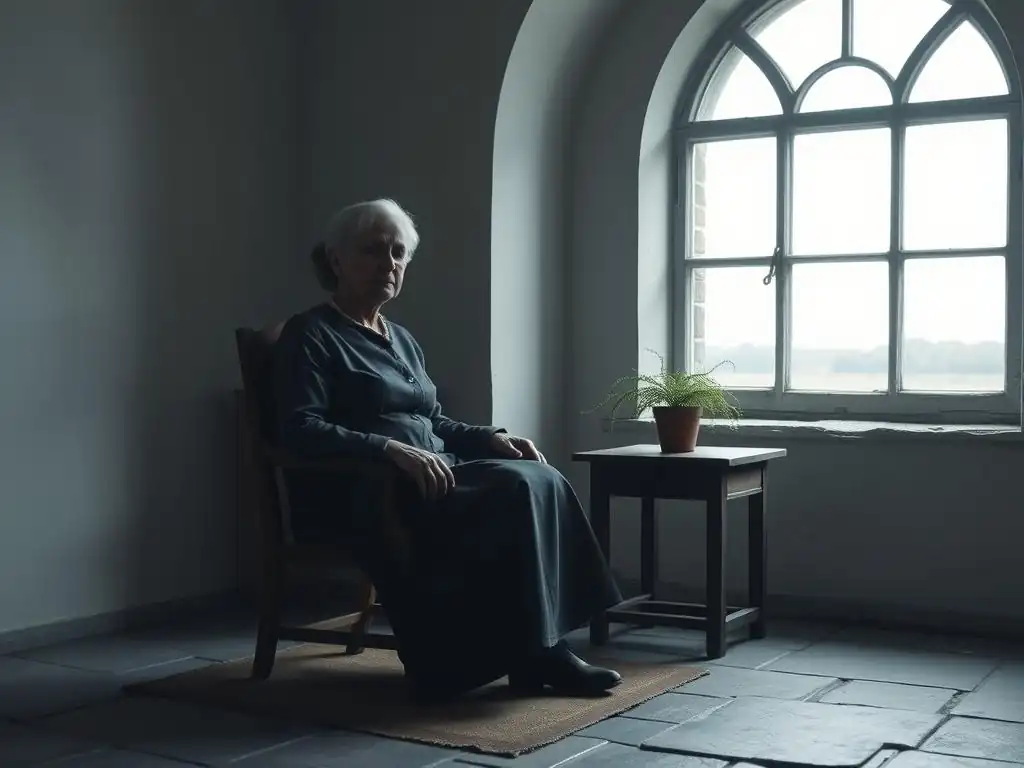
Forms of Resistance: Non-Compliance, Petitioning, and Elopement
Despite the restrictive environment of 19th-century asylums, patients were not simply passive recipients of care or control. They displayed remarkable agency and resilience, finding various ways to resist the system and assert their will. Non-compliance with rules or routines was a common form of daily resistance, ranging from refusing to work or eat to verbal defiance. While such actions often resulted in punishment, they were a way for patients to reclaim some control.
More formal methods of resistance included writing letters of protest or petitioning authorities for release. Patients, or advocates writing on their behalf, would appeal to asylum superintendents, boards of trustees, or even state legislatures, arguing their sanity or complaining about conditions. While successful petitions were rare, the act of writing and appealing was itself an assertion of rights and personhood, documented in numerous 19th century asylum patient stories.
Elopement, or attempting to escape, was another direct form of resistance, though fraught with danger and often unsuccessful. These acts, whether small or large, demonstrate that even within the confines of the asylum, patients actively sought to challenge their circumstances.
Finding Community and Support Among Patients
Amidst the isolation and hardship, patients often formed informal communities and support networks amongst themselves. Sharing experiences, providing emotional solace, and offering practical help were vital coping mechanisms. Patients who had been institutionalized longer might help newcomers navigate the complex rules and unwritten social codes of the asylum. They might share scarce resources, protect each other from bullying (either from other patients or sometimes staff), and offer a listening ear.
These bonds, though often fragile and formed under difficult circumstances, provided a sense of belonging and mutual understanding that was frequently lacking in their interactions with staff. For example, historical accounts suggest that patients often developed their own slang or communication methods, creating a subculture within the institution. While official records rarely documented these relationships, 19th century asylum patient stories and memoirs sometimes hint at these crucial connections, revealing how individuals found strength and solidarity with fellow inmates in their shared experience of confinement.
The Legacy of 19th Century Asylum Patient Experiences
How Patient Narratives Shaped Mental Health Reform
The 19th century asylum patient stories, particularly those that managed to reach the public sphere, played a significant role in advocating for and shaping mental health reform. Accounts like that of Elizabeth Packard, who was wrongly institutionalized and later became a fierce advocate for patients' rights, exposed abuses and highlighted the need for legal protections against wrongful confinement. Her widely read books, based on her own experience, spurred legislative changes in several states in the US, advocating for due process in commitment and the right of patients to communicate with the outside world.
While the voices of patients were often marginalized during the 19th century, their persistent cries for humane treatment, recognition of their rights, and challenges to the system gradually influenced public perception and policy debates. Reformers and investigative journalists sometimes drew upon patient experiences to underscore the need for better funding, improved staffing ratios, more effective treatments, and ultimately, a shift away from large-scale institutionalization towards community-based care. These voices from 19th century asylums laid some of the groundwork for future reform movements.
Lessons Learned: The Importance of Patient-Centered Care Today
Studying 19th century asylum patient stories offers crucial lessons that remain relevant for mental health care today. Foremost among these is the absolute necessity of patient-centered care. The historical accounts underscore the dangers of viewing individuals solely through the lens of their diagnosis or institutional role, rather than as complex human beings with unique histories, feelings, and valid perspectives. The lack of agency and the profound isolation experienced by asylum inmates serve as a stark reminder of the importance of autonomy, dignity, and connection in the healing process.
Today, mental health care strives (though not always successfully) to empower individuals, involve them in treatment decisions, respect their rights, and support their integration into the community. The historical narratives from the 19th century highlight what happens when these principles are neglected.
They teach us the importance of listening to lived experience, recognizing the impact of social factors like stigma and isolation on mental health, and building systems of care that prioritize empathy, respect, and the individual's own voice. The echoes of these voices from 19th century asylums continue to inform our understanding of what truly constitutes compassionate and effective mental health support.
Resources for Further Exploration of 19th Century Mental Health History
Archives, Museums, and Online Resources
For those wishing to delve deeper into 19th century asylum patient stories and the history of mental health, numerous resources are available. Historical archives of former asylums, often held by state libraries, universities, or historical societies, contain invaluable primary source documents, including patient registers, administrative reports, and sometimes, patient letters or journals. Institutions like the Wellcome Collection in London or the Archive of the History of American Psychology at the University of Akron hold significant collections.
Many former asylum sites have been repurposed, and some include museums or historical exhibits that interpret their history, often attempting to incorporate patient perspectives where possible. Online digital archives are increasingly making primary source documents accessible to a wider audience. Websites dedicated to the history of psychiatry or specific historical institutions also offer valuable information, scholarly articles, and sometimes transcriptions of patient writings. Exploring these resources allows for a more direct connection with the historical evidence of 19th century asylum patient stories.
Further Reading on 19th Century Asylum Life and Patient Stories
Numerous books and academic articles have explored the history of 19th-century asylums, increasingly drawing on patient voices. Works focusing on specific institutions, like Nancy Tomes' The Art of Asylum-Keeping (on the Trenton State Hospital), or broader social histories, like Andrew Scull's The Most Solitary of Afflictions, provide detailed context. Books that specifically analyze patient writings, such as those compiling patient letters or memoirs, offer direct access to the 19th century asylum patient stories.
Biographies or historical accounts of individuals who were institutionalized, like Elizabeth Packard or the lesser-known figures whose letters survive in archives, offer powerful personal narratives. Exploring these diverse sources allows for a comprehensive understanding that moves beyond institutional narratives to include the vital, often poignant, perspectives of those who lived within the asylum walls, enriching our understanding of this complex period in mental health history and the enduring impact of 19th century asylum patient stories.
Frequently Asked Questions
What were asylums like in the 19th century, based on patient accounts?
Patient accounts suggest that 19th-century asylums could be brutal and isolating environments. Many patients experienced dehumanizing treatment and a lack of individualized care. The focus was often on containment rather than recovery.
How reliable are the 19th-century asylum patient stories we have access to?
Reliability varies. Some accounts are well-documented and corroborated, while others are fragmented or potentially influenced by the patient's mental state at the time. Careful analysis and contextualization are crucial.
What kinds of mental health conditions were commonly treated in 19th-century asylums?
A wide range of conditions were diagnosed (often inaccurately) and treated, including what we now understand as schizophrenia, depression, and bipolar disorder, as well as conditions rooted in social or economic hardship. Diagnoses were often broad and based on limited understanding.
Did 19th-century asylums offer any therapeutic treatments for their patients?
While some asylums attempted therapeutic approaches, these were often experimental and ineffective by modern standards. Common treatments included bloodletting, hydrotherapy, and forced labor, which often caused more harm than good.
What can we learn from 19th-century asylum patient stories to improve modern mental health care?
These stories highlight the importance of patient autonomy, humane treatment, and evidence-based practices. They serve as a reminder of the potential for harmful consequences when mental health care is driven by stigma and a lack of understanding.
Final Reflection: Echoes of the Past, Lessons for the Present
The harrowing accounts of 19th-century asylum patients, detailed within this article, are not relics of a distant past; they are stark reminders of the fragility of mental health care and the enduring need for compassionate, person-centered treatment. The voices we've heard, though silenced for so long, resonate with the ongoing struggles faced by individuals navigating mental illness today. Their experiences highlight the devastating consequences of stigma, inadequate resources, and a lack of understanding about mental health.
The impact of these stories extends far beyond the historical context. They force us to confront the systemic failures that allowed such inhumane practices to flourish, and to examine how those failures might still be subtly present in our modern systems. The past is never dead. It's not even past.
- William Faulkner. This quote rings profoundly true when considering the echoes of 19th-century asylum practices in contemporary debates surrounding mental health funding, access to care, and the persistent stigma that prevents individuals from seeking help. The fight for better mental healthcare is a continuous one, and understanding the past is crucial to shaping a more just and equitable future.
Consider the weight of these stories. Reflect on the resilience of those who endured unimaginable suffering, and let their voices inspire you to advocate for change. You can be a part of creating a mental healthcare system that prioritizes empathy, understanding, and the inherent dignity of every individual. Let their experiences fuel your commitment to fostering a more compassionate and supportive world, where mental health is valued and treated with the respect it deserves.
Unearth the Untold Stories: Dive Deeper into 19th Century Asylum Life
Thanks for exploring the often-overlooked voices from within 19th-century asylums! You’ve gained invaluable insights into a pivotal moment in mental healthcare history. Now, let's take that understanding further:
- Share your thoughts: What resonated most with you from these personal accounts? Did anything surprise you? Leave a comment below and let’s spark a discussion! This is key to furthering understanding of the past.
- Explore related resources: Delve into our archive for more articles exploring the history of mental health treatments. There's a wealth of knowledge waiting to be discovered!
- Imagine the future: How can we use these historical lessons to improve mental healthcare today? Consider this as you read on and engage with future MindCareGuide.org content.
What innovative approaches to mental healthcare can we inspire based on the resilience and experiences of those who lived through this era?