
The Hidden Gems of Traditional Eastern Mental Healthcare

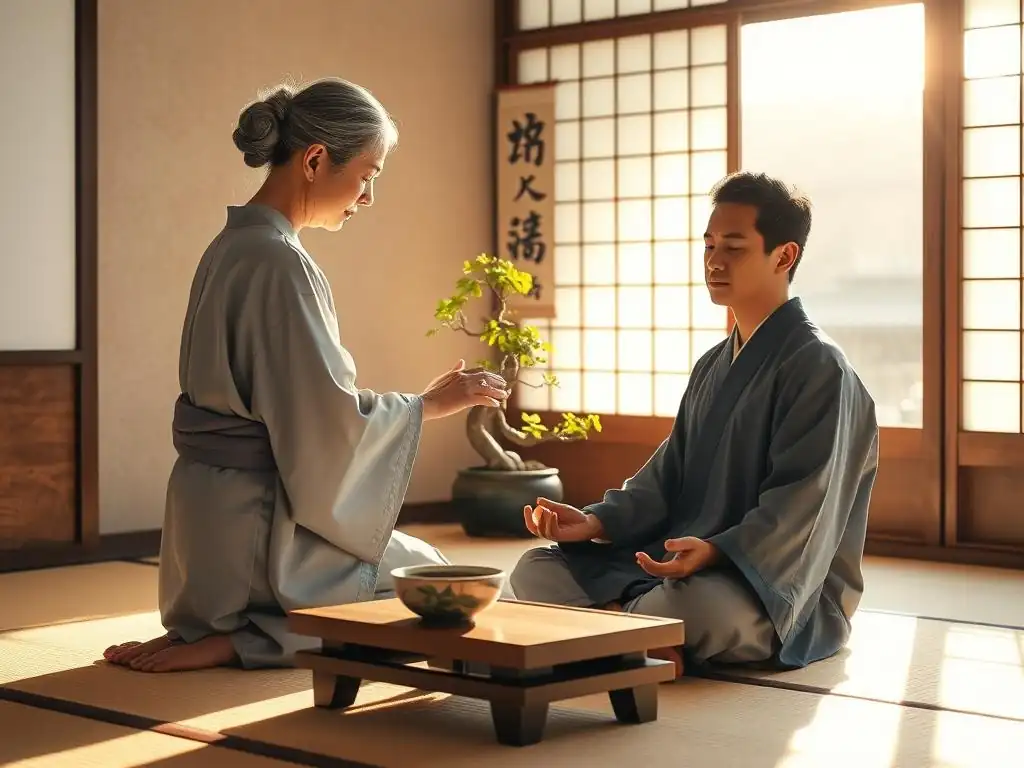
Welcome to Mind Care Guide, a sanctuary for understanding and nurturing your mental well-being.
Are you searching for alternative approaches to mental health that resonate with ancient wisdom and holistic healing? Perhaps the answers you seek lie in the East. This article, "The Hidden Gems of Traditional Eastern Mental Healthcare," delves into the profound benefits of Eastern mental healthcare practices. Discover how these time-honored traditions can offer a fresh perspective and potentially unlock a path towards greater inner peace and resilience. Curious to learn more? Let's begin this journey of discovery together…
- The Hidden Gems of Traditional Eastern Mental Healthcare: A Mind Care Guide Exploration
- Core Principles Underlying Traditional Eastern Mental Healthcare
-
Exploring Specific Eastern Mental Healthcare Practices and Their Benefits
- Traditional Chinese Medicine (TCM) for Mental Health: Acupuncture, Herbal Remedies, Qigong
- Ayurveda for Mental Well-being: Diet, Lifestyle, and Herbal Therapies
- Tibetan Medicine: A Holistic Approach to Mental and Spiritual Health
- Yoga and Meditation: Ancient Practices for Modern Mental Health Challenges
- The Benefits of Eastern Mental Healthcare Practices: A Deeper Look
- Integrating Eastern and Western Mental Healthcare Approaches
- Addressing Misconceptions and Cultural Sensitivity in Eastern Mental Healthcare
- Conclusion: Embracing the Wisdom of Eastern Mental Healthcare for a Balanced Life
-
Frequently Asked Questions
- What are some examples of Eastern mental healthcare practices?
- What are some of the potential benefits of incorporating Eastern mental healthcare practices into my routine?
- How do Eastern mental healthcare practices differ from conventional Western approaches to mental health?
- Is Eastern mental healthcare a replacement for conventional mental health treatment?
- Where can I find reliable resources and qualified practitioners for Eastern mental healthcare?
- Final Reflection: Unearthing the Wisdom of Eastern Mental Healthcare
- Unlock Your Inner Peace: Explore Eastern Mental Wellness
The Rising Interest in Traditional Eastern Approaches to Mental Well-being
In recent years, there has been a noticeable surge in global interest regarding traditional Eastern approaches to mental well-being. This growing curiosity stems partly from individuals seeking alternatives or complements to conventional Western therapies, which may not fully resonate with everyone or address all facets of their mental health journey. Factors contributing to this trend include a greater awareness of the mind-body connection, the perceived limitations of purely pharmacological interventions for some conditions, and increased exposure to Eastern philosophies through globalization and digital platforms.
This heightened interest is reflected in various ways, from the proliferation of yoga and meditation studios in Western cities to increased research into practices like acupuncture and herbal medicine for mood disorders. Data from surveys and market reports indicate a steady rise in the adoption of mindfulness practices, with millions worldwide incorporating meditation into their daily routines. This widespread adoption highlights a collective recognition of the potential benefits these ancient Eastern mental healthcare practices offer for navigating modern stressors and improving overall quality of life.
Defining "Eastern": A Diverse Landscape of Mental Health Traditions
Defining "Eastern" in the context of mental healthcare involves acknowledging a vast and diverse geographical and cultural landscape. It is not a single, monolithic system but rather an umbrella term encompassing a rich tapestry of healing traditions originating from countries across Asia, including but not limited to China, India, Tibet, Korea, and Japan. Each tradition possesses its unique philosophical underpinnings, diagnostic methods, and therapeutic modalities, shaped by centuries of cultural evolution and specific environmental factors.
Therefore, when discussing Eastern mental healthcare practices benefits, it is crucial to understand that we are referring to a variety of distinct systems. Traditional Chinese Medicine (TCM), Ayurveda, Tibetan Medicine, and practices like Yoga and various forms of meditation each represent unique approaches. While they often share core principles such as holism and the pursuit of balance, their specific techniques, theoretical models (like Qi or Doshas), and applications differ significantly. Understanding this diversity is the first step in appreciating the depth and breadth of wisdom available within these ancient healing systems.
Core Principles Underlying Traditional Eastern Mental Healthcare
Holistic Healing: The Mind-Body-Spirit Connection in Eastern Philosophies
A cornerstone principle of traditional Eastern mental healthcare is the concept of holistic healing, which views the individual as an interconnected system of mind, body, and spirit. Unlike some Western models that historically treated mental and physical ailments separately, Eastern traditions emphasize that disturbances in one area inevitably impact the others. Mental distress, for example, is often seen as manifesting physically, and physical imbalances are understood to affect emotional and psychological states.
This perspective means that treatment approaches are designed to address the whole person, not just isolated symptoms. For instance, treating anxiety might involve not only addressing psychological factors but also improving digestion, regulating sleep, or promoting physical movement, all of which are seen as integral to mental balance. This integrated view is fundamental to understanding the profound benefits Eastern mental healthcare practices aim to provide, focusing on restoring harmony across all levels of being for sustainable well-being.
The Importance of Balance and Harmony in Mental Wellness: Emotional stability, harmonious relationships, and physical health
The pursuit of balance and harmony is another central tenet woven throughout various Eastern healing philosophies. Mental wellness is often conceptualized not merely as the absence of illness but as a dynamic state of equilibrium within oneself and in relation to the surrounding environment. This internal balance involves regulating emotions, maintaining cognitive clarity, and ensuring physical vitality. External harmony extends to nurturing positive relationships with others and living in accord with nature.
When this balance is disrupted – perhaps due to stress, poor lifestyle choices, or environmental factors – it is believed to lead to disharmony, manifesting as emotional instability, physical ailments, or mental distress like anxiety or depression. Therefore, the primary goal of many Eastern therapies is to identify and correct these imbalances. Practices like dietary adjustments in Ayurveda, acupuncture to regulate Qi flow in TCM, or mindfulness meditation to calm the mind are all aimed at restoring this essential state of equilibrium, thereby promoting mental and emotional resilience.
Mindfulness and Meditation: Foundational Practices for Mental Clarity
Mindfulness and meditation are foundational practices deeply embedded in many Eastern traditions, particularly within Buddhism and Hinduism, and are increasingly recognized globally for their significant mental health benefits. Mindfulness involves paying deliberate, non-judgmental attention to the present moment – thoughts, feelings, bodily sensations, and the surrounding environment. Meditation, often used interchangeably or as a practice to cultivate mindfulness, involves various techniques to train attention and awareness, such as focusing on breath, a mantra, or bodily sensations.
Centuries of practice and a growing body of modern research attest to the efficacy of these techniques in promoting mental clarity, reducing ruminative thinking, and fostering emotional regulation. Regular practice has been shown to impact brain structure and function, potentially increasing grey matter density in areas associated with learning, memory, and emotional regulation, such as the hippocampus and prefrontal cortex. These practices empower individuals to observe their thoughts and feelings without being overwhelmed by them, offering a pathway to greater self-awareness and psychological flexibility.
Exploring Specific Eastern Mental Healthcare Practices and Their Benefits
Traditional Chinese Medicine (TCM) for Mental Health: Acupuncture, Herbal Remedies, Qigong
Traditional Chinese Medicine (TCM), a system with a history spanning thousands of years, offers a comprehensive framework for understanding and treating mental health conditions. Its approach is rooted in the concept of Qi (vital energy) flowing through meridians, and the balance of Yin and Yang. Mental and emotional health are seen as reflections of the harmonious flow of Qi and the balance of these opposing forces within the body. Diagnostic methods involve observing the patient's pulse, tongue, complexion, and asking detailed questions about their symptoms, lifestyle, and emotional state.
TCM therapies for mental health include acupuncture, which involves inserting fine needles into specific points along the meridians to regulate Qi flow; herbal medicine, using complex formulas of natural substances tailored to the individual's specific pattern of disharmony; and Qigong, a practice involving gentle movements, breathing techniques, and meditation to cultivate and balance Qi. These practices are often used in combination to address the root causes of mental distress, aiming to restore energetic balance and support the body's natural healing processes.
The benefits of Eastern mental healthcare practices like these are increasingly being explored through clinical trials, showing promise in managing conditions such as anxiety and depression.
The Role of Qi and Meridians in Mental and Emotional Balance
In TCM theory, Qi is the fundamental life force that animates the body and mind. It flows along specific pathways called meridians, connecting organs and tissues. Mental and emotional states are intricately linked to the quality and flow of Qi. For example, stagnant Qi in the Liver meridian is often associated with frustration, irritability, and depression, while deficient Qi or Blood in the Heart meridian can manifest as anxiety, insomnia, and poor memory.
Acupuncture and Qigong work directly with this energetic system. Acupuncture points are believed to be access points to the meridians, allowing practitioners to stimulate or disperse Qi, remove blockages, and restore smooth flow. Qigong practices cultivate Qi through mindful movement and breath, strengthening the body's vital energy and promoting circulation. By addressing imbalances in Qi and the meridian system, these therapies aim to alleviate emotional stagnation, calm the nervous system, and promote a sense of inner peace and resilience, contributing significantly to the benefits of Eastern mental healthcare practices.
TCM's Approach to Treating Anxiety and Depression: Liver Qi stagnation treatment, Heart Blood deficiency tonification
TCM views anxiety and depression not as isolated brain disorders but as symptoms of underlying patterns of disharmony within the body's energetic system. For example, depression is often associated with Liver Qi stagnation, where the smooth flow of energy is blocked, leading to feelings of constraint, low mood, and irritability. Treatment might involve acupuncture points that move Liver Qi and herbal formulas containing herbs like Bupleurum (Chai Hu) and White Peony Root (Bai Shao) to soothe the Liver and promote flow.
Anxiety, on the other hand, might be linked to a pattern like Heart Blood deficiency, characterized by a restless spirit, palpitations, insomnia, and forgetfulness. The Heart in TCM governs the mind and spirit, and a deficiency can lead to a lack of nourishment for this vital organ system. Treatment would focus on tonifying Heart Blood using herbs like Longan Fruit (Long Yan Rou) and Ziziphus Seed (Suan Zao Ren), combined with acupuncture points that nourish the Heart and calm the spirit. This differential diagnosis and tailored treatment plan underscore the personalized nature of TCM.
Ayurveda for Mental Well-being: Diet, Lifestyle, and Herbal Therapies
Ayurveda, originating in ancient India, is another profound holistic healing system that offers insights and practices for mental well-being. Meaning "knowledge of life," Ayurveda emphasizes the interconnectedness of mind, body, and spirit and the importance of maintaining balance among the body's three fundamental energies or doshas: Vata, Pitta, and Kapha. Mental health is understood as a state where the doshas are balanced, the digestive fire (Agni) is strong, tissues (Dhatus) are healthy, and waste products (Malas) are properly eliminated, alongside a calm and clear mind (Sattva).
Ayurvedic approaches to mental well-being are highly individualized, based on a person's unique constitution (Prakriti) and current state of imbalance (Vikriti). Therapies encompass a wide range of practices, including dietary recommendations tailored to the dosha type, lifestyle adjustments (such as daily routines or Dinacharya), herbal remedies, massage (Abhyanga), detoxification procedures (Panchakarma), yoga, and pranayama (breathing exercises). The aim is to pacify aggravated doshas, remove toxins (Ama), strengthen the nervous system, and cultivate Sattva, the quality of clarity, peace, and balance in the mind.
Understanding Doshas and Their Impact on Mental Health
The three doshas – Vata (air and ether), Pitta (fire and water), and Kapha (earth and water) – are believed to govern all physiological and psychological processes in the body. Each person has a unique combination of these doshas, which constitutes their constitution (Prakriti). An imbalance (Vikriti) in any dosha can lead to specific mental and emotional challenges. For instance, an aggravated Vata can manifest as anxiety, fear, restlessness, and insomnia due to its mobile and erratic nature.
Pitta imbalance, characterized by its fiery nature, can lead to irritability, anger, impatience, and critical thoughts. An aggravated Kapha, with its heavy and stagnant qualities, might result in lethargy, depression, attachment, and resistance to change. Ayurvedic practitioners assess the dominant doshas and current imbalances to understand the root cause of mental distress and develop a personalized treatment plan aimed at bringing the aggravated dosha back into balance through diet, lifestyle, and specific therapies.
Ayurvedic Practices for Stress Reduction and Improved Mood: Pranayama, Ashwagandha supplementation
Ayurveda offers numerous practical tools for managing stress and improving mood, many of which are gaining popularity globally for their benefits. Pranayama, or yogic breathing techniques, is a powerful practice for calming the nervous system and balancing the doshas. Techniques like Nadi Shodhana (alternate nostril breathing) are traditionally used to harmonize the energy channels (nadis) and induce a state of mental tranquility, effectively reducing anxiety and promoting clarity.
Herbal remedies are also a significant part of Ayurvedic mental healthcare. Adaptogenic herbs like Ashwagandha (Withania somnifera) are widely used to help the body adapt to stress, reduce cortisol levels, and improve resilience. Brahmi (Bacopa monnieri) is another herb traditionally used to enhance cognitive function, reduce anxiety, and improve memory. These natural interventions, when used appropriately under guidance, contribute significantly to the benefits of Eastern mental healthcare practices by addressing the physiological impact of stress and supporting mental function.
Tibetan Medicine: A Holistic Approach to Mental and Spiritual Health
Tibetan Medicine, influenced by Indian Ayurveda, Chinese Medicine, and indigenous Tibetan healing practices, offers a deeply holistic approach that integrates physical, mental, and spiritual dimensions of health. It views illness, including mental distress, as arising from an imbalance in the three humors (rLung, mKhris pa, and Bad kan), which are analogous to the Ayurvedic doshas but with distinct characteristics and associations. Mental health is intrinsically linked to the state of these humors, particularly rLung (wind), which governs the nervous system, breath, and subtle energies.
Beyond physiological balance, Tibetan Medicine places significant emphasis on the role of the mind and the impact of negative emotions, often referred to as "poisons" (ignorance, attachment, and aversion), on health. Mental afflictions are seen as rooted in these fundamental psychological states. Treatment involves dietary and behavioral advice, herbal formulas often containing complex combinations of ingredients, and external therapies like acupuncture and massage. Crucially, it also incorporates spiritual practices such as meditation and visualization, recognizing their profound power to transform the mind and promote healing.
The Interconnectedness of Mind, Body, and Environment in Tibetan Healing
A core principle in Tibetan Medicine is the profound interconnectedness of the mind, body, and external environment. Mental states are seen as directly influencing physical health, and vice versa. Furthermore, environmental factors, including diet, climate, and even social interactions, are considered crucial in maintaining or disrupting health. This comprehensive view means that a practitioner assesses not only physical symptoms but also the patient's emotional state, lifestyle, and surrounding conditions to arrive at a diagnosis and treatment plan.
For example, an imbalance in rLung, often associated with anxiety and nervousness, can be triggered or exacerbated by environmental factors like cold wind or a stressful living situation. Treatment would therefore address the internal imbalance through herbs and therapies while also advising the patient on protective behaviors and mind-training practices to mitigate the impact of external stressors. This integrated perspective highlights how Tibetan Medicine seeks to restore harmony on multiple levels, offering a truly holistic path to well-being.
Tibetan Mindfulness Practices for Emotional Regulation
Tibetan Medicine places a strong emphasis on the cultivation of mindfulness and compassion as essential tools for mental and spiritual health. Practices derived from Tibetan Buddhism, such as Shamatha (calm abiding) and Vipassana (insight) meditation, are integral to the healing process. Shamatha meditation helps to stabilize the mind, reduce mental chatter, and cultivate a state of calm awareness, which is particularly beneficial for pacifying agitated rLung.
Beyond simply calming the mind, Tibetan practices also focus on transforming negative emotional patterns. Practices like Lojong (mind training) involve techniques to cultivate positive attitudes such as compassion, patience, and equanimity, actively working to counteract the "poisons" of attachment, aversion, and ignorance that are believed to underlie suffering and mental imbalance. By cultivating these inner qualities, individuals can develop greater emotional resilience and a more stable, peaceful mind, contributing to the deep benefits Eastern mental healthcare practices can offer.
Yoga and Meditation: Ancient Practices for Modern Mental Health Challenges
While often associated with physical exercise in the West, Yoga is a comprehensive system originating in ancient India that integrates physical postures (asanas), breathing techniques (pranayama), meditation, and ethical principles (yamas and niyamas) to promote union of the mind, body, and spirit. Similarly, various forms of meditation, while practiced across many Eastern traditions, share the common goal of training the mind to achieve a state of focused awareness and inner peace. These practices are increasingly being adopted globally as powerful tools for addressing modern mental health challenges like stress, anxiety, and depression.
The widespread adoption of yoga and meditation is supported by a growing body of scientific evidence demonstrating their positive impact on the nervous system, brain function, and psychological well-being. Millions of people worldwide now incorporate these practices into their routines, seeking refuge from the demands of modern life and cultivating greater resilience. The accessibility and adaptability of many yoga and meditation techniques make them valuable resources for individuals seeking to improve their mental health through non-pharmacological means.
The Benefits of Yoga for Reducing Stress and Anxiety
Yoga's effectiveness in reducing stress and anxiety is well-documented. The combination of physical movement, breath control, and mindfulness inherent in a yoga practice helps to activate the body's relaxation response, counteracting the "fight or flight" response associated with stress. Specific yoga postures can release physical tension held in the body, which is often linked to emotional stress. Pranayama techniques calm the nervous system, slowing heart rate and reducing blood pressure.
Furthermore, the meditative aspect of yoga encourages present-moment awareness, helping individuals detach from worry about the future or rumination on the past. Studies have shown that regular yoga practice can decrease levels of cortisol, the primary stress hormone, and increase levels of GABA, a neurotransmitter associated with calm. For example, research published in the Journal of Alternative and Complementary Medicine reported significant reductions in anxiety symptoms among participants practicing yoga regularly compared to control groups, highlighting the tangible benefits of Eastern mental healthcare practices like this.
Different Meditation Techniques and Their Effects on the Brain
Meditation encompasses a variety of techniques, each with unique effects on the mind and brain. Concentration meditation (like focusing on breath or a mantra) trains the ability to focus attention and can improve cognitive control. Mindfulness meditation, as discussed earlier, cultivates non-judgmental awareness of present experience, enhancing emotional regulation and self-awareness. Loving-kindness meditation (Metta) focuses on cultivating feelings of warmth and compassion towards oneself and others, which can reduce social anxiety and improve mood.
Neuroimaging studies have revealed that regular meditation practice can lead to structural and functional changes in the brain. Research using fMRI has shown increased activity in regions associated with attention (e.g., prefrontal cortex) and decreased activity in the amygdala, the brain's fear center. Long-term meditators often exhibit increased cortical thickness in certain areas and altered connectivity between brain regions, suggesting that meditation can physically reshape the brain in ways that support emotional regulation, focus, and resilience.
The Benefits of Eastern Mental Healthcare Practices: A Deeper Look
Reducing Stress and Anxiety Through Mindfulness and Meditation
One of the most widely recognized benefits of Eastern mental healthcare practices, particularly mindfulness and meditation, is their profound impact on reducing stress and anxiety. In the face of modern life's constant demands, these ancient techniques offer practical tools to calm the nervous system and quiet the often-overactive mind. By training the mind to stay anchored in the present moment and observe thoughts without judgment, individuals can create psychological distance from stressors and anxious thought patterns.
Regular engagement with practices like mindful breathing or body scans has been shown to lower physiological markers of stress, such as heart rate and cortisol levels. For instance, a meta-analysis of studies on mindfulness-based stress reduction (MBSR) found consistent evidence for its effectiveness in reducing symptoms of anxiety and depression across diverse populations. These practices empower individuals with self-regulation skills, enabling them to navigate challenging emotions and situations with greater ease and resilience.
Improving Mood and Emotional Regulation with Traditional Therapies
Beyond stress reduction, Eastern mental healthcare practices offer significant benefits for improving overall mood and enhancing emotional regulation. Techniques from TCM, Ayurveda, and Tibetan Medicine aim to address the underlying imbalances believed to cause emotional distress. By restoring the harmonious flow of Qi, balancing doshas, or clearing emotional blockages, these therapies can help stabilize mood and reduce the intensity of negative emotions.
For example, acupuncture is traditionally used to treat depression by addressing stagnation or deficiency patterns associated with the condition, often leading to an uplift in spirit and energy. Ayurvedic herbs like Brahmi are used to calm the mind and support emotional balance. The emphasis on cultivating positive mental states through meditation and mind-training practices in Tibetan Buddhism directly addresses the root causes of emotional suffering, fostering qualities like contentment and equanimity. These diverse approaches collectively highlight the potent benefits of Eastern mental healthcare practices for emotional well-being.
Enhancing Overall Well-being and Quality of Life
The holistic nature of Eastern mental healthcare practices means that their benefits extend beyond just alleviating symptoms of distress; they actively promote overall well-being and enhance the quality of life. By addressing the interconnectedness of mind, body, and spirit, these practices encourage healthy habits, foster self-awareness, and cultivate a deeper connection with oneself and the world. This integrated approach leads to improvements across multiple domains of life.
Individuals who regularly engage in these practices often report increased energy levels, better sleep, improved physical health, stronger relationships, and a greater sense of purpose. The emphasis on balance and harmony encourages sustainable lifestyle changes rather than quick fixes. This comprehensive impact underscores the significant benefits of Eastern mental healthcare practices, offering pathways not just to recovery from mental health challenges but to flourishing and living a more fulfilling life.
Addressing Trauma and PTSD with Eastern Healing Modalities: Trauma-sensitive yoga, acupuncture for emotional release
Eastern healing modalities are increasingly being explored as valuable tools for addressing trauma and Post-Traumatic Stress Disorder (PTSD), often complementing Western therapeutic approaches. The focus on the body in practices like yoga and acupuncture can be particularly beneficial for trauma survivors, who often hold trauma in their physical selves. Trauma-sensitive yoga, for example, is specifically adapted to create a safe and predictable environment, allowing individuals to gently reconnect with their bodies and cultivate a sense of agency and present-moment awareness without triggering past trauma.
Acupuncture is also used to help release pent-up emotional energy and regulate the nervous system dysregulation often seen in PTSD. By targeting specific points, practitioners aim to calm the fight-or-flight response and promote a sense of safety and grounding. While these approaches are not typically used as standalone treatments for severe trauma, their ability to address the physiological and energetic manifestations of trauma offers promising avenues for support and healing, adding another layer to the diverse benefits of Eastern mental healthcare practices.
Integrating Eastern and Western Mental Healthcare Approaches

Complementary and Integrative Medicine: A Holistic Approach to Mental Wellness
The most effective path to mental wellness for many individuals lies in the integration of Eastern and Western mental healthcare approaches, often referred to as Complementary and Integrative Medicine (CIM). This involves using traditional Eastern practices alongside conventional Western treatments like therapy and medication, not as substitutes, but as synergistic tools. For example, someone managing depression might benefit from antidepressant medication and regular meditation practice, or psychotherapy and acupuncture sessions.
This integrative model allows individuals to leverage the strengths of both systems. Western medicine often excels in acute crisis intervention and pharmacological management of severe symptoms, while Eastern practices can offer powerful tools for stress reduction, emotional regulation, lifestyle support, and addressing the subtle energetic or constitutional imbalances that may contribute to mental distress. Combining these approaches provides a more comprehensive and personalized care plan, maximizing the potential benefits for the individual.
When to Seek Professional Help from Both Eastern and Western Practitioners
Knowing when and how to seek professional help is crucial when exploring Eastern and Western mental healthcare. For acute mental health crises, severe depression, psychosis, or suicidal ideation, immediate consultation with a licensed Western mental health professional (psychiatrist, psychologist, therapist) is paramount. These professionals are trained in diagnosing and treating severe conditions and can provide necessary crisis intervention or medication management.
Once a diagnosis is established or for ongoing management of less severe conditions like anxiety or mild depression, integrating Eastern practices can be highly beneficial. It is advisable to work with both types of practitioners collaboratively if possible. Inform your Western doctor or therapist about any Eastern practices you are considering, and inform your Eastern practitioner about your Western treatments. This open communication ensures that all aspects of your care are coordinated and safe, allowing you to fully harness the benefits of Eastern mental healthcare practices alongside conventional care.
Finding Qualified and Ethical Eastern Mental Healthcare Providers: Credentials, experience, ethical guidelines
As interest in Eastern mental healthcare grows, so does the importance of finding qualified and ethical practitioners. The regulatory landscape for traditional Eastern therapies varies significantly by region. In some areas, professions like acupuncture may be licensed and regulated, while others, like herbalists or energy healers, may have less formal oversight.
When seeking a provider:
- Check Credentials: Look for certifications or licenses from recognized professional bodies or educational institutions. For example, in the US, acupuncturists may be licensed by the state and certified by the NCCAOM.
- Inquire About Experience: Ask about their experience treating conditions similar to yours.
- Understand Their Approach: Ensure their philosophy and methods resonate with you.
- Verify Ethical Guidelines: A reputable practitioner should adhere to ethical standards, maintain confidentiality, and be transparent about their training, fees, and treatment plan.
- Consult Your Primary Healthcare Provider: Discuss your intention to see an Eastern practitioner with your Western doctor to ensure a coordinated approach to your health.
Finding the right practitioner is key to safely and effectively experiencing the potential benefits of Eastern mental healthcare practices.
Addressing Misconceptions and Cultural Sensitivity in Eastern Mental Healthcare
Debunking Myths About Traditional Eastern Practices
Several misconceptions surround traditional Eastern mental healthcare practices, sometimes hindering individuals from exploring their potential benefits. One common myth is that these practices are purely spiritual or mystical and lack practical application for real-world mental health issues. While many traditions have spiritual roots, the practices themselves, like meditation, yoga, and herbal medicine, have tangible physiological and psychological effects supported by both traditional knowledge and modern research.
Another myth is that Eastern therapies are a "cure-all" or a complete replacement for Western medicine, especially in severe cases. This is a dangerous misconception; as discussed, integration is often the most effective path. Eastern practices are powerful tools for support, prevention, and managing chronic conditions but may not be sufficient for acute crises or severe mental illness requiring immediate medical intervention. Understanding the appropriate role and scope of these practices is essential.
The Importance of Cultural Sensitivity and Respect
Approaching Eastern mental healthcare practices with cultural sensitivity and respect is paramount. These traditions are deeply embedded in specific cultural, philosophical, and religious contexts. When adopting practices like yoga or meditation, it is important to understand their origins and avoid cultural appropriation – using elements without understanding or respecting their original meaning and context.
Working with practitioners from these traditions also requires sensitivity. Be open to different communication styles and diagnostic methods. Recognize that concepts like Qi or Doshas represent sophisticated systems of understanding the body and mind, not simply abstract beliefs. Engaging with these practices respectfully honors their rich history and ensures that they are utilized in a way that is both authentic and beneficial, allowing individuals to truly appreciate the benefits of Eastern mental healthcare practices.
Understanding the Limitations of Eastern Mental Healthcare Approaches: Severe mental illness requiring immediate intervention
While the benefits of Eastern mental healthcare practices are numerous, it is vital to understand their limitations, particularly in the context of severe mental illness. Conditions such as acute psychosis, severe bipolar episodes, or major depressive disorder with suicidal intent often require immediate, evidence-based Western medical intervention, including hospitalization or pharmacological treatment.
Eastern practices can be valuable adjuncts in managing these conditions long-term, supporting recovery and improving quality of life, but they are not typically sufficient as primary, standalone treatments during acute phases. Relying solely on traditional methods in a crisis could delay necessary care and have serious consequences. A responsible approach emphasizes integration and recognizes that different systems have different strengths, ensuring that individuals receive the most appropriate care for their specific needs at any given time.
Conclusion: Embracing the Wisdom of Eastern Mental Healthcare for a Balanced Life
The Enduring Value of Eastern Perspectives on Mental Well-being
Traditional Eastern mental healthcare practices offer a profound and enduring perspective on mental well-being, one that emphasizes holism, balance, and the interconnectedness of mind, body, and spirit. Rooted in centuries of observation and philosophical inquiry, these systems provide valuable insights into the nature of suffering and pathways to healing that complement Western scientific models. Practices like acupuncture, herbal medicine, yoga, and meditation are not merely historical relics but living traditions with significant relevance for addressing the mental health challenges of the 21st century.
The increasing global interest and research into these methods underscore their potential to provide effective, often less invasive, tools for stress reduction, emotional regulation, and overall life enhancement. Embracing the wisdom contained within these traditions offers individuals additional avenues for self-care and healing, empowering them to take an active role in their mental health journey and cultivate a more balanced and harmonious life.
Future Directions in Integrating Eastern and Western Mental Healthcare for Optimal Mental Health
The future of mental healthcare lies increasingly in the thoughtful integration of the best practices from both Eastern and Western traditions. As research continues to explore the mechanisms and efficacy of Eastern therapies, their acceptance and incorporation into mainstream healthcare settings are likely to grow. This could lead to more collaborative care models where practitioners from different systems work together to provide truly comprehensive, personalized treatment plans.
Further research is needed to establish clear guidelines for integrating specific Eastern mental healthcare practices benefits for various conditions and populations. Education for both practitioners and the public about the strengths and limitations of each system is also crucial. By fostering dialogue, respect, and evidence-informed integration, we can move towards a future where individuals have access to a wider range of effective tools and approaches, enabling them to achieve optimal mental health and well-being.
Frequently Asked Questions
What are some examples of Eastern mental healthcare practices?
Eastern mental healthcare practices encompass a range of techniques including mindfulness meditation, traditional Chinese medicine (TCM), and Ayurvedic medicine. These practices often emphasize a holistic approach.
What are some of the potential benefits of incorporating Eastern mental healthcare practices into my routine?
Potential benefits may include reduced stress and anxiety, improved sleep quality, and a greater sense of inner peace and balance. These methods focus on mind-body connection.
How do Eastern mental healthcare practices differ from conventional Western approaches to mental health?
Eastern practices often prioritize holistic well-being, considering the interconnectedness of mind, body, and spirit. Western approaches tend to focus more on specific symptoms and diagnoses.
Is Eastern mental healthcare a replacement for conventional mental health treatment?
No, Eastern mental healthcare practices should be viewed as complementary approaches. They can enhance conventional treatment but are not a substitute for professional medical advice or therapy.
Where can I find reliable resources and qualified practitioners for Eastern mental healthcare?
Mind Care Guide provides information and resources. Look for practitioners with proper training and certification in their respective fields, such as TCM or Ayurveda.
Final Reflection: Unearthing the Wisdom of Eastern Mental Healthcare
The ancient wisdom of Eastern mental healthcare practices offers a powerful counterpoint to Western approaches, providing a crucial pathway to holistic well-being in our increasingly stressed modern world. These practices, often overlooked in the dominant Western medical paradigm, offer a wealth of techniques and philosophies that can significantly enhance mental and emotional resilience. Their resurgence in popularity is a testament to the growing recognition of their efficacy and the limitations of solely relying on pharmaceutical interventions.
The enduring influence of these practices is undeniable, shaping not only individual lives but also the broader cultural landscape. Their emphasis on mindfulness, connection with nature, and the interconnectedness of mind, body, and spirit offers a refreshing alternative to the often isolating and reductionist nature of some Western treatments. The mind is everything. What you think you become.
– Buddha. This simple yet profound statement encapsulates the core philosophy underpinning many Eastern mental healthcare approaches, highlighting the power of conscious thought and self-awareness in shaping our mental state. The integration of these principles into our daily lives can lead to a profound shift in perspective and a deeper understanding of ourselves.
Consider the practices discussed within this article – from the calming effects of meditation to the insightful guidance of traditional therapies. You, the reader, are now empowered to explore these options and integrate them into your own life. Begin with small steps – a few minutes of mindful breathing each day, a walk in nature, or a conscious effort to cultivate gratitude.
The journey towards holistic well-being is a personal one, and the ancient wisdom of Eastern mental healthcare offers a rich tapestry of tools to guide you on your path. Embrace this opportunity to discover the hidden gems within, and unlock a deeper understanding of your own mental and emotional landscape.
Unlock Your Inner Peace: Explore Eastern Mental Wellness
Thanks for taking the time to delve into the fascinating world of traditional Eastern mental healthcare! We hope you gained valuable insights into holistic approaches to wellbeing. Now it's time to put that knowledge into practice.
- Begin your personalized journey: Identify one practice from the article (meditation, Tai Chi, etc.) and dedicate just 10 minutes a day to it for a week. Notice the subtle shifts in your mood and energy levels.
- Share your discoveries: Discuss your experience with a friend, family member, or online community. What resonates with you the most? What surprising benefits have you found?
- Dive deeper: Explore additional resources online or in your local community related to the practice you've chosen. There's a whole universe of knowledge waiting to be discovered!
What small step will you take today to nurture your mental wellbeing using these ancient wisdoms?