
Yoga Poses for Anxiety Relief: A Gentle Holistic Practice

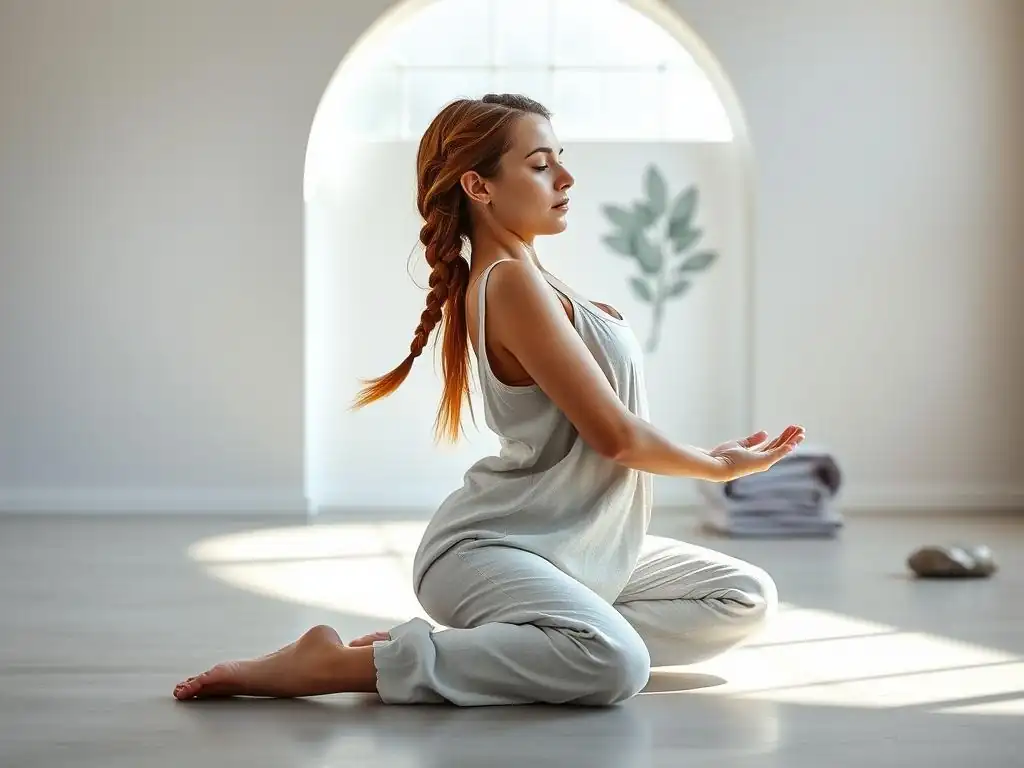
Welcome to Mind Care Guide, your sanctuary for understanding and nurturing your mental well-being.
Feeling overwhelmed by anxiety? You're not alone. In this guide, we gently introduce you to the world of yoga poses for anxiety relief, a holistic practice that can help you find calm amidst the storm. Discover how mindful movement can unlock inner peace and empower you to manage anxiety effectively. Ready to begin your journey towards a more balanced and tranquil you? Let's explore.
- Yoga Poses for Anxiety Relief: A Gentle Holistic Practice | Mind Care Guide
-
Gentle Yoga Poses for Anxiety Relief: A Step-by-Step Guide
- Child's Pose (Balasana): Grounding and Calming
- Legs-Up-the-Wall Pose (Viparita Karani): Relaxation and Stress Reduction
- Corpse Pose (Savasana): Deep Relaxation and Letting Go
- Seated Forward Fold (Paschimottanasana): Calming the Nervous System
- Cat-Cow Pose (Marjaryasana to Bitilasana): Releasing Tension and Promoting Flow
- Breathing Techniques (Pranayama) to Enhance Anxiety Relief
- Creating a Yoga Practice for Anxiety: Tips and Considerations
- Additional Holistic Approaches for Managing Anxiety
- Conclusion: Embracing Yoga as a Tool for Anxiety Relief and Enhanced Well-being
-
Frequently Asked Questions
- What Yoga Poses are most effective for anxiety relief?
- How does Yoga help with anxiety specifically?
- How often should I practice Yoga for noticeable anxiety relief?
- Can Yoga completely replace other forms of anxiety treatment, like therapy or medication?
- Are there any Yoga Poses I should avoid if I have anxiety?
- Final Reflection: Finding Stillness in the Storm of Anxiety
- Unleash Your Inner Calm: Take Charge of Your Anxiety
Yoga Poses for Anxiety Relief: A Gentle Holistic Practice | Mind Care Guide
The Connection Between Anxiety and the Body-Mind
Anxiety is not just a mental state; it profoundly impacts the physical body. When experiencing anxiety, the sympathetic nervous system, often called the "fight or flight" response, goes into overdrive. This can manifest in tangible physical symptoms such as increased heart rate, rapid shallow breathing, muscle tension, digestive issues, and even a feeling of being constantly on edge.
The mind and body are deeply interconnected; persistent anxious thoughts can trigger physical stress responses, and conversely, chronic physical tension can exacerbate feelings of worry and unease. This creates a feedback loop where mental and physical symptoms reinforce each other, making it challenging to break free from the cycle of anxiety.
Scientific studies support this connection. Research published in journals like Frontiers in Psychiatry has explored the gut-brain axis, highlighting how stress and anxiety can disrupt digestive health, leading to symptoms like irritable bowel syndrome (IBS), which is often co-morbid with anxiety disorders. Furthermore, chronic stress associated with anxiety elevates cortisol levels, a stress hormone, which can have widespread negative effects on sleep patterns, immune function, and even cognitive abilities over time. Addressing anxiety effectively often requires acknowledging and working with both the mental and physical dimensions simultaneously, which is where holistic practices like yoga become particularly valuable.
How Yoga Can Help Reduce Anxiety Symptoms
Yoga offers a multifaceted approach to managing anxiety symptoms by directly addressing both the physical and mental aspects of the condition. Through a combination of gentle movement, conscious breathing, and focused attention, yoga helps to activate the parasympathetic nervous system, the body's "rest and digest" response, which counteracts the "fight or flight" state. This shift helps to lower heart rate, regulate breathing, and reduce overall physical tension, creating a sense of calm and grounding. Regularly practicing yoga poses for anxiety relief can effectively interrupt the physical manifestations of stress.
Beyond the immediate physiological effects, yoga cultivates mindfulness and present moment awareness. By focusing on the breath and bodily sensations during poses, practitioners learn to observe their thoughts and feelings without judgment, rather than being swept away by anxious rumination. This practice of mindful presence helps to detach from the cycle of worry about the past or future, bringing the mind back to the safety of the present. Over time, this can build resilience against anxious thought patterns, making yoga poses anxiety relief a sustainable strategy for long-term well-being.
Benefits of Yoga for Mental Well-being Beyond Anxiety
While yoga is widely recognized for its ability to alleviate anxiety, its benefits extend to a broader spectrum of mental well-being. Regular practice has been shown to improve mood, reduce symptoms of depression, and enhance emotional regulation. The physical activity inherent in yoga releases endorphins, natural mood boosters, similar to other forms of exercise. Furthermore, the sense of accomplishment and self-efficacy gained from mastering new poses or simply showing up on the mat can significantly boost self-esteem.
Yoga also fosters a greater sense of self-awareness and introspection. By paying attention to physical sensations and emotional states during practice, individuals develop a deeper understanding of themselves. This increased awareness can help identify triggers for anxiety or stress before they become overwhelming, allowing for proactive management. The community aspect of group yoga classes can also combat feelings of isolation often associated with mental health challenges, providing a supportive environment for connection and shared experience, further enhancing overall mental wellness.
Gentle Yoga Poses for Anxiety Relief: A Step-by-Step Guide
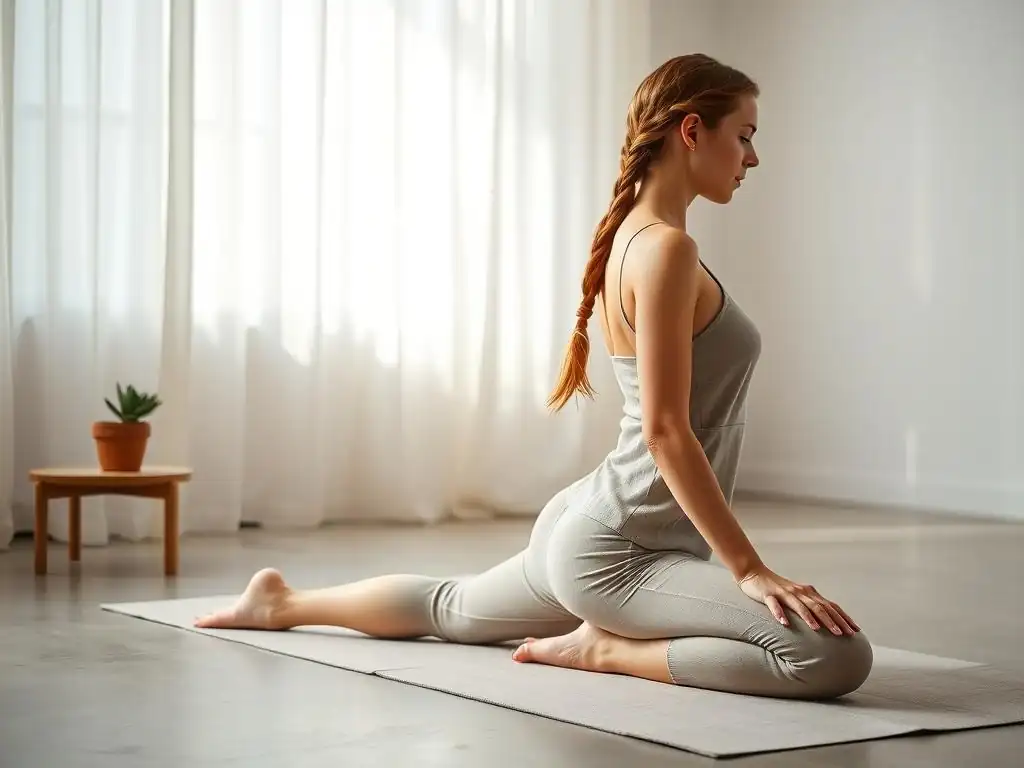
Child's Pose (Balasana): Grounding and Calming
Child's Pose is a deeply comforting and restorative posture that encourages surrender and release. It's often one of the first yoga poses for anxiety relief recommended due to its immediate calming effect. The posture involves folding the body over the thighs, bringing the forehead to the ground, creating a sense of being held and protected. This physical act of curling inward can be incredibly soothing when feeling overwhelmed or anxious, providing a safe space to retreat and regather one's energy.
This pose physically grounds the body, connecting the forehead (often associated with the third eye or intuition) directly to the earth. This grounding sensation can help to pull scattered or anxious energy back into the core, fostering a sense of stability. The gentle pressure on the abdomen can also be soothing for digestive discomfort often linked to anxiety. Holding this pose for several minutes, focusing on slow, deep breaths, allows the nervous system to downregulate, signaling safety and calm to the body and mind.
How to perform Child's Pose for anxiety reduction
- Start on your hands and knees on a yoga mat.
- Bring your big toes to touch and spread your knees wide, about mat-width apart, or keep them closer together if that feels more comfortable.
- Exhale and sink your hips back towards your heels.
- Walk your hands forward, extending your arms along the mat, or bring your arms back alongside your body with palms facing up.
- Rest your forehead on the mat. If your forehead doesn't reach the mat comfortably, you can place a block or folded blanket underneath it.
- Allow your shoulders to relax and heavy.
- Breathe deeply, feeling your belly rest on your thighs and expanding with each inhalation.
- Stay in the pose for 1-5 minutes, or longer if desired, focusing on releasing tension with each exhale.
Benefits of Child's Pose for stress
Child's Pose effectively reduces stress by promoting relaxation and turning attention inward. The gentle forward fold calms the nervous system, helping to decrease the production of stress hormones. The physical contact with the mat provides a sense of security and grounding, which can be particularly helpful during moments of heightened anxiety or panic. It's a posture of surrender, allowing the practitioner to release the need to control and simply be present.
Furthermore, the pose encourages diaphragmatic breathing, especially when the belly rests on the thighs. This type of deep breathing is known to stimulate the vagus nerve, which plays a crucial role in regulating stress responses and promoting relaxation. By focusing on the breath in this quiet, inward posture, the mind is drawn away from anxious thoughts and into the present moment, fostering a sense of peace and tranquility.
Legs-Up-the-Wall Pose (Viparita Karani): Relaxation and Stress Reduction
Legs-Up-the-Wall Pose is a restorative inversion that is exceptionally effective for calming the nervous system and relieving tension. While not a full inversion like a headstand, elevating the legs above the heart helps to gently reverse blood flow, which can soothe tired legs and feet and promote a sense of ease throughout the body. This pose is often used therapeutically for stress, anxiety, and insomnia, making it a powerful addition to a practice focused on yoga poses anxiety relief.
Holding this pose for a sustained period allows the body to enter a deep state of relaxation. The gentle stretch in the hamstrings (if the legs are straight) and the mild inversion signal to the nervous system that it's safe to relax. It provides an opportunity to completely let go of physical effort and mental striving, simply resting and breathing. Many people report feeling a profound sense of calm and stillness after just a few minutes in Viparita Karani.
Steps to practice Legs-Up-the-Wall Pose
- Find a clear wall space.
- Sit with one side of your body pressing against the wall.
- Lower your back to the floor as you swing your legs up the wall. You might need to adjust your distance from the wall until your hips are comfortable. Some people prefer their hips right against the wall, while others like a few inches of space.
- Rest your back and head on the floor. You can place a blanket or cushion under your hips for added comfort if desired.
- Extend your legs up the wall. They can be straight or slightly bent at the knees if that's more comfortable.
- Let your arms rest by your sides, palms facing up, or place one hand on your heart and the other on your belly.
- Close your eyes and breathe deeply, allowing your body to relax into the support of the floor and wall.
- Stay in the pose for 5-15 minutes. To come out, gently bend your knees, roll to one side, and slowly push yourself up to a seated position.
Why Legs-Up-the-Wall Pose is effective for anxiety
Legs-Up-the-Wall Pose works wonders for anxiety by directly influencing the nervous system. The mild inversion and the passive nature of the pose encourage the body to switch from the sympathetic (fight or flight) to the parasympathetic (rest and digest) state. This shift helps to slow down the heart rate, lower blood pressure, and reduce the physical symptoms of anxiety. It provides a literal change in perspective that can also help to shift mental focus away from anxious loops.
Furthermore, the pose is incredibly grounding and supportive. With the back and legs supported by the floor and wall, there is no need for muscular effort, allowing for complete physical relaxation. This physical release can lead to a corresponding mental release, helping to quiet a busy or anxious mind. It's a perfect pose for unwinding at the end of a stressful day and can be a powerful tool in your repertoire of yoga poses anxiety relief.
Corpse Pose (Savasana): Deep Relaxation and Letting Go
Savasana, or Corpse Pose, is arguably the most important pose in any yoga practice, especially for anxiety management. It is a pose of complete rest and integration, where the body and mind are given the opportunity to absorb the benefits of the practice and enter a state of deep relaxation. Often underestimated, the ability to fully surrender and relax in Savasana is a skill that directly counteracts the hyperarousal and tension characteristic of anxiety.
In Savasana, the goal is not to fall asleep, but to remain present and alert while allowing the body to fully release all tension. This conscious relaxation teaches the practitioner how to let go of physical holding patterns and quiet the mental chatter. For someone with anxiety, who may struggle to relax even when trying, dedicated time in Savasana provides invaluable practice in finding stillness and peace within. It is the ultimate pose for experiencing the profound calming effects of yoga poses anxiety relief.
Achieving Deep Relaxation in Savasana
To achieve deep relaxation in Savasana, find a comfortable position lying flat on your back. Allow your legs to extend naturally, slightly apart, with your feet falling open to the sides. Let your arms rest alongside your body, palms facing up, or slightly away from the body, ensuring your shoulders are relaxed and not pressing into the floor. If your lower back feels strained, place a rolled blanket or bolster under your knees.
Close your eyes gently and begin to bring your awareness to your breath, observing its natural rhythm without trying to change it. Then, consciously scan your body from the tips of your toes to the crown of your head, inviting each part to soften and release any stored tension. If your mind wanders to anxious thoughts, simply notice them without judgment and gently guide your attention back to your breath or body scan. Stay here for at least 5-10 minutes, allowing yourself to fully surrender to the pose.
The importance of Savasana for anxiety management
Savasana is crucial for managing anxiety because it trains the nervous system to enter a state of deep rest. In our often overstimulated lives, many people forget how to truly relax. Anxiety keeps the body and mind in a constant state of alert. Savasana provides a dedicated time and space to consciously switch off this alert system. It helps to lower cortisol levels, reduce muscle tension, and promote a sense of overall calm.
Moreover, Savasana allows for the integration of the physical and mental work done during the rest of the yoga practice. It’s in this stillness that the nervous system recalibrates and the benefits of the poses and breathing techniques are fully absorbed. For someone with anxiety, the ability to find peace and stillness, even for a few minutes, can be profoundly empowering and is a key component of utilizing yoga poses anxiety relief effectively.
Seated Forward Fold (Paschimottanasana): Calming the Nervous System
Seated Forward Fold is a classic yoga posture that involves folding the torso over the legs while seated. This pose is known for its calming effect on the nervous system, making it a valuable addition to any sequence of yoga poses for anxiety relief. The forward bending motion is inherently introspective and soothing, encouraging the practitioner to turn their awareness inward and release external distractions.
Physically, Seated Forward Fold provides a deep stretch along the back of the body, from the hamstrings up to the spine. This stretching can help to release tension often held in the back and shoulders due to stress and anxiety. The gentle compression of the abdomen in the fold can also aid digestion and promote relaxation. By holding the pose and breathing deeply, the mind is encouraged to quiet down, making it easier to let go of anxious thoughts.
Performing Seated Forward Fold safely and effectively
- Sit on the floor with your legs extended straight out in front of you. If your hamstrings are tight, sit on the edge of a folded blanket or cushion to tilt your pelvis forward.
- Flex your feet, drawing your toes back towards your shins.
- Inhale and lengthen your spine, sitting up tall.
- Exhale and begin to hinge forward from your hips, keeping your spine long. Avoid rounding your back initially.
- Walk your hands down your legs, reaching for your shins, ankles, or feet – wherever is comfortable without straining. You can also use a strap around the balls of your feet.
- Allow your head and neck to relax, but keep the back of your neck long.
- Breathe deeply, feeling the stretch along the back of your body. With each exhale, you might find yourself able to deepen the fold slightly, but prioritize keeping the spine relatively straight over folding deeply.
- Hold for 1-3 minutes, focusing on your breath and releasing tension. To come out, inhale and slowly walk your hands back up your legs, lifting your torso.
Benefits of Seated Forward Fold on anxiety
Seated Forward Fold has a direct calming effect on the brain and nervous system, which is particularly beneficial for managing anxiety. Forward folds are often associated with introspection and withdrawal, providing a sense of security and quietness that can help soothe an overstimulated mind. The act of folding inward can feel protective, offering a physical representation of retreating from external pressures.
The stretch along the back of the body, particularly the spine, helps to release physical tension that often accompanies anxiety. This release of muscular holding can send signals to the brain that the body is safe and can relax. The focus required to maintain the pose and breathe deeply also serves as a form of meditation, drawing attention away from anxious thought loops and anchoring it in the present moment. It's a potent posture among yoga poses anxiety relief for cultivating inner calm.
Cat-Cow Pose (Marjaryasana to Bitilasana): Releasing Tension and Promoting Flow
Cat-Cow Pose is a gentle, flowing sequence that synchronizes movement with breath, creating a moving meditation that can be incredibly effective for releasing tension and promoting a sense of ease. This simple back-and-forth movement of the spine helps to warm up the body, improve flexibility, and connect the breath to physical movement, which is fundamental in yoga practice for anxiety relief.
The rhythmic nature of Cat-Cow can be very soothing for the nervous system. As you inhale into Cow Pose (dropping the belly, lifting the chest and tailbone) and exhale into Cat Pose (rounding the spine, tucking the chin and tailbone), you create a gentle massage for the internal organs and release tension along the spine and shoulders. This pose encourages fluidity and release, which can help to dislodge stagnant energy and emotional holding patterns that contribute to anxiety.
How to synchronize breath with movement in Cat-Cow
- Start on your hands and knees, aligning your wrists directly under your shoulders and your knees directly under your hips. Ensure your fingers are spread wide.
- On an inhalation (for Cow Pose - Bitilasana), drop your belly towards the mat, lift your chest and tailbone towards the ceiling, and gently look forward or slightly up.
- On an exhalation (for Cat Pose - Marjaryasana), round your spine towards the ceiling, tuck your chin towards your chest, and draw your navel towards your spine.
- Continue this flowing movement, synchronizing each inhale with Cow Pose and each exhale with Cat Pose.
- Move slowly and mindfully, feeling the articulation of your spine and the connection to your breath.
- Repeat for 5-10 rounds, or longer if it feels good.
Cat-Cow Pose for emotional release and anxiety
Cat-Cow Pose is excellent for emotional release because it encourages fluidity in the body and spine, areas where tension and emotions are often held. The rhythmic, repetitive movement can be meditative, helping to calm a busy mind and provide a gentle outlet for releasing pent-up energy. The act of rounding and arching the spine creates space and movement, which can feel liberating, especially when feeling constricted by anxiety.
Synchronizing the breath with the movement enhances the pose's calming effect. The deep, conscious breathing involved helps to regulate the nervous system, moving towards a more relaxed state. This simple yet profound sequence allows practitioners to tune into their bodies, noticing where tension is held without judgment, and gently encouraging its release through movement and breath. It's a fundamental posture in the practice of yoga poses anxiety relief for fostering a sense of flow and ease.
Breathing Techniques (Pranayama) to Enhance Anxiety Relief
Diaphragmatic Breathing (Belly Breathing): Calming the Mind
Diaphragmatic breathing, also known as belly breathing, is a foundational pranayama technique incredibly effective for calming the nervous system and reducing anxiety. Unlike shallow chest breathing, which is often associated with the stress response, belly breathing encourages full, deep breaths that engage the diaphragm. This method signals to the brain that the body is safe and relaxed, activating the parasympathetic nervous system.
Practicing diaphragmatic breathing regularly can lower heart rate, decrease blood pressure, and reduce levels of stress hormones like cortisol. It increases oxygen intake and promotes a sense of groundedness. Even a few minutes of focused belly breathing can significantly reduce feelings of panic and anxiety, making it an essential tool to combine with yoga poses anxiety relief. It’s a simple yet powerful technique that can be done anywhere, anytime, offering immediate relief.
Alternate Nostril Breathing (Nadi Shodhana): Balancing the Nervous System
Alternate Nostril Breathing, or Nadi Shodhana, is a balancing pranayama technique that is particularly beneficial for soothing an agitated mind and reducing anxiety. This practice involves breathing through one nostril at a time, alternating between the two. According to yogic philosophy, this balances the Ida (lunar, calming) and Pingala (solar, energizing) energy channels, leading to a more harmonious state of being.
Scientifically, Nadi Shodhana has been shown to calm the nervous system, reduce heart rate, and improve cardiovascular function. The rhythmic alternation of breath helps to quiet mental chatter and promote focus, making it easier to detach from anxious thoughts. It brings a sense of equilibrium and peace, making it a powerful complement to yoga poses anxiety relief when seeking balance and tranquility.
Ujjayi Breath (Ocean Breath): Soothing and Focusing
Ujjayi Breath, often called "Ocean Breath" or "Victorious Breath," is a type of breathing characterized by a gentle constriction in the back of the throat, creating a soft, oceanic sound during both inhalation and exhalation. This audible breath helps to regulate the flow of breath, making it slower and deeper, and also serves as an anchor for the mind, promoting focus and reducing mental distraction.
The rhythmic sound and controlled pace of Ujjayi Breath have a soothing effect on the nervous system. It helps to build internal heat (tapas) which can aid in releasing physical tension, and its steady rhythm provides a calming backdrop during yoga poses. By focusing on the sound and sensation of the breath, the mind is less likely to wander into anxious territories, making Ujjayi Breath a valuable technique to integrate into your practice of yoga poses anxiety relief.
Creating a Yoga Practice for Anxiety: Tips and Considerations
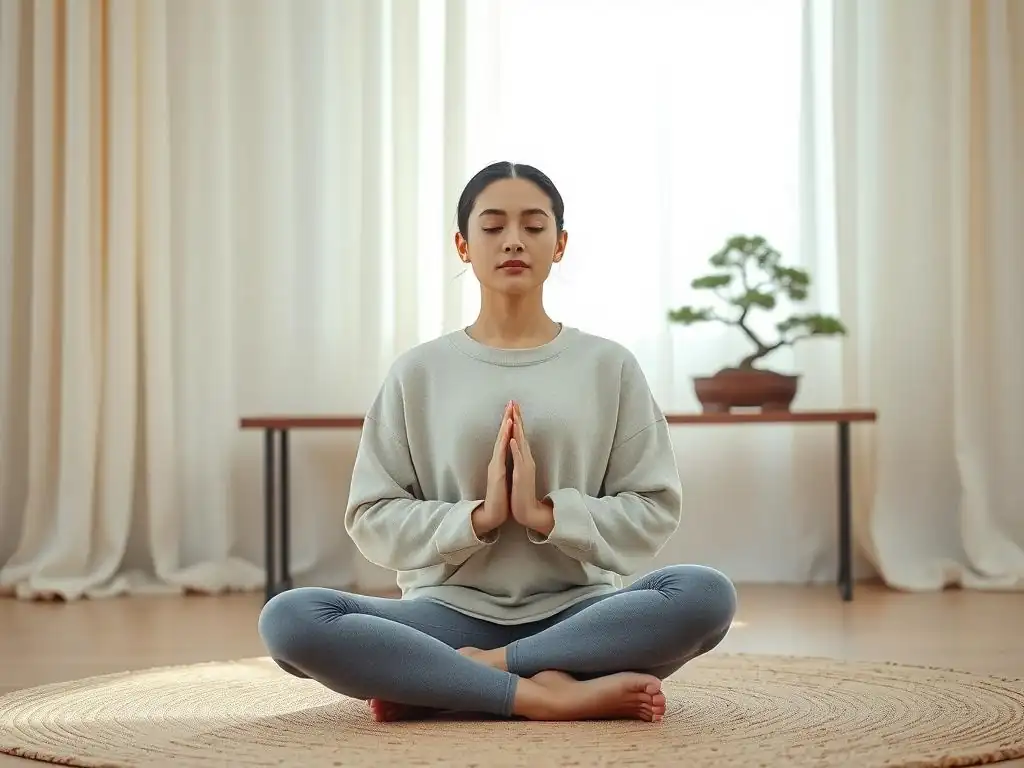
Setting the Stage: Creating a Calm Environment
Creating a calm and supportive environment is crucial when practicing yoga for anxiety relief. Your practice space should ideally be quiet, clean, and free from distractions. This might mean turning off your phone, letting others in your household know you need uninterrupted time, or simply tidying up the area around your mat. The physical environment can significantly influence your mental state, so cultivating a peaceful space helps set the tone for relaxation and introspection.
Consider adding elements that enhance tranquility, such as soft lighting, a comfortable mat, or perhaps diffusing calming essential oils like lavender or chamomile. While not strictly necessary, these sensory cues can help signal to your brain that this is a time for rest and healing. Making your yoga space a sanctuary reinforces the intention of using yoga poses anxiety relief as a tool for self-care and peace.
Listening to Your Body: Modifications and Variations
An essential aspect of practicing yoga for anxiety is learning to listen to your body and honor its needs in the moment. Anxiety can sometimes manifest as physical tightness or discomfort, and pushing too hard in a pose can exacerbate stress rather than alleviate it. Be empathetic with yourself; some days your body might feel more open, while on others, gentle variations and modifications might be necessary.
Use props like blankets, blocks, or bolsters to support yourself in poses, making them more accessible and comfortable. For example, placing a blanket under your knees in Child's Pose or using a block under your hands in a standing forward fold can reduce strain and allow for deeper relaxation. Remember that the goal of yoga poses anxiety relief is not perfect form but finding ease and release within the posture. If a pose feels challenging or triggers discomfort, it's okay to modify it or choose a different pose entirely.
Integrating Yoga into Your Daily Routine for Sustained Anxiety Relief
Consistency is key when using yoga as a tool for sustained anxiety relief. While a single practice can offer immediate benefits, incorporating yoga into your daily or weekly routine yields more profound and lasting results. Even short, regular sessions—perhaps 15-20 minutes of gentle poses and breathing in the morning or evening—can make a significant difference in managing anxiety levels over time.
Find a time that works best for you and try to stick to it. This consistency helps build a habit and signals to your brain that this is a dedicated time for self-care and stress reduction. Whether it's a few sun salutations, a sequence of calming yoga poses anxiety relief, or just 10 minutes of Savasana and breathing, regular practice reinforces the positive effects on your nervous system and builds resilience against daily stressors.
The Importance of Consistency in Your Yoga Practice
The cumulative effect of consistent yoga practice is where its true power for anxiety relief lies. Sporadic practice offers temporary reprieve, but regular engagement with yoga helps to re-pattern the nervous system over time. Studies have shown that consistent yoga can lead to measurable changes in brain structure associated with stress regulation and emotional processing, such as increased gray matter in areas related to calm and decreased activity in the amygdala (the brain's fear center).
Committing to a regular schedule, even if it's just a few times a week, builds momentum and makes the practice feel less like a chore and more like an integral part of your well-being routine. It allows the body and mind to become more familiar with the relaxed state, making it easier to access that state during moments of anxiety. This dedication to consistent yoga poses anxiety relief practice is an investment in your long-term mental health.
Additional Holistic Approaches for Managing Anxiety
Combining Yoga with Mindfulness Meditation
Yoga and mindfulness meditation are synergistic practices that, when combined, offer a powerful holistic approach to managing anxiety. While yoga uses the body and breath as anchors for present moment awareness, mindfulness meditation focuses specifically on cultivating non-judgmental observation of thoughts, feelings, and sensations. Both practices teach you to witness your internal experience without getting caught up in it, a crucial skill for diffusing anxious thought patterns.
Integrating even a few minutes of seated meditation before or after your yoga practice can deepen the calming effects. The physical release gained from yoga poses anxiety relief prepares the body for stillness, making seated meditation more accessible. Together, they build resilience, increase self-awareness, and provide practical tools for navigating anxious moments with greater ease and acceptance.
The Role of Diet and Nutrition in Anxiety Management
Diet and nutrition play a significant, though often overlooked, role in managing anxiety. Certain foods can either exacerbate or alleviate anxiety symptoms. For example, high intake of sugar, caffeine, and processed foods can lead to blood sugar fluctuations and increased stress hormones, potentially worsening anxiety. Conversely, a diet rich in whole foods, lean proteins, healthy fats (like Omega-3 fatty acids found in fish and nuts), and complex carbohydrates can help stabilize mood and energy levels.
Focusing on nutrient-dense foods supports overall brain health and can influence neurotransmitter production. Staying well-hydrated is also essential, as dehydration can mimic or worsen anxiety symptoms. While dietary changes aren't a standalone cure, supporting your body's nutritional needs complements practices like yoga poses anxiety relief by providing a stable physiological foundation for emotional well-being.
Seeking Professional Support for Anxiety
While holistic practices like yoga, meditation, and nutrition can be incredibly beneficial for managing anxiety, it is important to recognize when professional support is needed. Anxiety disorders are real medical conditions, and sometimes self-help strategies are not sufficient. Therapists, counselors, and psychiatrists can provide diagnosis, therapy (such as Cognitive Behavioral Therapy or Exposure Therapy), and sometimes medication, which can be essential for managing severe or persistent anxiety.
Viewing professional support as another layer of holistic care, rather than a failure of self-help, is crucial. Combining therapeutic interventions with practices like yoga poses anxiety relief can create a comprehensive and effective treatment plan. A mental health professional can also help you identify the root causes of your anxiety and develop personalized coping strategies that work best for you.
Conclusion: Embracing Yoga as a Tool for Anxiety Relief and Enhanced Well-being
Yoga offers a gentle yet powerful path towards managing anxiety and cultivating greater peace and well-being. By integrating movement, breath, and mindfulness, yoga addresses the complex interplay between the mind and body, providing practical tools to calm the nervous system, release physical tension, and quiet anxious thoughts. Incorporating specific yoga poses anxiety relief, like Child's Pose, Legs-Up-the-Wall, and Savasana, into a regular practice can yield significant benefits.
Beyond the physical postures, embracing yogic breathing techniques and cultivating a consistent practice rooted in self-compassion further enhances its effectiveness. When combined with other holistic approaches like mindfulness and attention to nutrition, and supported by professional care when necessary, yoga becomes a cornerstone of a comprehensive strategy for living well with anxiety. By stepping onto the mat, you embark on a journey of self-discovery and healing, empowering yourself to find moments of calm and resilience amidst life's challenges.
Frequently Asked Questions
What Yoga Poses are most effective for anxiety relief?
Several poses, including Child's Pose, Legs-Up-the-Wall Pose, and Corpse Pose (Savasana), are known for promoting relaxation and reducing anxiety. These poses encourage deep breathing and mindfulness.
How does Yoga help with anxiety specifically?
Yoga helps regulate the nervous system, reducing the "fight or flight" response. It also increases mindfulness and body awareness, allowing you to manage anxious thoughts more effectively.
How often should I practice Yoga for noticeable anxiety relief?
Practicing Yoga for even 15-20 minutes several times a week can have a significant impact. Consistency is key; aim for at least 3 times a week to experience sustained benefits.
Can Yoga completely replace other forms of anxiety treatment, like therapy or medication?
Yoga can be a valuable complementary therapy but isn't a replacement for professional help. It's crucial to consult with a mental health professional to determine the best course of treatment for your specific needs.
Are there any Yoga Poses I should avoid if I have anxiety?
Inverted poses or poses that require significant balance and strength might increase anxiety for some individuals. Focus on gentle and restorative poses to promote relaxation and avoid triggering anxious feelings.
Final Reflection: Finding Stillness in the Storm of Anxiety
The ancient practice of yoga, once relegated to the fringes of Western culture, is now increasingly recognized as a powerful tool for managing the pervasive anxieties of modern life. This surge in popularity is a testament to the undeniable efficacy of yoga in calming the nervous system and fostering a sense of inner peace, a need more urgent than ever in our fast-paced, hyper-connected world. The poses explored in this article offer a tangible pathway towards self-soothing and resilience, proving that even amidst chaos, we can cultivate a sanctuary within ourselves.
The journey towards anxiety relief is not a linear one; it's a continuous process of self-discovery and acceptance. It requires consistent effort, self-compassion, and a willingness to embrace the present moment, however challenging it may be. This journey, deeply personal and profoundly transformative, has resonated with countless individuals seeking solace and strength. As the poet Mary Oliver so eloquently put it: Tell me, what is it you plan to do with your one wild and precious life?
For many, yoga has become an integral part of answering that question, providing a framework for nurturing both physical and mental well-being.
Consider the poses discussed within this article as stepping stones on your personal path to tranquility. Don't be afraid to experiment, to find what resonates most deeply with your body and spirit. Remember that even a few minutes of mindful movement can make a significant difference in your overall sense of well-being. Embrace the stillness, breathe deeply, and allow yourself the space to heal. Your journey towards anxiety relief begins with a single breath, a single pose, a single act of self-care. Begin today.
Unleash Your Inner Calm: Take Charge of Your Anxiety
Thanks for taking the time to explore gentle yoga practices for anxiety relief! We hope you found valuable tools to help manage stress and cultivate inner peace. Now it's time to put your newfound knowledge into action.
- Prioritize your well-being: Start with one new pose from the article today. Even 5 minutes of mindful movement can make a difference.
- Share the calm: Recommend this article to a friend or family member who might benefit from these techniques. Spreading the word about self-care is powerful!
- Discover your flow: Explore other resources on our site dedicated to holistic stress management. You might be surprised by what resonates with you!
What simple change will you make today to prioritize your mental well-being?