
Why Better Sleep Gifts Mean a Stronger Mind


Welcome to Mind Care Guide, a space dedicated to nurturing your mental well-being.
Ever wonder how seemingly simple changes can profoundly impact your mental state? This month, we delve into the crucial connection between sleep hygiene for mental health and overall well-being. Discover how prioritizing restful nights can unlock a stronger, more resilient mind, and even explore thoughtful gift ideas that promote better sleep. Join us as we unravel the power of sleep and its remarkable influence on your mental health journey. Intrigued? Let's begin.
Why Better Sleep Gifts Mean a Stronger Mind: Mind Care Guide
- The Powerful Connection Between Sleep Hygiene and Mental Well-being
- Sleep Hygiene for Mental Health: The Gift That Keeps on Giving
-
Gift Ideas to Improve Sleep Hygiene: Curated for Mental Well-being
- Weighted Blankets for Anxiety Relief and Deeper Sleep: A Gift of Calm
- Sleep Sound Machines: Blocking Out Distractions for Restorative Sleep
- Aromatherapy Diffusers and Essential Oils: Creating a Tranquil Sleep Environment
- Smart Sleep Trackers: Monitoring and Optimizing Your Sleep Patterns
- Blackout Curtains: Creating a Dark and Sleep-Conducive Environment
- Comfortable Sleep Mask: Blocking Light Pollution for Enhanced Sleep
- Case Studies: How Improved Sleep Hygiene Enhanced Mental Wellness
- The Long-Term Benefits of Prioritizing Sleep for Mental Health
-
Frequently Asked Questions
- How is sleep hygiene directly related to my mental health?
- What are some key elements of good sleep hygiene?
- If I already have a mental health condition, will improving my sleep really make a difference?
- What if I've tried improving my sleep before and it hasn't worked?
- Are there any specific sleep hygiene practices that are particularly helpful for people with anxiety?
- Final Reflection: The Untapped Power of Sleep for a Healthier Mind
- Unlock Your Mind's Potential: Better Sleep, Better You!
The Powerful Connection Between Sleep Hygiene and Mental Well-being
How Quality Sleep Impacts Cognitive Function and Emotional Stability
Quality sleep is not merely a period of rest; it is a vital process for maintaining optimal cognitive function and emotional stability. During sleep, the brain consolidates memories, processes information, and clears metabolic waste products that accumulate during wakefulness. Studies consistently show that even moderate sleep deprivation can impair attention, concentration, problem-solving abilities, and creativity. For instance, research indicates that just one night of restricted sleep (e.g., 4-5 hours) can lead to a significant decrease in performance on tasks requiring sustained attention, comparable to the effects of alcohol intoxication.
Beyond cognitive performance, sufficient and restorative sleep plays a critical role in regulating mood and emotional responses. When sleep is inadequate, the amygdala, the brain region associated with fear and emotional reactions, becomes hyperactive, while the prefrontal cortex, involved in logical reasoning and emotional control, becomes less active. This imbalance can lead to increased irritability, heightened anxiety, difficulty managing stress, and a greater propensity for mood swings. Prioritizing sleep hygiene for mental health is therefore fundamental to maintaining emotional resilience and a stable mood throughout the day.
Understanding the Role of Sleep in Maintaining Mental Health
The relationship between sleep and mental health is bidirectional and complex. Poor sleep is not only a symptom of many mental health conditions, such as depression and anxiety disorders, but it can also be a significant contributing factor to their development or exacerbation. Chronic sleep deprivation disrupts neurotransmitter systems, including serotonin and dopamine, which are crucial for mood regulation. It also impacts the body's stress response system, leading to elevated cortisol levels, which can negatively affect brain health and contribute to feelings of stress and anxiety.
Furthermore, establishing consistent sleep hygiene for mental health supports the brain's ability to process emotional experiences and cope with challenges. During REM sleep, the brain appears to process emotional memories, helping to reduce the intensity of negative emotions associated with them. Disruptions to this process due to poor sleep can hinder emotional recovery and make individuals more vulnerable to stress and trauma. Recognizing sleep as a cornerstone of mental wellness highlights the importance of adopting healthy sleep habits and considering aids that promote better rest.
Sleep Hygiene for Mental Health: The Gift That Keeps on Giving
Beyond Relaxation: Why Prioritizing Sleep is Crucial for Mental Wellness
Prioritizing sleep is far more than just indulging in relaxation; it is an essential investment in mental wellness. Consistent, quality sleep provides the foundational support needed for the brain to function effectively, manage stress, and regulate emotions. Think of sleep as the body and mind's essential maintenance period – without it, systems begin to break down. Individuals who consistently get adequate sleep report lower levels of stress, anxiety, and depression compared to those who frequently experience sleep deprivation.
Improving sleep hygiene for mental health involves adopting habits and creating an environment conducive to restorative rest. This includes maintaining a regular sleep schedule, creating a dark and quiet bedroom, and avoiding stimulants close to bedtime. The benefits extend beyond simply feeling less tired; they encompass enhanced problem-solving skills, improved decision-making, greater emotional resilience, and a more positive outlook on life. Viewing sleep as a non-negotiable part of a mental wellness routine empowers individuals to take proactive steps towards a stronger mind.
Recognizing Sleep Deprivation's Impact on Cognitive Performance
Sleep deprivation has a profound and immediate impact on cognitive performance, affecting everything from basic attention to complex executive functions. Even losing just a couple of hours of sleep per night over several days can accumulate into a significant sleep debt, leading to noticeable impairments. Reaction times slow down, making tasks requiring quick thinking and response more difficult. Concentration wavers, leading to increased errors in work or daily activities.
Moreover, sleep deprivation severely hinders higher-level cognitive processes such as planning, organizing, and abstract thinking. Decision-making becomes impaired, often leading to riskier choices or difficulty assessing consequences. Memory formation and recall are also compromised, making learning new information and remembering important details challenging. Understanding these tangible effects underscores why improving sleep hygiene for mental health is not just about feeling rested, but about ensuring the brain can perform at its best.
Gift Ideas to Improve Sleep Hygiene: Curated for Mental Well-being

Weighted Blankets for Anxiety Relief and Deeper Sleep: A Gift of Calm
How Weighted Blankets Can Reduce Anxiety and Promote Relaxation
Weighted blankets provide deep pressure stimulation, a therapeutic technique often used in occupational therapy to calm the nervous system. The gentle, even pressure distributed across the body mimics the feeling of being hugged or swaddled, which can trigger the release of neurotransmitters like serotonin and dopamine, associated with feelings of well-being and calmness. This physical sensation helps to ground the individual, reduce feelings of restlessness, and quiet an overactive mind often associated with anxiety.
Research, though still evolving, suggests that weighted blankets can help lower cortisol levels, the body's primary stress hormone, and potentially increase melatonin, the hormone that regulates sleep. Users often report feeling more relaxed and secure when using a weighted blanket, which can significantly reduce the time it takes to fall asleep and decrease awakenings during the night. For someone struggling with anxiety, a weighted blanket offers a tangible tool to promote a sense of safety and encourage the relaxation necessary for effective sleep hygiene for mental health.
Considerations When Choosing a Weighted Blanket for Improved Sleep
Selecting the right weighted blanket involves a few key considerations to ensure comfort and effectiveness. The general guideline is to choose a blanket that is approximately 10% of the user's body weight, though personal preference can vary slightly. For example, someone weighing 150 lbs might opt for a 15 lb blanket. However, weights typically range from 5 lbs for children up to 30 lbs or more for adults, so it's important to check manufacturer recommendations.
Material and fill are also important factors. Weighted blankets are commonly filled with glass beads or plastic pellets, which provide the weight. The outer fabric can range from soft minky or fleece to breathable cotton or bamboo, depending on temperature preference. Ensuring the weight is evenly distributed is crucial, often achieved through quilted compartments. A blanket that's too heavy can be uncomfortable or even unsafe, while one that's too light may not provide the desired therapeutic effect for improving sleep hygiene for mental health.
Sleep Sound Machines: Blocking Out Distractions for Restorative Sleep
The Benefits of White Noise and Nature Sounds for Sleep
Sleep sound machines work by creating a consistent sound environment that can mask disruptive noises like traffic, snoring, or household sounds, helping the brain stay in a restful state. White noise, which contains frequencies across the audible spectrum at equal intensity, is particularly effective at "smoothing over" sudden noises, making them less jarring and less likely to wake you up. This creates a more stable auditory landscape conducive to falling and staying asleep.
Beyond white noise, many machines offer other sound profiles like pink noise (which has more energy in lower frequencies, often described as more soothing) or brown noise (even deeper frequencies, like a low rumble). Nature sounds, such as rain, ocean waves, or gentle streams, can also be effective for some individuals, providing a calming auditory focus that distracts from intrusive thoughts and promotes relaxation. Incorporating a sound machine can be a simple yet powerful element in developing better sleep hygiene for mental health.
Exploring Different Sound Options for Personalized Sleep Enhancement
The effectiveness of different sounds can be highly personal, making it beneficial to explore various options offered by sleep sound machines. Some individuals find the consistent hum of white or pink noise most effective for masking external sounds, while others prefer the rhythmic, natural patterns of rain or waves. Many machines also offer sounds like fans, crackling fires, or even lullabies, catering to a wide range of preferences and needs.
Modern sound machines often provide adjustable volume levels, timers, and even combinations of sounds, allowing users to customize their sleep environment precisely. Experimenting with different sound types and volumes can help individuals discover what best promotes their personal relaxation and deepest sleep. Finding the right sound can significantly enhance the bedroom environment, making it easier to maintain consistent sleep hygiene for mental health.
Aromatherapy Diffusers and Essential Oils: Creating a Tranquil Sleep Environment
Using Lavender, Chamomile, and Cedarwood for Sleep: The Power of Sleep-Promoting Essential Oils
Certain essential oils have long been used in aromatherapy for their calming and sleep-promoting properties. Lavender is perhaps the most well-known, widely studied for its ability to reduce anxiety and improve sleep quality. Inhaling lavender scent can impact the limbic system, the part of the brain that controls emotions, helping to promote relaxation and reduce stress, making it easier to drift off to sleep.
Chamomile is another popular choice, known for its gentle sedative effects. Often consumed as a tea, its essential oil counterpart, particularly Roman chamomile, offers similar calming benefits when diffused. Cedarwood essential oil, with its warm, woody aroma, contains compounds like cedrol that may have a sedative effect on the central nervous system, helping to decrease heart rate and create a sense of calm conducive to sleep. Incorporating these oils into a bedtime routine via a diffuser can be a pleasant way to enhance sleep hygiene for mental health.
Safety Precautions When Using Essential Oils for Sleep
While generally safe when used correctly, it's important to follow safety precautions when using essential oils, especially around sleep environments. Always use a diffuser designed for essential oils and follow the manufacturer's instructions. Use only a few drops of essential oil (e.g., 3-5 drops in a standard water-based diffuser) to avoid overwhelming the space, which could potentially cause respiratory irritation or headaches.
Ensure the room is well-ventilated, and it's generally recommended not to run diffusers continuously all night, especially in smaller, enclosed spaces. Using a timer for 30-60 minutes before bedtime is often sufficient to create a calming atmosphere. Essential oils should never be ingested unless under the strict guidance of a qualified professional, and they should always be kept out of reach of children and pets. Being mindful of these precautions ensures that using aromatherapy contributes positively to sleep hygiene for mental health.
Smart Sleep Trackers: Monitoring and Optimizing Your Sleep Patterns
Understanding Sleep Stages and Identifying Sleep Disruptions
Smart sleep trackers, whether worn on the wrist, placed under the mattress, or integrated into bedside devices, offer insights into sleep patterns by estimating time spent in different sleep stages: Light, Deep (Slow-Wave Sleep), and REM (Rapid Eye Movement) sleep. While not as precise as laboratory polysomnography, these devices can provide a useful approximation of sleep duration, time taken to fall asleep, wake-ups during the night, and the proportion of time spent in these stages.
Understanding these stages is key because each plays a vital role in physical and mental restoration. Deep sleep is crucial for physical recovery and immune function, while REM sleep is essential for cognitive functions like memory consolidation and emotional processing. By tracking these patterns, users can identify potential disruptions, such as frequent awakenings or insufficient deep/REM sleep, which can negatively impact mental health and highlight areas needing attention in their sleep hygiene for mental health efforts.
Using Sleep Data to Improve Sleep Quality and Mental Health
The data provided by sleep trackers can be a powerful tool for optimizing sleep habits and, consequently, mental health. By reviewing trends over time, individuals can correlate their sleep patterns with daily habits, such as caffeine intake, exercise timing, or stress levels. For example, a tracker might show that late-night screen time consistently reduces REM sleep, prompting a change in bedtime routine.
Sharing this data with a healthcare provider or therapist can also facilitate more informed discussions about sleep issues and potential interventions, including Cognitive Behavioral Therapy for Insomnia (CBT-I). While tracker data should be interpreted with caution and not as a definitive medical diagnosis, using it to identify patterns, test the impact of lifestyle changes, and stay motivated can be a valuable step towards improving sleep quality and strengthening sleep hygiene for mental health.
Blackout Curtains: Creating a Dark and Sleep-Conducive Environment
The Importance of Darkness for Melatonin Production
Creating a dark sleeping environment is a fundamental aspect of effective sleep hygiene for mental health, primarily because of its impact on melatonin production. Melatonin is a hormone produced by the pineal gland that helps regulate the body's internal clock, or circadian rhythm, signaling to the brain that it's time to sleep. Its production is naturally suppressed by light, especially blue light, and stimulated by darkness.
Exposure to light in the evening or during the night, even from streetlights or electronic devices, can inhibit melatonin release, making it harder to fall asleep and disrupting the natural sleep-wake cycle. A truly dark room promotes robust melatonin production, supporting the body's natural transition into sleep and helping to maintain sleep continuity throughout the night. Achieving this darkness is a cornerstone of improving sleep hygiene for mental health.
Choosing the Right Blackout Curtains for Your Bedroom
Selecting effective blackout curtains involves more than just picking a dark color; it's about the fabric's construction and how well it covers the window. True blackout curtains are typically made with multiple layers or a dense weave designed specifically to block out almost all light, often achieving 99% light blockage or more. Look for descriptions that specify "blackout" rather than just "room darkening," as the latter may still allow significant light penetration.
Ensure the curtains are wide enough to extend several inches beyond the window frame on each side and long enough to reach the floor or windowsill to minimize light leakage around the edges. Some designs include features like thermal linings, which can also help regulate room temperature, further contributing to a comfortable sleep environment. Investing in quality blackout curtains is a practical step towards creating an optimal sleep sanctuary and improving sleep hygiene for mental health.
Comfortable Sleep Mask: Blocking Light Pollution for Enhanced Sleep
The benefits of using sleep masks
Sleep masks offer a simple yet effective way to create complete darkness for your eyes, regardless of the light levels in the surrounding room. This is particularly beneficial for shift workers who need to sleep during daylight hours, travelers in bright hotel rooms, or anyone whose bedroom isn't entirely dark due to external light sources like streetlights or early morning sun. By blocking light, a sleep mask helps reinforce the body's natural sleep signals and supports melatonin production, crucial for initiating and maintaining sleep.
Using a sleep mask can also be helpful for individuals who share a room or bed with someone who has different sleep habits or uses electronic devices with screens at night. It provides a personal zone of darkness, minimizing visual distractions and creating a consistent environment conducive to rest. For those working on their sleep hygiene for mental health, a sleep mask is an accessible tool to ensure light doesn't impede their efforts.
Choosing the right sleep mask material and fit
The effectiveness and comfort of a sleep mask depend significantly on its material and how well it fits. Materials range from soft silk or satin, which are gentle on the skin and hair, to breathable cotton or bamboo, and contoured memory foam designed to block light without putting pressure on the eyes. The best material is often a matter of personal preference for comfort and temperature regulation.
Fit is crucial to ensure complete light blockage without being uncomfortable. Look for masks with adjustable straps to get a snug but not too tight fit around the head. Contoured masks are often preferred as they allow space around the eyes, preventing pressure on the eyelids and lashes, which can be more comfortable for side sleepers or those who blink during sleep. Finding a mask that is comfortable and effectively blocks light is key to making it a consistent part of your sleep hygiene for mental health routine.
Case Studies: How Improved Sleep Hygiene Enhanced Mental Wellness
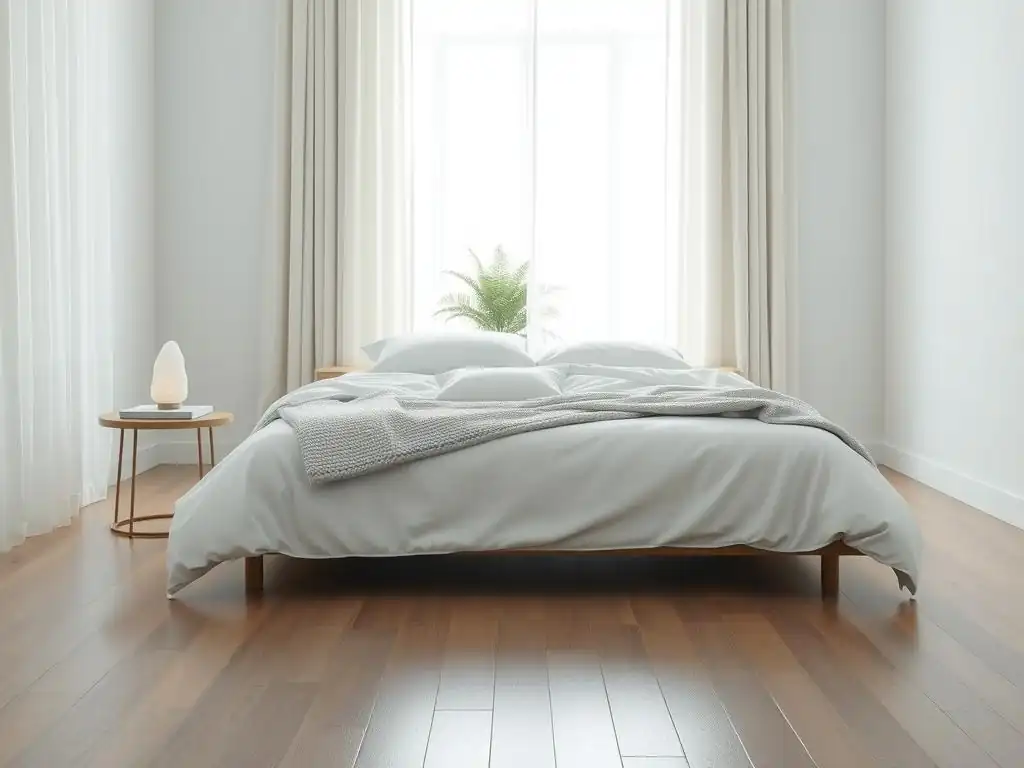
Overcoming Insomnia with Cognitive Behavioral Therapy and a Consistent Sleep Schedule
Sarah, a 34-year-old graphic designer, struggled with chronic insomnia for over two years, which significantly impacted her anxiety levels and ability to concentrate at work. She would often lie awake for hours, worrying about not sleeping, creating a vicious cycle. Traditional sleep aids offered temporary relief but didn't address the root cause. Seeking help, she began Cognitive Behavioral Therapy for Insomnia (CBT-I), a structured program that helps identify and replace thoughts and behaviors that cause sleep problems with habits that promote sound sleep.
As part of her CBT-I, Sarah committed to establishing a consistent sleep schedule, going to bed and waking up at roughly the same time each day, even on weekends. She also implemented strict sleep hygiene practices, including creating a dark, quiet bedroom environment and avoiding screens before bed.
Within three months, Sarah reported a significant reduction in the time it took to fall asleep (from often over 90 minutes to under 30 minutes) and fewer nighttime awakenings. Her anxiety levels decreased noticeably, and she felt more equipped to handle daily stressors, demonstrating how dedicated sleep hygiene for mental health, combined with therapy, can lead to profound improvements.
Alleviating Symptoms of Depression Through Improved Sleep Quality and Morning Light Exposure
John, a 48-year-old accountant, experienced symptoms of moderate depression, including low energy, difficulty concentrating, and a persistent low mood. His sleep was frequently disrupted; he would often wake up early in the morning and be unable to fall back asleep, contributing to his fatigue and negative feelings. Recognizing the link between his poor sleep and mood, John worked with his therapist to focus on improving his sleep quality as a key component of his treatment plan.
He started by optimizing his sleep environment, using blackout curtains and reducing noise. He also incorporated morning light exposure by taking a brisk walk outside shortly after waking up, which helps regulate the circadian rhythm.
By establishing a consistent bedtime routine that included winding down for an hour before sleep and avoiding caffeine after lunchtime, John gradually increased his total sleep time and reported feeling more rested. Over six months, as his sleep improved, John noticed a gradual lifting of his low mood, improved energy levels, and better concentration, illustrating the powerful impact of addressing sleep hygiene for mental health as part of a broader wellness strategy.
The Long-Term Benefits of Prioritizing Sleep for Mental Health
Investing in Sleep is Investing in Your Mental Well-Being
Viewing sleep as a luxury rather than a necessity is a common pitfall in modern society. However, prioritizing sleep is a fundamental investment in long-term mental well-being. Consistent, quality sleep supports brain health, enhancing cognitive function, emotional regulation, and stress resilience over time. Just as regular exercise and a balanced diet contribute to physical health, dedicated sleep hygiene for mental health is a cornerstone of psychological well-being.
Making sleep a priority means allocating sufficient time for rest, creating a sleep-conducive environment, and adopting habits that support healthy sleep patterns. This investment pays dividends in the form of improved mood, reduced risk of developing mental health conditions, enhanced ability to cope with challenges, and overall greater life satisfaction. It's a proactive step towards building a stronger, more resilient mind capable of navigating life's complexities.
Creating a Sustainable Sleep Routine for Lasting Mental Health Benefits
Developing a sustainable sleep routine is key to realizing the lasting benefits of improved sleep hygiene for mental health. Consistency is paramount; going to bed and waking up at roughly the same time every day, even on weekends, helps regulate the body's internal clock. This regular rhythm reinforces the natural sleep-wake cycle, making it easier to fall asleep and wake up feeling refreshed.
A sustainable routine also involves creating a buffer zone before bed—an hour or so dedicated to winding down away from screens and stressful activities. This might include reading, listening to calm music, or practicing gentle stretching or meditation. Being mindful of daytime habits, such as limiting caffeine and alcohol, especially in the hours before sleep, and ensuring regular physical activity (but not too close to bedtime), further supports this routine. Building these habits consistently over time establishes a strong foundation for sleep hygiene for mental health, contributing to sustained mental wellness and resilience.
Frequently Asked Questions
Poor sleep hygiene can significantly impact your mental health, leading to increased stress, anxiety, and even depression. Improving your sleep routine can lead to a stronger mind and better emotional regulation.
What are some key elements of good sleep hygiene?
Good sleep hygiene involves establishing a consistent sleep schedule, creating a relaxing bedtime routine, and ensuring your bedroom is conducive to sleep – dark, quiet, and cool.
If I already have a mental health condition, will improving my sleep really make a difference?
Yes! While not a cure, improving your sleep hygiene can be a powerful tool in managing and mitigating the symptoms of many mental health conditions by regulating mood and reducing stress.
What if I've tried improving my sleep before and it hasn't worked?
It's important to be patient and consistent. Experiment with different techniques and consider seeking professional advice if you continue to struggle. Don't give up on finding what works best for you.
Are there any specific sleep hygiene practices that are particularly helpful for people with anxiety?
Practices like mindfulness meditation before bed, avoiding caffeine in the afternoon, and creating a worry journal to address anxieties before sleep can be especially beneficial for those with anxiety.
Final Reflection: The Untapped Power of Sleep for a Healthier Mind
The pursuit of better sleep isn't just about avoiding daytime drowsiness; it's a fundamental pillar of mental well-being. A well-rested mind is a sharper, more resilient mind, capable of navigating the complexities of modern life with greater ease and grace. Ignoring this crucial connection between sleep and mental health is akin to neglecting the very foundation upon which our emotional and cognitive strength is built.
The impact of sleep hygiene on our collective mental landscape is profound and often underestimated. We live in a culture that glorifies "hustle" and often prioritizes productivity over rest, a dangerous trend that contributes to widespread sleep deprivation and its cascading effects on mental health. Sleep is the golden chain that ties health and our bodies together.
– Thomas Dekker. This quote highlights the interconnectedness of sleep and overall well-being, a truth we must actively embrace. The ongoing struggle to achieve sufficient, quality sleep speaks volumes about the societal pressures we face and the urgent need for a cultural shift towards prioritizing rest and rejuvenation.
You, the reader, now hold the key to unlocking a more balanced and mentally resilient you. Consider the information presented in this article – not just as facts, but as a roadmap to a healthier, happier mind. Start small; perhaps adjust your bedtime routine, invest in a more comfortable sleep environment, or simply make a conscious effort to prioritize sleep. The journey to better sleep, and consequently, better mental health, begins with a single, intentional step. Take that step today, and witness the transformative power of rest.
Unlock Your Mind's Potential: Better Sleep, Better You!
Thanks for taking the time to explore the connection between sleep and mental well-being! We hope you gained valuable insights into how prioritizing sleep can significantly boost your cognitive function. Now, it's time to put that knowledge into action.
- Prioritize your sleep schedule: Start small – aim for just 15 minutes more sleep each night this week. Notice the difference in your focus and mood.
- Share this article with a friend or family member who could also benefit from better sleep habits. Let's build a community focused on mental wellness!
- Explore simple sleep hygiene tips – consider creating a relaxing bedtime routine! Think warm bath, calming music, or a good book.
What small step will you take today to improve your sleep and unlock your mind's full potential?