
Creating a Sacred Space: Your Home Environment for Mental Peace

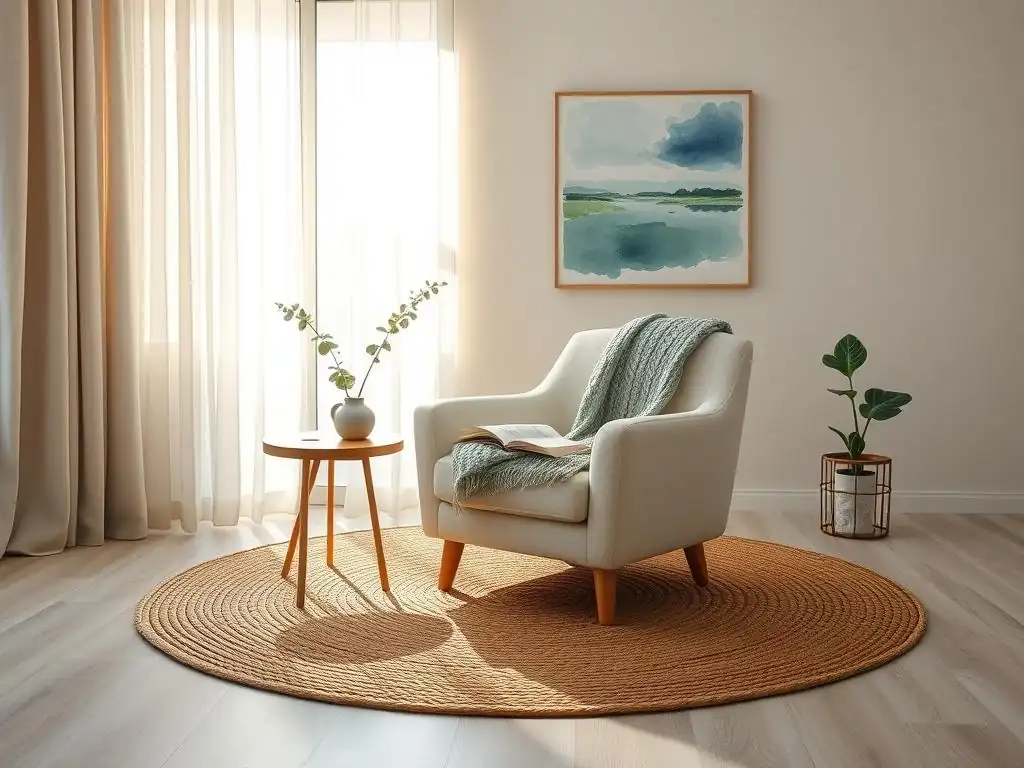
Welcome to Mind Care Guide.
Feeling overwhelmed? You're not alone. At Mind Care Guide, we understand the importance of nurturing your mental well-being. Discover how creating a peaceful home environment, a sanctuary tailored to your needs, can be a powerful step towards inner calm and resilience. Curious to unlock the secrets to a more serene living space? Let's begin transforming your home, and your mind, together.
Creating a Sacred Space: Your Home Environment for Mental Peace
- Introduction: The Power of a Peaceful Home Environment for Mental Well-being
- Defining Your Sacred Space: What Does Mental Peace Look Like to You?
- Decluttering for Clarity: Creating Physical Space for Mental Peace
- Designing for Serenity: Elements of a Peaceful Home Environment
- Sensory Sanctuary: Engaging Your Senses for Relaxation
- Personalizing Your Sacred Space: Making it Uniquely Yours
- Maintaining Your Peaceful Home Environment: Long-Term Strategies
- Overcoming Challenges: Common Obstacles and Solutions
- Conclusion: Embracing the Journey to a Peaceful Home and a Calmer Mind
-
Frequently Asked Questions
- How does my home environment directly impact my mental well-being?
- What are some simple steps I can take to start creating a more peaceful home environment today?
- What role does color play in creating a sacred space within my home?
- I live in a small apartment; can I still create a peaceful home environment?
- How can I maintain a peaceful home environment long-term, even with a busy lifestyle?
- Final Reflection: Cultivating Sanctuary Within
- Unveil Your Sanctuary: Create a Calming Home Today
Introduction: The Power of a Peaceful Home Environment for Mental Well-being
Understanding the Link Between Home and Mental Health
Our homes are more than just structures; they are the backdrop to our daily lives, deeply influencing our emotional and psychological states. The environment we inhabit can either exacerbate stress and anxiety or foster calm and resilience. Research consistently points to a strong correlation between physical surroundings and mental health outcomes. For instance, studies have shown that chaotic or cluttered environments can increase cortisol levels, the body's primary stress hormone, potentially leading to feelings of overwhelm and reduced ability to focus. Conversely, an organized and aesthetically pleasing space can promote feelings of control and security.
The impact is profound, affecting everything from our sleep quality to our mood and productivity. A survey conducted by the National Association of Professional Organizers, for example, found that 54% of Americans feel overwhelmed by clutter, and 78% feel that clutter hinders their ability to relax at home. This highlights how the state of our living space directly translates into our capacity for rest and mental peace. Creating a peaceful home environment is therefore not a luxury, but a fundamental aspect of supporting overall mental well-being.
Why a Sacred Space Matters: Reducing Stress and Enhancing Calm
Designating a "sacred space" within your home, no matter how small, provides a dedicated retreat from the demands of the outside world and even the everyday chaos within the home itself. This space serves as a tangible boundary, signaling to your mind and body that this is a place for respite and rejuvenation. Having such a defined area can significantly reduce ambient stress simply by offering a predictable haven where you know you can disconnect and recharge. It's about intentionally designing a pocket of calm.
This intentional act of creating a peaceful home environment and a personal sanctuary actively works to enhance feelings of calm. Think of it as a psychological anchor. When stress levels rise, knowing you have a dedicated corner or room designed purely for relaxation – perhaps with comforting textures, soothing colors, and minimal distractions – allows you to more effectively engage in stress-reducing activities like meditation, deep breathing, or simply quiet contemplation. Many individuals who incorporate such spaces report a noticeable decrease in daily anxiety and an increased sense of grounding and emotional stability.
Defining Your Sacred Space: What Does Mental Peace Look Like to You?
Identifying Personal Triggers and Sources of Stress at Home
Before you can create a peaceful home environment tailored to your needs, it's crucial to understand what aspects of your current home environment are causing you stress. Take some time to observe your reactions throughout the day. Does walking into a cluttered kitchen instantly raise your blood pressure? Does the harsh overhead lighting in the living room make you feel agitated? Are certain sounds from outside or within the house disruptive to your peace? Identifying these specific triggers is the first step in designing a space that actively counteracts them.
Consider common stressors reported by individuals. Approximately 40% of people cite disorganization as a major source of stress at home. Other common triggers include poor lighting, excessive noise, uncomfortable temperatures, and even the presence of unfinished projects looming in plain sight. Journaling about your feelings when you are in different areas of your home can help uncover less obvious stressors. Pinpointing these elements provides a clear roadmap for the practical changes needed to begin creating a peaceful home environment.
Setting Intentions: What Do You Want to Achieve With Your Sacred Space?
Once you know what stresses you, define what feeling you want your sacred space to evoke and what activities you want to perform there. Is its primary purpose to be a quiet reading nook? A place for daily meditation? A creative corner where you can paint or write without interruption? Or simply a spot where you can sit and enjoy a cup of tea in silence? Setting clear intentions helps guide all subsequent decisions about the space's location, furnishings, and design elements.
For example, if your intention is to use the space for meditation, you might prioritize soft flooring or a comfortable cushion, calming scents like lavender, and minimal visual distractions. If it's for creative work, good lighting and accessible storage for materials would be key. Without a defined purpose, the space might become a杂乱 area without a clear function, defeating the goal of creating a peaceful home environment. Write down your intentions – perhaps even post them discreetly within the space – to keep your focus clear.
Aligning Space with Purpose: Focused Workspace vs. Relaxing Retreat
The physical characteristics of your chosen space should align seamlessly with its intended purpose. A space intended for focused work, for instance, requires elements that promote concentration and productivity, such as a sturdy desk, ergonomic seating, adequate task lighting, and minimal visual clutter. While still aiming for a peaceful home environment, the 'peace' here is about minimizing distractions and supporting cognitive flow.
Conversely, a space designed for relaxation and unwinding calls for a different approach. Here, the focus shifts to comfort, sensory soothing, and a sense of ease. Soft lighting, plush seating, calming colors, and elements that engage the senses in a gentle way (like soft blankets or quiet music) are paramount.
Attempting to combine vastly different purposes, like a demanding work area and a deep relaxation zone, in the exact same small spot can create internal conflict and dilute the sense of sacredness and peace you are trying to cultivate. Choose a space that naturally lends itself to your primary intention.
Decluttering for Clarity: Creating Physical Space for Mental Peace
The Connection Between Clutter and Anxiety
The physical state of our homes has a direct and measurable impact on our psychological state. Clutter, specifically, can be a significant, often underestimated, source of stress and anxiety. Neuroscientists have observed that excessive visual stimuli, like piles of objects and disorganization, compete for our brain's attention, leading to cognitive overload. This constant processing demand can make us feel drained, overwhelmed, and less able to focus on tasks or relax.
Studies, including one published in the Journal of Environmental Psychology, have linked cluttered homes to increased procrastination and reduced ability to process information effectively. The sheer volume of belongings can create a feeling of being trapped or burdened, contributing to feelings of anxiety and even depression for some individuals. Tackling clutter is often the most impactful initial step in creating a peaceful home environment because it immediately reduces visual stress and frees up mental energy.
Simple Decluttering Strategies for a More Peaceful Home
Embarking on a major decluttering project can feel daunting, but starting small can make it manageable and effective for creating a peaceful home environment. Begin with one small area, like a single drawer, a shelf, or a corner of a room. Use the "four-box method": label boxes "Keep," "Donate/Give Away," "Trash," and "Relocate." Touch each item and make a quick decision based on whether you use it, love it, or need it.
Focus on progress, not perfection. Spending just 15-20 minutes a day on decluttering a small area can yield significant results over time. For items you're unsure about, consider a "maybe" box stored out of sight for a few months; if you haven't needed anything from it, you can likely let it go. This systematic approach breaks down a large task into smaller, less overwhelming steps, making the process of creating a peaceful home environment through decluttering feel achievable.
Organizing Your Belongings: Systems for Long-Term Calm
Decluttering removes excess, but organizing creates structure, which is essential for maintaining a peaceful home environment over time. Implement simple, intuitive systems for where things belong. For instance, designate specific spots for keys, mail, and everyday essentials near the entrance. Use containers, trays, and drawer dividers to group similar items together, making them easy to find and put away.
Think about the flow of your daily life and organize items where they are used. Coffee mugs near the coffee maker, books near your favorite reading chair, and charging cables near your electronics. Labeling shelves or boxes can also be incredibly helpful, especially in areas like pantries or storage closets. Establishing these simple systems reduces the friction of daily tasks, prevents clutter from accumulating again quickly, and reinforces the sense of order that contributes to a calm and peaceful home environment.
Designing for Serenity: Elements of a Peaceful Home Environment
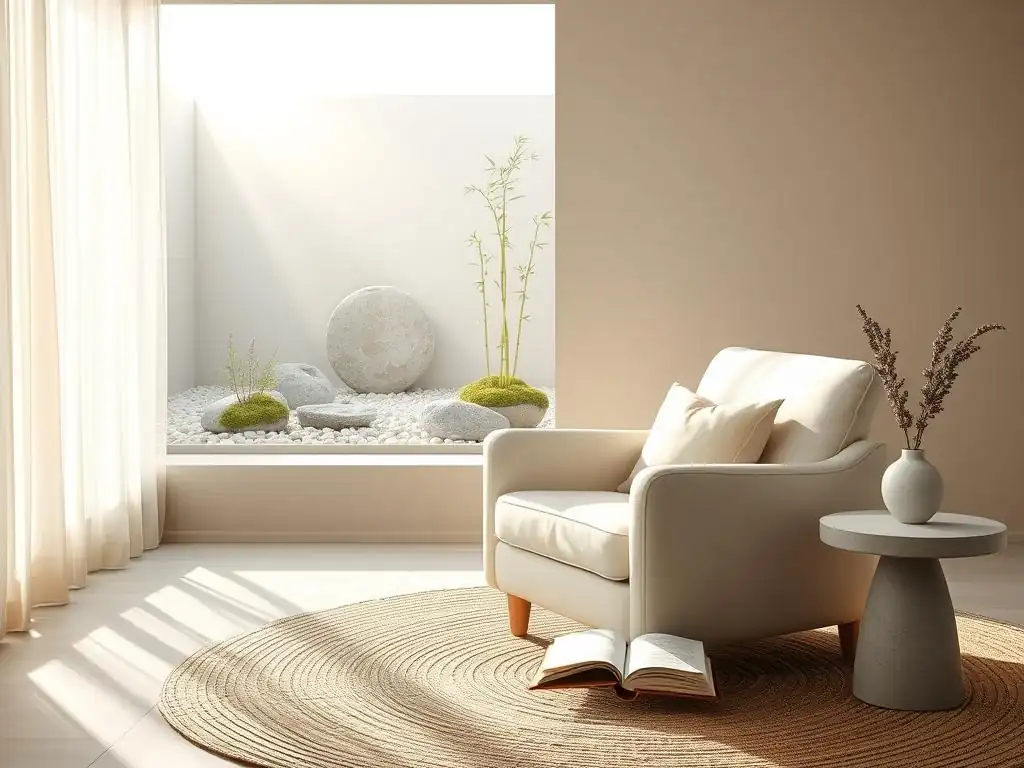
Color Psychology: Choosing Calming Colors for Your Walls and Decor
Colors have a profound psychological impact on our mood and energy levels. When designing a space for mental peace, opting for calming colors is key. Soft blues, greens, and muted grays are often recommended by color psychologists for bedrooms and relaxation areas because they are associated with tranquility, nature, and stability. For instance, shades of light blue have been shown in some studies to lower blood pressure and heart rate, promoting a sense of calm.
Neutral tones like beige, cream, and soft whites also contribute to a peaceful home environment by creating a sense of spaciousness and simplicity. They provide a clean backdrop that prevents visual overstimulation. While bolder colors can be energizing, they are generally less conducive to creating a restful sanctuary. Consider using calming colors on larger surfaces like walls and incorporating pops of color through decor if you desire, but keep the overall palette soothing and harmonious.
The Importance of Natural Light: Maximizing Sunlight in Your Home
Natural light is a powerful, free tool for enhancing well-being and creating a peaceful home environment. Exposure to sunlight helps regulate our circadian rhythms, improving sleep quality and boosting mood by increasing serotonin levels. A lack of natural light, particularly in the darker months, is linked to Seasonal Affective Disorder (SAD) and general feelings of sluggishness or low mood.
Maximize natural light by keeping windows clean and unobstructed by heavy curtains or furniture. Use sheer or light-colored window coverings that allow light to filter through while maintaining privacy. Strategically placed mirrors can also help bounce light deeper into rooms, making spaces feel brighter and more expansive. Positioning your sacred space near a window can provide a direct connection to the outside world and harness the mood-boosting power of natural light.
Bringing Nature Indoors: Plants and Their Mental Health Benefits
Incorporating plants into your home environment is a simple yet effective way to enhance mental peace. Plants not only add natural beauty and life to a space, but they also offer tangible benefits for well-being. Studies from institutions like NASA have shown that certain houseplants can improve air quality by filtering out toxins, which can contribute to better physical and mental health.
Beyond air purification, the presence of plants has been linked to reduced stress levels, improved concentration, and enhanced mood. The act of caring for plants can also be a meditative and grounding practice. Choose low-maintenance plants if you're new to plant care, such as snake plants, ZZ plants, or Pothos. Placing greenery in your sacred space connects you to nature, fostering a sense of calm and vitality within your peaceful home environment.
Sensory Sanctuary: Engaging Your Senses for Relaxation
Aromatherapy for Mental Peace: Essential Oils and Their Effects
Our sense of smell is powerfully linked to memory and emotion. Utilizing aromatherapy can be a potent way to enhance the calming atmosphere of your sacred space and contribute to a peaceful home environment. Essential oils derived from plants carry distinct therapeutic properties. Lavender, for example, is widely recognized for its calming and sleep-promoting effects; studies have shown it can reduce anxiety levels.
Other beneficial essential oils include chamomile (soothing), bergamot (uplifting and stress-reducing), frankincense (grounding), and ylang-ylang (relaxing). You can use these oils in a diffuser, as a room spray, or even applied topically (diluted with a carrier oil) to pulse points. Experiment to find the scents that resonate most with you and your goal of creating a peaceful home environment. Be mindful of using high-quality oils and ensure adequate ventilation.
Sound and Silence: Creating an Auditory Oasis
The auditory environment of your home significantly impacts your mental state. Constant noise – whether from traffic, appliances, or even internal sources – can be a subtle yet persistent stressor. Creating an auditory oasis in your sacred space involves being intentional about the sounds you allow in and those you keep out. This doesn't necessarily mean absolute silence, but rather control over the soundscape.
Consider using noise-canceling headphones or earplugs if external noise is a major issue. Within the space, you might introduce sounds that promote relaxation, such as soft instrumental music, nature sounds (like rain or ocean waves), or ambient noise generators that create a consistent, soothing background hum (white or pink noise). The goal is to minimize jarring or irritating sounds and introduce auditory elements that support a peaceful home environment and a calm mind.
Textures and Comfort: The Role of Soft Furnishings in Relaxation
The tactile experience of a space contributes significantly to its sense of comfort and calm. Incorporating soft furnishings and varied textures can make your sacred space feel more inviting and conducive to relaxation. Think about how different textures make you feel: a rough burlap might feel abrasive, while a soft velvet or knit feels comforting and luxurious.
Layering textiles like plush rugs, soft throw blankets, and comfortable cushions on chairs or the floor creates a cozy, cocoon-like feeling. Natural textures like wood, cotton, and wool can also add warmth and grounding. The physical sensation of softness and comfort can trigger a relaxation response in the body, making it easier to unwind and feel secure within your peaceful home environment. Choose materials that you personally find soothing and pleasant to touch.
Personalizing Your Sacred Space: Making it Uniquely Yours
Incorporating Meaningful Objects and Memories
Your sacred space should feel deeply personal and reflective of your journey towards mental peace. Incorporating objects that hold special meaning or evoke positive memories can enhance this connection. This could be a cherished photograph, a souvenir from a calming trip, a handmade item, or an heirloom. These objects serve as visual anchors to positive feelings and experiences.
Place these items thoughtfully within your space where you can see and appreciate them. Each meaningful object tells a story and adds layers of comfort and familiarity to your peaceful home environment. Ensure that these items contribute to the sense of calm rather than creating visual clutter; a few carefully selected pieces are often more impactful than many.
Creating a Relaxation Ritual for Your Sacred Space
Having a specific ritual associated with entering and using your sacred space can help your mind transition into a state of relaxation more easily. A ritual acts as a cue, signaling to your brain that it's time to slow down and focus on self-care. This could be as simple as lighting a specific candle or incense, playing a particular piece of music, or taking three deep breaths before sitting down.
The ritual doesn't need to be elaborate; consistency is key. Perhaps you always make a cup of herbal tea before settling into your space, or you spend the first five minutes simply observing your surroundings. Over time, this ritual will become strongly associated with the feeling of peace you cultivate in the space, making it an even more effective tool for creating a peaceful home environment and achieving mental calm.
Personal Touches: Mementos, Affirmations, and Comfort Objects
Beyond meaningful objects, consider incorporating personal touches that actively support your mental well-being. This might include written affirmations that resonate with you, inspirational quotes, or even comfort objects like a favorite soft pillow or a smooth stone to hold. These elements serve as gentle reminders of your intentions and strengths.
Affirmations, when placed where you can see them, can help reframe negative thought patterns. A comfort object can provide tactile grounding during moments of stress. These personal touches are not just decorative; they are active components of your strategy for creating a peaceful home environment that nurtures your mental peace. Choose items that genuinely make you feel supported, safe, and calm.
Maintaining Your Peaceful Home Environment: Long-Term Strategies
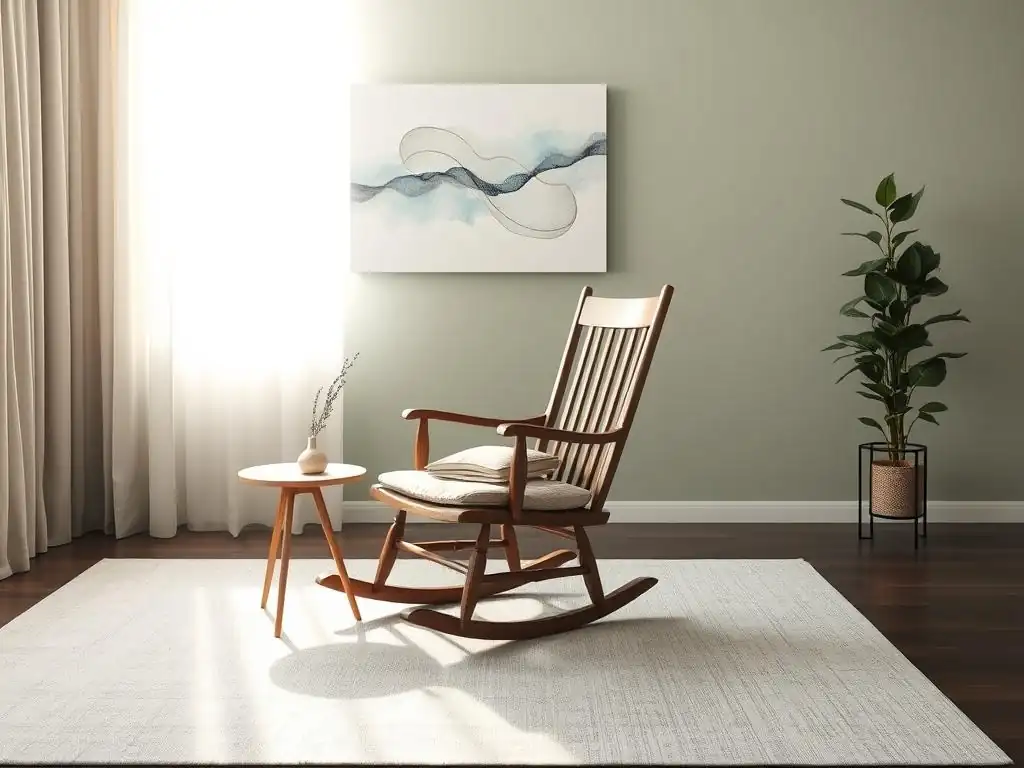
Daily Habits for Preserving Calm
Creating a peaceful home environment is not a one-time project but an ongoing practice. Integrating small, daily habits into your routine is crucial for maintaining the sense of calm you've cultivated. This could include making your bed each morning, taking five minutes to tidy up a main living area before leaving or going to sleep, or doing a quick "reset" of your sacred space after using it.
Consistency is more important than intensity. A few minutes of mindful tidying or organization each day prevents clutter from accumulating and helps reinforce the feeling of control and order. Think of these habits as mini-rituals that support the overall peacefulness of your environment, making the effort feel less like a chore and more like a natural part of your day.
Regularly Re-evaluating and Adjusting Your Space
Just as our lives and needs change, so too should our sacred space and home environment. What felt peaceful six months ago might not fully serve you now. Schedule regular check-ins, perhaps quarterly, to re-evaluate your space. Ask yourself: Does this space still meet my needs? Are there new stressors in my home environment that need addressing? Has clutter started to creep back in?
This regular review allows you to make necessary adjustments, whether it's a simple rearrangement, adding a new plant, or tackling a new area for decluttering. This proactive approach ensures that your peaceful home environment remains a supportive and effective sanctuary for your mental well-being over the long term.
Seeking Support: Enlisting Help From Family or Professionals
Creating and maintaining a peaceful home environment can be challenging, especially if you live with others or feel overwhelmed by the task. Don't hesitate to enlist support. Communicate your goals and needs to family members or roommates and discuss how everyone can contribute to maintaining a calmer shared space. Collaboration can make the process easier and foster a shared sense of responsibility.
If clutter or disorganization feels insurmountable, or if the task is impacting your mental health significantly, consider seeking professional help. Professional organizers can provide practical strategies and hands-on assistance. Therapists can help address underlying reasons for difficulty with organization or attachment to belongings. Seeking support is a sign of strength and can provide valuable tools and resources for creating a truly peaceful home environment.
Overcoming Challenges: Common Obstacles and Solutions
Dealing with Limited Space
Many people feel that creating a peaceful home environment requires a large house or a dedicated room, but this isn't true. Limited space simply calls for more intentional and creative solutions. Focus on multi-functional furniture, vertical storage, and keeping surfaces clear. Even a small corner, a comfortable chair in a quiet spot, or a specific shelf dedicated solely to items that bring you peace can serve as a sacred space.
The key is carving out a defined area, however small, that is intentionally designed for calm. Use visual cues like a rug, a screen, or even a specific lamp to delineate the boundaries of your sacred space. Prioritize decluttering ruthlessly in small spaces, as clutter feels much more overwhelming. Focus on quality over quantity when it comes to items in your limited peaceful home environment.
Creating a Sacred Space with Children or Roommates
Living with others, especially children or roommates, presents unique challenges to creating a peaceful home environment. Open communication is vital. Discuss the importance of having a calm space and establish shared agreements or boundaries. For instance, agree on quiet hours or designated "tidy zones" that everyone respects.
If a private sacred space isn't feasible, create a portable version – a basket with items for relaxation (a book, journal, calming essential oil roller) that you can take to the quietest available spot. For shared spaces, involve everyone in the process of creating a more peaceful home environment; perhaps each person contributes one element that makes the common area feel calmer. Compromise and clear expectations are essential.
Budget-Friendly Tips for a Peaceful Home Environment
Creating a peaceful home environment doesn't require a large budget. Many impactful changes are low-cost or free. Decluttering and rearranging existing furniture are free ways to improve flow and reduce stress. Cleaning and maximizing natural light cost nothing but time. Incorporating plants can be done affordably by buying small plants or propagating from friends.
Look for secondhand items like cushions, rugs, or small tables at thrift stores or online marketplaces. DIY projects using inexpensive materials can add personal touches. Focus on small, impactful changes rather than large renovations. Simple additions like a soft throw blanket, a few candles, or a collection of smooth stones can significantly enhance the feeling of peace without breaking the bank.
Conclusion: Embracing the Journey to a Peaceful Home and a Calmer Mind
The Ongoing Process of Cultivating a Sacred Space
Creating a peaceful home environment is not a destination, but a continuous journey of awareness, intention, and action. It involves ongoing effort to manage clutter, refine your space to meet your evolving needs, and integrate habits that support calm. Embrace this process with patience and self-compassion; there will be times when the space feels chaotic, and that's okay.
View the maintenance of your sacred space and peaceful home environment as an integral part of your self-care routine. Just as you nourish your body with food and exercise, you nourish your mind and spirit by tending to your environment. The consistent effort, even in small increments, builds resilience and reinforces the powerful link between your surroundings and your inner state of peace.
Resources for Further Exploration and Support in Creating a Peaceful Home Environment
For those seeking to delve deeper into creating a peaceful home environment and enhancing mental well-being through their surroundings, numerous resources are available. Books on minimalism, decluttering methods like the KonMari method, and the psychology of space offer practical guidance and inspiration. Websites and blogs dedicated to home organization, interior design for wellness, and mindfulness practices provide tips and community support.
Additionally, consider exploring professional support options. Certified professional organizers can provide personalized assistance with decluttering and creating functional systems. Mental health professionals, such as therapists or counselors, can help address any underlying emotional attachments to belongings or difficulties with managing your environment that impact your mental peace. Exploring these resources can provide valuable tools and perspectives on your journey towards a calmer home and mind.
Frequently Asked Questions
How does my home environment directly impact my mental well-being?
A cluttered or chaotic home can lead to increased stress and anxiety. A peaceful and organized space promotes relaxation and a sense of control, contributing to better mental health.
What are some simple steps I can take to start creating a more peaceful home environment today?
Start by decluttering one small area, like a desk or shelf. Incorporate natural elements like plants and natural light. Consider adding calming scents such as lavender.
What role does color play in creating a sacred space within my home?
Colors have a significant impact on mood. Opt for calming colors like blues, greens, and soft neutrals to promote relaxation and reduce feelings of stress.
I live in a small apartment; can I still create a peaceful home environment?
Absolutely! Focus on maximizing natural light, utilizing vertical storage to minimize clutter, and defining separate zones for different activities, even in a small space.
How can I maintain a peaceful home environment long-term, even with a busy lifestyle?
Establish a daily tidying routine, even if it's just for 15 minutes. Regularly declutter items you no longer need or use. Make your home a priority for your mental well-being.
Final Reflection: Cultivating Sanctuary Within
The pursuit of a peaceful home environment isn't merely a trend; it's a fundamental human need. In a world increasingly saturated with noise and distraction, the ability to create a sanctuary within our own four walls is more crucial than ever before. This article explored practical strategies for transforming your home into a haven of calm, emphasizing the power of mindful design, decluttering, and the integration of elements that nurture the mind, body, and spirit.
The impact of our surroundings on our mental well-being is profound and often underestimated. We spend a significant portion of our lives at home, and the energy of that space directly influences our emotional state. As the saying goes, The details are not the details. They make the design.
This holds true for creating a peaceful home environment. Every carefully chosen element, from the color of the walls to the scent of the air, contributes to the overall atmosphere, shaping our mood and influencing our ability to relax, recharge, and connect with ourselves. This journey of creating a sacred space is ongoing, a continuous process of refinement and self-discovery.
Now, consider your own home. What elements resonate with you from this article? What small changes can you implement today to cultivate a more peaceful atmosphere? Perhaps it's simply lighting a candle, playing calming music, or spending a few minutes each day decluttering a specific area. Remember, the creation of a peaceful home environment is a personal journey, unique to each individual. Embrace the process, celebrate the small victories, and allow your home to become a true reflection of your inner peace. Start small, and watch the transformative power unfold.
Unveil Your Sanctuary: Create a Calming Home Today
Thanks for taking the time to explore the power of your home environment in fostering mental peace. We hope you gained valuable insights into creating a truly sacred space. Now it's time to put that knowledge into action!
- Prioritize one small change: Identify one area in your home that needs a calming touch – a cluttered corner, a stressful workspace, or a dimly lit bedroom. Dedicate just 15 minutes today to decluttering, adding a plant, or improving the lighting.
- Share your sanctuary journey: Tell us about the one small change you made! Share your experience and inspire others in the comments below. What did you discover about your space and how it affects you?
- Explore mindful organization: Take some time this week to look into the principles of mindful organization. Small changes can bring big shifts in your feeling of peace and calm.
What one simple step will you take today to transform your home into a haven of tranquility?