
Finding Your Center: Spirituality and Purpose in Mental Wellbeing


Welcome to Mind Care Guide.
Are you feeling adrift, searching for something more to anchor your mental wellbeing? You're not alone. We understand the yearning for deeper meaning, and that's why we're exploring a powerful connection: Spirituality and Purpose. Could tapping into your spiritual side be the key to unlocking greater resilience and inner peace? Dive in to discover how spirituality can boost mental wellbeing, and perhaps, rediscover a part of yourself you've been missing. Let's embark on this journey together.
Finding Your Center: Spirituality and Purpose in Mental Wellbeing
- Spirituality Boosts Mental Wellbeing: An Introduction
- Understanding the Connection: Spirituality, Purpose, and Mental Health
- Exploring Spiritual Practices for Mental Wellness
- The Benefits of Spirituality for Mental Health
- Overcoming Challenges in Integrating Spirituality into Mental Health Care
- Practical Steps to Cultivate Spirituality for Mental Wellbeing
- The Importance of Self-Compassion in the Spiritual Journey
- Spirituality and Mental Wellbeing: A Holistic Approach to Healing
- Conclusion: Embracing Spirituality for a More Meaningful and Mentally Healthy Life
-
Frequently Asked Questions
- How does spirituality specifically boost mental wellbeing according to Mind Care Guide?
- What is the role of "purpose" as discussed in the article Finding Your Center: Spirituality and Purpose in Mental Wellbeing?
- Does Mind Care Guide suggest specific spiritual practices that can improve mental health?
- How can someone who is not traditionally religious still benefit from spirituality to enhance their mental wellbeing?
- What resources does Mind Care Guide offer for individuals seeking to integrate spirituality into their mental health journey?
- Final Reflection: The Enduring Power of Inner Peace
- Unleash Your Inner Peace: Start Your Journey Today!
Spirituality Boosts Mental Wellbeing: An Introduction
Many people seek paths to enhance their emotional and psychological health. While traditional therapies and medical interventions are crucial, a growing body of evidence and personal testimonies highlights how spirituality boost mental wellbeing. This isn't necessarily about adhering to a specific religion, but rather about cultivating a connection to something larger than oneself, finding meaning, and living with intention. Exploring the intersection of one's inner life and outer experiences can unlock powerful resources for coping with stress, building resilience, and fostering overall life satisfaction.
Understanding how spirituality can positively impact mental states involves looking at various dimensions, from personal beliefs and values to communal practices and a sense of purpose. For individuals navigating challenges like anxiety, depression, or grief, integrating spiritual practices can offer comfort, perspective, and a framework for processing difficult emotions. This holistic approach acknowledges that mental health is deeply intertwined with our sense of meaning and connection in the world.
Understanding the Connection: Spirituality, Purpose, and Mental Health
Defining Spirituality in the Context of Mental Wellbeing
Spirituality, within the realm of mental wellbeing, is often understood as a personal quest for meaning, connection, and transcendence. It involves exploring one's core values, beliefs about the nature of reality, and a sense of belonging to something greater than the individual self, whether that's a religious tradition, nature, humanity, or a universal consciousness. Unlike religion, which often involves specific doctrines, rituals, and community structures, spirituality is a broader, more personal concept that can be expressed in countless ways. It's about the internal experience of awe, wonder, peace, and interconnectedness.
Research suggests that individuals who identify as spiritual often report higher levels of life satisfaction and lower rates of certain mental health conditions. For example, a study published in JAMA Psychiatry involving young adults found that those who attended religious services weekly or who considered religion/spirituality "very important" reported significantly lower rates of major depression and substance abuse compared to those who did not. This indicates that the framework and community aspects often associated with spirituality boost mental wellbeing by providing coping mechanisms and social support.
The Role of Purpose in Enhancing Mental Resilience
Purpose is a driving force that provides direction and motivation in life. It's the sense that your life has meaning and that you are working towards something valuable. Having a strong sense of purpose is consistently linked to greater psychological resilience, the ability to bounce back from adversity. When faced with challenges, individuals with purpose are often better equipped to persevere, seeing obstacles as temporary setbacks rather than insurmountable barriers. This intrinsic motivation helps maintain focus and hope, even during difficult times.
Numerous studies have demonstrated the protective effects of purpose on mental health. For instance, data from the Midlife in the United States (MIDUS) study, a large longitudinal project, showed that individuals with a higher sense of purpose experienced slower cognitive decline and were less likely to develop conditions like Alzheimer's disease. Furthermore, having purpose is associated with reduced risk of heart attack and stroke, suggesting a profound mind-body connection. This evidence strongly supports the idea that cultivating a sense of purpose helps spirituality boost mental wellbeing by providing a stable foundation amidst life's uncertainties.
How Spirituality and Purpose Intertwine for a Stronger Mind
Spirituality and purpose are deeply interconnected concepts that mutually reinforce each other, leading to a stronger mental state. Spiritual exploration often leads individuals to discover or clarify their core values and beliefs, which in turn can illuminate their unique purpose in life. For example, someone's spiritual belief in compassion might lead them to find purpose in helping others through volunteer work or a career in healthcare. Conversely, engaging in purposeful activities can deepen spiritual awareness by fostering feelings of connection, gratitude, and transcendence.
This synergy creates a powerful buffer against psychological distress. When faced with suffering or hardship, a spiritual perspective can provide a framework for understanding and finding meaning in the experience, while a strong sense of purpose offers the motivation to continue moving forward. Consider the experience of individuals who have overcome significant trauma; many report that their spiritual beliefs and finding a purpose in helping others navigate similar challenges were crucial to their recovery. This interplay is a fundamental way spirituality boost mental wellbeing, offering both inner peace and outward direction.
Exploring Spiritual Practices for Mental Wellness
Mindfulness and Meditation: Cultivating Inner Peace
Mindfulness involves paying deliberate attention to the present moment without judgment, while meditation is a practice used to train the mind, often focusing on a particular object, thought, or activity. Both are ancient spiritual practices found in various traditions that have been increasingly adopted in secular contexts for their proven mental health benefits. Regular practice can significantly reduce rumination, worry, and the physiological symptoms of stress, fostering a state of inner calm and clarity.
Neuroscientific research provides insight into how these practices work. Studies using fMRI scans have shown that consistent meditation can lead to structural changes in the brain, such as increased gray matter density in areas associated with learning, memory, emotional regulation, and self-awareness (like the hippocampus and prefrontal cortex), while decreasing gray matter in the amygdala, the brain's fear center. Even short daily sessions, like 10-15 minutes, can begin to yield noticeable improvements in focus, emotional reactivity, and overall peace of mind, illustrating how these specific spiritual practices boost mental wellbeing.
Connecting with Nature: Finding Solace and Healing
Spending time in nature is a practice deeply rooted in many spiritual traditions, from indigenous reverence for the earth to contemplative walks in gardens. Beyond its aesthetic appeal, exposure to natural environments has profound restorative effects on mental health. It can lower cortisol levels (the stress hormone), reduce blood pressure, and decrease feelings of anxiety and depression. Simply being in green spaces can promote a sense of awe and connection to something larger than oneself, a key component of spirituality.
Studies have quantified these benefits. For instance, a 2019 study in Scientific Reports found that spending just 120 minutes per week in nature was associated with significantly higher levels of health and wellbeing. Whether it's a walk in a local park, gardening, or simply sitting by a tree, engaging with the natural world offers a readily accessible way to reduce mental fatigue, improve mood, and cultivate a sense of peace. This connection to the earth is a powerful, often overlooked, way spirituality boost mental wellbeing.
Prayer and Reflection: Seeking Guidance and Meaning
Prayer, in its many forms across different faiths and personal beliefs, is a spiritual practice involving communication with a higher power or the universe. Reflection, whether through journaling, contemplation, or quiet thought, is a process of inwardly examining one's experiences, beliefs, and feelings. Both practices offer avenues for seeking guidance, expressing gratitude, finding comfort, and processing complex emotions. They can provide a structured way to connect with one's deepest self and spiritual beliefs.
For many, prayer and reflection serve as coping mechanisms during times of crisis or uncertainty. They can instill a sense of hope and provide a framework for understanding difficult events within a larger context. A survey by the Pew Research Center in 2018 found that a significant percentage of Americans reported turning to prayer when making important decisions or facing personal problems. This act of reaching out or looking inward can reduce feelings of isolation and provide a sense of support, demonstrating how these personal spiritual practices boost mental wellbeing by offering solace and perspective.
Creative Expression: Channeling Emotions Through Art and Music

Engaging in creative activities like painting, drawing, writing, playing music, or dancing can be a deeply spiritual practice. Creativity often involves tapping into intuition, accessing deeper emotions, and expressing aspects of the self that are difficult to articulate verbally. It can be a form of meditation, a way to process trauma, or a means of connecting with others and the world. The act of creating can be inherently therapeutic, providing a sense of flow and accomplishment.
Art therapy, for example, is a recognized therapeutic approach that uses the creative process of art-making to improve physical, mental, and emotional wellbeing. It doesn't require artistic talent, but rather focuses on the process of creation itself. Studies have shown that engaging in creative expression can reduce stress, decrease symptoms of anxiety and depression, and improve self-esteem. Whether it's writing poetry, playing an instrument, or simply doodling, using creativity as an outlet allows for emotional release and self-discovery, showcasing another facet of how spirituality boost mental wellbeing.
Acts of Service and Compassion: Fostering Connection and Purpose
Engaging in acts of service towards others or cultivating compassion is a spiritual practice found in nearly all major ethical and religious traditions. It involves extending kindness, empathy, and help to those in need, whether through formal volunteering, informal acts of generosity, or simply adopting a compassionate outlook towards all beings. Focusing on others shifts attention away from personal problems and fosters a sense of interconnectedness and shared humanity.
Research consistently shows that helping others benefits the giver as much as the receiver. Volunteering, for example, is linked to lower rates of depression and greater life satisfaction, particularly among older adults. Acts of compassion activate reward centers in the brain and release oxytocin, a hormone associated with bonding and trust, promoting feelings of warmth and connection. This outward focus, driven by spiritual values like empathy and altruism, provides a powerful sense of purpose and belonging, undeniably demonstrating how actively living out one's spirituality boost mental wellbeing.
The Benefits of Spirituality for Mental Health
Reducing Stress and Anxiety Through Spiritual Practices
Many spiritual practices offer direct techniques for managing stress and anxiety. Mindfulness meditation, for instance, trains the mind to observe thoughts and feelings without getting caught up in them, which can significantly reduce the intensity of anxious thought patterns. Prayer and reflection can provide comfort and a sense of surrendering control over worries that are outside of one's influence. Engaging with nature lowers physiological stress markers like heart rate and cortisol.
The cumulative effect of these practices is a greater capacity to remain calm and centered amidst life's pressures. Individuals who regularly engage in spiritual activities often develop better coping skills and a more positive outlook, which acts as a buffer against the debilitating effects of chronic stress and anxiety. For example, a study on veterans found that incorporating spiritually-based coping mechanisms was associated with lower levels of PTSD symptoms. This highlights the practical ways spirituality boost mental wellbeing by equipping individuals with tools to navigate difficult emotional states.
Finding Meaning and Hope During Difficult Times
Life inevitably presents challenges, losses, and moments of suffering. During these times, it can be difficult to maintain hope and find meaning. Spirituality offers frameworks – narratives, beliefs, and community support – that can help individuals process hardship, understand suffering within a broader context, and find a sense of purpose even in pain. Believing in a benevolent force, an afterlife, or simply the interconnectedness of all things can provide comfort and a sense that one is not alone in their struggles.
Survivor accounts from various traumas often emphasize the pivotal role of faith or spiritual belief in enduring unimaginable circumstances. Viktor Frankl's work on logotherapy, based on his experiences in concentration camps, highlighted the crucial importance of finding meaning (a core aspect of purpose and often linked to spirituality) as a primary motivational force in life, especially in suffering. This ability to find meaning and maintain hope, supported by spiritual perspectives, is a profound way spirituality boost mental wellbeing and resilience.
Enhancing Self-Awareness and Emotional Regulation
Many spiritual practices, such as meditation, contemplative prayer, and reflective journaling, encourage introspection and self-examination. This deliberate turning inward fosters greater self-awareness – the ability to recognize and understand one's own emotions, thoughts, and values. Increased self-awareness is a foundational element of emotional regulation, the capacity to manage and respond to emotional experiences effectively.
By becoming more aware of their internal states without judgment, individuals can learn to identify triggers for negative emotions, challenge unhelpful thought patterns, and choose healthier responses. For instance, someone practicing mindfulness might notice the physical sensations associated with anger before it escalates, allowing them to pause and respond calmly rather than react impulsively. This enhanced ability to understand and manage emotions is a direct outcome of many spiritual practices and clearly shows how spirituality boost mental wellbeing by improving internal navigation.
Cultivating Gratitude and Positive Thinking
Gratitude, the practice of acknowledging and appreciating the good things in one's life, is a common theme across many spiritual traditions and a powerful tool for enhancing mental wellbeing. Focusing on blessings, no matter how small, shifts perspective away from lack and negativity towards abundance and positivity. Spiritual practices often incorporate moments of thanksgiving, prayer of gratitude, or simply mindful appreciation of the present moment.
Research by positive psychologists consistently links gratitude to increased happiness, reduced depression, and improved overall life satisfaction. Regularly practicing gratitude can rewire the brain to notice and focus on positive aspects of life, counteracting the brain's natural negativity bias. Similarly, spiritual beliefs often encourage an optimistic outlook and faith in a positive future, fostering hope. This deliberate cultivation of positive emotions and perspectives is a significant way spirituality boost mental wellbeing.
Building a Stronger Sense of Community and Belonging
While spirituality can be a deeply personal journey, it often involves connection with others. Religious institutions, spiritual groups, meditation centers, and even shared activities like volunteering or spending time in nature with others can provide a strong sense of community and belonging. Humans are social creatures, and feeling connected to others is fundamental to psychological health. Isolation and loneliness are significant risk factors for various mental health issues.
Participating in a spiritual community offers social support, shared values, and a sense of collective identity. Members can offer emotional support during tough times, celebrate successes together, and provide accountability for personal growth. This sense of belonging reduces feelings of isolation and provides a safety net. For example, a study by the American Sociological Association found that individuals who attended religious services regularly reported higher levels of social support and lower levels of depression. This communal aspect is a vital component of how spirituality boost mental wellbeing, providing a supportive network.
Overcoming Challenges in Integrating Spirituality into Mental Health Care
Addressing Skepticism and Misconceptions
Integrating spirituality into mental health care can face challenges, including skepticism from both patients and practitioners who may view spirituality as separate from or even contradictory to clinical treatment. Misconceptions about spirituality, often conflated solely with organized religion, can also be a barrier. Some may have negative past experiences with religious institutions or hold the belief that spiritual matters are too personal or unscientific to discuss in a therapeutic setting.
Addressing these issues requires open dialogue and education. Mental health professionals can be trained to approach spirituality in a sensitive and non-judgmental way, recognizing its diverse forms and potential benefits without imposing specific beliefs. Patients can be encouraged to explore their own spiritual or existential questions as part of their healing journey, understanding that this is about personal meaning and connection, not dogma. Acknowledging the evidence that spirituality boost mental wellbeing can help bridge the gap between clinical and spiritual approaches.
Finding the Right Spiritual Path for You
Spirituality is highly personal, and what resonates with one individual may not resonate with another. Finding a spiritual path or set of practices that feels authentic and supportive can be a challenge. Some may feel pressure to adopt practices or beliefs that don't genuinely connect with them, leading to frustration rather than healing.
This process often requires exploration and patience. It might involve trying different types of meditation, exploring various philosophies or religious traditions, spending time in nature, engaging in creative pursuits, or finding meaningful ways to serve others. The key is to identify practices that genuinely foster a sense of peace, connection, and purpose. It's less about conforming to an external standard and more about discovering what inwardly nourishes the soul and helps spirituality boost mental wellbeing in a personal way.
Integrating Spirituality with Traditional Mental Health Treatments
For individuals receiving traditional mental health treatments like therapy or medication, integrating spirituality requires careful consideration and collaboration with healthcare providers. It's essential that spiritual practices complement, rather than replace, evidence-based treatments, especially for serious mental health conditions.
Open communication with therapists, psychiatrists, or counselors is crucial. Patients can discuss their spiritual beliefs and practices and explore how these might support their treatment goals.
For instance, a therapist might work with a patient to incorporate mindful breathing techniques into their anxiety management plan, or help them explore how their spiritual values can motivate behavioral changes. Many mental health professionals are increasingly recognizing that incorporating a patient's spiritual or religious framework can enhance the effectiveness of therapy, as it adds another layer of support and meaning to the healing process, showing a practical way spirituality boost mental wellbeing when integrated thoughtfully.
Utilizing Mindfulness-Based Cognitive Therapy (MBCT)
Mindfulness-Based Cognitive Therapy (MBCT) is an excellent example of how spiritual principles can be integrated into clinical practice. Developed to prevent relapse in individuals with recurrent depression, MBCT combines cognitive behavioral therapy (CBT) techniques with mindfulness meditation practices. It teaches individuals to become more aware of their thoughts, feelings, and bodily sensations without judgment, thereby interrupting the negative thought patterns that can trigger depressive episodes.
MBCT doesn't require adherence to any specific spiritual belief system but utilizes the contemplative practice of mindfulness, which has roots in Buddhist spirituality. Studies have shown MBCT to be as effective as maintenance antidepressant medication in preventing relapse for some individuals with recurrent depression. This therapy demonstrates how techniques derived from spiritual traditions can be adapted into structured, evidence-based treatments, proving that even clinically, spirituality boost mental wellbeing by providing effective tools for emotional regulation and relapse prevention.
Practical Steps to Cultivate Spirituality for Mental Wellbeing
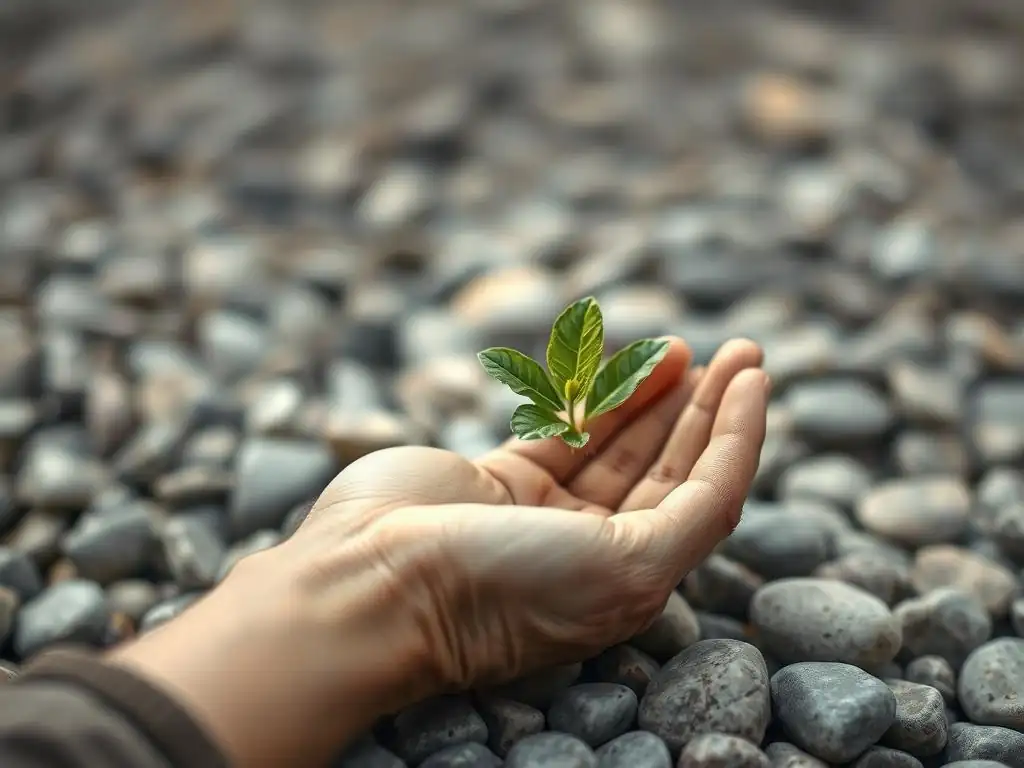
Setting Intentions and Creating a Spiritual Practice Routine
Cultivating spirituality intentionally is key to reaping its benefits for mental wellbeing. This begins with setting clear intentions about what you hope to gain from your spiritual journey – perhaps more peace, a stronger sense of purpose, or deeper connection. Based on your intentions, create a routine that incorporates practices that resonate with you. Consistency is more important than duration; even five or ten minutes daily can make a difference.
Your routine might include morning meditation, a walk in nature during lunch, reading inspirational texts, or a few moments of prayer or reflection before bed. Write down your chosen practices and schedule them into your day. Treat these practices as essential appointments for your mental and spiritual health. This structured approach helps establish habits that consistently allow spirituality boost mental wellbeing in your daily life.
Seeking Guidance from Spiritual Mentors or Communities
Navigating a spiritual path can be easier and more enriching with guidance and support. Consider seeking out a spiritual mentor – someone whose wisdom and experience you admire and who can offer insights and encouragement. This could be a religious leader, a meditation teacher, a trusted elder, or even a friend who is further along on their spiritual journey.
Joining a spiritual community, whether a formal religious group, a meditation circle, or a values-aligned volunteer organization, can also provide invaluable support, shared experiences, and a sense of belonging. Connecting with others who share similar values or are on a similar path can foster accountability and provide a safe space to explore beliefs and challenges. This communal aspect significantly helps spirituality boost mental wellbeing by providing connection and shared purpose.
Engaging in Self-Reflection and Journaling
Regular self-reflection is a cornerstone of spiritual growth and enhanced self-awareness. Setting aside time to quietly contemplate your thoughts, feelings, experiences, and values can provide clarity and insight. Journaling is a powerful tool for facilitating this process. Writing down your reflections allows you to externalize thoughts, process emotions, identify patterns, and track your spiritual journey.
Consider journaling prompts related to your spiritual questions: "What brought me a sense of peace today? ", "When did I feel most connected? ", "What values guided my actions? ", or "What am I struggling with spiritually?". Regularly reviewing your entries can reveal growth, recurring challenges, and deeper insights into your inner world. This consistent practice of looking inward is fundamental to how spirituality boost mental wellbeing by fostering self-understanding and emotional processing.
Daily Gratitude Practice
Incorporating a daily gratitude practice is a simple yet profoundly effective way to cultivate a positive mindset and deepen spiritual connection. At the end of each day, take a few moments to identify things you are grateful for. These can be significant events or simple pleasures – the taste of your morning coffee, a kind word from a stranger, the beauty of a sunset, or simply the ability to breathe.
You can write these down in a gratitude journal, share them with a loved one, or simply reflect on them silently. The act of consciously focusing on the positive aspects of your life shifts your perspective and fosters feelings of contentment and appreciation. Consistent gratitude practice is a direct way spirituality boost mental wellbeing by increasing positive emotions and resilience to stress.
The Importance of Self-Compassion in the Spiritual Journey
Recognizing and Accepting Your Imperfections
A critical, often overlooked, aspect of both spiritual growth and mental wellbeing is self-compassion. The spiritual journey is not about achieving perfection, but about growth, learning, and acceptance. Recognizing and accepting that you are an imperfect human being prone to making mistakes is fundamental. Spiritual ideals can sometimes lead to self-criticism if not approached with grace and understanding.
Self-compassion involves acknowledging your flaws and failures without harsh judgment, understanding that imperfection is part of the human experience shared by everyone. It's about treating yourself with the same kindness and understanding you would offer a dear friend who is struggling. Embracing this perspective allows for authentic spiritual exploration free from the burden of unrealistic expectations, reinforcing how spirituality boost mental wellbeing by promoting self-acceptance.
Practicing Kindness and Forgiveness Towards Yourself
Extending kindness and forgiveness towards yourself is an active practice. When you stumble, make a mistake, or fall short of your own ideals, instead of engaging in self-blame or harsh criticism, consciously choose to offer yourself kindness. Speak to yourself gently, acknowledge the difficulty of the moment, and remember your shared humanity – everyone experiences setbacks.
Forgiving yourself for past errors or perceived failings is also crucial. Holding onto guilt or shame can be a heavy burden that hinders both spiritual and psychological progress. Self-forgiveness is not about condoning harmful behavior but about releasing the emotional weight associated with it, allowing you to learn and move forward. Cultivating this inner kindness and forgiveness is essential for letting spirituality boost mental wellbeing in a healthy, sustainable way.
Self-Compassion Breaks
Integrating short self-compassion breaks into your day can be a powerful practice, especially during moments of difficulty or stress. When you notice yourself struggling or feeling overwhelmed, pause for a moment. First, acknowledge the suffering: "This is a moment of suffering," or "This hurts." Second, recognize that suffering is part of life: "Suffering is a part of life," or "I am not alone in feeling this way; other people feel this way too." Third, offer yourself kindness: "May I be kind to myself in this moment," or "May I give myself the compassion I need."
These brief moments can interrupt cycles of negative self-talk and provide a sense of grounding and emotional support. Practicing this regularly strengthens your capacity for self-kindness, making you more resilient to life's inevitable challenges. This practical application of self-compassion is a vital element in ensuring that spirituality boost mental wellbeing by fostering inner strength and acceptance.
Spirituality and Mental Wellbeing: A Holistic Approach to Healing
Integrating Mind, Body, and Spirit for Optimal Mental Health
Optimal mental health is achieved through a holistic approach that recognizes the interconnectedness of the mind, body, and spirit. Focusing solely on one aspect while neglecting the others provides an incomplete picture and limits potential for healing and growth. The spirit, in this context, represents that core sense of self, purpose, values, and connection that gives life meaning.
Integrating these elements means recognizing that physical health impacts mental state (e.g., exercise reducing depression), mental state impacts physical health (e.g., chronic stress leading to physical illness), and spiritual health provides a foundation of meaning and resilience that supports both mind and body. For instance, someone managing depression might benefit not only from therapy and medication but also from regular exercise (body), mindfulness meditation (mind/spirit), and engaging in meaningful volunteer work (spirit/purpose). This integrated perspective is key to understanding how spirituality boost mental wellbeing comprehensively.
Yoga and Meditation Combined with Therapy
A practical example of integrating mind, body, and spirit is combining physical practices like yoga or meditation with traditional mental health therapy. Yoga is a practice that links physical postures, breathing techniques, and meditation or relaxation. It improves physical strength and flexibility while also calming the nervous system and promoting mindfulness. Meditation, as discussed, trains the mind for greater focus and emotional regulation.
When combined with therapy, these practices can enhance treatment outcomes. Yoga and meditation can help individuals become more embodied, aware of their physical sensations related to emotions (like anxiety manifesting as tension), and better able to manage stress responses. Therapy provides a space to process psychological issues, develop coping strategies, and address underlying causes of distress. This synergistic approach leverages the benefits of physical, mental, and spiritual practices to promote holistic healing, clearly demonstrating how combining physical activity, mindfulness, and spiritual practices boost mental wellbeing.
Conclusion: Embracing Spirituality for a More Meaningful and Mentally Healthy Life
Embarking on a journey to integrate spirituality into your life can be a transformative step towards enhancing mental wellbeing. It's not about adhering to rigid doctrines but about cultivating a personal connection to meaning, purpose, and something greater than yourself. Whether through mindfulness, connecting with nature, creative expression, acts of service, or reflection, spiritual practices offer powerful tools for navigating life's challenges, reducing stress, and fostering inner peace.
The evidence suggests that actively engaging with your spiritual side helps spirituality boost mental wellbeing by building resilience, fostering hope, improving self-awareness, and strengthening social connections. While challenges exist in integrating these practices, particularly with traditional treatments, a holistic approach that honors the mind, body, and spirit offers the most comprehensive path to healing and fulfillment. By embracing spirituality, you can cultivate a more meaningful, purposeful, and mentally healthy life.
Frequently Asked Questions
How does spirituality specifically boost mental wellbeing according to Mind Care Guide?
Spirituality can provide a sense of connection and purpose, which can significantly reduce feelings of isolation and anxiety. It often fosters positive emotions like gratitude and hope, crucial for resilience.
What is the role of "purpose" as discussed in the article Finding Your Center: Spirituality and Purpose in Mental Wellbeing?
Finding purpose gives life meaning and direction, acting as a buffer against stress and promoting a sense of accomplishment. It provides a framework for decision-making and strengthens self-esteem.
Does Mind Care Guide suggest specific spiritual practices that can improve mental health?
While not prescribing specific practices, the Guide emphasizes exploring activities that resonate with you, such as meditation, mindfulness, or connecting with nature. The focus is on finding what provides meaning and inner peace.
How can someone who is not traditionally religious still benefit from spirituality to enhance their mental wellbeing?
Spirituality doesn't require religious affiliation; it's about finding personal meaning and connection. Activities like spending time in nature, practicing gratitude, or engaging in creative pursuits can all contribute to a spiritual sense of wellbeing.
What resources does Mind Care Guide offer for individuals seeking to integrate spirituality into their mental health journey?
The Guide provides information on mindfulness techniques, resources for finding supportive communities, and articles exploring various aspects of meaning and purpose. It also includes links to external mental health organizations.
Final Reflection: The Enduring Power of Inner Peace
The pursuit of spiritual well-being is not a fleeting trend; it's a fundamental human need, increasingly vital in our fast-paced, often overwhelming world. The connection between a strong spiritual life and improved mental health is undeniable, offering a powerful antidote to the anxieties and pressures of modern living. This article has explored various pathways to finding your center, highlighting the importance of mindfulness, connection with nature, and the cultivation of inner peace.
The impact of spirituality on our collective consciousness is profound and ongoing. We are witnessing a growing recognition of the limitations of solely focusing on material success, with a renewed emphasis on inner fulfillment and purpose. The purpose of life, after all, is to live it, to taste experience to the utmost, to reach out eagerly and without fear for newer and richer experience.
– Eleanor Roosevelt. This quote perfectly encapsulates the journey towards spiritual growth, a journey that requires courage, vulnerability, and a willingness to explore the depths of our being. It's a journey that continues to shape our cultural landscape, influencing everything from self-care practices to social activism.
Now, consider your own path. What resonates most deeply with you from the ideas explored here? What small step can you take today to nurture your spiritual well-being? Perhaps it's a moment of quiet reflection, a walk in nature, or a conversation with someone you care about. Remember, the journey to finding your center is a personal one, a continuous process of growth and discovery. Embrace the challenges, celebrate the small victories, and allow your inner light to shine brightly. Your mental well-being depends on it.
Unleash Your Inner Peace: Start Your Journey Today!
Thanks for taking the time to explore the powerful connection between spirituality and mental wellbeing. We hope you found valuable insights to help you on your path to inner peace. Now it's time to take action!
- Start a daily mindfulness practice: Even 5 minutes a day can make a significant difference in reducing stress and connecting with your inner self. Try a simple breathing exercise or meditation.
- Share your thoughts and experiences: Join our growing community on social media and share your journey. Let's inspire each other on this path! What practices resonate most with you?
- Consider exploring a new spiritual practice: Perhaps journaling, yoga, or connecting with nature could help you deepen your sense of purpose and calm.
Ready to cultivate more peace and purpose in your life? What small step will you take today?