
Challenging Cultural Norms: Opening Conversations About Men's Mental Health

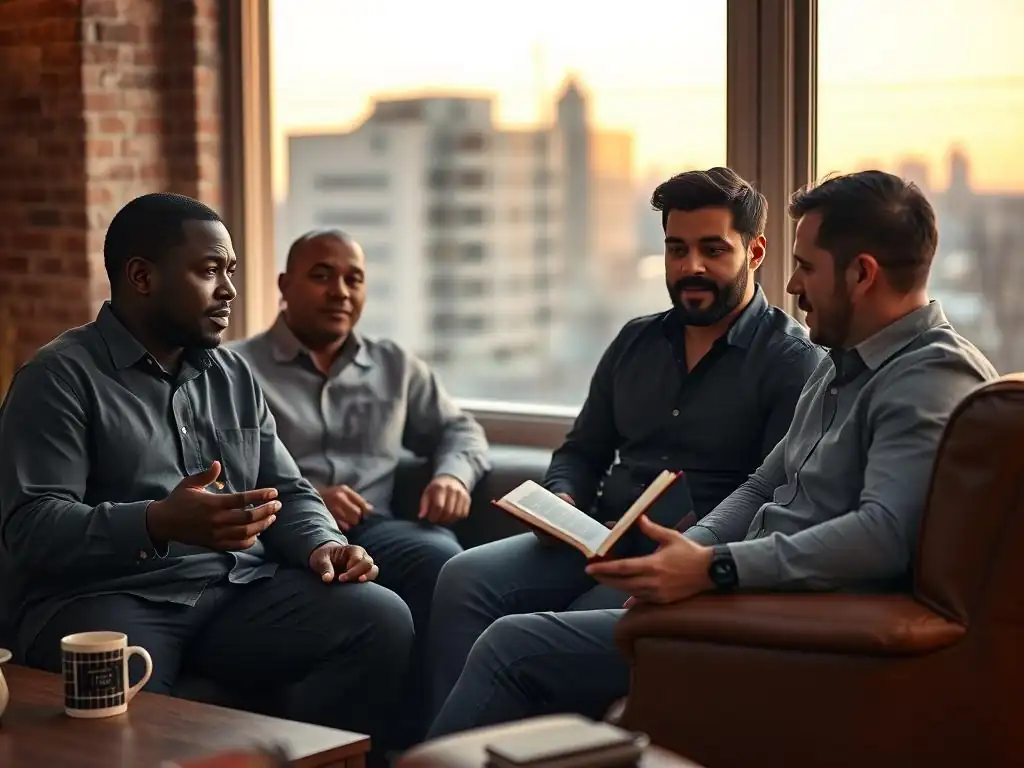
Welcome to Mind Care Guide, a space dedicated to nurturing your mental well-being.
Are you ready to break the silence? It can be tough to know where to begin, especially when facing societal expectations. This guide empowers you with practical men’s mental health conversation starters, offering a roadmap to navigate those crucial first steps. Explore with us as we challenge cultural norms and foster supportive dialogues. What will you discover as you start this important journey?
Challenging Cultural Norms: Opening Conversations About Men's Mental Health
- Understanding the Stigma Surrounding Men's Mental Health
- Why is Opening Up Important?
- Men’s Mental Health Conversation Starters: Breaking the Ice
- Creating a Safe Space for Men to Share
- Resources and Support Systems for Men's Mental Health
- Challenging the Narrative: Promoting Positive Mental Health in Men
- Overcoming Barriers to Men's Mental Health Care
- The Future of Men's Mental Health: A Call to Action
-
Frequently Asked Questions
- How can I initiate a conversation about mental health with a man who seems reluctant to talk?
- What are some common cultural norms that prevent men from discussing their mental health?
- What are some specific conversation starters related to men's mental health that I can use?
- Where can men find resources and support for their mental health challenges?
- Why is it important to challenge cultural norms surrounding men's mental health?
- Final Reflection: The Unfolding Conversation on Men's Mental Wellbeing
- Unlock Deeper Conversations: Start Talking About Men's Mental Health
Understanding the Stigma Surrounding Men's Mental Health
Mental health is a critical component of overall well-being, yet discussions around it, particularly concerning men, remain challenging due to deep-seated cultural norms and societal expectations. Historically, masculinity has often been equated with strength, stoicism, and emotional resilience, creating an environment where expressing vulnerability is perceived as a weakness. This cultural narrative significantly impacts how men perceive their own mental health struggles and their willingness to seek support.
Breaking down this stigma requires a concerted effort to challenge traditional definitions of masculinity and promote a more open, accepting view of emotional expression for men. It involves recognizing that seeking help is not a sign of failure but a proactive step towards health and strength. Understanding the roots of this stigma is the first step in fostering environments where men feel safe and empowered to discuss their mental health openly.
The Societal Pressures on Men and Emotional Expression
From a young age, boys are often socialized to suppress emotions deemed 'unmanly,' such as sadness or fear. Phrases like "man up" or "boys don't cry" are common examples of how this pressure is exerted, reinforcing the idea that showing emotion is inappropriate or weak. This constant reinforcement creates a difficult environment for men who may be struggling internally but feel they must maintain a facade of strength and control.
These societal pressures extend into adulthood, influencing behavior in relationships, the workplace, and personal lives. Men may feel compelled to handle stress, anxiety, or depression on their own, fearing judgment or rejection if they admit to needing help. This can lead to isolation and exacerbate mental health conditions, making it harder for men to initiate Men’s mental health conversation starters or respond positively when others try to start them.
Why Men Often Avoid Seeking Mental Health Support
Several factors contribute to men's reluctance to seek professional help for mental health issues. The ingrained belief that they should be self-reliant and solve their own problems is a major barrier. Admitting a need for therapy or counseling can feel like an admission of failure to live up to societal expectations of independence and capability.
Furthermore, there's often a lack of awareness about mental health conditions and available treatments among men. Misconceptions about therapy, viewing it as only for severe cases or as ineffective, also play a role. The practical barriers, such as finding time, navigating insurance, and cost, also contribute, but the primary hurdles are often rooted in psychological and cultural resistance to vulnerability.
The Impact of Toxic Masculinity on Mental Wellbeing
Toxic masculinity, a term used to describe harmful aspects of traditional masculine norms, significantly harms men's mental health. It emphasizes aggression, dominance, self-sufficiency, and the suppression of emotions, particularly softer ones. This rigid adherence to a narrow definition of what it means to be a man can lead to increased stress, anxiety, and depression.
Men adhering to these norms may be less likely to engage in self-care, more prone to risky behaviors as a way to prove toughness, and less equipped to cope with emotional challenges. This can manifest in higher rates of substance abuse, anger management issues, and tragically, suicide rates, which are notably higher among men in many countries. Challenging toxic masculinity is crucial for creating space for genuine Men’s mental health conversation starters.
Why is Opening Up Important?
Encouraging men to talk about their mental health isn't just about addressing crises; it's about fostering overall well-being and building stronger lives. Opening up allows men to process their emotions, gain perspective, and realize they are not alone in their struggles. It's a vital step in moving from internal suffering to external support and healing.
When men feel comfortable sharing their experiences, it creates a ripple effect, normalizing these conversations for others. It shows that vulnerability is a strength, not a weakness, and that seeking support is a sign of self-awareness and courage. This cultural shift is essential for dismantling the barriers that prevent men from accessing the care they need.
Recognizing the Benefits of Men Talking About Their Feelings
Talking about feelings provides an outlet for stress and emotional pain that might otherwise manifest in destructive ways. Sharing with a trusted friend, family member, or therapist can provide validation and reduce feelings of isolation. It allows men to articulate their experiences, which can lead to a clearer understanding of their challenges and potential solutions.
Studies and anecdotal evidence consistently show that verbalizing emotions can lower stress hormones and improve mood. For men, who are often conditioned to internalize distress, finding safe avenues for expression is particularly beneficial. It can lead to improved coping mechanisms, better emotional regulation, and a greater sense of control over their mental state.
How Addressing Mental Health Improves Relationships
Open communication about mental health significantly enhances personal relationships. When men are able to share their feelings and challenges with partners, family members, and friends, it fosters deeper connection and understanding. It allows loved ones to provide appropriate support and reduces the likelihood of misunderstandings or resentment stemming from unexpressed emotions.
Conversely, suppressing emotions and mental health struggles can strain relationships, leading to withdrawal, irritability, or conflict. Partners and family members may feel shut out or unsure how to help. By addressing mental health openly, men build trust and intimacy, creating more resilient and supportive relationships.
The Link Between Mental Health and Physical Health in Men
The mind and body are intrinsically linked. Neglecting mental health can have tangible negative impacts on physical health. Chronic stress, anxiety, and depression are associated with increased risk of various physical ailments, including cardiovascular disease, weakened immune function, digestive problems, and chronic pain.
For men, who may already be less likely to seek routine medical care, the compounding effect of untreated mental health issues on physical health can be significant. Encouraging Men’s mental health conversation starters and promoting mental well-being can therefore also be a preventative measure for physical health problems, leading to a longer, healthier life.
Men’s Mental Health Conversation Starters: Breaking the Ice

Initiating a conversation about mental health, whether with a friend, family member, or even a professional, can feel daunting. Knowing how to start and what to say is crucial. The key is to approach the topic with empathy, respect, and without judgment. Small, consistent efforts can make a significant difference in normalizing these discussions.
Providing practical examples and tips empowers men and those who care about them to take the first step. It demystifies the process and reduces the anxiety associated with bringing up sensitive subjects. The goal is to create a comfortable entry point for potentially life-changing conversations.
Practical Tips for Initiating Discussions About Mental Health
Starting a conversation doesn't require being an expert; it requires being caring and present. Choose a private, comfortable setting where you won't be interrupted. Approach the topic gently, perhaps by mentioning something you've noticed or expressing general concern. Avoid accusatory language or ultimatums.
Listen more than you talk. Ask open-ended questions that encourage sharing, rather than yes/no questions. Be patient and understand that the person may not be ready or willing to open up immediately. Simply offering your support and letting them know you're there for them is a powerful message.
Sample Conversation Starters for Different Scenarios
Opening up about mental health can happen in various contexts. Having a few potential Men’s mental health conversation starters ready can ease the initial awkwardness. It's important to tailor the approach to the specific relationship and situation.
Here are a few examples, keeping in mind they should be delivered with genuine care and concern:
Starting a Conversation with a Friend or Family Member
- "Hey, I've noticed you seem a bit down lately. Is everything okay? I'm here if you want to talk, no pressure."
- "Life feels pretty stressful sometimes, doesn't it? How have you been coping with everything going on?"
- "I was reading something about stress/anxiety the other day, and it got me thinking about how tough things can be. How are you managing?"
- "Remember that time we talked about [shared past experience]? It made me think about how important it is to check in on each other. How are things really going?"
Discussing Mental Health in the Workplace
- (If comfortable and appropriate) "It's been a demanding project/week. How are you looking after yourself and managing the pressure?"
- (More general) "Our company is trying to promote well-being resources. Have you looked into any of them?" (This can open the door to discussing stress or workload).
- (With a trusted colleague) "I've been feeling a bit overwhelmed lately. How do you handle the stress around here?" (Sharing your own experience can encourage them to share).
Seeking Professional Help: The First Step
- "I've been thinking about talking to a therapist about [specific issue, or general stress]. Have you ever considered it, or know anything about it?" (This can open discussion about the process).
- "I'm finding it hard to cope with [situation]. I think I might need some professional guidance. Do you know how someone would even go about finding a counselor?" (Asking for practical help can be an entry point).
- "I heard about [a specific mental health resource or helpline]. It made me wonder if reaching out could help with what I'm going through."
Beyond just starting the conversation, it's vital to cultivate environments where men feel truly safe and supported when they do choose to open up. This involves more than just listening; it requires active engagement, empathy, and a commitment to non-judgmental responses. A safe space validates their feelings and encourages continued sharing.
Building trust is paramount. Men who have been conditioned to hide their emotions need reassurance that their vulnerability will be met with understanding and respect, not criticism or dismissal. This supportive environment is key to maintaining the momentum of Men’s mental health conversation starters.
The Importance of Active Listening and Empathy
When someone is sharing about their mental health, active listening is crucial. This means paying full attention, making eye contact, nodding, and using verbal cues like "I understand" or "Go on." It's about truly hearing what they are saying, both verbally and nonverbally, without formulating your response while they are still speaking.
Empathy involves trying to understand the situation from their perspective and acknowledging their feelings without necessarily having experienced the exact same thing. Phrases like "That sounds incredibly difficult" or "I can hear how much that's affecting you" demonstrate empathy. This validates their experience and encourages further sharing.
Avoiding Judgment and Offering Support
It's easy to inadvertently shut down a conversation with judgmental language or unsolicited advice. Avoid saying things like "You just need to snap out of it," "Other people have it worse," or offering quick fixes. Mental health struggles are complex and require compassion, not simplistic solutions.
Instead, focus on offering support. Ask, "How can I help?" or "What do you need right now?" Sometimes, just knowing someone is there to listen without judgment is enough. Offer practical help if appropriate and feasible, such as helping them find resources or accompanying them to an appointment, but always respect their autonomy and decisions.
Building Trust and Encouraging Vulnerability
Trust is built over time through consistent, reliable, and respectful interactions. For men who are hesitant to open up, seeing that you are a trustworthy confidant is essential. Keep what they share confidential unless there is an immediate safety concern. Follow through on any promises you make.
Encouraging vulnerability isn't about forcing someone to share before they are ready. It's about creating an atmosphere where it feels safe if they choose to. This can involve sharing your own appropriate experiences (without making the conversation about you), demonstrating acceptance of imperfections, and reinforcing that seeking help is a sign of strength.
Resources and Support Systems for Men's Mental Health
Knowing where to turn for help is a critical step after the conversation has started. While talking to friends and family is beneficial, professional support and dedicated resources offer specialized help. Providing information about available options empowers men to take concrete steps towards managing their mental health.
These resources range from online platforms offering information and tools to in-person support groups and professional therapy services. Making this information accessible and easy to understand reduces barriers to seeking help and reinforces that support is available.
Online Mental Health Resources for Men
The internet offers a wealth of information and support platforms dedicated to men's mental health. Many organizations provide articles, self-assessment tools, forums, and directories of services specifically tailored to address issues commonly faced by men. These resources can be accessed anonymously, which can be a less intimidating first step for some.
Examples include websites focused on specific issues like depression, anxiety, or PTSD in men, as well as broader mental health organizations that have sections or programs dedicated to men. These platforms can provide valuable information, coping strategies, and links to further support, acting as key Men’s mental health conversation starters with oneself or others.
Support Groups and Communities for Men
Connecting with peers who have similar experiences can be incredibly validating and empowering. Support groups, whether online or in-person, offer a space for men to share their struggles, learn from others' coping strategies, and build a sense of community. These groups provide a non-judgmental environment where shared experiences reduce feelings of isolation.
Groups specifically for men can address unique challenges related to masculinity and societal expectations that might not be as prominent in mixed-gender settings. Participation in these groups can reinforce the message that it's okay to not be okay and that strength can be found in shared vulnerability.
Finding a Therapist or Counselor Specialized in Men's Issues
For many men, professional therapy is a crucial component of addressing mental health challenges. Therapists specializing in men's issues may have a deeper understanding of the unique pressures and socialization men face, which can help build rapport and tailor treatment approaches effectively.
Finding the right therapist involves considering factors like their specialization, therapeutic approach, location, cost, and whether they accept your insurance. Many online directories allow filtering by specialization, including gender-specific issues. Taking the step to research or contact a therapist is a significant positive action in managing mental well-being.
Challenging the Narrative: Promoting Positive Mental Health in Men

Shifting the cultural narrative around men and emotions is a long-term process that requires intentional effort from individuals, communities, and society at large. It involves actively promoting positive examples of masculinity that include emotional intelligence, vulnerability, and seeking help as signs of strength.
This cultural shift is vital for creating a future where Men’s mental health conversation starters are not just accepted, but encouraged and seen as a normal part of life. It requires visible role models, responsible media representation, and promoting self-care tailored to men's needs and preferences.
Role Models and Advocates for Men's Mental Wellbeing
Visible male figures who openly discuss their mental health struggles and the importance of seeking help play a powerful role in challenging stigma. Athletes, actors, musicians, politicians, and community leaders who share their stories demonstrate that mental health challenges affect everyone, regardless of perceived strength or success.
These advocates normalize the conversation and provide tangible proof that vulnerability is not a weakness. Their willingness to be open encourages other men to consider their own mental health and feel more comfortable initiating Men’s mental health conversation starters with their peers or professionals.
How Media Representation Impacts Men's Mental Health
Media plays a significant role in shaping perceptions of masculinity and mental health. Historically, men in media have often been portrayed as stoic, unemotional, and problem-solvers who handle distress alone. This reinforces harmful stereotypes and makes it harder for men to see themselves reflected in narratives of seeking help.
More positive and realistic portrayals of men expressing emotions, seeking support, and prioritizing their mental well-being are crucial. Media can educate, reduce stigma, and provide examples of healthy coping mechanisms and successful journeys towards recovery, influencing public opinion and individual behavior.
Promoting Self-Care and Wellbeing Practices Tailored for Men
Self-care isn't just spa days and relaxation techniques; it's about actively maintaining physical and mental health. For men, this might involve encouraging activities that resonate with them, such as exercise, hobbies, spending time in nature, or connecting with friends through shared activities. The key is framing self-care as a necessary component of strength and resilience.
Promoting men's mental wellbeing also involves educating them about stress management, healthy sleep habits, nutrition, and the importance of regular physical check-ups which can sometimes identify underlying issues affecting mood or energy levels. Integrating these practices into daily life is a proactive approach to maintaining good mental health.
Overcoming Barriers to Men's Mental Health Care
Even when cultural barriers begin to fall and Men’s mental health conversation starters become more common, practical obstacles to accessing care remain. These include the cost of treatment, navigating complex insurance systems, and even the environment of healthcare settings themselves. Addressing these systemic issues is necessary to ensure that men who are ready to seek help can actually receive it.
Reducing these barriers requires policy changes, increased funding for mental health services, and efforts within the healthcare system to be more accessible and welcoming to men. It's about ensuring that intent translates into action and that the path from recognizing a need to receiving support is as smooth as possible.
Addressing the Cost of Mental Health Treatment
The cost of therapy, medication, and other mental health services can be a significant deterrent for many individuals, including men. High co-pays, deductibles, or lack of insurance coverage for mental health can make consistent care unaffordable. This financial burden adds another layer of stress for someone already struggling.
Advocacy for more affordable and accessible mental healthcare is crucial. This includes pushing for better insurance parity for mental health services, increasing funding for community mental health clinics that offer sliding scale fees, and exploring innovative, lower-cost models of care like teletherapy or group therapy.
Understanding health insurance coverage for mental health can be confusing. Men may face challenges finding providers who accept their insurance, understanding what services are covered, or dealing with pre-authorization requirements. This administrative hurdle can be overwhelming, particularly for someone experiencing symptoms of depression or anxiety.
Efforts to simplify the process, provide clear information on coverage, and increase the network of mental health providers who accept insurance are essential. Employers can also play a role by offering comprehensive mental health benefits and providing guidance on how to access them.
Reducing the Stigma in Healthcare Settings
While therapists' offices are designed to be safe spaces, other healthcare settings may inadvertently perpetuate stigma. Men might feel uncomfortable discussing emotional issues with primary care physicians who seem rushed or don't explicitly ask about mental health. There can be a perception that physical complaints are taken more seriously than psychological ones.
Training healthcare providers across all disciplines to recognize signs of mental distress in men, initiate conversations about mental health, and provide appropriate referrals is vital. Creating a welcoming and non-judgmental atmosphere in all medical settings encourages men to bring up mental health concerns during routine appointments.
The Future of Men's Mental Health: A Call to Action
Creating a society where men's mental health is openly discussed, supported, and prioritized is an ongoing process. It requires continued effort from individuals, families, communities, and institutions. The progress made in challenging stigma and encouraging Men’s mental health conversation starters is a testament to the power of collective action.
Looking forward, the focus must remain on sustaining this momentum, breaking down remaining barriers, and building a future where every man feels empowered to care for his mental well-being without fear of judgment or reprisal. It's a call to action for everyone to contribute to a more empathetic and supportive world.
Continuing the Conversation and Raising Awareness
The dialogue around men's mental health cannot afford to stop. Continued awareness campaigns, public discussions, and personal Men’s mental health conversation starters are necessary to keep the topic in the spotlight and reach those who are still suffering in silence. Education about mental health literacy, recognizing symptoms, and knowing where to find help is paramount.
Utilizing various platforms – social media, community events, workplaces, schools – to disseminate information and share stories helps to normalize the experience of mental health challenges among men. Every conversation, big or small, chips away at the wall of stigma.
Encouraging Policy Changes and Increased Funding
Systemic change requires policy action. Advocating for increased government funding for mental health research, prevention programs, and accessible treatment services is critical. Policies that promote mental health parity in insurance coverage and support mental health initiatives in schools and workplaces are also vital.
Supporting organizations that lobby for these changes and contacting elected officials to express the importance of men's mental health can make a real difference in creating a more supportive infrastructure for mental well-being across the country.
Creating a More Supportive and Inclusive Society for Men's Mental Wellbeing
Ultimately, the goal is to build a society where masculinity is defined by authenticity, emotional intelligence, and connection, rather than stoicism and suppression. This involves challenging harmful stereotypes in everyday interactions, fostering environments where vulnerability is seen as a strength, and ensuring that support systems are robust and accessible.
By continuing to have Men’s mental health conversation starters, offering support without judgment, and working towards systemic change, we can create a future where men feel empowered to prioritize their mental health, leading to healthier, happier lives for themselves and their communities.
Frequently Asked Questions
How can I initiate a conversation about mental health with a man who seems reluctant to talk?
Start with small, non-judgmental inquiries about his general well-being. Offer a safe space and actively listen to his responses.
What are some common cultural norms that prevent men from discussing their mental health?
Societal expectations often pressure men to be strong and independent, discouraging them from expressing vulnerability or seeking help. This can lead to suppressed emotions and isolation.
Try phrases like, "How have you been really feeling lately?" or "It's okay if things aren't perfect, want to talk about it?". Focus on genuine concern and avoiding accusatory language.
Where can men find resources and support for their mental health challenges?
Organizations like the Mind Care Guide, offer information, support, and resources for various mental health challenges. There are also online communities and local support groups.
Why is it important to challenge cultural norms surrounding men's mental health?
Challenging these norms encourages men to seek help without shame, improving their overall well-being and reducing the stigma associated with mental health issues.
Final Reflection: The Unfolding Conversation on Men's Mental Wellbeing
The silence surrounding men's mental health is not only deafening, but actively harmful. This article has explored the crucial need to dismantle societal barriers that prevent open and honest conversations about men's emotional struggles, highlighting the power of simple conversation starters in breaking down these walls. We've examined the cultural norms that often stigmatize vulnerability in men, and the devastating consequences of this silence.
The impact of these unspoken struggles ripples through families, communities, and society as a whole. The pressure to conform to rigid masculine ideals often leaves men feeling isolated, ashamed, and unable to seek help. This pervasive issue demands our collective attention and action. The greatest glory in living lies not in never falling, but in rising every time we fall.
– Nelson Mandela. This quote, while not explicitly about mental health, speaks to the resilience we must foster in ourselves and others, acknowledging the inevitable setbacks and emphasizing the importance of getting back up, seeking support when needed.
Now, it's your turn. Consider the conversations you've had – or haven't had – about mental health with the men in your life. What small steps can you take today to create a more supportive and understanding environment? Perhaps it's a simple check-in with a friend, a thoughtful question posed to a family member, or simply educating yourself on the resources available. Let's collectively shift the narrative, one conversation at a time, and build a future where men feel empowered to prioritize their mental wellbeing without fear of judgment or reprisal.
Unlock Deeper Conversations: Start Talking About Men's Mental Health
Thanks for taking the time to explore the often-uncharted territory of men's mental health with us. We hope you gained valuable insights and a renewed sense of understanding. Now, let's turn that understanding into action!
- Initiate a meaningful conversation: Reach out to a friend, family member, or colleague you believe might be struggling. A simple, genuine check-in can make a world of difference. Even a listening ear can be powerful.
- Share this article: Help spread awareness by sharing this piece on your social media channels or forwarding it to someone who could benefit from the information.
- Challenge a stereotype: Actively challenge a harmful stereotype or misconception about men and mental health you’ve encountered. Small acts of defiance can have a big impact.
What small step will you take today to foster open and honest conversations about men's mental well-being?