
Affordable Online DBT for Depression: Platform Guide


Welcome to Mind Care Guide, a space dedicated to nurturing your mental well-being. Feeling overwhelmed by depression? You're not alone. Many are finding relief through Dialectical Behavior Therapy (DBT), and accessing it is now easier than ever. In this guide, we'll explore the world of DBT therapy online for depression, uncovering platforms that offer affordable and effective support. But how do you choose the right one? What should you expect? Let's dive in and discover how online DBT can help you reclaim your life.
Affordable Online DBT for Depression: Platform Guide (Mind Care Guide)
- Finding Affordable DBT Therapy Online for Depression: A Comprehensive Guide
- Top Affordable Online DBT Platforms for Depression: Our Expert Recommendations
- Comparing the Best Online DBT Platforms for Depression: Cost, Features, and Support
- Maximizing Affordability: Tips for Accessing Low-Cost DBT Therapy Online
- Is Online DBT Effective for Depression? Evidence-Based Insights
- Taking the Next Step: Starting Your Online DBT Journey for Depression
- Beyond DBT: Additional Resources for Managing Depression and Mental Well-being
-
Frequently Asked Questions
- What is DBT and how does it help with depression?
- Can DBT therapy be effectively delivered online for depression?
- What makes online DBT for depression more affordable than traditional therapy?
- What should I look for in a good online DBT platform for depression?
- How long does it typically take to see improvements with online DBT for depression?
- Final Reflection: Accessing the Power of DBT: Hope and Help Online
- Unlock Your Emotional Wellbeing: Take the Next Step
Finding Affordable DBT Therapy Online for Depression: A Comprehensive Guide
Understanding DBT (Dialectical Behavior Therapy) and its Role in Depression Treatment
Dialectical Behavior Therapy, or DBT, is a specific type of psychotherapy developed by Dr. Marsha M. Linehan in the late 1980s. Initially created to treat individuals with Borderline Personality Disorder (BPD), particularly those with chronic suicidal ideation, DBT has since been adapted and proven effective for a wider range of mental health conditions, including depression, anxiety disorders, substance dependence, and eating disorders. The core of DBT lies in teaching individuals skills to manage intense emotions, reduce self-destructive behaviors, and improve relationships.
It blends standard cognitive-behavioral techniques for emotion regulation and reality testing with concepts of mindfulness, distress tolerance, acceptance, and dialectics. A typical comprehensive DBT program involves individual therapy sessions, group skills training, phone coaching between sessions, and a therapist consultation team.
For individuals struggling with depression, especially persistent or severe forms, DBT offers a structured approach to learning coping mechanisms that traditional therapy might not emphasize as heavily. Depression often involves overwhelming feelings of sadness, hopelessness, and worthlessness, along with difficulty managing emotional swings and interpersonal conflicts. DBT skills training directly addresses these challenges.
For instance, the Emotion Regulation module teaches strategies to understand and change intense emotions, while Distress Tolerance provides ways to cope with difficult situations without making them worse. Interpersonal Effectiveness skills help individuals navigate relationships more effectively, reducing conflict and isolation, which can significantly exacerbate depressive symptoms.
Mindfulness skills form the foundation, helping individuals become more aware of their present experience without judgment, a crucial step in breaking negative thought cycles associated with depression. Studies, including meta-analyses published in journals like the Journal of Consulting and Clinical Psychology, have indicated that adaptations of DBT can lead to significant reductions in depressive symptoms and improvements in overall functioning for individuals diagnosed with major depressive disorder.
Why Choose Online DBT for Depression? (Accessibility, Cost, and Convenience)
Choosing to pursue DBT therapy online for depression offers several compelling advantages that can significantly impact access and consistency of care. Foremost among these is accessibility. Online platforms remove geographical barriers, allowing individuals living in rural areas, those with mobility issues, or people in regions with limited mental health professionals trained in DBT to connect with qualified therapists.
This expands the pool of available practitioners exponentially compared to the limitations of a local area. Furthermore, the online format can feel less intimidating for some individuals, making the initial step into therapy feel more manageable from the comfort and security of their own home. This increased ease of access can be particularly beneficial for someone experiencing the low energy and motivation often associated with depression, making the logistics of traveling to and from appointments a significant hurdle.
Beyond accessibility, the cost and convenience of online DBT therapy for depression are major factors. While the exact cost varies by platform and service model, online therapy is often more affordable than traditional in-person sessions.
Traditional therapy sessions can range from $100 to $250 or more per hour, depending on location and therapist experience. Online platforms frequently offer subscription models or per-session rates that can fall into a lower range, sometimes between $60 and $150 per session or a weekly cost equivalent, making consistent DBT skills training more financially feasible for many.
The convenience factor cannot be overstated; attending sessions from home saves time and money on commuting, parking, or arranging childcare. The flexibility in scheduling, often allowing for sessions during lunch breaks or after work without significant travel time, makes it easier to integrate therapy into a busy life, promoting better adherence to the treatment plan, which is crucial for the effectiveness of DBT.
Top Affordable Online DBT Platforms for Depression: Our Expert Recommendations
1. Talkspace: Comprehensive DBT Skills Training at a Reasonable Price
Features and Benefits of Talkspace for Online DBT
Talkspace is a well-known online therapy platform that provides access to licensed therapists through messaging, live chat, audio, and video sessions. For those seeking DBT therapy online for depression, Talkspace offers therapists trained in this modality who can integrate DBT principles and skills training into individual therapy. While Talkspace doesn't always offer a dedicated, standalone DBT group skills training component like traditional comprehensive programs, their licensed therapists can guide clients through the core DBT modules—Mindfulness, Distress Tolerance, Emotion Regulation, and Interpersonal Effectiveness—in individual sessions.
This personalized approach allows the therapist to tailor the pace and focus of skills training to the individual's specific needs and challenges related to their depression. The platform's asynchronous messaging feature can be particularly useful for practicing skills between sessions and receiving therapist feedback, reinforcing learning.
The platform's flexibility in communication methods is a significant benefit. Some individuals may prefer the immediacy of live video sessions, while others might find comfort in the lower pressure environment of messaging, allowing them time to formulate their thoughts. This adaptability can be crucial when dealing with the fluctuating energy levels and emotional states often experienced with depression.
Access to licensed therapists who can specifically incorporate DBT strategies means individuals can receive targeted support for managing intense depressive episodes, reducing avoidance behaviors, and building healthier coping mechanisms. The focus on practical skills makes Talkspace a viable option for those looking for actionable tools to navigate their depression symptoms within an online format.
Pricing and Subscription Options for Talkspace: Making DBT Accessible
Talkspace offers various subscription plans, typically billed monthly, which can make accessing DBT therapy online more predictable and potentially more affordable than paying per session. The cost usually depends on the level of service chosen, such as unlimited messaging plus a certain number of live sessions per month. While specific prices can fluctuate, plans often start in a range that, when broken down weekly, can be competitive with or lower than the cost of weekly in-person therapy sessions.
For example, a plan might include unlimited messaging and one live session per week, with the monthly cost reflecting this package. Higher-tier plans may offer more live sessions.
These subscription models aim to make consistent therapeutic support more accessible. Instead of facing a high per-session fee each week, users pay a flat rate, encouraging more frequent engagement, especially through messaging, which can be beneficial for practicing and applying DBT skills in real-time situations. While not all therapists specialize in DBT, the platform allows users to find therapists with relevant experience.
Exploring the different plan options and understanding what is included is key to finding a cost-effective way to engage in DBT therapy online for depression through Talkspace. Some plans may also allow for the use of insurance benefits, further reducing the out-of-pocket expense.
Real-World Example: How Talkspace Helped Sarah Overcome Depression and Self-Harm
Sarah, a 28-year-old marketing professional, struggled with chronic depression and occasional self-harming urges during periods of intense emotional pain. The thought of commuting to weekly therapy appointments after long workdays felt overwhelming. She signed up for Talkspace, specifically seeking a therapist who mentioned experience with DBT. Her therapist introduced her to Distress Tolerance skills from DBT, teaching her techniques like paced breathing and using sensory input (like holding ice) to get through overwhelming moments without resorting to self-harm. Through messaging, Sarah could reach out to her therapist when urges arose, receiving quick encouragement and reminders to use her skills.
Over several months, Sarah and her therapist also worked on Emotion Regulation skills, using worksheets provided through the platform to track her moods and identify triggers for her depressive episodes. She learned how to challenge negative thought patterns and actively schedule positive activities, even small ones, to counteract the inertia of depression. While she didn't participate in a formal group, her individual sessions focused heavily on skill acquisition and application.
The combination of live video sessions for deeper processing and asynchronous messaging for real-time support and skill reinforcement helped Sarah feel consistently supported. After about six months, she reported a significant reduction in depressive symptoms, had not engaged in self-harm in over four months, and felt more equipped to handle emotional challenges using the DBT skills she had learned.
Affiliate Opportunity: Sign Up for Talkspace and Start Your DBT Journey
Explore the possibilities of accessing DBT-informed therapy through Talkspace to support your journey in managing depression. Discover how their platform can connect you with licensed therapists ready to incorporate valuable skills into your treatment plan.
2. BetterHelp: Budget-Friendly DBT for Depression with Personalized Support
BetterHelp's Unique Approach to Online DBT Therapy
BetterHelp is one of the largest online counseling platforms globally, connecting users with licensed therapists, counselors, and social workers. For individuals seeking DBT therapy online for depression, BetterHelp offers access to a vast network of professionals, many of whom are trained in various therapeutic modalities, including DBT.
Similar to other platforms, BetterHelp primarily provides individual therapy sessions where therapists can integrate DBT principles and teach specific skills rather than a full, comprehensive DBT program that includes separate group skills training and phone coaching (though availability of these components can vary by therapist and specific platform offering). This individual focus means the therapy is highly personalized; the therapist can spend the entire session addressing the client's specific struggles with depression and how DBT skills can be applied to those unique situations.
Therapists on BetterHelp can utilize the platform's tools, such as journaling features and worksheets, to supplement the DBT skills training. For example, a therapist might assign homework related to the Mindfulness module, asking the client to practice mindful observation and record their experiences in the journal.
The platform's communication methods, including messaging, live chat, phone calls, and video sessions, provide flexibility for clients to engage with their therapist in ways that feel most comfortable and effective for them. This personalized, skills-integrated approach within individual therapy makes BetterHelp a flexible option for those looking for budget-friendly DBT elements within their online therapy experience for depression.
Cost-Effective DBT Modules and Therapy Sessions on BetterHelp
BetterHelp operates on a subscription model, typically billed every four weeks, which provides access to unlimited messaging with your therapist and a certain number of live sessions (usually one per week, though this can vary). The cost is generally presented as a weekly rate, which, depending on your location and therapist availability, can range from approximately $60 to $90 per week. This structure makes the cost of accessing therapy more predictable and, for many, more affordable than traditional pay-per-session models, especially considering the potential for unlimited messaging support between scheduled live sessions.
This subscription structure allows individuals seeking DBT therapy online for depression to engage consistently with their therapist. The integrated nature of the service means the weekly fee covers all communication methods. While not every therapist specializes exclusively in DBT, the large pool of providers increases the likelihood of finding one experienced in using DBT techniques to address depression symptoms. The cost-effectiveness comes from the bundled services and the competitive weekly rate, making ongoing skill development and therapeutic support more accessible than traditional therapy, where weekly sessions could quickly become cost-prohibitive for many.
User Testimonial: "BetterHelp's DBT program helped me regulate my emotions and improve my relationships." - Michael
"Before starting therapy on BetterHelp, my depression felt overwhelming, and I struggled with intense mood swings that strained my relationships. My therapist introduced me to DBT skills, focusing on emotion regulation and interpersonal effectiveness. Learning how to identify my feelings without judgment and communicate my needs more clearly made a huge difference. The exercises felt practical, and being able to message my therapist between sessions when I was struggling helped me apply the skills in real-time. BetterHelp's DBT program helped me regulate my emotions and improve my relationships." - Michael
Affiliate Opportunity: Get a Discount on BetterHelp with Our Exclusive Link
Discover how BetterHelp can provide personalized support and DBT-informed therapy to help you manage depression effectively. Explore their platform and connect with a licensed therapist today.
3. Amwell: Flexible and Affordable DBT Programs for Managing Depression
Customizable DBT Treatment Plans on Amwell
Amwell, also known as American Well, is a telehealth platform that provides access to various healthcare professionals, including therapists and psychiatrists. While Amwell might be known for its on-demand medical visits, it also offers scheduled behavioral health appointments, including therapy. For individuals seeking DBT therapy online for depression, Amwell can connect them with licensed therapists who incorporate DBT skills into their treatment plans.
A key aspect of Amwell is the potential for more customizable treatment plans compared to strict subscription models. Users typically pay per session, and the cost can vary based on the therapist's credentials and the type of session. This pay-per-session model offers flexibility for those who may not need weekly sessions initially or prefer to structure their therapy frequency based on their current needs and budget.
Therapists on Amwell can work with clients to build a therapy plan that integrates relevant DBT modules and skills based on their specific depression symptoms and co-occurring challenges. This might involve focusing heavily on Distress Tolerance during a crisis period or emphasizing Interpersonal Effectiveness when relationship difficulties are exacerbating depression.
While Amwell primarily offers individual therapy, the ability to choose specific therapists and schedule sessions based on individual needs allows for a degree of customization in how DBT principles are applied within the therapeutic process. The platform's ease of use and integration with other potential healthcare needs can also be a benefit for individuals managing complex health profiles alongside their depression.
Affordable Group Therapy Options on Amwell
One area where Amwell can potentially offer more cost-effective access to DBT principles is through group therapy options, though availability can vary. Group therapy sessions are often significantly less expensive per person than individual therapy sessions, making them a budget-friendly way to access therapeutic support and skills training.
While a full, multi-module DBT skills group might not always be readily available as a core offering specifically labeled as "DBT group," therapists on Amwell may run groups focused on specific skills or challenges relevant to depression, drawing heavily on DBT principles. For example, a therapist might run a group focused on "Coping with Difficult Emotions" or "Improving Communication," which would utilize skills directly from the DBT curriculum.
Participating in group therapy provides the added benefit of peer support and the opportunity to practice interpersonal skills in a safe environment. For individuals with depression who may feel isolated, connecting with others facing similar challenges in a structured therapeutic setting can be incredibly valuable. If Amwell offers groups incorporating DBT skills, this could provide a more affordable entry point into learning these effective techniques compared to exclusively relying on individual sessions, making DBT therapy online for depression more financially accessible for a wider range of people.
Amwell Success Story: Reduced Hospitalization Rates for Patients with Borderline Personality Disorder
While Amwell's success stories often highlight various health outcomes, the platform has demonstrated effectiveness in managing complex mental health conditions. For instance, studies or internal data related to telehealth interventions, which Amwell provides, have shown positive outcomes for conditions often treated with DBT.
While specific public data directly from Amwell linking depression outcomes to DBT on their platform might be limited, telehealth interventions drawing on DBT principles delivered via platforms like Amwell have contributed to positive outcomes in populations that frequently have comorbid depression. For example, research on using telehealth for individuals with Borderline Personality Disorder, a population where DBT is a gold standard treatment, has indicated that accessible online support can lead to reduced crisis episodes and lower rates of psychiatric hospitalization.
This success in a population heavily reliant on DBT skills suggests that the platform's ability to deliver structured therapeutic content and connect individuals with qualified therapists can translate to positive outcomes for individuals managing depression as well, particularly those with severe or complex presentations. The skills learned in DBT, such as distress tolerance and emotion regulation, are universal coping mechanisms that benefit anyone struggling with intense emotional pain, regardless of their primary diagnosis. Amwell's capacity to facilitate these therapeutic connections online contributes to making such evidence-based approaches more widely available.
Affiliate Opportunity: Explore Amwell's DBT Programs and Find the Right Fit
Consider Amwell as a platform to explore flexible and potentially affordable options for incorporating DBT principles into your therapy for depression. Discover how their network of therapists might support your mental well-being journey.
Comparing the Best Online DBT Platforms for Depression: Cost, Features, and Support

Side-by-Side Comparison: Talkspace vs. BetterHelp vs. Amwell
When considering affordable DBT therapy online for depression, comparing platforms like Talkspace, BetterHelp, and Amwell involves looking at their service models, cost structures, and how they integrate DBT. Talkspace and BetterHelp primarily operate on subscription models, offering unlimited messaging and a set number of live sessions per month (often weekly). Their weekly costs typically fall within similar ranges, making them competitive for consistent, ongoing support.
Talkspace may offer slightly more structure in terms of finding therapists who explicitly mention DBT skills training, while BetterHelp boasts a larger overall therapist pool, increasing the chances of finding a good fit, including those who use DBT techniques. Both provide various communication methods, from text to video.
Amwell, on the other hand, often operates on a pay-per-session model, with costs varying by therapist and session length. This can offer flexibility for those who prefer less frequent sessions or want to control their spending more directly per appointment.
While Talkspace and BetterHelp integrate DBT skills within individual therapy sessions, Amwell's potential for offering group therapy (though availability varies) could provide a more traditional, potentially more affordable, route to skills training in a group setting. The choice between platforms depends heavily on individual preferences regarding payment structure (subscription vs. per-session), desired communication methods, the importance of finding a therapist explicitly trained in comprehensive DBT versus one who integrates skills, and the potential interest in group therapy options.
Key Factors to Consider When Choosing an Affordable Online DBT Platform
Choosing the right platform for affordable DBT therapy online requires careful consideration of several key factors beyond just the price tag. While cost is important, the effectiveness of the therapy ultimately depends on the quality of the service and the fit with your needs.
Therapist Qualifications and Experience
It is crucial to inquire about the therapist's qualifications and specific experience with Dialectical Behavior Therapy and treating depression. Look for therapists who are licensed mental health professionals (e.g., LCSW, LMFT, LPCC, Psychologist). Ideally, they will have received training in DBT, whether through formal certification programs, workshops, or extensive clinical experience using the modality.
Some platforms allow you to view therapist profiles and their stated areas of expertise and therapeutic approaches. Don't hesitate to ask questions during the initial matching process or your first session about their background in using DBT for depression. A therapist well-versed in DBT can effectively guide you through the skills and help you apply them to your specific challenges with depression.
DBT Program Structure and Content
Understand how DBT is integrated into the platform's offering. Is it primarily individual therapy where the therapist teaches skills one-on-one? Are there options for group skills training, which is a core component of traditional comprehensive DBT?
Does the platform provide supplementary materials like worksheets, homework assignments, or journals to support skill practice between sessions? While full comprehensive DBT (individual therapy, group skills training, phone coaching, consultation team) is the most evidence-based model, access to even components like individual therapy with skills integration or group skills training can be highly beneficial for managing depression. Assess whether the platform's structure aligns with the level of DBT engagement you are seeking and what resources are available to support your learning and practice.
Payment Options and Insurance Coverage (if applicable)
Investigate the platform's payment structure (subscription vs. per-session) and whether they accept health insurance. Many online therapy platforms are increasingly working with insurance providers, which can significantly reduce your out-of-pocket costs for DBT therapy online. Check if your specific insurance plan is accepted and what your co-pay or deductible might be.
Some platforms provide tools to help you verify your insurance benefits. If insurance is not an option, explore whether the platform offers sliding scale fees based on income or financial aid programs. Understanding the total cost, including any potential hidden fees, and available payment assistance options is essential for ensuring the therapy remains affordable and sustainable over time, allowing for consistent engagement necessary for DBT to be effective.
Understanding the Costs of Online DBT vs. Traditional In-Person Therapy
Comparing the costs of online DBT therapy for depression to traditional in-person therapy reveals significant differences, primarily due to overhead, therapist availability, and service delivery models. Traditional in-person therapy sessions, especially with specialists like those trained in DBT, can be quite expensive. A single session can range from $100 to $250 or even more in major metropolitan areas.
A full course of comprehensive DBT, which often involves weekly individual therapy, weekly group skills training, and phone coaching, can easily exceed several hundred dollars per week, potentially totaling thousands of dollars over the typical six-month to year-long treatment duration. While insurance can cover a portion, high deductibles or limited coverage for mental health can leave individuals with substantial out-of-pocket expenses.
Online DBT therapy, while still an investment, generally offers a more affordable entry point. Subscription models on platforms like Talkspace and BetterHelp often cost between $240 and $360 per month (roughly $60-$90 per week), covering messaging and typically one live session weekly. This bundled approach makes consistent access more predictable financially.
Pay-per-session models on platforms like Amwell might range from $100 to $150 per session, which can still be less than the higher end of in-person fees, especially when considering the elimination of travel costs and time. While online platforms may not always replicate the full comprehensive DBT model precisely, the ability to access individual therapy with skills integration or potentially group skills training at a lower weekly or monthly cost makes effective, evidence-based treatment for depression more accessible to a broader population.
Maximizing Affordability: Tips for Accessing Low-Cost DBT Therapy Online
Utilizing Insurance Coverage for Online DBT
Leveraging your health insurance is one of the most effective ways to reduce the cost of DBT therapy online for depression. Many health insurance plans now offer coverage for telehealth and online mental health services, often at the same rate as in-person visits. However, coverage can vary significantly depending on your specific plan and provider.
To maximize your benefits, first check with your insurance company directly or through their online portal to understand your mental health coverage for outpatient therapy, specifically asking about telehealth or online counseling. Inquire about your deductible, co-pay amount, and any limitations on the number of sessions or types of providers covered.
When selecting an online platform, verify if they accept your insurance plan. Some platforms have partnerships with major insurers and can handle billing directly, making the process smoother. Others may require you to pay upfront and submit claims for reimbursement yourself.
Understanding this process beforehand is crucial. Even if a platform is not directly in-network, your plan might offer out-of-network benefits that cover a percentage of the cost after meeting a separate deductible. Thoroughly researching your insurance benefits and how they apply to online mental health services is a critical step in making DBT therapy online for depression as affordable as possible.
Exploring Sliding Scale Fees and Financial Aid Options
Beyond insurance, many online therapy platforms and individual therapists offer sliding scale fees or financial aid programs to make therapy more accessible to individuals with limited incomes. A sliding scale fee means the cost per session or subscription is adjusted based on your income and financial situation. This can significantly lower the financial barrier to accessing consistent DBT therapy online for depression. When researching platforms or contacting therapists, inquire about their policies regarding sliding scales or financial assistance. Some platforms may have a formal application process requiring documentation of income, while others might handle it on a case-by-case basis.
Additionally, some online therapy providers may offer discounts or promotional periods, especially for new users. While these might not provide long-term affordability, they can help you get started and assess if the service is a good fit. Don't hesitate to be open with potential providers about your financial constraints. Many mental health professionals and organizations are committed to making therapy accessible and are willing to work with clients to find a sustainable payment plan. Exploring these options can unlock access to valuable DBT skills training that might otherwise be out of reach financially.
Free and Low-Cost DBT Resources Online: Supplementing Your Therapy
While not a substitute for therapy with a licensed professional, numerous free and low-cost DBT resources are available online that can supplement your formal DBT therapy online for depression and reinforce your learning. These resources can help you practice skills between sessions, deepen your understanding of the modules, and provide additional support without incurring significant costs.
- DBT Worksheets and Handouts: Many websites, including those from mental health organizations or therapists, offer free downloadable DBT worksheets and handouts covering specific skills from each module. These can be used to practice techniques like tracking emotions, analyzing behaviors, or planning coping strategies.
- DBT Skills Manuals: While the official manuals can be expensive, there are often more accessible workbooks written for clients that summarize the skills in a user-friendly format. Purchasing one or two of these low-cost workbooks can provide a structured way to review and practice skills independently.
- Mobile Apps: Several mobile applications are designed to help users track moods, practice mindfulness exercises, and access skill reminders, often drawing heavily on DBT principles. Many of these apps are free or available for a low one-time purchase or subscription fee.
- Online Forums and Communities: Participating in reputable online forums or support groups focused on depression or DBT (while being mindful of privacy and seeking professional guidance for clinical issues) can provide peer support, shared experiences, and motivation for practicing skills.
Utilizing these resources alongside your formal DBT therapy online can enhance your progress, reinforce learning, and provide continuous support in managing your depression in a cost-effective manner.
Is Online DBT Effective for Depression? Evidence-Based Insights
Research Supporting the Effectiveness of DBT for Depression Treatment
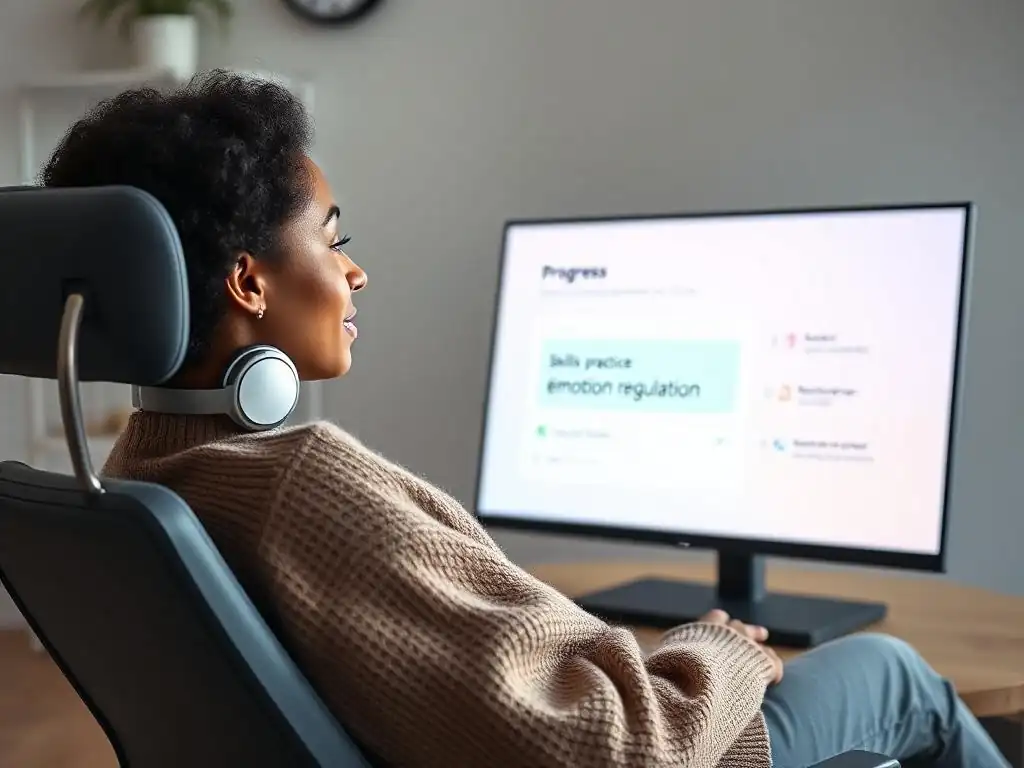
The effectiveness of Dialectical Behavior Therapy (DBT) for treating depression, particularly chronic or difficult-to-treat forms, is supported by a growing body of research. While DBT was originally developed for BPD, its focus on emotion regulation, distress tolerance, and interpersonal skills makes it highly relevant and effective for many individuals experiencing depression.
Studies have shown that DBT can lead to significant reductions in depressive symptoms, improve emotional stability, and decrease suicidal ideation and behaviors often comorbid with severe depression. For example, research published in the Journal of Affective Disorders and other peer-reviewed journals has indicated that adaptations of DBT can be superior to standard treatments for reducing depressive symptoms in certain populations.
Furthermore, research is emerging specifically on the effectiveness of delivering DBT via telehealth or online platforms. While research directly comparing comprehensive online DBT to comprehensive in-person DBT for depression is still developing, studies on the efficacy of online delivery of therapeutic modalities like CBT and DBT for various conditions, including depression and anxiety, have shown promising results.
These studies suggest that online formats can be just as effective as in-person therapy for many individuals, particularly when the core components and therapeutic alliance are maintained. The skills learned in online DBT therapy for depression—such as mindfulness, emotion regulation, and distress tolerance—are practical and can be effectively taught and practiced remotely, empowering individuals to manage their symptoms regardless of the delivery method.
When Online DBT Might Not Be the Best Choice: Considering Individual Needs
While online DBT therapy for depression offers numerous benefits and can be highly effective, it is not the ideal solution for everyone. Certain individual needs and circumstances might make traditional in-person therapy, or a hybrid approach, a more suitable option. For individuals experiencing severe crises, such as active suicidal intent with a specific plan, immediate in-person care or hospitalization may be necessary for safety, as online platforms are not equipped to handle acute psychiatric emergencies.
Additionally, individuals who struggle significantly with technology, lack reliable internet access, or do not have a private space at home for sessions may find online therapy challenging. The therapeutic alliance, the trusting relationship between client and therapist, is crucial in DBT; while this can absolutely be built online, some individuals may find it easier to connect and feel comfortable in a physical presence.
For those with very complex presentations, severe dissociation, or who require intensive, wrap-around services beyond individual and group therapy, a comprehensive in-person DBT program might offer a higher level of support and coordination of care. Discussing your specific needs and the severity of your depression symptoms with a mental health professional can help determine if online DBT is the right fit or if an alternative approach would be more beneficial.
Taking the Next Step: Starting Your Online DBT Journey for Depression
How to Sign Up for an Online DBT Platform
Starting your journey with affordable DBT therapy online for depression typically involves a few straightforward steps. First, research platforms that offer therapists trained in DBT and align with your budget and service preferences (e.g., subscription vs. pay-per-session, communication methods offered). Once you've chosen a platform, the next step is usually to complete an initial assessment or questionnaire. This helps the platform understand your needs, the severity of your depression, and your therapeutic goals, including your interest in DBT.
Based on your assessment, the platform will typically match you with a licensed therapist who has relevant experience, potentially including expertise in DBT and treating depression. You'll be able to review the therapist's profile to see their qualifications, approach, and availability. Most platforms allow you to request a different therapist if the initial match doesn't feel right.
After selecting a therapist, you'll set up your account, choose a subscription plan or payment method, and schedule your first session. The process is designed to be relatively quick and accessible, allowing you to begin receiving support for your depression without significant delay.
What to Expect During Your First Online DBT Session
Your first online DBT session for depression will likely focus on assessment, building rapport, and setting goals. The therapist will spend time getting to know you, asking about your history of depression, current symptoms, challenges you're facing, and what you hope to achieve through therapy. They will also explain their therapeutic approach and how they plan to incorporate DBT skills into your treatment plan. This is your opportunity to ask questions about their experience with DBT and depression, the structure of future sessions, and how the online format will work.
The therapist will likely explain the core principles of DBT and how they can be applied to managing depression, such as learning to understand and cope with intense emotions or improving interpersonal relationships. While you might not dive deep into specific skills immediately, the first session lays the groundwork by establishing a therapeutic alliance and outlining the path forward.
You'll discuss logistics like scheduling future sessions and how to use the platform's features. The goal is for you to leave the first session feeling heard, understood, and hopeful about the potential for DBT therapy online to help you manage your depression more effectively.
Maintaining Consistency and Commitment for Optimal Results in Online DBT
Consistency and commitment are paramount to achieving optimal results in DBT therapy online for depression. DBT is a skills-based therapy, and like learning any new skill, it requires practice and repetition. Attending scheduled individual therapy sessions and, if available, group skills training sessions regularly is crucial for learning the material and receiving guidance from your therapist. Missing sessions can disrupt the learning process and slow down progress.
Beyond scheduled sessions, committing to practicing DBT skills in your daily life is where the real change happens. Your therapist will likely assign "homework" or encourage you to practice specific skills between sessions, such as using mindfulness techniques, applying distress tolerance strategies during difficult moments, or practicing interpersonal effectiveness skills in interactions.
Actively engaging with these practices, even when it feels challenging due to depression symptoms, reinforces the skills and helps them become automatic responses rather than conscious efforts. Utilizing platform features like messaging to check in with your therapist or using journaling tools to track skill practice can also help maintain momentum and accountability, leading to more significant and lasting improvements in managing your depression.
Beyond DBT: Additional Resources for Managing Depression and Mental Well-being
[Link to other relevant articles/resources on Mind Care Guide]
Explore additional informative articles and resources available on Mind Care Guide covering various aspects of mental well-being, including different therapy types, coping strategies for depression, and understanding mental health diagnoses. These resources can complement your understanding and provide broader support for your journey.
[Link to external resources for mental health support]
Discover external organizations and resources dedicated to mental health support. These may include national helplines, non-profit organizations offering information and advocacy, or directories for finding local mental health services. These external resources can provide valuable information and support beyond therapeutic platforms.
Frequently Asked Questions
What is DBT and how does it help with depression?
DBT, or Dialectical Behavior Therapy, is a type of therapy that focuses on emotional regulation, mindfulness, and distress tolerance. It helps individuals with depression by teaching them skills to manage their emotions and improve their relationships.
Can DBT therapy be effectively delivered online for depression?
Yes, online DBT therapy can be very effective. Many studies show that it can be just as beneficial as in-person therapy, providing convenient access to evidence-based treatment for depression.
What makes online DBT for depression more affordable than traditional therapy?
Online platforms often have lower overhead costs than traditional clinics, allowing them to offer more affordable pricing. Plus, reduced travel expenses and flexible scheduling can also contribute to cost savings.
What should I look for in a good online DBT platform for depression?
Look for platforms with qualified and licensed therapists specializing in DBT, a structured program with individual and group sessions, and clear pricing and support options.
How long does it typically take to see improvements with online DBT for depression?
The timeline varies, but many individuals start to notice improvements in their mood and coping skills within a few months of consistent participation in online DBT therapy.
Final Reflection: Accessing the Power of DBT: Hope and Help Online
The accessibility of affordable online DBT is revolutionizing mental healthcare, offering a lifeline to countless individuals struggling with depression. The stigma surrounding mental health is slowly eroding, and the rise of accessible online platforms is a crucial step in dismantling this barrier, bringing much-needed support directly to those who need it most. This shift towards digital mental health services is not just a trend; it's a necessary evolution in how we approach mental wellbeing.
The impact of readily available DBT resources is profound, reshaping how we understand and address depression. It's empowering to see individuals taking control of their mental health journeys, finding solace and strength in the structured techniques DBT provides. The ease of access, coupled with the affordability of many online platforms, is democratizing mental healthcare, ensuring that support is no longer a privilege reserved for a select few. The greatest glory in living lies not in never falling, but in rising every time we fall.
- Nelson Mandela. This quote perfectly encapsulates the spirit of DBT and the resilience it fosters in those battling depression.
Consider the tools and resources discussed in this article. You now possess the knowledge to navigate the landscape of online DBT platforms and find one that suits your needs and budget. Take the first step. Research the platforms mentioned, reach out to a provider, and begin your journey towards a healthier, happier you. Remember, seeking help is a sign of strength, not weakness, and the path to recovery is paved with self-compassion and consistent effort. Your mental wellbeing is worth investing in – don't hesitate to prioritize it.
Here's a CTA based on the provided article title and website information:
Unlock Your Emotional Wellbeing: Take the Next Step
Thanks for taking the time to explore affordable online DBT options for managing depression. We hope this guide provided valuable insights into finding the right support for your journey. Now it's time to put that knowledge into action!
- Sign up for a free introductory session with a therapist offering online DBT. This is your first step towards feeling better.
- Explore the resources mentioned in the article and find the perfect fit for your needs and budget.
- Share this article with someone who might also benefit from learning about accessible DBT resources.
What small step will you take today to invest in your emotional wellbeing?