
Is Online Couples Therapy Suitable for Your Relationship Problems?

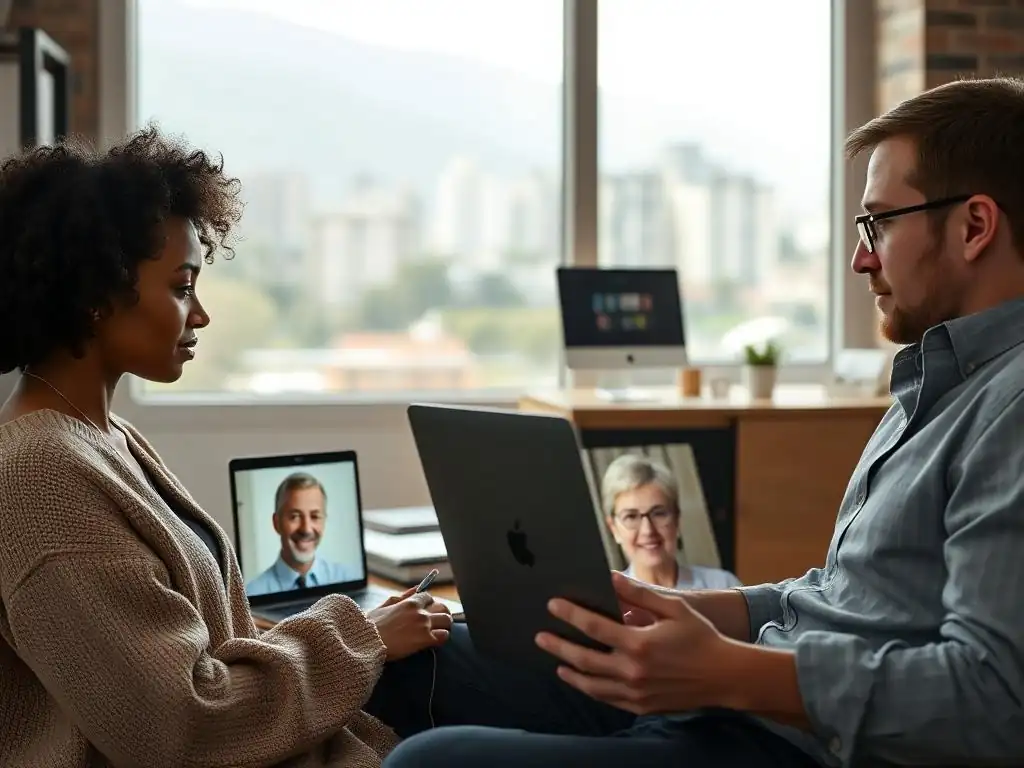
Welcome to Mind Care Guide, a supportive space dedicated to nurturing your mental well-being. Feeling the strain in your relationship? You're not alone. Navigating those challenges can be tough, but understanding your options is the first step towards healing. Ever wondered if online couples therapy could be the key to unlocking a stronger, more connected relationship? Discover the surprising online couples therapy benefits couples are experiencing and explore if this modern approach is the right fit for you. Let's delve into it together and find the path to a healthier, happier partnership.
Is Online Couples Therapy Suitable for Your Relationship Problems? (Mind Care Guide)
- Understanding Relationship Challenges and Seeking Solutions
- The Rise of Online Couples Therapy: A Modern Solution
- Is Online Couples Therapy Right for You? Assessing Your Relationship Needs
- Top Online Couples Therapy Platforms: Features and Pricing
- Key Benefits of Online Couples Therapy
- Potential Drawbacks and How to Overcome Them
- Maximizing the Effectiveness of Online Couples Therapy
- Tools and Resources to Enhance Your Online Couples Therapy Journey
- Taking the Next Step: Finding the Right Online Couples Therapist
-
Frequently Asked Questions
- Is online couples therapy as effective as in-person therapy?
- What types of relationship problems can online couples therapy address?
- What are the main benefits of choosing online couples therapy over traditional therapy?
- How do I know if online couples therapy is right for my relationship?
- What qualifications should an online couples therapist have?
- Final Reflection: Bridging the Distance, Strengthening the Bond
- Unlock Your Relationship's Potential: Take the Next Step
Understanding Relationship Challenges and Seeking Solutions
Common Relationship Problems That Couples Face
Relationships, while sources of immense joy and support, are also prone to challenges that can test the bond between partners. These issues often stem from a variety of sources, including misaligned expectations, differing communication styles, and external pressures. For instance, financial disagreements are cited as a leading cause of stress in many relationships, with studies indicating that arguments about money are a strong predictor of divorce.
Similarly, infidelity, lack of intimacy, and conflicts over parenting styles are frequently reported issues that erode trust and connection. The cumulative effect of unresolved problems can lead to emotional distance, resentment, and a breakdown in effective communication, making daily interactions feel strained and difficult.
Other prevalent issues include navigating major life transitions together, such as moving, changing jobs, or dealing with illness. A lack of shared goals or differing views on the future can also create significant friction. It's estimated that a substantial percentage of couples experience significant distress at some point in their relationship journey, highlighting the widespread nature of these challenges. Recognizing these common hurdles is the first step towards seeking help, as many of these problems are manageable and can be addressed with the right support and tools.
The Growing Need for Accessible Relationship Support
In today's fast-paced world, the demands on individuals and couples are higher than ever. Balancing careers, family responsibilities, and personal well-being leaves less time and energy for nurturing the relationship. This increased pressure, coupled with the complexity of modern life, has led to a greater need for accessible, flexible, and effective relationship support. Traditional in-person therapy, while valuable, can pose significant logistical challenges for many couples, such as coordinating schedules, finding childcare, or commuting to appointments. These barriers can prevent couples from seeking help even when they desperately need it.
The increasing awareness of mental health and relationship well-being has also contributed to a higher demand for support. People are more open to the idea of seeking professional help to strengthen their relationships and address issues before they escalate. This growing demand, combined with the practical difficulties of accessing traditional therapy, underscores the critical need for innovative solutions that make relationship support more readily available to everyone, regardless of their location or busy schedules.
The Rise of Online Couples Therapy: A Modern Solution
What is Online Couples Therapy and How Does it Work?
Online couples therapy, also known as teletherapy or virtual relationship counseling, is a form of psychotherapy where couples meet with a licensed therapist remotely over the internet. This typically occurs through secure video conferencing platforms, though some services may also offer communication via phone calls or text-based messaging. The core principles and therapeutic approaches used in online sessions are largely the same as those employed in traditional in-person therapy, including methods like Emotionally Focused Therapy (EFT), Gottman Method Couple Therapy, and Cognitive Behavioral Therapy (CBT) adapted for a digital format.
The process usually begins with an initial intake session where the therapist gathers information about the couple's history, concerns, and goals. Subsequent sessions involve facilitated discussions where the therapist helps the couple identify negative communication patterns, understand underlying issues, and learn healthier ways to interact. Platforms are designed with privacy and security in mind, often complying with health privacy regulations like HIPAA in the United States, ensuring that sessions and communications remain confidential.
Exploring the Benefits of Online Couples Therapy for Couples
Online couples therapy offers a compelling set of advantages that address many of the barriers associated with traditional therapy. One of the most significant benefits is the increased accessibility it provides. Couples living in rural areas with limited local therapists, those with mobility issues, or individuals with demanding work schedules can easily connect with a qualified professional from anywhere with an internet connection. This removes geographical constraints and makes finding a therapist whose specialization matches their needs much simpler.
Furthermore, online couples therapy benefits couples by offering unparalleled convenience and flexibility. Sessions can often be scheduled at times that work best for both partners, potentially including evenings or weekends, without the added time commitment of travel. This ease of access can significantly reduce the likelihood of missed appointments due to logistical hurdles. The ability to attend sessions from the comfort of their own home can also create a more relaxed and open environment for some couples, facilitating more honest and productive communication during sessions.
Is Online Couples Therapy Right for You? Assessing Your Relationship Needs
Identifying Relationship Issues That Online Therapy Can Address
Online couples therapy can be highly effective for addressing a wide range of relationship issues. These often include, but are not limited to:
- Communication breakdown and frequent arguments
- Trust issues, including infidelity or jealousy
- Difficulty managing conflict constructively
- Lack of emotional or physical intimacy
- Navigating major life transitions (e.g., marriage, parenthood, retirement)
- Blended family challenges
- Pre-marital counseling
- Differing values or goals
For example, a couple struggling with constant arguments over minor issues might find online therapy helpful in identifying the deeper, unresolved conflicts contributing to this pattern. A therapist can teach them active listening skills and conflict resolution techniques that they can practice in real-time during virtual sessions and apply to their daily lives. Studies and reports from therapy platforms suggest that a significant percentage of couples engaging in online therapy report improvements in communication and overall relationship satisfaction within a few months.
When is Online Couples Therapy Not the Best Option?
While online couples therapy benefits couples in many situations, it is not a universal solution and may not be appropriate for all circumstances. It is generally not recommended for couples dealing with severe issues such as active domestic violence or abuse, where immediate safety is a concern.
In these cases, in-person support and potentially legal intervention are usually necessary. Similarly, if one or both partners are experiencing severe mental health crises, such as active suicidal ideation, psychosis, or severe substance abuse that impairs their ability to engage in therapy, in-person treatment with a focus on individual stability is often required first.
Another scenario where online therapy might be less effective is when there is significant resistance or unwillingness from one partner to participate genuinely. While online therapy can sometimes lower the barrier to entry for reluctant partners, it still requires a basic level of commitment and openness from both individuals. Technical literacy and reliable internet access are also practical prerequisites; couples facing significant challenges with technology may find the format frustrating and less productive.
Top Online Couples Therapy Platforms: Features and Pricing

Comparing Leading Platforms: Talkspace vs. ReGain vs. Amwell
Choosing the right platform is a crucial step in accessing online couples therapy benefits. Three prominent players in this space are Talkspace, ReGain, and Amwell, each offering distinct features and pricing structures. Talkspace is well-known for its text-based therapy options alongside live video sessions, offering flexibility in communication. ReGain specializes specifically in relationship counseling, providing a focused experience for couples. Amwell, while offering a broader range of telehealth services, includes couples therapy and is often integrated with health insurance plans.
Pricing structures vary significantly. Talkspace and ReGain typically operate on subscription models, where a weekly or monthly fee covers a certain amount of communication or a set number of live sessions. Amwell often uses a per-session fee structure, similar to traditional therapy, which can sometimes be covered by insurance. While specific pricing fluctuates, Talkspace's couples plans might start around $400-$500 per month for live sessions, ReGain's subscriptions can range from $200-$300 per month, and Amwell's sessions might cost $100-$200 or more depending on the therapist and insurance coverage. These figures are approximate and subject to change.
Talkspace: Key Features, Pricing, and Specializations
Talkspace offers a versatile platform that supports couples therapy primarily through live video sessions, typically 45 minutes long. A key feature is the ability to send text, audio, and video messages to your therapist throughout the week, offering continuous support between scheduled sessions. This asynchronous communication can be particularly helpful for couples who want to process issues as they arise. Talkspace therapists cover a wide range of specializations relevant to relationships, including communication issues, conflict resolution, infidelity, and pre-marital counseling.
Pricing for Talkspace couples therapy is generally subscription-based. As of recent information, plans offering live sessions often start in the range of $400-$500 per month, though exact costs can vary based on your location and the specific plan chosen. Some plans may include a mix of live sessions and unlimited messaging. While not always the most budget-friendly option, the combination of live sessions and messaging provides a unique value proposition for couples seeking ongoing support.
ReGain: User Experience, Therapist Matching, and Cost
ReGain is a platform specifically designed for couples therapy, making its user experience tailored to relationship dynamics. The sign-up process involves questionnaires for both partners, helping to match the couple with a therapist whose expertise aligns with their specific needs. The platform emphasizes live video sessions but also supports messaging between sessions, allowing couples to communicate with their therapist as needed. The interface is designed to be easy for both partners to use, facilitating joint participation in the therapeutic process.
Cost-wise, ReGain operates on a weekly subscription model, billed monthly. Prices can range approximately from $200 to $300 per week, depending on location and therapist availability, totaling $800 to $1200 per month. This subscription typically includes one live session per week and unlimited messaging. The platform's focus solely on relationship counseling means its resources and therapist pool are dedicated to helping couples navigate their challenges effectively.
Amwell: Niche Specializations, Communication Methods, and Affordability
Amwell is a broader telehealth platform that includes mental health services, among which is couples therapy. It allows users to browse therapist profiles and book live video appointments. Amwell's therapists may have various specializations, potentially including niche areas within relationship counseling. Communication is primarily through scheduled live video sessions, similar to a traditional therapy appointment, rather than ongoing messaging.
Amwell's pricing is generally per session, which can make it more comparable to traditional therapy costs but potentially more accessible for those with insurance. Session costs might range from $100 to over $200, depending on the therapist's qualifications and your insurance plan. Amwell's strength lies in its potential for insurance coverage, which can significantly enhance the affordability of online couples therapy benefits for many couples. Its platform is integrated with many health systems, simplifying the process for those already using Amwell for other healthcare needs.
Consider Talkspace Couples Therapy: A Deep Dive
Talkspace is a popular choice for online therapy, and its couples therapy offering has specific features worth exploring in detail. It aims to provide flexibility through various communication methods and therapist availability. The platform's model is designed to fit into busy schedules, making it easier for both partners to engage consistently.
Talkspace Couples Therapy Pros
One of the main advantages of Talkspace couples therapy is the flexibility offered by the combination of live video sessions and unlimited messaging. This allows couples to have structured time with their therapist while also having a channel to communicate thoughts, feelings, or issues that arise between sessions. For couples with highly unpredictable schedules, the asynchronous messaging can be a significant benefit.
The platform also has a large network of licensed therapists, potentially offering a wider pool of specialists to choose from. Furthermore, the ability to access therapy from anywhere can reduce the stress and inconvenience associated with commuting to appointments, a key part of how online couples therapy benefits couples.
Talkspace Couples Therapy Cons
Despite its advantages, Talkspace couples therapy may have drawbacks for some. The subscription cost can be relatively high compared to other platforms, especially for plans that include multiple live sessions. While messaging is unlimited, responses from therapists may not be immediate, typically within one business day, which might not suit couples needing real-time support.
Some users have also reported challenges with therapist matching or the process of switching therapists if the initial match isn't a good fit. Additionally, the platform's structure might feel less personal to couples who prefer a more traditional, dedicated hour of face-to-face interaction without the messaging component.
Exploring ReGain Couples Therapy: A Complete Review
ReGain positions itself specifically as an online relationship counseling platform, aiming to meet the unique needs of couples seeking support. Its design and features are tailored towards facilitating communication and progress within a relationship context.
ReGain Couples Therapy: Features and Benefits
A primary benefit of ReGain is its singular focus on couples therapy, which means its platform, resources, and therapist network are all geared towards relationship issues. The sign-up process is designed to understand the couple's dynamic and needs to facilitate a suitable therapist match. The platform supports live video sessions and allows messaging with the therapist between sessions, similar to Talkspace, providing ongoing support. The ease of accessing therapy together from any location is a significant advantage, particularly for couples who may be geographically separated or have conflicting schedules. The straightforward subscription model simplifies billing compared to per-session costs.
ReGain Couples Therapy: Pricing and Plans
ReGain operates on a weekly subscription, billed monthly. As mentioned earlier, costs typically range from $200-$300 per week, which translates to $800-$1200 per month. This price usually covers one live weekly session (often 30-45 minutes) and unlimited messaging with the therapist. While this can be a substantial monthly expense, it often compares favorably to the cost of weekly in-person couples therapy in many areas. The exact price within the range depends on the user's location and therapist availability. It's important for couples considering ReGain to understand that the subscription is per couple, not per individual.
Our Recommendation: The Best Platform for Your Specific Needs
Choosing the "best" online couples therapy platform isn't about finding a universally superior service, but rather identifying the one that best aligns with your specific relationship challenges, budget, communication preferences, and logistical needs.
- If your priority is flexible communication, including messaging support between sessions, and you value a large therapist pool, Talkspace might be a strong contender, provided the cost fits your budget.
- If you prefer a platform specifically dedicated to relationship counseling with a straightforward subscription model and a user-friendly interface designed for couples, ReGain could be an excellent fit. It's often a good value for couples who will utilize the weekly live session and messaging features consistently.
- If affordability is a primary concern and you hope to use health insurance to cover costs, or if you prefer a per-session payment structure similar to traditional therapy, Amwell could be the most suitable option.
Ultimately, the best approach is often to research the platforms that seem most promising based on your needs, check their current pricing and therapist availability in your area, and perhaps look for introductory offers or free consultations if available, before committing to a subscription.
Key Benefits of Online Couples Therapy
Increased Accessibility and Convenience
One of the most frequently cited advantages of online couples therapy is its dramatic increase in accessibility and convenience. Couples no longer need to live near a therapist's office or navigate traffic and parking. They can attend sessions from the privacy and comfort of their home, office, or even while traveling, provided they have a secure internet connection and a private space. This is particularly beneficial for couples in remote areas, those with physical disabilities, or individuals whose work schedules make traditional appointments difficult. The logistical ease significantly reduces the barriers to seeking help.
Furthermore, scheduling becomes much more flexible. Online platforms often offer a wider range of appointment times, including evenings and weekends, making it easier for both partners to find a time that works without major disruptions to their daily routines. This convenience is a major factor in why online couples therapy benefits couples who might otherwise delay or forgo therapy altogether due to practical constraints. The ability to seamlessly integrate therapy into a busy life makes consistent participation more likely.
Enhanced Affordability Compared to Traditional Therapy
While costs vary, online couples therapy is often more affordable than traditional in-person sessions. Overhead costs for online platforms are generally lower than for brick-and-mortar practices, and these savings can sometimes be passed on to the clients. Subscription models, common among online platforms like ReGain and Talkspace, can offer bundled services (like weekly sessions plus messaging) at a predictable monthly fee, which may be less than the cumulative cost of pay-per-session in-person therapy.
For example, while traditional couples therapy sessions can range from $150 to $250 or more per hour in many urban areas, subscription-based online therapy might cost between $800 and $1200 per month for weekly sessions and ongoing support, which could represent a saving depending on the frequency of sessions. Even per-session costs on platforms like Amwell can sometimes be lower than average local rates. Additionally, the cost savings from not having to travel to appointments (gas, parking, public transport fares) further contribute to the overall affordability, demonstrating how online couples therapy benefits couples financially.
Greater Comfort and Reduced Stigma
Attending therapy from a familiar environment can significantly increase a couple's comfort level. Being in their own home can help partners feel more relaxed and less inhibited, potentially making it easier to open up about sensitive issues. This sense of comfort can be particularly beneficial for individuals who feel anxious or uncomfortable in clinical settings. The privacy of online sessions also means there's no chance of running into acquaintances in a waiting room, which can be a concern for some people.
Moreover, online therapy can help reduce the perceived stigma associated with seeking mental health support. The discreet nature of logging into a session from a private location can feel less public than walking into a therapist's office. This reduced stigma, combined with increased comfort, encourages more couples to seek help when they need it, fostering a proactive approach to relationship health. The ease and privacy aspects are significant ways that online couples therapy benefits couples who might otherwise feel hesitant to seek help.
Real-Life Examples: Success Stories of Online Couples Therapy
While specific client details are confidential, aggregated data and anonymized examples highlight the positive impact of online couples therapy. For instance, a couple struggling with communication after the birth of their first child found that weekly 45-minute video sessions helped them carve out dedicated time to discuss their challenges without distractions. Their therapist taught them techniques for expressing needs without blame, leading to a significant reduction in arguments and increased mutual understanding within three months.
Another example involves a couple facing challenges due to one partner's frequent business travel. Online therapy allowed them to connect with their therapist from different cities, maintaining consistency in their sessions. They worked on rebuilding trust after a period of distance and miscommunication, using the flexibility of the platform to schedule sessions when both were available, regardless of location. Reports from major platforms often indicate that a high percentage of active users report feeling more connected and satisfied with their relationship after engaging in online couples therapy, underscoring how online couples therapy benefits couples facing various hurdles.
Potential Drawbacks and How to Overcome Them
Technical Issues and Ensuring a Smooth Online Experience
One potential drawback of online couples therapy is the reliance on technology, which can sometimes lead to technical glitches. Poor internet connection, outdated devices, or software issues can disrupt sessions, causing frustration and potentially impacting the therapeutic flow. A frozen screen or choppy audio can make communication difficult and detract from the effectiveness of the session.
To overcome this, it's crucial for couples to ensure they have a stable and reasonably fast internet connection. Using a reliable device, like a modern computer or tablet, and testing the platform's video and audio capabilities before the session can prevent many common problems. Having a backup plan, such as the therapist's phone number in case the video connection fails, is also advisable. Choosing a quiet, private space with minimal distractions is also essential for a smooth and productive session.
Building Trust and Rapport with Your Online Therapist
Establishing a strong therapeutic alliance, or rapport, with a therapist is vital for successful outcomes in any form of therapy. Some couples may initially find it challenging to build the same level of connection and trust with a therapist through a screen as they might in person. Non-verbal cues can sometimes be harder to read online, and the physical distance might feel like an emotional barrier for some individuals.
Therapists specializing in online counseling are often trained to mitigate these challenges. They use techniques like maintaining strong eye contact with the camera, actively reflecting on client emotions, and ensuring clear verbal communication to build connection. Couples can help by actively participating, being open and honest, and providing feedback to the therapist about what feels effective or challenging in the online format. Giving it a few sessions to allow the relationship to develop is also important.
Communication Challenges and Effective Strategies
While online therapy aims to improve couple communication, the medium itself can sometimes present challenges. Misunderstandings can arise more easily without the full range of non-verbal cues present in face-to-face interactions. Managing turn-taking in conversation or handling intense emotional moments can also feel different in a virtual setting.
Effective strategies for overcoming these communication challenges include using headphones to ensure clear audio for both partners and the therapist, minimizing background noise, and consciously practicing active listening even when not physically in the same room. Therapists often use visual aids or screen-sharing to facilitate discussions and may explicitly coach couples on how to communicate effectively in the online environment. Being patient with the process and communicating any difficulties to the therapist are key to navigating these potential hurdles.
Maximizing the Effectiveness of Online Couples Therapy

Setting Realistic Expectations and Goals
To get the most out of online couples therapy, it's essential to set realistic expectations. Therapy is a process that requires time, effort, and commitment from both partners; it is not a quick fix. Significant changes in long-standing relationship patterns take time to develop and implement.
Discussing and agreeing upon shared goals for therapy with your therapist is also crucial. These goals should be specific, measurable, achievable, relevant, and time-bound (SMART goals), such as "improve conflict resolution skills by learning and practicing one new technique each week" or "increase positive interactions by having a 15-minute conversation daily without discussing problems."
Understanding that progress may not be linear is also important. There will likely be ups and downs, and some sessions or weeks may feel more productive than others. Focusing on small, consistent steps towards the larger goals helps maintain momentum and prevents discouragement. Openly communicating your expectations and how you feel the therapy is progressing with your therapist is a key part of this process.
Actively Participating in Sessions
Active participation from both partners is non-negotiable for online couples therapy to be effective. This means being fully present during sessions, minimizing distractions (like phones or other screens), and engaging honestly and openly with the therapist and each other. Simply being physically present while mentally checked out will yield minimal results.
Active participation also involves being willing to explore difficult emotions, take responsibility for one's own contributions to relationship problems, and be open to trying new ways of communicating and interacting. Asking questions, sharing insights, and being receptive to feedback from the therapist are all components of active engagement. Remember, the therapist is a guide, but the work of change happens through the couple's active effort during and between sessions.
Practicing Communication Skills Between Sessions
Therapy sessions provide a safe space to learn and practice new skills, but the real work of integrating these skills into the relationship happens in daily life between sessions. Therapists often assign "homework" or exercises for couples to complete between appointments, such as practicing active listening, scheduling dedicated time for positive interaction, or using specific conflict resolution techniques.
Consistently practicing these skills is crucial for solidifying new habits and patterns. It allows couples to apply what they've learned in real-world situations and identify what works or what is still challenging, which they can then bring back to the next therapy session for further guidance. Couples who actively practice between sessions are significantly more likely to experience lasting positive changes in their relationship. This consistent effort is a major factor in how online couples therapy benefits couples in the long term.
Tools and Resources to Enhance Your Online Couples Therapy Journey
Recommended Relationship Workbooks and Guides
Supplementing online therapy with educational resources can deepen understanding and reinforce learning. Many excellent relationship workbooks and guides are available that align with therapeutic principles. Books based on methods like the Gottman Method (e.g., The Seven Principles for Making Marriage Work) or Emotionally Focused Therapy (e.g., Hold Me Tight) offer practical exercises and insights. Workbooks focused on specific issues like communication ( Nonviolent Communication by Marshall B. Rosenberg) or rebuilding trust can provide structured ways to practice skills independently or together between sessions.
These resources can help couples explore concepts introduced in therapy at their own pace, provide additional exercises to strengthen new skills, and offer perspectives that complement the therapeutic process. Discussing relevant sections or exercises from these resources with your online therapist can also enhance the therapy's effectiveness.
Communication Apps and Exercises
Technology can also provide tools specifically designed to improve couple communication. While not a substitute for therapy, certain apps offer guided exercises, conversation starters, or mood tracking features that can help couples stay connected and mindful of their interactions. Some apps provide daily prompts for expressing appreciation or scheduling check-ins.
Simple exercises like setting aside 15 minutes daily for "stress-reducing conversation" (where each partner shares about their day without trying to solve problems) or practicing reflective listening (where one partner summarizes what the other said before responding) can be done independently. Your online therapist may recommend specific exercises or apps that align with your therapeutic goals, helping you integrate healthier communication patterns into your daily routine.
Self-Help Resources and Online Courses for Couples
Beyond workbooks and apps, a wealth of self-help resources and online courses are available that can support a couple's growth alongside therapy. Many reputable mental health organizations and universities offer free articles, videos, or low-cost online courses covering topics like conflict resolution, building intimacy, or understanding attachment styles.
Platforms like Coursera, edX, or even dedicated relationship education websites offer structured courses that delve into the psychology of relationships and provide practical tools. While these resources should not replace professional therapy for significant issues, they can provide valuable foundational knowledge, reinforce therapeutic concepts, and empower couples to take an active role in their relationship health journey. Using these resources in conjunction with online couples therapy benefits couples by creating a comprehensive approach to well-being.
Taking the Next Step: Finding the Right Online Couples Therapist
How to Choose a Qualified and Experienced Therapist
Finding the right therapist is paramount to a positive online couples therapy experience. Look for licensed therapists who specialize in couples or relationship counseling. Their credentials should be clearly listed, such as Licensed Marriage and Family Therapist (LMFT), Licensed Professional Counselor (LPC), Licensed Clinical Social Worker (LCSW), or Psychologist (PhD/PsyD) with a focus on couples. Experience is also important; inquire about how long they have been practicing and their experience working with couples facing issues similar to yours.
Consider their therapeutic approach – do they primarily use EFT, Gottman Method, CBT, or another modality? Researching these approaches briefly can help you understand if their style aligns with what you're looking for. Platforms often provide therapist profiles detailing their background, specializations, and therapeutic philosophies. Take advantage of this information to narrow down your choices.
Questions to Ask Before Starting Therapy
Before committing to a therapist or platform, it's a good idea to ask some initial questions, often possible during a brief consultation or through platform messaging. Questions might include:
- What is your experience working with couples dealing with [your specific issues, e.g., infidelity, communication problems]?
- What therapeutic approach do you primarily use with couples?
- How do you structure online sessions?
- What is your availability for sessions?
- How do you handle communication or support between sessions?
- What are your fees, and do you offer sliding scale options or accept insurance?
- What is your policy on cancellations or rescheduling?
Asking these questions helps you gauge the therapist's suitability, understand the practicalities of the process, and ensure there's a good potential fit in terms of personality and approach. Don't hesitate to speak with a couple of different therapists if possible before making a decision.
Starting Your Journey Towards a Healthier Relationship
Deciding to pursue online couples therapy is a significant and positive step towards addressing relationship challenges and building a stronger bond. By understanding what online couples therapy is, exploring how online couples therapy benefits couples through increased accessibility, affordability, and comfort, and being aware of potential drawbacks and how to mitigate them, you can approach the process with confidence.
Armed with information about leading platforms, strategies for maximizing effectiveness, and resources to support your journey, you are well-equipped to find the right therapist and begin the work. Remember that seeking help is a sign of strength and commitment to your relationship. The path to a healthier, more fulfilling partnership is achievable with dedication, open communication, and the right professional support, much of which is readily available through online platforms today.
Frequently Asked Questions
Is online couples therapy as effective as in-person therapy?
While effectiveness can vary, studies suggest online couples therapy can be just as effective as in-person therapy for many couples. It offers convenience and accessibility that can enhance engagement.
What types of relationship problems can online couples therapy address?
Online couples therapy can address a wide range of issues, including communication problems, infidelity, conflict resolution, and intimacy issues. It is a versatile tool for relationship improvement.
What are the main benefits of choosing online couples therapy over traditional therapy?
Key benefits include increased accessibility, reduced travel time, and potentially lower costs. It also offers a comfortable environment for some couples to open up more easily.
How do I know if online couples therapy is right for my relationship?
Consider if you and your partner are comfortable with digital communication. If you struggle with tech or require highly specialized intervention, in-person may be better.
What qualifications should an online couples therapist have?
Ensure the therapist is a licensed mental health professional with specific training in couples therapy. Verify their credentials and experience before committing to treatment.
Final Reflection: Bridging the Distance, Strengthening the Bond
The accessibility of online couples therapy is revolutionizing relationship support, offering a lifeline to couples who might otherwise struggle to access professional help. This convenience, coupled with the growing body of evidence supporting its efficacy, signifies a significant shift in how we approach relationship challenges in the modern world. The stigma associated with seeking therapy is slowly diminishing, and online platforms are playing a crucial role in this positive change.
The impact of online therapy extends beyond mere convenience; it's reshaping the very landscape of relationship counseling. It's allowing couples to engage in therapy from the comfort of their own homes, fostering a more relaxed and intimate setting for vulnerable conversations. This accessibility is particularly crucial for couples facing geographical barriers, busy schedules, or those who feel more comfortable communicating in a less formal environment. The greatest gift you can give someone is your time, because when you give your time, you are giving a portion of your life that you will never get back.
This quote highlights the importance of prioritizing relationship health, and online therapy makes that prioritization more achievable for many.
Now, consider your own relationship. Are there areas where open communication and professional guidance could strengthen your bond? Take a moment to reflect on the challenges you face and consider whether online couples therapy could be the right step for you and your partner. Don't let geographical limitations or busy schedules prevent you from investing in the health and longevity of your relationship. The opportunity to build a stronger, more resilient connection is within reach; embrace it.
Unlock Your Relationship's Potential: Take the Next Step
Thanks for taking the time to explore the world of online couples therapy with us! We hope this article provided valuable insights into whether it's the right fit for your unique relationship. Now, let's turn those insights into action.
- Schedule a free consultation with a therapist: This is the most impactful step towards addressing your relationship challenges and discovering if online therapy is the solution for you. Many therapists offer free initial consultations to help you assess the fit and discuss your specific needs.
- Share this article with your partner: Openly discussing the possibilities of online therapy together is crucial for a successful journey. This article can provide a starting point for a healthy conversation.
- Explore additional resources on our website: Discover more articles and information on relationship health and the benefits of online therapy to further strengthen your understanding.
So, what's the first step you'll take to build a stronger, healthier connection with your partner today?