
Beyond Antidepressants: Exploring Alternative and Complementary Approaches for Dysthymia


Welcome to Mind Care Guide, a safe space dedicated to nurturing your mental well-being.
Feeling persistently low? You're not alone. We understand the weight of dysthymia and how it can impact your daily life. In our featured article, " Beyond Antidepressants: Exploring Alternative and Complementary Approaches for Dysthymia," we delve into strategies for managing dysthymia naturally without meds, offering a hopeful path forward. Curious about non-pharmaceutical options to lift your spirits and reclaim your joy? Discover practical tips and supportive resources within – let's explore a brighter tomorrow, together.
Beyond Antidepressants: Exploring Alternative and Complementary Approaches for Persistent Depressive Disorder
- Introduction: Understanding Persistent Depressive Disorder and the Need for Holistic Management
- Why Explore Alternatives to Antidepressants for Persistent Depressive Disorder?
- Lifestyle Modifications for Managing Persistent Depressive Disorder
- Complementary Therapies: An Integrative Approach
- Integrating Alternative and Complementary Approaches into Your Treatment Plan
- Conclusion: Embracing a Holistic Approach for Long-Term Well-being
-
Frequently Asked Questions
- What exactly is dysthymia, and how does it differ from major depressive disorder?
- Can lifestyle changes really help manage dysthymia, or are medications always necessary?
- What are some specific examples of "alternative and complementary approaches" mentioned in the article?
- How long does it typically take to see noticeable improvements when managing dysthymia naturally?
- Are there any potential risks or side effects associated with natural remedies for dysthymia?
- Final Reflection: Finding Light Beyond the Shadows of Dysthymia
- Unlock Your Path to Well-being: Next Steps for Managing Dysthymia
Introduction: Understanding Persistent Depressive Disorder and the Need for Holistic Management
Persistent Depressive Disorder (PDD), often referred to as dysthymia, is a chronic form of depression characterized by a low, dark, or sad mood that persists for at least two years. Unlike major depressive episodes, the symptoms of PDD are often less severe but are enduring, significantly impacting daily life, relationships, and overall well-being over the long term. Individuals with PDD may experience periods of less intense symptoms, but the underlying feeling of persistent low mood remains.
While antidepressant medications are a common treatment for PDD, many individuals seek additional or alternative ways of managing dysthymia naturally without meds, or alongside medication. This desire stems from various factors, including concerns about side effects, the limitations of medication alone, and a growing recognition that mental well-being is influenced by a complex interplay of biological, psychological, and social factors. Exploring holistic and complementary approaches offers a broader toolkit for navigating the challenges of persistent low mood and working towards long-term stability and improved quality of life.
Why Explore Alternatives to Antidepressants for Persistent Depressive Disorder?
Potential Side Effects of Antidepressant Medications
Antidepressant medications can be effective for many people in managing the symptoms of persistent depressive disorder, but they are not without potential side effects. These can vary widely depending on the specific medication and the individual's physiology. Common side effects reported by a significant number of users include digestive issues like nausea or constipation, weight gain or loss, and changes in appetite.
Beyond these physical symptoms, antidepressants can also affect sleep patterns, sometimes causing insomnia or excessive drowsiness. Sexual side effects, such as decreased libido or difficulty achieving orgasm, are also frequently reported and can significantly impact relationships and self-esteem. While these side effects are often manageable or temporary, for some individuals, they can be persistent and significantly diminish their quality of life, prompting them to look for alternative methods for managing dysthymia naturally.
Limitations of Antidepressants in Long-Term Management of Persistent Depressive Disorder
While beneficial for many, antidepressants do not lead to full remission for everyone diagnosed with persistent depressive disorder. Studies suggest that a substantial portion of individuals may experience only partial relief from symptoms or continue to struggle with a baseline low mood despite medication. Furthermore, the effectiveness of antidepressants can sometimes wane over extended periods, or individuals may face challenges with adherence due to side effects or other concerns.
Long-term management of a chronic condition like PDD often requires more than pharmacological intervention alone. Medication addresses neurochemical imbalances, but it may not fully address the psychological, behavioral, or environmental factors contributing to the persistent low mood. This reality highlights the need for comprehensive strategies that go beyond medication to empower individuals in managing dysthymia naturally or through integrated approaches.
Desire for Integrative Approaches to Mood Enhancement
There is a growing recognition that mental health is deeply intertwined with physical health, lifestyle, and environmental factors. Many individuals seeking help for persistent depressive disorder are interested in addressing their well-being from multiple angles, rather than relying solely on a single treatment modality. This desire for integrative approaches reflects a wish to take an active role in their recovery and build sustainable habits for long-term mood stability.
Exploring complementary and alternative therapies alongside or instead of medication can offer a more personalized path to wellness. These approaches, which might include psychotherapy, dietary changes, exercise, or stress reduction techniques, can address different facets of the condition. For those interested in managing dysthymia naturally without meds, or in conjunction with them, integrating these various strategies provides a holistic framework for enhancing mood and resilience.
Lifestyle Modifications for Managing Persistent Depressive Disorder

The Power of Diet and Nutrition in Mood Regulation
The food we consume has a profound impact not only on our physical health but also on our brain function and mood. Research increasingly points to a strong connection between gut health and mental well-being, often referred to as the gut-brain axis. A diet rich in processed foods, sugar, and unhealthy fats can contribute to inflammation and disrupt the balance of gut bacteria, potentially exacerbating symptoms of persistent low mood.
Conversely, a nutrient-dense diet provides the essential building blocks for neurotransmitter production and overall brain health. Focusing on whole foods like fruits, vegetables, lean proteins, and healthy fats can support stable energy levels and mood. Many individuals find that making conscious dietary choices is a fundamental step in managing dysthymia naturally.
Essential Nutrients for Brain Health and Mood Support
Several key nutrients play a vital role in brain function and have been linked to mood regulation. Omega-3 fatty acids, found in fatty fish, flaxseeds, and walnuts, are crucial for brain structure and have anti-inflammatory properties that may benefit mood. B vitamins, particularly B6, B12, and folate, are essential for the synthesis of neurotransmitters like serotonin and dopamine, which are critical for mood regulation.
Minerals such as magnesium and zinc are also important; deficiencies in these nutrients have been observed in some individuals with depression. While supplements can be considered, obtaining these nutrients through a balanced diet is generally recommended as the primary approach. Ensuring adequate intake of these essential elements is a cornerstone of managing dysthymia naturally.
Mediterranean Diet Strategies for Improved Mood
The Mediterranean diet, characterized by its emphasis on fruits, vegetables, whole grains, legumes, nuts, seeds, olive oil, and moderate consumption of fish and poultry, has been associated with numerous health benefits, including improved mental health outcomes. This dietary pattern is rich in antioxidants, fiber, and healthy fats, all of which support brain health and reduce inflammation.
Adopting Mediterranean diet principles involves prioritizing plant-based foods, using olive oil as the main fat source, and limiting red meat and processed foods. This approach provides a sustainable and enjoyable framework for healthy eating that can contribute significantly to managing persistent depressive disorder naturally by nourishing the body and mind.
Impact of Processed Foods and Sugars on Mood
Foods high in refined sugars and processed ingredients can lead to rapid fluctuations in blood sugar levels, resulting in energy crashes and mood swings. These foods often lack essential nutrients and can contribute to systemic inflammation, which is increasingly being linked to depressive symptoms. Regular consumption of sugary drinks, refined carbohydrates, and processed snacks can create a cycle that negatively impacts mood stability.
Reducing or eliminating processed foods and added sugars is a critical step for anyone focusing on managing dysthymia naturally. Replacing these items with whole, unprocessed foods helps stabilize blood sugar, provides necessary nutrients, and supports a healthier gut microbiome, all of which can contribute to a more balanced and stable mood over time.
Exercise and Physical Activity: A Natural Mood Booster
Regular physical activity is a powerful tool for improving mental health and is often recommended as a key component in managing persistent depressive disorder. Exercise stimulates the release of endorphins, often called "feel-good" chemicals, which can temporarily lift mood and reduce feelings of pain. Beyond the immediate effects, consistent exercise promotes long-term changes in the brain that are beneficial for mood regulation.
Physical activity can also improve sleep quality, reduce stress levels, and boost self-esteem, all of which are areas often affected by persistent low mood. Incorporating movement into your daily routine can feel challenging when experiencing low energy, a common symptom of PDD, but even small amounts of activity can make a difference and contribute significantly to managing dysthymia naturally.
The Benefits of Regular Exercise on Symptoms
Consistent exercise has been shown to have antidepressant effects comparable to medication for individuals with mild to moderate depression. While PDD is chronic, the mood-boosting effects of exercise can help alleviate the intensity of symptoms. Physical activity increases the levels of neurotransmitters like serotonin, norepinephrine, and dopamine, similar to how some antidepressants work.
Furthermore, exercise promotes neurogenesis, the creation of new brain cells, particularly in areas of the brain associated with mood and memory, such as the hippocampus. Aiming for at least 150 minutes of moderate-intensity aerobic activity or 75 minutes of vigorous-intensity activity per week, along with muscle-strengthening activities twice a week, is a general guideline that can yield significant mental health benefits.
Aerobic Exercise, Strength Training, and Yoga for Mood
Different types of exercise offer distinct benefits for mental well-being. Aerobic activities like brisk walking, running, swimming, or cycling are excellent for cardiovascular health and releasing endorphins. Strength training can improve body image and self-efficacy, while also having positive effects on brain function.
Mind-body practices like yoga combine physical postures, breathing exercises, and meditation, offering a holistic approach to stress reduction and mood enhancement. Yoga can improve flexibility, strength, and balance while promoting mindfulness and relaxation. Finding activities you enjoy is key to creating a sustainable exercise routine for managing dysthymia naturally.
Creating a Sustainable Exercise Routine
Starting and maintaining an exercise routine when dealing with persistent low mood can be difficult. It's important to start small and gradually increase intensity and duration. Setting realistic goals, scheduling workouts like appointments, and finding an exercise buddy or group can help with accountability and motivation.
Focusing on consistency over intensity in the beginning is crucial. Even a 15-minute walk outdoors can lift your mood and energy levels. Tracking your activity and noticing how it affects your mood can provide positive reinforcement. Creating a sustainable routine is about finding enjoyable ways to move your body regularly, making exercise a natural part of managing dysthymia naturally.
Sleep Hygiene: Prioritizing Rest for Mental Well-being
Sleep disturbances are common in individuals with persistent depressive disorder, with many experiencing insomnia or hypersomnia (excessive sleeping). Poor sleep can significantly worsen mood, reduce cognitive function, and decrease resilience to stress, creating a negative cycle that perpetuates depressive symptoms. Prioritizing good sleep hygiene is therefore fundamental to managing PDD naturally.
Establishing healthy sleep habits helps regulate the body's internal clock (circadian rhythm), promoting more consistent and restorative sleep. This, in turn, can lead to improved mood, better energy levels, and enhanced ability to cope with daily challenges. Making sleep a priority is a non-negotiable step in supporting mental health.
Establishing a Consistent Sleep-Wake Cycle
One of the most effective strategies for improving sleep is to maintain a consistent sleep-wake schedule, even on weekends. Going to bed and waking up at roughly the same time each day helps regulate your body's natural sleep rhythm. This consistency signals to your body when it's time to be awake and when it's time to wind down.
While it might be tempting to sleep in on days when you feel particularly low, sticking to a schedule helps reinforce the circadian rhythm over time. Consistency is key to retraining your body and mind for better sleep, which is essential for managing persistent depressive disorder naturally.
Creating a Relaxing Bedtime Routine
Developing a relaxing routine before bed signals to your body that it's time to prepare for sleep. This routine should be calming and avoid stimulating activities. Examples include taking a warm bath, reading a physical book (avoiding screens), listening to quiet music, or practicing gentle stretching or meditation.
Avoiding caffeine and alcohol in the hours leading up to bedtime is also important, as these substances can disrupt sleep architecture. This transition period helps quiet the mind and body, making it easier to fall asleep and stay asleep. A consistent, calming bedtime routine is a powerful tool in managing dysthymia naturally through improved rest.
Optimizing Your Sleep Environment
Your bedroom environment plays a significant role in the quality of your sleep. Ideally, the bedroom should be dark, quiet, and cool. Using blackout curtains can help block out light, which is crucial for melatonin production, the hormone that regulates sleep. Earplugs or a white noise machine can help minimize disruptive sounds.
Ensuring your mattress and pillows are comfortable also contributes to restful sleep. Making your bedroom a sanctuary dedicated primarily to sleep and intimacy helps create a positive association with the space and promotes better sleep habits. Optimizing your sleep environment is a practical step towards managing persistent depressive disorder naturally by fostering restorative rest.
Stress Management Techniques
Chronic stress can significantly exacerbate the symptoms of persistent depressive disorder, contributing to feelings of overwhelm, irritability, and low mood. Learning effective strategies to manage stress is therefore a vital component of a holistic approach to managing PDD naturally. Stress reduction techniques can help calm the nervous system, reduce the production of stress hormones like cortisol, and promote a sense of peace and control.
Integrating stress management practices into your daily or weekly routine can build resilience and provide coping mechanisms for navigating life's challenges. These techniques offer practical ways to interrupt the stress response and cultivate a calmer state of mind, which is particularly beneficial when dealing with the long-term nature of persistent low mood.
Mindfulness Meditation for Symptom Relief
Mindfulness meditation involves focusing on the present moment without judgment. Regular practice can help individuals become more aware of their thoughts and feelings without getting swept away by them, which can be particularly helpful for managing the ruminative thinking often associated with persistent depressive disorder. It teaches you to observe your low mood or negative thoughts from a distance, rather than identifying with them.
Studies have shown that mindfulness-based interventions can be effective in reducing symptoms of depression and preventing relapse. Even a few minutes of mindfulness meditation daily can begin to cultivate a greater sense of calm and emotional regulation, offering a tangible way of managing dysthymia naturally.
Deep Breathing Exercises to Reduce Anxiety and Improve Mood
Simple deep breathing exercises can have an immediate calming effect on the nervous system. When stressed or anxious, our breathing tends to become shallow and rapid. Consciously slowing down the breath and taking deep inhalations and exhalations activates the body's relaxation response.
Techniques like diaphragmatic breathing (breathing into your belly) or box breathing (inhaling for a count of four, holding for four, exhaling for four, holding for four) can quickly reduce feelings of tension and promote a sense of tranquility. Practicing deep breathing regularly can build your capacity to manage stress responses, supporting your efforts in managing persistent depressive disorder naturally.
Progressive Muscle Relaxation for Stress Reduction
Progressive muscle relaxation is a technique that involves tensing and then slowly releasing different muscle groups in the body. This practice helps you become more aware of physical tension and learn how to release it. By systematically tensing and relaxing muscles from head to toe, you can reduce overall physical stress, which is often linked to mental stress.
This technique can be particularly helpful for individuals who hold tension in their bodies due to stress or anxiety. Regular practice can lead to a greater ability to relax voluntarily and can be a useful tool for winding down before sleep or managing moments of heightened stress throughout the day, contributing to managing dysthymia naturally.
Complementary Therapies: An Integrative Approach
Psychotherapy: Talking Therapies for Long-Term Management
Psychotherapy, or talk therapy, is a cornerstone of treatment for persistent depressive disorder and is often used alongside or as an alternative to medication. Therapy provides a safe space to explore the thoughts, feelings, and behaviors associated with PDD and develop coping strategies. Unlike medication, which primarily addresses neurochemical aspects, therapy helps individuals understand the root causes of their low mood and learn skills to manage their symptoms over the long term.
Therapy can help identify negative thought patterns, improve interpersonal relationships, and develop problem-solving skills. For many, engaging in regular therapy sessions is a critical part of managing dysthymia naturally and building resilience against future challenges.
Cognitive Behavioral Therapy (CBT)
Cognitive Behavioral Therapy (CBT) is a widely used and evidence-based therapy that focuses on the relationship between thoughts, feelings, and behaviors. The core principle of CBT is that our thoughts influence our feelings and actions. For individuals with PDD, CBT helps identify and challenge negative or unhelpful thought patterns that contribute to their persistent low mood.
A CBT therapist works collaboratively with the individual to develop more balanced and realistic ways of thinking and behaving. This includes setting achievable goals, scheduling enjoyable activities (behavioral activation), and developing coping skills for difficult situations. CBT is often effective in providing practical tools for managing persistent depressive disorder.
Interpersonal Therapy (IPT)
Interpersonal Therapy (IPT) focuses on how relationships and social interactions impact mood. PDD can strain relationships, and difficulties in relationships can, in turn, worsen depressive symptoms. IPT helps individuals identify interpersonal issues, such as unresolved grief, role disputes, role transitions, or interpersonal deficits, that may be contributing to their low mood.
The therapist works with the individual to improve communication skills, resolve conflicts, and build stronger social support networks. By addressing interpersonal challenges, IPT aims to alleviate depressive symptoms and improve overall social functioning, offering a valuable approach for managing dysthymia naturally within a relational context.
Psychodynamic Therapy
Psychodynamic therapy explores how past experiences and unconscious patterns might be influencing present-day feelings and behaviors. This approach delves into the individual's history, early relationships, and recurring themes to gain insight into the underlying causes of persistent low mood. The therapeutic relationship itself is often used as a tool for understanding relational patterns.
While often a longer-term therapy, psychodynamic approaches can help individuals with PDD gain a deeper understanding of themselves and develop healthier ways of relating to others and processing emotions. This insight can lead to more sustainable changes in mood and perspective, contributing to the long-term process of managing persistent depressive disorder naturally.
Herbal Remedies and Supplements for Mood Support
Many individuals explore herbal remedies and dietary supplements as part of their strategy for managing dysthymia naturally. While some supplements show promise, it is crucial to approach this area with caution and always consult with a healthcare provider before starting any new supplement, as they can interact with medications and may not be suitable for everyone.
The research on the efficacy of specific supplements for persistent depressive disorder is still evolving, and quality and dosage can vary widely between products. However, certain compounds have garnered attention for their potential role in supporting mood balance.
SAMe (S-Adenosylmethionine): Considerations and Potential Benefits
SAMe is a naturally occurring compound in the body involved in several biochemical processes, including the synthesis of neurotransmitters like serotonin and dopamine. Some studies, primarily on major depression, have suggested that SAMe might have antidepressant effects, potentially by increasing neurotransmitter levels or supporting cell membrane function.
However, the evidence for SAMe's effectiveness specifically in persistent depressive disorder is less robust, and it can have side effects or interact with other medications, particularly antidepressants. It's essential to discuss SAMe with your doctor, especially if you are taking other psychiatric medications, as its use requires careful consideration and medical supervision.
Omega-3 Fatty Acids: Essential for Brain Health
Omega-3 fatty acids, particularly EPA (eicosapentaenoic acid) and DHA (docosahexaenoic acid), are polyunsaturated fats critical for brain structure and function. They play a role in reducing inflammation throughout the body, including the brain, and are involved in cell signaling processes. Low levels of omega-3s have been observed in some individuals with depression.
Research suggests that supplementing with omega-3s, particularly formulations higher in EPA, may have a modest benefit in reducing depressive symptoms, especially when used as an adjunct treatment. While not a standalone cure, ensuring adequate omega-3 intake, either through diet (fatty fish) or supplements, is a sensible part of a holistic approach to managing persistent depressive disorder naturally.
Vitamin D: Impact on Mood and Well-being
Vitamin D, often called the "sunshine vitamin," is a fat-soluble nutrient that plays multiple roles in the body, including brain health. Receptors for Vitamin D are found in areas of the brain associated with mood regulation. Low levels of Vitamin D are common, especially in individuals with limited sun exposure, and have been linked to an increased risk of depression.
While research is ongoing, some studies suggest that Vitamin D supplementation may help improve mood, particularly in individuals who are deficient. Getting adequate sunlight exposure (safely) and consuming Vitamin D-rich foods or taking a supplement under medical guidance can be a simple step in supporting overall well-being and managing dysthymia naturally.
Important Considerations Before Using Herbal Remedies and Supplements
It cannot be stressed enough that herbal remedies and dietary supplements are not regulated with the same rigor as pharmaceutical medications. Purity, potency, and potential contaminants can vary significantly. Furthermore, "natural" does not equate to "safe." Many supplements can cause side effects, interact with prescription medications (including antidepressants), or be harmful in certain medical conditions.
Always have an open and honest conversation with your healthcare provider before adding any herbal remedy or supplement to your routine for managing persistent depressive disorder. They can help you evaluate potential benefits versus risks, advise on appropriate dosages, and monitor for any adverse effects or interactions. Self-treating with supplements without medical guidance can be risky.
Light Therapy for Seasonal Affective Disorder (SAD) and Non-Seasonal Depression
Light therapy, also known as phototherapy, is a treatment that involves exposure to a bright artificial light source. It is a well-established treatment for Seasonal Affective Disorder (SAD), a type of depression linked to changes in seasons and reduced natural light exposure. However, it may also be beneficial for some individuals with non-seasonal depression, including persistent depressive disorder, particularly if their symptoms worsen during darker months or if they have circadian rhythm disruptions.
Light therapy works by influencing the body's circadian rhythm and potentially affecting brain chemicals linked to mood. Regular exposure to bright light at specific times of the day can help regulate sleep-wake cycles and alleviate depressive symptoms.
How Light Therapy Works to Improve Mood
Light therapy is thought to influence the brain by affecting neurotransmitters like serotonin and regulating melatonin levels. Exposure to bright light, particularly in the morning, helps reset the body's internal clock, which can become disrupted in individuals with depression. This regulation of the circadian rhythm can improve sleep patterns, energy levels, and overall mood.
For individuals whose persistent low mood has a seasonal component or involves significant fatigue and sleep disturbances, light therapy can be a non-pharmacological way of managing dysthymia naturally by targeting these specific symptoms related to light exposure and biological rhythms.
Using a Light Box Effectively
To be effective, light therapy typically involves using a specialized light box that emits bright light (usually 10,000 lux) while filtering out harmful UV rays. The standard recommendation is to sit near the light box for about 20-30 minutes each morning, ideally within the first hour of waking up. The specific duration and timing can be adjusted based on individual response and in consultation with a healthcare provider.
Consistency is key, and it may take a few days to a couple of weeks to notice the effects. It's important to use a light box designed for therapeutic purposes, as regular lamps are not bright enough. Proper usage, including distance from the box and angle, is necessary for optimal results when using light therapy for managing persistent depressive disorder.
Acupuncture and Traditional Chinese Medicine for Mood Balance
Acupuncture, a key component of Traditional Chinese Medicine (TCM), involves inserting thin needles into specific points on the body. According to TCM principles, these points lie along pathways or meridians through which vital energy (Qi) flows. Imbalances or blockages in the flow of Qi are believed to contribute to illness, including emotional distress.
Acupuncture aims to restore the balance and flow of Qi, thereby promoting healing and well-being. While the Western scientific understanding of acupuncture's effects is still developing, research suggests it may influence the nervous system, release endorphins, and affect neurotransmitter levels, potentially offering a complementary approach for managing persistent depressive disorder.
The Principles of Acupuncture for Mental Health
From a TCM perspective, persistent low mood or depression can be associated with imbalances in specific organ systems, such as the Liver, Spleen, or Heart, and disruptions in the flow of Qi and Blood. Acupuncture points are selected based on the individual's specific diagnosis within the TCM framework, aiming to unblock stagnation, tonify deficiencies, and regulate the flow of energy.
While not a replacement for conventional medical treatment or psychotherapy, some individuals find that acupuncture helps reduce stress, improve sleep, and alleviate the emotional heaviness associated with PDD. It is often viewed as a way to support the body's natural healing processes while managing dysthymia naturally.
Finding a Qualified Practitioner
If you are considering acupuncture as a complementary therapy for persistent depressive disorder, it is essential to find a qualified and licensed practitioner. Look for practitioners who are certified by recognized bodies and have experience treating mental health conditions. Don't hesitate to ask about their training, experience, and approach.
Acupuncture is generally considered safe when performed by a trained professional, but improper technique can lead to complications. Discussing your interest in acupuncture with your primary healthcare provider or mental health professional is also advisable to ensure it fits into your overall treatment plan for managing dysthymia naturally.
Integrating Alternative and Complementary Approaches into Your Treatment Plan
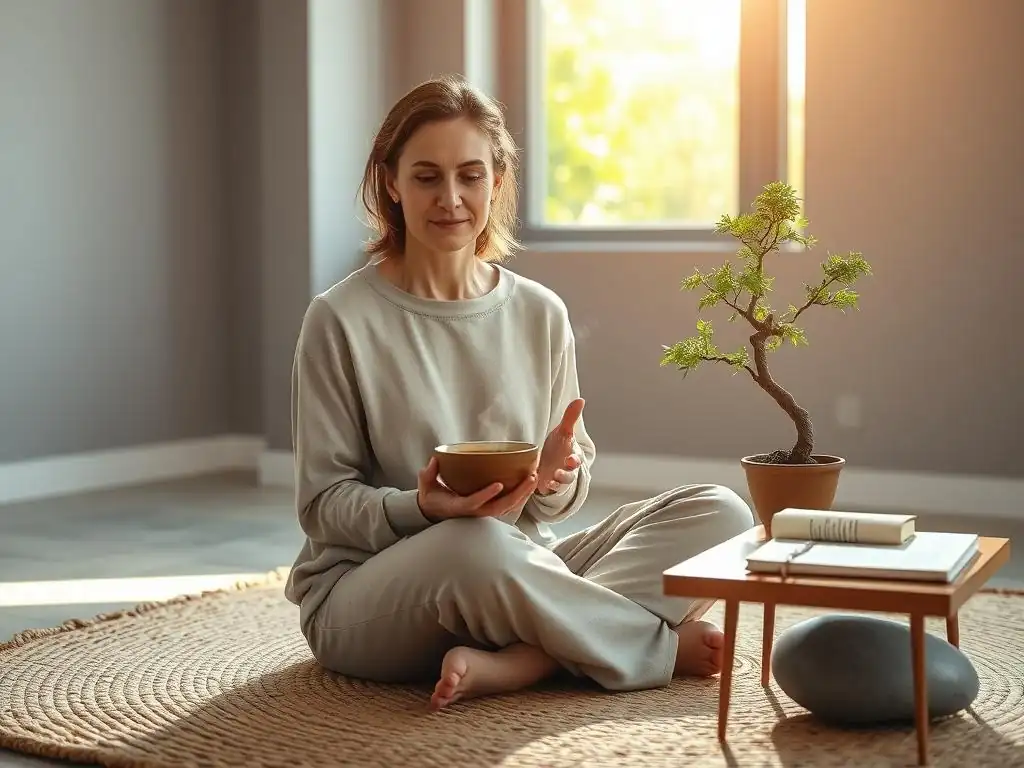
Successfully managing persistent depressive disorder often involves combining different strategies tailored to your individual needs and preferences. Integrating alternative and complementary approaches with conventional treatments, or exploring them as primary methods for managing dysthymia naturally without meds (under medical guidance), requires careful planning and collaboration with healthcare professionals.
A holistic approach recognizes that well-being is multifaceted and that addressing lifestyle, psychological, and potentially biological factors together can lead to more comprehensive and sustainable improvements in mood. This integration process is about building a personalized roadmap to long-term wellness.
Consulting with Your Healthcare Provider
Before making significant changes to your treatment plan, especially if you are currently taking medication, it is absolutely essential to consult with your primary healthcare provider, psychiatrist, or mental health professional. Discuss your interest in exploring alternative or complementary approaches for managing persistent depressive disorder.
Your doctor can provide guidance based on your specific diagnosis, medical history, and current treatment. They can help you understand potential interactions between supplements and medications, advise on appropriate therapies, and monitor your progress safely. Open communication with your healthcare team is paramount when navigating different treatment options.
Creating a Personalized Treatment Plan
There is no one-size-fits-all approach to managing persistent depressive disorder. A personalized treatment plan should take into account your symptoms, lifestyle, preferences, resources, and any co-occurring conditions. Work with your healthcare provider and potentially a therapist or nutritionist to design a plan that feels manageable and addresses your unique needs.
This plan might involve a combination of lifestyle changes (diet, exercise, sleep), specific therapies (CBT, IPT), stress management techniques, and potentially certain supplements or light therapy. The goal is to create a multifaceted approach that empowers you in managing dysthymia naturally through daily habits and targeted interventions.
Monitoring Progress and Making Adjustments
Managing a chronic condition like PDD is an ongoing process that requires monitoring and flexibility. Once you implement your personalized plan, regularly assess how different strategies are affecting your mood, energy levels, sleep, and overall well-being. Keep track of your symptoms and any changes you notice.
Be prepared to make adjustments to your plan as needed. What works initially might need tweaking over time. Discuss your progress, challenges, and any side effects with your healthcare provider. This iterative process of monitoring and adjusting is crucial for finding the most effective combination of approaches for long-term success in managing persistent depressive disorder naturally.
Conclusion: Embracing a Holistic Approach for Long-Term Well-being
Persistent Depressive Disorder is a challenging condition, but recovery and improved well-being are possible. While antidepressant medication is a valuable tool for many, exploring alternative and complementary approaches offers a powerful pathway for managing dysthymia naturally and holistically.
By incorporating lifestyle modifications such as nutrition, exercise, and sleep hygiene, engaging in effective psychotherapies, exploring stress management techniques, and considering certain supplements or therapies under professional guidance, individuals can build a comprehensive toolkit for navigating their symptoms. Embracing this integrated approach empowers you to take an active role in your mental health journey, fostering resilience and working towards a more stable and fulfilling life beyond the shadow of persistent low mood.
Frequently Asked Questions
What exactly is dysthymia, and how does it differ from major depressive disorder?
Dysthymia, now often referred to as persistent depressive disorder, is a chronic, low-grade form of depression. It differs from major depression in its severity and duration; major depression involves more intense symptoms that are episodic, while dysthymia is a persistent, milder depression lasting at least two years.
Can lifestyle changes really help manage dysthymia, or are medications always necessary?
While medication can be helpful, lifestyle changes can play a significant role in managing dysthymia. Approaches like regular exercise, mindfulness practices, and improved diet can have a positive impact on mood and overall well-being, potentially reducing the reliance on medication.
What are some specific examples of "alternative and complementary approaches" mentioned in the article?
The article likely discusses various alternative and complementary therapies. Examples might include herbal remedies, such as St. John's Wort, acupuncture, yoga, and nutritional supplements, alongside therapies like cognitive behavioral therapy (CBT).
How long does it typically take to see noticeable improvements when managing dysthymia naturally?
It's important to have realistic expectations. Unlike medications, natural approaches often require more time to show effects. It could take several weeks or even months to see significant improvements, emphasizing the need for consistency and patience.
Are there any potential risks or side effects associated with natural remedies for dysthymia?
Yes, even natural remedies can have risks. It's crucial to consult with a healthcare professional before starting any new treatment. Some herbs can interact with medications, and others may have unwanted side effects.
Final Reflection: Finding Light Beyond the Shadows of Dysthymia
The persistent low-grade sadness of dysthymia affects millions, yet the search for effective management strategies often centers solely on pharmaceutical interventions. This article has explored a vital alternative: the power of holistic and complementary approaches in navigating this challenging condition. We've seen how lifestyle changes, therapeutic practices, and mindful engagement can significantly impact the lived experience of dysthymia, offering pathways to healing that go beyond medication.
The journey towards managing dysthymia naturally is deeply personal, a testament to the resilience of the human spirit. It's a journey I've witnessed firsthand in my research, and one that underscores the importance of embracing a holistic approach to mental well-being. The body is your temple. Keep it pure and clean for the soul to reside in.
This ancient wisdom rings truer than ever when considering the interconnectedness of mind, body, and spirit in the context of chronic mental health challenges. The exploration of alternative therapies isn't about rejecting medication, but rather about empowering individuals to take an active role in their own healing, supplementing traditional treatments with strategies that foster inner peace and resilience.
Now, consider your own path. What resonates with you from the approaches discussed? Which strategies feel attainable and empowering? This isn't a race to a "cure," but a journey of self-discovery and self-compassion. Embrace the small steps, celebrate the victories, and remember that you are not alone in this journey. Begin today by incorporating one small change – a mindful walk in nature, a session of gentle yoga, or a conversation with a trusted friend. These seemingly insignificant acts can accumulate into profound shifts in your well-being, guiding you towards a brighter, more balanced future.
Unlock Your Path to Well-being: Next Steps for Managing Dysthymia
Thanks for taking the time to explore alternative and complementary approaches to managing dysthymia. We hope this article provided valuable insights and empowered you to consider new pathways to well-being. Now, let's put that knowledge into action!
- Prioritize one new self-care practice: This could be anything from regular mindful meditation to joining a supportive group, or even incorporating a new hobby like gardening or painting. Start small and build from there – consistency is key.
- Share this information with someone who might benefit: Knowing you're not alone can be incredibly powerful. Perhaps a friend, family member, or colleague is also struggling. Spreading awareness can make a real difference.
- Explore the resources mentioned in the article: Dive deeper into a specific technique or therapy that resonated with you. The journey to better mental health is a personal one; find what works best for you.
Ready to take the first step towards a brighter future? What small, manageable change will you implement this week to support your mental well-being?