
Intersectionality: How Identity Shapes Women's Mental Health Experiences

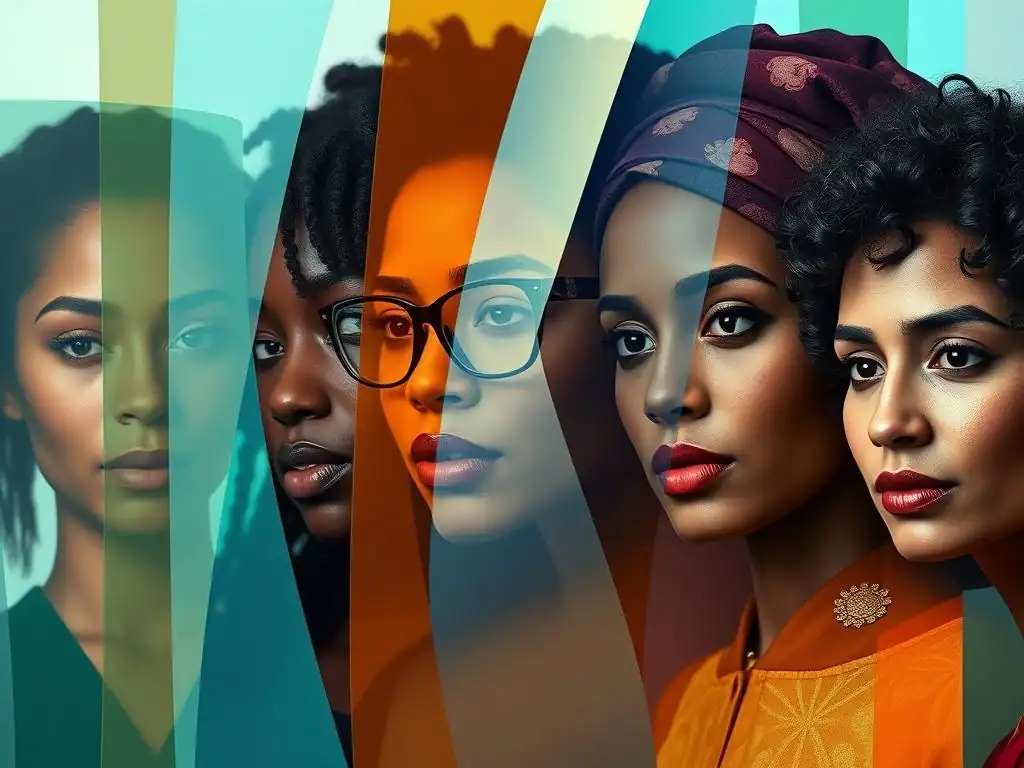
Welcome to Mind Care Guide, a space dedicated to nurturing your mental well-being.
Are you ready to delve into the multifaceted world of women’s mental health? We understand that experiences are rarely uniform. This guide sheds light on the intersectionality challenges faced by women, exploring how identity shapes their unique struggles and resilience. Curious to learn how societal factors intertwine with mental health? Let's begin this journey of understanding together.
Intersectionality: How Identity Shapes Women's Mental Health Experiences
- Understanding Women’s Mental Health Intersectionality Challenges
-
The Intersecting Identities Impacting Women’s Mental Health
- Race and Ethnicity: Mental Health Disparities in Women
- Socioeconomic Status: The Link Between Poverty and Women's Mental Health
- Sexual Orientation and Gender Identity: Unique Mental Health Struggles
- Disability and Chronic Illness: Mental Health Burdens Faced by Women
- Age and Generational Differences: Impact on Mental Wellbeing
-
Specific Mental Health Conditions and Intersectionality
- Depression and Anxiety: Intersectionality and Prevalence in Women
- Trauma and PTSD: The Role of Intersecting Identities in Trauma Experiences
- Eating Disorders: Intersectionality and Body Image Issues in Women
- Substance Use Disorders: Intersectional Factors Influencing Addiction in Women
- Perinatal Mood and Anxiety Disorders: Cultural and Socioeconomic Influences
- The Impact of Discrimination and Systemic Barriers
- Addressing Women’s Mental Health Intersectionality: Strategies and Solutions
- Finding Support and Resources for Women's Mental Health
- Conclusion: Promoting Equity and Well-being for All Women
-
Frequently Asked Questions
- What does intersectionality mean in the context of women's mental health?
- How do race and ethnicity impact women's mental health intersectionality challenges?
- What role does socioeconomic status play in women's mental health intersectionality?
- How does sexual orientation and gender identity influence women's mental health?
- Where can women facing intersectional mental health challenges find appropriate support and resources?
- Final Reflection: Weaving a Tapestry of Understanding Women's Mental Health
- Unleash Your Understanding: Take Action for Better Mental Wellness
Understanding Women’s Mental Health Intersectionality Challenges
Defining Intersectionality in the Context of Mental Health
Intersectionality, a term coined by scholar Kimberlé Crenshaw, describes how various social and political identities—such as race, gender, class, sexual orientation, religion, disability, and more—can combine to create unique modes of discrimination and privilege. When applied to mental health, it means understanding that a woman's experience with mental well-being is not solely shaped by her gender, but by the complex interplay of all her identities.
For instance, a Black woman's mental health journey is distinct from a white woman's, not just due to race or gender alone, but because of how being both Black and a woman creates a specific set of experiences, including facing both racism and sexism simultaneously. This framework is crucial for grasping the full scope of Women’s mental health intersectionality challenges.
This concept moves beyond viewing identities in isolation, recognizing that they are interconnected and compound each other's effects. A woman who is a low-income immigrant with a disability faces barriers to mental healthcare that are different, and often more complex, than those faced by a high-income, able-bodied native-born woman. These overlapping identities can lead to compounded discrimination, increased stress, and unique vulnerabilities that significantly impact mental health outcomes. Recognizing these layers is the first step in providing truly effective and equitable mental health support tailored to the diverse realities of women.
Why Intersectionality Matters for Women’s Well-being
Ignoring intersectionality leads to a fragmented and often ineffective approach to mental healthcare for women. Without acknowledging how race, class, sexual orientation, or disability status interact with gender, mental health services may fail to address the specific stressors, traumas, and systemic barriers that marginalized women face. For example, data suggests that women of color often face greater stigma surrounding mental health within their communities and may encounter culturally insensitive care, leading to underdiagnosis or delayed treatment for conditions like depression or anxiety. Addressing Women’s mental health intersectionality challenges requires a nuanced understanding of these unique obstacles.
Furthermore, an intersectional lens highlights that "women" are not a monolithic group. Their mental health experiences vary dramatically based on their positions within society. Understanding these differences is vital for accurate diagnosis, culturally competent treatment, and effective prevention strategies. Policies and programs aimed at improving women's mental health must consider the diverse needs and experiences of women from different backgrounds to be truly impactful. For instance, initiatives addressing maternal mental health should account for the specific challenges faced by single mothers, mothers living in poverty, or immigrant mothers, as their experiences and access to resources differ significantly.
The Intersecting Identities Impacting Women’s Mental Health
Race and Ethnicity: Mental Health Disparities in Women
Race and ethnicity profoundly shape a woman's mental health journey, often leading to significant disparities. Women of color, particularly Black, Latina, and Indigenous women, frequently experience higher rates of specific mental health challenges due to systemic racism, historical trauma, and ongoing discrimination.
For example, studies and surveys consistently show that while white women may report higher rates of anxiety and depression overall, women of color often face greater barriers to accessing care, poorer quality of care when they do access it, and higher rates of misdiagnosis. They may also experience unique stressors like microaggressions, racial profiling, and the psychological burden of navigating predominantly white spaces.
The compounding effect of being both a woman and a member of a racial minority group creates distinct vulnerabilities. For instance, research indicates that Black women may experience a unique form of stress known as "strong Black woman syndrome," characterized by a perceived need to suppress vulnerability and appear resilient, which can mask underlying mental health struggles like depression or burnout. Similarly, Latina women may face challenges related to acculturation stress, language barriers, and family expectations that impact their mental well-being. Addressing these specific stressors is critical when considering Women’s mental health intersectionality challenges.
Socioeconomic Status: The Link Between Poverty and Women's Mental Health
Socioeconomic status is a powerful determinant of mental health, and its intersection with gender disproportionately affects women. Women are more likely than men to live in poverty globally, a phenomenon often termed the "feminization of poverty." Low income and poverty are strongly associated with increased rates of depression, anxiety, and stress. Women living in poverty often face chronic stressors such as food insecurity, unstable housing, lack of access to affordable childcare, and limited educational or employment opportunities, all of which take a significant toll on mental health.
The lack of financial resources also directly impacts access to mental healthcare. Low-income women are less likely to have health insurance, cannot afford therapy sessions or medication co-pays, and may lack the transportation or time off work necessary to attend appointments. This creates a vicious cycle where the stress of poverty exacerbates mental health issues, while untreated mental health conditions make it harder to escape poverty. Addressing Women’s mental health intersectionality challenges requires tackling the systemic economic inequalities that trap many women in cycles of poverty and poor mental health.
Sexual Orientation and Gender Identity: Unique Mental Health Struggles
Sexual orientation and gender identity introduce distinct layers of complexity to women's mental health experiences. Lesbian, bisexual, and queer women, as well as transgender women, face heightened risks for various mental health conditions compared to their heterosexual, cisgender counterparts. This is often due to minority stress, which includes experiences of discrimination, prejudice, social rejection, and internalized stigma related to their identity. For example, surveys consistently show higher rates of anxiety, depression, and suicidal ideation among LGBTQ+ individuals, including women.
Transgender women, in particular, navigate significant mental health challenges stemming from gender dysphoria, societal transphobia, discrimination in housing, employment, and healthcare, and potential lack of acceptance from family or community. They may also face barriers to accessing gender-affirming care, which can profoundly impact mental well-being. Understanding the specific stressors and systemic barriers faced by women across the spectrum of sexual orientation and gender identity is essential for providing appropriate and affirming mental health support and addressing these specific Women’s mental health intersectionality challenges.
Disability and Chronic Illness: Mental Health Burdens Faced by Women
The intersection of gender and disability or chronic illness presents unique mental health burdens for women. Women with disabilities or chronic health conditions often face a double layer of stigma and discrimination – related to both their gender and their health status.
They may experience higher rates of depression and anxiety directly linked to the challenges of managing their condition, chronic pain, loss of function, and social isolation. Furthermore, they may encounter significant barriers within the healthcare system, including medical gaslighting, lack of accessible facilities, and providers who are not adequately trained to address the mental health needs of individuals with specific disabilities.
For example, a woman living with a chronic illness like Multiple Sclerosis or Fibromyalgia may experience persistent pain and fatigue, leading to depression. This is compounded if she also faces societal misconceptions about her illness or encounters difficulty accessing support services due to her gender or socioeconomic status. Approximately one in four women in the US lives with a disability, and many report significant mental distress. Addressing Women’s mental health intersectionality challenges for this group requires recognizing the interplay between physical and mental health, combating ableism, and ensuring integrated, accessible care.
Age and Generational Differences: Impact on Mental Wellbeing
Age is another crucial dimension of intersectionality that influences women's mental health. The specific challenges and resources available to women vary significantly across different life stages and generations. Adolescent girls, for instance, navigate unique pressures related to body image, social media, and identity formation, which can contribute to anxiety and eating disorders. Middle-aged women may face stressors related to caregiving responsibilities (for children and/or aging parents), career demands, and hormonal changes, impacting their mental health.
Older women, particularly those who are widowed, socially isolated, or living on fixed incomes, are at increased risk for depression and anxiety. Generational differences also play a role; older generations of women may face greater stigma around seeking mental health help compared to younger generations who are more open to discussing mental well-being.
Recognizing how age intersects with other identities, such as race, class, and health status, is vital for understanding the full spectrum of Women’s mental health intersectionality challenges across the lifespan. For example, an elderly Latina immigrant woman living in poverty faces distinct mental health risks compared to a young, affluent white woman.
Specific Mental Health Conditions and Intersectionality
Depression and Anxiety: Intersectionality and Prevalence in Women
Depression and anxiety are among the most common mental health conditions, and while women are generally diagnosed at higher rates than men, the experience and prevalence within the female population vary significantly based on intersecting identities. For instance, research indicates that while white women may report higher rates of major depressive episodes in some surveys, the burden of depression can be higher for women of color due to chronic stress from discrimination and limited access to care. Latina women, for example, may experience depression symptoms differently, often somaticizing them due to cultural factors.
Furthermore, the type of anxiety experienced can be influenced by intersectionality. A woman of color may experience anxiety stemming from racial trauma or fear for her safety due to systemic injustice, in addition to generalized anxiety. A low-income woman may experience anxiety related to financial instability and meeting basic needs. These specific stressors, tied to intersecting identities, demonstrate that depression and anxiety in women are not uniform experiences but are deeply shaped by social context and identity, highlighting critical Women’s mental health intersectionality challenges.
Trauma and PTSD: The Role of Intersecting Identities in Trauma Experiences
Trauma and Post-Traumatic Stress Disorder (PTSD) are particularly relevant when discussing intersectionality, as marginalized women are often exposed to higher rates of trauma due to their social positions. Women from racial minorities may experience racial trauma. LGBTQ+ women may face trauma related to hate crimes or discrimination. Women with disabilities may experience abuse or neglect. Low-income women may experience trauma related to violence in their neighborhoods or housing insecurity. The cumulative effect of multiple forms of trauma, often termed complex trauma, is more common among women with intersecting marginalized identities.
Moreover, the response to trauma and the ability to heal are influenced by these identities. Access to trauma-informed care, social support networks, and culturally sensitive therapeutic approaches are crucial for recovery but are often less available to marginalized women. A woman's historical context, cultural background, and experiences with systemic oppression all play a role in how she processes trauma and her pathway to healing. Understanding these layers is essential to effectively address trauma within the context of Women’s mental health intersectionality challenges.
Eating Disorders: Intersectionality and Body Image Issues in Women
Eating disorders and body image issues are prevalent among women, but their manifestation and risk factors are influenced by intersectionality. While often stereotyped as affecting primarily young, affluent white women, eating disorders affect women of all races, classes, sexual orientations, and ages. However, the specific pressures and cultural ideals contributing to body dissatisfaction can vary. For example, media portrayals of beauty, often centered on thinness, impact all women but may intersect with racial or ethnic beauty standards in complex ways for women of color.
Furthermore, socioeconomic status can influence access to resources and support for eating disorders. Low-income women may face greater barriers to treatment and may experience unique stressors related to food scarcity or instability that interact with disordered eating patterns.
The intersection of gender identity and eating disorders is also significant, with transgender women reporting higher rates of eating disorders and body dissatisfaction, often linked to gender dysphoria and societal pressures related to conforming to feminine ideals. Addressing Women’s mental health intersectionality challenges in this area requires moving beyond a narrow view of who is affected and considering the diverse factors at play.
Substance Use Disorders: Intersectional Factors Influencing Addiction in Women
Substance use disorders in women are influenced by a complex interplay of factors, including biological differences, trauma history, and intersecting social identities. Women are often initiated into substance use by a partner and may face unique barriers to seeking help, such as fear of losing custody of children or lack of gender-specific treatment options. These challenges are compounded for women with intersecting marginalized identities. For instance, Indigenous women face disproportionately high rates of substance use disorders, often linked to historical trauma, poverty, and lack of culturally appropriate resources.
Similarly, women involved in the justice system, who are disproportionately women of color and low-income women, have high rates of substance use disorders intertwined with trauma, mental health conditions, and systemic barriers. Approximately 80% of women in jail report a history of substance use. Understanding the specific pathways to addiction for women with diverse identities – including trauma, poverty, discrimination, and lack of access to care – is critical for developing effective prevention and treatment strategies that address the unique Women’s mental health intersectionality challenges they face.
Perinatal Mood and Anxiety Disorders: Cultural and Socioeconomic Influences
Perinatal Mood and Anxiety Disorders (PMADs), such as postpartum depression, affect a significant number of women, but the risk factors and experiences are heavily influenced by cultural and socioeconomic factors. While PMADs can affect any woman, those from marginalized communities often face higher risks and greater barriers to diagnosis and treatment. Factors like poverty, lack of social support, experiences of racism or discrimination during pregnancy and childbirth, and cultural expectations around motherhood can significantly increase vulnerability.
For example, studies have shown that Black women and low-income women are less likely to be screened for PMADs and face greater delays in receiving care. Cultural beliefs about mental illness or the expectation to be a "strong" mother can prevent women from seeking help. A woman's immigration status, language proficiency, and access to culturally competent healthcare providers also play critical roles. Addressing PMADs effectively requires recognizing the diverse experiences of women during the perinatal period and tailoring support to account for these specific Women’s mental health intersectionality challenges.
The Impact of Discrimination and Systemic Barriers
Racism and its Effects on Women's Mental Health
Racism, both overt and systemic, is a pervasive stressor that significantly harms the mental health of women of color. Experiencing racial discrimination, microaggressions, and the constant threat of racial violence creates chronic stress that can lead to increased rates of anxiety, depression, trauma symptoms, and other mental health issues. Systemic racism, embedded in institutions like housing, education, employment, and healthcare, creates barriers that limit opportunities and resources for women of color, further impacting their well-being.
For instance, studies have shown that exposure to racial discrimination is associated with higher rates of depressive symptoms and psychological distress among Black women. The historical trauma passed down through generations, stemming from slavery and ongoing oppression, also contributes to mental health challenges. Addressing the impact of racism is fundamental to improving Women’s mental health intersectionality challenges, requiring not just individual therapy but also systemic change to dismantle discriminatory structures.
Sexism and Gender Bias: Impact on Self-Esteem and Mental Well-being
Sexism and gender bias contribute significantly to women's mental health challenges. Women often face discrimination in the workplace, unequal pay (globally, women earn approximately 77 cents for every dollar earned by men), and societal pressures related to appearance and roles. These experiences can erode self-esteem, contribute to feelings of powerlessness, and increase the risk of depression, anxiety, and body image issues. The constant negotiation of sexist expectations in personal and professional life is a chronic stressor.
Furthermore, sexism can manifest in the mental healthcare system itself, with women's symptoms sometimes being dismissed or attributed solely to hormones or emotionality. Gender bias can also influence diagnosis and treatment approaches. While sexism affects all women, its impact is compounded when it intersects with other forms of discrimination. For example, a woman of color may face both sexism and racism in the workplace, leading to a unique and more severe form of stress. Addressing Women’s mental health intersectionality challenges requires confronting and dismantling sexist attitudes and structures.
Homophobia and Transphobia: Mental Health Challenges in LGBTQ+ Women
Homophobia and transphobia are significant drivers of mental health challenges for lesbian, bisexual, queer, and transgender women. Discrimination, prejudice, violence, and lack of acceptance based on sexual orientation or gender identity create a hostile environment that contributes to high rates of anxiety, depression, substance use, and suicidal ideation within these communities. For example, research indicates that LGBTQ+ individuals are more than twice as likely to experience a mental health condition compared to heterosexual individuals.
Transgender women face particularly severe challenges, including alarmingly high rates of violence and discrimination, which contribute to extreme psychological distress and significantly elevated suicide rates compared to the general population. Lack of access to affirming healthcare, legal recognition of their gender identity, and societal understanding all compound these issues. Addressing the specific Women’s mental health intersectionality challenges faced by LGBTQ+ women requires combating homophobia and transphobia and ensuring access to affirming and competent care.
Ableism: Mental Health Consequences of Discrimination Against Women with Disabilities
Ableism, discrimination and social prejudice against people with disabilities, has profound negative impacts on the mental health of women with disabilities. Women with disabilities often face stereotypes, exclusion, and barriers to full participation in society, including limited employment opportunities, inaccessible environments, and lack of appropriate support services. These experiences can lead to feelings of isolation, frustration, and worthlessness, increasing the risk of depression and anxiety.
Furthermore, women with disabilities may face unique challenges in accessing mental healthcare, including physical barriers to clinics, lack of providers trained in disability-competent care, and difficulty navigating complex healthcare systems. They may also experience medical bias, where their mental health concerns are dismissed or attributed solely to their physical condition. Combating ableism and ensuring equitable access to resources are critical steps in addressing the specific Women’s mental health intersectionality challenges faced by women with disabilities.
Addressing Women’s Mental Health Intersectionality: Strategies and Solutions
Culturally Competent Mental Health Care for Women
Providing culturally competent mental health care is fundamental to addressing Women’s mental health intersectionality challenges. This means training mental health professionals to understand and respect the diverse cultural backgrounds, beliefs, and values of women from different racial, ethnic, and religious groups. Culturally competent care goes beyond simply acknowledging differences; it involves actively tailoring therapeutic approaches to be relevant and effective for individual women based on their unique identities and experiences.
This includes using language-appropriate materials, understanding cultural expressions of distress, and being aware of how cultural stigma around mental illness might impact help-seeking behavior. For example, a therapist working with an immigrant woman might need to understand the specific stressors of acculturation and the role of family dynamics in her culture. Providing care that is sensitive to a woman's cultural context builds trust and improves engagement in treatment, leading to better mental health outcomes.
Trauma-Informed Care: Addressing Intersectionality in Treatment
Given the higher rates of trauma exposure among women with intersecting marginalized identities, trauma-informed care is an essential strategy. Trauma-informed care recognizes the widespread impact of trauma and understands potential paths for recovery. It integrates knowledge about trauma into policies, procedures, and practices and actively resists re-traumatization. For women facing Women’s mental health intersectionality challenges, this approach is crucial because their trauma is often linked to their marginalized identities.
A trauma-informed approach prioritizes safety, trustworthiness, peer support, collaboration, empowerment, and cultural, historical, and gender issues. For example, a mental health service adopting this approach would train staff to recognize signs of trauma, avoid practices that might trigger trauma responses, and create an environment where women feel safe and in control. This is particularly vital for survivors of violence, abuse, or discrimination, who are often women from marginalized groups.
Advocacy and Policy Changes to Support Women's Mental Health
Addressing Women’s mental health intersectionality challenges requires systemic change through advocacy and policy reform. This involves advocating for policies that promote equity and dismantle discriminatory structures that negatively impact women's mental health. Examples include advocating for affordable and accessible healthcare (including mental healthcare), equitable housing policies, fair labor practices, and policies that combat discrimination based on race, gender, sexual orientation, disability, and other identities.
Policy changes can also target specific issues, such as increasing funding for mental health services in underserved communities, improving cultural competency training for healthcare providers, and implementing anti-discrimination laws. Advocacy efforts can also raise public awareness about the unique mental health challenges faced by marginalized women and reduce stigma. For instance, advocating for policies that support paid family leave can significantly reduce stress for new mothers, particularly those in low-income jobs.
Building Supportive Communities for Marginalized Women
Creating and strengthening supportive communities is a powerful strategy for promoting the mental well-being of women facing intersectional challenges. Community spaces, both physical and online, where women with shared identities can connect, share experiences, and find mutual support can counteract the effects of isolation and discrimination. These communities can provide a sense of belonging, reduce stigma, and offer practical support and resources.
Examples include support groups specifically for Black women experiencing postpartum depression, peer support networks for LGBTQ+ women navigating mental health challenges, or community centers offering culturally specific mental health services for immigrant women. These spaces acknowledge and affirm women's intersecting identities, validating their experiences and empowering them to seek help and build resilience. Building these networks is vital for addressing Women’s mental health intersectionality challenges at a grassroots level.
Finding Support and Resources for Women's Mental Health
Mental Health Organizations Focused on Women
Several mental health organizations dedicate their efforts specifically to supporting women's mental health. While I cannot provide direct links, seeking out organizations that focus on women's well-being is a valuable step. Many of these organizations understand the importance of intersectionality and may have programs or resources tailored to the needs of women from specific racial, ethnic, or LGBTQ+ communities, or those with disabilities.
These organizations often provide information, advocacy, and sometimes direct services or referrals. They can be a starting point for understanding available support options and connecting with resources that are sensitive to the unique Women’s mental health intersectionality challenges faced by diverse groups of women.
Online Resources and Support Groups
The internet offers a wide range of online resources and support groups that can be helpful for women seeking mental health support. Many websites provide information about various mental health conditions, coping strategies, and self-care techniques. Online support groups, often found on social media platforms or dedicated forums, allow women to connect anonymously with others who share similar experiences, including those related to specific intersecting identities.
When using online resources, it's important to seek out reputable sources and groups that foster a safe and respectful environment. Many organizations focused on specific communities (e.g., LGBTQ+ organizations, racial justice groups, disability advocacy groups) also offer online mental health resources tailored to the unique Women’s mental health intersectionality challenges faced by members of their communities.
Local Mental Health Providers with Expertise in Intersectionality
Finding a local mental health provider who understands and incorporates an intersectional approach into their practice can significantly improve the quality of care. This might involve seeking out therapists, counselors, or psychiatrists who specialize in working with specific populations, such as therapists of color, LGBTQ+-affirming therapists, or providers who have experience working with individuals with disabilities or chronic illnesses.
When searching for a provider, it can be helpful to ask about their experience and training in cultural competency, trauma-informed care, and working with diverse populations. Many directories allow filtering by specialization or identity focus. Connecting with a provider who validates a woman's full identity can make treatment more effective and empowering, directly addressing the complexities of Women’s mental health intersectionality challenges in a therapeutic setting.
Conclusion: Promoting Equity and Well-being for All Women
Addressing Women’s mental health intersectionality challenges is not just about recognizing differences; it is about promoting equity and ensuring that all women, regardless of their background or identities, have the opportunity to achieve optimal mental well-being. The complex interplay of race, class, sexual orientation, disability, age, and other factors creates unique vulnerabilities and barriers that must be acknowledged and actively addressed within mental healthcare systems and society at large.
By adopting an intersectional lens, we can move towards providing more culturally competent, trauma-informed, and equitable mental health support. This requires ongoing education for providers, advocacy for systemic change, and the creation of supportive communities where marginalized women feel seen, heard, and valued. Ultimately, understanding and acting on the principles of intersectionality is essential for building a society where the mental health and well-being of all women are prioritized and protected.
Frequently Asked Questions
What does intersectionality mean in the context of women's mental health?
Intersectionality refers to the interconnected nature of social categorizations such as race, class, and gender, creating overlapping systems of discrimination or disadvantage. It highlights how these identities interact to uniquely shape women's mental health experiences.
How do race and ethnicity impact women's mental health intersectionality challenges?
Women of color face a complex interplay of racism and sexism, leading to increased stress, microaggressions, and limited access to culturally sensitive mental health care, which significantly impacts their overall well-being.
What role does socioeconomic status play in women's mental health intersectionality?
Lower socioeconomic status can exacerbate mental health challenges due to increased stressors like financial insecurity, lack of access to resources, and exposure to environmental hazards. This disproportionately affects women from marginalized communities.
How does sexual orientation and gender identity influence women's mental health?
LGBTQ+ women often experience discrimination, stigma, and minority stress, leading to higher rates of anxiety, depression, and substance abuse. This requires affirming and specialized mental health support.
Where can women facing intersectional mental health challenges find appropriate support and resources?
Resources like community organizations, culturally competent therapists, and online support groups can provide tailored support. Advocacy groups also play a crucial role in addressing systemic barriers.
Final Reflection: Weaving a Tapestry of Understanding Women's Mental Health
The interconnectedness of identity and mental well-being is not merely an academic concept; it's a lived reality for countless women today. Ignoring the intricate ways race, class, sexuality, and other aspects of identity shape mental health experiences leaves a gaping hole in our understanding and ability to provide effective support. This oversight perpetuates inequities and hinders progress towards truly inclusive mental healthcare.
The exploration of intersectionality within women's mental health has profoundly impacted my understanding of the complexities involved. It's not enough to simply acknowledge that women face unique mental health challenges; we must delve deeper into the nuanced ways these challenges manifest differently depending on the individual's intersecting identities. This understanding is crucial for creating effective interventions and fostering genuine empathy. The master's tools will never dismantle the master's house,
bell hooks reminds us, highlighting the need for approaches that move beyond the limitations of traditional systems. We must actively challenge the systemic biases embedded within healthcare structures that often fail to adequately address the specific needs of marginalized women.
Consider the implications of this exploration for your own life. How can you become a more informed advocate for inclusive mental health practices? Challenge your own biases, listen to the lived experiences of women from diverse backgrounds, and actively support organizations working to dismantle systemic inequalities. By embracing intersectionality, we can move beyond superficial solutions and create a future where all women have access to the mental health support they deserve, regardless of their intersecting identities. Let's work together to weave a tapestry of understanding that truly reflects the richness and complexity of women's lives.
Unleash Your Understanding: Take Action for Better Mental Wellness
Thanks for taking the time to explore the complex intersection of identity and mental health. We hope you gained valuable insights into the unique experiences women face. Now, let's turn that knowledge into action!
- Prioritize self-reflection: Take some quiet time to reflect on how your own identities might shape your mental health journey. Journaling, meditation, or simply mindful observation can be powerful tools. This is your primary step to greater self-awareness.
- Share this with someone who needs it: Forward this article to a friend, family member, or colleague who might find these insights helpful. Starting conversations is crucial for building support and understanding.
- Explore resources in your community: Search for local organizations or support groups focused on women's mental health. Connecting with others who understand your experiences can be incredibly empowering.
What small step will you take today to prioritize your mental wellbeing, considering the unique aspects of your identity?