
Cultivating Resilience: Bouncing Back Stronger in College


Welcome to Mind Care Guide, your compassionate companion on the journey to mental well-being. Navigating college life can be incredibly challenging, and we understand the pressures you face. This week, we delve into crucial college student mental resilience strategies. Are you ready to discover how to not just survive, but thrive, amidst the demands of higher education? Let's explore practical tools and insights to help you build inner strength and bounce back stronger than ever.
Cultivating Resilience: Bouncing Back Stronger in College
- Understanding Resilience for College Students
- Key College Student Mental Resilience Strategies
- Building a Resilient Mindset: Practical Tips for College Students
- Overcoming Obstacles to Resilience in College
- Long-Term Benefits of Cultivating Resilience in College
-
Frequently Asked Questions
- What are some key challenges that college students face that impact their mental resilience?
- How can college students build a stronger support system to enhance their mental resilience?
- What practical strategies can college students implement to manage stress and improve their mental resilience?
- How important is it for college students to seek professional help when struggling with their mental health, and where can they find these resources?
- What role does self-compassion play in cultivating mental resilience for college students navigating academic and social pressures?
- Final Reflection: The Enduring Power of Resilience in College and Beyond
- Unlock Your Inner Resilience: Take Charge of Your College Journey!
Understanding Resilience for College Students
Defining Mental Resilience in the College Context
Mental resilience, within the college context, refers to a student's ability to effectively navigate and recover from the myriad of challenges inherent in higher education. It's not about avoiding stress or difficulties, but rather about developing the capacity to adapt, persevere, and bounce back from academic setbacks, social pressures, financial worries, and personal struggles. This involves cultivating a flexible mindset, managing emotions constructively, and drawing upon internal strengths and external support systems when faced with adversity.
For college students, resilience is a dynamic process, not a fixed trait. It encompasses the skills needed to cope with demanding course loads, adjust to living independently, build new social circles, and explore their identity, often for the first time away from home. Developing this type of resilience is crucial for thriving academically and personally throughout their undergraduate years and beyond, enabling them to face unexpected hurdles, like a failing grade on a midterm or a disagreement with a roommate, without becoming overwhelmed or giving up.
Why Resilience Matters for College Student Mental Health
The college years are a period of significant transition and stress, making mental resilience a critical buffer against declining mental health. Students with higher levels of resilience are generally better equipped to handle the pressures of academic competition, manage workload fluctuations, and cope with social integration challenges. This capacity to adapt reduces the likelihood of experiencing severe anxiety, depression, and burnout, which are unfortunately prevalent among college populations.
Studies indicate that a significant percentage of college students report experiencing considerable stress, and a substantial number report symptoms of anxiety and depression. For instance, some surveys suggest that around one-third of college students report symptoms consistent with a diagnosable mental health condition. Cultivating strong college student mental resilience strategies can significantly mitigate these risks. It helps students maintain perspective during stressful periods, fosters a sense of agency over their circumstances, and encourages proactive coping mechanisms rather than avoidance, ultimately supporting their overall wellbeing and academic persistence.
Common College Challenges That Test Resilience
College life presents a unique array of challenges that can test a student's resilience. Academically, students often face increased rigor, demanding professors, competitive environments, and the pressure to achieve high grades, especially in challenging programs like engineering or pre-med. Balancing multiple courses, assignments, and exams simultaneously requires significant organizational skills and the ability to recover from less-than-perfect performance.
Beyond academics, social and personal challenges are abundant. Students may struggle with homesickness, adjusting to living with roommates, navigating new social dynamics, dealing with financial constraints, or managing the newfound independence and responsibility. For example, a student might experience loneliness after moving far from their hometown or face financial stress balancing tuition, living costs, and possibly a part-time job. These varied pressures necessitate robust college student mental resilience strategies to navigate successfully.
Key College Student Mental Resilience Strategies
Developing a Growth Mindset for Academic Success and Wellbeing
A fundamental college student mental resilience strategy involves adopting a growth mindset. This concept, popularized by psychologist Carol Dweck, posits that abilities and intelligence can be developed through dedication, hard work, and learning from failure, rather than being fixed traits. For college students, embracing this perspective means viewing academic challenges not as insurmountable obstacles revealing their inherent limitations, but as opportunities to strengthen their skills and expand their knowledge.
Cultivating a growth mindset directly impacts a student's approach to learning and problem-solving. Instead of being discouraged by a difficult assignment or a poor test score, a student with a growth mindset is more likely to analyze what went wrong, seek feedback, and adjust their study methods. This iterative process of effort, reflection, and adaptation is a core component of resilience, allowing students to persist through academic difficulty and ultimately achieve greater academic success and maintain better wellbeing.
Embracing Challenges as Opportunities for Growth
Embracing challenges is a cornerstone of the growth mindset and a vital college student mental resilience strategy. Rather than avoiding difficult courses or intimidating projects, students can learn to see these as valuable chances to expand their capabilities. For example, tackling a challenging research paper in a complex subject forces students to develop critical thinking, research, and writing skills that will benefit them in future academic and professional pursuits.
Viewing challenges through this lens shifts the focus from the fear of failure to the potential for learning. When a student takes on a difficult task and succeeds, it builds confidence. When they struggle or don't achieve the desired outcome, it provides valuable insights into areas for improvement. This perspective fosters perseverance and a belief in one's ability to learn and improve, which is essential for bouncing back from the inevitable setbacks of college life.
Learning from Setbacks and Failures
Learning from setbacks and failures is perhaps the most potent application of a growth mindset and a critical college student mental resilience strategy. Receiving a low grade on an exam, being rejected from a club, or experiencing social conflict can be discouraging. However, a resilient student with a growth mindset views these experiences as data points, not destiny. They analyze what happened, identify contributing factors (e.g., insufficient study time, misunderstanding expectations, communication issues), and develop strategies to handle similar situations better in the future.
This process of reflection and adjustment transforms negative experiences into learning opportunities. Instead of internalizing failure as a sign of inadequacy, students can see it as a temporary outcome that provides valuable feedback for future actions. This ability to extract lessons from adversity not only prevents despair but actively builds the skills and confidence needed to face subsequent challenges with greater wisdom and strength.
Building and maintaining strong social support networks is a vital college student mental resilience strategy. Humans are inherently social, and connection provides a crucial buffer against stress and loneliness, which can be particularly acute during the transition to college. Having trusted friends, family members, or mentors to talk to, share experiences with, and receive encouragement from can make navigating difficulties significantly less isolating and more manageable.
These networks offer emotional support, practical advice, and a sense of belonging. Whether it's studying together for a tough class, sharing frustrations about a difficult professor, or simply having someone to grab coffee with, these connections provide comfort and perspective. Research consistently shows that students with robust social support systems report higher levels of satisfaction with their college experience and better overall mental health outcomes.
The Importance of Peer Connections in College
Peer connections are especially important in the college environment. Fellow students are often experiencing similar challenges – adjusting to college life, managing academic stress, and navigating social dynamics. These shared experiences create a natural basis for empathy and mutual support. Forming friendships with peers can provide a sense of community, reduce feelings of isolation, and offer immediate, relatable support during stressful times.
Joining study groups, participating in campus events, or simply spending time in common areas can facilitate these connections. Peer relationships offer opportunities for reciprocal support, where students can both give and receive help. This mutual aid strengthens bonds and reinforces the idea that they are not alone in their struggles, significantly enhancing their college student mental resilience strategies.
Cultivating Relationships with Professors and Mentors
Beyond peer relationships, cultivating connections with professors, advisors, and mentors is another powerful college student mental resilience strategy. These individuals offer a different type of support – academic guidance, career advice, and a broader perspective informed by their own experiences. A professor who knows a student personally might be more understanding of a difficult situation or offer valuable advice on navigating a challenging course.
Mentors, whether formal or informal, can provide invaluable guidance on navigating academic pressures, exploring career paths, and developing as a person. They can offer encouragement during tough times, share insights from their own journey, and help students see beyond immediate challenges to the larger picture. Building these relationships requires initiative, such as attending office hours or participating in departmental events, but the investment in support and guidance is well worth the effort for fostering resilience.
Practicing Self-Care and Stress Management Techniques
Effective self-care and stress management are non-negotiable college student mental resilience strategies. College life can be demanding, and without intentional effort to rest, recharge, and manage stress, students risk burnout and diminished capacity to cope with challenges. Self-care involves activities that nourish physical, mental, and emotional health, tailored to individual needs and preferences.
Developing a routine that includes time for self-care activities, even during busy periods, is crucial. This might involve setting aside time for hobbies, spending time in nature, listening to music, or simply taking breaks throughout the day. Proactive stress management techniques, practiced regularly, can prevent stress from becoming overwhelming and equip students with tools to calm themselves during moments of acute pressure.
Prioritizing Sleep and Healthy Eating Habits
Fundamental to physical and mental wellbeing, prioritizing sleep and healthy eating habits are essential college student mental resilience strategies. College schedules can disrupt routines, but consistent, adequate sleep (typically 7-9 hours per night for young adults) is vital for cognitive function, emotional regulation, and physical health. Chronic sleep deprivation impairs concentration, increases irritability, and weakens the body's ability to cope with stress and illness.
Similarly, nourishing the body with balanced meals provides the energy and nutrients needed to sustain academic effort and manage stress. Relying heavily on processed foods, excessive caffeine, or irregular eating patterns can exacerbate stress and negatively impact mood and energy levels. Making conscious choices about diet and sleep, viewing them not as luxuries but as necessities, forms a strong foundation for resilience.
Incorporating Mindfulness and Relaxation Exercises
Incorporating mindfulness and relaxation exercises is a powerful college student mental resilience strategy for managing stress and improving focus. Techniques like deep breathing, meditation, yoga, or progressive muscle relaxation can help students become more aware of their thoughts and feelings without judgment, reduce physical tension, and promote a sense of calm. Even short practices, like a few minutes of mindful breathing before an exam or after a stressful class, can make a difference.
Mindfulness helps students stay present and less reactive to stress and negative thoughts. Regular practice can lower overall stress levels, improve emotional regulation, and enhance the ability to focus on tasks. These techniques provide students with tangible tools they can use anytime, anywhere, to ground themselves and restore a sense of balance when feeling overwhelmed.
Setting Realistic Goals and Managing Expectations

Setting realistic goals and managing expectations is a practical college student mental resilience strategy that helps prevent feelings of failure and overwhelm. College presents many new opportunities and demands, and students can easily set overly ambitious goals or hold themselves to impossibly high standards, often fueled by comparisons with peers or perceived expectations. Learning to set achievable goals and adjust expectations when necessary is key to maintaining motivation and avoiding burnout.
This involves understanding one's own capacity, recognizing limitations, and accepting that not everything will go perfectly. Instead of aiming for an A+ in every single class while simultaneously holding down a part-time job and leading a major campus organization, a student might set a goal of achieving a solid B average while excelling in one or two key activities. This approach allows for focus and success without sacrificing wellbeing.
Breaking Down Large Tasks into Smaller, Manageable Steps
A concrete technique for setting realistic goals and managing expectations is breaking down large tasks into smaller, manageable steps. Facing a lengthy research paper, a complex project, or preparing for multiple final exams simultaneously can feel daunting. Dividing these large tasks into smaller, more achievable chunks makes them less intimidating and provides a clear path forward.
For instance, writing a term paper can be broken down into steps like: choose topic, conduct preliminary research, create outline, write introduction, write body paragraph 1, etc. Completing each small step provides a sense of accomplishment and momentum, reducing procrastination and making the overall task feel less overwhelming. This approach is a core college student mental resilience strategy for tackling academic demands effectively.
Avoiding Perfectionism and Self-Criticism
Avoiding perfectionism and excessive self-criticism is a crucial aspect of managing expectations and fostering resilience. While striving for excellence is commendable, perfectionism – the belief that anything less than perfect is unacceptable – can be debilitating. It often leads to procrastination (fear of not being able to do it perfectly), anxiety, and harsh self-judgment when mistakes inevitably occur.
Learning to accept that mistakes are part of the learning process and that "good enough" is often truly good enough is vital. Replacing harsh self-criticism with self-compassion – treating oneself with the same kindness and understanding one would offer a friend – helps students recover from setbacks without internalizing them as personal failures. This shift in mindset is a powerful college student mental resilience strategy for navigating the demanding academic environment.
Seeking Help When Needed: Accessing College Mental Health Resources
Knowing when and how to seek help is one of the most important college student mental resilience strategies. Resilience doesn't mean handling everything alone; it means effectively utilizing the resources available when challenges exceed one's current coping capacity. College campuses typically offer a range of mental health resources designed specifically to support students.
Accessing these resources is a sign of strength, not weakness. It demonstrates self-awareness and a proactive approach to managing wellbeing. Utilizing campus counseling services, academic support centers, or health services can provide students with the professional guidance, strategies, and support needed to navigate difficult periods and develop stronger coping skills for the future.
Recognizing Signs of Distress and Knowing When to Ask for Support
A key part of seeking help is recognizing the signs that one is struggling and knowing when to reach out. Signs of distress can include persistent feelings of sadness or hopelessness, overwhelming anxiety, significant changes in sleep or appetite, difficulty concentrating, loss of interest in activities previously enjoyed, or thoughts of harming oneself. Ignoring these signs or hoping they will simply go away can lead to increased suffering and impact academic performance.
Educating oneself about common signs of distress and understanding that it's okay, and even necessary, to ask for help are vital college student mental resilience strategies. This involves moving past any stigma associated with mental health challenges and viewing help-seeking as a positive step towards recovery and growth.
Utilizing Campus Counseling Services and Support Groups
College counseling services are specifically designed to address the unique challenges faced by students. They typically offer individual therapy, group counseling, workshops on stress management or anxiety, and crisis intervention. These services are often free or low-cost for enrolled students and provide a confidential space to discuss difficulties with trained professionals.
Participating in support groups, whether facilitated by the counseling center or student-led, can also be incredibly beneficial. Connecting with peers who are experiencing similar issues reduces feelings of isolation and provides a shared space for coping strategies and mutual encouragement. Proactively exploring and utilizing these campus resources is a critical element of effective college student mental resilience strategies.
Building a Resilient Mindset: Practical Tips for College Students
Time Management and Prioritization Skills for Stress Reduction
Effective time management and prioritization are practical college student mental resilience strategies that directly impact stress levels. College often involves juggling multiple commitments – classes, assignments, social events, extracurriculars, and possibly a job. Feeling overwhelmed by competing demands is a common source of stress, which can erode resilience. Learning to manage time effectively helps students feel more in control and less stressed.
This involves identifying priorities, estimating the time required for tasks, and creating schedules or to-do lists. Rather than simply reacting to deadlines as they loom, proactive time management allows students to allocate sufficient time for studying, assignments, and also for rest and self-care. This structured approach reduces last-minute panic and builds confidence in their ability to handle their responsibilities.
Utilizing the Pomodoro Technique and Eisenhower Matrix
Specific techniques like the Pomodoro Technique and the Eisenhower Matrix can be valuable tools for improving time management, contributing to college student mental resilience strategies. The Pomodoro Technique involves working in focused bursts (e.g., 25 minutes) followed by short breaks (e.g., 5 minutes), which can help maintain concentration and prevent burnout during long study sessions.
The Eisenhower Matrix (or Urgent/Important Matrix) is a prioritization tool where tasks are categorized into four quadrants: Urgent and Important (Do first), Important but Not Urgent (Schedule), Urgent but Not Important (Delegate/Defer), and Not Urgent and Not Important (Eliminate). Applying this matrix helps students distinguish between tasks that truly matter and those that are distractions, enabling them to focus their energy effectively.
Fostering a Sense of Purpose and Meaning in College Life
Fostering a sense of purpose and meaning is a powerful, albeit sometimes overlooked, college student mental resilience strategy. College is a time of exploration, and connecting academic pursuits and extracurricular activities to larger personal values or goals can provide motivation during challenging times. Understanding why they are pursuing their degree or engaging in certain activities gives students a deeper well of intrinsic motivation to draw upon when faced with difficulties.
This sense of purpose can come from various sources: a passion for a specific field of study, a desire to contribute to a particular cause, or the pursuit of personal growth and skill development. When students feel their efforts are contributing to something meaningful, setbacks become less likely to derail them entirely, as they remain anchored by their overarching goals.
Engaging in Clubs, Organizations, and Community Service
Engaging in clubs, organizations, and community service is a practical way to foster a sense of purpose and build resilience. These activities offer opportunities to connect with like-minded peers, develop leadership skills, explore interests outside of academics, and contribute to something larger than oneself. Joining a club related to their major, volunteering for a local charity, or participating in student government can provide a sense of belonging and meaning that enhances wellbeing.
These engagements also offer valuable breaks from academic pressure and provide different types of challenges and rewards. The skills learned and connections made through these activities contribute significantly to a student's overall development and capacity to navigate the complexities of college life with greater resilience.
Developing strong problem-solving skills is an essential college student mental resilience strategy. College life is full of problems, from figuring out a difficult math equation to resolving a conflict with a roommate or navigating bureaucratic hurdles. Approaching these situations with effective problem-solving techniques empowers students and reduces feelings of helplessness.
This involves being able to identify the core issue, brainstorm potential solutions, evaluate the pros and cons of each option, implement a chosen solution, and assess its effectiveness. Instead of becoming paralyzed by a problem, resilient students are able to break it down and actively work towards a resolution. This proactive approach builds confidence and competence in facing future challenges.
Employing Root Cause Analysis and Brainstorming Solutions
Specific techniques like Root Cause Analysis and Brainstorming can enhance problem-solving skills, contributing to college student mental resilience strategies. Root Cause Analysis involves looking beyond the surface symptoms of a problem to identify its underlying cause. For example, instead of just feeling stressed about a low grade, a student might analyze why they received the grade (e.g., poor time management, misunderstanding material, ineffective study methods) to address the core issue.
Once the root cause is identified, brainstorming involves generating a wide range of potential solutions without immediate judgment. This creative process encourages thinking outside the box. After brainstorming, students can evaluate the feasibility and potential effectiveness of each solution before choosing the best course of action. This structured approach to problem-solving reduces emotional reactivity and promotes effective action.
Overcoming Obstacles to Resilience in College
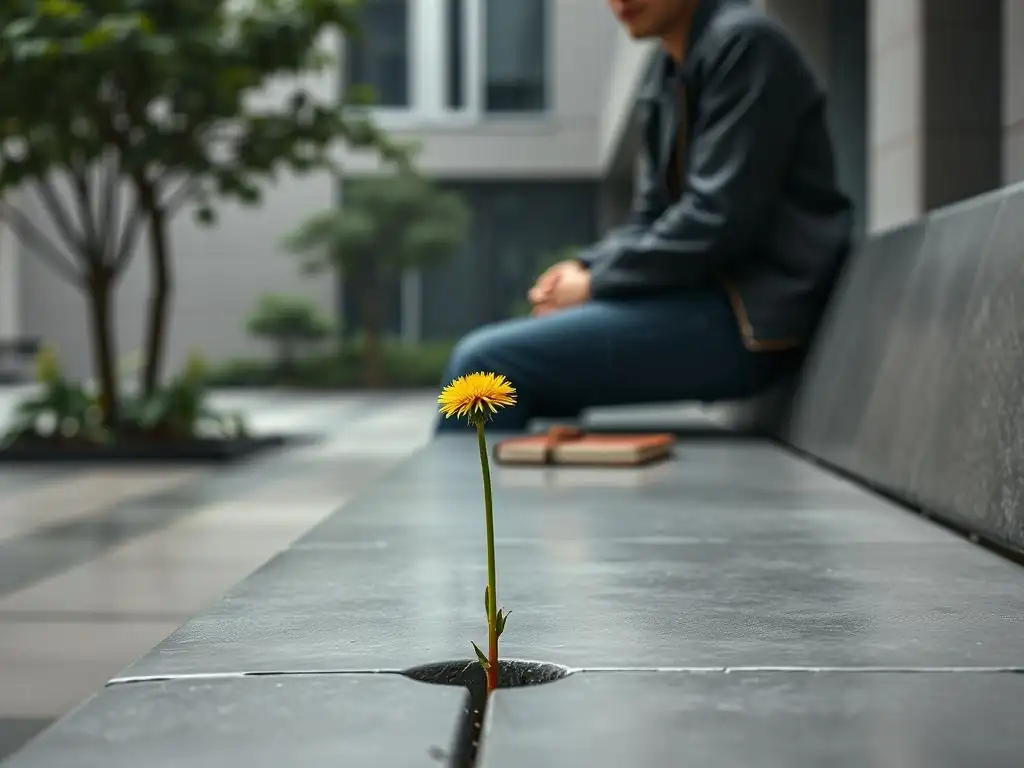
Addressing Common Barriers to Seeking Help
Despite the availability of resources, common barriers often prevent college students from seeking the help they need, hindering their college student mental resilience strategies. These obstacles are significant and require understanding and proactive effort to overcome. Recognizing these barriers is the first step toward dismantling them and encouraging help-seeking behavior.
Often, these barriers stem from internal beliefs or external pressures. Addressing them involves challenging misconceptions about mental health and actively promoting a culture where seeking support is normalized and encouraged within the college community.
Stigma, Fear of Judgment, Lack of Awareness
One of the most significant barriers is the stigma surrounding mental health. Students may fear being perceived as weak, incapable, or "crazy" if they admit they are struggling. This fear of judgment from peers, family, or even themselves can be powerful enough to prevent them from reaching out. Coupled with this is often a lack of awareness about available resources or uncertainty about how to access them. Students might not know the counseling center exists, what services it offers, or how to make an appointment.
Overcoming these barriers requires ongoing education and open dialogue about mental health within the college environment. Campaigns that normalize seeking help, testimonials from students who have benefited from support, and clear, accessible information about campus resources are vital in reducing stigma and increasing awareness, thereby strengthening overall college student mental resilience strategies.
Coping with Academic Pressure and Competition
Coping with the intense academic pressure and competitive environment is a significant challenge that tests college student mental resilience. The drive to achieve high grades, secure internships, and get into graduate school can create a stressful atmosphere where students feel constantly evaluated and compared to their peers. This pressure can lead to anxiety, burnout, and a focus on external validation rather than genuine learning.
Developing strategies to manage this pressure is crucial. This involves cultivating a healthy perspective on grades and achievements, focusing on personal growth and learning rather than solely on external outcomes, and avoiding excessive competition with others.
Strategies for Maintaining a Healthy Perspective
Maintaining a healthy perspective involves recognizing that academic performance is just one aspect of life and doesn't define one's worth. Strategies include focusing on mastering the material rather than just getting a grade, celebrating personal progress and effort, and remembering that college is also about exploration, personal development, and building relationships.
It also involves setting realistic academic goals and not letting the pursuit of perfection consume all aspects of life. Balancing academics with other activities, hobbies, and social connections helps to maintain perspective and prevent academic pressure from becoming overwhelming, reinforcing college student mental resilience strategies.
Managing Loneliness and Homesickness
Managing feelings of loneliness and homesickness is a common challenge for college students, particularly during the first year, which can significantly impact their resilience. Moving to a new environment, being away from established support systems, and navigating new social landscapes can lead to feelings of isolation and longing for home.
While these feelings are normal, persistent loneliness can negatively impact mental health and academic performance. Developing strategies to connect with others and build a sense of belonging on campus is essential for mitigating these feelings and fostering resilience.
Tips for Connecting with Others and Building a Sense of Belonging
Building a sense of belonging requires intentional effort. Tips include: actively participating in orientation activities, joining clubs or organizations that align with interests, attending campus events, initiating conversations with classmates, and being open to meeting new people. Focusing on quality connections over quantity is also important – a few close friends can provide significant support.
Staying in touch with family and friends from home is also valuable, but it's important to balance this with efforts to build a life on campus. Engaging in activities that foster connection and shared experiences helps students feel more integrated into the college community, reducing loneliness and strengthening their college student mental resilience strategies.
Long-Term Benefits of Cultivating Resilience in College
Improved Academic Performance and Graduation Rates
Cultivating college student mental resilience strategies during the undergraduate years has tangible long-term benefits, including improved academic performance and higher graduation rates. Resilient students are better equipped to handle academic setbacks, manage stress effectively, and persist through challenging coursework. This ability to bounce back from difficulties means they are less likely to become discouraged and drop out.
Data from various institutions often shows a correlation between students who utilize campus support services (a key resilience strategy) and improved retention rates. For example, one university reported that students who engaged with their counseling center had a retention rate approximately 10-15% higher than the general student population. The skills developed through resilience-building – such as problem-solving, time management, and effective coping – directly contribute to academic success and the likelihood of completing a degree.
Enhanced Mental and Emotional Wellbeing
Perhaps the most significant long-term benefit of cultivating resilience in college is enhanced mental and emotional wellbeing that extends far beyond graduation. The skills and mindsets developed during this formative period provide a foundation for navigating future life challenges. Learning to manage stress, build supportive relationships, practice self-care, and seek help when needed are lifelong skills that contribute to greater emotional stability and satisfaction.
Individuals who developed strong college student mental resilience strategies are better equipped to handle the inevitable ups and downs of post-college life, including career challenges, relationship difficulties, and personal crises. They possess a greater capacity for self-compassion, a more optimistic outlook, and a stronger belief in their ability to overcome adversity, leading to a more fulfilling and mentally healthy life.
Greater Success in Future Careers and Relationships
The resilience cultivated during college translates directly into greater success in future careers and relationships. The ability to adapt to change, persevere through challenges, collaborate effectively with others, and manage stress are highly valued in the professional world. Employers increasingly seek candidates who possess not just technical skills but also strong emotional intelligence and resilience.
Furthermore, the communication skills, empathy, and ability to navigate conflict learned through building resilient relationships in college are invaluable in forming and maintaining healthy personal and professional connections throughout life. The experience of overcoming challenges in college builds confidence and competence that empowers individuals to face the complexities of adult life with greater strength and adaptability, ensuring that the college student mental resilience strategies learned continue to yield benefits for years to come.
Frequently Asked Questions
What are some key challenges that college students face that impact their mental resilience?
College students commonly grapple with academic pressure, social isolation, and financial stress. These factors can significantly impair their ability to bounce back from adversity and maintain well-being.
How can college students build a stronger support system to enhance their mental resilience?
Actively seeking connections by joining clubs, participating in group activities, and reaching out to friends and family can create a vital support network. Building relationships is crucial for resilience.
What practical strategies can college students implement to manage stress and improve their mental resilience?
Practicing mindfulness, engaging in regular exercise, and prioritizing sufficient sleep are effective stress management techniques. These habits foster a more resilient mindset.
How important is it for college students to seek professional help when struggling with their mental health, and where can they find these resources?
Seeking professional help is essential when experiencing persistent mental health challenges. College counseling centers, therapists, and mental health organizations offer valuable support and guidance.
Self-compassion involves treating yourself with kindness and understanding during difficult times, which is a vital component of resilience. It allows students to learn from mistakes without self-criticism, fostering growth.
Final Reflection: The Enduring Power of Resilience in College and Beyond
The challenges facing college students today are unprecedented, demanding a level of resilience that goes beyond simply surviving; it requires thriving. We've explored practical strategies to build this crucial skill, from mindful self-care to effective stress management techniques, and the importance of building a strong support network. These aren't just fleeting trends; they are fundamental tools for navigating the complexities of higher education and life itself.
The journey towards resilience is a deeply personal one, shaped by individual experiences and perspectives. It's a continuous process of learning, adapting, and growing. The impact of cultivating resilience extends far beyond the college years; it shapes our ability to face future obstacles with grace and determination. As the poet William Wordsworth eloquently stated, We must be free or die, who speak the truth.
This freedom, this ability to speak our truth and navigate challenges honestly, is a direct result of building inner strength and resilience.
Now, consider your own journey. What strategies resonate most with you? Which ones will you actively incorporate into your daily life? Remember, building resilience isn't about becoming invincible; it's about developing the capacity to bounce back, to learn from setbacks, and to emerge stronger on the other side. Embrace the challenges, celebrate your successes, and never underestimate the power you possess to shape your own narrative. Your resilience is your greatest asset – cultivate it, nurture it, and watch it flourish.
Unlock Your Inner Resilience: Take Charge of Your College Journey!
Thanks for investing your time in learning how to cultivate resilience during your college years! We hope you gained valuable insights into building a stronger, more adaptable you. Now it's time to put those learnings into action.
- Prioritize one small, manageable resilience-building activity this week. This could be anything from starting a gratitude journal to scheduling a regular workout. Make it something you can realistically commit to.
- Share this article with a friend who might also find these strategies helpful. Building a supportive network is a key component of resilience!
- Consider joining a campus support group or club focused on stress management or mental well-being. Connecting with others can be incredibly powerful.
What's one small step you can take today to strengthen your resilience toolkit? Let's hear your thoughts in the comments below!