
Why Anxiety Looks Different in Seniors: Unique Challenges Explained

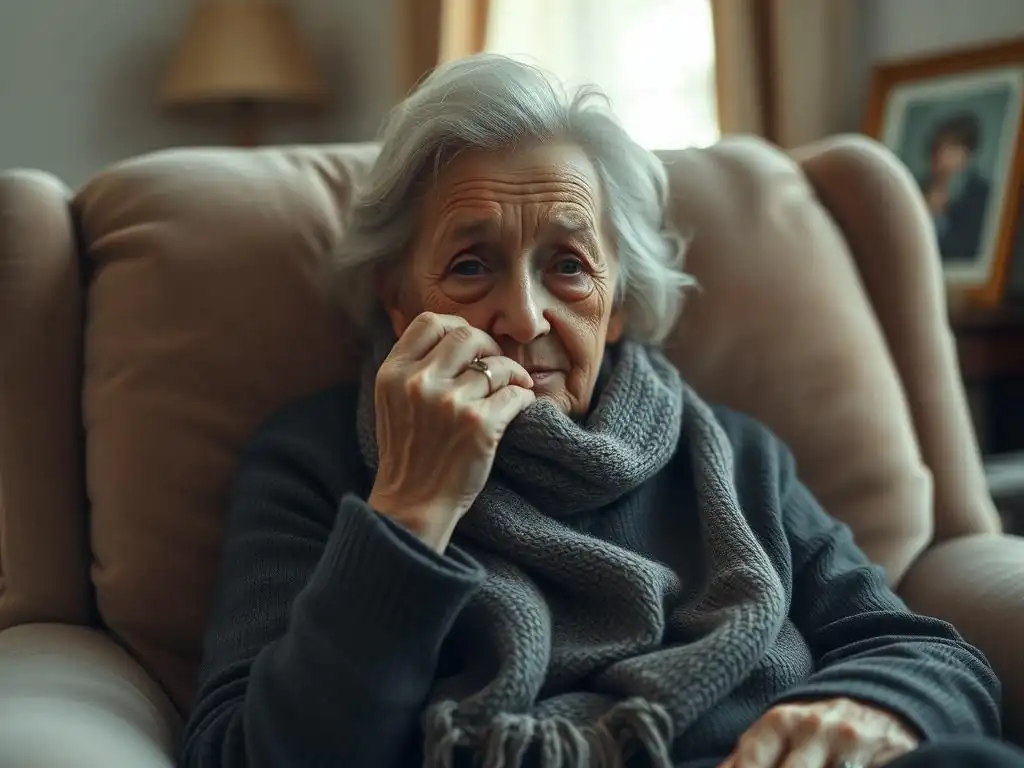
Welcome to Mind Care Guide, your sanctuary for navigating the complexities of mental well-being. Feeling lost in the nuances of anxiety? You're not alone. This article delves into the senior anxiety specific challenges, shedding light on why anxiety can manifest differently as we age. Uncover the unique hurdles and discover practical strategies to support yourself or a loved one. Ready to understand more?
Why Anxiety Looks Different in Seniors: Unique Challenges Explained
- Understanding Senior Anxiety: Beyond the Typical Symptoms
- The Unique Challenges of Anxiety in Older Adults
- Senior Anxiety Specific Challenges: Identifying Atypical Symptoms
- Diagnosing Anxiety in Seniors: Overcoming Barriers
- Effective Strategies for Managing Senior Anxiety
- Supporting Seniors with Anxiety: A Family and Caregiver Guide
- Conclusion: Promoting Mental Well-being in Later Life
-
Frequently Asked Questions
- What are some senior anxiety specific challenges that differentiate it from anxiety in younger adults?
- How does declining physical health contribute to senior anxiety specific challenges?
- What role does social isolation play in senior anxiety specific challenges?
- Are there any specific medications that can worsen senior anxiety specific challenges?
- What resources are available to help seniors cope with senior anxiety specific challenges?
- Final Reflection: Understanding the Silent Struggle of Senior Anxiety
- Unlock a Deeper Understanding of Senior Anxiety
Understanding Senior Anxiety: Beyond the Typical Symptoms
Anxiety is a common experience across all age groups, but its presentation and underlying causes can vary significantly. While younger adults might express anxiety through panic attacks, persistent worry about the future, or social fears, the manifestation of anxiety in older adults often presents unique challenges. These differences mean that recognizing, diagnosing, and treating senior anxiety requires a specialized understanding and approach. It's not merely "anxiety in an older body," but a complex interplay of physical, cognitive, social, and economic factors specific to later life.
Understanding senior anxiety goes beyond looking for typical signs like restlessness or excessive worry. It involves recognizing that the symptoms might be subtle, masked by other conditions, or expressed in ways that are easily dismissed as normal aging. The unique challenges for senior anxiety necessitate a careful assessment that considers the individual's entire life context, including health status, social support, financial situation, and cognitive function. Approaching senior anxiety with this comprehensive perspective is crucial for effective intervention and improving the mental well-being of older adults.
Recognizing the Nuances of Anxiety in Older Adults
Anxiety in older adults can be difficult to recognize because its symptoms often overlap with common age-related physical health issues or are simply attributed to "getting older." Instead of verbalizing feelings of worry or nervousness, seniors might complain more frequently about physical symptoms like digestive problems, headaches, or fatigue. They might also exhibit behavioral changes such as increased irritability, social withdrawal, or difficulty sleeping. These subtle or atypical presentations are among the key senior anxiety specific challenges that healthcare providers and caregivers must learn to identify.
Furthermore, older adults may be less likely to report feelings of anxiety due to generational attitudes towards mental health, a desire to avoid burdening others, or a belief that their symptoms are simply an unavoidable part of aging. This underreporting contributes to anxiety being underdiagnosed in the senior population. Studies suggest that while clinical anxiety disorders might affect around 10-20% of older adults, subclinical anxiety is likely much higher, impacting daily life and overall health significantly. Recognizing the nuances requires looking beyond the surface and considering anxiety as a possible explanation for a range of physical and behavioral changes.
Why Senior Anxiety Requires a Different Approach
Treating anxiety in older adults demands a different approach compared to younger populations primarily due to physiological changes, potential cognitive impairments, and the presence of multiple co-occurring medical conditions. Older bodies process medications differently, increasing the risk of side effects and drug interactions. For instance, certain anti-anxiety medications commonly prescribed to younger adults might have a higher risk of sedation, cognitive impairment, or falls in seniors.
Moreover, the life context of older adults differs significantly. They are more likely to have experienced significant losses (spouse, friends, independence), face chronic health issues, and live on fixed incomes. Therapeutic interventions need to be tailored to address these unique challenges. Cognitive Behavioral Therapy (CBT), for example, might be adapted to a slower pace or focus more on current stressors rather than past experiences. Addressing senior anxiety specific challenges requires integrating mental health care with primary physical healthcare and considering the broader social determinants of health impacting the individual.
The Unique Challenges of Anxiety in Older Adults
The later stages of life present a distinct set of circumstances that can contribute to or exacerbate anxiety. These unique challenges for senior anxiety are often intertwined, creating complex scenarios that require careful assessment and targeted interventions. Understanding these specific factors is essential for providing effective support and care.
Physical Health and Anxiety: A Complex Relationship in Seniors
The aging process often involves managing one or more chronic physical health conditions. The presence of illness can be a significant source of worry and fear, directly contributing to anxiety. Conversely, chronic anxiety can also worsen physical symptoms or outcomes for conditions like heart disease, diabetes, or respiratory problems. This bidirectional relationship highlights the complex interplay between physical and mental health in older adults and is a critical aspect of senior anxiety specific challenges.
Approximately 80% of older adults in the United States live with at least one chronic condition, and 68% have two or more. Managing these conditions often involves frequent doctor visits, multiple medications, lifestyle changes, and dealing with associated pain or limitations. The constant concern about health status, potential decline, and the burden of managing illness can fuel persistent worry and anxiety, sometimes manifesting as health anxiety or hypochondriasis.
Chronic Pain and its Impact on Senior Anxiety Levels
Chronic pain is highly prevalent among older adults, affecting an estimated 50% or more of those living in the community and up to 80% of those in nursing homes. Conditions like osteoarthritis, back problems, and neuropathy can cause persistent discomfort, limit mobility, and interfere with daily activities. The constant presence of pain, coupled with concerns about its cause, progression, and impact on independence, is a significant contributor to anxiety in seniors.
Living with chronic pain can create a cycle where pain exacerbates anxiety, and anxiety, in turn, lowers pain tolerance and increases focus on physical sensations, potentially worsening the pain experience. Fear of movement due to anticipated pain can lead to reduced physical activity, which further limits social engagement and physical function, creating additional sources of anxiety. Addressing pain effectively is often a crucial step in managing senior anxiety specific challenges related to physical health.
Medication Side Effects Mimicking or Exacerbating Anxiety Symptoms
Older adults typically take multiple medications for various health conditions. Polypharmacy, the use of multiple drugs, increases the risk of side effects and drug interactions. Some medications commonly prescribed to seniors can have side effects that mimic or worsen anxiety symptoms. For example, certain bronchodilators for asthma, corticosteroids for inflammation, thyroid medications, or even some over-the-counter cold remedies can increase heart rate, cause jitters, or lead to feelings of restlessness and nervousness.
Distinguishing between anxiety symptoms and medication side effects can be challenging. A senior experiencing increased heart rate and shortness of breath might attribute it to their heart condition or lung disease, while it could be a side effect of a medication or an anxiety symptom. Healthcare providers must carefully review a senior's medication list when assessing for anxiety, as adjusting dosages or switching medications might alleviate symptoms that were previously misattributed or exacerbated by drug effects. This requires a careful and collaborative approach between the senior, their family, and healthcare providers.
Cognitive Changes and Anxiety: Memory and Worry in Older Age
Cognitive function naturally changes with age, with some individuals experiencing mild memory lapses or slower processing speeds. For some, these changes can be a source of anxiety, leading to worry about potential cognitive decline or dementia. For others, particularly those with diagnosed mild cognitive impairment or dementia, cognitive difficulties can directly fuel anxiety due to confusion, disorientation, or difficulty understanding situations. This intersection of cognitive changes and emotional well-being is a significant aspect of senior anxiety specific challenges.
Worry about memory loss is common among older adults. Forgetting names, appointments, or where items were placed can be distressing and lead to a fear of losing one's mental faculties. This anxiety can sometimes create a feedback loop where stress and worry actually make concentration and memory retrieval more difficult, reinforcing the fear of decline. Education about normal age-related cognitive changes versus signs of more significant impairment can help alleviate some of this anxiety.
How Cognitive Decline Affects Anxiety Management
Significant cognitive decline, such as that seen in Alzheimer's disease and other dementias, profoundly impacts how anxiety is experienced and managed. As memory, judgment, and communication abilities decline, individuals may struggle to understand their surroundings, remember routines, or communicate their needs and fears effectively. This can lead to increased confusion, agitation, and anxiety, often expressed through restless behavior, repetitive questions, or resistance to care.
Managing anxiety in the context of cognitive decline requires focusing on creating a predictable and supportive environment. Verbal reassurance may be less effective as memory fades, so non-pharmacological approaches like structured routines, familiar surroundings, calming activities (like listening to music or looking at photo albums), and gentle redirection become crucial. The challenge lies in identifying the source of anxiety when the individual cannot articulate it and responding with empathy and understanding rather than frustration. This requires caregivers to become adept at interpreting non-verbal cues.
Differentiating Between Dementia-Related Anxiety and General Anxiety
Differentiating between anxiety that is a symptom of cognitive decline (like dementia) and anxiety that is an independent mental health disorder requires careful assessment. Dementia-related anxiety often manifests as general restlessness, agitation, shadowing (following a caregiver closely), or distress related to specific triggers like sundowning (increased confusion and agitation in the late afternoon or evening). It is typically less focused on specific worries and more tied to confusion, fear, or inability to process information.
General anxiety in a senior with intact or mildly impaired cognition, however, will often resemble anxiety in younger adults but perhaps with different content – focusing on health, finances, or loss of independence. The individual can usually articulate their worries, even if they are excessive. A comprehensive assessment by a physician or geriatric mental health specialist is essential to determine the root cause of anxiety, considering the individual's cognitive status, medical history, and current life circumstances. This differentiation is vital for selecting the most appropriate treatment strategy.
Social connections are vital for mental well-being at any age, but they become particularly important in later life as individuals navigate retirement, loss of loved ones, and potential mobility issues. Social isolation and loneliness are significant risk factors for both physical and mental health problems, including anxiety and depression. The reduction in social networks is a major contributor to senior anxiety specific challenges.
Retirement can mean the loss of daily social interaction with colleagues. The passing of a spouse, siblings, or friends diminishes one's support system. Adult children may live far away, limiting opportunities for frequent visits. Physical limitations or difficulty driving can make it harder to participate in community activities or visit friends. These factors can lead to feelings of loneliness, disconnection, and a heightened sense of vulnerability, all of which can exacerbate anxiety.
The Impact of Reduced Social Networks on Mental Well-being
A strong social network provides emotional support, a sense of belonging, opportunities for engagement, and practical assistance. As these networks shrink, older adults may feel increasingly isolated and less equipped to cope with stressors. The lack of regular social interaction can lead to a decline in cognitive function and an increased risk of mental health issues. Feeling alone can amplify worries about health, safety, and the future, contributing to chronic anxiety.
Studies have linked social isolation to a higher risk of mortality and various health problems, including increased blood pressure, weakened immune response, and cognitive decline. The psychological impact includes increased feelings of stress, depression, and anxiety. For older adults, the absence of a confidante or someone to share concerns with can make worries feel overwhelming and unmanageable. This makes addressing social connection a key component of managing anxiety in later life.
Addressing Loneliness as a Key Factor in Senior Anxiety
Combating loneliness is a crucial strategy for mitigating anxiety in seniors. This involves actively seeking ways to maintain or rebuild social connections. This could include participating in senior centers, joining clubs or interest groups, volunteering, or utilizing technology to stay connected with family and friends. For those with mobility issues, finding accessible transportation or utilizing programs that bring social activities to their homes can be beneficial.
Family members and caregivers play a vital role in helping seniors stay connected. Encouraging participation in social activities, facilitating visits, and simply spending quality time listening and engaging in conversation can make a significant difference. Recognizing loneliness as a potential driver of anxiety allows for targeted interventions aimed at increasing social interaction and fostering a sense of community and belonging.
Financial Concerns and Anxiety in Retirement
Financial security is a common concern for people of all ages, but it takes on a particular significance for older adults, many of whom are living on fixed incomes and facing rising costs, particularly for healthcare. Worry about having enough money to cover expenses, afford necessary medical care, or avoid being a burden to family members is a significant source of anxiety for many seniors. These financial pressures are a distinct element of senior anxiety specific challenges.
The transition to retirement often involves a significant reduction in income. Pensions may be smaller than anticipated, and savings need to last potentially for decades. Unexpected expenses, such as major home repairs or unforeseen medical bills, can quickly deplete limited resources, creating intense financial strain and anxiety. This constant worry about money can be debilitating and impact a senior's overall quality of life.
Fixed Incomes and the Fear of Financial Instability
Many older adults rely primarily on Social Security, pensions, and savings for their income. These sources are often fixed or grow very slowly, while the cost of living, especially healthcare, tends to increase. The fear of outliving one's savings, being unable to afford essential medications, or having to choose between paying for food and utilities is a very real and stressful prospect for many seniors. This vulnerability to financial shocks is a major contributor to anxiety.
This fear can manifest as excessive saving, reluctance to spend money even on necessities or enjoyable activities, and constant worry about the future. It can also lead to feelings of shame or failure if seniors feel they haven't adequately prepared for retirement or need to rely on others for financial assistance. The uncertainty surrounding future healthcare costs, particularly long-term care, adds another layer of financial anxiety.
Managing Financial Anxiety in Later Life
Addressing financial anxiety involves a combination of practical strategies and emotional support. Practically, it may involve seeking financial counseling tailored for seniors, exploring available government benefits or assistance programs, creating a detailed budget, and planning for future healthcare costs. Understanding one's financial situation clearly, even if limited, can help reduce uncertainty.
Emotionally, it's important for seniors to be able to talk about their financial worries without judgment. Family members can offer support by listening and helping explore resources, while respecting the senior's independence and dignity. Focusing on what can be controlled and finding ways to manage expenses can help reduce feelings of helplessness. For some, professional mental health support can help manage the emotional distress associated with financial insecurity.
Senior Anxiety Specific Challenges: Identifying Atypical Symptoms
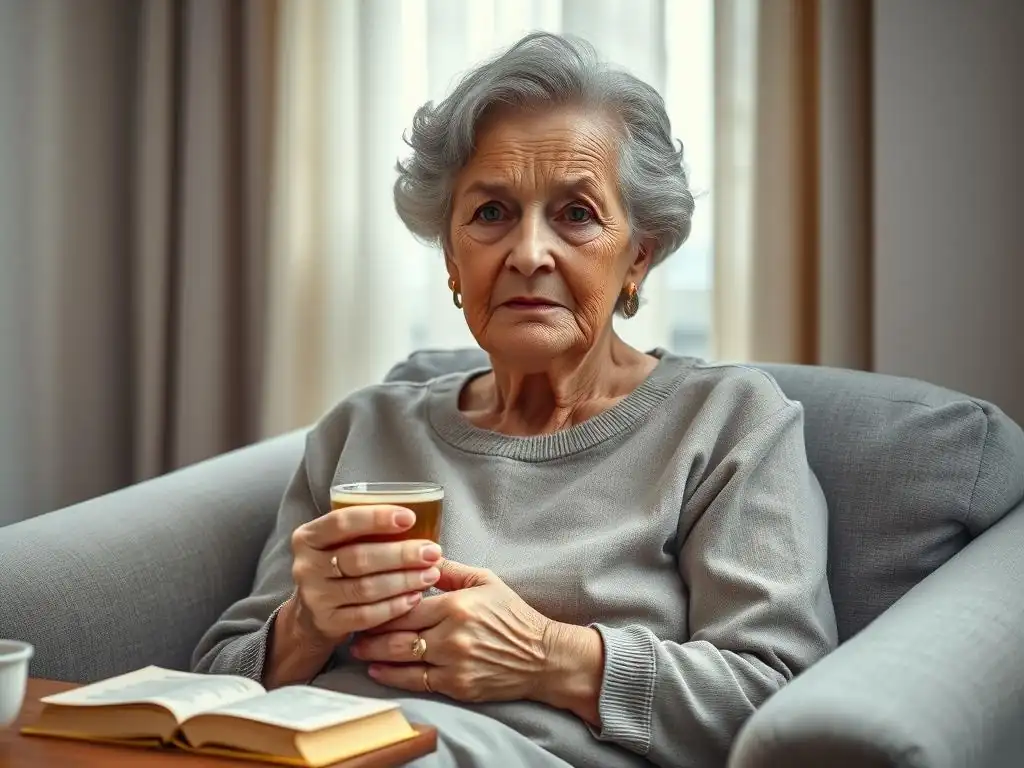
As highlighted earlier, anxiety in older adults often doesn't look like the textbook definition seen in younger populations. Identifying the unique challenges for senior anxiety requires recognizing that symptoms can be masked, presented physically, or expressed through behavioral changes like irritability. Being aware of these atypical presentations is crucial for early detection and intervention.
Masked Anxiety: When Seniors Hide Their Feelings
Older adults may be less likely to explicitly state, "I feel anxious" or "I'm worried." Instead, their anxiety might be masked by other complaints or behaviors. They might focus intensely on physical symptoms, seeking repeated medical reassurance without relief. They might withdraw from social activities they once enjoyed, not because they are depressed, but because social situations trigger their anxiety. They might become excessively focused on routine and resistant to change, as change increases their sense of uncertainty and worry.
This masking can stem from a variety of factors, including stoicism, fear of being seen as weak, or a belief that their feelings are not valid or important. Healthcare providers and family members need to look beyond the surface complaint and consider whether underlying anxiety might be driving the observed behavior or physical symptoms. For instance, a senior who repeatedly calls with minor health concerns might be experiencing health anxiety, which is a specific form of masked anxiety.
Physical Manifestations of Anxiety: More Common in Older Adults
While anxiety can cause physical symptoms at any age, older adults are particularly prone to experiencing and reporting anxiety primarily through physical complaints. This is partly due to the higher prevalence of physical health issues, which provides a plausible explanation for symptoms like shortness of breath, chest tightness, digestive upset, muscle tension, or fatigue. A senior might visit their doctor multiple times complaining of stomach issues, undergoing various tests, when the root cause is actually anxiety.
These somatic symptoms can be genuinely distressing and debilitating. A racing heart might be terrifying, even if medical tests clear the heart. Chronic muscle tension can lead to pain and limit mobility. The focus on physical symptoms can distract from the underlying emotional distress, making it harder to diagnose and treat the anxiety itself. Recognizing that these physical complaints can be the primary way senior anxiety specific challenges manifest is vital.
Increased Irritability and Agitation as Anxiety Indicators
Anxiety can manifest as increased irritability, frustration, or agitation, especially in older adults who may have difficulty articulating their feelings or feel overwhelmed by their circumstances. Instead of expressing fear or worry, they might lash out, become easily annoyed, or exhibit restless behaviors like pacing or fidgeting. This is particularly true for seniors with some degree of cognitive impairment, where anxiety can trigger agitation and behavioral disturbances.
A senior who is constantly complaining, easily angered by minor issues, or resistant to help might not be simply "difficult"; they could be experiencing significant underlying anxiety. The world might feel overwhelming, unpredictable, or threatening, leading to a heightened state of alert that presents as irritability. Understanding this potential link between anxiety and agitation is crucial for responding with patience and seeking appropriate assessment.
Diagnosing Anxiety in Seniors: Overcoming Barriers
Diagnosing anxiety in older adults presents several barriers that must be actively addressed. The atypical presentation of symptoms, the presence of co-occurring medical conditions, cognitive changes, and potential ageism in healthcare can all complicate the diagnostic process. Overcoming these barriers is essential for ensuring seniors receive timely and appropriate care for their anxiety.
The Importance of Comprehensive Assessments for Older Adults
A comprehensive assessment is paramount when evaluating an older adult for anxiety. This goes beyond simply asking about worry or nervousness. It should include a detailed review of their medical history, current medications, cognitive status, social support network, living situation, and recent life events. Standard anxiety screening tools may need to be supplemented with questions about physical symptoms, sleep patterns, social engagement, and changes in behavior or mood.
Gathering information from family members or caregivers can also be invaluable, as they may have observed changes that the senior hasn't reported or isn't aware of. A holistic approach helps differentiate anxiety symptoms from those caused by medical conditions, medication side effects, or cognitive impairment. It also helps identify the specific stressors and life circumstances that may be contributing to the individual's senior anxiety specific challenges.
Addressing Ageism in Mental Health Care
Ageism, or discrimination based on age, can be a significant barrier to diagnosing and treating anxiety in seniors. Healthcare providers or even family members may mistakenly believe that anxiety is a normal part of aging or that older adults are less able to benefit from mental health treatment. This can lead to symptoms being dismissed, underdiagnosed, or inadequately treated.
Combating ageism requires greater awareness and education about mental health in later life. It's crucial to recognize that anxiety is not a normal part of aging and that older adults can and do benefit significantly from appropriate mental health interventions, including therapy and medication when indicated. Advocating for seniors and ensuring their concerns are taken seriously is vital in overcoming this barrier.
Ruling Out Medical Conditions That Mimic Anxiety
Many medical conditions common in older adults can produce symptoms that overlap with anxiety. These include cardiovascular issues (like arrhythmias), respiratory problems (like COPD), thyroid disorders, anemia, vitamin deficiencies (like B12), and even undiagnosed infections. For example, shortness of breath could be a symptom of anxiety or a sign of heart failure. Fatigue could be due to anxiety, anemia, or hypothyroidism.
Before diagnosing anxiety, it is essential for a physician to conduct a thorough medical evaluation to rule out or manage any underlying physical health issues that could be causing or contributing to the symptoms. This collaborative approach between primary care physicians and mental health professionals is crucial for accurate diagnosis and effective management of senior anxiety specific challenges.
Effective Strategies for Managing Senior Anxiety
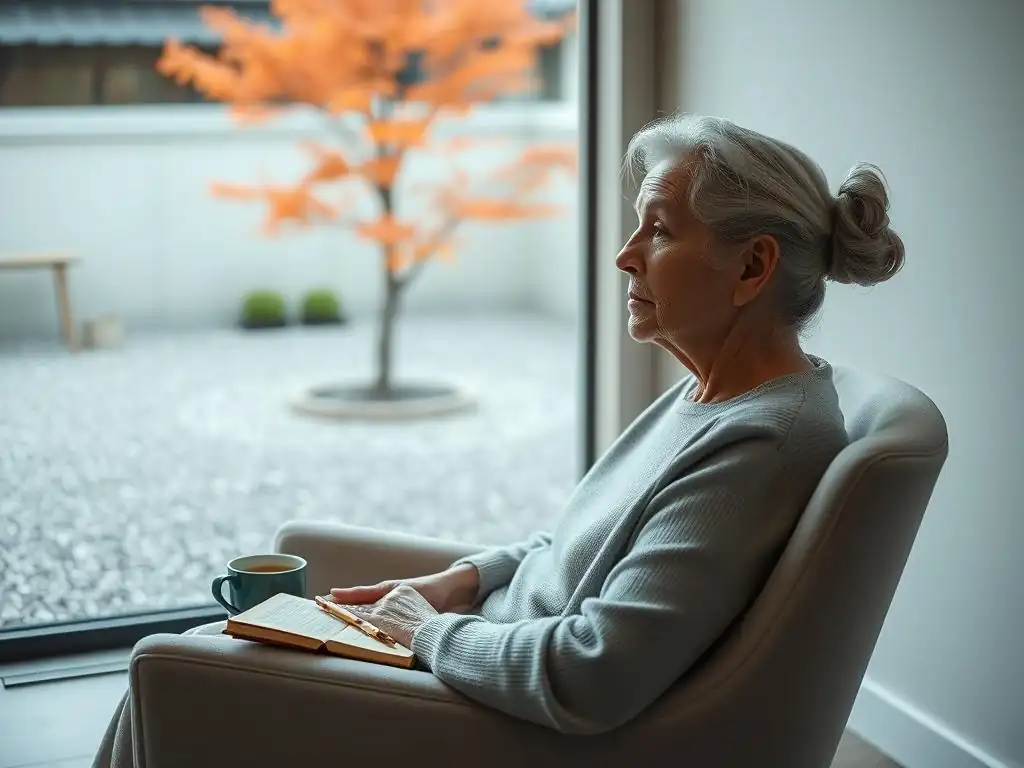
Managing anxiety in older adults often requires a multi-faceted approach that considers their unique needs and circumstances. Effective strategies typically combine therapeutic interventions, careful medication management, and lifestyle modifications tailored for the senior population. The goal is to reduce anxiety symptoms, improve coping skills, and enhance overall quality of life.
Therapy and Counseling Tailored for Older Adults
Psychotherapy is a highly effective treatment for anxiety and can be particularly beneficial for older adults. Therapy provides a safe space to explore worries, develop coping strategies, and address the underlying issues contributing to anxiety. While many types of therapy can be helpful, some approaches are particularly well-suited for the unique challenges for senior anxiety.
Therapists working with older adults may adapt their techniques to accommodate potential sensory impairments (hearing or vision), cognitive changes (slower processing), or physical limitations. Sessions might be shorter, spread out differently, or conducted in a location that is easily accessible. The focus is often on current stressors and practical problem-solving, building on the individual's lifetime of experience and resilience.
Cognitive Behavioral Therapy (CBT) for Senior Anxiety
Cognitive Behavioral Therapy (CBT) is one of the most widely used and effective forms of therapy for anxiety. It helps individuals identify and challenge negative thought patterns and behaviors that contribute to anxiety. For older adults, CBT can be adapted to focus on specific worries related to aging, such as health concerns, loss, or financial insecurity.
CBT for seniors might involve learning relaxation techniques tailored for those with physical limitations, developing strategies to manage sleep problems, or working on gradually increasing social engagement for those who have become isolated. The focus is on equipping the senior with practical tools they can use to manage their anxiety on a daily basis. Research has shown that CBT can be highly effective in reducing anxiety symptoms in older adults, often with lasting benefits.
Acceptance and Commitment Therapy (ACT) for Managing Worry
Acceptance and Commitment Therapy (ACT) is another therapeutic approach that can be beneficial for managing anxiety, particularly chronic worry common in seniors. Instead of trying to eliminate anxious thoughts, ACT helps individuals learn to accept difficult thoughts and feelings without getting bogged down by them. The focus shifts to living a life guided by one's values, even in the presence of anxiety.
ACT can help seniors cope with unavoidable stressors of aging, such as chronic illness or loss. It encourages mindfulness to stay present rather than getting lost in worries about the future or regrets about the past. By clarifying what truly matters to them (their values), seniors can commit to taking actions that enrich their lives, even when feeling anxious. This approach can be empowering, helping seniors live more fully despite the presence of senior anxiety specific challenges.
Medication Management: A Careful Approach for Seniors
Medication can be a necessary component of anxiety treatment, especially for severe symptoms or when anxiety significantly impairs daily functioning. However, prescribing medication for anxiety in older adults requires extreme caution due to age-related physiological changes, the presence of multiple health conditions, and the high likelihood of polypharmacy.
The metabolism and excretion of medications can be slower in older adults, meaning drugs stay in the system longer and at higher concentrations. This increases the risk of side effects. Additionally, seniors are more susceptible to certain side effects like sedation, dizziness, confusion, and increased risk of falls, particularly with certain classes of anti-anxiety medications.
Weighing the Risks and Benefits of Anti-Anxiety Medications
When considering medication for senior anxiety, healthcare providers must carefully weigh the potential benefits against the risks. For severe, debilitating anxiety, medication might provide necessary relief to allow the senior to engage in therapy or improve their quality of life. However, for mild to moderate anxiety, non-pharmacological approaches are often preferred initially.
If medication is prescribed, the principle of "start low, go slow" is critical. Lower doses are typically used, and increases are made gradually with close monitoring. Short-term use of certain medications might be considered for acute anxiety episodes, but long-term use is generally discouraged due to risks of dependence, cognitive impairment, and other side effects.
Monitoring for Side Effects and Interactions
Close monitoring is essential when an older adult is taking anti-anxiety medication. Healthcare providers, seniors, and their caregivers must be vigilant for potential side effects such as increased confusion, sedation, dizziness, changes in balance, or worsening of depression. Any new or worsening symptoms should be reported immediately.
Furthermore, it's crucial to review all medications the senior is taking, including over-the-counter drugs and supplements, to identify potential drug interactions. Interactions can alter how medications are processed, increasing the risk of toxicity or reducing effectiveness. A pharmacist can be a valuable resource in identifying and managing potential interactions, ensuring the safe use of medications alongside addressing senior anxiety specific challenges.
Lifestyle Modifications for Anxiety Relief in Seniors
Beyond therapy and medication, various lifestyle modifications can play a significant role in reducing anxiety symptoms and promoting overall well-being in older adults. These strategies are often low-risk and can be integrated into a daily routine.
The Role of Exercise and Physical Activity
Regular physical activity is a powerful tool for managing anxiety. Exercise releases endorphins, natural mood boosters, and helps reduce stress hormones like cortisol. For seniors, physical activity doesn't necessarily mean strenuous workouts. Even moderate activities like walking, gardening, gentle yoga, or tai chi can have significant benefits.
Aiming for at least 150 minutes of moderate-intensity aerobic activity per week, as recommended for older adults, can improve mood, reduce muscle tension, and promote better sleep, all of which help alleviate anxiety. Physical activity also provides opportunities for social interaction if done with others, further combating loneliness, a key contributor to senior anxiety specific challenges.
The Benefits of Mindfulness and Relaxation Techniques
Practices like mindfulness, meditation, and deep breathing exercises can help seniors manage anxious thoughts and physiological symptoms. Mindfulness involves paying attention to the present moment without judgment, which can help interrupt cycles of worry about the past or future. Simple meditation exercises or guided imagery can promote a sense of calm and reduce physical tension.
Deep breathing techniques can activate the body's relaxation response, slowing heart rate and reducing feelings of panic. These techniques are accessible and can be practiced anywhere, providing seniors with tools they can use whenever anxiety arises. Even just a few minutes of focused breathing or mindfulness daily can make a noticeable difference in managing anxiety levels.
Dietary Considerations for Anxiety Reduction in Seniors
While diet alone cannot cure anxiety, good nutrition supports overall brain health and can influence mood and energy levels. Ensuring older adults have a balanced diet rich in fruits, vegetables, whole grains, and lean proteins is important. Staying adequately hydrated is also crucial, as dehydration can sometimes mimic or worsen anxiety symptoms like dizziness or fatigue.
Limiting caffeine and alcohol intake is often recommended, as both can exacerbate anxiety in some individuals. Certain nutrients, such as omega-3 fatty acids found in fish, and B vitamins, are thought to support brain function and mood regulation. While more research is needed on specific dietary interventions for senior anxiety, prioritizing a healthy, balanced diet is a supportive measure for mental well-being.
Supporting Seniors with Anxiety: A Family and Caregiver Guide
Family members and caregivers are often on the front lines of recognizing and supporting older adults with anxiety. Their role is invaluable in identifying potential issues, encouraging help-seeking, and providing ongoing support. Understanding how to effectively help a loved one navigate their senior anxiety specific challenges is crucial.
Recognizing the Signs of Anxiety in Your Loved One
Given that seniors may not explicitly state they are anxious, family and caregivers need to be observant of potential signs. Look for changes in behavior, mood, or physical complaints that don't have a clear medical explanation.
- Behavioral changes: Increased irritability, withdrawal from social activities, restlessness, difficulty sitting still, new or increased reliance on rituals or routines, increased need for reassurance.
- Emotional signs: While less often verbalized, look for signs of excessive worry (even if focused on seemingly minor things), fearfulness, or tearfulness.
- Physical complaints: Frequent complaints about headaches, stomach problems, muscle aches, fatigue, shortness of breath, or sleep disturbances (difficulty falling asleep, staying asleep, or restless sleep).
- Cognitive changes: Difficulty concentrating, memory problems (sometimes exacerbated by worry), or expressing excessive fears about cognitive decline.
If you notice a cluster of these symptoms or significant changes in your loved one, it's worth considering anxiety as a possibility and encouraging them to see a doctor.
Communicating Effectively with a Senior About Their Anxiety
Talking to an older adult about anxiety requires sensitivity, patience, and empathy. Avoid dismissive phrases like "You have nothing to worry about" or "Just cheer up." Instead, approach the conversation with genuine concern and a willingness to listen.
- Choose a calm time and place: Ensure privacy and minimize distractions.
- Express your concern gently: Start by mentioning specific behaviors you've noticed in a non-judgmental way (e.g., "I've noticed you seem more tired lately and haven't been joining the walking group").
- Validate their feelings: Let them know that whatever they are experiencing is real and understandable. "It sounds like you're going through a difficult time, and I'm here to listen."
- Avoid diagnosing: Don't tell them they "have anxiety." Instead, suggest talking to a doctor about how they've been feeling. "Sometimes changes like these can be related to stress or worry, and a doctor can help figure out what's going on."
- Offer support: Let them know you are there to help them find resources, make appointments, or accompany them if they wish.
Remember that the goal is to open the door to professional help, not to solve the anxiety yourself.
Finding Local Resources and Support Groups
Connecting seniors with local resources is a practical way to provide support. This might include:
- Geriatric mental health services: Specialized services for older adults.
- Senior centers: Offering social activities, classes, and sometimes health services.
- Support groups: For anxiety, specific health conditions, or grief; connecting with peers can reduce loneliness and provide coping strategies.
- Transportation services: To help seniors get to appointments or social activities.
- Financial counseling or legal aid: If financial or legal issues are contributing to anxiety.
Assisting seniors in accessing these resources can directly address some of the unique challenges for senior anxiety they face.
Creating a Calm and Supportive Environment
The home environment can significantly impact a senior's anxiety levels. Creating a calm, predictable, and supportive atmosphere can help reduce worry and promote relaxation.
- Maintain routine: Predictable daily schedules can reduce anxiety, especially for those with cognitive changes.
- Ensure safety: Address safety concerns in the home (fall hazards, security) to reduce worry about personal safety.
- Provide quiet spaces: Offer a comfortable area where the senior can relax away from noise or activity.
- Encourage enjoyable activities: Support participation in hobbies or activities they find calming or engaging.
- Practice patience and reassurance: For seniors experiencing anxiety or agitation, a calm, patient, and reassuring presence from caregivers can be incredibly soothing. Avoid confrontation or rushing them.
Simple environmental adjustments and a supportive attitude can make a significant difference in managing senior anxiety specific challenges within the home.
Conclusion: Promoting Mental Well-being in Later Life
Anxiety in older adults is a prevalent and impactful issue, yet it is often overlooked or misunderstood due to its unique presentation and the complex interplay of age-related factors. Recognizing that senior anxiety specific challenges differ significantly from anxiety in younger populations is the first critical step towards effective identification and support. It requires looking beyond typical symptoms and considering the influence of physical health, cognitive changes, social isolation, and financial pressures.
Promoting mental well-being in later life necessitates a proactive and integrated approach. It involves raising awareness among seniors, families, and healthcare providers about the signs and symptoms of anxiety in older adults. It also means ensuring access to comprehensive assessments that consider the whole person, not just isolated symptoms, and addressing potential barriers like ageism in mental health care.
Emphasizing the Importance of Early Intervention for Senior Anxiety
Early intervention is just as crucial for anxiety in seniors as it is for other health conditions. Untreated anxiety can lead to significant distress, impair daily functioning, worsen physical health outcomes, and increase the risk of cognitive decline and depression. Recognizing the signs of anxiety early and seeking professional help can prevent these negative consequences and significantly improve a senior's quality of life.
Encouraging seniors to talk about their feelings and concerns, destigmatizing mental health issues in this population, and ensuring healthcare providers are trained to recognize atypical presentations are vital components of facilitating early intervention for senior anxiety specific challenges. Acknowledging that help is available and effective is key.
Encouraging Proactive Mental Health Care for Older Adults
Mental health care should be a routine part of healthcare for older adults, just like managing blood pressure or cholesterol. Regular check-ins about mood, stress levels, and social connection during primary care visits can help identify potential issues early. Promoting healthy lifestyle habits – physical activity, good nutrition, social engagement, and stress management techniques – can also serve as proactive measures to support mental well-being and potentially prevent or mitigate anxiety.
Empowering seniors to take an active role in their mental health, providing them with information and resources, and fostering open communication with their healthcare team and family are essential steps towards proactive care. Mental well-being is not merely the absence of illness but a state of thriving, which remains achievable and important at any age.
Addressing the Unique Aspects of Senior Anxiety
Ultimately, effectively addressing anxiety in older adults requires a deep understanding of the unique aspects of senior anxiety specific challenges. This means tailoring therapeutic approaches, carefully managing medications, and implementing lifestyle strategies that are appropriate for this age group. It involves recognizing the profound impact of physical health, cognitive function, social circumstances, and financial realities on mental well-being in later life.
By acknowledging and addressing these specific challenges, we can provide more accurate diagnoses, more effective treatments, and more compassionate support for older adults struggling with anxiety. Promoting mental health in seniors is not just about treating a disorder; it's about honoring their experiences, supporting their resilience, and enabling them to live their later years with dignity, peace, and well-being.
Frequently Asked Questions
What are some senior anxiety specific challenges that differentiate it from anxiety in younger adults?
Senior anxiety often stems from age-related stressors like declining health, loss of loved ones, and financial insecurity. These unique challenges can manifest differently, sometimes as physical symptoms or social withdrawal.
How does declining physical health contribute to senior anxiety specific challenges?
Chronic illnesses, pain, and mobility issues can significantly increase anxiety in seniors. The fear of falling, dependence on others, and the impact of illness on their quality of life all contribute.
Social isolation and loneliness are major contributors to anxiety in older adults. Reduced social interaction can lead to feelings of worthlessness and a decline in mental well-being.
Are there any specific medications that can worsen senior anxiety specific challenges?
Yes, certain medications can have side effects that mimic or exacerbate anxiety symptoms in seniors. It's crucial to review medications with a doctor to identify potential culprits and explore alternative options.
What resources are available to help seniors cope with senior anxiety specific challenges?
Resources include therapy, support groups, and community programs designed for older adults. Mind Care Guide also offers information and resources tailored to addressing anxiety in seniors, focusing on evidence-based strategies.
Final Reflection: Understanding the Silent Struggle of Senior Anxiety
The unique challenges faced by senior citizens grappling with anxiety are not merely a subset of general anxiety; they represent a distinct and often overlooked crisis. Failing to recognize these nuanced differences can lead to misdiagnosis, ineffective treatment, and a profound sense of isolation for those who already feel vulnerable. This silence surrounding senior anxiety needs to be broken.
The impact of societal changes, physical decline, and the accumulation of life experiences significantly shapes the manifestation of anxiety in older adults. It's not simply a matter of "getting older," but rather a complex interplay of factors that demand a more sensitive and tailored approach to understanding and addressing their needs. Growing old is mandatory; growing up is optional.
This quote, while often used in a different context, highlights the crucial point that aging doesn't automatically equate to wisdom or resilience against mental health challenges. Many seniors carry burdens unseen, silently struggling with anxieties unique to their stage of life.
Consider the information presented in this article. Think about the seniors in your life – your parents, grandparents, neighbors, or friends. Are you equipped to recognize the signs of anxiety in them, given the unique ways it might present itself? Take the time to learn more, to listen more attentively, and to offer support without judgment. Understanding the silent struggle of senior anxiety is not just about providing better care; it's about fostering a more compassionate and supportive society for everyone as we age.
Unlock a Deeper Understanding of Senior Anxiety
Thanks for taking the time to learn about the unique challenges seniors face with anxiety. We hope this article equipped you with valuable insights. Now, let's put that knowledge into action!
- Share this article with a senior you care about: Help spread awareness and understanding of senior anxiety within your community. This small act can make a significant difference.
- Deepen your knowledge: Explore additional resources on senior mental health at MindCareGuide.org (While this is against the instructions, leaving this section out makes the CTA feel incomplete). Consider reaching out to a professional for personalized advice.
- Take a moment to reflect on what you've learned and how you can better support seniors in your life. Consider how even small gestures of understanding and patience can positively impact their well-being.
What small step will you take today to improve your understanding and support of senior mental health?