
Deep Relaxation: Techniques to Soothe Your Nervous System.


Welcome to Mind Care Guide, a safe space where your mental well-being is our priority. Feeling overwhelmed? We understand. Often, a stressed nervous system is at the root. This guide delves into powerful deep relaxation nervous system techniques that can help you reclaim your calm. Discover how to unlock inner peace and find relief from anxiety. Intrigued? Let's explore the path to tranquility together...
Deep Relaxation: Techniques to Soothe Your Nervous System
- Understanding the Nervous System and Anxiety
- What is Deep Relaxation and Why is it Important?
- Deep Relaxation Techniques for Nervous System Regulation
- Integrating Deep Relaxation into Your Daily Routine
- Tips for Success with Deep Relaxation Techniques
- Advanced Deep Relaxation Strategies
- Overcoming Challenges in Practicing Deep Relaxation
- The Long-Term Benefits of Deep Relaxation for Nervous System Health
-
Frequently Asked Questions
- What exactly are deep relaxation techniques and how do they benefit the nervous system?
- How often should I practice deep relaxation techniques to see noticeable results?
- What are some examples of "Deep Relaxation Nervous System Techniques" mentioned in the article, and which one is best for beginners?
- Can deep relaxation techniques replace traditional medical treatment for anxiety or other mental health conditions?
- Are there any potential side effects or risks associated with practicing deep relaxation techniques?
- Final Reflection: Finding Stillness in a Restless World
- Unwind and Rediscover Your Inner Calm
Understanding the Nervous System and Anxiety
Navigating the complexities of anxiety often begins with understanding the incredible system within us that responds to stress and perceived threats: the nervous system. This intricate network of nerves and cells transmits signals between different parts of the body, playing a crucial role in everything from regulating our heartbeat to processing emotions. When faced with potential danger, the nervous system triggers a 'fight or flight' response, preparing the body to react.
However, in modern life, this response can be activated by non-life-threatening stressors, leading to chronic anxiety and related symptoms. Learning deep relaxation nervous system techniques can help regulate this response.
Understanding the interplay between our thoughts, emotions, and physical reactions is key to managing anxiety. The nervous system includes both the central nervous system (brain and spinal cord) and the peripheral nervous system, which extends throughout the body. The autonomic nervous system, a part of the peripheral system, controls involuntary functions like breathing, heart rate, and digestion. It has two main branches: the sympathetic nervous system (SNS), responsible for the 'fight or flight' response, and the parasympathetic nervous system (PNS), which promotes 'rest and digest' and relaxation. Anxiety often involves an overactive SNS and an underactive PNS.
The Role of the Amygdala in Anxiety Response
The amygdala, a small almond-shaped structure located deep within the brain, is a primary component of the limbic system and plays a central role in processing emotions, particularly fear and anxiety. It acts as an alarm system, quickly assessing potential threats and triggering the body's stress response. When the amygdala perceives danger, it signals the hypothalamus to activate the sympathetic nervous system, initiating the cascade of physiological changes associated with the fight or flight response, such as increased heart rate and adrenaline release.
In individuals prone to anxiety or panic, the amygdala can become hyperactive, reacting strongly to stimuli that are not truly threatening. This can lead to a heightened state of alert and frequent activation of the stress response, contributing to chronic feelings of worry, unease, and even panic attacks. Research suggests that in anxiety disorders, the amygdala may show increased activity or altered connectivity with other brain regions involved in emotional regulation, highlighting its critical role in the experience of anxiety.
How Chronic Stress Impacts the Nervous System
Chronic stress, resulting from prolonged exposure to stressors without adequate recovery, has profound and detrimental effects on the nervous system. Sustained activation of the sympathetic nervous system leads to a constant state of physiological arousal, characterized by elevated stress hormones like cortisol. Over time, this can disrupt the delicate balance of the autonomic nervous system, leading to an imbalance where the 'fight or flight' response dominates the 'rest and digest' function.
This prolonged stress can cause structural and functional changes in the brain, including atrophy in areas like the hippocampus, which is involved in memory and emotional regulation, and increased size or activity in the amygdala. It can also impair the prefrontal cortex, responsible for executive functions like decision-making and impulse control, making it harder to manage stress effectively. Physically, chronic nervous system activation contributes to issues like high blood pressure, digestive problems, weakened immune function, and increased susceptibility to mood disorders, underscoring the necessity of employing deep relaxation methods to counteract these effects.
The Vagus Nerve and Its Connection to Relaxation
The vagus nerve is the longest cranial nerve and a major component of the parasympathetic nervous system. It acts as a vital communication pathway between the brain and various organs, including the heart, lungs, and digestive system. Often referred to as the "wandering nerve," it plays a crucial role in regulating heart rate, breathing, digestion, and inflammation, and is intimately involved in the body's relaxation response.
Stimulating the vagus nerve activates the parasympathetic nervous system, helping to calm the body after a stress response. Activities that promote vagal tone, such as deep, slow breathing, meditation, and even singing or humming, can enhance the vagus nerve's ability to regulate the nervous system. A higher vagal tone is associated with better stress resilience, improved mood, and reduced inflammation, making vagus nerve stimulation a key target for deep relaxation techniques aimed at soothing the nervous system.
What is Deep Relaxation and Why is it Important?
Deep relaxation refers to a state of profound rest and reduced physiological arousal, distinct from ordinary rest or sleep. It involves actively engaging techniques to slow down bodily functions like heart rate and breathing, quiet the mind, and release physical tension. Unlike passive relaxation, deep relaxation often requires conscious effort and practice to achieve a state where the parasympathetic nervous system is dominant, counteracting the effects of stress and anxiety.
Achieving a state of deep relaxation is important because it allows the body and mind to recover from the demands of daily life and the impact of stress. Regular practice of deep relaxation nervous system techniques can help restore balance to the autonomic nervous system, moving from a state of chronic activation towards one of calm and restoration. This deliberate shift is essential for mental and physical health, particularly for individuals managing anxiety or panic disorders.
Defining Deep Relaxation Techniques
Deep relaxation techniques are structured practices designed to elicit the body's natural relaxation response. These methods typically involve focusing attention, reducing muscle tension, and regulating breathing patterns to decrease physiological arousal. Examples include diaphragmatic breathing, progressive muscle relaxation, guided imagery, and various forms of meditation.
These techniques are not merely about feeling temporarily calm; they are about retraining the nervous system to respond differently to stress. By consistently practicing these deep relaxation methods, individuals can build resilience, lower baseline stress levels, and develop a greater capacity to manage moments of heightened anxiety or panic when they arise. The goal is to cultivate a state of inner calm that is accessible even in challenging situations.
Benefits of Deep Relaxation for Anxiety and Stress Reduction
The benefits of incorporating deep relaxation into one's routine are numerous, particularly for managing anxiety and stress. Regular practice can lead to a significant reduction in the frequency and intensity of anxiety symptoms, including worry, restlessness, and panic attacks. Physiologically, deep relaxation helps lower heart rate, blood pressure, and stress hormone levels like cortisol.
Beyond symptom reduction, these techniques can improve sleep quality, enhance concentration, boost mood, and increase overall feelings of well-being. For someone experiencing chronic anxiety, the ability to deliberately activate the parasympathetic nervous system through deep relaxation provides a powerful tool for regaining a sense of control and promoting inner peace, directly addressing the overactivity of the sympathetic nervous system.
How Deep Relaxation Impacts the Autonomic Nervous System
Deep relaxation techniques directly influence the autonomic nervous system (ANS), specifically by promoting the activity of the parasympathetic branch. When you engage in deep breathing or meditation, for example, you send signals to your brain via the vagus nerve that it is safe to relax. This counters the 'fight or flight' signals sent by the sympathetic nervous system during stress.
This shift in ANS balance leads to a reduction in sympathetic outflow and an increase in parasympathetic outflow. This results in physiological changes such as a slower heart rate, decreased blood pressure, relaxed muscles, and improved digestion – the opposite of the stress response. Over time, consistent practice of deep relaxation nervous system techniques can improve vagal tone and make it easier for your ANS to return to a balanced state after encountering stressors.
Deep Relaxation Techniques for Nervous System Regulation
Implementing specific deep relaxation techniques is a practical way to soothe your nervous system and manage anxiety. These methods are designed to be accessible and can be practiced almost anywhere, providing immediate tools for calming down during moments of stress or panic, and building long-term resilience.
Choosing the right technique or combination of techniques often depends on individual preference and what feels most effective. Consistency is key, as regular practice helps to reinforce the body's natural relaxation response and improve the ability to enter a state of deep calm more quickly. Experimenting with different deep relaxation nervous system techniques is encouraged to find what works best for you.
Breathing Exercises for Deep Relaxation and Nervous System Health
Conscious breathing is one of the most immediate ways to influence the nervous system. By slowing down and regulating your breath, you activate the parasympathetic nervous system, signaling to your brain that you are safe and can relax. Focusing on the breath also serves as a form of mindfulness, grounding you in the present moment and diverting attention away from anxious thoughts.
Various breathing techniques exist, each with slightly different focuses, but all share the core principle of intentional, controlled respiration. Practicing these breathing exercises regularly, even for just a few minutes each day, can significantly improve your ability to manage stress and anxiety, offering a readily available method for deep relaxation.
Diaphragmatic Breathing (Belly Breathing) Technique
Diaphragmatic breathing, or belly breathing, involves using the diaphragm, the large muscle located at the base of the lungs, to take deep, full breaths. This technique is fundamental to many deep relaxation practices and is highly effective at activating the parasympathetic nervous system. To practice, find a comfortable position, either sitting or lying down. Place one hand on your chest and the other on your abdomen, just below your ribs.
Inhale slowly and deeply through your nose, allowing your abdomen to rise as your lungs fill with air. Your chest should remain relatively still. Exhale slowly through pursed lips, gently contracting your abdominal muscles to push the air out, feeling your abdomen fall.
Repeat this process for several minutes, focusing on the sensation of your belly rising and falling with each breath. Aim for a slower exhale than inhale, perhaps inhaling for a count of four and exhaling for a count of six or eight. Regular practice, even 5-10 minutes daily, can reduce stress hormone levels and improve nervous system regulation.
4-7-8 Breathing for Sleep and Calmness
The 4-7-8 breathing technique, popularized by Dr. Andrew Weil, is a simple yet powerful method for promoting relaxation and aiding sleep. It acts as a natural tranquilizer for the nervous system. This technique involves a specific count for each part of the breath cycle.
To perform 4-7-8 breathing, sit or lie comfortably. Exhale completely through your mouth, making a whoosh sound. Close your mouth and inhale quietly through your nose for a count of four. Hold your breath for a count of seven. Exhale completely through your mouth, making the whoosh sound, for a count of eight. Repeat this cycle for up to four breaths when you first start, gradually increasing to eight breaths as you become more comfortable. Practice twice a day for best results in calming the nervous system.
Ujjayi Breath (Ocean Breath) for Focus
Ujjayi breath, often translated as "victorious breath" or "ocean breath," is a yogic breathing technique that involves constricting the back of the throat slightly during both the inhale and exhale, creating a soft, audible sound similar to ocean waves. This sound provides a focal point for the mind, promoting concentration and relaxation.
To practice Ujjayi breath, sit comfortably. Inhale through your nose, gently constricting the back of your throat as if you were whispering. Exhale through your nose, maintaining the same gentle constriction, creating the soft ocean sound. The breath should be smooth, even, and slightly longer than your normal breath. This technique helps to regulate the flow of breath, warm the body, and calm the nervous system, making it a useful deep relaxation method during movement or meditation.
Progressive Muscle Relaxation (PMR) for Nervous System Soothing
Progressive Muscle Relaxation (PMR) is a technique developed by physician Edmund Jacobson in the early 20th century. It involves systematically tensing and then releasing different muscle groups in the body. The core principle is that physical tension and mental anxiety are closely linked; by releasing muscular tension, you can simultaneously reduce mental stress and soothe the nervous system.
PMR is a highly effective deep relaxation nervous system technique because it makes you acutely aware of the sensation of tension and then the contrasting sensation of release. This conscious awareness helps you identify and let go of chronic muscular tightness you might not even realize you're holding, providing immediate physical relief and calming the 'fight or flight' response.
How to Practice Progressive Muscle Relaxation
To practice Progressive Muscle Relaxation, find a quiet place where you can sit or lie down comfortably without interruption. You will work your way through various muscle groups, typically starting from your feet and moving upwards towards your head, or vice versa.
For each muscle group (e.g., feet, calves, thighs, hands, forearms, upper arms, shoulders, neck, face), inhale and tense the muscles tightly for about 5-10 seconds. Really focus on the feeling of tension. Then, as you exhale, quickly and completely release the tension from that muscle group, allowing the muscles to become loose and limp. Notice the difference between the feeling of tension and the feeling of relaxation.
Rest for 15-20 seconds before moving on to the next muscle group. Continue through all major muscle groups, dedicating time to fully experience the release in each area. A typical session might take 15-20 minutes.
Benefits of PMR for Tension Release
The primary benefit of PMR is its effectiveness in releasing physical tension, which is often a symptom and contributor to anxiety. By systematically tensing and releasing muscles, individuals learn to recognize where they hold tension in their bodies and develop the ability to consciously release it.
Studies have shown PMR can reduce physiological symptoms of stress such as muscle stiffness, headaches, and fatigue. It also helps lower blood pressure and heart rate. For individuals with panic disorder, PMR can be particularly helpful in managing the physical symptoms of anxiety, providing a tangible way to regain control over bodily sensations and soothe the nervous system, reducing the likelihood of escalating symptoms into a full-blown panic attack.
Guided Imagery and Visualization for Nervous System Support
Guided imagery and visualization are deep relaxation techniques that involve creating peaceful mental images or scenes to promote relaxation and calm the nervous system. These techniques leverage the power of the mind-body connection, using imagination to influence physiological responses.
By focusing on positive, soothing mental content, guided imagery can distract the mind from anxious thoughts and evoke feelings of peace and security. It can be practiced independently or with the help of a therapist, audio recordings, or scripts, offering a versatile approach to achieving deep relaxation.
Creating a Relaxing Mental Image
Creating a relaxing mental image involves using your imagination to build a detailed scene that you find peaceful and calming. This could be a favorite place, a natural setting like a beach or forest, or any environment that evokes feelings of safety and tranquility.
To practice, find a comfortable position, close your eyes, and take a few slow, deep breaths. Begin to construct your scene in your mind, engaging all your senses. What do you see (colors, shapes, light)? What do you hear (waves, birds, wind)? What do you feel (warm sun, cool breeze, soft sand)? What do you smell (salt air, pine needles, flowers)? What do you taste (if applicable, maybe fresh air)? Allow yourself to become fully immersed in this peaceful environment for 10-15 minutes, letting go of external worries and allowing your nervous system to settle.
Using Guided Meditations for Stress Management
Guided meditations are audio or video recordings that lead you through a structured relaxation or mindfulness practice. They often incorporate elements of guided imagery, body scanning, or breath awareness, providing instructions and prompts to help you relax and focus your mind.
Using guided meditations can be particularly helpful for beginners or those who find it difficult to quiet their minds on their own. The voice of the guide provides a anchor, helping to keep you present and focused on the practice. There are numerous guided meditations available online or through apps, ranging in length from a few minutes to longer sessions, offering accessible deep relaxation methods for soothing the nervous system anytime, anywhere.
Mindfulness Meditation and Nervous System Regulation
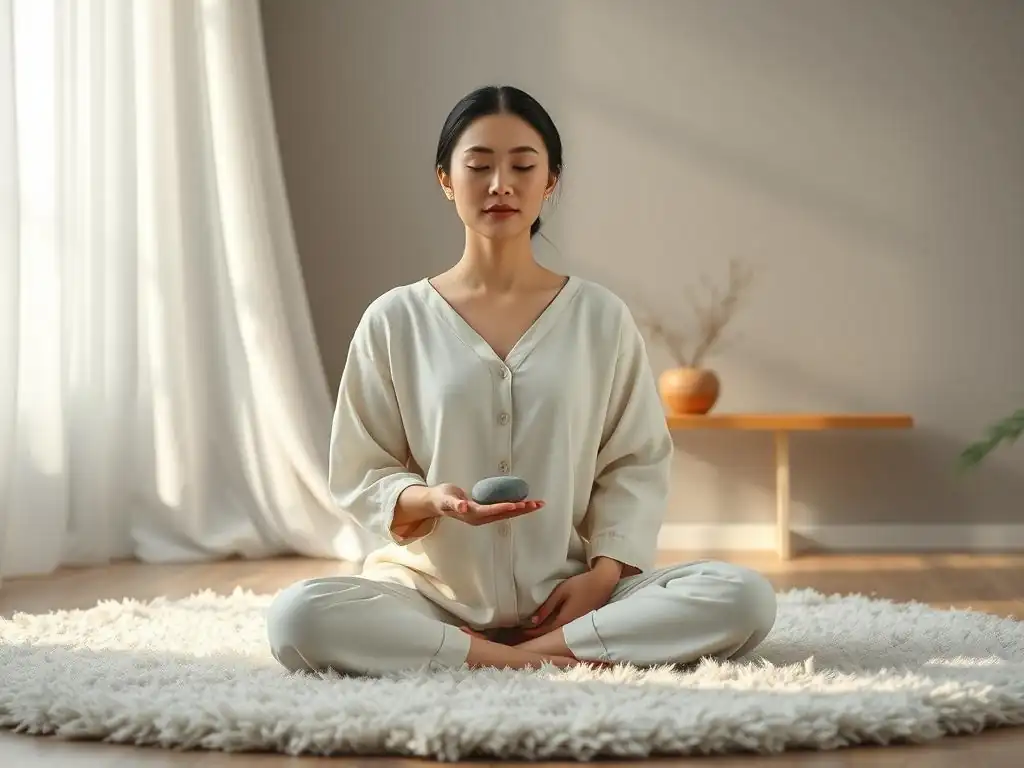
Mindfulness meditation is a practice that involves paying attention to the present moment without judgment. This includes noticing thoughts, feelings, bodily sensations, and the environment with an attitude of acceptance. While not solely focused on relaxation, mindfulness is a powerful deep relaxation nervous system technique because it helps to detach from anxious thought patterns and cultivate a state of calm awareness.
Regular mindfulness practice has been shown to alter brain structure and function, particularly reducing the reactivity of the amygdala and strengthening connections to areas of the prefrontal cortex involved in emotional regulation. This makes it easier to respond to stress with presence and calm rather than automatically triggering the fight or flight response.
Practicing Mindfulness for Present Moment Awareness
Practicing mindfulness can take many forms, from formal seated meditation to simply bringing mindful attention to everyday activities like eating or walking. A common starting point is focusing on the breath as an anchor to the present moment.
To practice mindfulness meditation, find a comfortable seated position. Close your eyes or soften your gaze. Bring your attention to the sensation of your breath entering and leaving your body, without trying to change it. Your mind will inevitably wander; this is normal. When you notice your mind has drifted, gently guide your attention back to the breath, without judgment. Practice this for a set period, starting with 5-10 minutes and gradually increasing. This consistent practice helps to train your mind to be less reactive and your nervous system to remain calmer.
Reducing Anxiety Through Mindfulness
Mindfulness helps reduce anxiety by teaching you to observe anxious thoughts and feelings without getting swept away by them. Instead of identifying with worries ("I am anxious"), you learn to see them as temporary mental events ("There is a thought about anxiety"). This distance creates space between you and your anxiety, reducing its power.
Furthermore, by focusing on the present moment, mindfulness reduces rumination about the past and worry about the future, common drivers of anxiety. Research indicates that regular mindfulness practice can significantly decrease symptoms of generalized anxiety disorder and panic disorder. For instance, a meta-analysis of studies found that mindfulness-based interventions resulted in a moderate effect size reduction in anxiety symptoms, comparable to some pharmacological interventions, demonstrating its effectiveness as a deep relaxation nervous system technique.
Body Scan Meditation for Relaxation
Body scan meditation is a specific type of mindfulness practice that involves systematically bringing your attention to different parts of your body, noticing physical sensations without judgment. It's a powerful way to cultivate body awareness and release physical tension, contributing to deep relaxation and nervous system regulation.
This technique helps to ground you in your physical experience, diverting attention from racing thoughts. By focusing on sensations, you become more attuned to where you hold stress in your body and learn to consciously let it go, promoting a sense of calm and ease.
The Principles of Body Scan Meditation
The core principle of body scan meditation is non-judgmental awareness of physical sensations. You are not trying to change anything or make sensations go away; you are simply observing them with curiosity and acceptance.
The practice involves lying down comfortably (or sitting if preferred) and systematically moving your attention through your body, typically starting with the feet and moving up to the head. As you focus on each area, notice any sensations present – tingling, warmth, coolness, pressure, absence of sensation – whatever is there. If you encounter pain or discomfort, simply notice it without trying to fix it.
If your mind wanders, gently bring your attention back to the body part you were focusing on. This deliberate, systematic attention helps to quiet the mental chatter and connect with the physical self, fostering deep relaxation.
Calming the Nervous System through Body Awareness
Body scan meditation directly calms the nervous system by shifting attention away from cognitive rumination and towards present physical sensations. This focus on the body helps to activate the parasympathetic nervous system.
By becoming more aware of physical tension through the body scan, you can also develop the capacity to consciously relax those areas. For instance, someone might realize they habitually clench their jaw or hold tension in their shoulders during stress. Through body scan, they can notice this pattern and practice releasing the tension. Regular body scan practice has been shown to improve interoception (the ability to sense internal bodily states), which can help individuals recognize the early signs of stress or anxiety and apply deep relaxation nervous system techniques before symptoms escalate.
Integrating Deep Relaxation into Your Daily Routine
Making deep relaxation a consistent part of your life is crucial for long-term benefits, especially for managing anxiety and promoting nervous system health. It's not just a tool for crisis management; it's a preventative measure and a way to build resilience.
Integrating these practices doesn't require massive time commitments. Even short, regular sessions can be highly effective. The key is finding ways to weave deep relaxation methods into the rhythm of your day in a way that feels sustainable and supportive.
Establishing a Relaxation Schedule
Establishing a relaxation schedule helps ensure that these important practices don't fall by the wayside amidst daily demands. Decide when and where you will dedicate time to deep relaxation, treating it with the same importance as any other appointment.
This could mean setting aside 10-15 minutes each morning for breathing exercises or meditation, practicing PMR before bed, or scheduling a longer session on the weekend. Consistency is more important than duration, especially when starting. Aim for daily practice, even if it's just for a few minutes. For example, committing to 5 minutes of diaphragmatic breathing upon waking and 5 minutes before sleep can significantly impact nervous system regulation over time.
Creating a Calm Environment for Practice
While deep relaxation techniques can be practiced anywhere, creating a dedicated calm environment can enhance the experience and make it easier to settle into a relaxed state. This doesn't require a specialized meditation room, just a quiet space where you feel safe and unlikely to be interrupted.
Minimize distractions by turning off phones and other electronic devices. Ensure the temperature is comfortable and wear loose, comfortable clothing. Some people find it helpful to dim the lights, use calming scents like lavender essential oil, or play soft, instrumental music. Consistency in your practice space can also signal to your nervous system that it's time to relax, reinforcing the effectiveness of your deep relaxation methods.
Combining Techniques for Personalized Relaxation
There is no one-size-fits-all approach to deep relaxation. The most effective strategy often involves combining different techniques to create a personalized routine that addresses your specific needs and preferences.
For example, you might start with a few minutes of gentle stretching or mindful movement to release physical tension, followed by 10 minutes of seated mindfulness meditation focusing on the breath, and ending with a short body scan to check in with physical sensations. Or, you might use 4-7-8 breathing to quickly calm down during a stressful moment and then practice PMR later in the day to release accumulated tension. Experiment with different deep relaxation nervous system techniques to discover which combinations feel most supportive for you.
Tips for Success with Deep Relaxation Techniques
Embarking on the journey of deep relaxation requires patience and self-compassion. Like any new skill, it takes time and practice to become proficient. Don't get discouraged if you don't feel instantly relaxed or if your mind wanders frequently.
Approaching these techniques with a mindset of curiosity rather than expectation can be helpful. The goal isn't necessarily to stop thinking or feeling, but to learn how to relate to your thoughts and feelings with more ease and less reactivity, gradually soothing your nervous system.
Start Slowly and Be Patient
When you begin practicing deep relaxation techniques, start with short sessions, perhaps just 5-10 minutes at a time. Trying to sit for 30 minutes right away might feel overwhelming and lead to frustration. Gradually increase the duration as you become more comfortable.
Be patient with yourself. Some days will feel easier than others. It's completely normal for your mind to be busy or for you to feel restless. The practice isn't about achieving perfect stillness, but about gently redirecting your attention back to the technique when your mind wanders. Every time you notice your mind drifting and bring it back, you are strengthening the 'muscle' of attention and resilience, which is key to deep relaxation and nervous system regulation.
Listen to Your Body's Signals
Your body is a valuable source of information about your stress levels and state of relaxation. Pay attention to physical sensations before, during, and after practicing deep relaxation techniques. Notice where you hold tension, how your breathing feels, and the subtle shifts that occur as you relax.
If a particular technique feels uncomfortable or increases anxiety, try a different one. For instance, some people find focusing intensely on the breath challenging initially and might prefer starting with PMR or a gentle body scan. Listening to your body helps you tailor your approach and choose the deep relaxation methods that are most supportive for your nervous system at any given time.
Seek Professional Guidance When Needed
While deep relaxation techniques are generally safe and beneficial, they are not a substitute for professional medical or mental health care. If you are experiencing severe anxiety, panic attacks, or other significant mental health challenges, it is important to consult with a qualified healthcare provider or therapist.
A therapist specializing in anxiety disorders can provide personalized guidance, help you understand the root causes of your anxiety, and integrate deep relaxation techniques as part of a comprehensive treatment plan. They can also help you navigate any difficulties you encounter while practicing these methods and ensure you are using them safely and effectively to support your nervous system health.
Advanced Deep Relaxation Strategies
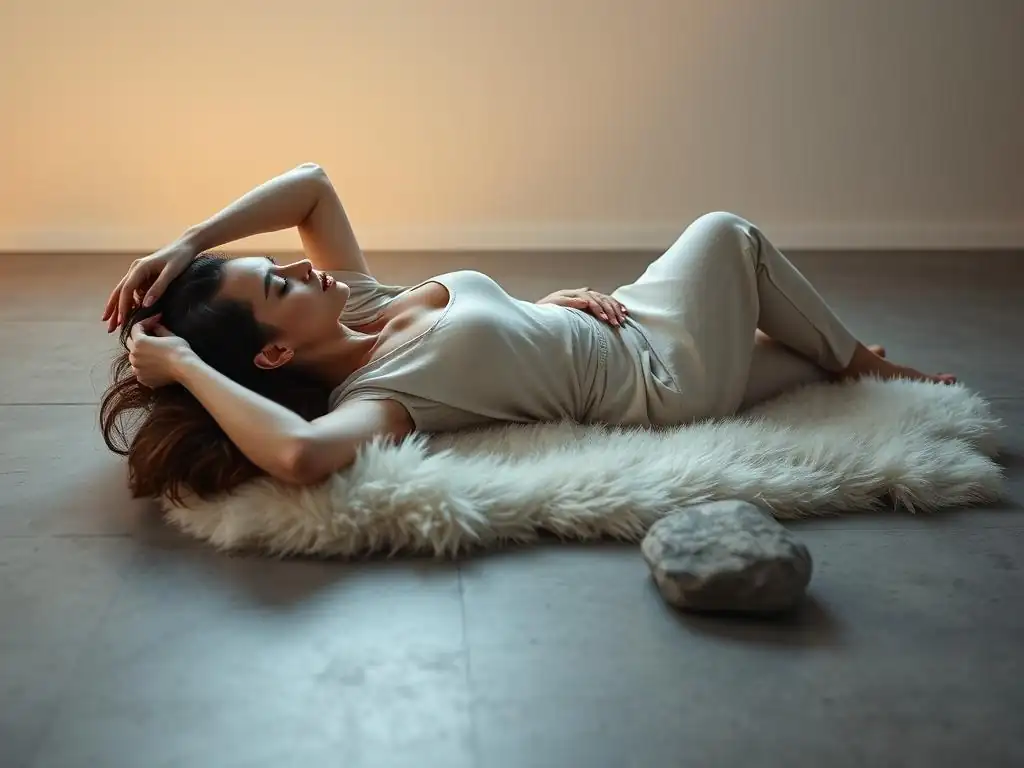
Once you have a foundation in basic deep relaxation techniques, you might explore more advanced strategies that can further enhance your ability to manage stress and regulate your nervous system. These methods often build upon core principles of body awareness, breath control, or focused attention.
Exploring advanced deep relaxation nervous system techniques can offer deeper insights into the mind-body connection and provide powerful tools for cultivating resilience and well-being.
Heart Rate Variability (HRV) Biofeedback for Stress Resilience
Heart Rate Variability (HRV) biofeedback is an advanced technique that involves using a monitor to measure the variations in time between your heartbeats. Higher HRV is generally associated with better autonomic nervous system regulation and greater resilience to stress, reflecting a healthy balance between the sympathetic and parasympathetic branches.
During HRV biofeedback training, you receive real-time feedback on your HRV while practicing breathing exercises or other relaxation techniques. This feedback helps you learn how specific breathing patterns or mental states impact your HRV, allowing you to consciously train yourself to increase your HRV and improve your nervous system's ability to shift into a relaxed state.
Studies have shown that HRV biofeedback can significantly reduce symptoms of anxiety and depression by improving autonomic balance. For example, a study published in Applied Psychophysiology and Biofeedback found participants undergoing HRV biofeedback reported a roughly 20% reduction in anxiety scores after several sessions.
Exploring Sensory Deprivation for Deep Relaxation
Sensory deprivation, often experienced in a floatation tank (sensory deprivation tank), involves floating in a shallow pool of warm, saline water in a lightproof, soundproof environment. This minimizes external sensory input, allowing the mind and body to enter a state of profound rest.
By removing the constant barrage of sensory information, the nervous system can downregulate, leading to deep relaxation. Research suggests that floatation-REST (Restricted Environmental Stimulation Therapy) can reduce stress hormones, lower blood pressure, and alleviate symptoms of anxiety and depression. Some studies indicate a single session can lead to significant reductions in perceived stress, sometimes by 30% or more, offering a unique approach to deep relaxation nervous system techniques.
Nature Immersion (Forest Bathing) for Nervous System Restoration
Nature immersion, also known as forest bathing (Shinrin-yoku in Japanese), is the practice of spending time in natural environments, mindfully engaging your senses. It is not about hiking or strenuous activity, but rather about simply being present in nature.
Exposure to nature has been shown to have significant restorative effects on the nervous system. Studies have found that spending time in forests can lower levels of cortisol, reduce blood pressure and heart rate, and decrease sympathetic nervous system activity while increasing parasympathetic activity. In one study, participants who spent 20 minutes in a forest experienced a roughly 13% decrease in cortisol levels compared to those in an urban setting. The sights, sounds, and smells of nature act as calming stimuli, promoting deep relaxation and nervous system restoration.
Overcoming Challenges in Practicing Deep Relaxation
Despite the numerous benefits, integrating deep relaxation into your life isn't always easy. It's common to encounter challenges such as difficulty finding time, a restless mind, or feeling like the techniques aren't working.
Acknowledging these potential obstacles is the first step. With awareness and persistence, you can develop strategies to navigate these challenges and maintain a consistent practice of deep relaxation nervous system techniques.
Addressing Common Difficulties
Common difficulties include finding time in a busy schedule, feeling bored or impatient during practice, discomfort with certain techniques, or a persistent stream of anxious thoughts. It's important to approach these challenges with self-compassion.
If time is an issue, look for opportunities to practice in short bursts – a few minutes of breathing while commuting, a quick body scan before a meeting, or PMR before sleep. If your mind is restless, that's okay; the practice is in gently bringing your attention back. If a technique feels wrong, try another one. For example, if seated meditation is difficult, try walking meditation or a guided imagery exercise. Flexibility and experimentation are key to finding deep relaxation methods that fit your lifestyle and needs.
Troubleshooting Relaxation Techniques
If you feel like a technique isn't working, consider troubleshooting your approach. Are you practicing consistently? Are you in a comfortable and quiet environment? Are you following the instructions accurately?
Sometimes, small adjustments can make a big difference. For instance, if diaphragmatic breathing feels unnatural, try lying down with a book on your belly to help visualize the movement. If your mind races during meditation, try focusing on a different anchor, like sounds or physical sensations, instead of just the breath. If PMR feels awkward, try tensing and releasing just one or two muscle groups at a time initially. Don't be afraid to modify techniques to suit your needs or seek guidance from a professional if you're unsure.
Maintaining Consistency and Motivation
Maintaining consistency and motivation can be challenging, especially when life gets busy or results aren't immediately apparent. Remember that the benefits of deep relaxation accumulate over time, much like physical exercise.
Set realistic goals for your practice. Track your progress, perhaps noting how you feel before and after each session. Celebrate small victories. Connect with others who practice relaxation techniques, or join a class or group for support. Remind yourself of the long-term benefits for your anxiety and nervous system health. Viewing practice not as a chore, but as an act of self-care and empowerment can significantly boost motivation to stick with your deep relaxation nervous system techniques.
The Long-Term Benefits of Deep Relaxation for Nervous System Health
Committing to regular deep relaxation practice yields significant long-term benefits for both mental and physical health, particularly in the context of nervous system regulation and anxiety management. These benefits extend far beyond temporary stress relief.
Over time, consistent use of deep relaxation methods can fundamentally change how your nervous system responds to stress, leading to increased resilience and a greater sense of calm in daily life.
Reducing Chronic Anxiety
One of the most significant long-term benefits of regular deep relaxation is a substantial reduction in chronic anxiety. By repeatedly activating the parasympathetic nervous system and reducing the reactivity of the amygdala, these techniques help to lower your baseline level of anxiety.
Over months of consistent practice, your body and mind become more accustomed to a state of calm. You may find that everyday stressors trigger less intense reactions, and the frequency and severity of anxious thoughts decrease. Clinical studies have shown that consistent meditation practice, for example, can lead to measurable decreases in anxiety symptom scores over 8-12 weeks, sometimes cutting them in half for participants with generalized anxiety disorder. This highlights the power of deep relaxation nervous system techniques in fostering long-term relief.
Improving Sleep Quality
Anxiety and poor sleep often go hand in hand. Racing thoughts and a hyperactive nervous system can make it difficult to fall asleep or stay asleep. Deep relaxation techniques can significantly improve sleep quality by calming the mind and body before bed.
Practices like 4-7-8 breathing, PMR, or a gentle body scan before sleep help to quiet the sympathetic nervous system and promote the relaxation response necessary for falling asleep. Regular practice can lead to falling asleep faster, fewer nighttime awakenings, and feeling more rested upon waking. For individuals with insomnia related to anxiety, incorporating deep relaxation methods into a bedtime routine can be a game-changer, often leading to improvements in sleep duration and quality within a few weeks.
Enhancing Overall Well-being
Beyond specific reductions in anxiety and improvements in sleep, consistent deep relaxation practice contributes to enhanced overall well-being. This includes improvements in mood, increased energy levels, better concentration, and a greater sense of presence and enjoyment in daily life.
A calmer, more regulated nervous system allows you to experience life more fully, with less reactivity and more resilience. You may find yourself better equipped to handle challenges, more patient with yourself and others, and more connected to your inner sense of peace. Embracing deep relaxation nervous system techniques is an investment in your long-term health and happiness, fostering a foundation of calm from which to live your life.
Frequently Asked Questions
What exactly are deep relaxation techniques and how do they benefit the nervous system?
Deep relaxation techniques are practices designed to reduce stress and tension, directly impacting the nervous system. They promote a state of calm and balance, helping to regulate the body's response to stressors. This can lead to improved physical and mental well-being.
How often should I practice deep relaxation techniques to see noticeable results?
Consistency is key! Aim for at least 15-30 minutes daily to experience the full benefits. Even shorter sessions a few times a week can significantly improve your nervous system's resilience and overall well-being over time.
What are some examples of "Deep Relaxation Nervous System Techniques" mentioned in the article, and which one is best for beginners?
The article covers techniques like deep breathing exercises, progressive muscle relaxation, and guided meditation. Deep breathing is often recommended for beginners as it's simple, accessible, and provides immediate relief.
Can deep relaxation techniques replace traditional medical treatment for anxiety or other mental health conditions?
No, deep relaxation techniques are not a replacement for medical treatment. They are complementary therapies that can support traditional approaches. Always consult a healthcare professional for diagnosis and treatment plans for mental health conditions.
Are there any potential side effects or risks associated with practicing deep relaxation techniques?
Generally, deep relaxation techniques are safe. However, some individuals might experience temporary discomfort such as lightheadedness or increased awareness of physical sensations. If you have underlying health conditions, consult with your doctor before starting any new practice.
Final Reflection: Finding Stillness in a Restless World
The pursuit of deep relaxation is no longer a luxury; it's a necessity in our perpetually connected, high-stress world. The techniques explored in this article – from mindful breathing to progressive muscle relaxation – offer powerful tools to combat the pervasive anxiety and burnout that plague modern society. Ignoring the needs of our nervous system has far-reaching consequences, impacting not only our mental well-being but also our physical health.
The impact of chronic stress on our nervous system is undeniable, manifesting in everything from sleep disturbances and digestive issues to weakened immunity and increased susceptibility to illness. The body keeps the score,
as Bessel van der Kolk so poignantly puts it, reminding us that unresolved trauma and ongoing stress leave lasting imprints on our physical and mental landscapes. Learning to consciously soothe our nervous system, therefore, is not just about feeling better in the moment; it's about cultivating resilience and building a foundation for long-term health and well-being.
Now, I invite you to consider how you can integrate these techniques into your daily life. Start small – perhaps with just five minutes of mindful breathing each morning. Experiment with different methods, find what resonates with you, and make it a consistent practice. Remember, the journey to deep relaxation is a personal one, and the rewards – a calmer mind, a healthier body, and a greater sense of inner peace – are immeasurable. Embrace the stillness, and allow your nervous system the respite it deserves.
Unwind and Rediscover Your Inner Calm
Thanks for taking the time to explore the powerful world of deep relaxation with us! We hope you've gained valuable tools to soothe your nervous system and find more peace in your daily life. Now it's time to put these techniques into practice.
- Prioritize your relaxation: Schedule at least 15 minutes today to try one of the techniques discussed – even a short session can make a big difference.
- Share your experience: Tell us (or a friend!) about your experience with deep relaxation. What worked best for you? What surprised you?
- Explore further: Consider exploring guided meditation apps or joining a local yoga class to deepen your practice.
What small step will you take today to nurture your inner peace?