
Overlooked and Undiagnosed: The Silent Struggle of Senior Anxiety

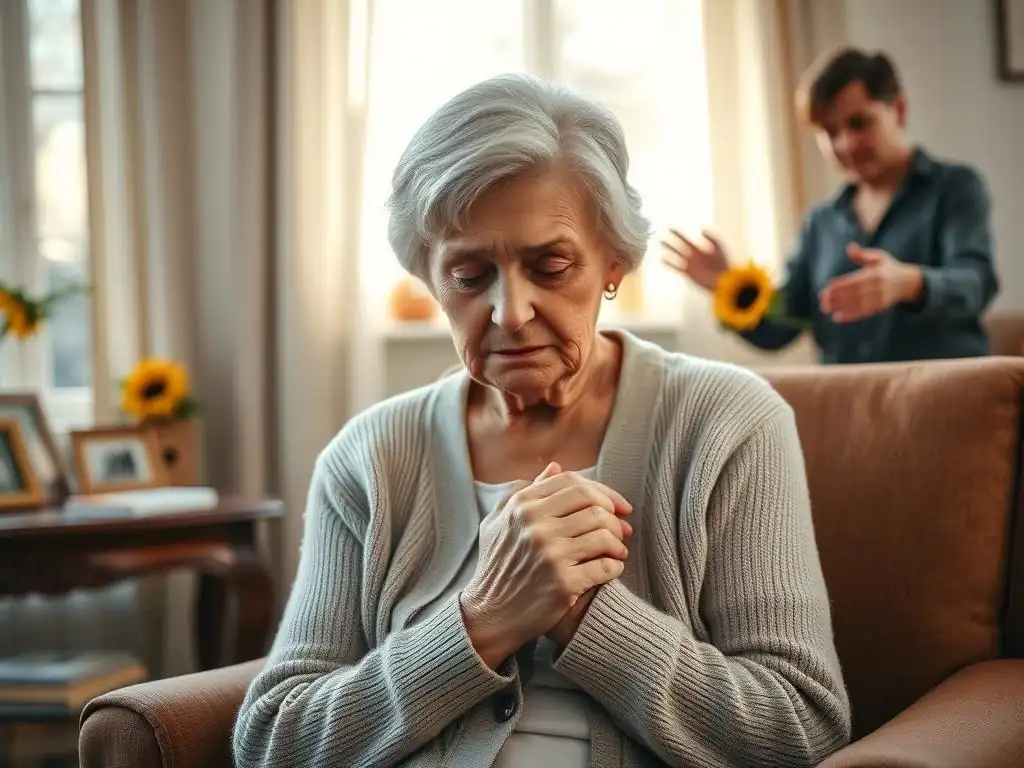
Welcome to Mind Care Guide, a sanctuary for your mental well-being.
Feeling overwhelmed by the complexities of mental health? You're not alone. We understand the unique challenges life presents, especially as we age. This month, we're diving deep into a critical, often overlooked issue: Senior anxiety diagnosis challenges. Discover the hidden signs, the reasons behind the underdiagnosis, and most importantly, the steps you can take to advocate for yourself or a loved one. Are you ready to uncover the truth behind this silent struggle? Let's begin.
Overlooked and Undiagnosed: The Silent Struggle of Senior Anxiety
- Understanding Anxiety in Older Adults: Why It's Often Missed
- Senior Anxiety Diagnosis Challenges: A Deep Dive
- Barriers to Seeking Help for Anxiety in Older Adults
- Recognizing the Signs of Anxiety in Seniors: A Comprehensive Overview
- The Impact of Undiagnosed Anxiety on Senior Wellbeing
- Improving Senior Anxiety Diagnosis: Strategies and Solutions
- Treatment Options for Senior Anxiety: A Holistic Approach
- Resources and Support for Seniors and Their Caregivers
- Conclusion: Breaking the Silence and Prioritizing Senior Mental Health
-
Frequently Asked Questions
- What are some common challenges in diagnosing anxiety in seniors?
- Why is senior anxiety often overlooked?
- What are the potential consequences of undiagnosed senior anxiety?
- What resources are available to help seniors and their families identify and manage anxiety?
- How can family members advocate for better mental healthcare for their senior loved ones?
- Final Reflection: The Unseen Weight of Senior Anxiety
- Unlock Inner Peace: Next Steps for Senior Wellbeing
Understanding Anxiety in Older Adults: Why It's Often Missed
Anxiety disorders are not a normal part of aging, yet they are surprisingly prevalent among older adults. Unlike the more commonly recognized issue of depression in this age group, anxiety often flies under the radar, presenting unique challenges in diagnosis and treatment. This silent struggle can significantly impact a senior's quality of life, physical health, and overall well-being, making it crucial to shed light on this often-overlooked mental health challenge.
Addressing anxiety in seniors requires a nuanced understanding of how the condition manifests differently in later life compared to younger individuals. It also necessitates a look at the systemic factors and individual circumstances that contribute to its underdiagnosis. By recognizing the signs and understanding the barriers, we can begin to bridge the gap in care and support older adults facing anxiety.
While precise statistics vary, studies consistently indicate that anxiety disorders are among the most common mental health conditions affecting older adults, potentially impacting anywhere from 10% to 20% of the senior population. This figure might be even higher when considering subclinical anxiety or anxiety symptoms that don't meet full diagnostic criteria but still cause distress and functional impairment. The prevalence often increases in specific settings, such as long-term care facilities or among those with chronic medical conditions.
For instance, a study focusing on community-dwelling older adults might report a lower prevalence, perhaps around 10%, while research in primary care settings could show rates closer to 15-20%. This disparity highlights that anxiety is more frequently encountered in healthcare contexts where seniors are already seeking help for other issues, yet it's often the underlying anxiety that complicates their primary complaint or remains unaddressed entirely. This widespread but often unacknowledged presence makes senior anxiety a significant public health concern.
Why Senior Anxiety Goes Undetected: Contributing Factors
Several factors contribute to the significant challenges in diagnosing senior anxiety. One major issue is that older adults may not report feelings of anxiety directly. They might instead focus on physical symptoms like digestive problems, headaches, or fatigue, which can be manifestations of anxiety but are often attributed solely to age or existing medical conditions. This somatic presentation makes it difficult for healthcare providers to connect symptoms back to a potential mental health issue.
Furthermore, there's a common misconception among both seniors and some healthcare professionals that worry or nervousness is a natural part of aging or a reasonable response to age-related stressors like loss, illness, or financial concerns. This normalization of anxiety symptoms prevents individuals from seeking help and can lead clinicians to overlook the possibility of a diagnosable anxiety disorder, thus exacerbating the senior anxiety diagnosis challenges.
Senior Anxiety Diagnosis Challenges: A Deep Dive
The process of accurately diagnosing anxiety in older adults is fraught with complexity. Unlike younger populations where anxiety symptoms might be more overtly emotional or behavioral, seniors often present with symptoms that are easily mistaken for other conditions or attributed to normal aging. Navigating these intricacies is essential for effective intervention.
Understanding the specific hurdles involved in identifying anxiety in this age group is the first step toward improving diagnostic accuracy. These challenges range from differentiating symptoms from other health issues to overcoming communication barriers and recognizing the unique impact of cognitive changes.
A significant hurdle in the senior anxiety diagnosis challenges is distinguishing between symptoms of an anxiety disorder and changes commonly associated with aging or age-related stress. For example, slowed movement, fatigue, and difficulty concentrating can be symptoms of anxiety, but they can also be effects of aging, certain medications, or other medical conditions. A senior experiencing generalized anxiety might exhibit excessive worry about routine matters, but a healthcare provider might initially interpret this as typical age-related cautiousness or even mild cognitive decline.
Another area of overlap lies in sleep disturbances. Anxiety frequently causes insomnia or restless sleep, but sleep patterns naturally change with age, and many seniors experience sleep difficulties unrelated to anxiety. Similarly, increased irritability or a tendency to withdraw can be signs of anxiety or depression, but they could also be reactions to physical discomfort or social changes. Clinicians must carefully assess the severity, duration, and impact of these symptoms on the individual's daily functioning to determine if they indicate a clinical anxiety disorder rather than just a normal adjustment to aging.
Medical Conditions Mimicking Anxiety Symptoms in Elderly Individuals
Numerous physical health conditions prevalent in older adults can present symptoms that closely resemble those of anxiety, posing a significant challenge in senior anxiety diagnosis. For instance, thyroid disorders, particularly hyperthyroidism, can cause nervousness, tremors, rapid heart rate, and sleep problems, all of which are also classic signs of anxiety. Similarly, cardiovascular issues like arrhythmias can manifest as palpitations or shortness of breath, leading to fear and worry that mimics panic symptoms.
Respiratory conditions such as COPD or asthma can cause breathlessness and a feeling of not getting enough air, triggering significant anxiety or panic, and making it hard to discern whether anxiety is the primary issue or secondary to the physical condition. Even conditions like vitamin deficiencies (e.g., B12 deficiency) or neurological issues like Parkinson's disease can have symptoms like restlessness, fatigue, or cognitive changes that overlap with anxiety. A thorough medical evaluation is therefore crucial to rule out physical causes before a mental health diagnosis is made, highlighting the complexity of senior anxiety diagnosis challenges.
Cognitive Impairment and Its Impact on Accurate Anxiety Assessment
Cognitive impairment, ranging from mild cognitive decline to dementia, significantly complicates the assessment and diagnosis of anxiety in older adults. Seniors with memory problems or difficulty with communication may struggle to articulate their feelings of worry, fear, or nervousness. They might not be able to recall the onset or duration of symptoms accurately, or they may express their anxiety through behavioral changes rather than verbal complaints.
For example, a senior with early-stage dementia might become agitated, restless, or resistant to care tasks, and these behaviors could be misinterpreted as purely behavioral disturbances rather than expressions of underlying anxiety or fear related to confusion or loss of control. Standard anxiety screening tools often rely on self-report, which may be unreliable or impossible for individuals with moderate to severe cognitive impairment. Clinicians must rely more heavily on observations from caregivers and family members, as well as behavioral assessments, adding another layer of complexity to the senior anxiety diagnosis challenges.
The Role of Caregivers in Identifying and Reporting Anxiety Symptoms
Given the complexities and communication difficulties that can arise, caregivers play an absolutely vital role in the identification and reporting of potential anxiety symptoms in older adults. Family members, professional caregivers, or friends who spend significant time with a senior are often the first to notice subtle changes in behavior, mood, or physical well-being that could indicate anxiety. They observe daily routines, social interactions, sleep patterns, and reactions to stressful situations that healthcare providers may not witness during brief clinical visits.
Caregivers can provide invaluable information about the frequency, intensity, and triggers of symptoms, as well as how these symptoms are impacting the senior's daily life and functional abilities. Their detailed observations can help differentiate between occasional worry and persistent, debilitating anxiety. Educating caregivers about the signs of anxiety in older adults and empowering them to communicate these observations effectively to healthcare professionals is a critical step in overcoming senior anxiety diagnosis challenges and ensuring that seniors receive appropriate evaluation and care.
Barriers to Seeking Help for Anxiety in Older Adults
Even when anxiety is recognized, older adults face unique barriers that prevent them from seeking or receiving necessary mental health support. These barriers are multifaceted, involving societal attitudes, systemic issues within the healthcare system, and personal circumstances.
Addressing these obstacles is crucial for improving access to care and ensuring that seniors feel comfortable and empowered to seek help for their mental health needs.
Stigma and Ageism: Societal Attitudes Towards Mental Health in Seniors
Mental health stigma remains a significant barrier across all age groups, but it can be particularly pronounced for older adults. Many seniors grew up in a time when mental health issues were highly stigmatized and rarely discussed openly. They may internalize these beliefs, feeling shame or embarrassment about experiencing anxiety and fearing judgment from family or friends if they admit to struggling. This can lead to a reluctance to even acknowledge the problem to themselves, let alone seek professional help.
Compounding this is ageism, the discrimination or prejudice based on a person's age. Some older adults may feel that their concerns are being dismissed due to their age ("Oh, they're just old and worried") or that seeking help is a sign of weakness or inability to cope with aging. Healthcare providers, too, can inadvertently fall prey to ageist assumptions, attributing anxiety symptoms solely to age-related decline or dismissing them as unimportant compared to physical health issues. These societal attitudes create a climate where senior anxiety diagnosis challenges are amplified by the fear of being labeled or dismissed.
Limited Access to Mental Health Services for the Elderly Population
Accessing appropriate mental health services can be challenging for seniors, particularly those in rural areas or with limited mobility. There is often a shortage of mental health professionals with specialized training in geriatric mental health, meaning that even if a senior seeks help, they may struggle to find a provider who understands the unique aspects of anxiety in later life. Furthermore, many mental health clinics are not easily accessible for individuals with physical disabilities or those who no longer drive.
Transportation can be a major barrier, making it difficult for seniors to get to appointments. While telehealth has expanded access, not all older adults have the necessary technology, digital literacy, or reliable internet access to utilize these services effectively. The fragmentation of healthcare, where physical and mental health are often treated separately, also means that primary care physicians may not have integrated mental health support available or established referral pathways to geriatric mental health specialists, further complicating senior anxiety diagnosis challenges and access to care.
Financial Constraints and Insurance Coverage Challenges for Senior Mental Healthcare
The cost of mental healthcare can be a significant barrier for many older adults living on fixed incomes. While Medicare provides some coverage for mental health services, coverage details can vary depending on the plan (e.g., Original Medicare vs. Medicare Advantage) and the type of provider (e.g., psychiatrist, psychologist, social worker). Co-pays and deductibles can still be substantial, making regular therapy sessions or medication unaffordable for some.
Private insurance plans may have different coverage limitations or provider networks. Furthermore, services like case management or specialized geriatric mental health programs might not be fully covered or readily available. Fear of high out-of-pocket costs can deter seniors from seeking help, or cause them to discontinue treatment prematurely, even if they have received a diagnosis. Navigating the complexities of insurance coverage and identifying affordable options adds another layer of difficulty to overcoming the barriers to care for senior anxiety.
Recognizing the Signs of Anxiety in Seniors: A Comprehensive Overview
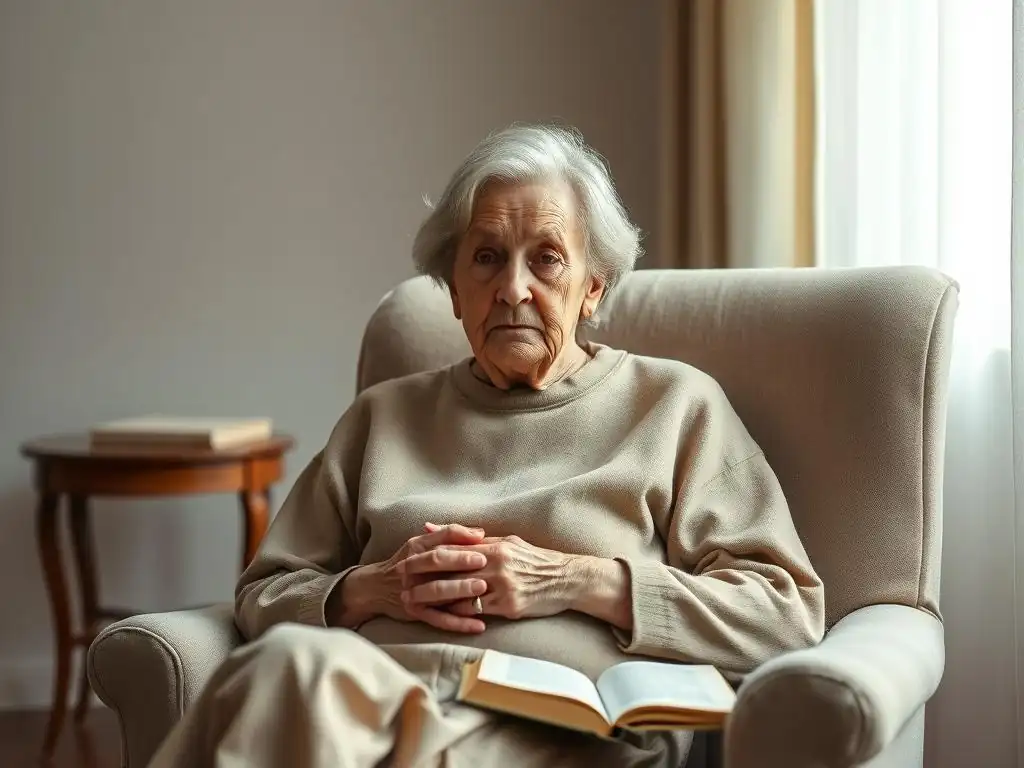
Recognizing anxiety in older adults can be difficult because symptoms often differ from those seen in younger individuals and can overlap with other conditions. However, paying close attention to a combination of physical, behavioral, and emotional indicators is key to identifying potential anxiety.
Understanding these varied presentations is essential for caregivers, family members, and healthcare providers involved in the lives of older adults.
Physical Symptoms of Anxiety in Older Adults: Beyond Worry
While excessive worry is a hallmark of anxiety, older adults often present with prominent physical symptoms that may be their primary complaint. These can include persistent fatigue or low energy levels, which might be dismissed as normal aging but could stem from chronic anxiety. Gastrointestinal issues like nausea, indigestion, or irritable bowel syndrome symptoms are also common physical manifestations of anxiety in this population.
Muscle tension, aches, pains, or headaches that don't seem to have a clear physical cause can also be indicators. Some seniors might experience cardiovascular symptoms like palpitations, chest tightness, or shortness of breath, which can understandably lead to significant distress and fear, sometimes even mimicking a cardiac event. These physical symptoms, when unexplained by other medical conditions, should prompt consideration of anxiety as a potential underlying cause, especially when combined with other signs.
Behavioral Changes Indicating Anxiety in the Elderly
Anxiety can manifest in noticeable changes in an older adult's behavior. One common sign is increased restlessness or an inability to sit still, while conversely, others may exhibit withdrawal from social activities or hobbies they once enjoyed. This social isolation can be both a symptom and a factor that worsens anxiety. Difficulty concentrating or feeling easily distracted can also be behavioral indicators.
Seniors with anxiety might also develop new or increased rituals or compulsions, such as excessive checking (e.g., locks, appliances) or repetitive behaviors, as a way to cope with worry. They might express increased irritability or agitation, particularly when feeling overwhelmed or uncertain. Changes in sleep patterns, such as difficulty falling asleep, staying asleep, or restless sleep, are also frequently observed behavioral signs of anxiety, impacting daily functioning and quality of life.
Emotional Indicators of Anxiety: Recognizing Fear, Irritability, and Restlessness
While sometimes less overtly expressed than in younger individuals, emotional signs of anxiety are still present in older adults. Persistent feelings of worry or dread, even about minor issues, are core emotional symptoms. This worry might be difficult to control and consume a significant portion of their day. Seniors might express feeling on edge, keyed up, or constantly nervous.
Irritability is another common emotional indicator, sometimes presenting as impatience or frustration, particularly when faced with changes or uncertainty. Some older adults might report feeling restless or having difficulty relaxing. While they may not explicitly state "I feel anxious," they might describe feeling tense, uneasy, or having a sense of impending doom. Recognizing these emotional nuances is crucial for accurately identifying anxiety, despite the challenges in senior anxiety diagnosis.
The Impact of Undiagnosed Anxiety on Senior Wellbeing
When anxiety goes undiagnosed and untreated in older adults, the consequences can be far-reaching and severe, affecting not only mental health but also physical health, social connections, and overall functional independence. The silent struggle of senior anxiety has tangible negative impacts that significantly reduce quality of life.
Addressing the challenges in diagnosing senior anxiety is vital because timely intervention can prevent or mitigate these adverse outcomes and help older adults live healthier, more fulfilling lives.
Increased Risk of Physical Health Problems: The Anxiety-Health Connection
Chronic, untreated anxiety can have detrimental effects on physical health in older adults. The constant state of heightened stress response can exacerbate existing medical conditions, such as cardiovascular disease, diabetes, and respiratory problems. For example, chronic anxiety has been linked to increased blood pressure and heart rate, potentially worsening heart conditions.
Anxiety can also interfere with managing chronic illnesses. Seniors with anxiety may have difficulty adhering to medication regimens, following dietary restrictions, or engaging in necessary exercise due to worry, fatigue, or physical symptoms of anxiety. This can lead to poorer health outcomes and increased healthcare utilization, including more frequent doctor visits and hospitalizations, highlighting the serious consequences of overlooking senior anxiety diagnosis challenges.
Anxiety can significantly contribute to social isolation and loneliness in older adults, creating a vicious cycle. Fear and excessive worry, particularly about leaving the house, interacting with others, or experiencing physical symptoms in public, can lead seniors to withdraw from social activities, hobbies, and even interactions with family and friends. This withdrawal can exacerbate feelings of loneliness and further fuel anxiety.
Social connections are vital for mental well-being at any age, but particularly in later life, providing support, purpose, and a sense of belonging. As seniors become more isolated due to anxiety, they lose these protective factors, potentially leading to worsening anxiety symptoms and increasing the risk of depression. Addressing senior anxiety diagnosis challenges is crucial not only for mental health but also for maintaining social engagement and combating loneliness.
Reduced Quality of Life and Functional Decline Due to Untreated Anxiety
Undiagnosed and untreated anxiety can severely diminish an older adult's quality of life and contribute to functional decline. Persistent worry, physical symptoms, and behavioral changes associated with anxiety can make it difficult for seniors to perform daily activities, such as shopping, managing finances, or even basic self-care tasks. The fear of experiencing anxiety symptoms can lead to avoidance behaviors that limit independence.
For example, a senior with agoraphobia related to panic attacks might become housebound, losing their ability to run errands or visit loved ones. Chronic fatigue and difficulty concentrating due to anxiety can make it hard to engage in mentally stimulating activities, potentially impacting cognitive function. Ultimately, untreated anxiety can lead to a loss of independence, increased reliance on others, and a significant reduction in overall life satisfaction, underscoring the critical need to overcome senior anxiety diagnosis challenges.
Improving Senior Anxiety Diagnosis: Strategies and Solutions
Given the significant impact of undiagnosed anxiety, implementing strategies to improve identification and diagnosis in older adults is imperative. This requires a multi-pronged approach involving healthcare providers, care settings, and public awareness initiatives.
Addressing the specific senior anxiety diagnosis challenges requires targeted interventions that consider the unique context of aging and mental health.
Enhanced Training for Healthcare Professionals: Focusing on Geriatric Mental Health
A key strategy to improve senior anxiety diagnosis is providing enhanced training for healthcare professionals who work with older adults, including primary care physicians, nurses, and specialists. This training should specifically focus on geriatric mental health, emphasizing how anxiety presents differently in this age group compared to younger adults. It should cover recognizing the subtle physical and behavioral signs of anxiety, understanding its overlap with medical conditions and cognitive impairment, and learning how to effectively communicate with older patients about their emotional well-being.
Training should also equip professionals with the skills to use validated screening tools appropriate for seniors and to conduct sensitive interviews that encourage older adults to open up about their feelings. By increasing the knowledge and confidence of frontline healthcare providers in identifying potential anxiety, we can significantly reduce the likelihood that cases will be missed or misattributed, directly addressing senior anxiety diagnosis challenges at the point of care.
Implementing Screening Tools for Anxiety in Senior Care Settings
Routine screening for anxiety should be implemented in various senior care settings, including primary care offices, hospitals, assisted living facilities, and home health services. Using validated screening tools specifically designed or adapted for older adults can help identify individuals who may be experiencing anxiety symptoms and warrant further assessment. Examples of such tools include the Geriatric Anxiety Inventory (GAI) or the anxiety subscale of the Hospital Anxiety and Depression Scale (HADS).
Implementing these tools systematically ensures that anxiety is considered as a possibility, even when seniors don't present with classic symptoms or explicitly complain of worry. Positive screens should trigger a more in-depth evaluation by a trained professional. While screening tools are not diagnostic on their own, they serve as valuable indicators, helping to overcome the initial hurdle of identifying potential cases and paving the way for a more thorough assessment to confirm the senior anxiety diagnosis.
Raising Awareness and Reducing Stigma: Promoting Open Conversations About Mental Health
Efforts to raise public awareness about anxiety in older adults and reduce the associated stigma are crucial for encouraging seniors to seek help and for educating those who support them. Public health campaigns, community workshops, and educational materials can help disseminate information about the signs and symptoms of anxiety in later life, emphasizing that it is a treatable condition, not a normal part of aging.
Promoting open conversations about mental health within families, communities, and healthcare settings can help normalize seeking support. Encouraging seniors to talk about their feelings and concerns, and ensuring they feel heard and validated, can break down the internal barriers caused by stigma. Educating the public, caregivers, and seniors themselves is a fundamental step in overcoming senior anxiety diagnosis challenges and fostering a supportive environment where mental well-being is prioritized.
Treatment Options for Senior Anxiety: A Holistic Approach
Once anxiety in an older adult is diagnosed, effective treatment is available. A holistic approach that considers the individual's overall health, preferences, and circumstances is typically most beneficial. Treatment plans often combine therapeutic interventions, medication when appropriate, and lifestyle adjustments.
Tailoring treatment to the specific needs of the senior is paramount, recognizing that what works for a younger adult may need modification for an older individual, especially considering potential medical comorbidities or cognitive changes.
Therapy for Anxiety in Older Adults: Cognitive Behavioral Therapy (CBT) and Other Approaches
Psychotherapy, particularly Cognitive Behavioral Therapy (CBT), is a highly effective treatment for anxiety in older adults. CBT helps seniors identify and challenge negative thought patterns and beliefs that contribute to their anxiety and develop healthier coping mechanisms. Sessions can be adapted to the pace and cognitive abilities of older adults, focusing on practical strategies for managing worry and reducing avoidance behaviors.
Other therapeutic approaches may also be beneficial, such as relaxation techniques, mindfulness-based stress reduction, or even interpersonal therapy if anxiety is linked to relationship issues or loss. Group therapy can provide peer support and reduce feelings of isolation. The accessibility of therapy, whether in-person or via telehealth, is an important consideration to ensure consistent engagement. Therapy offers seniors tools to manage their anxiety long-term and improve their resilience.
Medication for Anxiety in Seniors: Benefits and Risks
Medication can be a valuable component of a comprehensive treatment plan for senior anxiety, particularly for moderate to severe cases or when therapy alone is not sufficient. However, prescribing medication for older adults requires careful consideration due to age-related physiological changes that affect how drugs are metabolized and eliminated, as well as the potential for interactions with other medications the senior is taking.
Lower doses are often started, and medications are titrated slowly. Selective Serotonin Reuptake Inhibitors (SSRIs) are often considered first-line treatments due to their efficacy and relatively favorable side effect profile compared to older classes of medications. Benzodiazepines are generally used cautiously and typically for short durations due to risks of sedation, cognitive impairment, falls, and dependence. The decision to use medication should always involve a thorough risk-benefit analysis and close monitoring by a healthcare provider with expertise in geriatric pharmacology.
Lifestyle Modifications and Complementary Therapies for Managing Anxiety
Incorporating healthy lifestyle modifications and exploring complementary therapies can significantly support the management of anxiety in older adults. Regular physical activity, even gentle forms like walking or stretching, has been shown to reduce anxiety symptoms. Establishing a consistent sleep schedule and practicing good sleep hygiene can also help alleviate anxiety-related sleep disturbances.
Mind-body practices such as meditation, deep breathing exercises, yoga, or tai chi can promote relaxation and reduce stress. Engaging in enjoyable hobbies, maintaining social connections, and ensuring adequate nutrition and hydration are also important components of a holistic approach. While these strategies may not replace therapy or medication for severe anxiety, they can enhance overall well-being, build resilience, and provide seniors with additional tools to cope with daily stressors and manage their anxiety effectively.
Resources and Support for Seniors and Their Caregivers
Finding the right support is crucial for seniors struggling with anxiety and for the caregivers who support them. Fortunately, various resources are available, ranging from local services to national organizations and helplines.
Knowing where to turn for information, assessment, treatment, and support can make a significant difference in navigating the challenges of senior anxiety.
Local Mental Health Resources
Many communities offer local mental health resources that can be particularly helpful for older adults. These may include community mental health centers that provide affordable therapy and psychiatric services, senior centers that offer support groups or mental wellness programs, and local hospitals with geriatric psychiatry departments. Area Agencies on Aging can also be valuable resources, providing information about local services, transportation options, and support programs for seniors and their families.
Connecting with local resources can provide accessible and tailored support, often with an understanding of the specific needs and challenges within that community. These services can offer assessment, individual or group therapy, medication management, and referrals to other necessary support services, helping to overcome some of the barriers to care.
Online Resources for Senior Anxiety
The internet offers a wealth of information and support for seniors and caregivers dealing with anxiety, although accessibility can be a challenge for some. Websites from reputable organizations such as the National Institute of Mental Health (NIMH), the Anxiety & Depression Association of America (ADAA), and the National Council on Aging (NCOA) provide reliable information about anxiety symptoms, diagnosis, and treatment options.
Many mental health organizations offer online articles, webinars, and toolkits specifically focused on anxiety in older adults. Online support forums or communities can provide a space for seniors and caregivers to connect with others facing similar challenges, share experiences, and find mutual support. While online resources should not replace professional medical advice, they can be valuable for education and finding pathways to help.
Helplines and Crisis Intervention Services
For seniors experiencing severe anxiety or a mental health crisis, immediate support is available through helplines and crisis intervention services. National crisis hotlines provide confidential support 24/7 and can offer immediate counseling, guidance, and referrals to local resources. Many areas also have local crisis lines or mobile crisis units that can provide more direct assistance.
These services are crucial for providing immediate support during moments of intense distress or panic. They ensure that seniors have someone to talk to during difficult times and can be connected with appropriate emergency or ongoing care if needed. Publicizing these numbers and ensuring seniors and caregivers know how to access them is a vital part of the support network.
Conclusion: Breaking the Silence and Prioritizing Senior Mental Health
Anxiety in older adults is a prevalent but often overlooked issue with significant consequences for individual well-being and public health. The challenges in senior anxiety diagnosis are complex, stemming from symptom overlap with age-related changes and medical conditions, cognitive impairment, and barriers related to stigma, access, and cost. Recognizing the silent struggle and its impact is the first step towards meaningful change.
By enhancing the ability to identify anxiety in seniors, promoting open dialogue about mental health, and ensuring access to effective, tailored treatment and support, we can break the cycle of underdiagnosis and its negative effects.
The Importance of Early Detection and Intervention for Senior Anxiety
Early detection and intervention are paramount in addressing senior anxiety effectively. Identifying anxiety symptoms early allows for prompt assessment and initiation of appropriate treatment, which can significantly reduce the duration and severity of the condition. Early intervention can prevent the escalation of symptoms, mitigate the negative impact on physical health, and preserve functional independence and quality of life.
Addressing senior anxiety diagnosis challenges upfront means that seniors can receive support before anxiety leads to social isolation, increased disability, or exacerbation of medical conditions. Just as with physical health issues, timely mental healthcare leads to better outcomes, enabling older adults to manage their anxiety and maintain their well-being.
Empowering Seniors to Seek Help and Live Fulfilling Lives
Ultimately, improving outcomes for senior anxiety requires empowering older adults to recognize their symptoms, understand that anxiety is treatable, and feel comfortable seeking help without fear of judgment or stigma. This empowerment comes from increased awareness, accessible resources, supportive healthcare providers, and a societal shift towards valuing mental health equally at all ages.
By shedding light on the silent struggle of senior anxiety and actively working to overcome the challenges in senior anxiety diagnosis, we can help ensure that older adults receive the care they need to manage their anxiety, maintain their connections, and continue living engaged, independent, and fulfilling lives.
Frequently Asked Questions
What are some common challenges in diagnosing anxiety in seniors?
Diagnosing anxiety in seniors is challenging due to overlapping symptoms with physical health conditions and age-related changes. Seniors may also be reluctant to report their mental health struggles, or doctors may attribute the symptoms to normal aging.
Why is senior anxiety often overlooked?
Senior anxiety is often overlooked because its symptoms can be mistaken for dementia or other cognitive impairments. Furthermore, societal biases can lead to the belief that anxiety is simply "part of getting old", leading to delayed diagnosis and treatment.
What are the potential consequences of undiagnosed senior anxiety?
Undiagnosed senior anxiety can lead to decreased quality of life, social isolation, and increased risk of physical health problems. It can also exacerbate existing medical conditions and impair cognitive function.
What resources are available to help seniors and their families identify and manage anxiety?
Resources include mental health professionals specializing in geriatric care, support groups for seniors experiencing anxiety, and educational materials from organizations like the Mind Care Guide that provides information and support.
How can family members advocate for better mental healthcare for their senior loved ones?
Family members can advocate by actively observing and documenting their loved one's behavior, communicating concerns with healthcare providers, and seeking second opinions if necessary. They can also research local mental health services and ensure access to appropriate care.
Final Reflection: The Unseen Weight of Senior Anxiety
The pervasive silence surrounding senior anxiety is not merely a statistical anomaly; it's a critical public health issue demanding immediate attention. The challenges in diagnosis, as detailed throughout this article, directly contribute to the suffering of countless older adults, leaving them feeling isolated, misunderstood, and without the support they desperately need. This isn't just about numbers; it's about the lived experiences of individuals facing a debilitating condition often dismissed or misattributed.
The impact of undiagnosed senior anxiety extends far beyond the individual, rippling outwards to affect families, care systems, and society as a whole. The stigma surrounding mental health in older generations, coupled with a lack of awareness among healthcare professionals, creates a perfect storm of neglect. This systemic failure to recognize and address the unique challenges of senior anxiety perpetuates a cycle of suffering. The greatest barrier to mental health care is not the lack of services, but the lack of awareness and understanding.
This quote rings profoundly true when considering the specific context of senior anxiety.
You, the reader, now hold a deeper understanding of the silent struggle faced by so many. Consider the older adults in your life – your parents, grandparents, neighbors, or friends. Take the time to listen, to observe, and to learn the signs of anxiety.
If you suspect someone is struggling, encourage them to seek professional help. Remember, a simple conversation, a listening ear, or a gentle nudge towards support can make all the difference in breaking the silence and offering a lifeline to those who need it most. Let's work together to illuminate this often-overlooked struggle and build a more compassionate and supportive world for our aging population.
Unlock Inner Peace: Next Steps for Senior Wellbeing
Thanks for taking the time to explore the often-overlooked challenges of senior anxiety with us. We hope this article shed light on this important topic and provided you with valuable insights. Now it's time to turn knowledge into action!
- Prioritize self-care: Identify one small, manageable self-care activity you can easily incorporate into your daily routine—whether it's a short walk, listening to calming music, or practicing mindful breathing. Make it a daily commitment.
- Connect with a friend or family member: Share this article or discuss your takeaways with someone you trust. A supportive conversation can make all the difference.
- Explore local senior support groups: Research resources available in your community that offer connection, activities, and understanding. Many offer surprising opportunities for friendship and support!
What small step will you take today to nurture your mental wellbeing, or that of a loved one?