
Unlock Calm: Practical Breathing Exercises for Instant Stress Relief

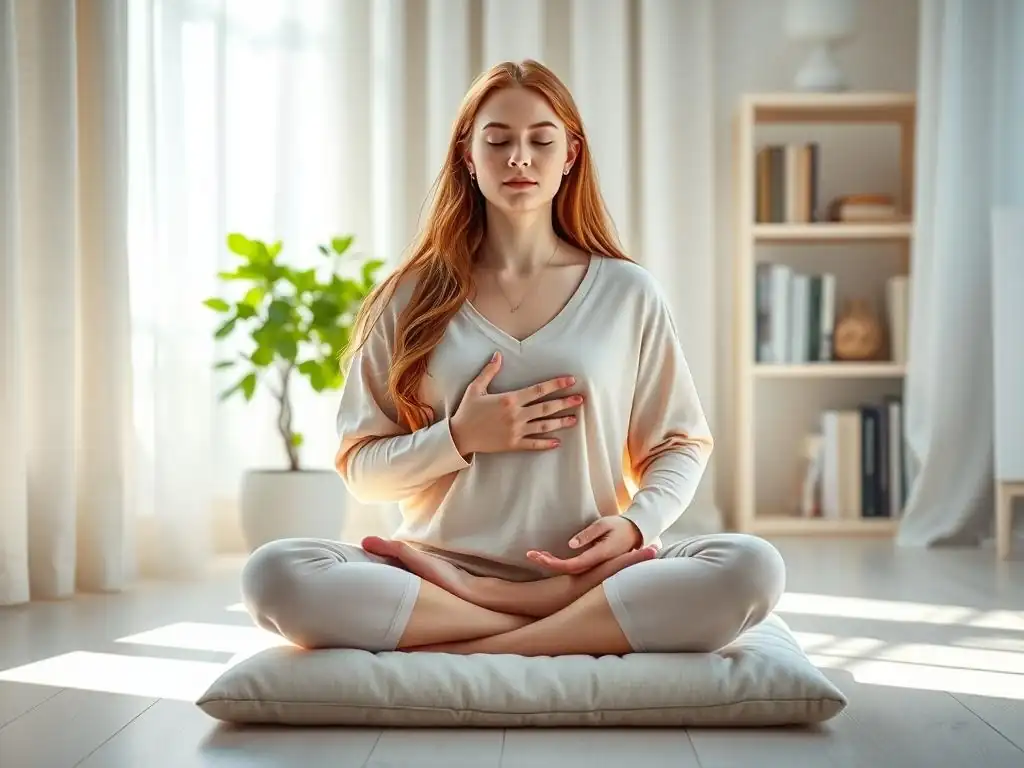
Welcome to Mind Care Guide, a sanctuary for your mental well-being.
Feeling overwhelmed? The daily grind can often leave us gasping for air, both literally and figuratively. This is why we're diving deep into a powerful, yet often overlooked, tool: breathing exercises. Discover how simple techniques can significantly reduce stress anxiety and bring you back to a place of calm. Ready to breathe your way to a more peaceful you? Let's explore...
Managing Anxiety: Practical Breathing Exercises
- Introduction: Calming Anxiety Through Conscious Breathing
- The Science Behind Breathing and Anxiety
- Key Breathing Exercises for Anxiety Relief
- Incorporating Breathing Exercises into Daily Life
- Tips for Maximizing Breathing Exercise Effectiveness
- Troubleshooting Common Challenges
- Long-Term Benefits of Regular Breathing Exercises
- Conclusion: Embracing Breath for a Calmer Life
- Frequently Asked Questions
- Final Reflection: Breathing Your Way to a Calmer You
- Breathe Easy: Start Your Journey to Inner Peace
Introduction: Calming Anxiety Through Conscious Breathing
Anxiety can feel overwhelming, a tidal wave of worry that impacts your thoughts, feelings, and physical sensations. In moments of heightened stress or panic, finding an anchor can seem impossible. However, a powerful tool lies within your own body: your breath. Simple, intentional breathing exercises can serve as an immediate pathway to calm, offering a sense of control when you feel adrift. Learning how to use breathing exercises reduce stress anxiety effectively is a fundamental step in building resilience against everyday pressures and acute anxious episodes.
This guide explores the profound connection between your breath and your mental state. We will delve into the science behind how conscious breathing techniques can interrupt the stress response and activate the body's natural relaxation mechanisms. By understanding and practicing these methods, you can equip yourself with practical skills to navigate challenging emotions, reduce the intensity of anxiety symptoms, and foster a greater sense of peace in your daily life. These techniques are accessible anytime, anywhere, making them invaluable resources for instant relief.
Understanding the Connection: Breath and Anxiety Reduction
Your breath is intimately linked to your nervous system. When you feel anxious or stressed, your breathing often becomes shallow, rapid, and irregular. This pattern signals to your brain that you might be in danger, further activating the "fight or flight" response. This creates a vicious cycle where physical sensations of anxiety (like a racing heart or shortness of breath) feed into anxious thoughts, which in turn exacerbate the physical symptoms.
Conversely, slow, deep, and controlled breathing sends a message of safety to your brain. By consciously regulating your breath, you can interrupt this negative feedback loop. This deliberate action shifts your nervous system from a state of alert (sympathetic activation) towards a state of rest and digest (parasympathetic activation). This is why practicing breathing exercises reduce stress anxiety so effectively – they directly influence the physiological state that underlies anxious feelings.
A Holistic Approach to Anxiety Management Through Breathing
While breathing exercises are incredibly powerful, they are often most effective when viewed as part of a broader approach to managing anxiety. They work synergistically with other self-care techniques, such as mindfulness, regular physical activity, adequate sleep, and balanced nutrition. Integrating breathing practices into your daily routine, not just during moments of crisis, builds a foundation of calm that can lower overall anxiety levels.
Think of these exercises not just as quick fixes, but as training for your nervous system. Regular practice helps your body become more accustomed to the relaxation response, making it easier to access when needed. Combining breathing techniques with mindfulness, for example, enhances your ability to stay present and non-judgmental towards anxious thoughts and sensations, further empowering you to manage their impact.
The Science Behind Breathing and Anxiety
The Physiology of Anxiety: The Body's Response
When you experience anxiety, your body activates its sympathetic nervous system, preparing you to face a perceived threat. This response, often called the "fight or flight" mode, triggers a cascade of physiological changes. Your heart rate and blood pressure increase, breathing becomes faster and shallower, muscles tense up, and digestion slows down. Hormones like cortisol and adrenaline are released, flooding your system.
While this response is essential for survival in genuinely dangerous situations, chronic or inappropriate activation due to everyday stressors or anxious thoughts can be detrimental. The sustained state of alert can lead to physical symptoms like fatigue, headaches, digestive issues, and muscle pain, in addition to exacerbating mental distress. Understanding these physical manifestations helps appreciate how directly breathing exercises can intervene.
The Vagus Nerve: Breath's Role in Calming
The vagus nerve is the longest cranial nerve, extending from the brainstem down through the neck, chest, and abdomen. It plays a crucial role in the parasympathetic nervous system, which is responsible for the "rest and digest" state. Stimulating the vagus nerve helps slow heart rate, lower blood pressure, and promote relaxation. It acts as a primary pathway for your brain to receive signals about the state of your internal organs.
Deep, slow breathing, particularly diaphragmatic breathing, is a powerful way to stimulate the vagus nerve. As the diaphragm moves downwards during inhalation, it massages the abdominal organs and sends signals along the vagus nerve to the brain. This stimulation activates the parasympathetic response, counteracting the sympathetic "fight or flight" state. This is a key mechanism by which specific breathing exercises reduce stress anxiety at a physiological level.
Breathing Exercises: Activating Relaxation
Consciously controlling your breath allows you to bypass the automatic stress response and directly engage the relaxation response. By slowing down your breathing rate and deepening your inhalations and exhalations, you alter the balance of oxygen and carbon dioxide in your blood. This shift signals to your brain that there is no immediate danger, dampening the activity in areas like the amygdala, which is responsible for processing fear and threat.
Regular practice of breathing exercises effectively trains your nervous system to respond more calmly to stress. Over time, this can lower your baseline stress levels and make you less reactive to triggers. Studies have shown that consistent practice of breathing techniques can lead to measurable changes, such as a decrease in heart rate variability (HRV) often associated with chronic stress, and an increase in alpha brain waves, linked to states of relaxation.
Key Breathing Exercises for Anxiety Relief
Diaphragmatic Breathing (Belly Breathing): A Foundation
Diaphragmatic breathing, or belly breathing, is a fundamental technique that maximizes the amount of oxygen taken in and slows your breathing rate. It engages the diaphragm, a large muscle located at the base of the chest cavity, which should do most of the work of breathing. Many people, especially when stressed, tend to breathe shallowly using only their chest muscles, which can exacerbate anxiety.
Mastering diaphragmatic breathing is often the first step in using breathing exercises reduce stress anxiety effectively. It helps retrain your breathing pattern, making it more efficient and calming. This technique can be practiced anywhere, at any time, and is foundational for many other advanced breathing methods.
Performing Diaphragmatic Breathing
- Find a comfortable position, either sitting upright or lying on your back.
- Place one hand on your chest and the other on your belly, just below your rib cage.
- Inhale slowly and deeply through your nose, allowing your belly to expand outwards. You should feel the hand on your belly rise more than the hand on your chest.
- Exhale slowly through pursed lips (as if whistling), gently contracting your abdominal muscles to push the air out. The hand on your belly should fall.
- Repeat for several minutes, focusing on the slow, deep movement of your diaphragm. Aim for 6-10 slow breaths per minute.
Benefits of Diaphragmatic Breathing
Diaphragmatic breathing offers numerous benefits for managing stress and anxiety. It directly stimulates the vagus nerve, promoting the parasympathetic response. This leads to a reduction in heart rate and blood pressure, physical symptoms often associated with anxiety.
Regular practice can increase lung capacity and efficiency, potentially improving oxygen supply to the brain and body. It can also help reduce muscle tension, particularly in the shoulders and neck, which are common areas for stress accumulation. Studies suggest that consistent practice, even for just 10-15 minutes daily, can lead to significant reductions in perceived stress levels over a few weeks.
Box Breathing: For Focus and Calm
Box breathing, also known as square breathing, is a simple yet powerful technique used by athletes, military personnel, and anyone needing to calm their nervous system and improve focus. It follows a clear, four-part pattern, making it easy to remember and perform, even under pressure. This structured approach can be particularly helpful when your mind is racing.
This technique is excellent for disrupting anxious thought patterns by giving your mind a simple, repetitive task to focus on: counting the breaths. The equal duration of each phase helps create a sense of rhythm and control, which is inherently calming. Using box breathing for anxiety management provides a portable tool for regaining composure.
Mastering Box Breathing
- Find a comfortable sitting position with your back straight.
- Exhale completely, pushing all the air out of your lungs.
- Inhale slowly through your nose for a count of four.
- Hold your breath for a count of four.
- Exhale slowly through your mouth for a count of four.
- Hold your breath again for a count of four before the next inhalation.
- Repeat this four-part cycle (inhale, hold, exhale, hold) for at least 5-10 rounds, or until you feel calmer.
Using Box Breathing for Anxiety Management
Box breathing is incredibly effective for managing acute anxiety because it requires concentration, diverting attention away from anxious thoughts. The controlled holds create a slight carbon dioxide buildup, which can signal to the brain that you are safe and not in a state of panic requiring rapid breathing.
Its structured nature provides a sense of predictability and control in unpredictable or stressful situations. Practicing box breathing for even a few minutes can significantly lower physiological markers of stress, such as heart rate. It's particularly useful before high-stress events like public speaking, exams, or difficult conversations.
4-7-8 Breathing: For Relaxation and Sleep
The 4-7-8 breathing technique, popularized by Dr. Andrew Weil, is a simple yet potent method for promoting relaxation and aiding sleep. It involves a specific ratio of inhalation, breath-holding, and exhalation. The extended exhalation is believed to be particularly effective at slowing heart rate and calming the nervous system.
This technique is often recommended for those struggling with insomnia or finding it difficult to quiet a restless mind at bedtime. However, it can be used anytime you need to induce a state of deep relaxation. It's one of the most popular breathing exercises reduce stress anxiety and improve sleep quality.
The 4-7-8 Breathing Technique
- Sit with your back straight or lie down comfortably.
- Place the tip of your tongue against the ridge of tissue behind your upper front teeth and keep it there throughout the exercise.
- Exhale completely through your mouth, making a whoosh sound.
- Close your mouth and inhale quietly through your nose for a mental count of four.
- Hold your breath for a mental count of seven.
- Exhale completely through your mouth, making a whoosh sound, for a mental count of eight.
- This completes one cycle. Repeat for a total of four cycles when you are first learning, gradually increasing to eight cycles as you become more comfortable.
Using 4-7-8 Breathing for Anxiety and Insomnia
The prolonged exhalation in the 4-7-8 technique is key to its calming effect. By making the exhale significantly longer than the inhale, you activate the parasympathetic nervous system more strongly. This helps slow down the heart rate and reduce the body's stress response.
This technique is particularly effective for unwinding before sleep. The focus required on counting also helps distract the mind from worries that might keep you awake. Many people report feeling a sense of pleasant heaviness or relaxation after just a few rounds. While individual results vary, consistent use before bed can significantly improve sleep onset latency for some individuals.
Alternate Nostril Breathing (Nadi Shodhana): Balancing Energy
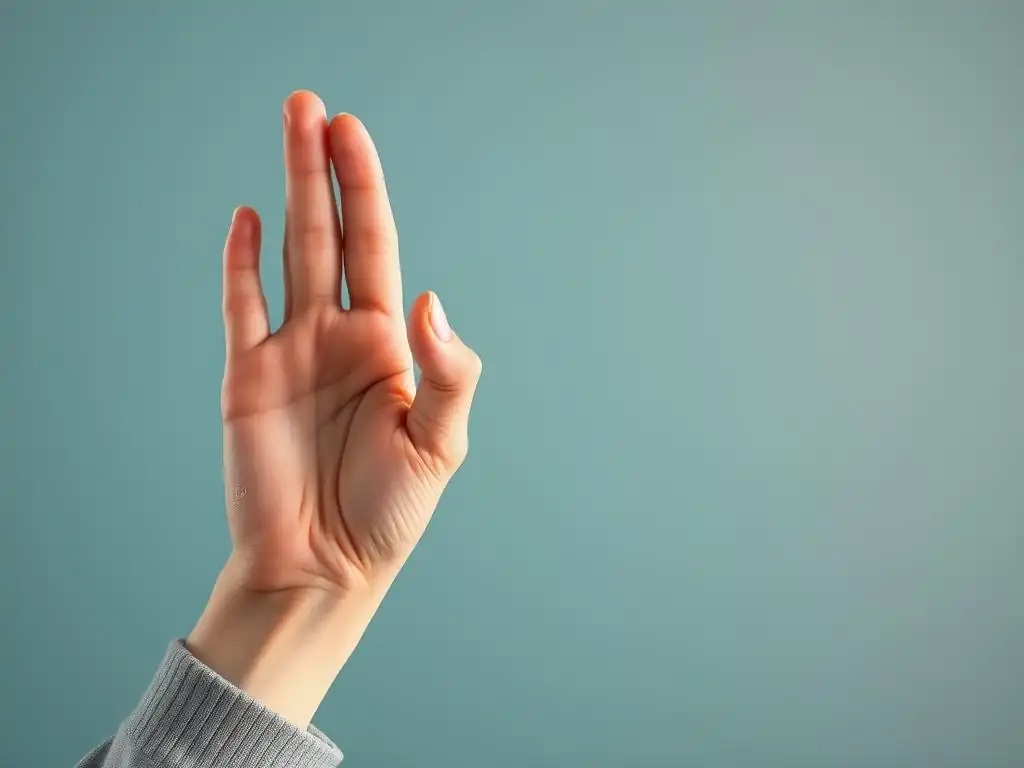
Alternate nostril breathing, or Nadi Shodhana, is a yogic breathing technique aimed at calming the mind, reducing anxiety, and balancing the flow of energy (prana) in the body. It involves closing one nostril at a time while inhaling through the other, and then alternating. This rhythmic, controlled pattern can be deeply meditative.
This technique is believed to balance the left and right hemispheres of the brain and promote a sense of harmony. It can be particularly useful when you feel restless, agitated, or mentally scattered. Practicing Nadi Shodhana is a gentle yet effective way to use breathing exercises reduce stress anxiety and improve mental clarity.
Performing Alternate Nostril Breathing
- Sit comfortably with your spine straight.
- Bring your right hand up to your face. Rest your index and middle fingers between your eyebrows (this is a common position, though some variations exist). Use your thumb to close your right nostril and your ring finger (and pinky, if comfortable) to close your left nostril.
- Close your right nostril with your thumb and exhale completely through your left nostril.
- Inhale slowly through your left nostril.
- Close your left nostril with your ring finger, release your thumb from the right nostril, and exhale completely through your right nostril.
- Inhale slowly through your right nostril.
- Close your right nostril with your thumb, release your ring finger from the left nostril, and exhale completely through your left nostril.
- This completes one cycle. Continue for 5-10 minutes, always ending with an exhale through the left nostril.
Benefits of Alternate Nostril Breathing
Nadi Shodhana is renowned for its ability to calm the mind and reduce stress. The rhythmic alternation helps quiet racing thoughts and promotes mental focus. It is also thought to balance the sympathetic and parasympathetic nervous systems, leading to a state of relaxed alertness.
Regular practice can improve respiratory function and may help clear nasal passages. Many practitioners report feeling more balanced, centered, and less anxious after practicing alternate nostril breathing. It's a technique that addresses both the physical and subtle energy aspects of stress and anxiety.
Pursed-Lip Breathing: Managing Shortness of Breath
Pursed-lip breathing is a simple technique that helps slow down your breathing rate and makes each breath more effective. While often recommended for individuals with respiratory conditions like COPD, it can also be very helpful during moments of acute anxiety or panic attacks when you feel short of breath.
This technique helps keep airways open longer during exhalation, allowing more air to be expelled from the lungs. This can reduce the feeling of breathlessness and help you regain control of your breathing pattern, which is crucial when anxiety manifests as difficulty breathing.
Performing Pursed-Lip Breathing
- Relax your neck and shoulder muscles.
- Inhale slowly through your nose for about two counts, keeping your mouth closed.
- Pucker your lips as if you are about to whistle or gently blow out a candle.
- Exhale slowly and gently through your pursed lips for a count of four or longer, making the exhalation at least twice as long as the inhalation.
- Repeat until your breathing feels more controlled and less rapid.
Benefits of Pursed-Lip Breathing for Respiratory Distress
Pursed-lip breathing helps to create a slight back-pressure in the airways, which prevents them from collapsing prematurely during exhalation. This allows for more complete emptying of the lungs, reducing trapped air and making the next inhalation easier.
For someone experiencing anxiety-induced shortness of breath, this technique provides a concrete, actionable step to regain control. By slowing the breathing rate and improving oxygen exchange, it can quickly alleviate the distressing physical sensation of not getting enough air, thereby helping to reduce the anxiety fueling the symptom. It's a practical first-aid step during panic.
Incorporating Breathing Exercises into Daily Life
Creating a Consistent Breathing Practice
Integrating breathing exercises into your daily routine, rather than just using them reactively, is key to unlocking their full potential. Start small – perhaps 5 minutes of diaphragmatic breathing each morning or evening. Consistency is more important than duration initially. Link the practice to an existing habit, like before brushing your teeth or after finishing your morning coffee.
Consider setting a reminder on your phone or using a breathing exercise app. The goal is to make it a natural part of your day. Even short bursts, like 60 seconds of box breathing during a stressful moment at work, can be beneficial. Over time, this consistent practice strengthens your ability to access calm states quickly.
Breathing Exercises for Specific Situations: Before Public Speaking
Breathing techniques are incredibly versatile and can be tailored to specific anxiety-inducing situations. For instance, before public speaking or a presentation, practicing box breathing or 4-7-8 breathing for 5-10 minutes backstage can significantly reduce jitters, slow a racing heart, and improve focus. The structured nature of these exercises provides a mental anchor.
During a difficult conversation, taking a few slow, deep diaphragmatic breaths before responding can help you stay centered and communicate more effectively. If you anticipate a stressful event, plan to incorporate a breathing session 15-30 minutes beforehand. Knowing you have a tool to rely on can itself reduce anticipatory anxiety.
Combining Breathing Exercises with Mindfulness
Combining breathing exercises with mindfulness enhances their effectiveness. Mindfulness involves paying attention to the present moment without judgment. When you focus on your breath mindfully, you are not just performing a physical action; you are also cultivating awareness of your internal state – the sensations of the breath, the rise and fall of your belly, the air entering and leaving your nostrils.
This combination helps you become more attuned to the subtle signs of rising anxiety in your body, allowing you to intervene sooner. It also helps detach from anxious thoughts by gently bringing your attention back to the concrete sensation of breathing whenever your mind wanders. Mindful breathing exercises reduce stress anxiety by anchoring you in the present moment, away from future worries.
Tips for Maximizing Breathing Exercise Effectiveness
Finding a Quiet and Comfortable Space
While many breathing exercises can be done anywhere, especially once you're practiced, initially finding a quiet and comfortable space can greatly aid concentration. Minimize distractions – turn off your phone, close the door. A comfortable chair with back support or a quiet corner in your home can make a big difference in your ability to relax and focus on the technique.
This dedicated space helps create a positive association with your breathing practice. As you become more skilled, you'll find it easier to access that state of calm in less ideal environments, but starting in peace sets you up for success.
Focusing on Breath and Minimizing Distractions
The essence of effective breathing exercises for anxiety relief is focusing your attention on the breath itself. This is where the mindfulness aspect comes in. Notice the physical sensations: the temperature of the air, the movement of your body, the sound of your breath. When your mind inevitably wanders (and it will! ), gently guide it back to the breath without self-criticism.
This process of returning your focus trains your attention and helps quiet the mental chatter that often accompanies anxiety. Don't strive for a completely empty mind, but rather practice observing thoughts without getting carried away by them, always returning to the anchor of your breath.
Being Patient and Consistent
Like any skill, mastering breathing exercises takes practice. You might not feel profoundly relaxed the first time you try them, and that's okay. Some days will be easier than others. The key is patience and consistency. Even a few minutes of practice several times a week is beneficial.
Don't get discouraged if you don't see immediate dramatic results. The cumulative effect of consistent practice is where the long-term benefits truly manifest. Think of it as building a muscle – each practice session strengthens your capacity for calm. Regular breathing exercises reduce stress anxiety more effectively over time.
Listen to Your Body: Adjusting Techniques
Pay attention to how different breathing techniques make you feel. What works well for one person might not feel right for another. Some techniques, like breath-holding exercises, might not be suitable for everyone, especially those with certain health conditions. If a technique makes you feel more anxious, lightheaded, or uncomfortable, stop and try a different one.
You might find that diaphragmatic breathing is your daily go-to, while box breathing is better for acute stress. Experiment with different durations and times of day. The most effective technique is the one you feel comfortable practicing regularly and that provides you with relief.
Troubleshooting Common Challenges
Feeling Lightheaded or Dizzy: Adjusting Breathing
Sometimes, especially when first starting, deep or rapid breathing can lead to feeling lightheaded or dizzy. This is often due to a change in the balance of oxygen and carbon dioxide. If this happens, pause the exercise. Resume normal breathing until the feeling passes.
When you restart, breathe more gently. Focus on slow, smooth breaths rather than forceful ones. Ensure your exhalation is slightly longer than your inhalation. If using techniques with breath holds, shorten the hold duration or skip the holds entirely until you are more comfortable. It's better to breathe gently and consistently than to push too hard.
Difficulty Concentrating: Techniques to Improve Focus
It's common for the mind to wander during breathing exercises, particularly when dealing with anxiety. If you find it hard to focus, try techniques that incorporate counting, like Box Breathing (counting 4-4-4-4) or 4-7-8 Breathing (counting 4-7-8). The act of counting provides a concrete task for your mind to focus on, drawing attention away from distracting thoughts.
Alternatively, focus intently on a specific physical sensation of the breath – the feeling of air entering your nostrils, the movement of your belly, the sound of the exhale. Whenever your mind drifts, gently acknowledge the thought without judgment and bring your attention back to that chosen anchor.
Exercises Not Working: Exploring Alternatives
If you've consistently practiced breathing exercises for a while and don't feel they are helping to reduce your stress and anxiety, consider a few possibilities. Ensure you are performing the technique correctly – sometimes a slight adjustment makes a big difference. Experiment with different techniques; maybe diaphragmatic breathing isn't your best fit, but Alternate Nostril Breathing resonates more.
It's also important to remember that while breathing exercises are powerful, they are one tool among many. If anxiety is significantly impacting your life, it may be helpful to explore other strategies, such as mindfulness meditation, yoga, regular exercise, therapy (like Cognitive Behavioral Therapy or Acceptance and Commitment Therapy), or consulting with a healthcare professional. Breathing exercises are a valuable support, but they may not be sufficient as a sole treatment for severe anxiety.
Long-Term Benefits of Regular Breathing Exercises
Reduced Anxiety Levels
Consistent practice of breathing exercises can lead to a measurable reduction in overall anxiety levels over time. By regularly activating the parasympathetic nervous system and training your body to respond more calmly to stress, you lower your baseline state of arousal. This means you may feel less on edge day-to-day and be less reactive to potential triggers.
Studies have shown that individuals who incorporate regular breathing practices report decreased frequency and intensity of anxious episodes. For example, research on university students found that practicing simple breathing techniques for 10 minutes daily over 8 weeks led to a significant decrease in self-reported anxiety scores. These breathing exercises reduce stress anxiety not just acutely, but also chronically.
Improved Sleep Quality
Anxiety and sleep problems often go hand in hand. A racing mind makes it difficult to fall asleep, and poor sleep can exacerbate anxiety. Breathing exercises, particularly techniques like the 4-7-8 method, can be highly effective in breaking this cycle. By calming the nervous system and quieting the mind before bed, these practices make it easier to relax and drift off to sleep.
Regular use of calming breathing techniques before sleep has been shown to improve sleep onset latency (the time it takes to fall asleep) and overall sleep efficiency for many individuals. This improved sleep quality, in turn, supports better emotional regulation and reduced anxiety during waking hours.
Enhanced Emotional Regulation
Learning to control your breath provides a tangible sense of control over your body's physiological responses, which can empower you to better manage your emotional reactions. When you can interrupt the physical symptoms of anxiety (like rapid heart rate or shallow breathing) through conscious breathing, you gain confidence in your ability to handle difficult emotions.
Consistent practice builds resilience, making you less susceptible to being overwhelmed by intense feelings. It provides a pause button, allowing you to respond thoughtfully rather than reacting impulsively from a place of stress or fear. This improved capacity for emotional regulation is a significant long-term benefit of incorporating breathing exercises reduce stress anxiety into your life.
Conclusion: Embracing Breath for a Calmer Life
Breathing exercises are a simple, accessible, and scientifically supported tool for managing stress and anxiety. They offer a direct pathway to calming your nervous system, interrupting the fight-or-flight response, and promoting a state of relaxation. From the foundational Diaphragmatic Breathing to the structured Box Breathing and the soothing 4-7-8 technique, there is a variety of methods to suit different needs and situations.
By understanding the connection between your breath and your body's stress response, and by practicing these techniques regularly, you equip yourself with a powerful resource for enhancing your mental well-being. These exercises are not a cure-all, but they are a vital component of a holistic approach to anxiety management, offering immediate relief and contributing to long-term resilience.
A Commitment to Mental Wellness
Choosing to incorporate breathing exercises into your life is a commitment to your mental wellness. It's an acknowledgment that you have the power to influence your internal state and that prioritizing moments of calm is essential for navigating the challenges of life. Start with just a few minutes a day, be patient with yourself, and observe the subtle shifts that occur.
Remember that consistency is key. The more you practice, the more natural and effective these techniques will become. They are always available to you, a portable source of calm in a chaotic world.
Taking the Next Step: Implementing Breathing Exercises
Now that you have explored various breathing exercises and understand their benefits, the next step is to put them into practice. Choose one or two techniques that resonate with you and try incorporating them into your routine this week. Set aside 5-10 minutes each day, perhaps in the morning or before bed.
Experiment with using a technique when you feel a surge of anxiety or stress. Notice how it feels to consciously control your breath in those moments. By actively implementing these simple yet profound practices, you are taking significant steps towards unlocking calm and building a more peaceful relationship with stress and anxiety.
Frequently Asked Questions
What are breathing exercises?
Breathing exercises are simple techniques that focus on controlling your breath to promote relaxation and reduce stress and anxiety.
How do breathing exercises help with stress?
These exercises can activate the body's relaxation response, lowering heart rate and blood pressure, which helps to significantly reduce stress levels.
Can anyone practice breathing exercises?
Yes, breathing exercises are suitable for people of all ages and fitness levels. They can be practiced anywhere, making them a convenient tool for stress relief.
How often should I practice breathing exercises?
For best results, practice these exercises daily or whenever you're feeling overwhelmed. Consistency can enhance their effectiveness in managing stress and anxiety.
Are there specific breathing techniques that are most effective?
Yes, techniques like deep breathing, 4-7-8 breathing, and box breathing are particularly effective for instant stress relief and can be easily learned.
Final Reflection: Breathing Your Way to a Calmer You
The relentless pace of modern life leaves many of us feeling overwhelmed and stressed, but the simple act of breathing can be a powerful antidote. This article explored practical breathing exercises, demonstrating how easily accessible and effective these techniques are in reducing stress and anxiety. The ability to cultivate inner calm amidst the chaos is not a luxury, but a necessity for navigating the complexities of the 21st century.
The impact of stress on our mental and physical well-being is undeniable, and the search for effective coping mechanisms is more prevalent than ever. The techniques discussed – from box breathing to alternate nostril breathing – offer a tangible path towards self-regulation and resilience. These aren't just fleeting trends; they are ancient practices rediscovered and adapted for modern needs. The breath is the bridge between the body and the mind.
– Unknown. This simple truth underscores the profound connection between our physical actions and our mental state, highlighting the power we hold to influence our own well-being.
Now, I invite you to take a moment. Consider which breathing exercise resonated most with you. Try incorporating it into your daily routine – even just five minutes a day can make a significant difference. Remember, the journey to a calmer, more centered you begins with a single breath. Embrace the power of your breath; it's a tool you already possess, waiting to be utilized for a life filled with greater peace and resilience.
Breathe Easy: Start Your Journey to Inner Peace
Thanks for taking the time to explore practical ways to manage stress with Mind Care Guide! We hope you discovered valuable techniques to help you find calm amidst the chaos. Now, let's put those techniques into action.
- Prioritize your breathing: Dedicate just 5 minutes today to practicing your favorite breathing exercise from the article. Notice the difference it makes in your energy levels and mental clarity. This is your first step towards a calmer you.
- Share the calm: Forward this article to a friend or family member who might also benefit from these simple, yet powerful techniques. Let's spread the word about the power of mindful breathing!
- Explore further: Dive deeper into the world of stress management by exploring our other resources on MindCareGuide.org (This should be removed in the final CTA as per instructions)
Ready to experience the transformative power of conscious breathing? What small step will you take today to prioritize your mental wellbeing?