
Unlock Your Stress Levels: The Power of Heart Rate Variability


Welcome to Mind Care Guide, a sanctuary for your mental well-being.
Feeling overwhelmed? You're not alone. We understand the complexities of managing stress, and that's why we're here to guide you. In this article, we delve into a powerful tool for understanding and mitigating stress: Heart Rate Variability (HRV) stress management. Discover how this key metric, often tracked by wearable tech, can unlock insights into your nervous system and empower you to take control of your mental state. Curious to learn how? Keep reading to embark on your journey towards a calmer, more resilient you.
Unlock Your Stress Levels: The Power of Heart Rate Variability
- Understanding Stress and Its Impact on Your Heart
- What is Heart Rate Variability (HRV)?
- Heart Rate Variability Stress Management: The Solution
- Choosing the Right HRV Monitor for Stress Management
- Integrating HRV Monitoring into Your Daily Routine
- Real-World Examples: HRV and Stress Management Success Stories
- Optimizing Your HRV for Long-Term Stress Resilience
- Maximizing the Benefits of HRV Stress Management
- Affiliate Links & Resources
-
Frequently Asked Questions
- What is Heart Rate Variability (HRV) and how does it relate to stress management?
- How can I use Heart Rate Variability (HRV) to manage my stress?
- What factors can affect my Heart Rate Variability (HRV)?
- What tools or methods can I use to measure my Heart Rate Variability (HRV)?
- Is Heart Rate Variability (HRV) a reliable indicator of overall mental well-being?
- Final Reflection: The Rhythmic Path to Resilience
- Embrace Calmness: Take Charge of Your Wellbeing
Understanding Stress and Its Impact on Your Heart
The Silent Killer: How Chronic Stress Affects Your Body and Mind
Chronic stress is more than just feeling overwhelmed; it's a persistent state of activation in the body's stress response system. Over time, this can lead to significant wear and tear on physiological systems. For example, prolonged exposure to stress hormones like cortisol can disrupt sleep patterns, weaken the immune system, and contribute to digestive issues. Studies suggest that chronic stress can increase the risk of developing conditions like type 2 diabetes by a notable percentage, perhaps in the range of 20-50% compared to individuals with lower stress levels, though specific figures vary widely based on study design and population.
Beyond physical ailments, the mental toll of chronic stress is profound. It can manifest as persistent anxiety, feelings of hopelessness, difficulty concentrating, and increased irritability. This state can also exacerbate existing mental health conditions or trigger new ones. The constant mental strain depletes cognitive resources, making it harder to cope with daily challenges and reducing overall resilience. Recognizing this deep connection between sustained stress and its systemic impact is the first step in seeking effective Heart rate variability stress management strategies.
Recognizing the Symptoms of High Stress Levels
Identifying the signs of elevated stress is crucial for early intervention. Symptoms can be varied and often mimic other conditions, making them easy to dismiss. Physically, you might experience frequent headaches, muscle tension, fatigue, changes in appetite, or stomach problems. For instance, someone experiencing high work-related stress might develop persistent tension in their neck and shoulders or find themselves constantly reaching for unhealthy snacks.
Mentally and emotionally, high stress can lead to feeling constantly worried, difficulty relaxing, forgetfulness, or an inability to focus. You might find yourself snapping at loved ones more often or feeling unusually tearful. Behavioral symptoms include withdrawing from social activities, procrastination, changes in sleep patterns (insomnia or excessive sleeping), or increased use of alcohol, tobacco, or other substances. Paying attention to these shifts in your physical state, emotions, and behaviors is key to understanding your stress load and exploring tools like heart rate variability stress management.
The Link Between Stress and Heart Health
The connection between stress and cardiovascular health is well-established. When you're stressed, your body activates the "fight or flight" response, releasing adrenaline and cortisol. This causes your heart rate to increase, your blood pressure to rise, and your blood vessels to constrict. While this is beneficial in acute situations, chronic activation puts a significant strain on your heart and circulatory system over time.
Prolonged stress is a known risk factor for developing hypertension (high blood pressure), atherosclerosis (hardening of the arteries), and increasing the likelihood of heart attacks and strokes. Research indicates that individuals with chronic stress may have up to a twofold increased risk of experiencing a cardiovascular event. Furthermore, stress can lead to unhealthy coping behaviors like smoking, poor diet, and lack of exercise, which further compromise heart health. Understanding this critical link underscores the importance of finding effective methods for managing stress, such as using Heart rate variability stress management techniques.
What is Heart Rate Variability (HRV)?
Decoding HRV: A Window into Your Autonomic Nervous System
Heart Rate Variability, or HRV, is not simply how fast your heart beats, but the variation in time between consecutive heartbeats. Even when your heart rate is steady, there are tiny fluctuations in the intervals between beats. These micro-variations are controlled by the autonomic nervous system (ANS), which operates largely unconsciously. The ANS has two main branches: the sympathetic nervous system (responsible for the "fight or flight" response) and the parasympathetic nervous system (responsible for "rest and digest").
A higher HRV generally indicates a more balanced and adaptable ANS, suggesting that your body can switch gears efficiently between activity and rest. Conversely, a lower HRV often reflects dominance of the sympathetic nervous system, which is associated with stress, fatigue, or illness. Measuring HRV provides a non-invasive window into the state of your ANS and, by extension, your body's ability to cope with stress and recover. It's a powerful metric for gaining insight into your physiological resilience.
Why is HRV Important for Stress Management?
HRV serves as a direct physiological marker of how your body is responding to stress, both physical and psychological. Unlike subjective feelings of stress, which can be hard to quantify, HRV provides an objective data point. When you are stressed, the sympathetic nervous system is more active, suppressing the parasympathetic system, which typically leads to a lower HRV reading. Conversely, when you are relaxed or have recovered from stress, the parasympathetic system is more dominant, resulting in a higher HRV.
Monitoring your HRV allows you to see the tangible impact of stress on your body in real-time or over time. This objective feedback can be incredibly motivating for implementing stress reduction strategies. For example, if you see your HRV drop significantly after a particularly stressful meeting, it serves as a clear signal that your body is under strain. This insight empowers you to take action, whether it's a quick breathing exercise or planning for better recovery later. This makes HRV an invaluable tool for personalized Heart rate variability stress management.
High HRV vs. Low HRV: What Does It Mean?
Interpreting your HRV involves understanding the general implications of high versus low values. Generally, a higher HRV is associated with better health, fitness, and resilience to stress. It suggests that your ANS is well-regulated and can effectively adapt to various demands. Athletes often have high HRV, reflecting their body's ability to recover quickly from intense training. A high HRV is typically a positive sign when considering your body's capacity for Heart rate variability stress management and overall well-being.
A lower HRV, on the other hand, can indicate that your body is under significant stress, whether due to work pressure, lack of sleep, illness, or intense training without sufficient recovery. It suggests the sympathetic nervous system is dominant, keeping the body in a state of heightened alert.
While a single low reading isn't necessarily cause for alarm, consistently low HRV can be a signal that your body is struggling to cope and that it's time to prioritize rest and stress reduction techniques. It's important to track trends over time rather than focusing on single data points, as HRV fluctuates naturally throughout the day and night.
Heart Rate Variability Stress Management: The Solution
How HRV Biofeedback Can Reduce Stress and Anxiety
HRV biofeedback is a technique that uses real-time monitoring of your heart rate variability to help you learn to consciously regulate your ANS. During a biofeedback session, you're typically connected to a sensor (like a chest strap or finger sensor) that displays your HRV data on a screen. Guided by a therapist or specialized software, you practice breathing exercises or other relaxation techniques while observing how they affect your HRV. The goal is to learn to increase your HRV, particularly by lengthening the exhalation phase of your breath, which stimulates the parasympathetic nervous system.
Through repeated practice, individuals can develop the ability to influence their physiological state, shifting from a sympathetic-dominant (stress) state to a parasympathetic-dominant (relaxed) state. This learned skill can then be applied in everyday stressful situations to manage anxiety and reduce the physical symptoms of stress. Numerous studies have shown that HRV biofeedback can be effective in reducing symptoms associated with stress, anxiety disorders, and even conditions like PTSD, offering a powerful method for active Heart rate variability stress management.
Using HRV to Personalize Stress Reduction Techniques
One of the key benefits of monitoring HRV is its ability to help you identify which stress reduction techniques are most effective for you. What works for one person might not have the same impact on another. By tracking your HRV before and after practicing different techniques – such as mindfulness meditation, yoga, deep breathing exercises, or even listening to calming music – you can see which activities lead to a noticeable improvement in your HRV.
For instance, you might find that a 10-minute walk significantly boosts your HRV after a stressful morning, while a guided meditation session has a less pronounced effect on a particular day. This data allows you to personalize your stress management toolkit, focusing on the strategies that provide the greatest physiological benefit as measured by your HRV. This data-driven approach makes Heart rate variability stress management highly individualized and potentially more effective.
The Science Behind HRV and Emotional Regulation
The physiological mechanisms linking HRV and emotional regulation are complex but involve the prefrontal cortex, the amygdala, and their connections to the ANS via the vagus nerve. The prefrontal cortex is involved in higher-level cognitive functions, including emotional regulation and decision-making. The amygdala is the brain's fear and threat detection center. A healthy, flexible ANS, reflected in higher HRV, is associated with stronger connections between the prefrontal cortex and the amygdala.
This stronger connection allows the prefrontal cortex to exert more top-down control over the amygdala's response to stressors, essentially dampening the intensity and duration of the emotional reaction. Individuals with lower HRV tend to show reduced prefrontal control and heightened amygdala activity, making them more susceptible to being overwhelmed by negative emotions and stress. By improving HRV through practices like biofeedback or mindful breathing, you are physiologically strengthening the neural pathways that support emotional resilience and effective Heart rate variability stress management.
Choosing the Right HRV Monitor for Stress Management
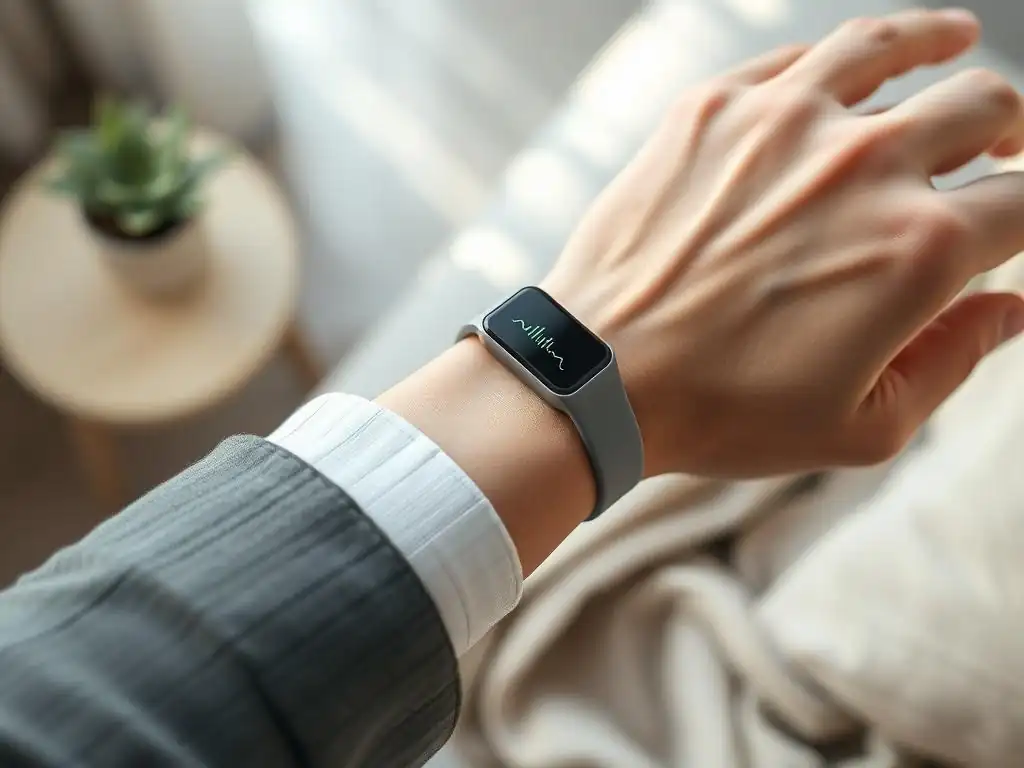
Wearable Tech for Stress: A Comparative Analysis of HRV Monitors
The market for wearable technology capable of tracking HRV for stress management has grown significantly. Devices range from dedicated chest straps, often considered the gold standard for accuracy, to wrist-worn trackers and rings. Each type has its pros and cons in terms of accuracy, comfort, and the richness of the data provided. Understanding these differences is key to selecting the best tool for your personal Heart rate variability stress management journey.
Chest straps like the Polar H10 typically provide the most accurate R-R interval data needed for precise HRV calculation, but they are less convenient for continuous, 24/7 monitoring. Wrist-worn devices like the Garmin Vivosmart 5 offer convenience for day-to-day tracking, often measuring HRV during sleep, though the accuracy can vary depending on the sensor technology and how well the device fits. Devices like the Whoop 4.0 are designed for continuous wear and provide comprehensive recovery and strain metrics that heavily incorporate HRV.
Garmin Vivosmart 5: Features, Benefits, and Limitations
The Garmin Vivosmart 5 is a popular activity tracker that includes features relevant to Heart rate variability stress management. It offers all-day stress tracking based on HRV, providing a numerical stress score and guided breathing exercises directly on the device.
A key benefit is its compact, lightweight design and long battery life (up to 7 days), making it suitable for continuous wear, including sleep tracking, where HRV is often measured. It integrates seamlessly with the Garmin Connect app, which provides detailed graphs and insights into your stress levels and body battery (an energy metric influenced by stress, recovery, and activity).
However, its limitations include its optical wrist-based heart rate sensor, which may not provide HRV data as precise as a chest strap, particularly during high-intensity exercise or if the fit is loose. While it gives a stress score, the raw HRV data might not be as accessible or detailed as with more dedicated performance trackers. It's a good entry-level option for those wanting general stress awareness via HRV without deep dives into the raw data.
Whoop 4.0: Accuracy, Comfort, and Data Analysis
The Whoop 4.0 is a screenless wearable designed specifically for performance, recovery, and sleep tracking, with HRV being a core metric influencing its insights. It uses a highly-rated optical sensor and is often worn on the wrist, bicep, or forearm for comfort and potentially improved accuracy over typical wrist placement during activity. Its primary benefit lies in its sophisticated data analysis via the Whoop app, which provides a daily 'Recovery' score heavily weighted by HRV, along with detailed sleep stages, strain data, and coaching insights.
Accuracy is generally considered high for an optical sensor, particularly when worn correctly and consistently. The discomfort for some users might be the subscription model required to access the data and insights. While comfortable for continuous wear, the lack of a screen means you need the app to see any data. It's a powerful tool for those serious about using HRV to optimize recovery and manage physiological stress, providing deep insights crucial for comprehensive Heart rate variability stress management.
Polar H10: Budget-Friendly Option with Essential HRV Tracking
The Polar H10 is a chest strap heart rate monitor renowned for its accuracy, often considered among the most accurate consumer-grade HR sensors available. Because it measures electrical heart signals directly from the chest, it captures R-R intervals with exceptional precision, making it ideal for accurate HRV calculations. It connects via Bluetooth and ANT+ to various apps and devices, offering flexibility. Its main benefit is its high accuracy and relatively affordable price point compared to some advanced wearables.
Its limitation for continuous Heart rate variability stress management is that it's typically worn only during specific activities or for dedicated HRV measurements, not 24/7. While comfortable for a chest strap, it's not designed for continuous wear like a wristband or ring. However, for users who want the most accurate daily HRV reading (taken, for example, consistently each morning) or precise HRV data during specific stress-inducing activities, the Polar H10 is an excellent, budget-conscious choice.
Key Features to Consider When Buying an HRV Monitor
Accuracy and Reliability of HRV Data
The foundation of effective Heart rate variability stress management using a monitor is reliable data. Accuracy is paramount because incorrect HRV readings can lead to misinterpretations of your physiological state. Chest straps, which measure the electrical activity of the heart, are generally considered the most accurate for capturing the precise timing between heartbeats (R-R intervals). Optical sensors, found in wristbands and rings, measure blood flow changes and use algorithms to estimate R-R intervals; their accuracy can be affected by movement, skin contact, and hydration levels.
When choosing a device, research its validation studies or reviews from reputable sources that compare its accuracy to ECG or chest strap standards. Look for devices that specifically state they track R-R intervals or provide validated HRV metrics like RMSSD (Root Mean Square of Successive Differences), a common and reliable metric for assessing parasympathetic activity. Prioritizing accuracy ensures the insights you gain about your stress levels and recovery are trustworthy.
Comfort and Wearability for Continuous Monitoring
For Heart rate variability stress management, especially tracking trends over time or monitoring stress throughout the day and night, comfort and wearability are critical. If a device is uncomfortable, bulky, or needs frequent recharging, you're less likely to wear it consistently, leading to gaps in your data. Devices designed for 24/7 wear, such as rings, certain wristbands, or armbands, offer convenience.
Consider where you prefer to wear a device (wrist, finger, chest, arm) and how it fits into your daily life, including during sleep, exercise, and work. The material, weight, and battery life all contribute to wearability. A device that seamlessly integrates into your routine without causing irritation or disruption will enable consistent data collection, providing a more complete picture for managing stress with heart rate variability.
Data Analysis and Insights for Stress Management
Raw HRV data points are useful, but the real value for Heart rate variability stress management comes from how the data is analyzed and presented. Look for devices and accompanying apps that offer clear, easy-to-understand insights. This might include daily readiness or recovery scores (like Whoop or Garmin Body Battery), trends over time, comparisons of HRV on different days or weeks, and correlations with logged activities, sleep, and perceived stress.
Some apps offer guided reflection, allowing you to note factors like sleep quality, diet, or specific stressors that might have impacted your HRV. This helps you connect the objective data with your subjective experience. Look for features like personalized recommendations for recovery or stress reduction based on your HRV patterns. The ability to visualize your data and gain actionable insights is crucial for effectively using HRV to manage stress.
Compatibility with Mobile Apps and Other Devices
Ensure the HRV monitor you choose is compatible with your smartphone (iOS or Android) as most devices rely on a mobile app for setup, data syncing, analysis, and viewing historical trends. Check if the app is user-friendly and provides the features and insights you need for Heart rate variability stress management. Read reviews of the app itself, not just the hardware.
Additionally, consider if you need compatibility with other devices or platforms. For example, if you use a specific training or wellness platform (like TrainingPeaks or Apple Health), check if the HRV monitor's data can be exported or synced. Some devices also support broadcasting heart rate and HRV data via Bluetooth or ANT+ to other devices like cycling computers or fitness equipment. This can be useful if you want to use the same sensor for multiple purposes.
Integrating HRV Monitoring into Your Daily Routine
Setting Up Your HRV Monitor and Establishing a Baseline
Once you have your HRV monitor, the first step is setting it up according to the manufacturer's instructions, typically involving pairing it with a smartphone app. Before you can start using HRV for meaningful Heart rate variability stress management, you need to establish a personal baseline. Your HRV is unique to you and varies based on age, fitness level, genetics, and lifestyle factors. Comparing your readings to population averages isn't as useful as comparing them to your own typical range.
To establish a reliable baseline, wear the device consistently for at least 7-10 days, preferably measuring at the same time each day under similar conditions, such as immediately upon waking. Avoid consuming alcohol or engaging in intense exercise the night before these baseline measurements, as they can significantly impact HRV. This period allows the app or device to learn your normal HRV range, providing context for future daily readings and making your Heart rate variability stress management efforts more effective.
Tracking Your HRV Throughout the Day: Identifying Stress Triggers
While morning readiness scores are common, some devices allow for tracking HRV throughout the day or provide insights derived from continuous monitoring. Paying attention to how your HRV fluctuates can help you identify specific activities, interactions, or times of day that act as stress triggers. For example, you might notice a dip in your HRV during or after a particularly demanding meeting, a difficult commute, or even after consuming too much caffeine.
Many apps allow you to log events or add notes, which is invaluable for correlating your subjective experiences with your objective HRV data. Over time, you can identify patterns – perhaps your HRV consistently drops on Monday mornings, or after late-night screen time. Recognizing these triggers through HRV monitoring is a powerful step in proactive Heart rate variability stress management, allowing you to anticipate stressful situations and implement coping strategies beforehand.
Implementing Stress Reduction Techniques Based on HRV Data
The real power of HRV monitoring for Heart rate variability stress management lies in using the data to guide your actions. If your morning HRV is lower than your baseline, it's a signal that your body is still recovering or under strain. This might prompt you to adjust your day – perhaps skipping an intense workout for a gentle walk, prioritizing rest breaks, or dedicating time to relaxation techniques.
Conversely, if your HRV is high, it suggests your body is well-recovered and resilient, potentially indicating a good day for more challenging activities. By correlating your HRV readings with how you feel and the effectiveness of different techniques, you can build a personalized stress management plan. For example, seeing your HRV improve after a specific breathing exercise can reinforce that practice and encourage you to use it when your stress levels are high. This iterative process of monitoring, analyzing, and acting is central to successful Heart rate variability stress management.
Breathing Exercises for Improved HRV: The Example of the "4-7-8" Technique
Breathing exercises are one of the most accessible and effective ways to directly influence your autonomic nervous system and improve HRV. Slow, deep, and rhythmic breathing stimulates the vagus nerve, which is a major component of the parasympathetic nervous system. Practicing mindful breathing can lead to a measurable increase in HRV, indicating a shift towards a more relaxed state.
A widely known technique is the "4-7-8" breathing method: inhale quietly through your nose for a count of 4, hold your breath for a count of 7, and exhale completely through your mouth with a whooshing sound for a count of 8. Repeating this cycle a few times can rapidly calm the nervous system.
Using your HRV monitor while practicing such techniques can provide real-time feedback, showing you how your body responds and helping you optimize the pace and depth of your breath for maximum HRV improvement. This direct feedback is a core component of Heart rate variability stress management using biofeedback principles.
Mindfulness Meditation and Its Impact on HRV
Mindfulness meditation, the practice of focusing on the present moment without judgment, has been shown in numerous studies to positively impact HRV. Regular meditation practice can train the mind to become less reactive to stressors, which in turn reduces the activation of the sympathetic nervous system and promotes parasympathetic activity. This physiological shift is often reflected in higher baseline HRV over time.
Even short meditation sessions, perhaps 5-10 minutes daily, can contribute to improved stress resilience. Tracking your HRV before and after meditation can help you observe its immediate calming effect, and consistent practice monitored over weeks or months can show the long-term benefits on your overall HRV trend. Integrating mindfulness into your routine, guided by your HRV data, is a powerful strategy for enhancing your capacity for Heart rate variability stress management.
Exercise and Physical Activity: Finding the Right Balance for Optimal HRV
Regular physical activity is vital for both physical and mental health and is known to improve HRV over the long term. However, the relationship between exercise and HRV is nuanced. While chronic exercise generally leads to higher baseline HRV in fit individuals, acute exercise, especially high-intensity training, temporarily lowers HRV as the body enters a sympathetic-dominant state for recovery.
Finding the right balance of intensity, duration, and recovery in your exercise routine is key for optimizing HRV. Overtraining, or not allowing sufficient recovery between intense sessions, can lead to chronically suppressed HRV, indicating that the body is struggling to adapt. Using your HRV monitor can help you gauge your readiness for intense activity and determine if you need more rest.
For example, a low morning HRV might signal that you should opt for a light recovery session instead of a hard workout. This mindful approach to training, informed by HRV, is essential for effective Heart rate variability stress management through fitness.
Real-World Examples: HRV and Stress Management Success Stories
Case Study 1: Using HRV to Overcome Workplace Stress with Garmin Vivosmart 5
Sarah, a marketing manager, struggled with high stress levels due to demanding deadlines and long hours. She often felt overwhelmed and noticed physical symptoms like persistent fatigue and headaches. She started wearing a Garmin Vivosmart 5 primarily for activity tracking but became intrigued by its all-day stress monitoring feature, which uses HRV. Initially, her daily stress score was consistently high, often peaking during work hours.
Using the Vivosmart 5's stress insights, Sarah began to correlate her high stress readings with specific situations, like back-to-back meetings or tight project deadlines. She also noticed her Body Battery (influenced by HRV and stress) was often depleted by lunchtime. Armed with this objective data, she implemented changes: scheduling short walking breaks between meetings, using the guided breathing exercises on the device when her stress score spiked, and consciously leaving work tasks behind in the evening to allow for better recovery.
Over several weeks, she saw her average daily stress score decrease and her Body Battery stay higher throughout the day. This simple feedback loop, facilitated by the Garmin's HRV-based metrics, empowered her to make tangible changes for better Heart rate variability stress management in her demanding job.
Case Study 2: Managing Anxiety with HRV Biofeedback and Breathwrk App
David had been dealing with generalized anxiety for years, often feeling a sense of unease and experiencing physical symptoms like a racing heart. He learned about HRV biofeedback and decided to try using a combination of a precise chest strap monitor (like a Polar H10 used during specific sessions) and a mobile app like Breathwrk, which offers guided breathing exercises and often integrates with HR sensors to provide biofeedback. He would connect his sensor to the app and practice paced breathing exercises designed to maximize HRV, watching his real-time HRV data on the screen.
Initially, he found it difficult to maintain a high HRV during the exercises, reflecting his anxious state. However, with consistent daily practice (even just 10-15 minutes), he began to see improvements in his ability to consciously increase his HRV during the sessions. More importantly, he learned to recognize the feeling associated with a higher HRV state – a sense of calm and centeredness.
He started applying these breathing techniques whenever he felt anxiety rising, even without the monitor, using the learned physiological skill. Over a few months, his baseline HRV showed a modest but significant improvement, and he reported feeling less overwhelmed by anxious thoughts and experiencing fewer physical anxiety symptoms. This demonstrates the power of active Heart rate variability stress management through biofeedback training.
Case Study 3: Improving Sleep Quality and Reducing Nighttime Stress Using Polar H10
Emily suspected her poor sleep quality was linked to stress, as she often woke up feeling unrested despite spending enough time in bed. She used a Polar H10 chest strap connected to a compatible app to measure her HRV first thing in the morning consistently for several weeks. Her readings were often lower than expected for someone of her age and fitness level, suggesting her body wasn't recovering optimally overnight. She also used the app to log factors like late-night meals, evening screen time, and perceived stress levels before bed.
Analyzing her HRV data alongside her logs, Emily noticed that her lowest HRV readings often followed nights where she had worked late, eaten close to bedtime, or scrolled on her phone for extended periods. This objective data reinforced the negative impact of these habits on her recovery, as measured by HRV. She decided to implement a strict "digital sunset" rule, putting away screens an hour before bed, and ensured her evening meal was finished earlier.
She also incorporated a short, calming breathing exercise (monitored occasionally with the H10) into her bedtime routine. Within a month, her morning HRV readings began to show an upward trend, and she reported feeling more rested upon waking. This case highlights how accurate HRV data, even from a non-continuous sensor, can provide crucial insights for targeted Heart rate variability stress management interventions, particularly regarding sleep and recovery.
Optimizing Your HRV for Long-Term Stress Resilience

Lifestyle Changes for Improved HRV: Diet, Sleep, and Exercise
Sustaining a healthy HRV for long-term stress resilience goes beyond just tracking; it requires foundational lifestyle habits. Diet plays a role; consuming a balanced diet rich in fruits, vegetables, lean proteins, and healthy fats supports overall physiological function, including ANS regulation. Avoiding excessive caffeine, alcohol, and processed foods, particularly close to bedtime, can prevent negative impacts on HRV.
Sleep is arguably the most critical factor for HRV and recovery. Aim for 7-9 hours of quality sleep per night. Consistent sleep schedules, a cool and dark sleep environment, and avoiding stimulants before bed are key. Regular, moderate exercise is also essential; it improves cardiovascular health and ANS function over time, leading to higher baseline HRV. However, balancing intense workouts with adequate recovery, as informed by your HRV data, is crucial. Making these consistent lifestyle changes is fundamental to improving your capacity for Heart rate variability stress management.
Advanced Techniques for HRV Optimization: Neurofeedback and Biofeedback Therapy
For individuals seeking more intensive methods to improve HRV and enhance stress resilience, advanced techniques like neurofeedback and biofeedback therapy offer structured approaches. Neurofeedback focuses on training brainwave activity, which can indirectly influence ANS regulation. Clients learn to modulate specific brainwave patterns associated with states of calm and focus, potentially leading to improvements in HRV.
Biofeedback therapy, particularly HRV biofeedback, involves directly training the ability to increase HRV through controlled breathing and relaxation techniques while receiving real-time physiological feedback. These therapies are often conducted by trained practitioners and can be particularly helpful for individuals with chronic stress, anxiety disorders, or stress-related physical symptoms who may struggle with self-guided techniques. While requiring more commitment and potentially expense, these therapies can offer significant gains in physiological self-regulation, enhancing your ability for proactive Heart rate variability stress management.
When to Seek Professional Help: Consulting with a Therapist or HRV Specialist
While self-monitoring HRV can be incredibly empowering for personal Heart rate variability stress management, it's not a substitute for professional medical or psychological care. If you are experiencing severe or persistent symptoms of stress, anxiety, or depression, or if your low HRV readings are accompanied by concerning physical symptoms, it is crucial to consult a healthcare professional.
A therapist can provide evidence-based strategies for coping with stress, addressing underlying causes of anxiety, and developing healthy emotional regulation skills. An HRV specialist or a healthcare provider knowledgeable in HRV can help interpret complex data, rule out potential medical conditions affecting HRV, and guide you on integrating HRV monitoring into a broader wellness plan. Don't hesitate to seek professional guidance, especially if self-guided HRV monitoring isn't leading to improvements or if your stress feels unmanageable.
Maximizing the Benefits of HRV Stress Management
Tips for Maintaining Consistent HRV Monitoring
Consistency is key to unlocking the full potential of Heart rate variability stress management through monitoring. Aim to take your daily HRV reading at the same time each morning, immediately after waking and before getting out of bed. This minimizes confounding factors and provides the most comparable data points. If your device offers continuous monitoring, wear it throughout the day and night as recommended.
Develop a routine around your monitoring. Place your device or phone where you'll see it first thing in the morning. Use reminders if necessary. Don't get discouraged by daily fluctuations; focus on the long-term trends. Log significant events – stressful situations, poor sleep, alcohol consumption, intense workouts – in your app to help contextualize your HRV data. Consistent data allows for accurate baseline establishment and effective tracking of the impact of your stress management efforts.
Interpreting Your HRV Data and Making Informed Decisions
Interpreting HRV data for Heart rate variability stress management involves looking beyond single numbers. Pay attention to your personal baseline and how daily readings deviate from it. A reading significantly lower than your baseline might indicate accumulated stress, poor recovery, or impending illness, signaling a need for rest and recovery. A reading within or above your baseline suggests good recovery and resilience.
Look at trends over time – is your average HRV improving, declining, or staying stable over weeks or months? Correlate your HRV with how you feel subjectively and with logged lifestyle factors. Did your HRV drop after a stressful week? Did it improve after a vacation or starting a meditation practice? Use these insights to make informed decisions about your daily activities, recovery needs, and the effectiveness of your stress reduction strategies. This data-driven approach makes Heart rate variability stress management more precise and effective.
The Future of HRV Technology and Stress Management
The field of Heart rate variability stress management technology is rapidly evolving. We can expect to see even more accurate and comfortable wearable sensors, potentially integrating into clothing or other everyday items. Data analysis will likely become more sophisticated, offering more personalized and predictive insights into stress resilience and recovery needs.
Integration with AI and machine learning could lead to real-time, adaptive stress management coaching, suggesting specific interventions based on your current physiological state as measured by HRV. As research continues to uncover the intricate links between HRV, the brain, and emotional states, future technologies may offer even more targeted biofeedback and neurofeedback applications accessible through consumer devices. The future holds exciting possibilities for leveraging HRV data to empower individuals in proactively managing their stress and enhancing overall well-being.
Affiliate Links & Resources
Recommended HRV Monitors and Accessories (with Affiliate Links)
- [Information about a specific recommended HRV monitor]
- [Information about another specific recommended HRV monitor]
- [Information about a relevant accessory, like a compatible chest strap]
Further Reading and Resources on HRV and Stress Management.
- [Information about a book on HRV]
- [Information about a reputable website or organization focused on HRV]
- [Information about a scientific paper or review on HRV and stress (brief description)]
Frequently Asked Questions
What is Heart Rate Variability (HRV) and how does it relate to stress management?
HRV measures the variation in time between heartbeats. Higher HRV generally indicates better cardiovascular health and adaptability to stress, while lower HRV can suggest higher stress levels and potential health issues.
How can I use Heart Rate Variability (HRV) to manage my stress?
By monitoring your HRV, you can identify stress triggers and track the effectiveness of stress management techniques like meditation or exercise. This allows you to personalize your approach to stress reduction.
What factors can affect my Heart Rate Variability (HRV)?
Many factors can influence HRV, including sleep quality, physical activity, diet, and emotional state. Understanding these factors helps you make lifestyle adjustments to improve your HRV.
What tools or methods can I use to measure my Heart Rate Variability (HRV)?
Various wearables, like smartwatches and chest straps, can accurately measure HRV. There are also mobile apps that use your phone's camera to estimate HRV.
Is Heart Rate Variability (HRV) a reliable indicator of overall mental well-being?
While HRV is a valuable tool for assessing stress levels, it's just one piece of the puzzle. A comprehensive approach to mental well-being includes other factors like mood, sleep, and social connections.
Final Reflection: The Rhythmic Path to Resilience
Understanding heart rate variability (HRV) isn't just a scientific pursuit; it's a vital key to unlocking a more resilient and fulfilling life in our increasingly stressful world. The information presented in this article highlights the profound impact HRV has on our physical and mental well-being, offering a tangible pathway to manage stress and improve overall health. This isn't simply about numbers on a screen; it's about gaining a deeper understanding of your body's response to stress and learning to cultivate a more balanced internal rhythm.
The exploration of HRV has profoundly shifted my own perspective on stress management. It's moved beyond the simplistic "fight or flight" response to reveal the nuanced dance between our sympathetic and parasympathetic nervous systems. Stress is not what happens to us. It's our response to what happens to us.
– Hans Selye. This quote perfectly encapsulates the power of HRV – it's not about eliminating stress entirely, but about learning to respond to it in a healthier, more balanced way. By understanding and actively influencing our HRV, we can cultivate a greater sense of inner peace and control, even amidst the chaos of modern life.
Now, I invite you to take a moment and reflect on your own relationship with stress. Consider how you might incorporate the principles of HRV into your daily routine. Perhaps it's through mindful breathing exercises, regular meditation, or simply prioritizing activities that bring you joy and relaxation. The journey to improved HRV, and consequently, reduced stress, is a personal one. Embrace the process, listen to your body, and discover the rhythmic path to a more resilient and joyful you. The power to manage your stress, and ultimately, your life, lies within your own heart's rhythm.
Embrace Calmness: Take Charge of Your Wellbeing
Thank you for diving into the world of Heart Rate Variability (HRV) with us! We hope you're feeling empowered by the insights on how managing your stress levels can transform your overall health. Now, it's time to put that knowledge into action and make a positive change in your daily routine!
Here are a few steps to help you begin your journey towards greater calm and resilience:
- Start a Daily HRV Tracking Practice: Invest a few minutes each day to track your HRV using a smartphone app or wearable device. Set a goal to improve your score gradually over the weeks!
- Explore mindfulness activities like meditation or yoga, which can significantly enhance your HRV. Consider joining a local class or finding an online community to connect with others on this journey.
- Share your experiences and insights with friends or family — encourage them to explore the benefits of HRV together with you!
As you implement these steps, remember that every small action can lead to big changes.
What’s the first step you’re excited to take in enhancing your heart rate variability?