
Building a MoodBoosting Grocery List: What to Buy

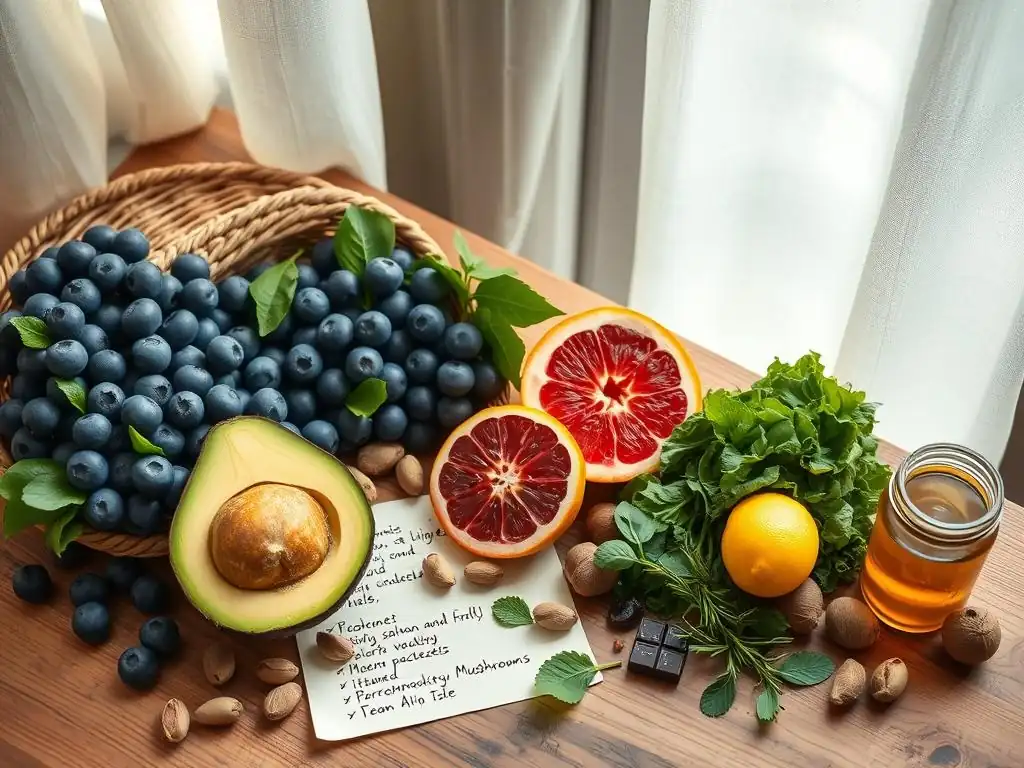
Welcome to Mind Care Guide.
Feeling a little grey lately? You're not alone. At Mind Care Guide, we understand the intricate connection between mind and body. Often overlooked, the simple act of nourishing ourselves can be a powerful tool in cultivating inner peace. This week, we're diving deep into how healthy foods boost mood, starting with building your own Mood-Boosting Grocery List. Curious to discover which everyday ingredients can unlock a brighter outlook? Let's explore the delicious path to a happier you...
Building a Mood-Boosting Grocery List: What to Buy
- Introduction: The Link Between Healthy Foods and Mood
- Why Your Grocery List Matters for Mental Well-being
- Essential Food Groups for a Positive Mood
- Mood-Boosting Grocery List Essentials: A Detailed Guide
- Foods to Limit or Avoid for Better Mental Health
- Creating Your Personalized Mood-Boosting Meal Plan
- Shopping Smart: Tips for Budget-Friendly Mood-Boosting Groceries
- Conclusion: Nurturing Your Mental Well-being Through Food Choices.
-
Frequently Asked Questions
- How do healthy foods boost mood?
- What are some top mood-boosting foods I should include in my grocery list?
- Can changing my diet alone cure mental health challenges?
- How quickly can I expect to see a difference in my mood after incorporating healthy foods?
- Are there any foods I should avoid to maintain a positive mood?
- Final Reflection: Nourishing the Mind, One Grocery Trip at a Time
- Unlock Your Inner Sunshine: Build Your Mood-Boosting Meal Plan Now!
Introduction: The Link Between Healthy Foods and Mood
The connection between what we eat and how we feel is increasingly recognized by science. Our diet plays a significant role not only in our physical health but also in our mental and emotional well-being. Choosing healthy foods can positively impact our mood, energy levels, cognitive function, and even help manage symptoms of anxiety and depression. Understanding this powerful link empowers us to make informed decisions at the grocery store, transforming a routine chore into an act of self-care for our minds.
Building a mood-boosting grocery list is a practical step towards supporting your mental health through nutrition. It involves prioritizing nutrient-dense foods that provide the brain with the necessary building blocks for optimal function. By focusing on fresh produce, lean proteins, healthy fats, and complex carbohydrates, you can create meals that nourish your body and mind, contributing to a more stable and positive emotional state. This guide will walk you through the essential items to include on your next shopping trip to help healthy foods boost mood effectively.
Why Your Grocery List Matters for Mental Well-being
Your weekly grocery haul is more than just stocking the pantry; it's an investment in your overall health, including your mental state. The foods you choose directly influence the complex biochemical processes that occur in your brain. A diet rich in essential nutrients provides the raw materials needed to produce neurotransmitters like serotonin and dopamine, which are critical for regulating mood, pleasure, and motivation. Conversely, a diet high in processed items and sugar can lead to inflammation and blood sugar imbalances, negatively impacting mood and cognitive function.
Being intentional about your grocery list allows you to take proactive control of your mental well-being. It helps you avoid impulsive purchases of less healthy options when you're hungry or stressed at the store. Planning ahead ensures you have the ingredients on hand to prepare nutritious meals and snacks, making it easier to sustain healthy eating habits throughout the week. This consistent access to foods known to support brain health is fundamental to leveraging the power of healthy foods to boost mood over the long term.
The Gut-Brain Connection: How Food Affects Your Brain
The gut and the brain are intricately linked through a complex network of nerves, hormones, and chemicals, often referred to as the gut-brain axis. The trillions of microorganisms living in your gut, collectively known as the gut microbiome, play a crucial role in this connection. These microbes produce various compounds, including neurotransmitters and short-chain fatty acids, which can influence brain function, mood, and behavior. For example, about 95% of the body's serotonin, a key neurotransmitter for mood regulation, is produced in the gut.
Maintaining a healthy and diverse gut microbiome through diet is therefore essential for mental well-being. Foods rich in fiber, such as fruits, vegetables, and whole grains, act as prebiotics, feeding beneficial gut bacteria. Fermented foods like yogurt, kefir, and sauerkraut contain probiotics, introducing beneficial bacteria directly into the gut. A balanced gut environment can help reduce inflammation, improve nutrient absorption, and positively influence the signals sent to the brain, reinforcing how healthy foods boost mood by starting in the gut.
Identifying Nutrient Deficiencies That Impact Mood
Specific nutrient deficiencies can significantly affect mood and contribute to mental health symptoms. For instance, a lack of B vitamins, particularly folate (B9) and B12, is linked to depression and fatigue. Folate is essential for the synthesis of neurotransmitters, and studies have shown that individuals with depression often have lower levels of this vitamin. Similarly, Vitamin D deficiency is prevalent globally, and research suggests a correlation between low Vitamin D levels and increased risk of depression and seasonal affective disorder.
Other common deficiencies impacting mood include omega-3 fatty acids, magnesium, zinc, and iron. Omega-3s, found abundantly in fatty fish, are critical for brain structure and function, and low levels are associated with mood disorders. Magnesium is involved in hundreds of biochemical reactions, including those related to stress response and neurotransmitter function; deficiency can lead to anxiety and irritability. Addressing these potential nutritional gaps through a varied and nutrient-rich diet is a key strategy for supporting a stable and positive mood, highlighting the importance of getting the right nutrients from healthy foods to boost mood.
Essential Food Groups for a Positive Mood

Incorporating a variety of nutrient-dense foods from different groups is key to building a mood-boosting diet. Each food group offers unique benefits that contribute to brain health and emotional stability. Focusing on whole, unprocessed options within these categories provides your body with the complex mix of vitamins, minerals, fiber, and healthy fats it needs to function optimally and support a positive mental state.
By understanding which food groups are most beneficial and why, you can make informed choices at the grocery store. This section breaks down the essential food groups and highlights specific items within each that are particularly effective at promoting mental well-being. Prioritizing these foods on your shopping list is a direct way to ensure you're consistently providing your brain with the nutrition it craves, reinforcing the principle that healthy foods boost mood effectively.
Fruits and Vegetables: Natural Mood Enhancers
Fruits and vegetables are powerhouses of vitamins, minerals, antioxidants, and fiber, all of which are vital for brain health and mood regulation. The vibrant colors of produce often indicate the presence of different phytochemicals, many of which have anti-inflammatory and neuroprotective properties. A diet rich in a variety of colorful fruits and vegetables has been associated with lower rates of depression and anxiety.
Including ample servings of fruits and vegetables in your daily meals provides the body with essential nutrients like Vitamin C, Vitamin E, and various B vitamins, which are crucial for neurotransmitter synthesis and overall brain function. Their high fiber content also supports a healthy gut microbiome, further benefiting the gut-brain connection. Making these items a priority on your grocery list is a simple yet impactful way to ensure you're getting a broad spectrum of nutrients known to help healthy foods boost mood.
Berries: Packed with Antioxidants for Brain Health
Berries like blueberries, strawberries, raspberries, and blackberries are exceptionally rich in antioxidants, particularly flavonoids. These compounds help protect brain cells from damage caused by oxidative stress and inflammation, which are implicated in the development of mood disorders. Studies have shown that regular consumption of berries can improve cognitive function and protect against age-related cognitive decline.
A single cup of blueberries, for example, contains a significant amount of Vitamin C and Vitamin K, along with potent antioxidants like anthocyanins. These nutrients work synergistically to support brain health. Including a variety of berries in your diet, whether fresh or frozen, provides a delicious way to load up on brain-boosting compounds that contribute to a more stable and positive mood.
Leafy Greens: Rich in Folate for Mood Regulation
Leafy green vegetables such as spinach, kale, and Swiss chard are excellent sources of folate (Vitamin B9). Folate is essential for the synthesis of neurotransmitters like serotonin, dopamine, and norepinephrine, which play critical roles in mood regulation. Low levels of folate have been consistently linked to depression, and supplementation is sometimes used as an adjunct therapy.
Just one cup of cooked spinach provides nearly 60% of the daily recommended intake of folate. These greens also offer other important nutrients like magnesium, which is involved in stress response and neurotransmitter function, and Vitamin K. Incorporating leafy greens into salads, smoothies, or cooked dishes is a simple way to boost your intake of these mood-supportive nutrients.
Bananas: Source of Potassium and Vitamin B6 for Neurotransmitter Synthesis
Bananas are a convenient and accessible fruit that offers several nutrients beneficial for mood. They are a good source of Vitamin B6, a crucial nutrient required for the conversion of tryptophan into serotonin, the "feel-good" neurotransmitter. Vitamin B6 is also involved in the synthesis of other neurotransmitters like dopamine and norepinephrine.
Furthermore, bananas provide potassium, an electrolyte that helps regulate nerve signals and muscle contractions. Maintaining healthy potassium levels is important for overall nervous system function. While not as nutrient-dense as berries or leafy greens in some areas, their combination of Vitamin B6, potassium, and natural sugars provides a steady energy source that can help prevent mood dips associated with blood sugar crashes.
Lean Proteins: Building Blocks for Neurotransmitters
Proteins are fundamental to the production of neurotransmitters, the chemical messengers in the brain that regulate mood, appetite, and sleep. Amino acids, the building blocks of protein, are converted into these vital compounds. Consuming adequate amounts of lean protein throughout the day helps ensure a steady supply of these amino acids, supporting consistent brain function and mood stability.
Choosing lean protein sources is important because they provide the necessary amino acids without excessive amounts of saturated fat, which can contribute to inflammation. Including protein at each meal also helps regulate blood sugar levels, preventing the spikes and crashes that can negatively impact mood and energy. Prioritizing these protein sources on your mood-boosting grocery list is essential for providing your brain with the raw materials it needs.
Turkey and Chicken: Sources of Tryptophan for Serotonin Production
Turkey and chicken are well-known sources of tryptophan, an essential amino acid that the body converts into serotonin. While the direct link between eating tryptophan-rich foods and increased brain serotonin is complex and depends on various factors (like carbohydrate intake), ensuring adequate dietary tryptophan is a necessary step in the process.
A typical 3-ounce serving of cooked chicken breast contains about 0.25 grams of tryptophan. While you won't get a massive serotonin boost from a single meal, consistent intake of tryptophan-rich foods contributes to the overall availability of this precursor nutrient. Including lean poultry in your diet provides quality protein and supports the potential for serotonin production, contributing to stable mood.
Fish: Omega-3 Fatty Acids for Cognitive Function and Mood
Fatty fish like salmon, mackerel, and sardines are perhaps one of the most celebrated foods for brain health due to their high content of omega-3 fatty acids, particularly EPA (eicosapentaenoic acid) and DHA (docosahexaenoic acid). These essential fats are integral components of brain cell membranes and play crucial roles in neuronal function and communication.
Numerous studies have linked higher consumption of omega-3 fatty acids, or higher blood levels of EPA and DHA, with a lower risk of depression and improved mood. For example, research suggests that EPA, in particular, may have anti-inflammatory effects that benefit brain health and mood. Aiming for at least two servings of fatty fish per week, providing roughly 500-1000 mg of combined EPA and DHA per serving, is an excellent strategy for leveraging how healthy foods boost mood through essential fats.
Lentils: Plant-Based Protein and Iron for Energy and Mood
Lentils are an excellent plant-based source of protein, making them a valuable addition to a mood-boosting grocery list, especially for vegetarians and vegans. They provide a good amount of amino acids, including tryptophan, and are also rich in fiber, which supports gut health.
Beyond protein, lentils are a fantastic source of iron. Iron is necessary for transporting oxygen throughout the body, including to the brain. Iron deficiency, or anemia, can lead to fatigue, irritability, and difficulty concentrating, all of which can negatively impact mood. A cup of cooked lentils provides about 37% of the daily recommended intake of iron for women and about 82% for men. Including lentils regularly helps maintain healthy iron levels and supports energy and mood.
Whole Grains: Sustainable Energy for a Stable Mood
Whole grains are complex carbohydrates that are digested slowly, providing a steady release of glucose into the bloodstream. This stable energy supply helps prevent the blood sugar spikes and crashes that can lead to irritability, fatigue, and mood swings. Unlike refined grains, whole grains retain the bran and germ, which contain fiber, vitamins, and minerals essential for overall health, including mental well-being.
Choosing whole grain options like oats, quinoa, brown rice, and whole wheat bread over their refined counterparts ensures you're getting sustained energy and valuable nutrients. The fiber content also supports digestive health, contributing to the gut-brain connection. Making whole grains a staple in your diet is a practical way to maintain stable energy levels and support a balanced mood, demonstrating how healthy foods boost mood through sustained energy.
Oats: Slow-Releasing Energy for Balanced Blood Sugar
Oats are a fantastic whole grain choice for breakfast or snacks due to their high soluble fiber content, particularly beta-glucan. This type of fiber forms a gel in the digestive tract, slowing down the absorption of carbohydrates and resulting in a gradual release of glucose. This helps maintain stable blood sugar levels, preventing the energy crashes and mood dips that can occur after eating refined carbohydrates.
A serving of oats also provides B vitamins and magnesium, both of which are important for energy production and nerve function. Starting your day with a bowl of oatmeal can provide sustained energy and contribute to a more stable mood throughout the morning. Look for rolled oats or steel-cut oats for the most benefits.
Quinoa: Complete Protein and Fiber for Mood Stability
Quinoa is a pseudo-cereal that is unique among grains because it is a complete protein, meaning it contains all nine essential amino acids. This makes it a valuable source of protein, including tryptophan, for both vegetarians and meat-eaters. Like oats, quinoa is also rich in fiber, contributing to blood sugar stability and gut health.
One cup of cooked quinoa provides about 8 grams of protein and 5 grams of fiber. It also contains magnesium, iron, and various B vitamins, all of which play roles in energy production and mood regulation. Its versatile nature makes it easy to incorporate into salads, bowls, or as a side dish, providing a nutrient-dense option that supports stable energy and mood.
Brown Rice: Source of Complex Carbohydrates and Magnesium
Brown rice is a whole grain that provides complex carbohydrates for sustained energy. Unlike white rice, it retains the bran and germ, offering more fiber, vitamins, and minerals. It is a good source of magnesium, a mineral that is often deficient in modern diets but is crucial for numerous bodily functions, including nerve and muscle function and stress response.
A cup of cooked brown rice contains about 84 mg of magnesium, contributing significantly to the daily recommended intake (around 320-420 mg for adults). Magnesium is thought to play a role in regulating the body's stress response system. Choosing brown rice over white rice helps ensure a steadier supply of energy and provides valuable magnesium, supporting a more balanced mood.
Healthy Fats: Crucial for Brain Health and Function
Fats are not the enemy when it comes to mental health; in fact, healthy fats are absolutely essential for optimal brain function. The brain is composed of nearly 60% fat, and healthy fats are critical for building and maintaining brain cell membranes, facilitating communication between neurons, and reducing inflammation. Incorporating sources of monounsaturated and polyunsaturated fats, particularly omega-3s, is vital for supporting cognitive function and mood.
Avoiding trans fats and limiting saturated fats while prioritizing healthy fats is key. These fats provide sustained energy, help with the absorption of fat-soluble vitamins (A, D, E, K), and contribute directly to the structural integrity of the brain. Ensuring your mood-boosting grocery list includes sources of healthy fats is non-negotiable for supporting long-term brain health and emotional well-being.
Avocados: Monounsaturated Fats for Brain Cell Health
Avocados are an excellent source of monounsaturated fats, particularly oleic acid, which is also found in olive oil. These fats are beneficial for heart health and play a role in supporting brain function. Monounsaturated fats can help improve blood flow to the brain and contribute to the flexibility and health of brain cell membranes.
Beyond healthy fats, avocados also contain Vitamin K, folate, Vitamin C, Vitamin E, and potassium. Folate and Vitamin E are particularly important for brain health and have antioxidant properties. The combination of healthy fats and nutrients in avocados makes them a valuable food for supporting cognitive function and contributing to a positive mood.
Nuts and Seeds: Sources of Omega-3s and Magnesium
Nuts and seeds are nutrient-dense powerhouses that offer a blend of healthy fats, protein, fiber, vitamins, and minerals beneficial for mood. Walnuts, chia seeds, and flaxseeds are particularly notable for their high content of alpha-linolenic acid (ALA), a plant-based omega-3 fatty acid that the body can convert into EPA and DHA (though the conversion rate is relatively low).
Many nuts and seeds, such as almonds, cashews, and pumpkin seeds, are also excellent sources of magnesium and zinc, two minerals linked to mood regulation. A quarter cup of pumpkin seeds, for example, provides about 150 mg of magnesium. Including a variety of nuts and seeds in your diet provides a convenient way to boost your intake of healthy fats, protein, and mood-supporting minerals.
Olive Oil: Rich in Antioxidants and Healthy Fats
Extra virgin olive oil is a staple of the Mediterranean diet, which has been associated with a lower risk of depression. It is primarily composed of monounsaturated fats and is rich in antioxidants, particularly polyphenols. These compounds have anti-inflammatory properties that can benefit brain health.
Using extra virgin olive oil as a primary cooking oil or in salad dressings is a simple way to increase your intake of healthy fats and antioxidants. The anti-inflammatory effects of olive oil may play a role in protecting brain cells and supporting overall mental well-being, underscoring how healthy foods boost mood through reducing inflammation.
Mood-Boosting Grocery List Essentials: A Detailed Guide
Putting together your shopping list with mental well-being in mind doesn't have to be complicated. Focus on filling your cart with whole, unprocessed foods from the categories discussed. This detailed guide provides specific examples of items to look for in different sections of the grocery store, making it easier to translate the principles of mood-boosting nutrition into a practical shopping trip.
Remember to prioritize variety within each category to ensure you're getting a broad spectrum of nutrients. Buying different colors of produce, trying various types of fish or legumes, and experimenting with different whole grains can make healthy eating enjoyable and more effective for supporting your mood. This curated list serves as a starting point for building your personalized mood-boosting grocery list, helping you select the best healthy foods to boost mood.
Produce Section: Prioritizing Colorful Choices
The produce section is where you'll find an abundance of vitamins, minerals, antioxidants, and fiber. Aim to fill your cart with a rainbow of fruits and vegetables, as different colors often signify different beneficial compounds.
Blueberries, Spinach, Oranges, Sweet Potatoes, Bell Peppers
- Blueberries: As mentioned, packed with antioxidants beneficial for brain health.
- Spinach: Excellent source of folate and magnesium for mood regulation.
- Oranges: High in Vitamin C, an antioxidant that also supports neurotransmitter synthesis.
- Sweet Potatoes: Contain complex carbohydrates for sustained energy and are rich in Vitamin B6.
- Bell Peppers: Offer Vitamin C and various antioxidants, with different colors providing slightly different nutrient profiles.
Protein Section: Choosing Lean and Healthy Options
This section is crucial for sourcing the amino acids needed for neurotransmitter production and providing sustained energy.
Salmon, Chicken Breast, Eggs, Greek Yogurt, Tofu
- Salmon: Rich in omega-3 fatty acids (EPA and DHA) vital for brain structure and function.
- Chicken Breast: A lean source of protein and tryptophan.
- Eggs: Contain choline, important for brain development and function, and are a source of tryptophan and Vitamin B12.
- Greek Yogurt: Provides protein and often contains probiotics beneficial for gut health and the gut-brain axis.
- Tofu: A versatile plant-based protein source that also offers iron and calcium.
Dairy/Alternatives Section: Options for Gut and Brain Health
This section can provide protein, calcium, Vitamin D (if fortified), and beneficial probiotics.
Kefir, Almond Milk, Cottage Cheese, Probiotic Yogurt
- Kefir: A fermented drink rich in probiotics, supporting gut health.
- Almond Milk (Unsweetened, Fortified): A dairy alternative often fortified with Vitamin D and calcium.
- Cottage Cheese: A good source of protein and calcium.
- Probiotic Yogurt (Low Sugar): Contains live and active cultures to support a healthy gut microbiome.
Pantry Staples: Building a Foundation for Healthy Meals
These non-perishable items form the base of many healthy meals and ensure you always have mood-boosting ingredients on hand.
Oats, Quinoa, Brown Rice, Lentils, Canned Beans
- Oats: Provides slow-releasing energy and fiber.
- Quinoa: A complete protein and source of fiber and minerals.
- Brown Rice: Offers complex carbohydrates and magnesium.
- Lentils: Excellent plant-based protein and iron source.
- Canned Beans (Rinsed): Convenient source of protein, fiber, and various minerals like iron and magnesium.
Foods to Limit or Avoid for Better Mental Health
Just as certain foods can boost mood, others can have a detrimental effect on mental well-being. Limiting or avoiding these items is just as important as including healthy options. These foods often contribute to inflammation, blood sugar instability, and disrupt the delicate balance of the gut microbiome, all of which can negatively impact mood and cognitive function.
Understanding which foods to steer clear of helps you make choices that support a positive mental state. While occasional indulgence is fine, consistently relying on these items can undermine your efforts to nourish your brain and body effectively. This section highlights common culprits that can hinder your goal of using healthy foods to boost mood.
Processed Foods: Impact on Gut Health and Mood
Heavily processed foods, including many packaged snacks, fast food, and pre-made meals, are often high in unhealthy fats, added sugars, salt, and artificial additives, while being low in fiber and essential nutrients. This nutritional profile can negatively impact both physical and mental health. The lack of fiber starves beneficial gut bacteria, while high sugar and unhealthy fats can promote inflammation throughout the body, including the brain.
Chronic low-grade inflammation has been linked to an increased risk of depression and anxiety. Furthermore, the lack of essential vitamins and minerals in processed foods means they fail to provide the necessary building blocks for neurotransmitter production and brain function. Reducing reliance on processed foods is a critical step in creating a diet that supports mental well-being and allows healthy foods to boost mood more effectively.
Sugary Drinks: Blood Sugar Spikes and Mood Swings
Sugary drinks like sodas, fruit juices with added sugar, and sweetened teas provide a large amount of sugar without any fiber or significant nutrients. Consuming these drinks leads to rapid spikes in blood sugar levels, followed by subsequent crashes. These fluctuations can cause irritability, fatigue, and contribute to mood swings.
Regular consumption of sugary drinks is also associated with increased inflammation and can negatively impact the gut microbiome, favoring less beneficial bacteria. While natural sugars in whole fruits are released more slowly due to the presence of fiber, the concentrated sugars in beverages overwhelm the body's ability to regulate blood sugar effectively. Opting for water, unsweetened tea, or sparkling water with a squeeze of citrus is a healthier choice for maintaining stable energy and mood.
Excessive Caffeine: Anxiety and Sleep Disruption
While caffeine can provide a temporary boost in alertness and focus, excessive consumption can have negative effects on mood and mental health for many individuals. High doses of caffeine can trigger anxiety, nervousness, and even panic attacks, particularly in those already prone to anxiety disorders. Caffeine stimulates the nervous system, which can exacerbate feelings of restlessness and worry.
Furthermore, caffeine can significantly disrupt sleep patterns, especially when consumed later in the day. Poor sleep is strongly linked to worsened mood, increased irritability, and difficulty managing stress. While moderate caffeine intake (e.g., 1-2 cups of coffee per day) may be fine for some, being mindful of your individual tolerance and avoiding excessive amounts, especially close to bedtime, is important for supporting stable mood and healthy sleep.
Creating Your Personalized Mood-Boosting Meal Plan
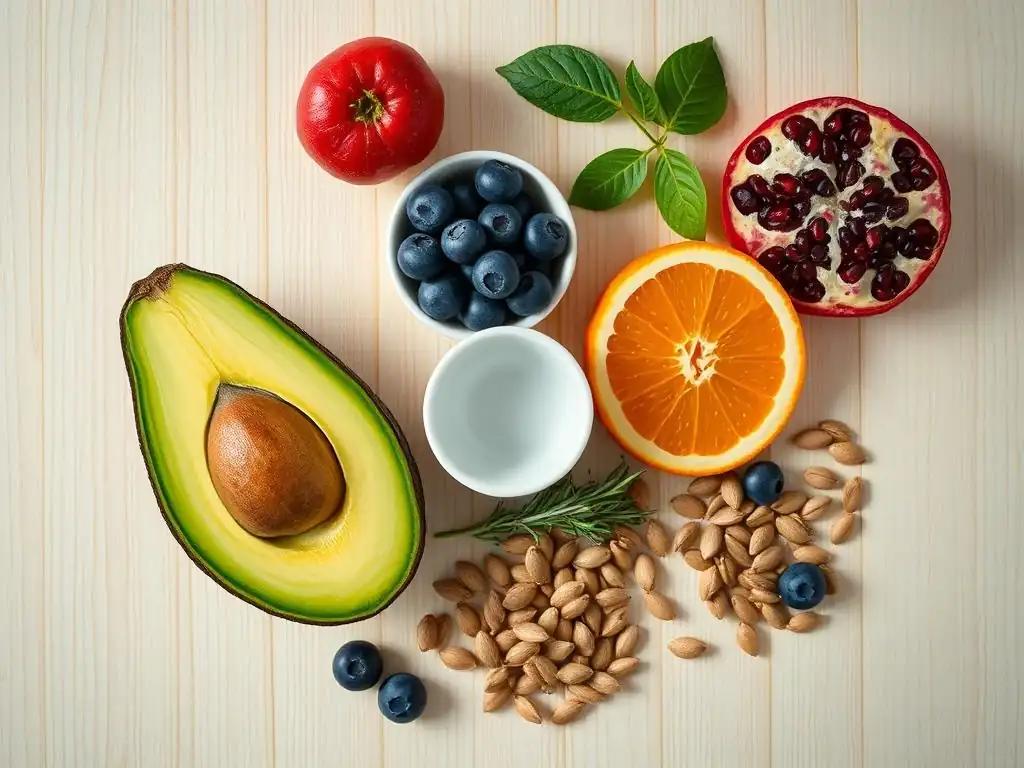
Once you have your mood-boosting grocery list, the next step is to turn those ingredients into nourishing meals. Creating a meal plan helps you utilize your groceries efficiently, reduces food waste, and makes healthy eating a consistent part of your routine. Aim for meals that combine complex carbohydrates, lean protein, healthy fats, and plenty of colorful fruits and vegetables to ensure a balanced intake of mood-supporting nutrients.
A personalized meal plan should take into account your dietary preferences, lifestyle, and cooking skills. Start simple and gradually incorporate more mood-boosting foods. The goal is to create sustainable habits that support your mental well-being over time, making it easier to experience how healthy foods boost mood consistently.
Sample Meal Plan: Oatmeal with Berries and Nuts (Breakfast), Salmon Salad with Leafy Greens (Lunch), Chicken Stir-Fry with Brown Rice and Vegetables (Dinner)
- Breakfast: Start the day with a base of rolled oats cooked with water or unsweetened almond milk. Top with a handful of fresh or frozen mixed berries (like blueberries and strawberries) and a sprinkle of walnuts or chia seeds for healthy fats and antioxidants. This provides sustained energy, fiber, and brain-boosting nutrients.
- Lunch: Prepare a large salad using a base of mixed leafy greens (like spinach and kale). Add a source of lean protein such as grilled or baked salmon (packed with omega-3s). Include other vegetables like cucumber, bell peppers, and tomatoes. Dress with olive oil and lemon juice or a vinaigrette made with olive oil. This meal is rich in omega-3s, vitamins, minerals, and fiber.
- Dinner: A simple stir-fry is a great way to incorporate protein and lots of vegetables. Sauté sliced chicken breast (or tofu for a plant-based option) with a variety of colorful vegetables like broccoli, carrots, bell peppers, and snap peas. Serve over a portion of cooked brown rice. Use a sauce made with soy sauce (or tamari), ginger, and a touch of sesame oil. This meal provides complex carbohydrates, lean protein, and a wide array of vitamins and antioxidants.
Tips for Meal Prepping: Prepare grains and proteins in advance; chop vegetables for easy snacking and cooking.
Meal prepping can significantly simplify healthy eating during the week. Dedicate a couple of hours on a weekend or a free evening to prepare components of your meals. Cook larger batches of staples like brown rice or quinoa and portion them into containers for easy use throughout the week.
Similarly, cook lean proteins like chicken breast or lentils in advance. These can be added to salads, stir-fries, or used for quick sandwiches. Wash and chop vegetables like bell peppers, carrots, celery, and cucumber at the beginning of the week. Store them in airtight containers so they are ready to be added to meals or grabbed as healthy snacks, making it much easier to stick to your plan and ensure healthy foods boost mood is a daily reality.
Shopping Smart: Tips for Budget-Friendly Mood-Boosting Groceries
Eating for mental well-being doesn't have to break the bank. Many healthy foods are quite affordable, especially when you shop smart. Planning your grocery trip and employing a few strategic tips can help you stick to your budget while still filling your cart with mood-boosting essentials.
Focusing on seasonal produce, utilizing local resources, and being mindful of sales can significantly reduce the cost of healthy eating. These strategies make incorporating healthy foods to boost mood accessible to more people, proving that prioritizing your mental health through nutrition is achievable regardless of budget constraints.
Buy seasonal produce, shop at farmers' markets, and purchase in bulk when possible.
Buying fruits and vegetables that are in season is often cheaper because they are more abundant and require less transportation. Seasonal produce is also typically fresher and more flavorful. Check online resources or local guides to see what's in season in your area.
Visiting local farmers' markets can sometimes offer better prices than conventional supermarkets, especially towards the end of the market day. You're also supporting local farmers. For pantry staples like oats, rice, beans, and nuts, consider buying in bulk if you use them frequently. This can significantly reduce the per-unit cost compared to pre-packaged options.
Utilize store loyalty programs and look for coupons online and in newspapers.
Most grocery stores offer loyalty programs that provide discounts on certain items or earn points towards future savings. Sign up for these programs and scan your card or enter your phone number during checkout to take advantage of potential savings.
Before heading to the store, take a few minutes to look for digital coupons on the store's app or website, or clip coupons from local newspapers or flyers. Combining coupons with sale items can lead to substantial savings on your grocery bill. Planning your meals around sale items that align with your mood-boosting list is a smart way to save money while prioritizing your health.
Conclusion: Nurturing Your Mental Well-being Through Food Choices.
Making conscious food choices is a powerful way to nurture your mental well-being. By focusing on a grocery list filled with nutrient-dense, whole foods like colorful fruits and vegetables, lean proteins, whole grains, and healthy fats, you are providing your brain with the essential building blocks it needs to function optimally. This approach supports the production of vital neurotransmitters, reduces inflammation, promotes a healthy gut microbiome, and provides stable energy levels, all of which contribute to a more positive and stable mood.
Remember that the link between healthy foods and mood is a two-way street. While diet significantly impacts how you feel, your mood can also influence your food choices. By planning ahead, shopping smart, and preparing nourishing meals, you create a positive cycle that supports both your physical and mental health. Implementing these strategies is a practical and effective way to leverage the power of nutrition and experience firsthand how healthy foods boost mood in your daily life.
Frequently Asked Questions
How do healthy foods boost mood?
Certain foods contain nutrients that directly impact brain function and neurotransmitter production. These nutrients, such as omega-3 fatty acids and B vitamins, can improve mood regulation and reduce symptoms of depression or anxiety. Eating a balanced diet also helps stabilize blood sugar levels, preventing mood swings.
What are some top mood-boosting foods I should include in my grocery list?
Some excellent choices include fatty fish (salmon, tuna), dark chocolate (in moderation), leafy green vegetables, berries, and nuts and seeds. These foods are rich in essential nutrients that contribute to overall mental well-being.
Can changing my diet alone cure mental health challenges?
While diet plays a significant role in mental well-being, it's usually not a standalone cure. It's best used as part of a comprehensive approach that includes therapy, medication (if necessary), and lifestyle changes. Think of it as an important supportive measure.
How quickly can I expect to see a difference in my mood after incorporating healthy foods?
The timeline varies from person to person. Some people may notice improvements within a few weeks, while others may take longer. Consistency is key. Focus on making sustainable dietary changes rather than aiming for a quick fix.
Are there any foods I should avoid to maintain a positive mood?
Yes. Limit your intake of processed foods, sugary drinks, and excessive caffeine. These items can lead to blood sugar crashes, inflammation, and other negative effects that can worsen mood. Focus on whole, unprocessed foods instead.
Final Reflection: Nourishing the Mind, One Grocery Trip at a Time
The connection between the food we eat and the way we feel is undeniable, a powerful link often overlooked in our fast-paced lives. Building a mood-boosting grocery list isn't just about choosing aesthetically pleasing produce; it's about actively participating in our mental and emotional well-being. This conscious act of selecting nutrient-rich foods is a powerful tool for cultivating a happier, healthier you.
The impact of diet on mental health is a topic that resonates deeply with me, as I've personally witnessed the transformative power of nourishing my body with foods that support my mind. You are what you eat,
a simple adage, yet one that holds profound truth. This article explored the science behind this connection, highlighting specific foods and their mood-enhancing properties. But beyond the scientific evidence, it's the personal experience – the feeling of increased energy, improved focus, and a more balanced emotional state – that truly underscores the importance of mindful grocery shopping.
Now, I invite you to take this knowledge and apply it to your own life. Don't just passively read this list; actively incorporate these mood-boosting foods into your weekly meals. Experiment with new recipes, discover your favorite combinations, and most importantly, pay attention to how you feel. This journey towards a happier, healthier you begins with a single, thoughtful trip to the grocery store. Embrace the power of food to nourish not only your body, but also your mind and spirit.
Unlock Your Inner Sunshine: Build Your Mood-Boosting Meal Plan Now!
Thanks for taking the time to explore the power of food on your mood! We hope you discovered some delicious and surprisingly effective ways to naturally lift your spirits. Ready to put this knowledge into action?
- Craft your personalized mood-boosting grocery list: Use the insights from the article to select at least three new foods to try this week. Think about which foods resonate most with your taste and lifestyle.
- Share your discoveries: Tell us (or a friend!) about your favorite mood-boosting recipe or ingredient. We'd love to hear what you find works best!
- Challenge yourself to a "Mood Food" photo contest: Take pictures of your delicious creations and share them online – maybe even start a little friendly competition with others focused on healthy eating.
What's the one mood-boosting food you're most excited to add to your next shopping trip?