
Outside Influences: How Environment Can Fuel Anxiety in Kids


Welcome to Mind Care Guide, a safe space dedicated to nurturing your mental well-being.
Are you noticing heightened anxiety in your child, and wondering where it stems from? Outside Influences: How Environment Can Fuel Anxiety in Kids delves into the often-overlooked connection between our surroundings and a child's mental state. Discover potential kids environmental anxiety triggers and learn practical strategies to help them navigate these challenging feelings. Let's explore together, and find empowering solutions.
Outside Influences: How Environment Can Fuel Anxiety in Kids
- Understanding Environmental Anxiety Triggers in Children
- Identifying Common Kids Environmental Anxiety Triggers
- The Link Between News, Media, and Environmental Anxiety in Children
- Recognizing Symptoms of Environmental Anxiety in Children
- Strategies for Helping Kids Cope with Environmental Anxiety Triggers
- Practical Tips for Parents and Caregivers to Reduce Environmental Anxiety
- Resources and Support for Families Dealing with Kids Environmental Anxiety
-
Frequently Asked Questions
- What are some common environmental factors that can act as Kids environmental anxiety triggers?
- How does exposure to news about environmental disasters impact a child's mental well-being?
- What are some signs that a child might be experiencing environmental anxiety?
- How can parents effectively communicate with their children about environmental concerns without causing more anxiety?
- What resources are available to help children cope with environmental anxiety and build resilience?
- Final Reflection: Nurturing Resilience in a Changing World
- Unlock Your Child's Calm: Practical Steps to Manage Environmental Anxiety
Understanding Environmental Anxiety Triggers in Children
Defining Environmental Anxiety and its Impact on Kids
Environmental anxiety, often referred to in the context of children as the impact of external surroundings on their emotional state, describes the feelings of worry, fear, or unease that arise from a child's interactions with or perceptions of their physical and social environment. These external factors can range from the immediate surroundings like home or school to broader influences like community safety and global events portrayed in the media.
For kids, these environmental anxiety triggers can manifest as persistent worries about things they cannot control, leading to significant distress that impacts their daily functioning, learning, and social interactions. It's not just about specific phobias but a pervasive sense of unease stemming from their perceived safety and stability in the world around them.
The impact of these environmental triggers on children's mental health is substantial. Chronic exposure to stressful environments or specific anxiety-inducing situations can disrupt a child's sense of security and overwhelm their developing coping mechanisms. This can lead to a range of difficulties, including problems with sleep, concentration, and emotional regulation.
For instance, a child constantly exposed to neighborhood instability might develop hypervigilance, making it difficult to relax even in safe settings. Recognizing these kids environmental anxiety triggers is the first step toward providing the necessary support and developing strategies to help children navigate their world with greater confidence and reduced anxiety.
The Growing Concern: Why Kids are Increasingly Vulnerable to Environmental Stress
Children today face a unique confluence of stressors that make them particularly vulnerable to environmental anxiety. Rapid technological changes, constant connectivity, and increased exposure to global issues through media contribute to a heightened awareness of potential threats and uncertainties. Unlike previous generations, current kids are often privy to complex world events and societal pressures at a much younger age, sometimes without the emotional maturity to process them adequately. This constant influx of information, combined with pressures in their immediate environments like academic demands and social complexities, creates fertile ground for anxiety to take root.
Furthermore, societal shifts, including economic instability and changes in family structures, can directly impact a child's home environment, adding layers of stress. Research indicates a rising trend in anxiety diagnoses among children and adolescents over the past decade, with environmental factors frequently cited as significant contributors.
For example, surveys suggest that a substantial percentage of young people report feeling overwhelmed by news about climate change, highlighting how global issues become potent kids environmental anxiety triggers even without direct personal experience of the event itself. Understanding this increased vulnerability is crucial for parents, educators, and caregivers to proactively address the environmental factors contributing to children's anxiety.
Identifying Common Kids Environmental Anxiety Triggers
The school environment is a significant part of a child's world and can be a major source of environmental anxiety triggers. From the moment they step onto school grounds, children navigate a complex social and academic landscape that can present numerous challenges. The pressure to perform academically, fit in socially, and manage a busy schedule can be overwhelming for many kids. Approximately 25% of students aged 13-18 are estimated to experience an anxiety disorder, with school-related factors frequently playing a central role. Identifying these specific triggers within the school setting is essential for developing targeted support strategies.
Academic Pressure and Performance Anxiety
The constant emphasis on grades, tests, and future success can create immense academic pressure, fueling performance anxiety in children. Kids may worry excessively about failing, disappointing parents or teachers, or not measuring up to their peers. This pressure is often compounded by demanding curricula and standardized testing regimes. For example, a fourth-grader might feel intense stress leading up to a major math test, experiencing sleepless nights and stomach aches, classic physical symptoms of anxiety triggered by the academic environment.
Social Dynamics and Bullying as Anxiety Factors
Navigating social relationships at school can be incredibly challenging. Peer pressure, the fear of rejection, and the dynamics of friendships are common sources of anxiety. Bullying, whether physical, verbal, or cyberbullying, is a particularly potent environmental trigger. A child who is being bullied may experience constant fear and dread about going to school, leading to avoidance behaviors and significant emotional distress. Even the fear of being bullied or ostracized can be a powerful anxiety trigger for many children.
The Physical School Environment: Noise, Crowds, and Sensory Overload
Beyond the social and academic aspects, the physical characteristics of the school environment can also be environmental anxiety triggers for kids. Large, crowded hallways, noisy classrooms, bright fluorescent lights, and unpredictable transitions between activities can be overwhelming, especially for children with sensory sensitivities. A child who feels overwhelmed by the sensory input of a crowded cafeteria might experience panic-like symptoms, leading them to avoid eating lunch at school altogether.
Home Environment and Its Role in Child Anxiety
The home is ideally a sanctuary, but it too can contain significant environmental anxiety triggers for children. The dynamics within the family, the stability of the living situation, and the overall emotional atmosphere play a crucial role in shaping a child's sense of security and well-being. When the home environment is unpredictable, conflict-ridden, or lacking in consistent support, it can lay the groundwork for chronic anxiety in children.
Family Dynamics and Stressful Home Environments
Ongoing conflict between parents, high levels of parental stress, or a lack of emotional connection within the family can create a stressful home environment that fuels child anxiety. Children are highly attuned to the emotional climate of their home and can absorb the stress of the adults around them. For instance, a child living in a home with frequent parental arguments might experience constant tension, leading to difficulties relaxing and sleeping, as they are always anticipating the next conflict. This ongoing exposure to family stress acts as a persistent kids environmental anxiety trigger.
Unstable Home Life and Its Impact on Children's Mental Health
Instability in the home environment, such as frequent moves, parental separation or divorce, job loss, or financial difficulties, can profoundly impact a child's mental health and contribute to anxiety. These situations disrupt routines, create uncertainty about the future, and can make a child feel unsafe or insecure. A child who has moved multiple times in a short period might develop separation anxiety or worry excessively about having to leave friends and familiar surroundings again, demonstrating how an unstable home life functions as a potent environmental trigger for anxiety in children.
Community and Societal Factors Affecting Kids' Anxiety Levels
The community and broader societal context in which a child lives also contribute to their environmental anxiety triggers. The safety of their neighborhood, access to resources, and exposure to societal issues can all impact their sense of security and well-being. Children are not isolated from the world around them and can be affected by stressors present in their local environment and society at large.
Exposure to Violence and Crime in the Neighborhood
Living in a neighborhood with high rates of violence or crime is a significant environmental anxiety trigger for kids. Children exposed to community violence, either directly or indirectly, may develop fear, hypervigilance, and symptoms of trauma and anxiety. The constant worry about personal safety or the safety of loved ones can be overwhelming. For example, a child who hears sirens frequently or witnesses incidents in their neighborhood might develop a fear of playing outside or walking to school, illustrating how community safety concerns become powerful environmental triggers for anxiety in children.
Lack of Safe Spaces and Recreational Opportunities
The absence of safe places for children to play and explore, such as parks, community centers, or supervised recreational programs, can also contribute to anxiety. Limited opportunities for positive social interaction and physical activity can leave children feeling isolated and increase their exposure to less safe environments. A lack of accessible, safe spaces means children may spend more time indoors or in unsupervised settings, potentially increasing feelings of boredom, frustration, and vulnerability, which can exacerbate underlying anxieties.
The Link Between News, Media, and Environmental Anxiety in Children

In the modern age, news and media serve as powerful, albeit indirect, environmental anxiety triggers for kids. Children are exposed to a constant stream of information, often unfiltered and graphic, about events happening around the world. This exposure can lead to increased fear, worry, and a sense of helplessness, particularly when dealing with complex global issues or traumatic events.
How Media Coverage of Global Issues Affects Kids
Media coverage of global issues like natural disasters, conflicts, and public health crises can be deeply unsettling for children. They may struggle to understand the context or scale of these events and internalize the fear and panic conveyed by the media. Surveys suggest that watching upsetting news coverage is a significant source of worry for many young people, demonstrating how media consumption acts as a powerful environmental trigger for anxiety in children.
Climate Change Anxiety in Children: A Growing Concern
Climate change is a global issue that has become a significant environmental anxiety trigger for many kids. Extensive media coverage of extreme weather events, environmental degradation, and warnings about the future can lead to feelings of hopelessness, fear, and worry about the planet's future. This 'eco-anxiety' is increasingly recognized as a distinct form of environmental anxiety affecting young people, impacting their mental health and outlook on life.
Exposure to Traumatic Events Through News and Social Media
Children's exposure to traumatic events through news reports, viral videos, and social media posts can be particularly damaging. Witnessing graphic content or hearing detailed accounts of violence and tragedy can be overwhelming and lead to symptoms of anxiety and even trauma. The pervasive nature of social media means children can encounter such content unexpectedly, making it difficult for parents to control exposure and mitigate the impact of these potent environmental triggers on their mental health.
Managing Media Consumption to Reduce Anxiety in Kids
Given the impact of media as environmental anxiety triggers, managing a child's media consumption is crucial. This involves not only limiting exposure to potentially upsetting content but also processing what they do see and hear. Parents can help by watching or reading news together and discussing it in an age-appropriate way, focusing on solutions and positive actions rather than just problems.
Establishing clear boundaries around screen time and the types of content allowed can significantly reduce a child's exposure to environmental triggers for anxiety presented through media. Encouraging engagement with positive or educational media can help balance the negative impact. Teaching children media literacy skills – how to critically evaluate information and understand that not everything they see is accurate or represents the full picture – is also a valuable tool in mitigating media-induced anxiety.
Recognizing Symptoms of Environmental Anxiety in Children
Identifying environmental anxiety in children can be challenging, as symptoms can vary and may overlap with other conditions. However, recognizing the signs is the first step toward providing help. Symptoms often manifest physically, emotionally, and behaviorally, particularly when a child is exposed to or anticipating contact with their specific kids environmental anxiety triggers.
Anxiety in children often presents with physical symptoms, which can sometimes be mistaken for physical illness. These symptoms are real and are the body's response to perceived stress or threat from the environment.
Sleep Disturbances and Fatigue
Difficulty falling asleep, staying asleep, or experiencing nightmares are common physical symptoms of anxiety in children. Worry about environmental triggers, whether it's school tomorrow or something seen on the news, can keep their minds racing. This lack of quality sleep often leads to fatigue during the day, creating a vicious cycle where tiredness can exacerbate anxiety.
Stomach Aches and Headaches
Anxiety frequently manifests as gastrointestinal issues like stomachaches, nausea, or even vomiting. Headaches are also common. These physical complaints often increase when a child is anticipating or currently within an environment that triggers their anxiety, such as before school or when visiting a specific place they associate with stress.
Emotional and Behavioral Symptoms of Anxiety
Beyond physical signs, environmental anxiety triggers can lead to noticeable changes in a child's mood and behavior. These symptoms can impact their relationships, learning, and overall quality of life.
Increased Irritability and Mood Swings
Children experiencing anxiety may become more irritable, easily frustrated, or prone to meltdowns. They might exhibit rapid shifts in mood, one moment seeming fine and the next becoming agitated or withdrawn, particularly after exposure to an environmental trigger or discussing something that worries them.
Avoidance of Specific Situations or Places
A key behavioral symptom of environmental anxiety is avoidance. Children may refuse to go to school, avoid social gatherings, resist visiting certain places, or withdraw from activities they once enjoyed if those situations or places are associated with their anxiety triggers. This avoidance behavior is a coping mechanism, albeit an unhelpful one in the long run, to escape the discomfort caused by kids environmental anxiety triggers.
Difficulty Concentrating and Focusing
Anxiety can make it hard for children to concentrate at school or home. Their minds may be preoccupied with worries related to their environmental triggers, making it difficult to pay attention, follow instructions, or complete tasks. This can impact academic performance and create further stress.
Strategies for Helping Kids Cope with Environmental Anxiety Triggers
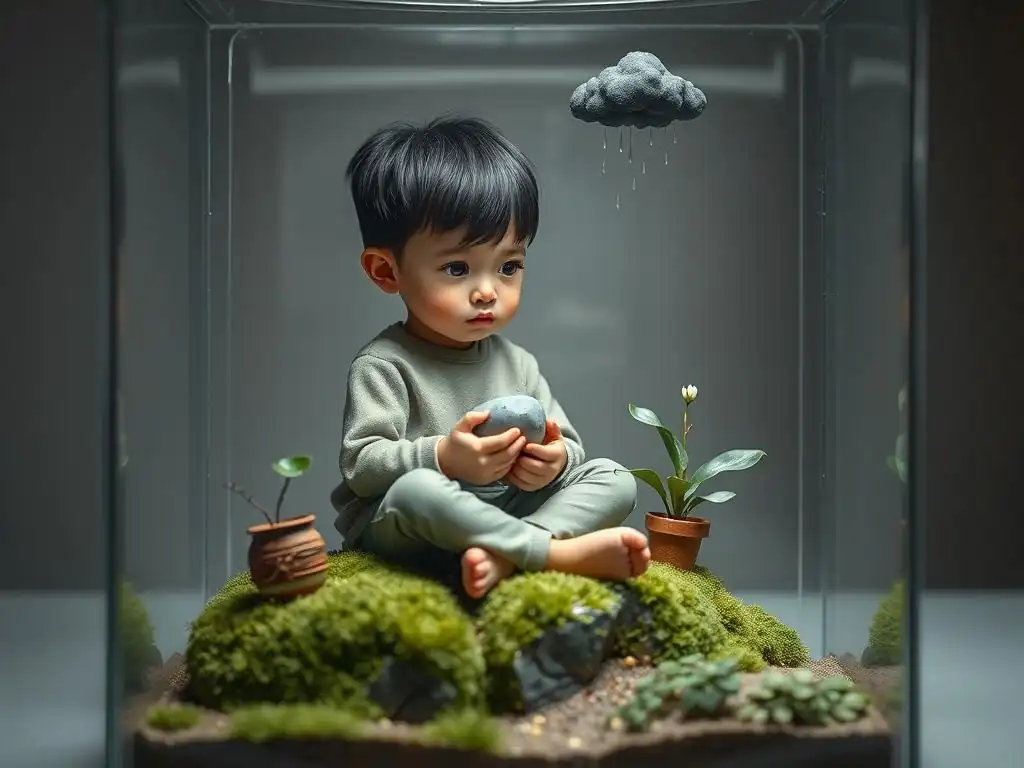
Helping children manage environmental anxiety triggers involves creating supportive environments and equipping them with effective coping skills. This requires a multi-faceted approach involving parents, educators, and potentially mental health professionals.
Creating a Safe and Supportive Home Environment
The home should be a refuge where children feel safe, understood, and supported. A stable and nurturing home environment can significantly buffer the impact of external environmental triggers for anxiety in children.
Open Communication and Active Listening
Encouraging open and honest communication is vital. Create a space where your child feels safe to talk about their worries and fears without judgment. Actively listen to their concerns, validating their feelings even if the triggers seem minor to an adult. Simply knowing they are heard can reduce the intensity of their anxiety.
Establishing Routines and Structure
Predictable routines and structure in the home provide children with a sense of stability and control, which can counteract feelings of anxiety stemming from unpredictable environmental factors. Consistent schedules for meals, homework, playtime, and bedtime help children feel secure and know what to expect.
Building Resilience and Coping Skills in Children
Teaching children how to manage stress and difficult emotions is crucial for building resilience against environmental anxiety triggers. These skills empower them to face challenging situations with greater confidence.
Teaching Relaxation Techniques (e.g., Deep Breathing, Mindfulness)
Simple relaxation techniques can be powerful tools for managing anxiety. Teach children deep breathing exercises, progressive muscle relaxation, or basic mindfulness practices. Practicing these skills regularly can help them calm their nervous system when faced with environmental triggers that cause distress.
Encouraging Problem-Solving and Emotional Regulation
Help children develop problem-solving skills by working through challenges together. Instead of immediately fixing a problem, guide them to think of solutions. Teach them to identify and label their emotions and develop healthy ways to express and regulate them, such as drawing, talking, or engaging in physical activity.
Seeking Professional Help for Kids Experiencing Environmental Anxiety
Sometimes, the impact of kids environmental anxiety triggers is significant enough to warrant professional intervention. Mental health professionals can provide specialized support and strategies tailored to a child's specific needs.
When to Consult a Therapist or Counselor
Consider seeking professional help if your child's anxiety is persistent, severe, interfering with their daily life (school, social activities, sleep), or if your attempts to help them cope are not effective. A therapist can assess the severity of the anxiety and identify the specific environmental triggers at play.
Types of Therapy Effective for Child Anxiety
Cognitive Behavioral Therapy (CBT) is a highly effective therapy for child anxiety. It helps children identify anxious thoughts related to their environmental triggers and learn more realistic ways of thinking. Exposure therapy, often used within CBT, can help children gradually and safely confront feared situations. Play therapy is also effective for younger children, allowing them to process anxieties through play.
Practical Tips for Parents and Caregivers to Reduce Environmental Anxiety
Parents and caregivers play a vital role in helping children navigate and mitigate the impact of environmental anxiety triggers. Simple, practical steps can make a significant difference in a child's anxiety levels.
Limiting Exposure to Overwhelming News and Media
Be mindful of what your child is exposed to through television, internet, and social media. Filter content, limit screen time, and engage in discussions about what they see to help them process difficult information and reduce exposure to potential environmental triggers for anxiety.
Promoting Outdoor Activities and Connection with Nature
Spending time in nature has been shown to reduce stress and anxiety. Encourage outdoor play, walks in the park, or gardening. Connecting with the natural environment can be a calming antidote to the stressors found in built or social environments, helping to mitigate the effects of kids environmental anxiety triggers.
Engaging in Open and Honest Conversations About Concerns
Talk to your child about their worries related to environmental factors in an age-appropriate manner. Be honest but reassuring. Validate their feelings while helping them understand complex issues in a way that doesn't overwhelm them. Encourage them to ask questions and express their fears.
Modeling Healthy Coping Mechanisms
Children learn by observing adults. Model healthy ways of coping with stress and anxiety. Show them how you manage your own responses to environmental triggers, whether through exercise, mindfulness, seeking support, or problem-solving. This teaches them valuable skills and shows them that it's okay to feel anxious and to seek help.
Resources and Support for Families Dealing with Kids Environmental Anxiety
Families are not alone in navigating the challenges of kids environmental anxiety triggers. Numerous resources and support systems are available to provide information, guidance, and professional help.
Online Resources and Support Groups
Many reputable websites and organizations offer information about child anxiety, environmental triggers, and coping strategies. Online support groups for parents can provide a sense of community and shared experience, offering practical advice and emotional support from others facing similar challenges with their children's environmental anxiety.
Books and Educational Materials for Children and Parents
A wealth of books is available for both children and parents on understanding and managing anxiety. Picture books and stories can help children identify and name their feelings, while guidebooks for parents offer strategies and insights into the specific kids environmental anxiety triggers their child might be facing.
Local Mental Health Services and Professionals
Connecting with local mental health services is crucial when professional support is needed. Pediatricians can often provide referrals to child psychologists, therapists, or counselors who specialize in treating anxiety disorders in children. School counselors are also valuable resources who can offer support within the educational environment and connect families with external services.
Frequently Asked Questions
What are some common environmental factors that can act as Kids environmental anxiety triggers?
Children can experience anxiety related to climate change, pollution, and natural disasters. These concerns often stem from news reports or discussions at school.
How does exposure to news about environmental disasters impact a child's mental well-being?
Constant exposure can lead to feelings of helplessness, fear, and anxiety. Children might worry about the future and their safety.
What are some signs that a child might be experiencing environmental anxiety?
Signs may include increased worry, changes in sleep patterns, and avoidance of discussions about the environment. Physical symptoms like headaches or stomachaches can also occur.
How can parents effectively communicate with their children about environmental concerns without causing more anxiety?
Parents should validate their child's feelings, provide age-appropriate information, and focus on positive actions they can take.
What resources are available to help children cope with environmental anxiety and build resilience?
Resources include mental health professionals, environmental education programs, and community initiatives focused on sustainability and well-being.
Final Reflection: Nurturing Resilience in a Changing World
The anxieties children face today, fueled by environmental concerns, are not simply childhood whims; they are a stark reflection of the urgent challenges our planet faces. These anxieties, often manifesting as eco-anxiety, are a legitimate response to the overwhelming information about climate change, pollution, and habitat loss readily available to even the youngest among us. Ignoring this reality would be a disservice to both our children and our future.
The pervasive influence of environmental factors on children's mental well-being is undeniable, shaping not only their present emotional landscape but also their future perspectives. This isn't just about individual anxieties; it's about the collective responsibility we bear to create a healthier, more sustainable world for future generations. The greatest threat to our planet is the belief that someone else will save it.
– Robert Swan. This quote underscores the crucial role each of us plays in mitigating the environmental factors contributing to children's anxieties. We must actively work towards solutions, fostering a sense of agency and hope in young minds.
Consider the impact of the information you're consuming and sharing. Are you fostering a sense of helplessness, or are you empowering your children and yourself with knowledge and actionable steps towards positive change? You have the power to shape the narrative. Start by engaging in open conversations about environmental issues, focusing on solutions and fostering a sense of hope and empowerment. Teach your children about sustainability, encourage their participation in environmental initiatives, and model responsible environmental behavior. Let's work together to create a future where children can thrive, free from the crippling weight of environmental anxieties.
Unlock Your Child's Calm: Practical Steps to Manage Environmental Anxiety
Thanks for taking the time to learn about how our environment impacts children's anxiety. You've gained valuable insights into recognizing and addressing these often-overlooked triggers. Now, let's put this knowledge into action!
- Prioritize one small environmental change this week: Is there a noisy area in your home, a cluttered space, or a screen-heavy routine you can adjust? Even a minor shift can make a big difference.
- Share this article with a friend or family member: Help spread awareness about environmental anxiety triggers in children. Many parents will appreciate the practical information shared here.
- Explore MindCareGuide.org for additional resources: We have articles, tips, and strategies designed to help kids thrive and manage anxiety.
What small change will you implement today to create a calmer environment for your child?